

5 Third Shot Drive Fixes That Stop You From Full-Sending Every Ball
A third shot drive hit at full power rarely wins the point, and it often costs you the kitchen line. These five fixes teach you to swing shorter, stay relaxed, and drive with control.
You get a ball at the perfect height, your brain screams "crush it," and the third shot drive sails long or smacks the tape. Sound familiar?
Too many players treat every drive like a chance to end the point right there.
The truth is that power does not always win, and swinging as hard as you can is one of the fastest ways to hand points to the other team.
These lessons come from More Briones Pickleball on YouTube, where the focus is on choosing control over raw speed.
Below you will find five fixes that make your drive lower, steadier, and far more effective.
Love pickleball? Then you'll love our free newsletter. We send the latest news, tips, and highlights for free each week.
Why Does Full-Sending Your Third Shot Drive Backfire?
A full-send third shot drive backfires because maximum power removes your control, and control is what creates the pop-up you actually want.
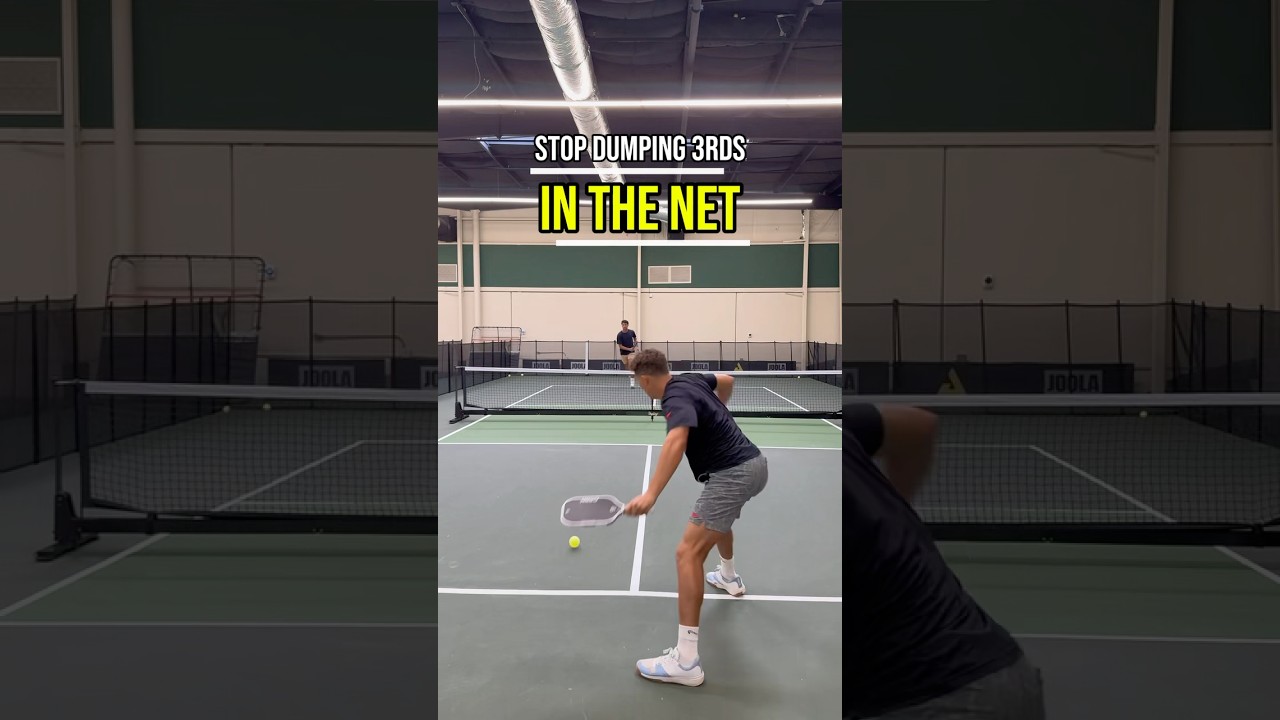
When you swing as hard as you possibly can, the ball tends to sit up or fly long.
A lower, dipping drive is much harder to attack and far more likely to produce a weak return.
There is a second cost that players rarely think about. If you crush the ball with everything you have, you are also off balance and out of position for the next shot.
Hitting with control gives you time to move forward toward the kitchen line.
That matters because getting to the line is the entire reason you hit a third shot in the first place.
If you want to see why the third shot matters so much, check out this guide on taking the third shot early to create pressure.
What Is a Controlled Third Shot Drive?
A controlled third shot drive is a firm, low, dipping ball hit at roughly 70 to 80 percent effort, with a short swing and a relaxed grip.
The goal is not to hit a winner. The goal is to force a pop-up or a weak reply while you walk forward to the line.
Think of it as a setup shot, not a finishing shot. Every ball you hit is setting up the next one, and a drive you can control is a drive that keeps you in the point.
5 Fixes for a Better Third Shot Drive
Each of these fixes targets a common error that turns a good drive opportunity into a missed ball. Work through them one at a time in practice.
1. Shrink Your Backswing
A huge backswing forces you to accelerate forward as fast as possible, which kills accuracy.
When you wind up big, the only thing you can do is swing hard and fast. Fast swings produce power, but very rarely with any control.
A shorter backswing lets you stay smooth and aim the ball where you actually want it to go, something this pickleball drive crash course reinforces at every level.
2. Think Shoulder Turn, Not Paddle Takeback
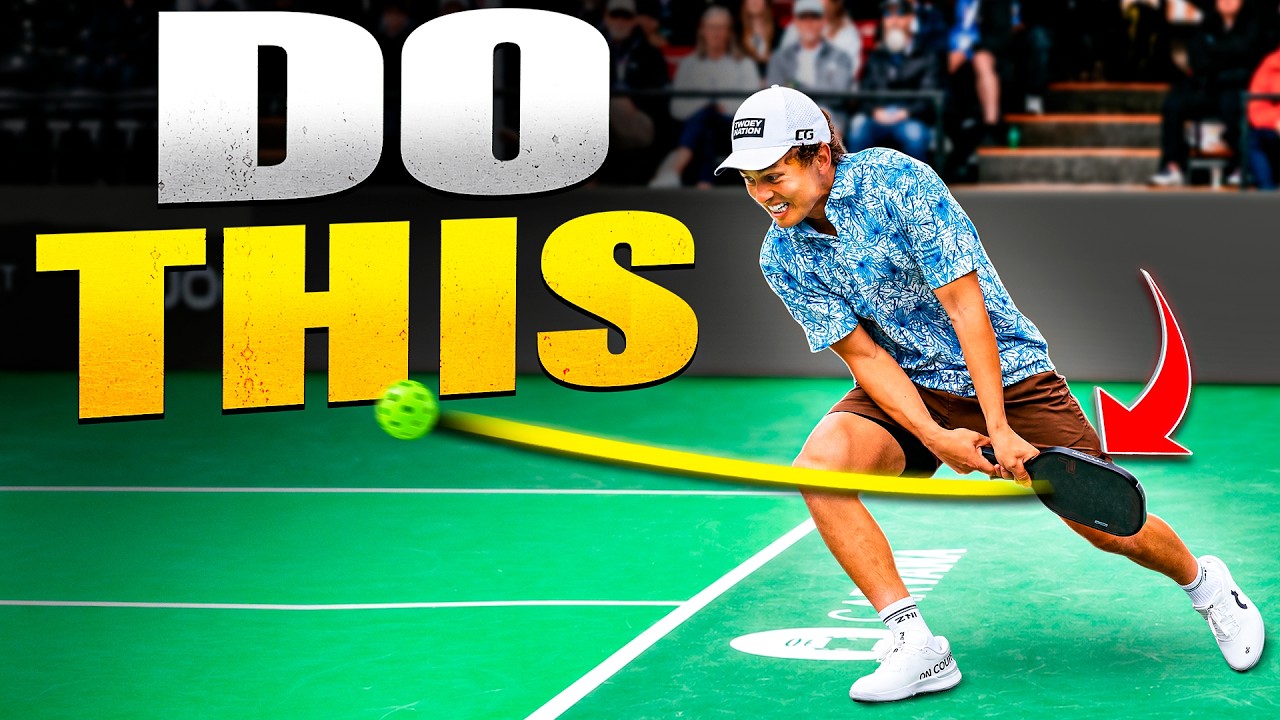
Instead of pulling your paddle back, rotate your shoulders. This limits how far the paddle travels and keeps your contact point in front of you.
Players who focus on the paddle tend to drift into a big loop.
Players who focus on the shoulder turn naturally keep the swing compact, which is the same principle behind better posture and balance on every stroke.
 The Dink Media Team
3. Set Your Feet Early
Your feet need to be set and prepped before the ball arrives, not while you are swinging.
Late feet are one of the biggest reasons drives sail out or find the net.
When your feet are ready, you can hit the ball out in front of you comfortably. You can fix your feet and buy yourself time and accuracy at the same time.
4. Keep Your Grip and Arm Loose
A tense grip is a quiet killer of good drives. When you squeeze the paddle, your forearm tightens and the ball gets spraying, inconsistent contact.
A 2025 study of recreational players published in the Journal of Functional Morphology and Kinesiology also linked a tight baseline grip to a higher rate of acute upper extremity injury.
Loose hands are not just a technique fix.
Keep your arm and grip loose and relaxed, especially as you start the swing.
Understanding the three pickleball grips helps you feel the ball and control its height.
5. Drive Slower to Prepare for the Next Ball
Hitting a little slower than your maximum gives you time to reset and move.
The extra half second is often the difference between reaching the kitchen line and getting caught in transition.
This is the mindset shift that ties everything together.
Every ball is a setup, so hit the drive that sets up your next move rather than the one that feels the most dramatic.
 The Dink Media Team
How Does a Shorter Swing Help You Get to the Kitchen Line?
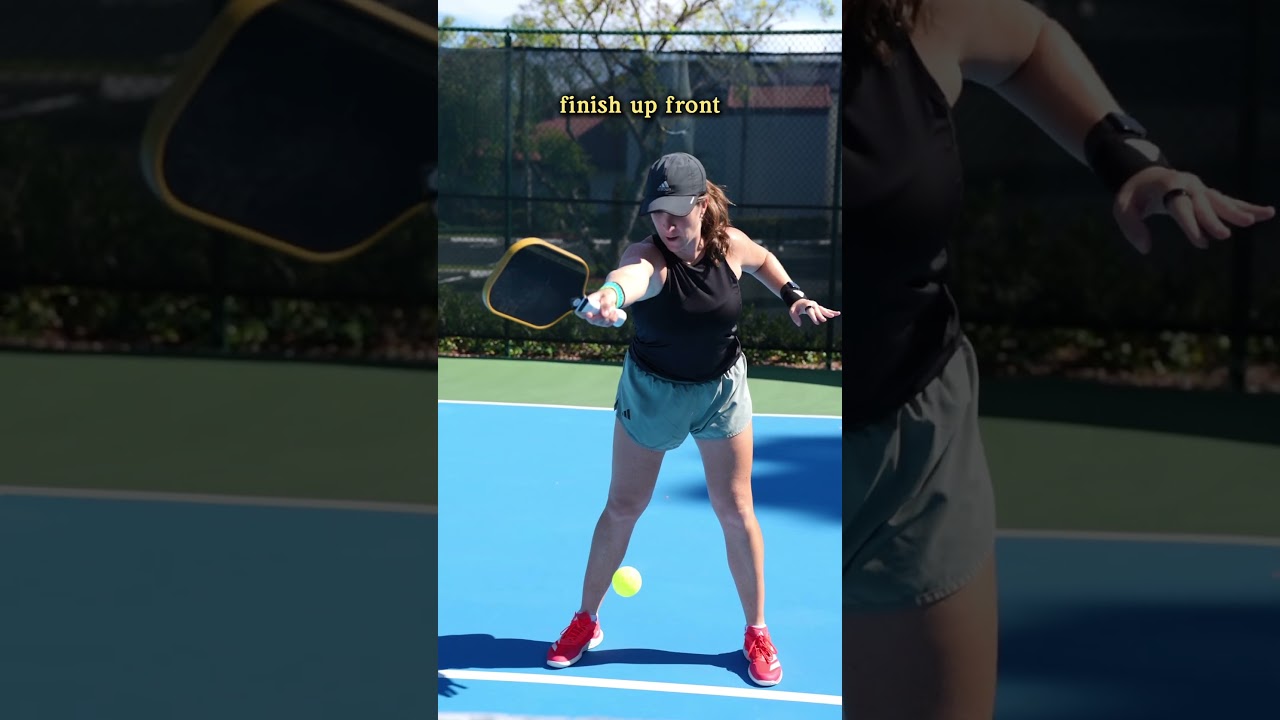
A shorter swing helps you reach the kitchen line because it keeps your body balanced and moving forward after contact.
A huge swing often leaves you leaning back or spinning out. A compact swing lets you step through the shot and start moving toward the net almost immediately.
This connects directly to your court position.
If you stay stuck at the baseline, the other team gets to attack you, so your third shot drive should be built to help you move up, not pin you back.
You can pair this with solid fundamentals from this breakdown of how to hit a harder pickleball drive that stays in.
 The Dink Media Team
When Is It Okay to Full-Send a Third Shot Drive?
It is okay to hit a harder drive when the ball is high, you are balanced, and the other team is out of position or flat-footed.
Even then, the aim is a firm, low ball, not a swing at maximum effort. Controlled aggression beats wild aggression nearly every time.
Here is a quick checklist for deciding if a bigger drive makes sense:
- The ball is above net height and in your strike zone.
- Your feet are set and your weight is moving forward.
- The opponents are standing back or leaning the wrong way.
- You can still hit with a short backswing and loose grip.
If any of those are missing, back off the power and aim for a dipping ball instead. You can read more about why trying to hit a winner is often a mistake.
 The Dink Media Team
What Do You Do After the Drive Lands?
After the drive lands, you should move forward immediately and get ready to attack or reset the next ball.
A good controlled drive often draws a pop-up.
That is your invitation to take the next shot with confidence, which is why your footwork after contact matters just as much as the swing itself.
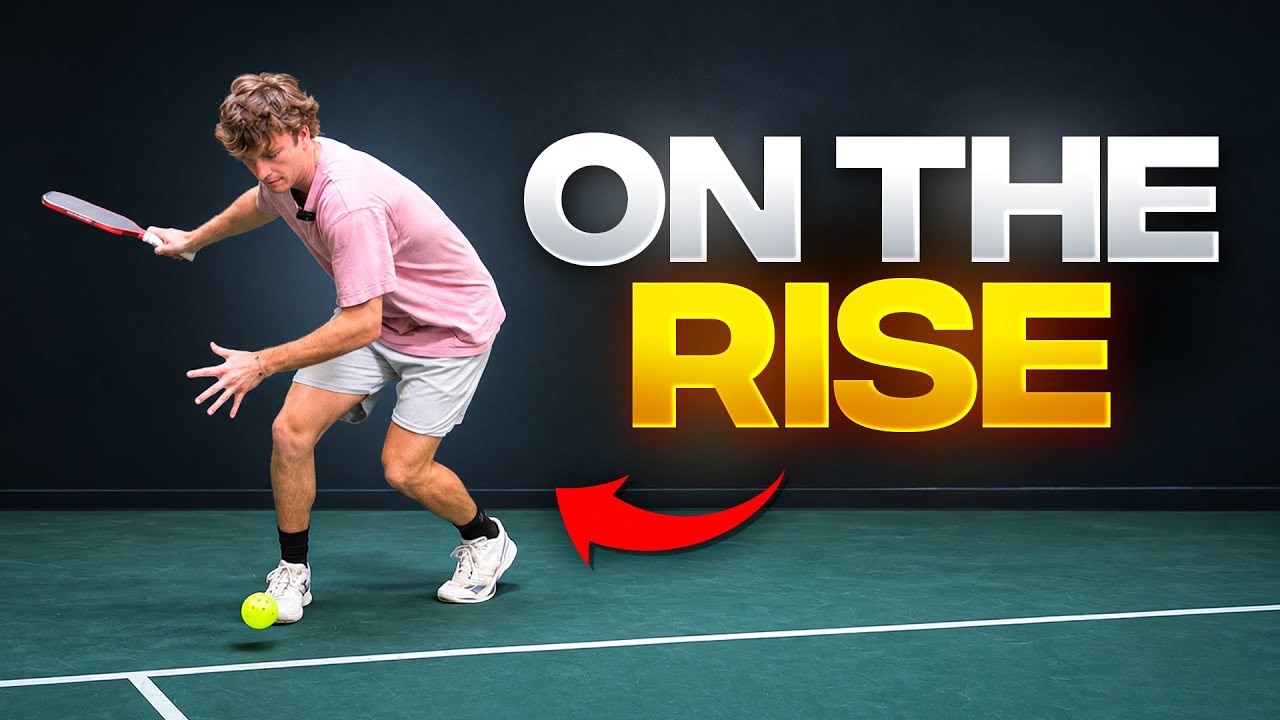
If your opponents block the ball back instead, you need a plan for the low ball at your feet.
This guide on hitting a pickleball at your feet without popping it up covers that situation well.
 The Dink Media Team
How Should You Practice the Controlled Drive?
Practice the controlled drive by hitting repetitions at about 70 percent effort and tracking how many land low and deep without a miss.
Start with a partner feeding you a ball from the kitchen line. Focus only on your shoulder turn, your balance, and the height of the ball over the net.
Use this simple progression:
- Hit ten drives focusing only on a short backswing.
- Hit ten more focusing only on a loose grip.
- Hit ten focusing on setting your feet before the ball arrives.
- Hit ten combining all three, then step toward the line after each one.
Once the swing feels steady, build it into live points. For more practice ideas, try these five pickleball practice drills for any skill level.
 The Dink Media Team
Why Does Missing Happen So Often on the Third Shot?
Missing on the third shot usually comes from rushing, tension, and trying to do too much with one swing.
The third shot is a pressure moment because you are standing deep while the other team sits at the kitchen.
That pressure makes players swing harder than they need to.
The fix is to slow down your decision making. If you want more ideas on this, read these seven ways to stop missing in pickleball fast.
You may also be overthinking the moment.
Some players find that playing better pickleball by thinking less brings their swing back to something smooth and natural.
 The Dink Media Team
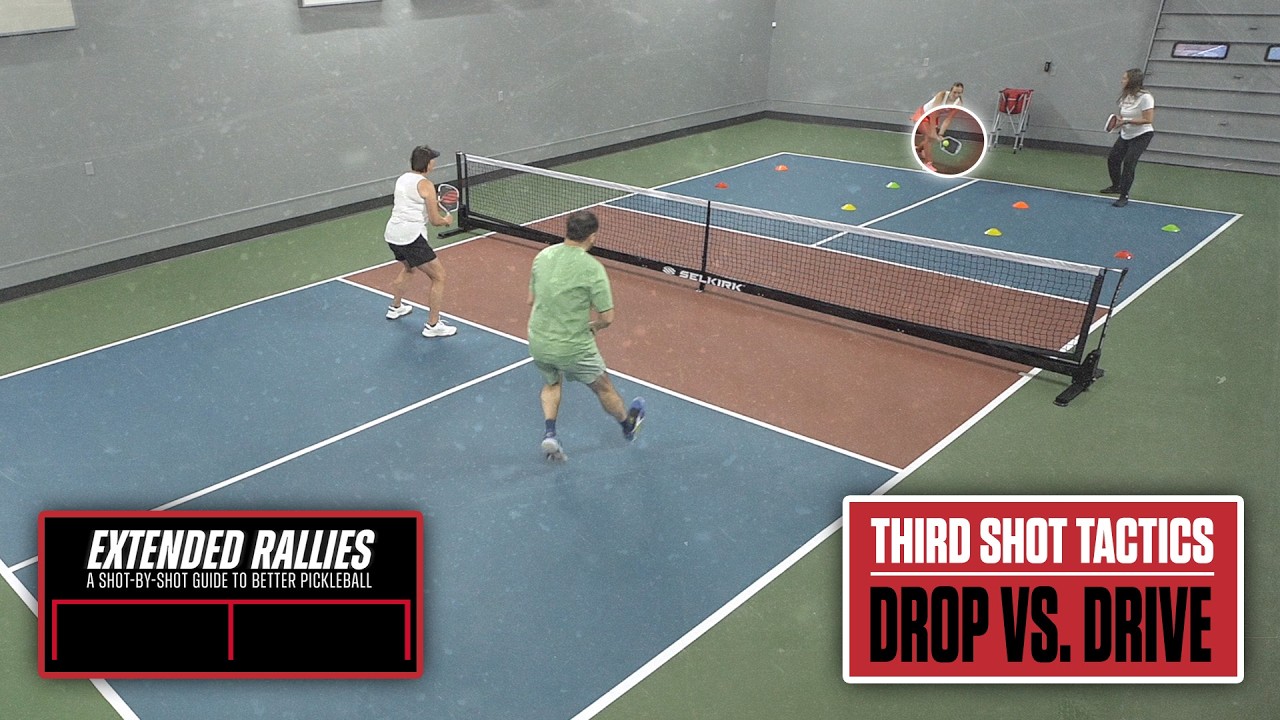
What About Drive Versus Drop on the Third Shot?
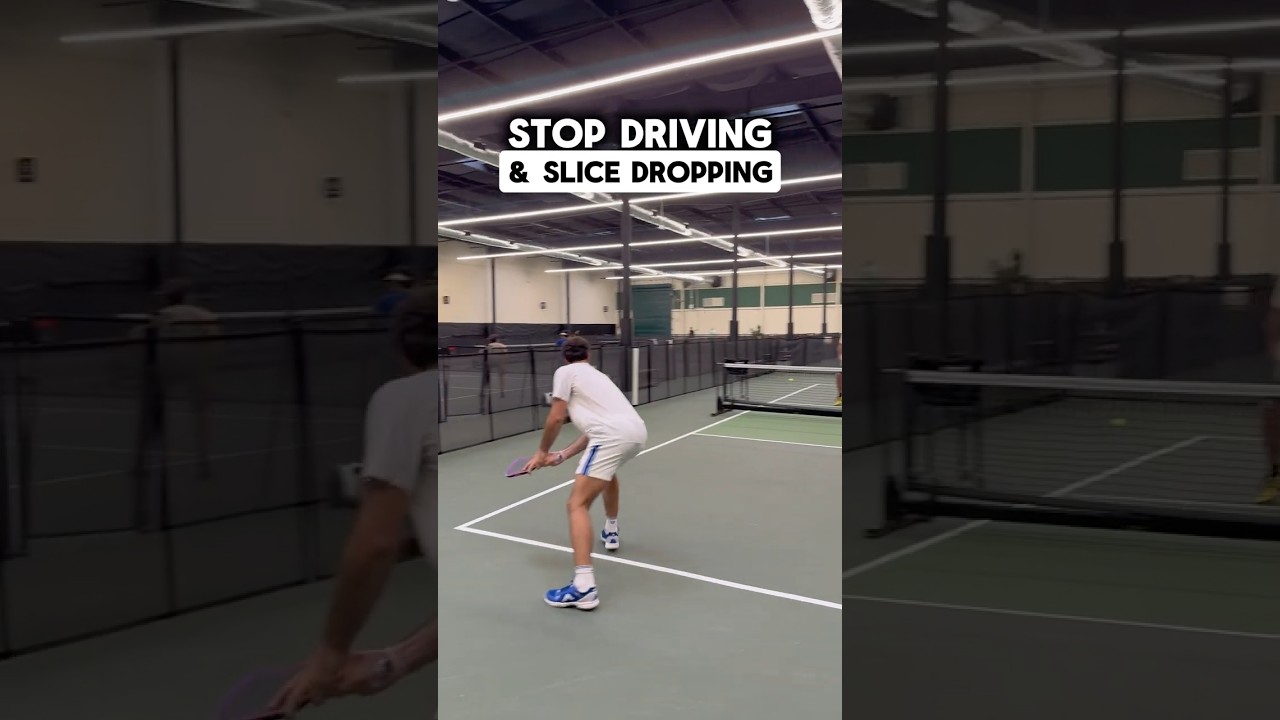
The drive and the drop are two different tools, and the best players choose based on the ball and the opponents, not habit.
A drop works when you want to neutralize and walk forward.
A drive works when the return is high enough to pressure the other team without risking an error, and learning the drive and drop combo gives you both answers.
If your drop is the shot letting you down, take a look at why you keep missing your third shot drop and pair it with your third shot drive work.
For a broader look at the mindset behind smart shot selection, aggressive teams win more points than passive ones.
 The Dink Media Team
Key Takeaways for Your Next Match
The next time you get a third shot drive to hit, remember that the goal is a pop-up and a path to the kitchen line, not a highlight reel winner.
Take a shorter backswing, turn your shoulders, set your feet early, keep your grip loose, and drive slightly slower than your maximum.
These small adjustments add up to a much steadier shot.
If you want to keep building your attacking game, explore these technical tips for winning kitchen line hands battles to see how the best players handle pace at the line.
Frequently Asked Questions
What is a third shot drive in pickleball?
A third shot drive is a firm, low ball hit by the serving team after the return of serve. Its purpose is to pressure the returners and help you move toward the kitchen line, not to win the point outright.
Should I always hit a drop instead of a drive on the third shot?
No, you should choose based on the ball. A drive works well when the return is high and the opponents are out of position, while a drop is better when you need to neutralize and approach the net.
How hard should I hit my third shot drive?
Aim for roughly 70 to 80 percent of your maximum effort. That pace keeps the ball low and controlled, which makes a pop-up from the other team far more likely.
Why does my third shot drive go long or into the net?
Most misses come from a big backswing, a tight grip, or feet that are not set. Shorten your swing, relax your hand, and prepare your footwork early to fix all three.
How do I get to the kitchen line after a third shot drive?
Hit a controlled drive so you stay balanced, then step forward right after contact. A slower, steadier drive buys you the extra half second you need to move up.

Love Pickleball? Join 100k+ readers for free weekly tips, news & gear deals.
Subscribe to The Dink