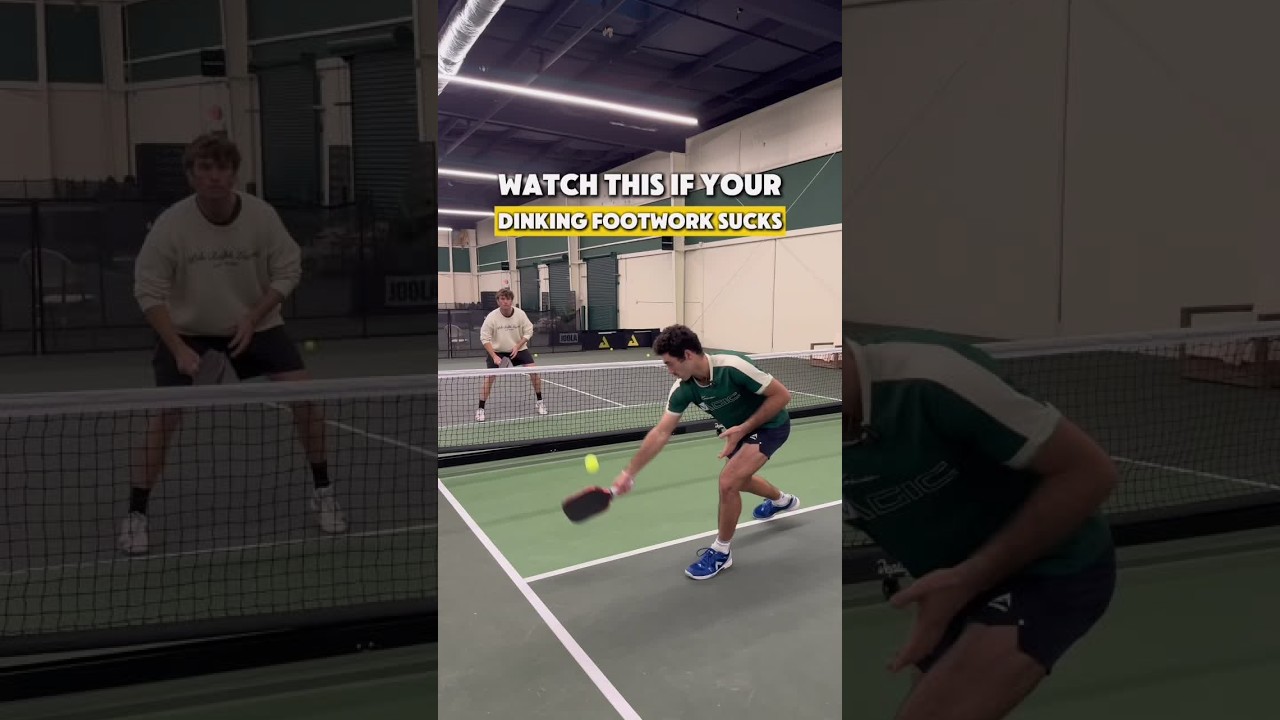


Flicking a high ball with your wrist robs you of power and hands your opponent an easy trip to the kitchen line. Learn how to load your arm and core and smash through the ball instead.
You see the ball floating up high, you get excited, and you flick it with your wrist.
The ball dribbles over the net, your opponent walks right to the kitchen, and suddenly you are the one on defense.
That is the cost of flicking a high ball, and it is one of the most common mistakes in amateur pickleball.
You had an opportunity to end the point or at least take control, and you gave it away with a lazy wrist snap.
These tips come from tanner.pickleball on YouTube, who breaks down exactly why the flick fails.
Below, you will learn why it fails, what to do instead, and how to train it so smashing becomes your default.
Love pickleball? Then you'll love our free newsletter. We send the latest news, tips, and highlights for free each week.
Why Is Flicking a High Ball a Mistake?
Flicking a high ball is a mistake because your wrist muscles cannot generate enough power to put real pressure on your opponent.
The result is a soft, slow ball that gives them time to walk forward and take over the kitchen line.
Think about what you are asking one small muscle group to do.
Your wrist is built for fine control and quick adjustments, not for producing pace on a ball above your shoulder.
When you flick, you also lose your target. A wrist-only swing has almost no structure behind it, so the ball lands short, sits up, or sails long with no warning.
The bigger issue is positional. A weak flick lets your opponent move in, and once they own the kitchen, you are the one getting attacked.
Here is the fix in one line: if the ball is high, swing like it is high.
A proper overhead smash in pickleball is an attack, not a placement shot, and it is one of the 6 essential pickleball shots to master for 2026.
What Should You Do Instead of Flicking?
Instead of flicking, you should load your entire arm and core and smash through the ball. A high ball is an invitation to swing big, not to tap it over.
When you use your whole body, you create pace, depth, and pressure all at once.
That pressure is what makes it difficult for your opponent to get into the kitchen after you hit.
Here is the basic idea in one line: if the ball is high, swing like it is high. Treat it as an attack, not a placement shot.
5 Fixes to Stop Flicking and Start Smashing
These five adjustments take you from a wrist flick to a full body smash. Work through them in order, because each one builds on the last.
- Get your paddle up early. The moment you read a high ball, raise your paddle above your shoulder so you are never scrambling to catch up.
- Turn your shoulders sideways. Rotate so your non-paddle shoulder points toward the net, which sets up your core to do the work.
- Load your arm back. Pull your elbow back and bend it slightly, like cocking a throwing arm, before you accelerate. This is the same loading pattern pros use across the four key strategies to winning in 2026.
- Swing through the ball, not at it. Aim past the contact point so your arm keeps accelerating instead of stopping at impact.
- Finish across your body. A full follow through tells you the swing was complete and not just a wrist snap.
If any of those steps feel rushed, you are probably still flicking. Slow your preparation down before you speed your swing up.
 The Dink Media Team
How Does Your Core Create Power on Overheads?
Your core creates power by rotating your torso and transferring energy up through your shoulder and arm into the paddle.
The wrist only adds a small finishing touch at the very end.
This is a kinetic chain: energy starts in your legs and hips, moves through your torso, and exits through your paddle.
According to a 2025 study on overhead smash mechanics published in Frontiers in Sports and Active Living, just three coordinated muscle synergies account for more than 90 percent of the shoulder activity in an explosive overhead swing, with the trapezius and scapular stabilizers leading the sequence.
Translation for your game: the shoulder and torso drive the shot, not the hand. Skip the first links in that chain and you are asking your wrist to do everything.
A simple way to feel it is to set your feet, rotate your hips back, then fire them forward as your arm follows.
For a deeper look at building that motion, use this 3-part motion to master overhead smashes, which pairs perfectly with the fixes above.
 The Dink Media Team
Why Does Pressure Matter More Than Placement?
Pressure matters more than placement because a fast, heavy ball takes away your opponent's time to move forward.
Even an average target feels hard to handle when the ball arrives quickly. Many players try to place a high ball perfectly with a wrist touch.
That usually backfires, because a soft ball gives the other team time to reset, step in, and neutralize the point.
A committed smash forces them to react instead of plan. They block, pop up, or get jammed, and you get the next ball.
This connects directly to your overall approach to the kitchen.
If you want to understand why holding that line matters so much, read pickleball kitchen strategy: 7 principles to win dinks.
 The Dink Media Team
Is a Flick Ever the Right Shot?
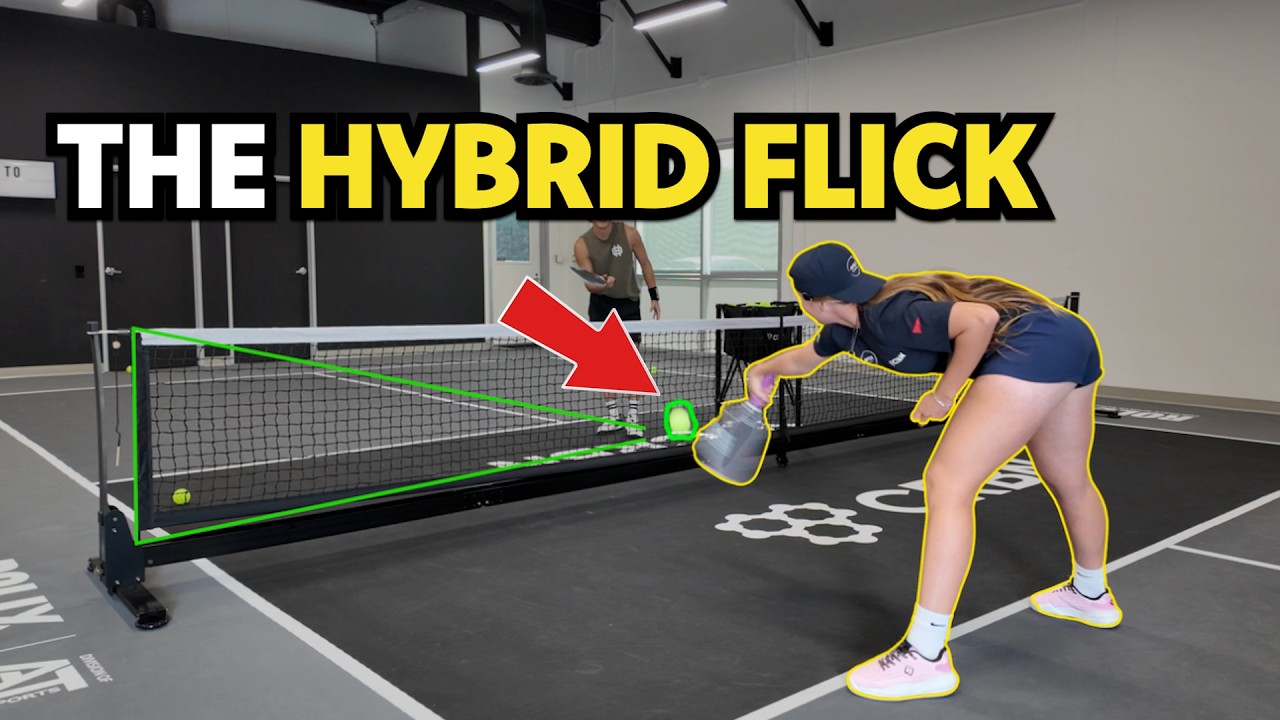
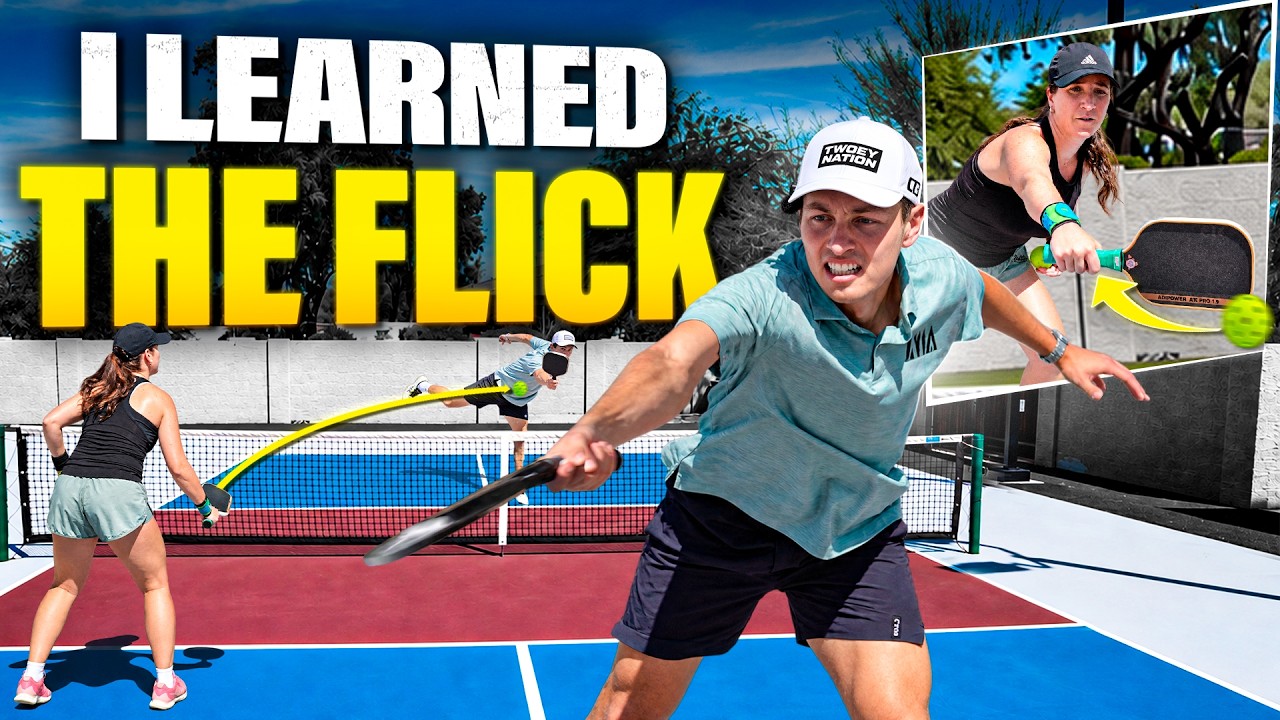
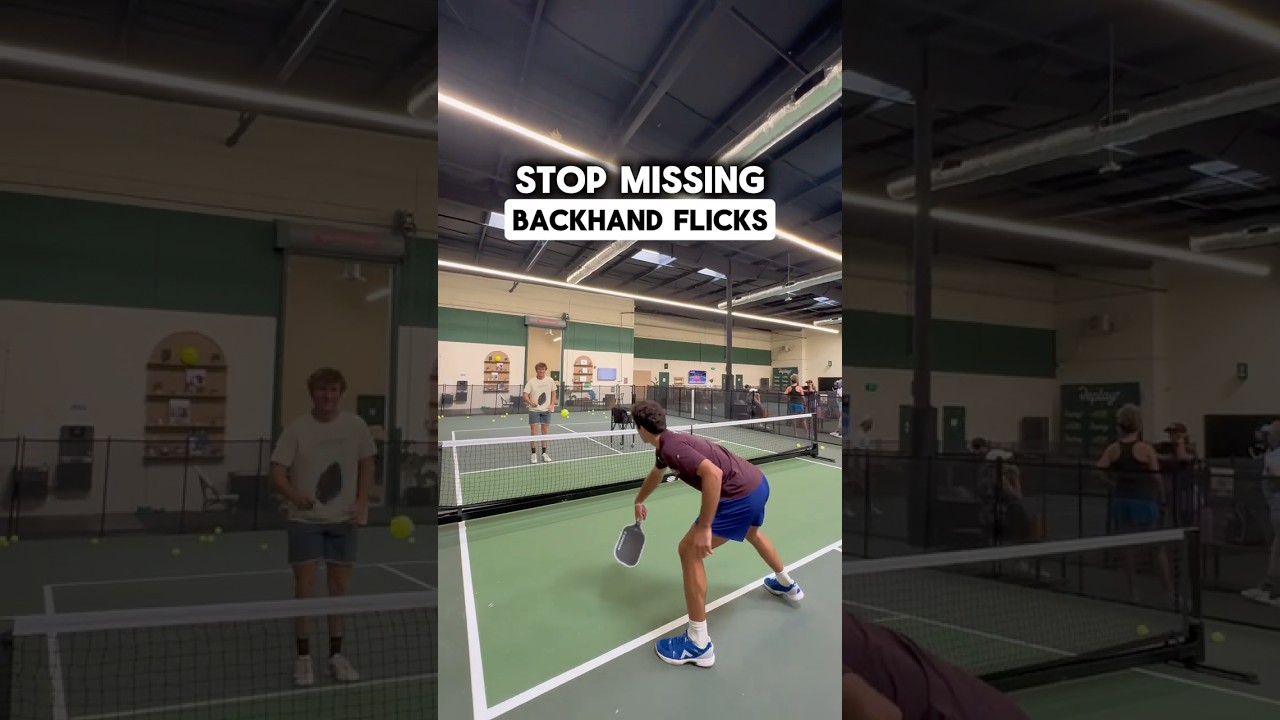
A flick is the right shot when the ball is low, close to the net, and you want to catch your opponent off guard at the kitchen line.
It is a wrist-driven attack on a ball at or below net height, not on a ball above your shoulder.
The difference is contact height. Low balls need a quick, compact attack, while high balls demand a full swing.
If you want to sharpen that low-ball attack separately, the four-part fix for a better forehand flick covers the proper technique. Just do not confuse the two situations.
 The Dink Media Team
How Do You Know a Ball Is High Enough to Smash?
A ball is high enough to smash when it sits above your shoulder or head and you can get your paddle behind it.
If you have to reach down or chase it, take a safer shot. Use this quick checklist before you swing:
- The ball is above shoulder height when it reaches you.
- You have time to get your feet set and body sideways.
- Your opponents are close enough that a fast ball will jam them.
- You can aim at a body, a gap, or the middle.
If you check at least three of those boxes, commit. Hesitation is what turns a good opportunity into a flick.
One rules note before you swing big: your paddle can follow through over the kitchen, but per the official USA Pickleball rules summary, neither your feet nor your momentum can carry you into the non-volley zone on a volley.
Knowing when to attack is half the battle, and this guide on when to play safe vs when to attack helps you build that instinct, along with the 7 new USAP pickleball rules for 2026.
 Eric Roddy
Where Should You Aim Your High Ball Smash?
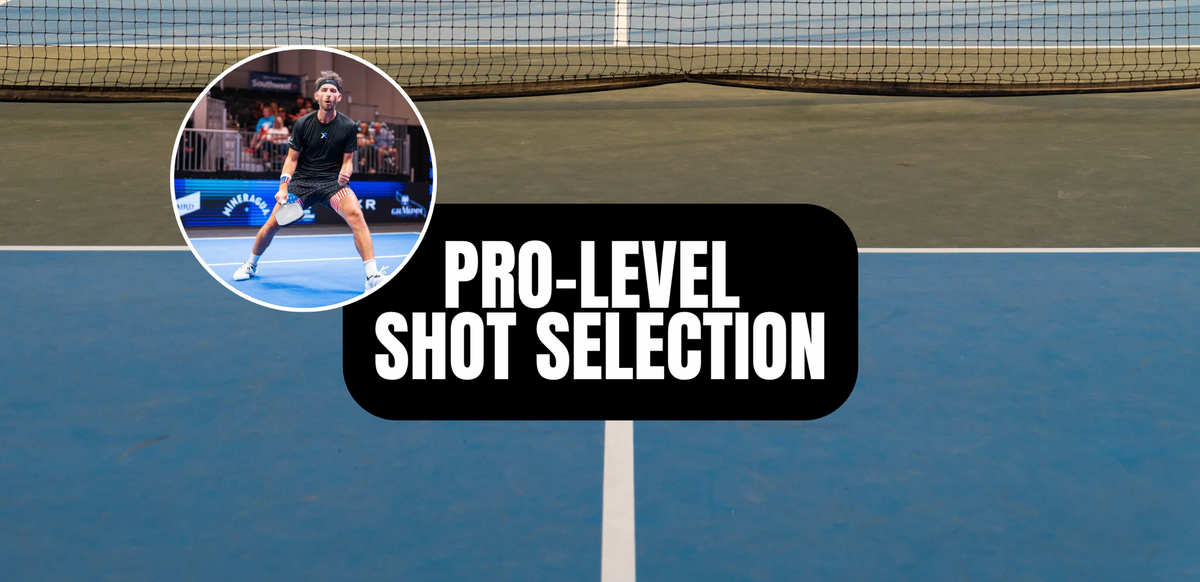
Aim at the middle, at the opponent’s body, or at the feet of the player closest to the net. These targets create indecision and limit your opponent’s ability to counter.
Pressure beats placement every single time.
A fast, heavy ball takes away your opponent’s time to move forward, and even an average target feels brutal when it arrives quickly.
Many players try to place a high ball perfectly with a wrist touch.
That backfires, because a soft ball gives the other team time to reset, step in, and neutralize the point.
A committed overhead smash in pickleball forces them to react instead of plan. They block, pop up, or get jammed, and you get the next ball.
If you want to build a smarter target plan, start with how to control the middle court in pickleball and the modern kitchen strategy tactics you’ll wish you knew sooner.
 The Dink Media Team
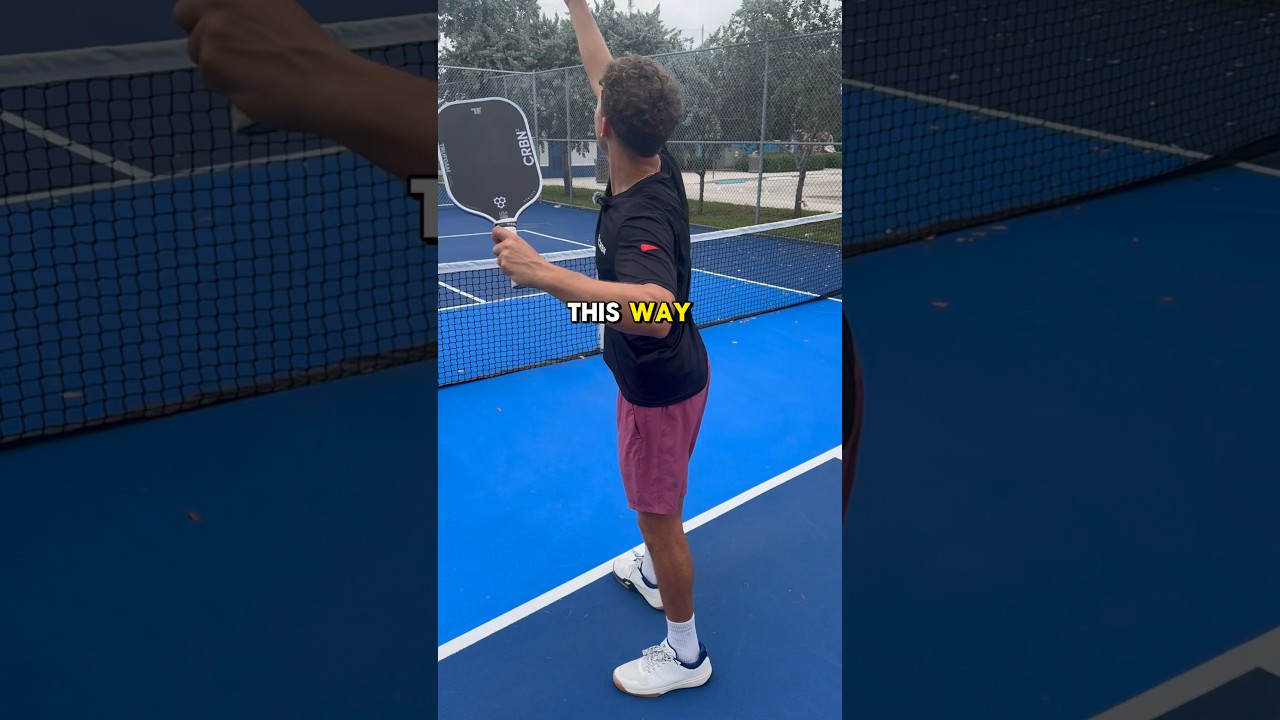
What Mistakes Happen When You Swing Big?
The most common mistakes are losing balance, hitting too early, and swinging out of control. Power without structure is just a faster unforced error.
Many players also forget to recover. After a smash, reset to ready position and be prepared for a block or a counter.
Another trap is taking your eye off the ball, which this article on watching the ball coming and going explains well.
The last trap is fear, and if you recognize that in your own game, read why standing firm at the kitchen line isn’t always the best advice.
A soft shot that gives up the kitchen line is a miss in its own way, because it still costs you the point.
 The Dink Media Team
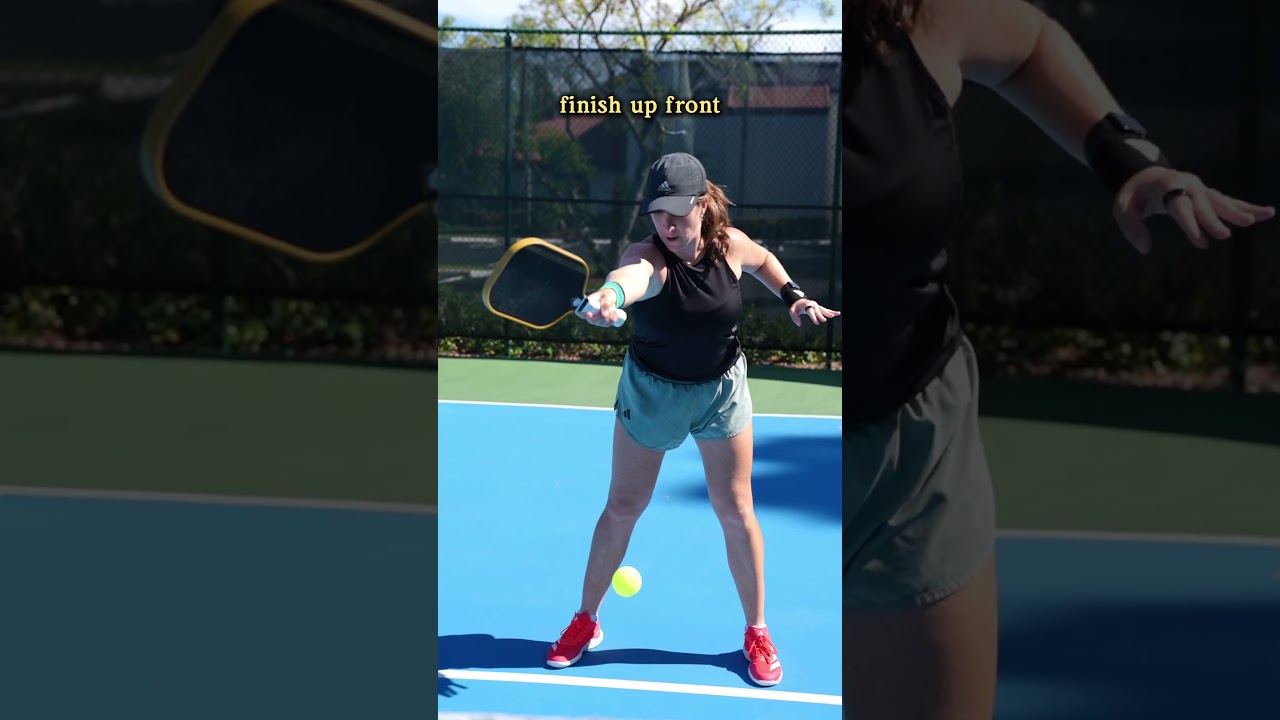
How Can You Practice Smashing High Balls?
You can practice smashing high balls by having a partner feed lobs or pop-ups while you focus on form, not speed.
Start at about 60 percent power and build as your mechanics stay clean.
Try this simple progression:
- Shadow swing without a ball to groove your body rotation.
- Hit slow feeds from a partner and focus on contact above your shoulder.
- Add targets, such as the middle or a cone near the kitchen line.
- Play live points where high balls must be attacked, not flicked.
If you want more structure, build it into your sessions with the 12 drills you need to play your best pickleball in 2026.
Consistent reps are what rewire the flick habit, and they are the same reason the 5 pickleball shots you must master before 2026 separate 4.0s from 5.0s.
Also think about your warm-up, since overhead swings stress your shoulder.
A solid routine like properly warming up your body and mind before taking the court keeps you loose and injury free.
Fold the smash into a repeatable game plan using this simple 4-step system to win more pickleball games in 2026.
Committing to the attack beats playing it safe when the opportunity is clear.
 The Dink Media Team
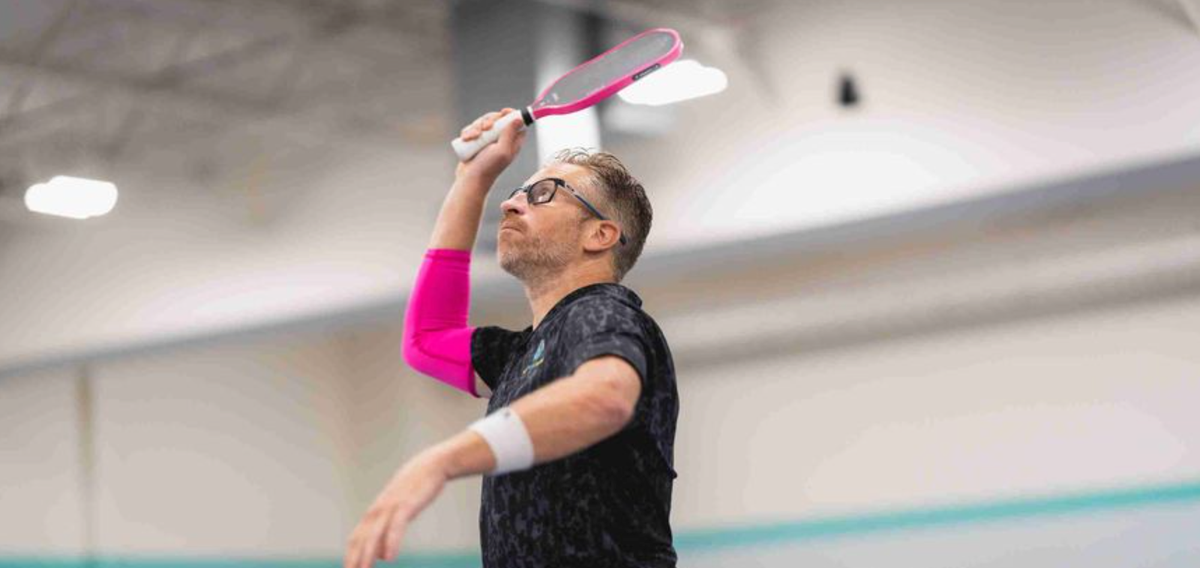
What Does a Smash Teach You About Aggression?
A smash teaches you that committing to an attack beats playing it safe when the opportunity is clear.
Hesitation is more dangerous than aggression in these moments.
Players who flick high balls are often scared of missing. But a soft shot that gives up the kitchen line is a miss in its own way, because it costs you the point.
If you recognize that tendency in your own game, read 3 signs you're playing too passively. It will help you separate smart patience from fear.
Frequently Asked Questions
Why shouldn't I flick a high ball in pickleball?
Flicking a high ball uses only your wrist, which cannot generate real power. The soft result lets your opponent move forward and take the kitchen line.
What is the best way to hit a high ball?
Use your entire arm and core to load up and swing through the ball. Turn sideways, pull your elbow back, and finish across your body for pace and control.
When is it okay to flick in pickleball?
A flick works best on low balls near the net when you want a quick, surprising attack at the kitchen line. It is not the right tool for balls above your shoulder.
How do I generate more power on overheads?
Power comes from your legs, hips, and torso rotating before your arm fires through the ball. Think of it as a chain where your wrist is only the last link.
Where should I aim a smash in doubles?
Aim at the middle, the opponent's body, or the feet of the player closest to the net. These targets create confusion and reduce your risk of hitting out.


Love Pickleball? Join 100k+ readers for free weekly tips, news & gear deals.
Subscribe to The Dink