
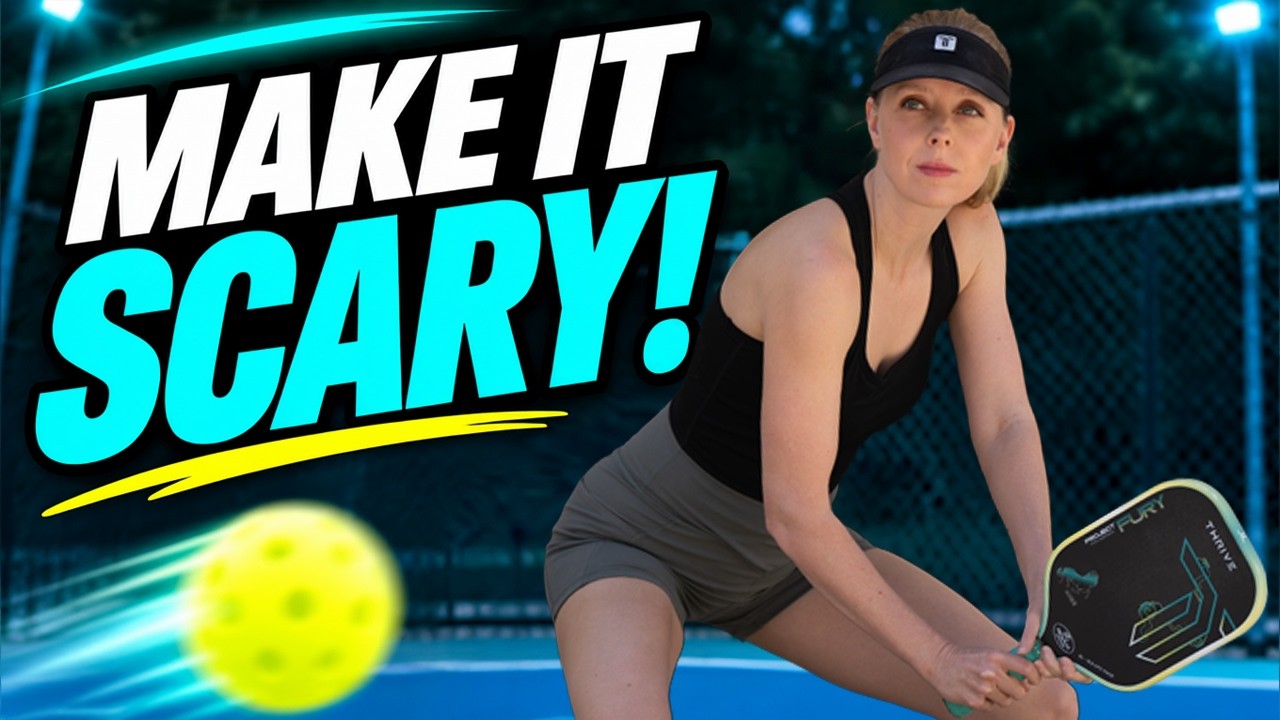
A weak backhand return gives the serving team a free third shot, even when it lands deep. These six fixes from a live coaching session turn a pushed, passive backhand return into a pressure shot.
Your backhand return might be landing deep and still doing absolutely nothing for you.
If the serving team gets an easy, comfortable third shot every time, that return is not scary, no matter where it bounces.
That was the exact problem in a recent coaching session from Cori Elliott on YouTube.
Her student described her returns as "deadish," and Cori saw why: half topspin, half push, with nothing committed to either one.
Below, you will get the six adjustments Cori used to turn a passive backhand return into a drive that pressures the server.
Each one is simple, but together they change the whole shot.
Love pickleball? Then you'll love our free newsletter. We send the latest news, tips, and highlights for free each week.
Why Does a Deep Backhand Return Still Feel Dead?
A deep backhand return feels dead when you are pushing the ball instead of driving it.
Depth alone is not a weapon, because the server can still step in and attack a ball that arrives with no pace and no purpose. Cori’s diagnosis was blunt.
Her student was pushing the ball instead of driving it, which creates a ball that lands mid court and never forces the serving team to react.
The fix is to pick a lane. You want real pace and a little topspin, so the ball dips and jumps off the bounce instead of sitting up.
If you already struggle to keep backhands in play, start with 7 ways to stop missing in pickleball fast before you add pace. A scarier return only works if it stays in.
Fix 1: Step Out and Draw the Paddle Back
Your footwork on the return is already fine, so keep it. The change is what your paddle does while you step.
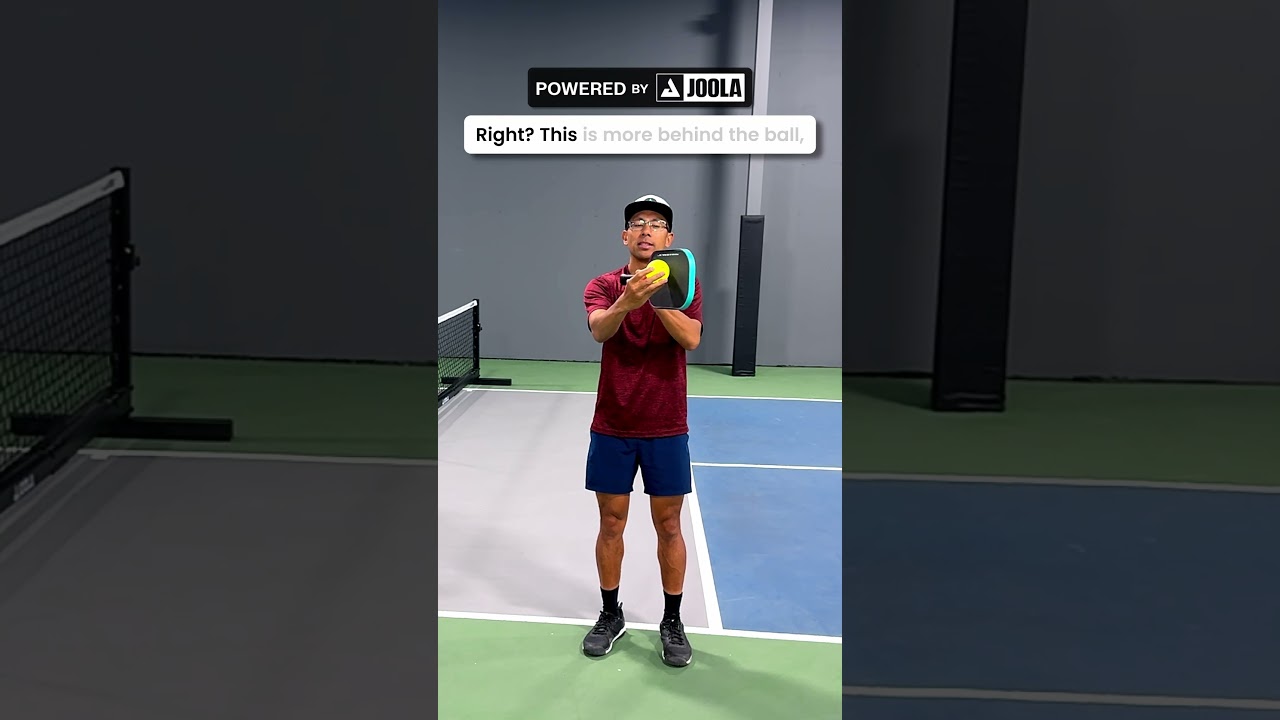
Step out, then bring the paddle back a little, almost like loading a drive. This lets you absorb the pace of the serve instead of driving through it.
Cori pointed out that this matters most against big serves. The more pace the server has, the more room you need behind the ball to control it.
Fix 2: Make Contact Out in Front
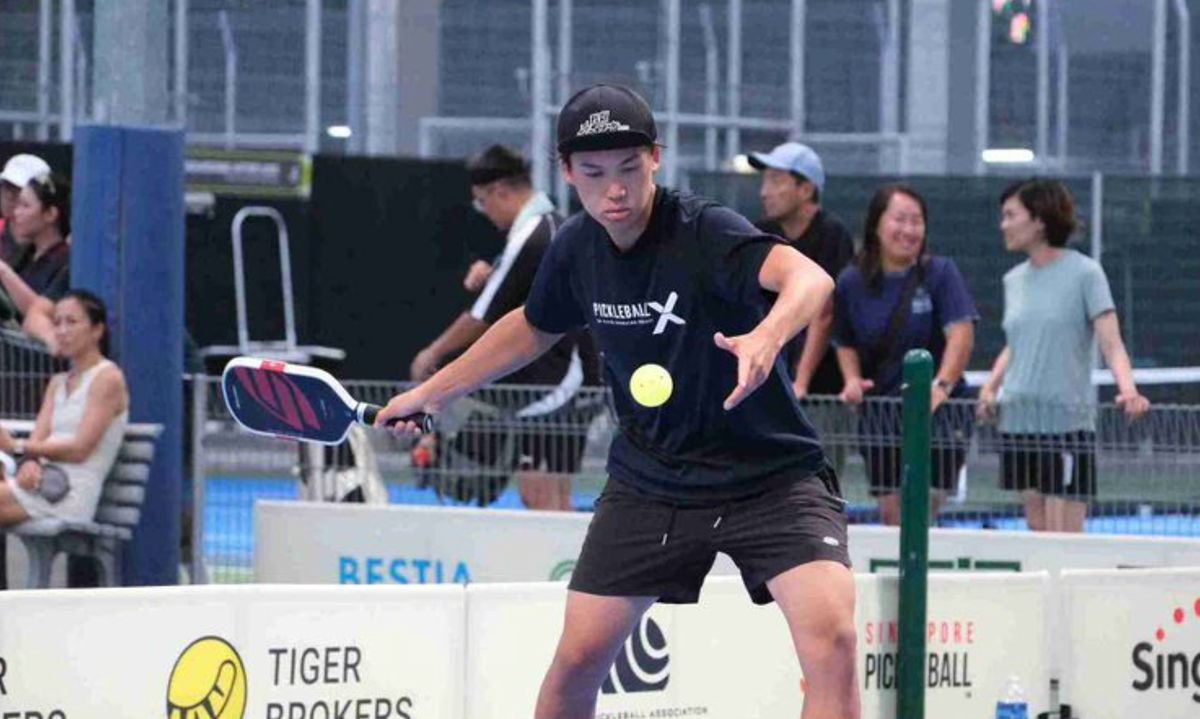
The ball should meet your paddle out in front of your body, not beside it or behind it.
Contact out front gives you leverage, and it keeps the paddle face stable through the hit.
After contact, finish toward your shoulder, similar to how you finish a backhand dink.
You are not swinging wild, you are guiding the ball through a short, controlled arc.
This front contact point is the same idea behind a clean harder pickleball drive that stays in. Pace comes from timing, not from muscling the ball.
 The Dink Media Team
Fix 3: Stop Extending Your Right Arm Past Your Left
Here is the specific flaw Cori caught: the student was pushing the paddle out with her right arm like a shove.
Try not to extend the right arm more than the left.
On a two-handed backhand return, both arms work as a unit. When the dominant arm pokes out alone, the shot turns into a push and the topspin disappears.
Think of it as a two-handed backhand drive. The top hand guides, and the bottom side snaps through.
If your two-handed backhand falls apart under pressure, 7 two-handed backhand counter fixes for pickleball pairs well with this one.
 The Dink Media Team
Fix 4: Snap Through With the Left Side
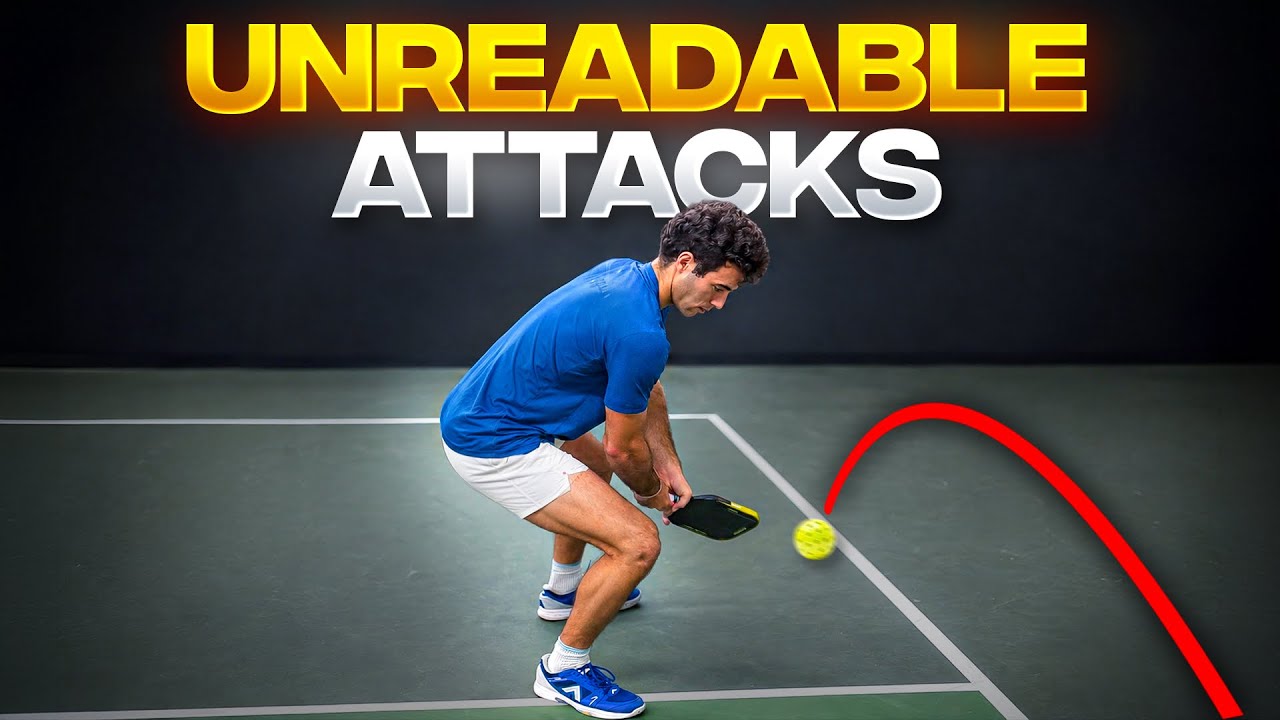
The rotation comes from your left side pulling through the ball. Cori told her student to snap through more with the left while staying low.
Staying low matters because it keeps your contact point consistent and lets you drive up slightly through the ball.
Stand up too early and you pop the ball into the air.
Once you hit, you can move through the shot and use your body weight to push the ball deeper. The momentum finishes the job, so you do not need to arm it.
Here is the sequence in order:
- Split step and read the serve.
- Step out and draw the paddle back.
- Meet the ball out in front.
- Snap the left side through and finish near the shoulder.
- Move through the shot with your body weight.
 The Dink Media Team
Fix 5: Lock the Wrist at Contact
A floppy or popping wrist adds variability, and variability on a return means misses.
Cori noticed her student kept popping the right wrist out, which she said creates variability that may be negative.
Her rule is simple. Keep a slightly relaxed wrist as you prepare, then lock everything at contact for a stable paddle face.
Cori described this as trapping the ball. You hit it out front, lock, and go through, which is what makes the shot feel like a true backhand drive.
Wrist control also shows up in other shots, like the one covered in 3 backhand roll fixes to stop netting the ball.
 The Dink Media Team
Fix 6: Get the Paddle Prepped Earlier and Lower
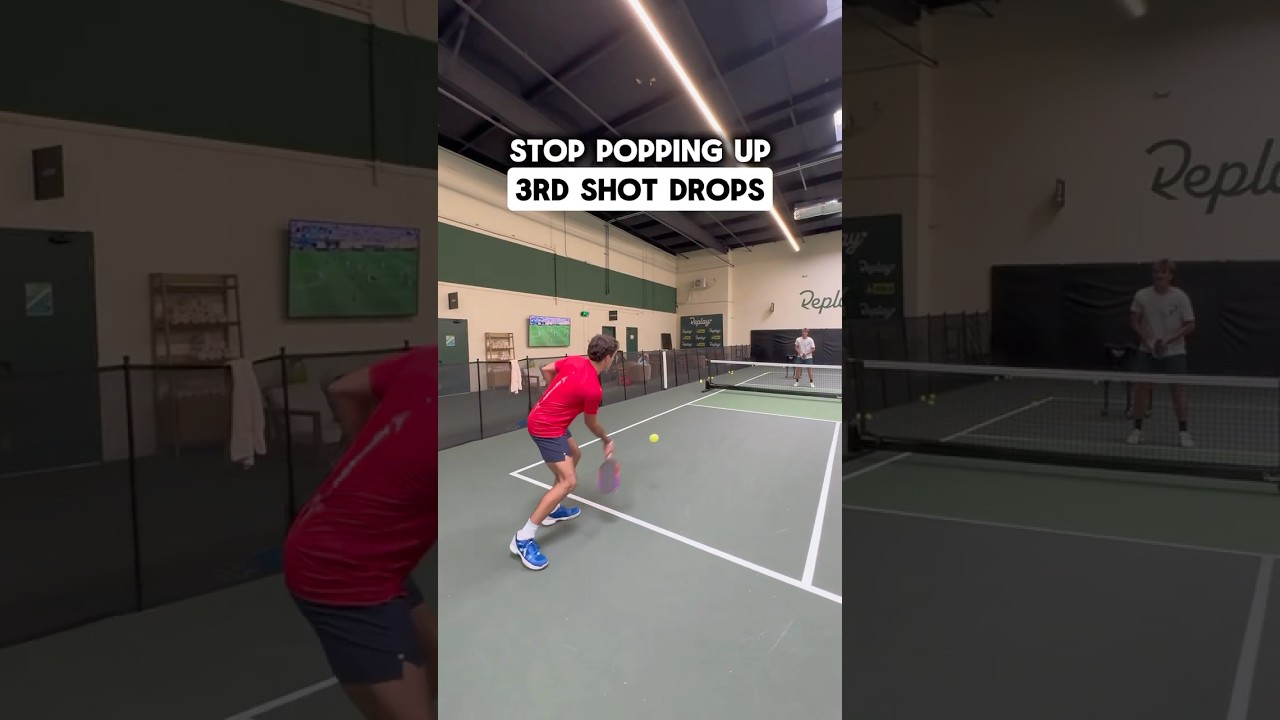
Most late returns are really late preparation. Cori kept repeating the same cue: get your paddle prepped a little earlier.
Even on a short serve, you want the paddle ready as you get lower. If your paddle is already set, you can get through the ball much more cleanly.
She also told her student to drop the paddle down "just a tad more."
A slightly lower paddle starting point lets you drive up through the ball, which creates that topspin dip.
The student noticed the difference immediately. Remembering to drop the paddle was the single biggest change she felt.
 Justin Barton
What Is a Backhand Return Drive?
A backhand return drive is a firm, topspin return hit out in front that travels deep with pace instead of floating or pushing.
It is not a wild swing, and it is not a soft block. The goal is a ball that lands deep, dips, and forces the server to defend or hit up.
Compare that to a push return, which arrives slowly and lets the server attack from a comfortable position.
Because the serving team usually wants to stay aggressive, a pressured return slows them down.
It also sets up your own third-shot-ready position, similar to the pressure ideas in take the third shot early: 6 keys to pressure.
 The Dink Media Team
How Do You Practice the Backhand Return Without a Partner?
You can build the backhand return with simple shadow reps and a few feeds. Repetition on the prep and contact point matters more than hitting hard.
Try this progression:
- Shadow reps: Practice the step, paddle draw, and left side snap with no ball, 20 times.
- Slow feeds: Have a partner feed slow serves while you focus only on early prep and a locked wrist.
- Pace feeds: Increase the speed of the feed and keep your contact point out front.
- Deep targets: Place a towel near the baseline and aim for depth with topspin.
For a larger practice structure, a pro's optimal 2 hour pickleball practice plan shows where return reps fit alongside other skills.
 The Dink Media Team
What Should You Expect When You Make These Changes?
Expect the shot to feel a little different, then better. In the lesson, the student went from late and pushy to noticeably cleaner in just a handful of reps.
Cori's feedback during the session sounded like this: drop the paddle a bit more, snap quicker, and rotate the left side through.
Each cue was small, and each one made the return more compact.
If you are pairing this with a better serve of your own, check out 5 ways to boost pickleball serve speed fast so both ends of your game get sharper.
Strong serves and strong returns win more rallies than flashy shots.
If you tend to rush shots under pressure, pickleball tempo fix: rushed shots with 3 key ideas can help you stay patient on the return.
You can also build on your return game by learning how to return a spin serve in pickleball, since spin changes how you set up your prep.
Frequently Asked Questions
Why is my backhand return so weak?
Most weak backhand returns come from pushing the ball instead of driving it. Late paddle prep and an arm that extends alone also strip the pace and topspin.
Should I use one hand or two on a backhand return?
Either can work, but a two-handed backhand return offers more stability and lets the left side snap through for pace. Pick the one you can control consistently.
Where should my backhand return land?
Aim deep, near the baseline, so the serving team has to hit up or back up. A deep return with pace and topspin is harder to attack than a soft one.
How do I stop popping up my backhand return?
Drop your paddle lower before contact, stay low through the hit, and lock your wrist at contact. These three changes reduce the upward pop and add topspin.
How early should I prep my paddle on a return?
Get it ready as the serve is struck, before the ball bounces. Even on short serves, an early, slightly lower paddle gives you time to drive through the ball cleanly.


Love Pickleball? Join 100k+ readers for free weekly tips, news & gear deals.
Subscribe to The Dink