
How to Return a Spin Serve in Pickleball When Your Opponent Keeps Changing It Up
Facing a server you can't read? Here's how to return a spin serve in pickleball using paddle reads, a neutral grip and deeper court position. These six adjustments turn an unpredictable serve from a weapon into a free point.
If you want to know how to return a spin serve in pickleball, stop watching the ball and start watching the paddle.
That's the whole game right there. The ball tells you what already happened.
The paddle face tells you what's about to happen, a few tenths of a second earlier, which in pickleball terms is an eternity.
Here's the thing about the guy at your rec center who serves a different ball every time: he isn't better than you.
He's just harder to predict, and your brain is burning its energy solving a puzzle instead of hitting a deep return of serve.
Love pickleball? Then you'll love our free newsletter. We send the latest news, tips, and highlights for free each week.
Why Does One Unpredictable Server Ruin Your Whole Game?
Because you stop committing. A server who mixes spin, speed and depth doesn't beat you with any single serve.
He beats you by making you hesitate on all of them, and hesitation shows up as a short return, a late split step, and a third shot you never get to touch.
Watch what happens out there. You guess topspin, you get backspin, your return dies in the net. Next point you guess backspin, you get a flat drive, you pop it up.
Two misses, one root cause: you were solving instead of reacting. Players who stay calm under pressure don't read serves better than you do.
They just need less information before they commit.
So the goal isn't identifying every serve perfectly. It's building one return that works against most of them.
That's the honest answer to how to return a spin serve in pickleball when you have no idea what's coming, and it's why chasing variety before fundamentals backfires.
How to Return a Spin Serve in Pickleball Starts With the Paddle Face
Read the paddle angle and swing path at contact, not the ball flight. An open face moving low to high under the ball means backspin.
A closed face brushing up the back means topspin. A face cutting across the ball means sidespin, and that one kicks sideways after the bounce.
The server's-eye view of why backspin behaves the way it does is worth a read.
Four possibilities. Two of them (backspin and topspin) cover most of what you'll see from anyone below 4.5.
The rest is noise, and noise is what serve variety is designed to create.
What Is a Spin Serve, Exactly?
A spin serve is any serve where the server brushes the ball at contact instead of hitting through it, making the ball rotate and change direction after the bounce.
Since the 2021 rule change killed the pre-bounce "chainsaw" release, servers can only generate spin with the paddle, which caps how much they get.
We've broken down how the new rules affect spin serves and what the one-handed spin serve looks like.
Knowing how it's produced is half of knowing how to beat it.
The current USA Pickleball service rules require the ball to be released without added spin, so everything your opponent does happens at paddle contact.
That's a much smaller window than most players assume.
How to Return a Spin Serve in Pickleball With a Neutral Grip
Use a continental grip and let the paddle face sit neutral so you can adjust late. Biggest single fix for most 3.0 to 4.0 players.
An eastern forehand grip forces you to decide early, and early decisions are exactly what an unpredictable server punishes.
We've covered continental versus eastern grips in depth; for returns, continental wins.
Hold it loose, too. A death grip at 9 out of 10 pressure sends the ball's spin straight into your paddle and off your line.
Four or five is plenty. Not sure what that feels like? Start with the different ways to hold a paddle and work down.
 The Dink Media Team
Where Should You Stand Against a Server You Can't Read?
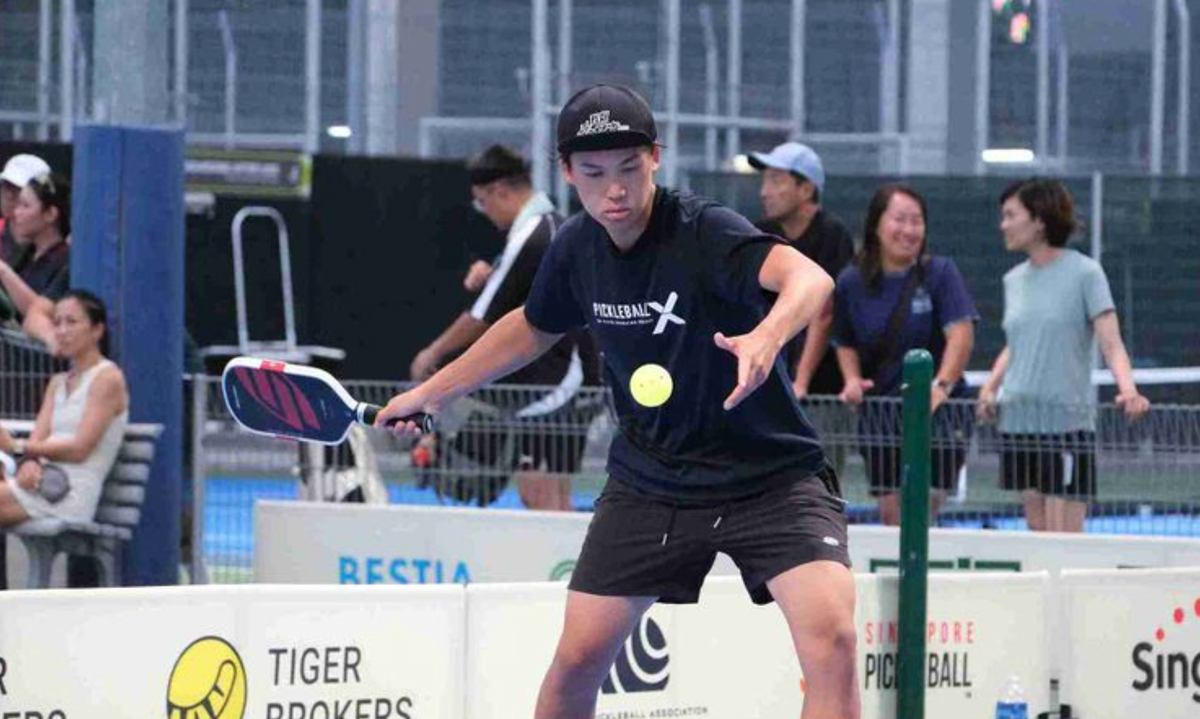
Take two steps back. Most players return from a foot behind the baseline, which leaves zero recovery room when a serve kicks sideways or bites short.
Standing three to four feet back lets the spin finish doing its thing. Spin has a shelf life.
A serve that jumps hard off the bounce has mostly spent itself a step later, so you get a fairly normal ball instead of a weird one.
Your footwork matters more than your swing here, and so does paddle preparation before the ball arrives.
Honestly, it also fixes a problem you didn't know you had. Standing back produces a deeper return, which is the most reliable way to win more rallies.
Position first, technique second: that order is what makes how to return a spin serve in pickleball a solvable problem instead of a guessing game.
 The Dink Media Team
How to Return a Spin Serve in Pickleball Without Overswinging
Shorten your backswing and hit through the ball with a long follow-through instead of swinging at it.
Spin punishes big swings. The more paddle speed you add, the more the ball's rotation amplifies your error.
Think of it this way. Your job on a return isn't to win the point, it's to buy yourself a trip to the kitchen line.
A three-quarter swing to the middle-deep part of the court does that.
A full rip at the sideline does not, which is the same logic behind controlled aggression everywhere else.
Three adjustments, in order of how much they'll help you figure out how to return a spin serve in pickleball under pressure:
- Contact the ball later than feels natural. Another six inches of drop lets the spin flatten out.
- Aim for the middle third of the baseline. Sidespin bends your ball more than you expect, so leave margin on both sidelines.
- Add topspin of your own. Topspin overwrites incoming backspin and drags the ball down inside the line.
How to Return a Spin Serve in Pickleball When It Bites Short
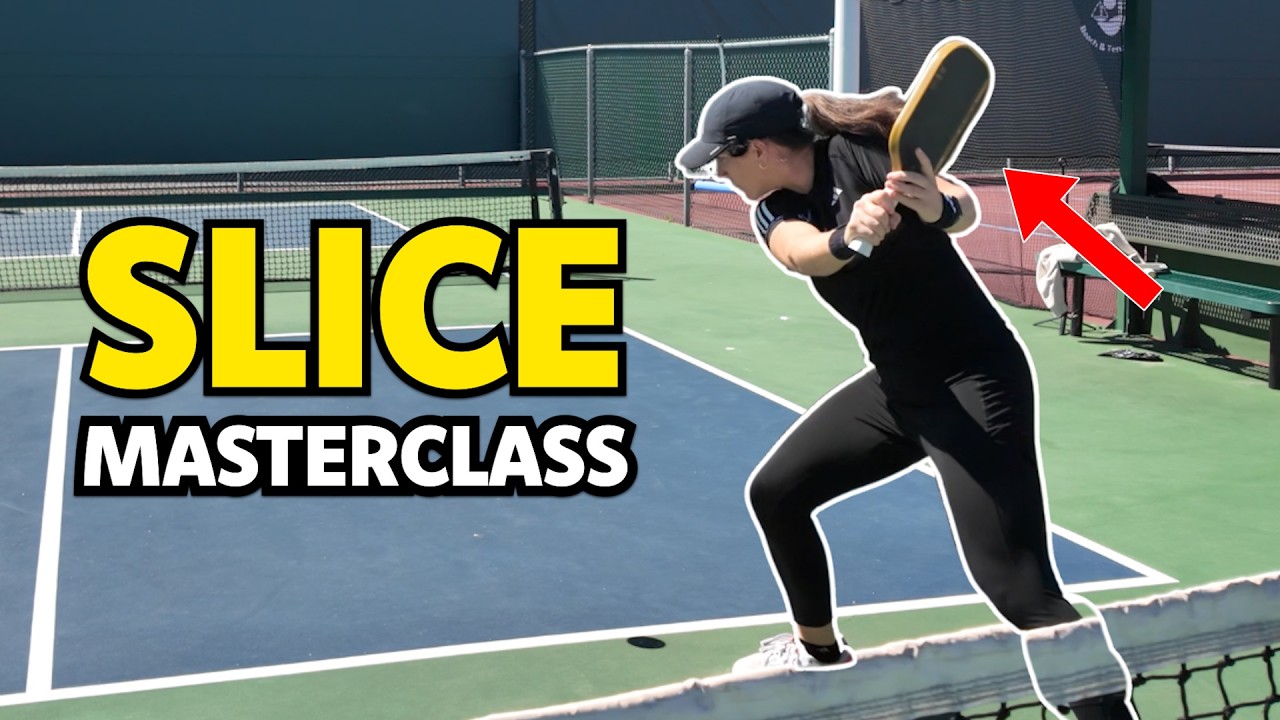
Slice it back. A low, floaty slice is your best friend against heavy backspin, because you're borrowing the spin instead of fighting it.
Open face, brush down the back of the ball, aim deep and soft rather than flat and hard.
Here's the slice return in full, plus how to handle a slice return when it comes back at you.
The slice buys what a short serve steals: time to get forward.
That's the whole point of how to return a spin serve in pickleball, since every tough serve is an attempt to keep you pinned at the baseline.
 The Dink Media Team
What If the Serve Isn't Spin At All?
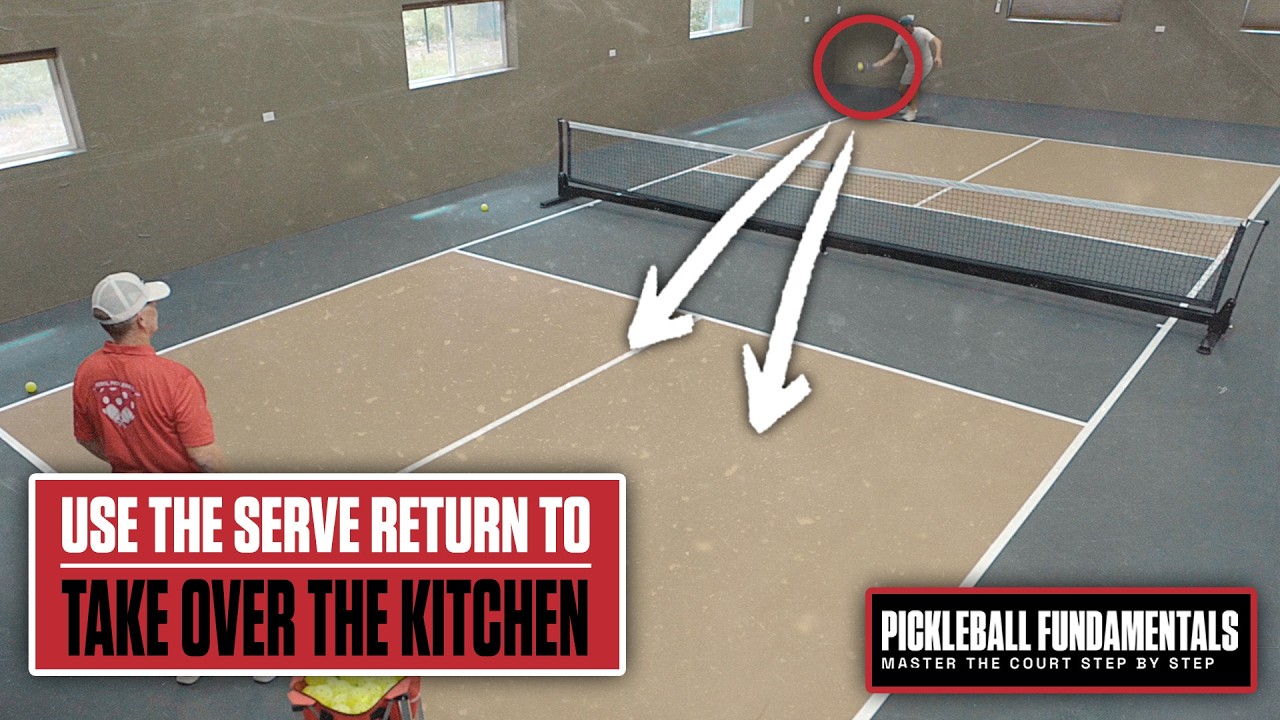
Some servers get unpredictable without spin. Lob, then body, then short, and the variety alone scrambles you.
Everything you know about how to return a spin serve in pickleball still applies, because neutralizing a big serve is the same problem wearing a different hat.
For a high, looping serve, let it bounce and take it at waist height instead of backpedaling.
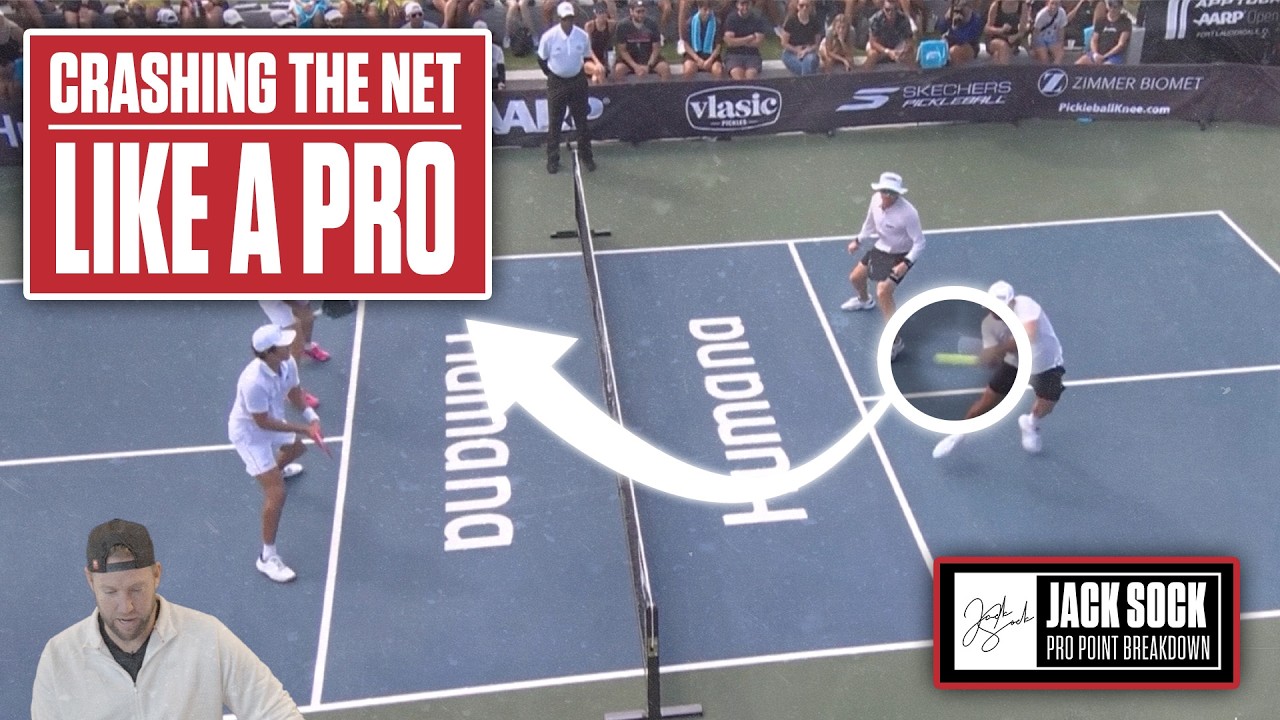
Jack Sock's approach to demolishing the lob serve is worth stealing, and we've covered the Anna Leigh Waters lob serve from the server's side so you know the tell.
For a serve jammed at your hip, get the paddle out front and block with a backhand. Don't run around it.
That's body bag defense 101, and it carries over to returning overheads.
 The Dink Media Team
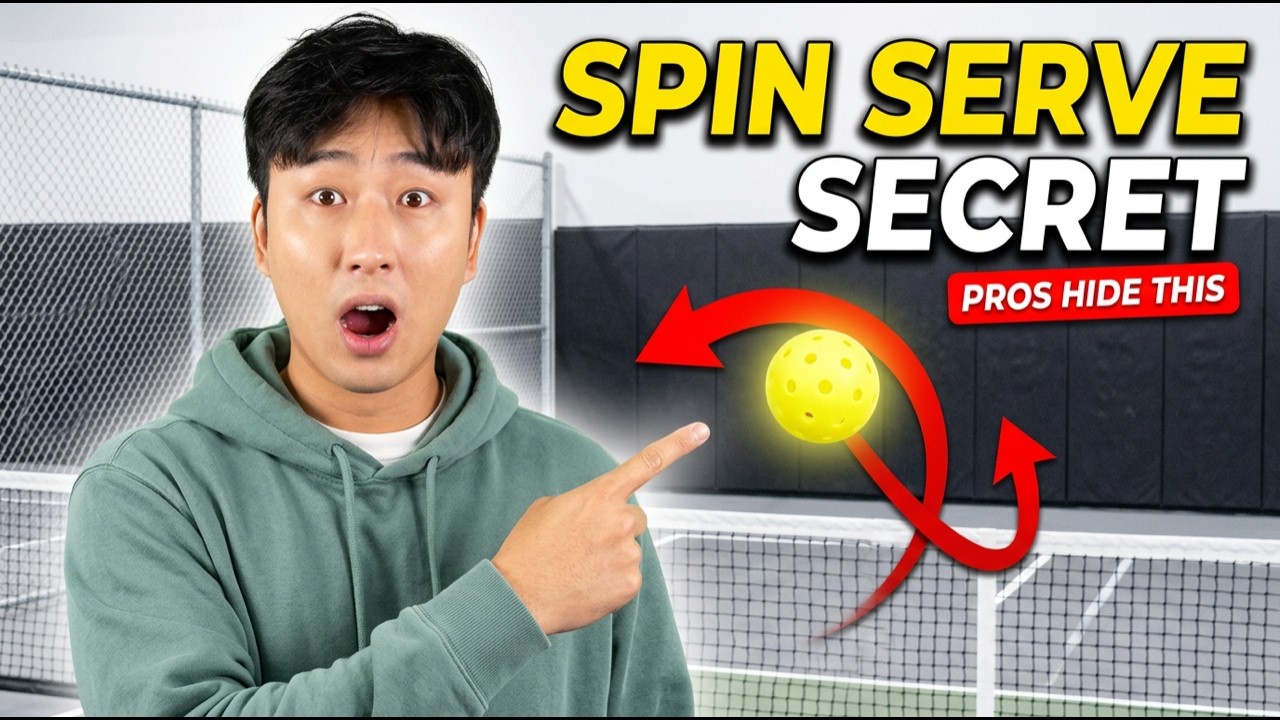
The Two Drills That Actually Fix This
Practice against unpredictability, not a machine feeding the same ball.
That's where most players get how to return a spin serve in pickleball wrong: they drill clean feeds, then wonder why match serves feel foreign.
Grab a partner and have them serve five in a row, mixing spin and depth without telling you what's coming. Don't score it.
Track one thing: did your return land past the midline? Fifteen minutes of that beats an hour of clean feeds.
Add wall drills for reaction speed and faster-hands work for the jam serves.
Second drill: have your partner serve while you call out "top," "back" or "flat" before the ball bounces. You'll be wrong a lot at first. That's the point.
Figuring out how to return a spin serve in pickleball is mostly about shrinking the gap between seeing the paddle and knowing what's coming.
None of this makes you a better dinker or fixes your third shot drop.
It does something simpler and more valuable: it stops you from losing points before the rally starts.
 The Dink Media Team
Key Takeaways
- Watch the paddle face and swing path, not the ball. Open face low-to-high means backspin; closed face brushing up means topspin.
- Use a loose continental grip so you can adjust your paddle angle late instead of committing early.
- Stand three to four feet behind the baseline and let the spin burn off before contact.
- Shorten the backswing, lengthen the follow-through, and aim for the middle third of the baseline.
- Slice it back against heavy backspin; add your own topspin when you have time.
- Drill against mixed, unannounced serves, never repeatable feeds.
Frequently Asked Questions
How do you tell if a serve has topspin or backspin?
Watch the swing path at contact. A paddle moving low to high behind the ball produces topspin, which makes the ball jump forward after the bounce. A paddle moving high to low with an open face produces backspin, which makes the ball sit down and die short. If you can't see the swing, watch the first bounce: topspin skids forward, backspin checks up.
Should you return a spin serve with a forehand or backhand?
Use whichever side lets you get the paddle out front without rushing. Favor the backhand against sidespin that kicks toward your body, since you can block with a stable, neutral face instead of swinging across the ball. Running around the serve usually costs more in court position than it gains in power.
Are spin serves legal in pickleball?
Yes, as long as the spin comes from the paddle. Since 2021 the rules prohibit the server from imparting spin with the hand or fingers before striking the ball, which eliminated the old "chainsaw" serve. Paddle-generated spin on a legal underhand serve is allowed at every level.
How deep should your return of serve be?
Aim to land the ball within a few feet of your opponent's baseline. A deep return keeps the serving team pinned back and makes their third shot harder, which buys you time to reach the kitchen line. Against spin, prioritize depth over pace and target the middle third of the court.
Why does my return keep going into the net against backspin serves?
You're hitting through the ball with a closed paddle face. Backspin is already pulling the ball down, so a flat or closed face compounds it. Open the face slightly, contact the ball a touch later, and finish your swing upward and out toward your target rather than across it.
Love Pickleball? Join 100k+ readers for free weekly tips, news & gear deals.
Subscribe to The Dink