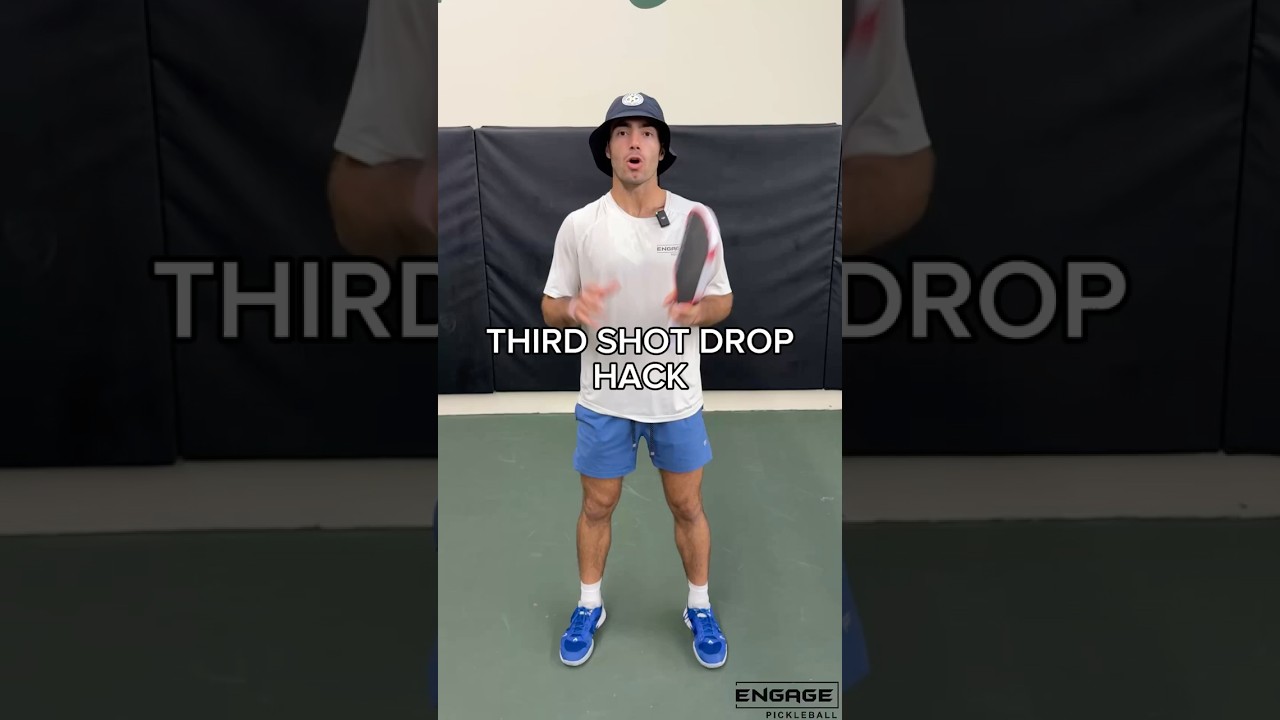
Contact Point and Consistency: Nailing the Third Shot Drop in Pickleball
The third shot drop is one of pickleball's most critical shots, and most players are making a fundamental mistake. APP pro Richard Livornese reveals the contact point hack that will transform your consistency and get you to the kitchen line every time.
The third shot drop is the most underrated weapon in pickleball, and most players are sabotaging themselves without even realizing it.
If you're struggling to keep your drops in the kitchen, the problem probably isn't your technique or your paddle. It's your contact point.
APP pro Richard Livornese recently shared a game-changing hack that addresses the single biggest mistake recreational players make on the third shot drop.
The insight is simple but transformative: consistency comes from hitting every ball at the same contact point, not from learning a dozen different drop variations.
Love pickleball? Then you'll love our free newsletter. We send the latest news, tips, and highlights for free each week.
Why Does the Contact Point Matter So Much for the Third Shot Drop?
Here's the thing: most players hit their third shot drops all over the place.
- Sometimes they catch the ball high
- Sometimes low
- Sometimes way out in front
- Sometimes late
This forces them to learn multiple drop techniques just to survive. But that's backward thinking.
The contact point is everything on the drop. If you're catching the ball too close to your body, you don't stand a chance of being consistent.
- You lose leverage.
- You lose control.
- You lose the ability to adjust your shot on the fly.
When you establish a consistent contact point, everything else becomes easier. You develop muscle memory.
Your body knows exactly where the ball needs to be. You can hit slice, topspin, or flat drops from the same position because you've built a foundation of consistency.
The Contact Point Hack: Hit Every Third Shot Drop Just in Front of Your Back Leg
The solution is elegantly simple. Instead of chasing the ball all over the place, position yourself so you're hitting every shot just in front of your back leg.
This becomes your anchor point, your reference frame for every third shot drop you hit.
When you're in front of the ball, you can get under it easily and push toward your target. You're not reaching, you're not cramped, and you're not late.
You're in control. This positioning gives you the mechanical advantage you need to execute a soft, consistent drop that lands in the kitchen.
Richard emphasizes that this isn't about hitting harder or softer. It's about positioning.
When your contact point is consistent, you have options. You can use more height if you need to clear the net with a higher arc. You can hit it flatter and use topspin or slice to add spin and control.
But if you catch the ball late, you won't have those options.
 The Dink Media Team
Building Consistency Through Repetition
The real power of this approach is that it removes variables from your game. Instead of thinking about ten different drop techniques, you're thinking about one contact point.
Your practice becomes more focused. Your muscle memory develops faster.
Your confidence grows because you're hitting the same shot over and over, not reinventing the wheel every time.
Alex E. Weaver
This is why consistency beats variety in pickleball.
A player who can hit one third shot drop perfectly from the same contact point will beat a player who can hit five different drops inconsistently.
The kitchen is small. You don't need an arsenal of shots. You need one shot you can trust.
When you practice with this contact point in mind, something shifts. You stop thinking about the mechanics of the drop and start thinking about placement.
You start thinking about where your opponent is standing and where you want the ball to land. That's when your game elevates.
According to CBS Sports coverage of recreational pickleball growth, the sport's explosive participation boom means more players than ever are flooding onto courts without ever learning the fundamentals of a proper drop. Getting your contact point right puts you ahead of almost everyone you'll face.
 The Dink Media Team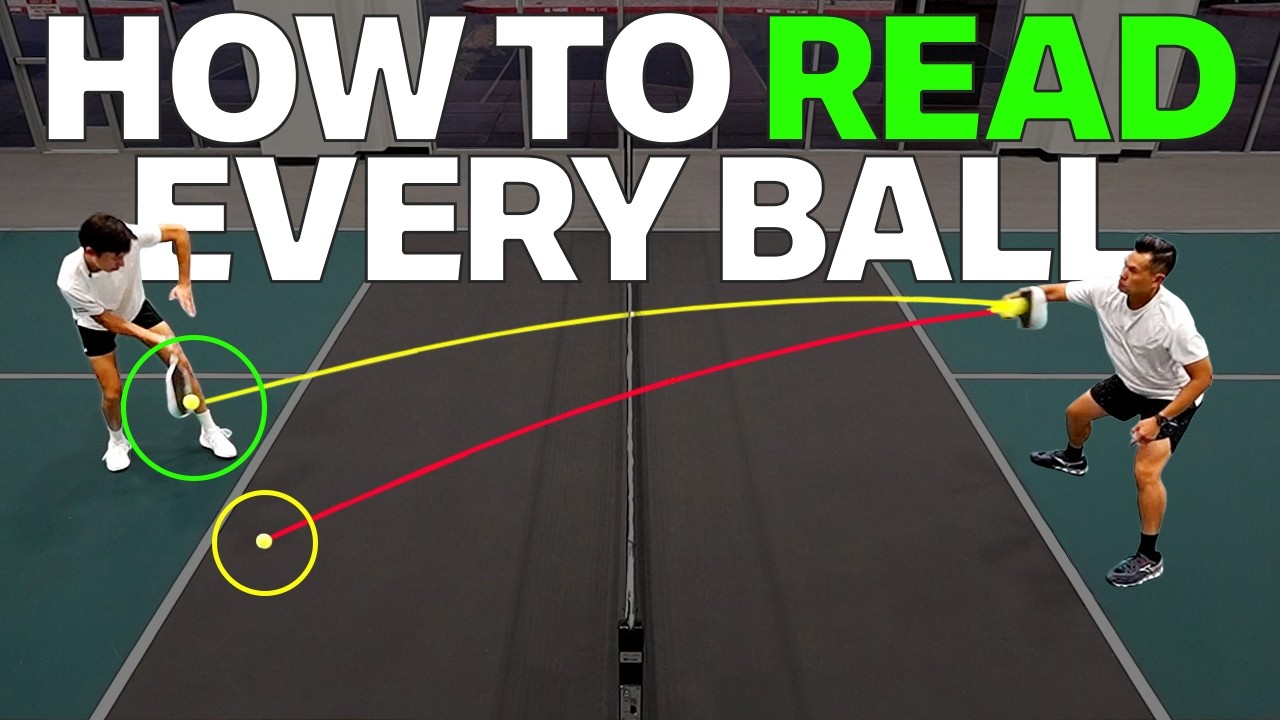
The Slice, Topspin, and Flat Drop Options
Once you've locked in your contact point, you unlock the ability to hit different variations of the third shot drop from the same position. This is where the hack becomes truly powerful.
From just in front of your back leg:
- You can hit a slice drop by brushing the ball with a slightly open paddle face.
- You can hit a topspin drop by brushing up on the ball with a closed paddle face.
- You can hit a flat drop by simply pushing through the ball with a neutral paddle face.
All three shots come from the same contact point, which means your opponent can't read your intention until the last millisecond.
This variety within consistency is what separates good players from great ones. You're not limited to one shot. You're just limited to one contact point, which is the opposite of limiting. It's liberating.
If you want to take topspin drops further, this complete topspin progression guide breaks down exactly how to develop the shot from scratch.
Why Most Players Get the Third Shot Drop Wrong
The reason most recreational players struggle with the third shot drop is that:
- They're trying to hit the ball wherever it comes to them.
- They're reactive instead of proactive.
- They're letting the ball dictate their contact point instead of dictating it themselves.
This reactive approach forces them to learn multiple techniques because every ball is different. But here's the secret: the ball isn't different. Your positioning is different.
When you control your positioning, you control the shot.
Richard's approach flips this script. Instead of adjusting your technique to the ball, you adjust your positioning to create a consistent contact point. This is a fundamental shift in how you think about the shot.
If you're stuck in reactive patterns, the pickleball reset is the complementary skill that pairs with a disciplined third shot to get you out of trouble and back in control.
 The Dink Media Team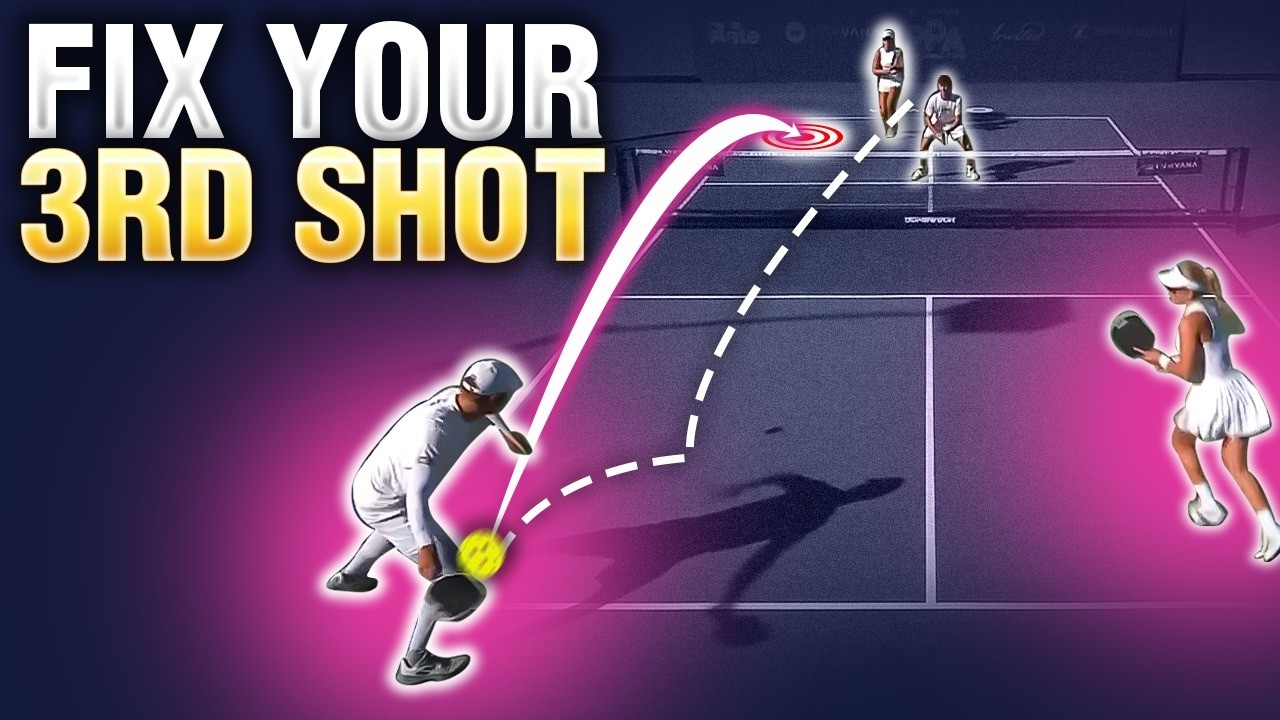
The Kitchen Line Is Closer Than You Think
One of the biggest misconceptions about the third shot drop is that it needs to be a delicate, barely-over-the-net shot.
In reality, you have more margin for error than you think. The kitchen line is only seven feet from the net.
A ball that lands two or three feet inside the kitchen is still a successful drop.
When you hit from a consistent contact point just in front of your back leg, you're naturally hitting a softer shot because you're not reaching or overextending.
The ball comes off your paddle with less pace, which means it lands shorter and softer. This is exactly what you want.
This tip will get you to the kitchen line way more often and make pickleball more fun.
You'll stop worrying about whether your drop is going to work and start focusing on where your opponent is standing and what they're likely to do next.
NBC Sports has noted that the transition from baseline to kitchen is the defining moment that separates recreational players from competitive ones. Owning that transition starts with the drop.
How to Put the Third Shot Drop Contact Point Hack Into Practice
The next time you're on the court, try this: focus exclusively on your contact point. Don't worry about the outcome.
Don't worry about whether the ball lands in the kitchen. Just focus on hitting every ball just in front of your back leg.
You'll notice something immediately. Your drops become more consistent. Your confidence grows.
Your opponents start struggling to attack your drops because they're landing deeper in the kitchen and with more control.
This is the power of the contact point hack. It's not complicated.
It's not flashy. But it works because it addresses the root cause of inconsistency: poor positioning.
For doubles players, these 10 pickleball doubles strategy mistakes highlight how a clean third shot drop pairs with smart team positioning to win you way more points.
If you want to build the soft game skills that support your drop, mastering the soft game is the logical next step once your contact point is locked in.
You can also sharpen your kitchen skills with the essential techniques you're missing at the kitchen line once your drop is consistently putting you in position.
The Dink Media Team
Frequently Asked Questions
What is the correct contact point for the third shot drop?
The correct contact point for the third shot drop is just in front of your back leg. Hitting from this position gives you leverage, control, and the ability to adjust your shot without overreaching or cramping your swing.
Why do most recreational players struggle with the third shot drop?
Most recreational players are reactive, letting the ball dictate where they make contact instead of positioning themselves to hit from a consistent spot. When your positioning is inconsistent, your technique has to compensate for it, which is why the shot feels unreliable.
Can you hit topspin, slice, and flat drops from the same contact point?
Yes. All three variations of the third shot drop can be executed from the same contact point just in front of your back leg. The difference is paddle face angle and brushing motion, not your position at contact.
How long does it take to build muscle memory for a consistent third shot drop?
Most players notice improvement within a few practice sessions. Building reliable muscle memory for the third shot drop typically takes a few weeks of focused, repetitive practice where you prioritize contact point over outcome.
Does the third shot drop contact point principle work for other pickleball shots?
The principle applies broadly, but it makes the biggest difference on the third shot drop specifically because that shot is hit from the deepest position on the court with the least margin for error. Dinks and resets also benefit from consistent contact points, but the drop is where this habit pays off most.

Love Pickleball? Join 100k+ readers for free weekly tips, news & gear deals.
Subscribe to The Dink