
Most pickleball tips tell you how to attack. These four tell you what you're doing wrong when the point falls apart. A PPA Tour pro breaks down the fixes that make an immediate difference.
Most players lose points not because their opponent hit a great shot, but because they made a preventable mistake.
These four pickleball tips target the exact habits that cause unnecessary errors and make you harder to beat.
You've probably heard advice about hitting harder, moving faster, or perfecting your third shot drop.
But there's a layer of game awareness most players never develop, and it's costing them multiple points every single game.
These tips come from Ashley Griffith, a PPA Tour pro who laid out four overlooked fundamentals that recreational and competitive players consistently ignore.
Every pickleball tip below is about subtraction, not addition.
Love pickleball? Then you'll love our free newsletter. We send the latest news, tips, and highlights for free each week.
Pickleball Tip 1: Learn Your Red Flags
Every player has two or three situations where they consistently make mistakes.
The problem is most players know those situations exist but keep playing them aggressively anyway.
A red flag shot is any ball or scenario that puts you in trouble more often than not.
It might be a deep overhead, a short dink you have to sprint forward for, or a backhand that gets stretched wide.
You know these balls. You've hit them into the net dozens of times.
The Pickleball Tip That Beats Adding New Skills
The fix is not to master that shot overnight. This pickleball tip is a mindset change, not a technique change.
When you see your red flag coming, switch from offensive thinking to survival mode. Your only goal is to keep the ball in play and reset the point.
That shift alone can eliminate two or three unforced errors per game, which is a significant swing in your score.
Think about it this way: removing mistakes is faster than adding skills. You don't need to spend three months developing a perfect overhead.
You just need to recognize when you're in trouble and stop trying to win the point on a ball you can barely reach.
A great companion habit here is filming yourself playing pickleball to spot exactly which situations trip you up most.
Pickleball Tip 2: Stop Giving Your Opponent the Same Ball
If you hit the same crosscourt dink five times in a row, your opponent already knows what's coming on the sixth one.
That's not a dink battle anymore. That's you handing them an easy read.
Varying your ball is one of the most effective pickleball strategies you can use without needing better technique.
You don't have to hit harder, and you don't have to go for some risky winner. You just need to change one variable at a time.
The Three Variables Behind This Pickleball Tip
- Location: Move the ball to a different part of the court. Even a small shift forces your opponent to reposition.
- Pace: Slow down a ball you've been hitting hard, or add speed to one you've been floating. Changing tempo disrupts timing.
- Height: A lower, flatter ball plays very differently from one with more arc. Use both to keep your opponent guessing.
The goal is to make them adjust constantly. The more adjustments they have to make, the more likely they are to mistime a shot and hand you a weak ball.
That makes this pickleball tip one of the cheapest upgrades available to you. It's not about hitting the perfect dink, and it's not about chasing a flashier shot.
It's about breaking your opponent's rhythm before they break yours.
 The Dink Media Team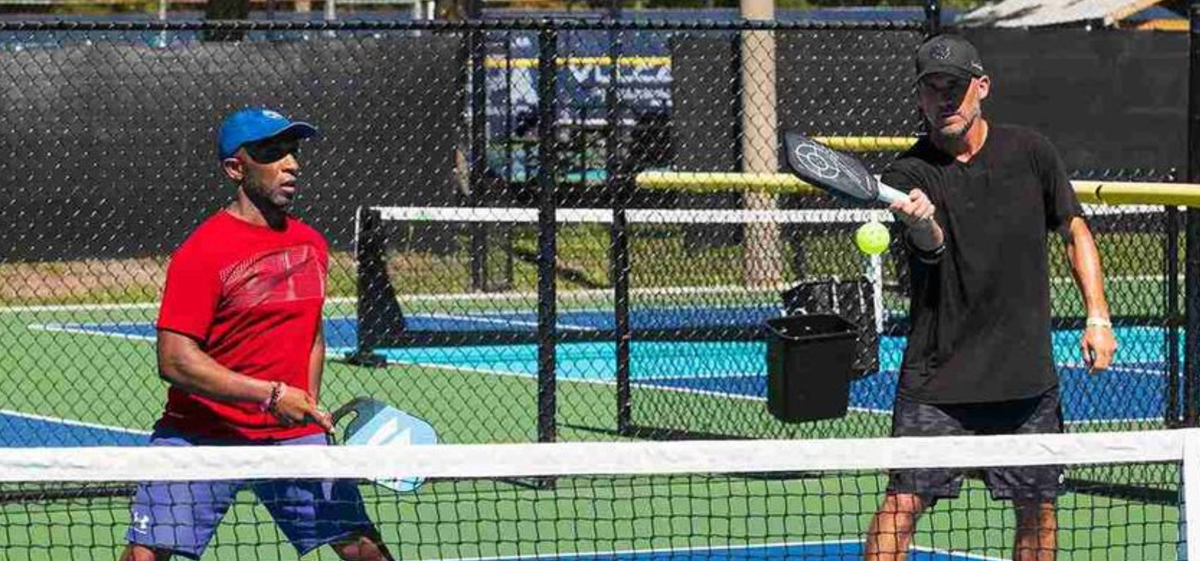
Pickleball Tip 3: Practice Recovering After Bad Balls
Every player hits bad balls. Every pro hits bad balls. The difference is what happens in the half second after the mistake.
Most recreational players freeze. They watch the ball they just popped up and stand there hoping their opponent misses.
That's the worst possible response.
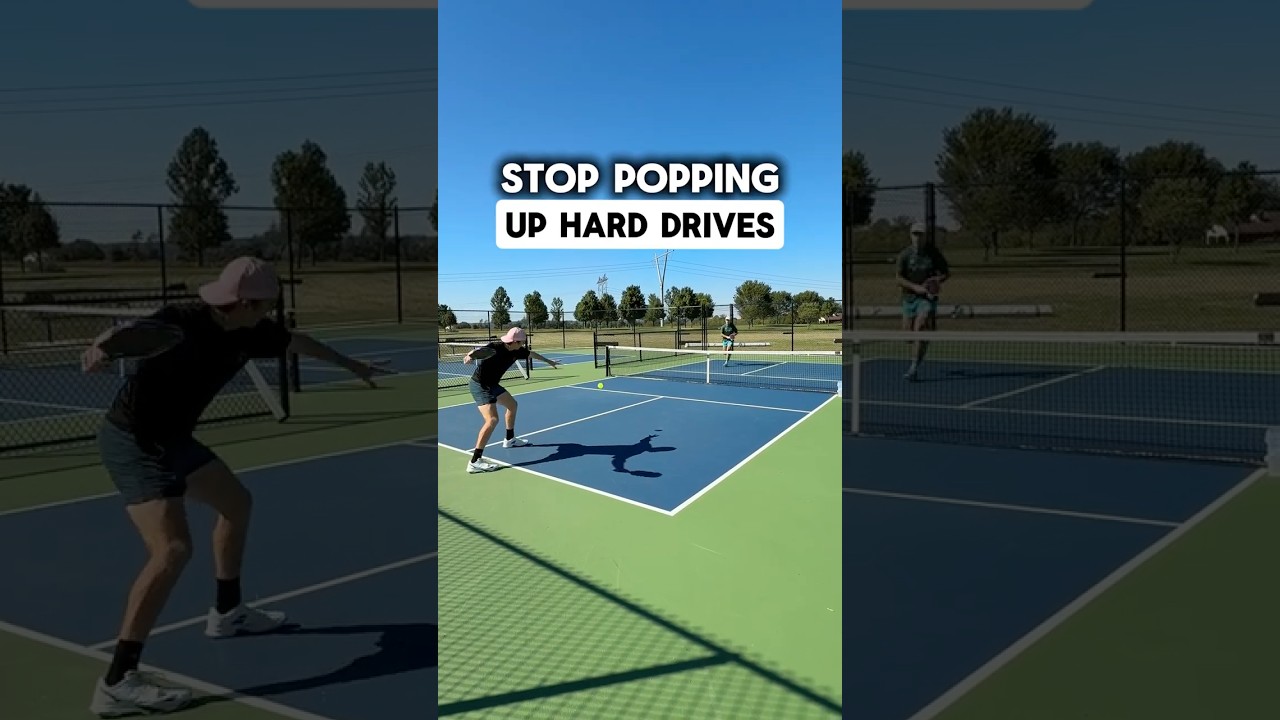
When you put yourself in trouble, your immediate job is to get into a defensive pickleball ready position. Get low. Get your paddle up.
Expect the next ball to come fast and to your body.
If you hit a bad ball while you're still moving through the transition zone, don't blindly keep charging forward.
Stop, get balanced, defend the incoming attack, and then earn your way back into the point.
A lot of pop-ups happen because players are still moving when they should be defending.
A Four Step Framework for This Pickleball Tip
- Recognize the bad ball immediately. Don't wait to see if your opponent attacks. Assume they will.
- Get low and balanced before they swing. A wide base gives you the best chance to react in either direction.
- Reset your paddle position. Paddle up, in front of your body, ready to absorb pace.
- Defend first, then reset the point. Don't counter-attack from a defensive position unless you get a very hittable ball.
This is a skill you can actually practice. Instead of only drilling perfect drops and perfect dinks, build in intentional recovery reps.
Hit a soft ball that sets up a hard reply, then practice your defensive response.
If you want to work specifically on resetting under pressure, the transition zone reset drill is one of the best tools available.
 The Dink Media Team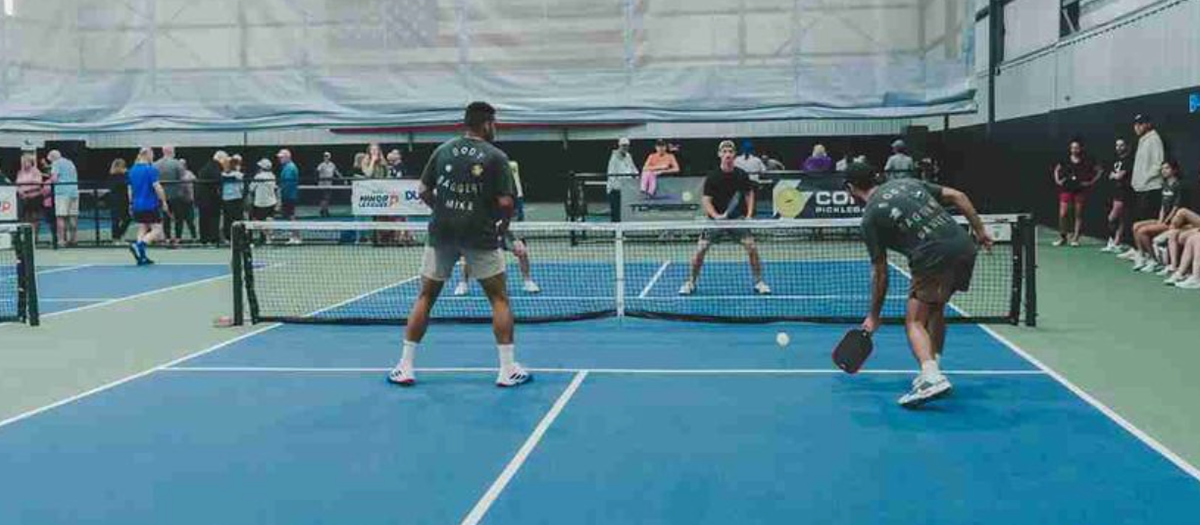
Why Are You Still Moving When Your Opponent Hits?
This is the most immediately fixable problem on this entire list.
A massive number of players are still drifting or running when their opponent makes contact with the ball. Then they wonder why they feel late on everything.
You cannot react well to a ball if you're already in motion.
Your body needs to be balanced and still at the moment your opponent swings, so you can then move in the right direction once you see where the ball is going.
That's exactly what the split step does.
A split step is a small movement you make just before your opponent hits. It does not need to be dramatic.
It can be a slight hop, a small widening of your stance, or simply a quick weight shift onto the balls of your feet.
The goal is to get balanced and ready to push off in any direction.
The timing matters more than the size of the step. You want to land from your split step right as your opponent is making contact, not before and not after.
Here's what players who use a consistent split step actually feel:
- The game feels slightly slower because they're reading the ball from a still position instead of a moving one.
- They stop feeling "late" on balls that used to beat them.
- Their hands feel faster, even though nothing about their hand speed actually changed.
That last point is critical.
A lot of players who think they need faster hands actually just need to be ready earlier. The split step is the fix, not more hand speed drills.
If you want to build footwork habits that support this, the footwork drill that fixes lateral movement fast is worth adding to your practice routine.
For players who are also dealing with timing issues on specific shots, the 12 pickleball mistakes a coach fixes over and over covers a lot of related ground, including footwork problems that affect shot timing.
 The Dink Media Team
Putting It All Together
These four tips are not complicated. They don't require you to change your grip or overhaul your stroke. They require you to change how you think during a point.
Know your red flag shots and go conservative when you see them.
Change the location, pace, or height of your balls so your opponent never gets comfortable. Recover quickly after bad balls instead of freezing.
And get balanced with a split step before your opponent hits so you can actually react in time.
If you apply even two of these consistently, you will make fewer errors and become significantly harder to play against.
That's not a guess. It's what happens when you stop giving points away.
Players looking to build on these habits should also read about the pickleball mindset shift that fixed five problems at once, which covers the mental side of playing cleaner, more consistent pickleball.
And if you want a structured look at the five things every pro pickleball player does differently, you'll see that most of them come down to the same core principles covered here: awareness, variation, and readiness.
Frequently Asked Questions
What is a red flag shot in pickleball?
A red flag shot is any ball or situation where you consistently make errors, like a deep overhead or a stretched backhand. Instead of attacking those shots, the smart move is to play defensively and focus on keeping the ball in play. Removing mistakes from those situations has an immediate impact on your score.
How do I stop giving my opponent the same ball in pickleball?
Change one variable at a time: location, pace, or height. You don't need to attempt risky winners. Even small adjustments force your opponent to recalibrate, which leads to weaker returns.
How do I recover after hitting a bad pickleball shot?
Stop, get low, raise your paddle, and expect the next ball to come hard. Don't freeze and don't blindly rush forward in the transition zone. Defending the next ball is the priority, and getting a reset from there is the goal.
What is a split step in pickleball and when should I do it?
A split step is a small hop or stance widening you perform right as your opponent is about to make contact with the ball. It gets your weight onto the balls of your feet so you can push off in any direction immediately after. It's one of the fastest ways to stop feeling late on balls that used to beat you.
Why do I feel like I have slow hands in pickleball?
Most players who feel slow at the kitchen line are actually just not ready before their opponent hits. The split step and early paddle preparation solve the problem faster than any hand speed drill. Getting balanced before contact happens is what makes everything feel more manageable.

Love Pickleball? Join 100k+ readers for free weekly tips, news & gear deals.
Subscribe to The Dink