Advanced pickleball comes down to reading your opponents and setting traps to lure them into mistakes
Here's what separates the best pickleball players from the rest: they understand that pickleball strategy beats power every single time.
Most recreational players think the game is about hitting harder or moving faster, but that's only half the story. The real winners are the ones who can read their opponents, set traps, and control the flow of points before they even happen.
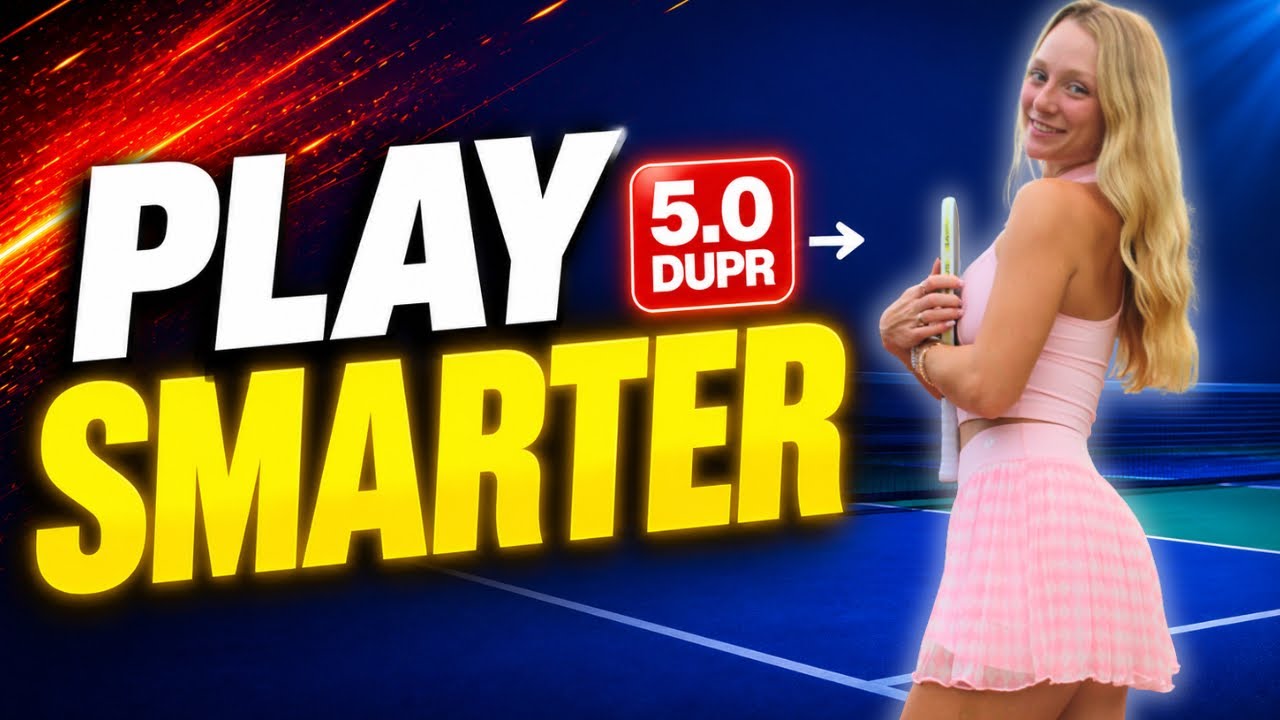
Ashley Griffith, a professional pickleball player on the PPA Tour, breaks down exactly how to do this in her latest video.
She's not talking about fancy footwork or advanced paddle techniques. Instead, she's sharing the mental side of the game, the stuff that separates pros from everyone else on the court.
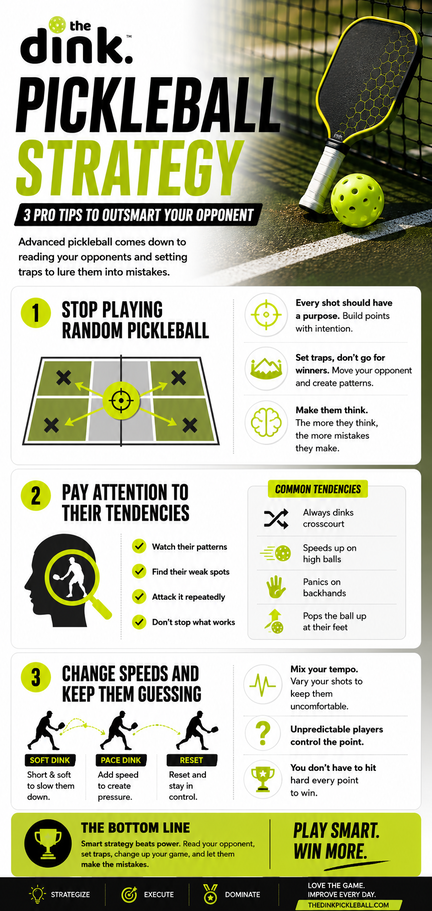
1. Stop Playing Random Pickleball
The biggest mistake Griffith sees on the court? Players hitting completely random shots. They're reacting instead of building points with intention. Every single shot you hit should be setting up the next one, not just trying to win the point right now.
Think of it like chess. You wouldn't move your pieces randomly and hope for checkmate. You'd position them strategically, create threats, and force your opponent into uncomfortable positions. That's exactly what pickleball strategy is about.
Here's what this looks like in practice: if you pull someone out wide with a dink, you're watching for that popup in the middle. If you keep attacking their backhand a few times, they'll start cheating toward that side. Next time, you attack the open space on their forehand. This is how smart players win points, not by hitting harder, but by making their opponent uncomfortable and predictable.
The key insight here is that building traps for your opponents is more effective than trying to hit winners. Instead of speeding up when you're out of position, move your opponent around and create patterns. This approach works because it forces them to think, and thinking slows down reaction time.
2. Pay Attention to Your Opponent's Tendencies
Every player has patterns, whether they realize it or not.
- Some players only dink crosscourt.
- Others speed up on every high ball.
- Some panic on backhands, and some pop the ball up every time you hit it at their feet.
Your job is to figure out what those patterns are, and fast.
Griffith spends the first few points of every match gathering information. Where are they uncomfortable? What shots do they avoid? What speedups do they struggle with? Once she finds a weakness, she keeps attacking it until they prove they can handle it.
This is where a lot of players mess up. They find something that's working, and then they randomly stop doing it. That's the opposite of good pickleball strategy. If your opponent can't handle a certain shot, don't stop applying pressure there. Keep going until they adjust.
Think of it this way: pickleball is chess, not checkers. You're not just moving pieces around randomly. You're building a game plan based on what your opponent shows you. The more information you gather early, the more control you have later.
 Alex E. Weaver
3. Change Speeds and Keep Them Guessing
The easiest opponents to play are the most predictable ones. If you always speed up, always dink to the same spot, and keep avoiding your backhand, good players will figure it out and start taking advantage of it. The hardest players to beat are the ones who are always mixing things up.
Changing tempo is one of the most underrated aspects of pickleball strategy. Maybe one dink is soft and short, then the next is deeper with pace. Maybe you attack once, then you hold the next ball and reset it. You want your opponent constantly uncomfortable and unsure of what's coming next.
Griffith learned something crucial that changed her game: you don't have to hit hard every point to win.
Sometimes changing tempo is what creates the opening. Unpredictable players are dangerous players because they force their opponents to stay reactive instead of proactive.
This doesn't mean you need to be erratic or sloppy. It means being intentional about mixing up your shots. A soft dink followed by a pace dink followed by a reset creates doubt in your opponent's mind. They can't settle into a rhythm, and that's when mistakes happen.
The Dink Media Team
Why Most Players Get This Wrong
The reason so many recreational players struggle with pickleball strategy is that they're focused on the wrong things. They're thinking about how hard they can hit or how fast they can move. But the game isn't won on those metrics.
It's won by the player who understands their opponent better. It's won by the player who can recognize patterns and exploit them. It's won by the player who stays unpredictable while keeping their opponent in a predictable box.
Griffith's approach is refreshingly simple because it doesn't require you to be more athletic than your opponent. It requires you to be smarter. And that's something anyone can work on, regardless of age, fitness level, or natural ability.
The Mental Game Matters More Than You Think
What separates pros from recreational players isn't always physical talent. It's the ability to think several shots ahead. It's understanding that every dink, every speedup, and every reset is part of a larger strategy.
When you start thinking about pickleball strategy this way, the game becomes less about reacting and more about controlling. You're not hoping your opponent makes a mistake. You're creating situations where mistakes are more likely to happen.
This mental shift is what Griffith is really teaching in her video. It's not about learning new shots or improving your footwork. It's about understanding the game at a deeper level and using that understanding to your advantage.
Heads up: hundreds of thousands of pickleballers read our free newsletter. Subscribe here for cutting edge strategy, insider news, pro analysis, the latest product innovations and more.
Frequently Asked Questions
What are the 3 main pickleball strategies Griffith recommends?
The three main strategies are: stop hitting random shots and build points with intention, pay attention to your opponent's tendencies and exploit their weaknesses, and change speeds and tempo to keep them guessing. These three elements form the foundation of smart pickleball strategy.
How do I identify my opponent's patterns in pickleball?
Watch carefully during the first few points of a match. Look for where they're uncomfortable, what shots they avoid, and what speedups they struggle with. Once you identify a weakness, keep attacking it until they prove they can handle it. This information gathering is crucial to developing an effective pickleball strategy.
Why is changing tempo important in pickleball?
Changing tempo keeps your opponent uncomfortable and unpredictable. If you always hit the same way, good players will figure out your pattern and exploit it. By mixing soft dinks with pace dinks and resets, you force your opponent to stay reactive instead of settling into a rhythm.
Can I win at pickleball without being the most athletic player?
Absolutely. Pickleball strategy is about outsmarting your opponent, not outrunning them. By understanding the game at a deeper level, recognizing patterns, and controlling the flow of points, you can win against more athletic players. This is why Griffith emphasizes that the smartest player usually wins.
How do I stop playing random pickleball?
Start thinking about every shot as part of a larger plan. Instead of just reacting, ask yourself what you're trying to set up with each shot. Are you moving them out wide to create a popup? Are you attacking their backhand to make them cheat? This intentional approach transforms your game from reactive to strategic.

Love Pickleball? Join 100k+ readers for free weekly tips, news & gear deals.
Subscribe to The Dink