

Most pickleball players leave serious power on the table because they don't understand the mechanics behind generating it. Here are the 7 pickleball power techniques that separate the pros from everyone else.
Here's the thing: power in pickleball isn't about swinging harder. It's about understanding where power actually comes from.
Cracked Pickleball, a leading pickleball education channel, breaks down the seven core pickleball techniques that pros use to add pace without sacrificing control. These aren't pickleball tricks. These are the actual body mechanics that separate players who hit with authority from players who just hit hard and hope.
The biggest misconception? That you can just rip flat, hard drives and expect them to land in the court. That's how balls sail out of bounds.
Real power requires a mix of velocity and spin, and that's where most intermediate players get stuck.
Love pickleball? Then you'll love our free newsletter. We send the latest news, tips, and highlights for free each week.
1. Master Topspin as Your Safety Net
The foundation of any pickleball power technique is understanding topspin.
Topspin allows you to hit aggressively because the ball spins down into the court instead of flying out. Without it, you're just hitting flat and hoping.
To generate topspin, you need two things:
Get beneath the ball and brush up the backside of it.
That's it.
The faster you brush, the more spin you create.
Think of it like a whip. The motion itself generates the power, not just arm strength.
2. Transfer Your Weight Before You Strike
This is where most players fail. They use only their arms, leaving the rest of their body out of the equation.
Real pickleball power comes from a chain reaction that activates the muscles pickleball works hardest: your legs, hips, core, and shoulder in sequence.
- Legs
- To hips
- To core
- To arm
- To paddle
This is pickleball body mechanics at its most fundamental. Generating effortless power through proper body rotation is the single most impactful mechanical fix most players never make.
Here's how it works: Before the ball arrives, plant your front foot firmly. As your opponent hits the ball toward you, shift your weight to your back foot.
This loads power from your legs and hips. Then, as you swing, snap your hips closed and bring your chest forward.
That rotation transfers all that stored energy into the ball.
The key moment is at contact. Your hips should be turning, not your arm doing all the work.
Get low, snap those hips, and you'll see an immediate difference in pace and control. This is what separates a pickleball pro technique from just swinging harder.
 Emily Visnic
3. Grip Lower on the Paddle for Maximum Leverage
Where you hold the paddle matters more than most players realize. The further down you grip, the more power you generate.
This is basic physics: the further the paddle head is from your pivot point, the faster it moves.
Think of it like a whip again. Grip at the bottom edge, and when you swing, your wrist whips the paddle head forward at incredible speed.
Some pros grip even lower, with their pinky below the bottom edge.
You won't find many pros gripping high at the throat unless they're at the kitchen line needing faster hands. The three pickleball grips and when to use each one is essential reading once you understand how grip position affects leverage.
For baseline drives and serves, grip lower. As you move to midcourt and the kitchen, you can choke up slightly for quicker reactions.
The Dink Media Team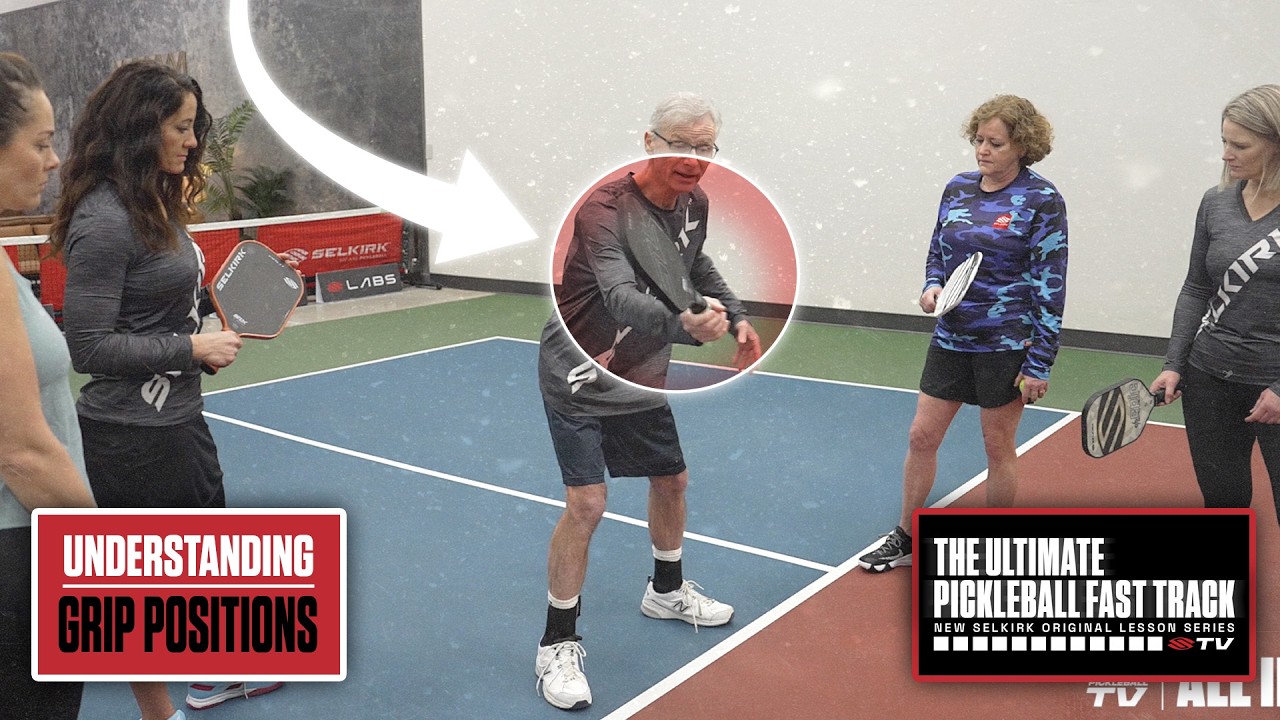
4. Hit the Sweet Spot Every Single Time
This sounds obvious, but it's the most overlooked pickleball technique at every level. Every paddle has a sweet spot, usually right in the center.
When you hit there, you use the full weight of the paddle. Hit on the edges or near the throat, and the ball bounces improperly and loses pace. Knowing how to hit a pickleball cleanly every time starts here, not with your swing.
The secret to hitting the sweet spot consistently?
Move your head with the ball.
Most players track the ball with their eyes but keep their head facing where they want the shot to go.
Instead, turn your head and follow the ball all the way through contact. This eliminates peripheral vision and forces you to focus on the center of your paddle.
At the baseline, you have time for this. At the kitchen in a hands battle, it's different.
The exchange is too fast to constantly track perfect contact, so that's the one exception.
The Dink Media Team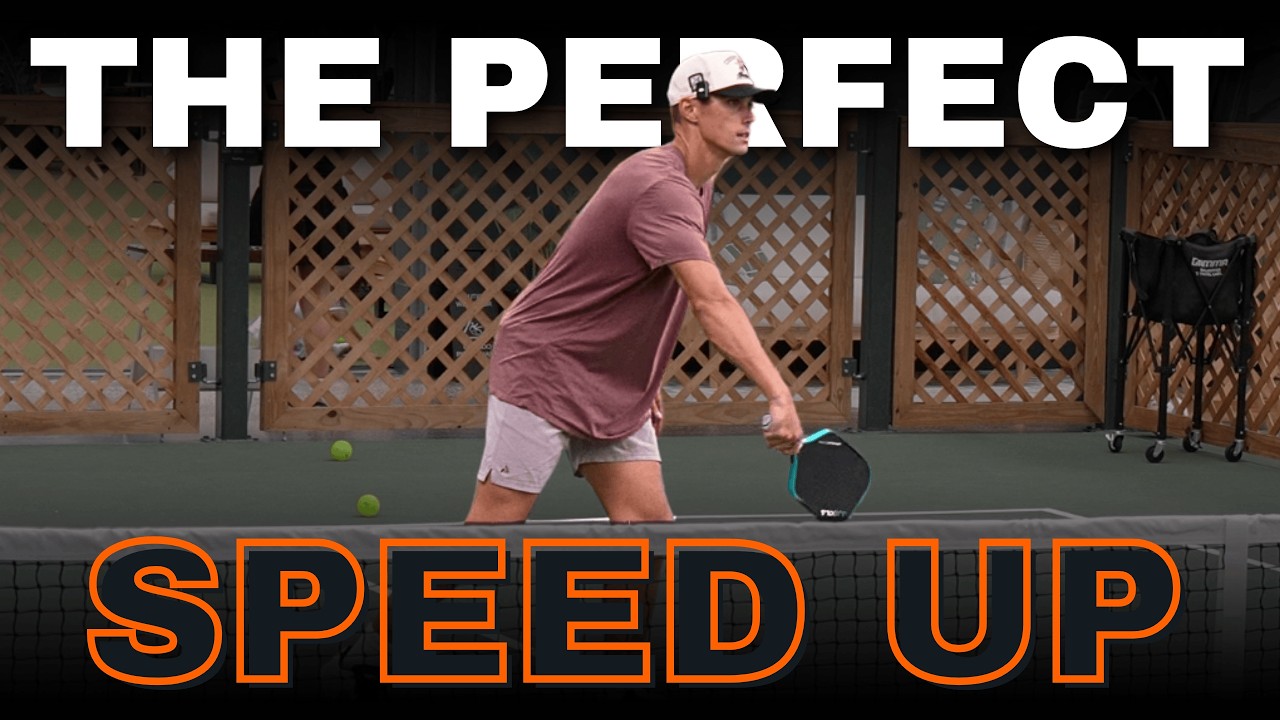
5. Create Space Between You and the Ball
When the ball is too close to your body, you can't generate power. You need room to swing.
Ideally, make contact in line with your front knee, which gives your arm plenty of space to accelerate through the ball.
The move is simple: as the ball comes toward you, push your arm out and create space. Keep your feet active and shuffle into position.
Don't plant yourself like you're stuck in concrete. Active feet on the balls of your feet let you adjust and get into the right position to apply force. These 5 tips to instantly improve your pickleball drive reinforce exactly why spacing and footwork are the same conversation.
You'll notice this most on returns of serve and baseline drives.
Once you reach midcourt, you don't have as much time to generate space, so the strategy shifts to more defensive positioning.
Eric Roddy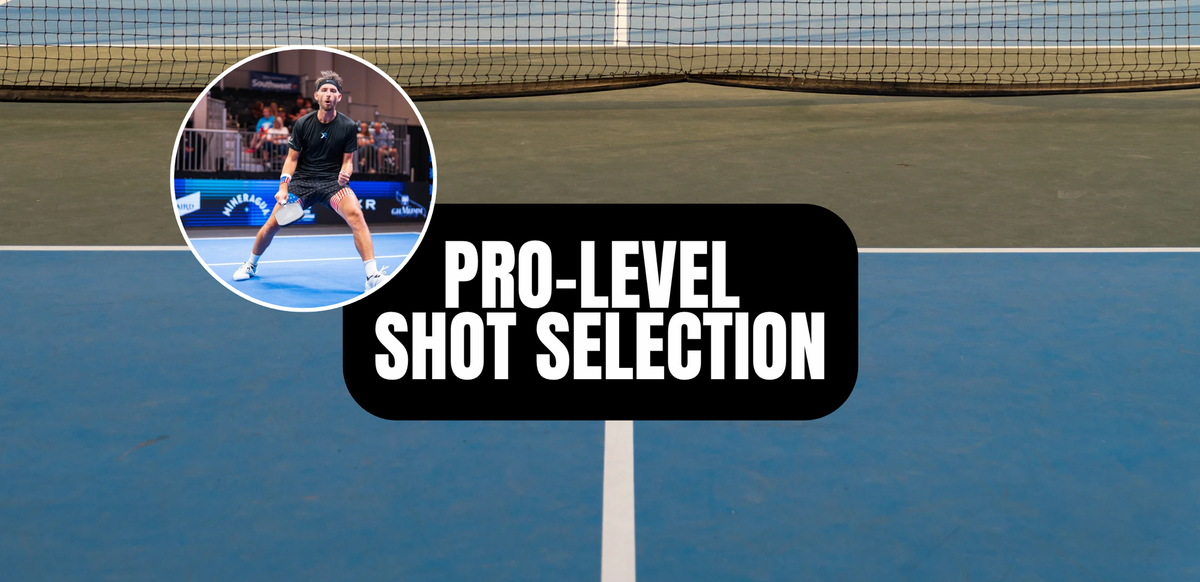
6. Keep Your Grip Loose Until Contact
This is counterintuitive, but a death grip kills power. When you squeeze the paddle too tight, you prevent it from snapping at contact. It's one of the pickleball tricks that looks subtle from the sideline but makes an enormous difference on contact.
You're essentially locking up the whip before it can crack.
Instead, keep your grip loose as you begin your swing. Then, at the moment of contact, stiffen your grip naturally.
This allows the paddle to snap closed, creating that whip-like action that maximizes velocity.
It's the final step in transferring all that body weight into the ball.
This technique requires practice and isn't recommended for beginners. It adds variability and requires wrist action.
But once you master it, you'll see substantial power increases. If your hands still feel slow at the kitchen, this framework for developing faster hands in pickleball is the next logical step.
The Dink Media Team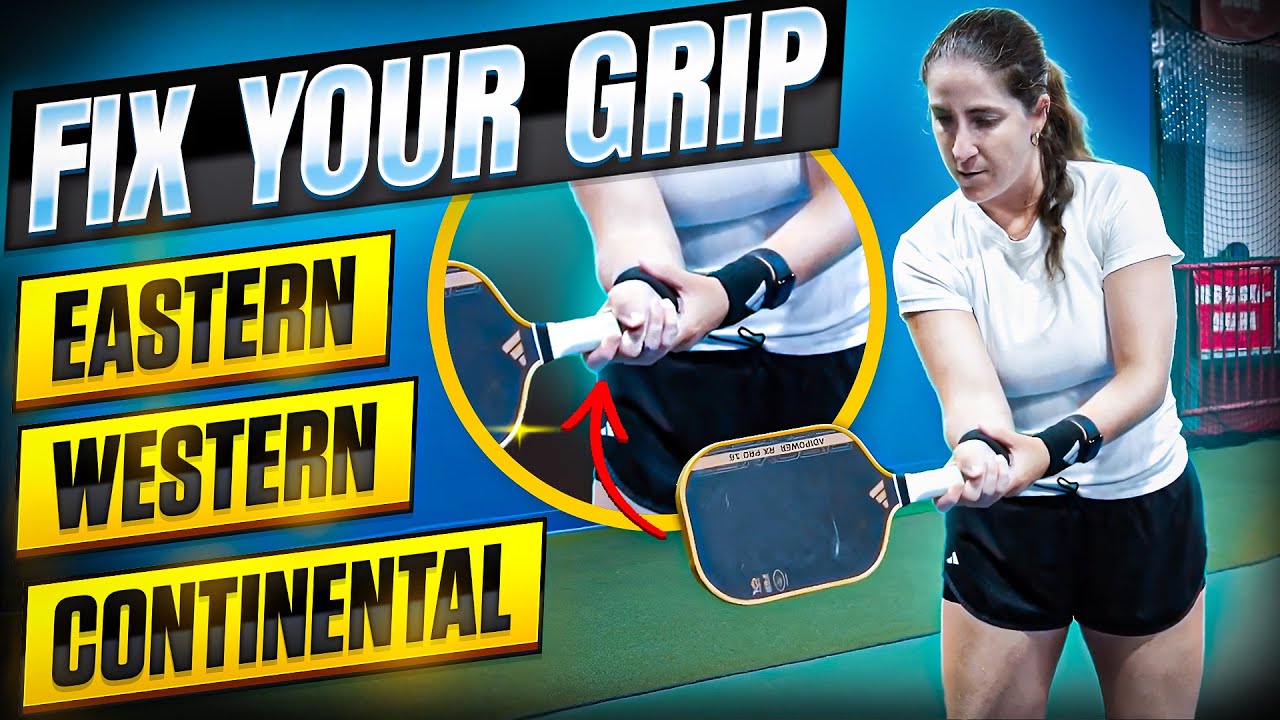
7. Use Wrist Lag at the Kitchen: The Pro Pickleball Technique That Changes Everything
At the kitchen line, the dynamics change. You don't have much court to work with, so you're basically taking the ball at the net and putting it back in the court.
This requires a different approach to pickleball techniques altogether. Speed, not strength, is the variable here, and wrist lag is how you generate it.
The key is wrist lag.
Let your wrist lag behind as your shoulder starts the motion, then snap it forward.
It's like a noodle or a whip. Your shoulder initiates, your wrist lags, and then it snaps.
Do this on both forehand and backhand, and you'll add serious pace to your kitchen shots.
Remember: you still need topspin here. Get low with your paddle and your legs, then use your shoulder and hips to pop the ball with spin and pace.
The ball needs to dip back into the court, so topspin is non-negotiable. For a deeper look at how to use your shoulder and hips together at the net, mastering the kitchen line attack like a 5.0 player breaks down exactly when to initiate and when to hold.
The Dink Media Team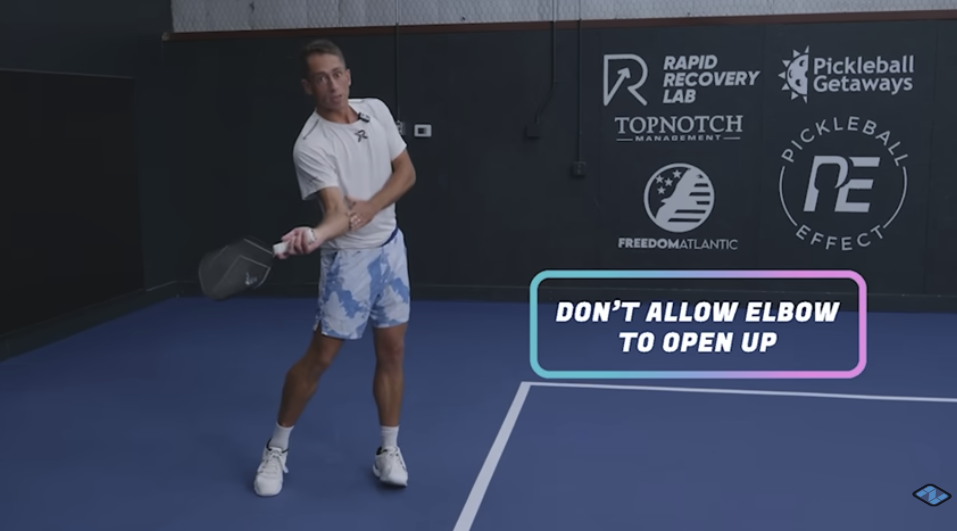
Frequently Asked Questions
What's the most important pickleball technique to learn first?
Start with weight transfer. This is the foundation that makes every other pickleball technique work. Once you understand how to load power from your legs and hips, the other mechanics become much easier to implement and you'll see the biggest immediate improvement in pace.
Can beginners use the wrist snap technique?
Not recommended. The wrist snap adds variability and requires a lot of practice. Beginners should focus on weight transfer, grip position, and hitting the sweet spot first. Once you're comfortable with those fundamentals, you can start experimenting with wrist snap at higher levels.
How do I know if I'm hitting the sweet spot?
You'll feel it. When you hit the sweet spot, the ball comes off the paddle cleanly with minimal vibration. If you're hitting off-center, you'll feel a jarring sensation and the ball won't have the same pace. Practice tossing the ball up and focusing on center contact until it becomes automatic.
Does topspin really make that much difference when learning how to hit a pickleball harder?
Absolutely. Topspin is your safety net for hitting harder. Without it, you're limited in how aggressive you can be because the ball will sail out. With topspin, you can swing freely knowing the ball will dip into the court. It's the difference between hitting with confidence and hitting tentatively.
Should I grip differently for serves versus drives?
Yes. For serves and baseline drives, grip lower for maximum leverage. As you move to midcourt and the kitchen, you can choke up slightly for faster hands and quicker reactions. The court position determines your grip position.

Love Pickleball? Join 100k+ readers for free weekly tips, news & gear deals.
Subscribe to The Dink