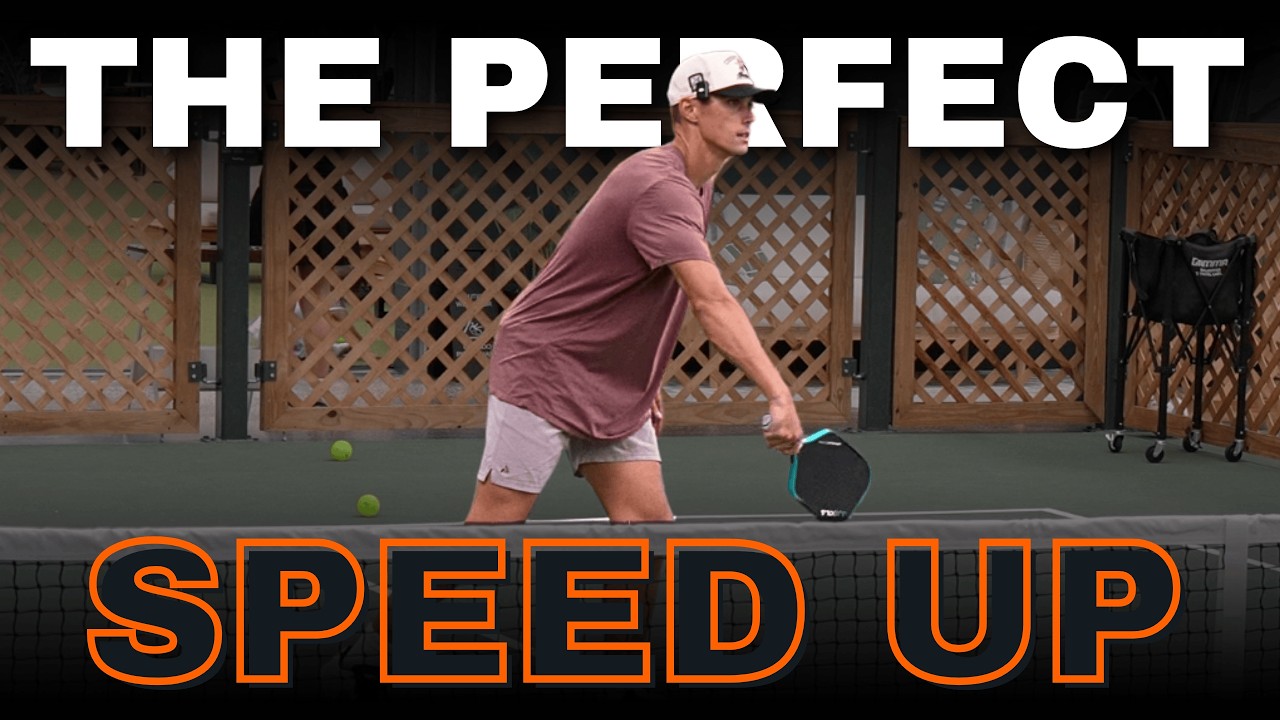
Most pickleball players focus on hitting harder when they should focus on hitting smarter. Travis Rettenmaier reveals the 3 critical mistakes holding back your pickleball attack and how to fix them immediately.
The pickleball attack is where matches are won and lost, yet most players approach it all wrong.
According to pro trainer Connor Derrickson and pro Travis Rettenmaier, who recently shared a comprehensive coaching breakdown, the difference between a 4.0 and a 5.0 player often comes down to three fundamental mistakes that seem small but compound into massive performance gaps.
Love pickleball? Then you'll love our free newsletter. We send the latest news, tips, and highlights for free each week.
Mistake #1: Prioritizing Speed Over Trajectory
Here's what most players get wrong about the pickleball attack: they think harder equals better.
They wind up, they swing with all their might, and they hope the ball goes down. Spoiler alert: it doesn't work that way.
Travis Rettenmaier makes this crystal clear in his coaching session.
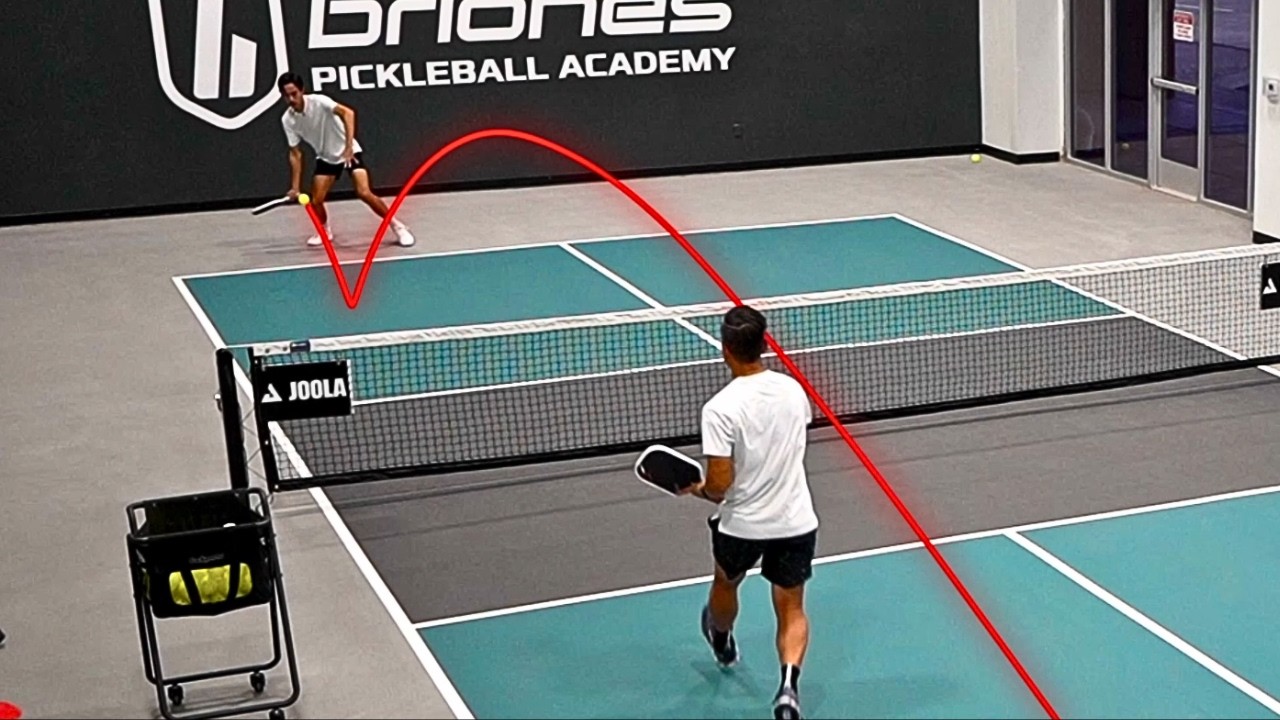
"When we're attacking, whether we're flicking out of the air or attacking off the bounce, trajectory is more important than speed," he explains.
 Thomas Shields
The goal isn't to blast the ball past your opponent. The goal is to force them to hit up on the next shot.
Think about it logically. If you hit a hard ball that lands high on your opponent's side of the court, they're in a dominant position. They can attack you right back.
But if you hit a ball with the right trajectory, one that lands low and forces them to lift it, you've just regained control of the rally.
Rettenmaier uses a clever analogy to drive this home:
"Think of it like a 20-foot putt and you're aiming six feet six inches in front."
- You're not trying to hole it in one shot.
- You're setting up the next shot.
- You're controlling the geometry of the court.
The mechanics matter here too. A short backswing, a compact stroke, and a focus on keeping your head down all contribute to better trajectory control.
It's not flashy. It's not Instagram-worthy. But it works.
Mistake #2: Neglecting Footwork and Body Positioning
The second major flaw in most players' pickleball attack approach is footwork. Or rather, the lack of intentional footwork.
Connor Derrickson, the player being coached in the session, initially struggles with this concept.
He's moving too much, taking unnecessary steps, and losing balance in the process. Rettenmaier corrects him:
"One foot. One step."
That's it. That's the lesson.
The reason footwork matters so much is that it determines your contact point.
If you're constantly shifting your weight and adjusting your stance, you can't hit the same spot on the ball twice.
Consistency disappears. Your attacks become erratic.
But here's where it gets interesting. The footwork isn't about taking big steps. It's about making space. Rettenmaier explains:
"You got to learn to make space. Right foot or left foot, like you're skiing."
You're reading the ball, moving minimally, and positioning yourself so that your paddle can make clean contact.
Body positioning ties directly into this.
- Your hips need to rotate.
- Your chest needs to face the net at the right angle.
- Your eyes need to stay on the ball.
These aren't separate mechanics; they're part of one integrated movement pattern.
One of the most revealing moments in the coaching session comes when Derrickson tries hitting in an open stance for the first time.
"I've never done it," he admits. But when he does, with proper hip rotation and minimal movement, the difference is immediate.
"Way better," Rettenmaier confirms. That's the power of correct positioning.
The Dink Media Team
Mistake #3: Losing Control When the Ball Gets High
The third mistake is perhaps the most subtle but also the most costly.
When the ball is high and attackable, players often abandon their fundamentals and go for broke.
They swing hard. They lose control. They miss or hit it into the net.
Rettenmaier addresses this directly:
"When you get those balls above the net right now, try thinking flat, more like through it."
The emphasis is on control, not power. You're hitting through the ball, not at it.
This ties back to the first mistake about trajectory. Even when you have an attacking opportunity, you're not trying to end the rally with a winner.
You're trying to hit a shot that puts pressure on your opponent while keeping the ball in play and low.
The positioning for high balls is also critical. Rettenmaier emphasizes keeping your paddle in your peripherals at all times.
"Everything should be a little more in front of you," he says. This forward positioning allows you to react faster and maintain control.
There's also a psychological element here. If your opponent knows you can flick a ball effectively from a low position, they have to respect that threat.
Even if you don't flick every low ball, the mere possibility changes their decision-making. That's control. That's what separates good players from great ones.
The Dink Media Team
The Bigger Picture: Why These Mistakes Matter
Understanding these three mistakes isn't just about hitting better shots. It's about understanding the philosophy of modern pickleball. The game has evolved.
It's no longer about who can hit the hardest. It's about who can control the court, manage pressure, and make smart decisions under pressure.
Players like Anna Bright and other top professionals have built their games on precision and positioning, not raw power.
They understand that a pickleball attack is really about setting up the next shot, not ending the rally immediately.
Rettenmaier's coaching approach reflects this philosophy. He's not teaching flashy techniques. He's teaching principles.
- Trajectory over speed.
- Controlled footwork over big movements.
- Smart positioning over aggressive swings.
For players looking to improve their game, these lessons are foundational.
Whether you're a 3.5 trying to reach 4.0 or a 4.5 aiming for 5.0, fixing these three mistakes will have an immediate impact on your results.
The Dink Media Team
How to Practice These Corrections
The good news is that these mistakes are fixable. They require awareness and repetition, but they're not complicated.
- Start with trajectory drills. Hit balls with a focus on getting them low and short rather than hard and deep. Use a target, like a cone or a line on the court, and aim for consistency rather than power.
- For footwork, practice the one-step movement pattern. Get comfortable making minimal adjustments to position yourself for clean contact. This is best done in a drill setting where you can repeat the same movement dozens of times.
- For high ball control, work on your positioning and paddle placement. Keep your paddle up and in front of you. Practice hitting through the ball rather than at it. Again, drills are your friend here.
The key is to practice these elements in isolation before trying to integrate them into match play.
Once they become automatic, your pickleball attack will transform.
Frequently Asked Questions
What's the most important element of a good pickleball attack?
Trajectory is more important than speed. Your goal is to force your opponent to hit up on the next shot, not to end the rally immediately. A low, controlled ball that lands short is far more effective than a hard ball that lands high.
How much footwork do I need for an attacking shot?
Minimal footwork is actually better. Focus on taking one step to position yourself correctly rather than multiple adjustments. The goal is to reach a stable position where you can make consistent contact with the ball.
Should I always go for a winner when I have a high ball?
No. Even when you have an attacking opportunity, prioritize control and placement over power. Hit a shot that puts pressure on your opponent while keeping the ball in play and low. This approach is more effective in match play than going for broke.
How do I improve my trajectory control?
Practice with a focus on short backswings, compact strokes, and keeping your head down. Use targets on the court and aim for consistency. Drills that repeat the same movement pattern are especially helpful for building this skill.
Why is body positioning so important in the pickleball attack?
Your body position determines your contact point and your ability to generate consistent, controlled shots. Proper hip rotation, chest positioning, and eye placement all contribute to better ball striking and more reliable attacks.

Love Pickleball? Join 100k+ readers for free weekly tips, news & gear deals.
Subscribe to The Dink