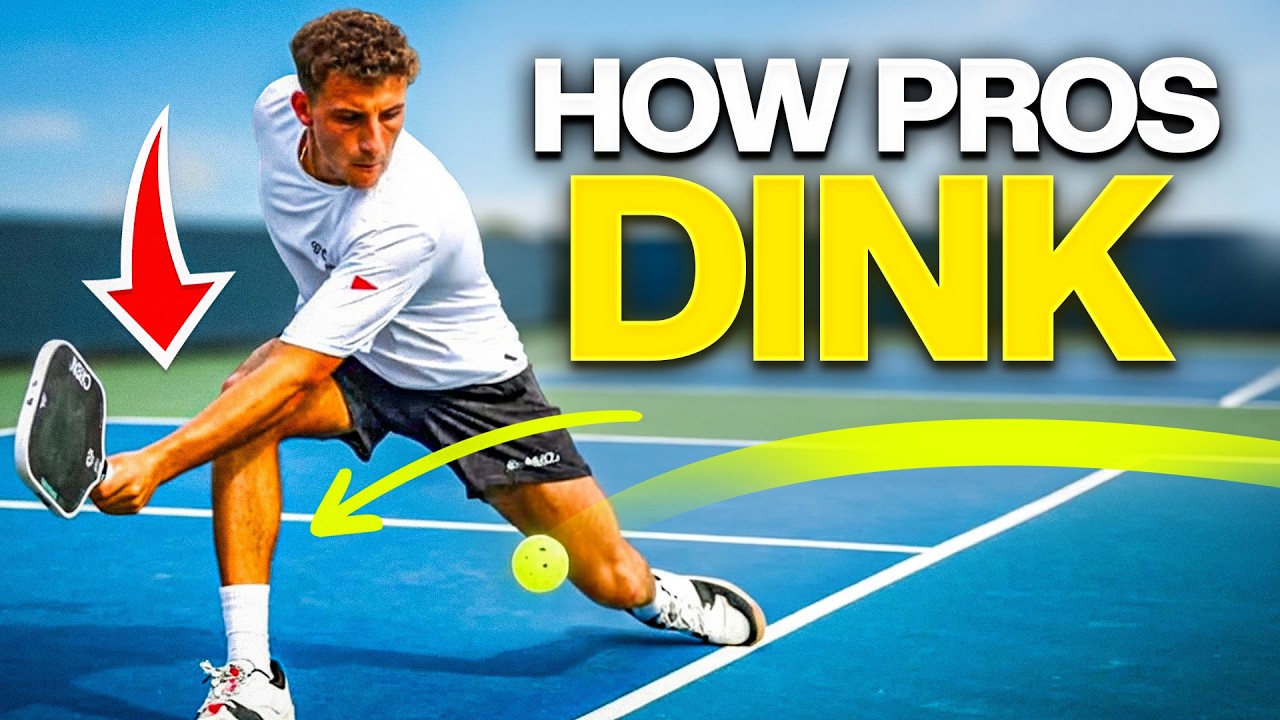
The pickleball dink is the foundation of kitchen control, and mastering four specific variations will transform how you play. From backhand slices to volley rolls, these techniques separate casual players from serious competitors.
The pickleball dink isn't flashy. It won't win you points outright.
But it's the single most important shot in the sport, and if you're not executing it properly, you're leaving wins on the table.
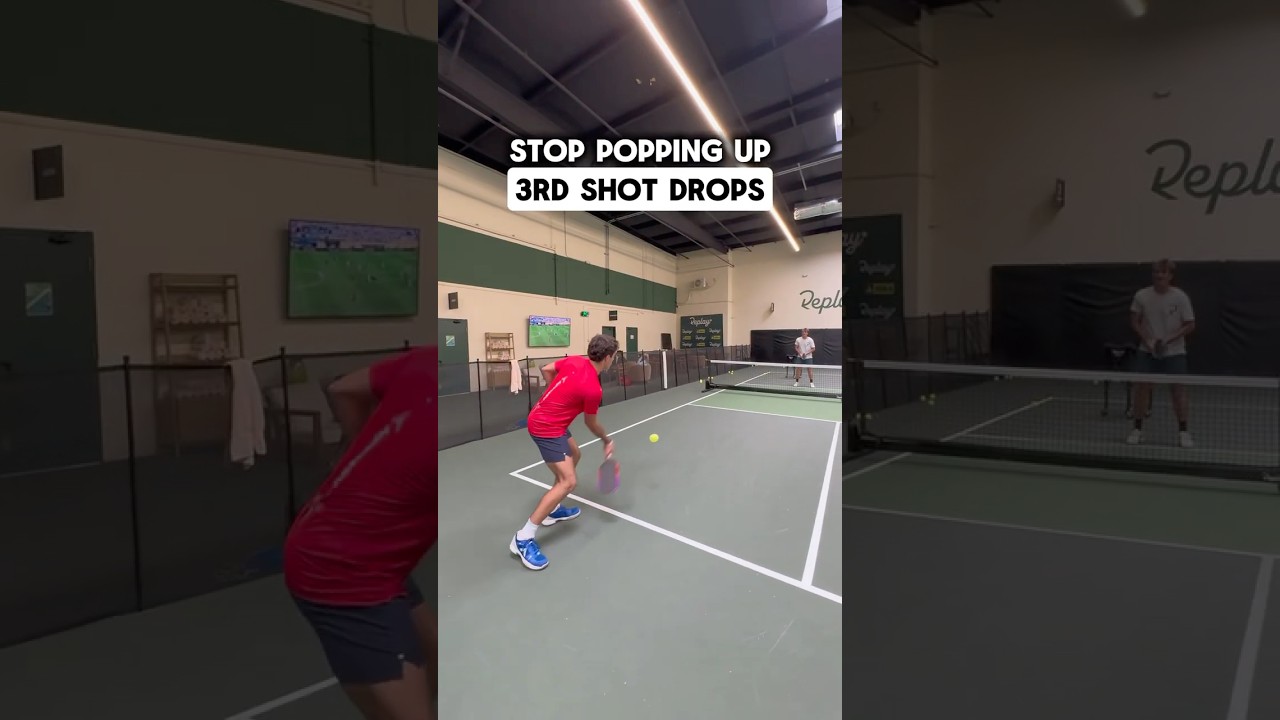
According to APP pro and coach Tanner Tomassi, most players reach the kitchen with no real purpose behind their shots.
They're just trying to survive the rally instead of controlling it. That's where understanding the four essential dinks comes in.
Love pickleball? Then you'll love our free newsletter. We send the latest news, tips, and highlights for free each week.
Why the Pickleball Dink Matters More Than You Think
Here's the thing:
The kitchen is where matches are won and lost.
Once both players reach the net, the player who controls the rally with better dinking usually wins the point.
But control doesn't come from hitting harder. It comes from hitting smarter.
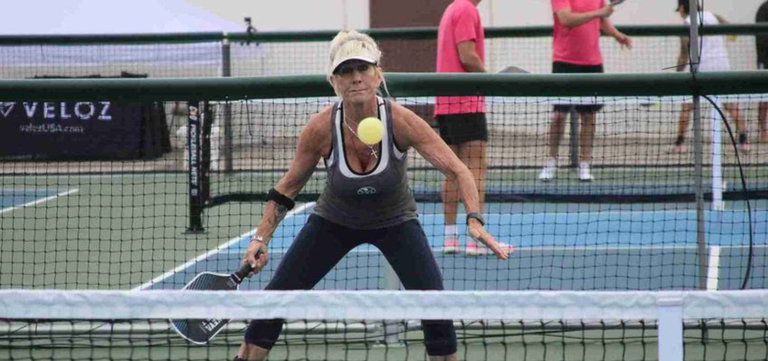
The pickleball dink is fundamentally a soft, short shot hit from the kitchen that lands in your opponent's kitchen.
It's passive by design, but that's exactly the point.
When executed correctly, a dink forces your opponent into a reactive position, giving you the opportunity to attack when they make a mistake.
Most recreational players treat dinking like a necessary evil. They get to the kitchen and just tap the ball back, hoping it lands in.
That approach works until you face someone who actually understands dink strategy. Then you're in trouble.
1. The Backhand Slice Dink: Your Foundation Shot
The backhand slice dink should be your default shot when you're at the kitchen.
This is the foundation of everything else you'll learn about dinking.
Tanner emphasizes that the backhand slice is passive by nature, meaning you're putting the ball in play and extending the rally without being overly aggressive.
What makes this shot valuable is that it gives you the ability to lean in after hitting it and potentially attack the next ball out of the air.
The footwork is where most players go wrong.
Instead of pointing your feet toward the parking lot (a common amateur mistake), you want to draw a line with your feet directly to your target.
This allows your shoulders and entire body to turn in unison, giving you control through your whole body rather than just your arm.
For spin, the key is paddle angle, not wrist action.
If you want to add more cut and slice to the ball, simply lay your wrist back more and execute the same motion.
The mistake amateurs make is thinking spin comes from chopping with their wrist. It doesn't. A simple, soft catch with proper paddle positioning is all you need.
 Alex E. Weaver
2. The Two-Handed Backhand Dink: Adding Pressure
Once you've mastered the backhand slice, it's time to add a second hand.
The two-handed backhand dink is more aggressive and signals to your opponent that you're a threat.
Here's why this matters: if you're only slicing the ball, there's no threat of a speed-up. Your opponent knows you're not going to attack, so they can relax.
The second you throw that second hand on, everything changes.
Now you're a threat to speed up the ball, and your opponents have to think twice about their next shot.
The secret that transformed Tanner's backhand dink from inconsistent to reliable was switching from topspin to side spin.
Most players try to flick their wrists upward to generate topspin, but that's inconsistent and often results in the ball popping up high, giving opponents a free attack.
Instead, think of cupping the ball and coming around it with side spin.
This way, if you miss, you'll miss wide or hit an ATP (around the post), which is far better than giving your opponent a free attack.
The lower you get when hitting this shot, the easier it becomes. If you're upright, the ball will go into the net.
The Dink Media Team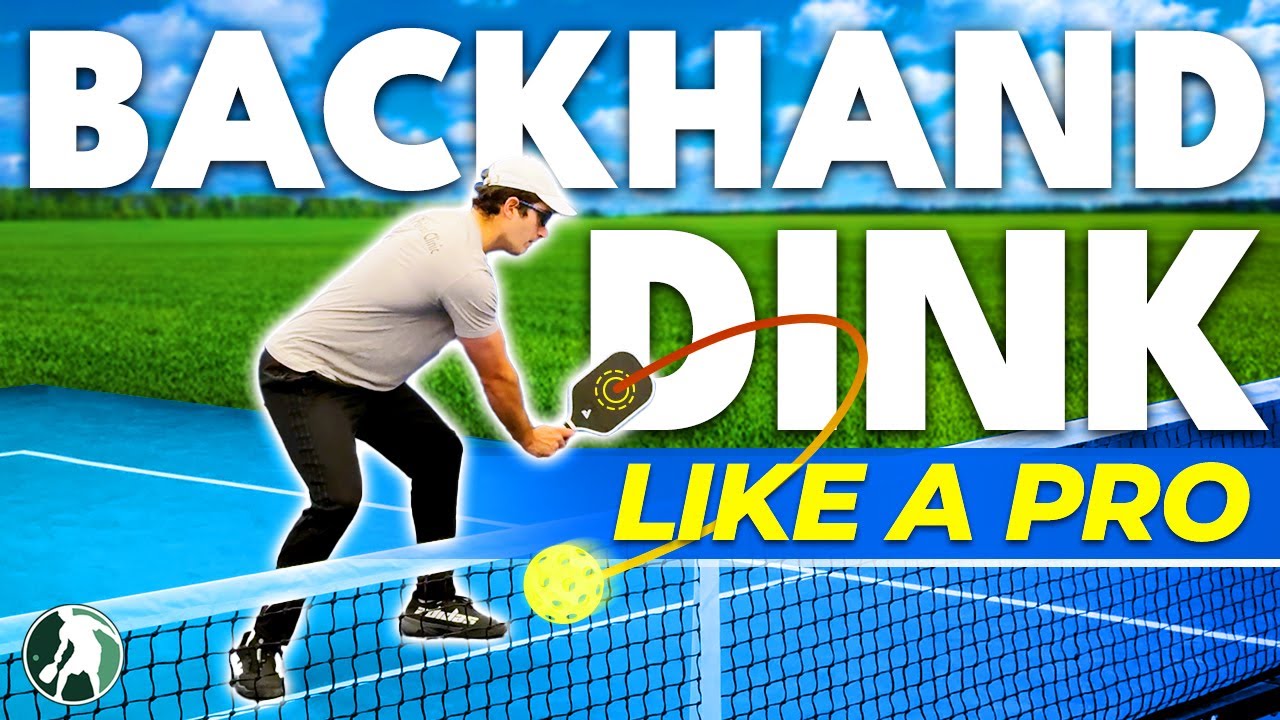
3. The Chip Volley: Neutralizing Aggressive Opponents
The chip volley out of the air is the newest addition to Tanner's game, and it's given him significant improvements in match play.
This shot is specifically designed for when your opponent is hitting aggressive topspin dinks.
You don't want those balls bouncing on your side because you'll be off balance and vulnerable.
Instead, the second you see them winding up for an aggressive shot, you lean in and chip their ball out of the air to neutralize it.
The thought process is simple:
If your opponent is slicing passively, let it bounce. If they're lining up to hit aggressive topspin, that's when you take it out of the air.
The form is straightforward.
Make sure you have a nice wide base with bent knees, keep your paddle out in front with a loose grip, and come underneath the ball without trying to be aggressive with it.
The key is not leaning in so much that you lose your balance. You're neutralizing their aggression, not attacking back. That comes later.
The Dink Media Team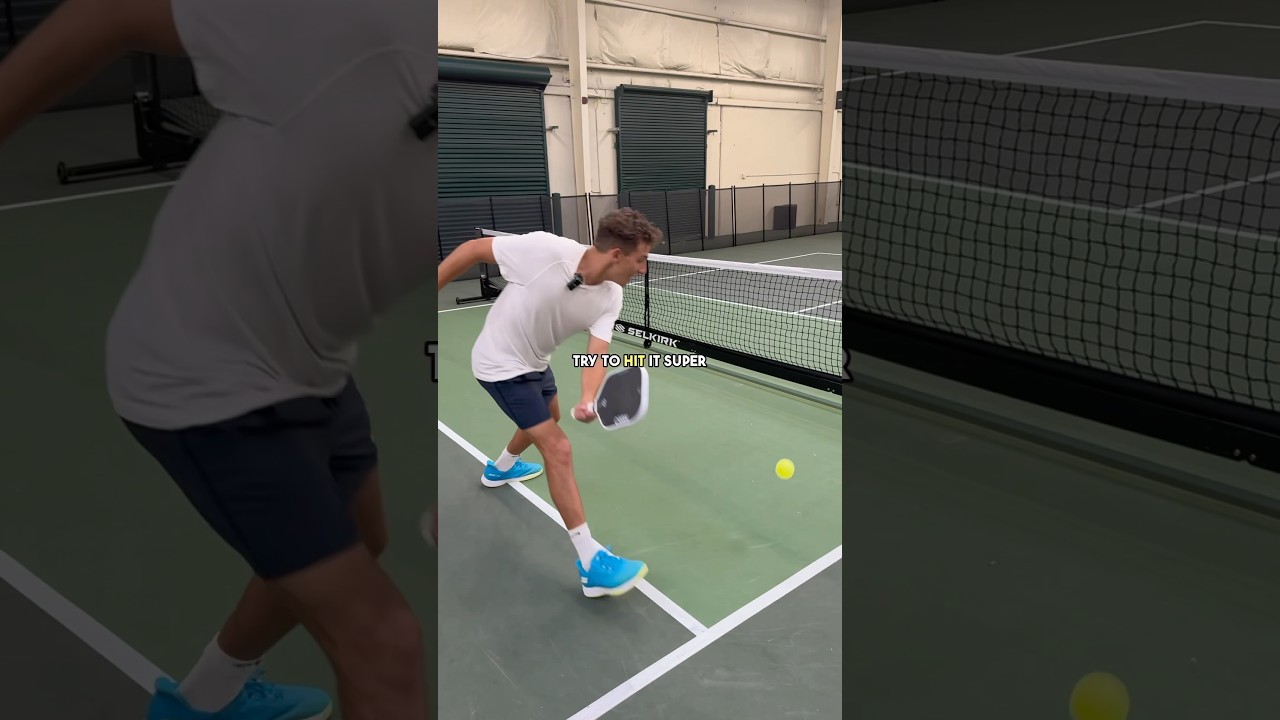
4. The Volley Roll: Applying Pressure From Low
The volley roll out of the air is the opposite of the chip volley. Instead of neutralizing, you're applying pressure.
If your opponent hits passive, sliced dinks, that's when you want to lean in and roll that ball aggressively to take control of the rally.
One of the best perks of this shot is that you can take a ball from really low and roll it aggressively to get a higher ball that you can attack.
Think of it this way: you're still applying pressure from a low position, but you're not giving your opponent a free shot.
You're creating an opportunity for yourself to attack on the next ball.
The form requires one main focus: don't break your wrist. You shouldn't flick at the ball like you're trying to generate power.
Instead, keep your wrist completely locked and use your shoulder to catch the ball.
Tanner uses a hummingbird analogy: imagine a hummingbird posted on a tree trunk, using its beak to poke holes.
That's the motion you want. You're poking the ball, not flicking it.
The Dink Media Team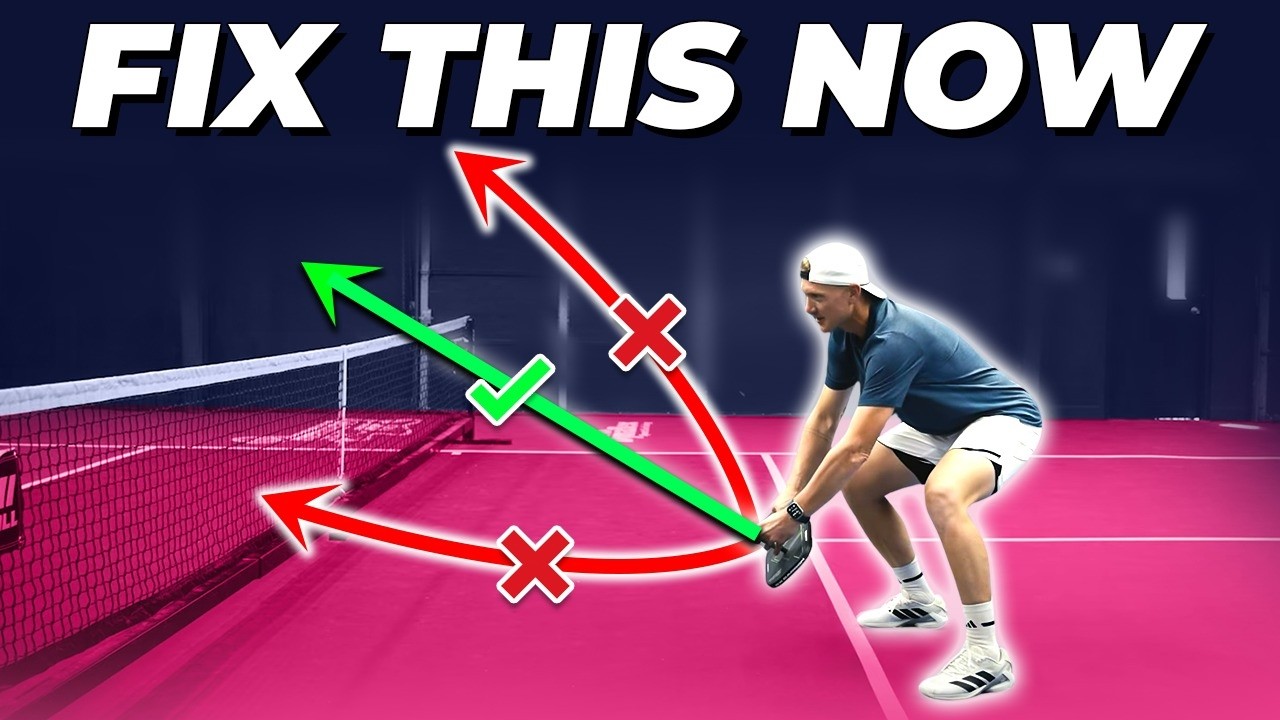
Putting It All Together: The Dinking Strategy
Understanding these four dinks is one thing. Knowing when to use each one is another.
- The backhand slice is your baseline. It's what you hit when you're just trying to keep the ball in play and extend the rally.
- The two-handed backhand dink comes out when you sense an opportunity to add pressure and keep your opponent honest.
- The chip volley is your defensive tool, used to neutralize aggressive opponents who are trying to speed up the ball.
- The volley roll is your offensive tool, used to apply pressure when your opponent gives you a passive dink.
Most players get to the kitchen with no real purpose behind their shots.
They're reacting instead of acting. But once you understand the purpose of each dink, you can start controlling rallies instead of just surviving them.
That's when your game elevates.
Mastering these dinks is a vital skill if you're looking to level up your game and raise your DUPR (Dupr rating).
The kitchen is where matches are decided, and the player who controls the kitchen with better dinking usually wins.
Frequently Asked Questions
What's the difference between a dink and a drop shot in pickleball?
A dink is a soft shot hit from the kitchen that lands in your opponent's kitchen, designed to keep the ball in play and extend rallies. A drop shot is typically hit from the baseline and lands softly near the net. Dinks are hit from the kitchen; drops are hit from deeper on the court.
How do I know when to use the chip volley versus the volley roll?
Use the chip volley when your opponent is hitting aggressive topspin dinks. Use the volley roll when your opponent is hitting passive, sliced dinks. The key is reading your opponent's intention before they hit the ball.
Can I use the two-handed backhand dink if I'm left-handed?
Absolutely. The two-handed backhand dink works for both right-handed and left-handed players. The mechanics remain the same; you're just mirroring the motion based on your dominant hand.
Why is footwork so important for the backhand slice dink?
Footwork allows your shoulders and entire body to turn in unison, giving you control through your whole body rather than just your arm. Poor footwork forces you to rely only on arm strength, which is inconsistent and limits your control.
How long does it take to master these four dinks?
That depends on your current skill level and practice frequency. Most players can develop basic competency in a few weeks of consistent practice. True mastery takes months of deliberate practice and match play experience.
For everything else we do, visit linktr.ee/dinkfam

Love Pickleball? Join 100k+ readers for free weekly tips, news & gear deals.
Subscribe to The Dink