
Your pickleball grip is the foundation of everything that happens on the court. Get it right, and you'll move faster, hit harder, and control the ball with confidence.
Your pickleball grip is the foundation of everything that happens on the court. It's not flashy. It won't win you points by itself.
But get it wrong, and you'll spend months fighting against your own hands instead of letting them work for you. Most players blame their paddle. The real issue is almost always how they're holding it.
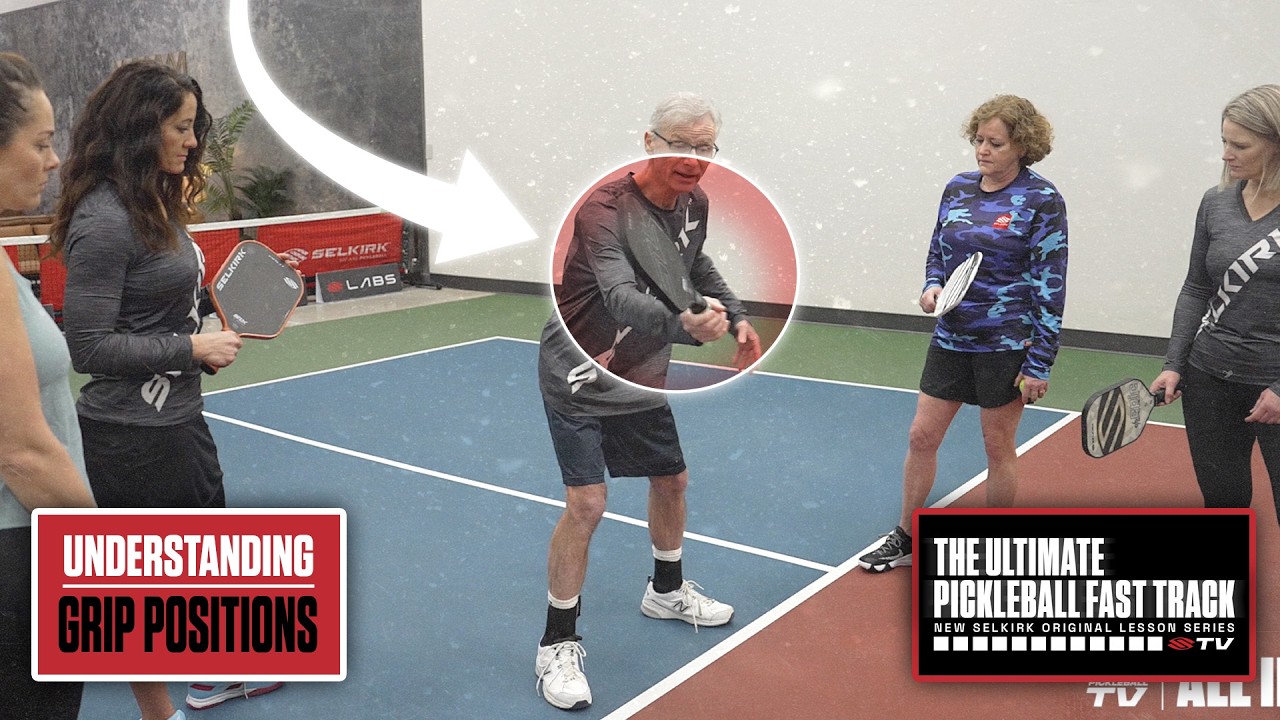
Steve Paranto, an instructor who's taught thousands of pickleball students, breaks down exactly why pickleball grip matters so much and how to find the right one for your game.
The good news? It's simpler than you think.
Love pickleball? Then you'll love our free newsletter. We send the latest news, tips, and highlights for free each week.
The Handshake Grip: Your Starting Point
Here's the thing about pickleball grip fundamentals: you don't need to overthink it.
The simplest way to find your grip is to literally shake hands with your paddle.
Hold the paddle so the edge points toward the ceiling. Now position your hand as if you're greeting someone.
Your forehand side (the front of your hand) should point comfortably toward the ceiling, and you should be able to rotate your hand to point your backhand side up as well.
If you can flip between those two positions without awkwardness, you've found a grip that works.
This is called the handshake grip, and it's the entry point for most pickleball grips for beginners.
The beauty of this approach is that it naturally positions your hand in a way that lets you hit both forehands and backhands without switching grips. In pickleball, you don't have time to change your grip between shots, so finding one that handles everything is essential. How to regrip a pickleball paddle is worth bookmarking once you've settled on your preferred grip style, since fresh grip tape makes a noticeable difference in feel and control.
Eastern vs. Continental: Which Grip Style Fits Your Game?
Once you've found your basic hand position, you'll notice your grip falls somewhere on a spectrum.
The two main pickleball grip styles are the eastern forehand grip and the continental grip.
- The eastern forehand grip positions your heel slightly behind the back bevel of the paddle. This pickleball eastern grip is becoming increasingly popular among pros because it offers excellent control and natural power generation. Most modern pickleball players are shifting toward this style.
- The continental grip pickleball players use places your heel touching the bevel next to the back bevel, creating a slightly more neutral hand position. This grip excels at backhand volleys and gives you solid all-around versatility. It's a bit more difficult for hitting aggressive forehand volleys out in front, but the trade-off is worth it for many players.
Here's what matters: both grips work. The key is experimenting to see which one feels more natural for your hand and your game. A deeper breakdown of continental vs. eastern grip for shot control is worth reading once you have the basics locked in.
Paranto recommends trying the eastern grip first, especially if you're just starting out, because most pros are moving in that direction. But if the continental grip feels better, stick with it.
 The Dink Media Team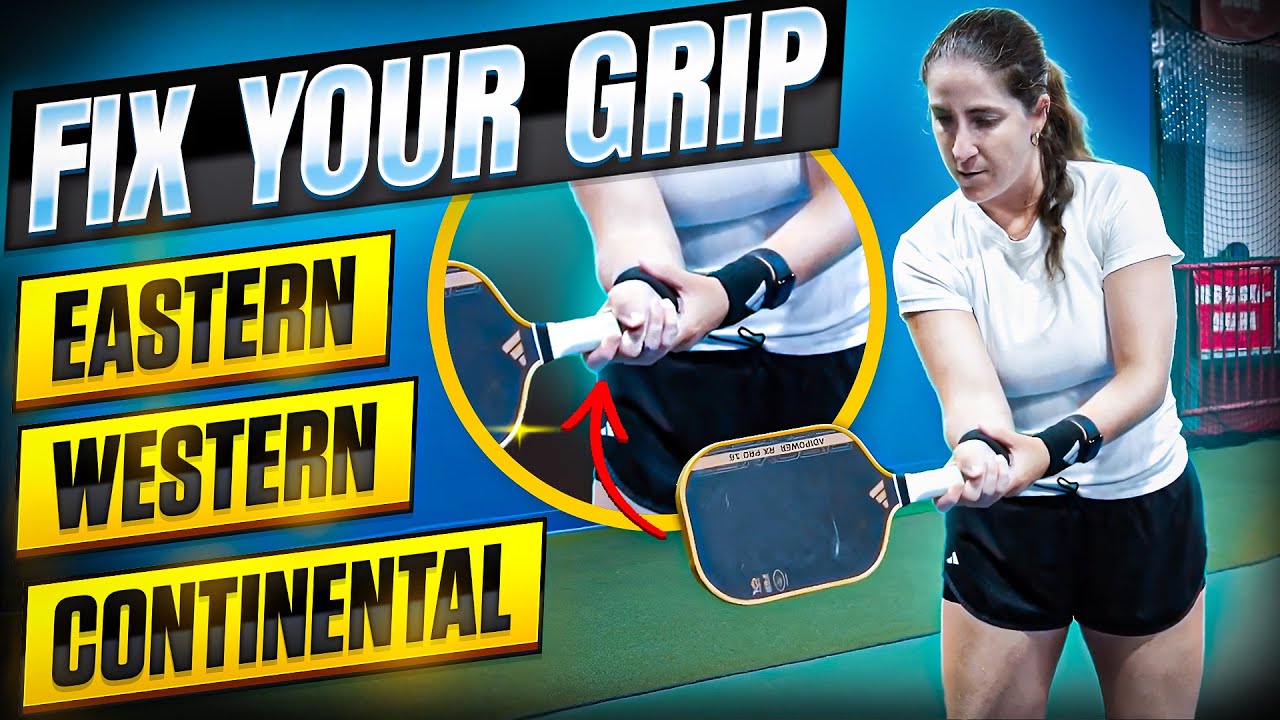
The Thumb Position That Changes Everything
One detail that separates a solid grip from a struggling one is where you place your thumb.
Many beginners put their thumb directly on the side of the paddle, but that's not ideal.
Instead, position your thumb slightly around the side, closer to the back of the paddle.
This small adjustment gives you more support when hitting backhands and prevents your hand from rolling awkwardly during volleys.
It's a minor tweak, but it compounds over time as you hit thousands of shots.
Think of your thumb as an anchor.
t's not doing the heavy lifting, but it's stabilizing everything else.
When your thumb is in the right spot, your entire hand feels more secure, and that security translates into better control. This is one of those pickleball grip tips that takes five seconds to fix and immediately changes how the paddle feels in your hand.
The Dink Media Team
Grip Tension: The Secret to Lightning-Fast Hands
Here's where most beginners get it completely wrong: they grip too tightly.
Paranto uses a scale from 1 to 10 to describe grip tension. A 1 is barely holding the paddle, like you're cradling a bird and trying not to hurt it.
A 10 is squeezing as hard as you possibly can.
Most players think they need to be somewhere around a 7 or 8 to hit the ball hard, but that's the opposite of what actually works.
The tension you want between shots is a 1. Completely relaxed. Barely holding on.
Why? Because when your hands are relaxed, your entire body is relaxed. Your shoulders drop. Your breathing steadies. Your mind clears.
And most importantly, your hands can move faster. When you're tense, your muscles lock up, and you lose the ability to react quickly at the net.
Watch a pro player between points. They look almost bored. Their paddle is hanging loose. Their pickleball grip is light. That's not laziness; that's efficiency.
Now, when you actually hit the ball, you can firm up to maybe a 6 or 7 for certain shots that require more power. But you're never a 10. Ever.
Constant tension causes control problems and slows down your hand speed, which is the opposite of what you want in pickleball. This framework for developing faster hands shows exactly how grip tension and hand speed connect at the kitchen line.
The practical application is simple: spend most of your time at a 1, and only increase tension when the shot demands it.
Then immediately return to that relaxed state.
The Dink Media Team
Why the Kitchen Rules Make Grip Even More Important
Understanding the pickleball grip becomes even more critical when you understand the kitchen rules.
The kitchen (officially the no-volley zone) is the area on both sides of the net where you can't hit a volley, which is any shot struck before the ball bounces. The essential non-volley zone rules explained is a good companion read if that rule still trips you up in matches.
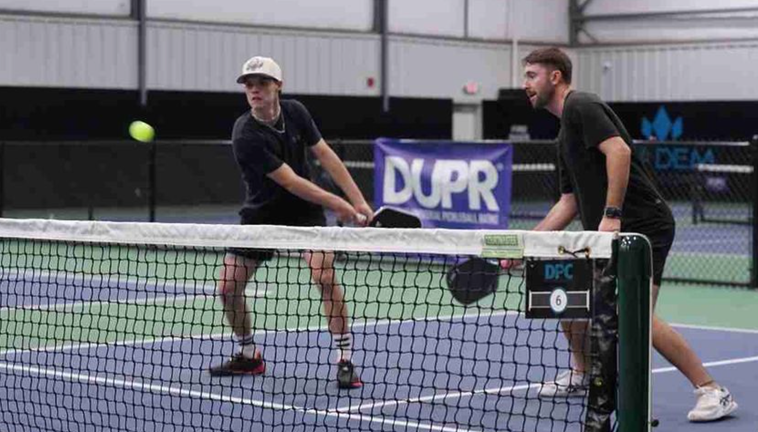
Because of this rule, the game has evolved around a strategy called dinking. You hit soft shots that land in the kitchen, forcing your opponent to let the ball bounce.
If they can't hit it out of the air, they can't attack you aggressively.
If they can't hit it out of the air, they can't attack you aggressively.
This is where grip tension becomes a game-changer. When you're dinking, you need a light touch and precise control.
A relaxed grip with a 1 or 2 tension level lets you make those soft, controlled shots.
If you're gripping tightly, you'll either hit the ball too hard or lose the feel for where it's going.
The teams that win are the ones that hit balls out of the air first. But to get to that point, you need to survive the dinking phase.
And surviving the dinking phase requires a pickleball grip that's relaxed enough to give you touch and control.
The Dink Media Team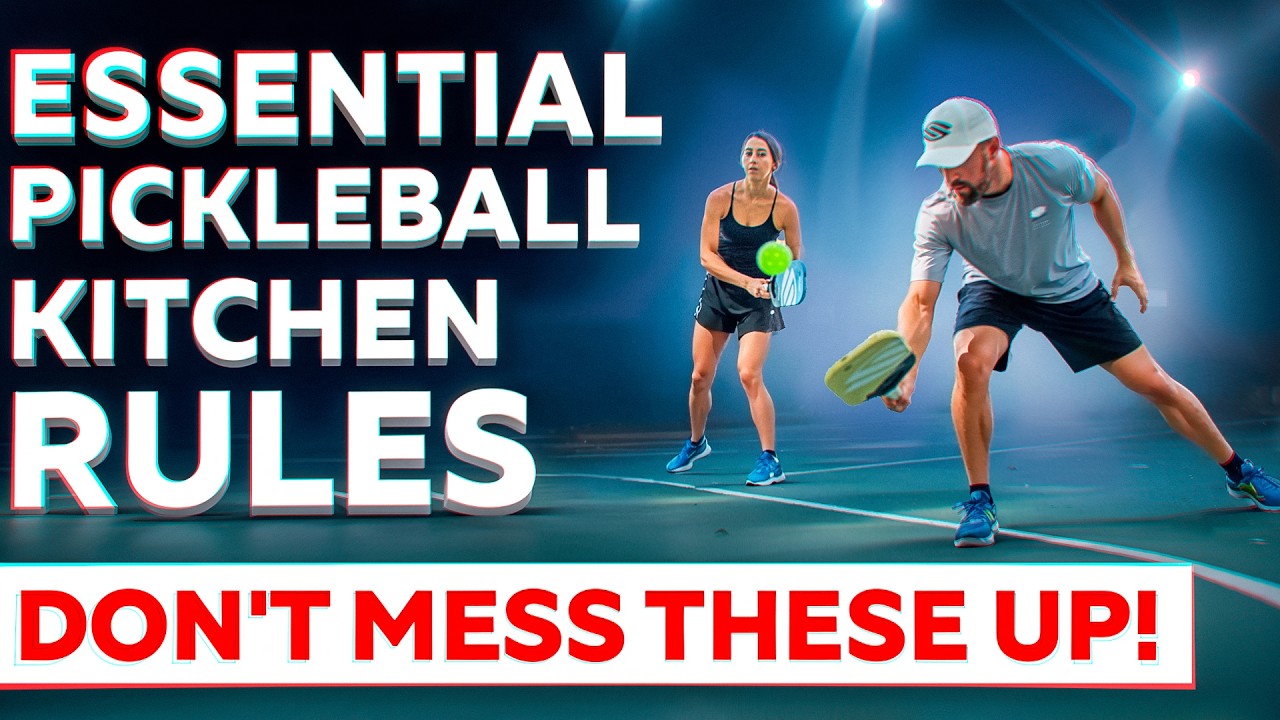
The Soft Dink: Where Grip Technique Pays Off
The soft dink is the fastest way to start winning more rallies, and it's entirely dependent on your grip and grip tension.
A dink is when you barely hit the ball over the net, landing it softly in the kitchen. It sounds simple, but it requires incredible control.
You're not trying to hit the ball hard; you're trying to hit it just hard enough to clear the net and land it in a specific zone.
With a relaxed grip, your hand can feel the paddle and the ball. You develop what players call "touch."
You can sense how much force you need and adjust on the fly. With a tight grip, you lose that feedback.
Your hand becomes a club instead of a precision instrument.
This is why beginners who grip too tightly struggle with dinking.
They either hit it too hard and it flies past the kitchen, or they decelerate so much that the ball doesn't clear the net.
A relaxed pickleball grip solves both problems because it gives you the sensitivity to make micro-adjustments. If your forehand dink still feels inconsistent after fixing your grip tension, this 5-minute forehand dink fix from a pickleball pro isolates the exact mechanics that go wrong for most players.
Luke Burton
Building Your Grip Foundation
The path forward is straightforward.
- Start with the handshake pickleball grip.
- Experiment with eastern and continental grip positions to see which feels more natural.
- Pay attention to your thumb placement.
- And most importantly, keep your grip relaxed between shots.
This foundation will serve you whether you're playing your first game or your hundredth. The players who skip this step and reach for a flashier fix first are the ones who plateau early.
As you improve, you'll develop more nuance and feel, but it all starts with getting the basics right. Stopping pop-ups and mastering paddle positioning is the natural next step once your grip fundamentals are locked in.
The good news is that grip is something you can work on immediately. You don't need a court or a partner. You can practice at home, in your car, or anywhere.
Just pick up your paddle and spend five minutes a day getting comfortable with the right hand position and relaxed tension.
Your future self will thank you when you're moving faster, hitting more accurately, and winning more rallies because your hands are finally working with you instead of against you.
Frequently Asked Questions
What's the difference between a volley and a rally in pickleball, and why does it affect my pickleball grip?
A rally is any combination of shots in a point, whether the ball is hit in the air or after it bounces. A volley is specifically when you hit the ball before it bounces on the ground. This distinction matters because you can't hit a volley in the kitchen, which is why dinking is so important.
Should I use the same grip for forehands and backhands?
Yes. In pickleball, you don't have time to switch grips between shots, so you need one grip that handles both forehands and backhands. The handshake grip naturally positions your hand to do this without adjustment.
How do I know if my grip tension is too tight?
If your hand feels fatigued after playing, or if you're struggling to make soft, controlled shots, your grip is probably too tight. Try consciously relaxing your grip between shots and notice how much faster your hand can move and how much better your touch becomes.
Can I use a continental grip if I'm a beginner?
Absolutely. While the eastern forehand grip is becoming more popular among pros, the continental grip is still effective and works well for many players. Choose whichever feels more natural for your hand and stick with it as you develop consistency.
Why do pros use such a loose pickleball grip between shots?
A relaxed pickleball grip allows your entire body to relax, which improves reaction time and hand speed. When you're tense, your muscles lock up and you can't move as quickly. Pros understand that staying loose between shots gives them the best chance to react to whatever comes next.

Love Pickleball? Join 100k+ readers for free weekly tips, news & gear deals.
Subscribe to The Dink