How to Be a Smart Pickleball Banger and Actually Win More Points
Most players think hitting hard is the problem in pickleball. But according to PPA pro Ashley Griffith, being a smart pickleball banger is about knowing when to attack, where to aim, and how much power to use. Here's what separates the winners from the rest.
The biggest misconception in pickleball is that being a banger means swinging as hard as you can every time the ball comes your way.
That's not how the game works.
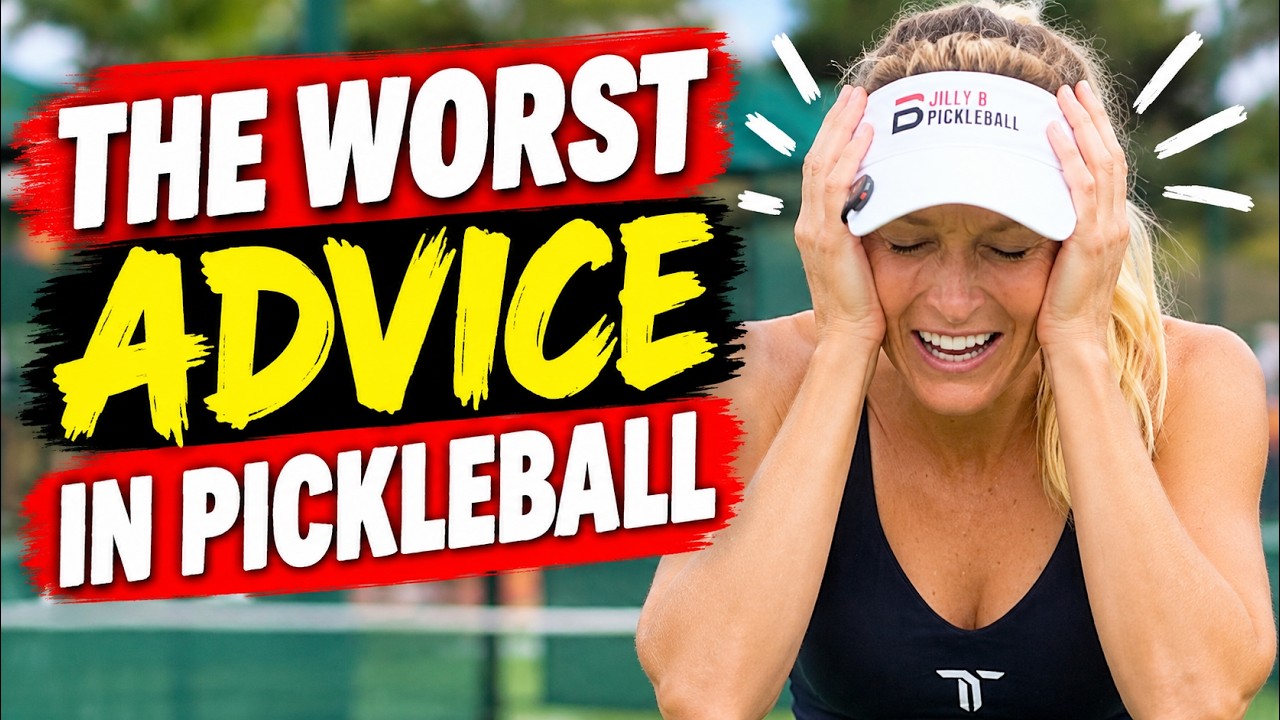
According to PPA Tour pro Ashley Griffith, the real skill isn't raw power, it's knowing when to use it, where to aim it, and how much of it you actually need.
In a recent video breakdown, Griffith walks through the exact mistakes most aggressive players make and how to fix them.
If you've ever wondered why your hard-hit shots keep sailing out or landing in your opponent's sweet spot, this is the answer.
Love pickleball? Then you'll love our free newsletter. We send the latest news, tips, and highlights for free each week.
The Real Problem With Most Smart Pickleball Banger Mistakes
Here's the thing: hitting hard isn't the problem. Most players just use it at the wrong time or in the wrong way.
Griffith identifies this as the biggest mistake she sees on the court.
A lot of players try to speed up or hit hard off balls that are below the net. When you do that, you're forcing it. And that's where a lot of the errors come from.
If the ball is below the net, your job is to stay in the point, not to try to force it and end the point immediately.
This is a fundamental shift in how aggressive players should think about their game.
Patience beats panic.
Wait for something higher that you can actually attack. The ball will come. Your job is to recognize when it does.
1. Attack the Right Balls First: The Foundation of Smart Banger Play
The foundation of being a smart pickleball banger starts with ball selection. Not every ball deserves your power. In fact, most don't.
Griffith emphasizes that the biggest mistake she sees is players trying to end points too early.
They see a ball that's slightly above the net and think it's time to go for the winner. It's not. A ball that's below the net or at net height requires a different approach.
Your goal in those moments is to keep the ball in play and apply pressure, not to end the rally.
Think of it like this: aggressive play is about positioning, not just power. When you get a ball that's higher and more attackable, that's when you unleash.
But you have to earn that opportunity first by staying patient and keeping the point alive.
The players who win the most points aren't the ones hitting the hardest. They're the ones hitting hard at the right time.
 The Dink Media Team
2. Aim Bigger When You Do Hit Hard: Smart Banger Targeting
Here's a counterintuitive truth: when you're hitting with pace, you need to aim bigger, not smaller.
A lot of players try to go for the lines or hit crazy winners when they're swinging hard. But when you're hitting with pace, the margins get a lot smaller.
So instead, go middle or go body. Give yourself a bigger target.
You'll actually win more points just by applying pressure instead of going for perfect shots.
This is where pickleball strategy separates from tennis or other racquet sports. In pickleball, the court is smaller. The net is lower. The margins are tighter.
A ball hit down the middle at pace is far more effective than a ball hit to the line that goes out.
Pressure beats perfection.
When you're a banger, your job is to make your opponent uncomfortable, not to hit unreturnable shots. The unreturnable shots will come naturally if you're applying consistent pressure.
The Dink Media Team
3. You Still Need Your Soft Game as a Smart Pickleball Banger
This is where a lot of aggressive players get stuck. They develop a hard shot and forget about everything else.
Sometimes if you're only hitting hard, you become really predictable. Better players will sit on these balls and will just counter it back at you.
So you still need to be able to slow the game down. Hit a drop, hit a dink, and then attack when you get the right ball. That's what actually makes your power very effective.
The best pickleball bangers are the ones who can mix speeds.
- They can hit hard.
- They can hit soft.
- They can read the court and adjust based on what their opponent is doing.
This is what separates a one-dimensional player from a complete player.
Think of your soft game as the setup for your hard game.
A well-placed drop or dink forces your opponent to hit up, which gives you the high ball you've been waiting for. Then you attack.
It's a sequence, not a single shot.
According to CBS Sports, the growth of competitive pickleball at every level has pushed players to develop a more complete skill set rather than relying on a single strength.
The Dink Media Team
4. Control Beats 100% Power Every Time
Here's something that a lot of players don't realize: hitting 70 or 80% with control is way more effective than just swinging as hard as you can.
When you swing at 100% power, you lose control.
- You're more likely to hit the ball out.
- You're less likely to place it where you want it.
- You're also more likely to get countered because your opponent knows exactly what's coming.
But when you hit at 70 or 80% with control, something different happens.
- You're keeping more balls in.
- You're applying pressure.
- You're setting yourself up for the next shot.
- You're staying in the point longer, which means you have more opportunities to win it.
This is a mental shift that separates good bangers from great ones.
Power is a tool, not a weapon.
It's something you use strategically, not something you rely on exclusively.
Griffith's point here is backed by match data and tour experience. The players who win the most points aren't the ones hitting the hardest.
They're the ones hitting smart.
NBC Sports has covered the evolution of aggressive play in pickleball, noting how top-tier competitors are moving away from raw power in favor of disciplined, controlled aggression.
The Dink Media Team
Putting It All Together: The Smart Banger Formula
So what does a smart pickleball banger actually look like in practice?
- First, they attack the right balls. They wait for something higher that they can actually attack instead of forcing it on balls below the net.
- Second, they aim bigger. When they do hit hard, they go middle or body instead of trying to thread the needle on the lines.
- Third, they mix in their soft game. They can hit drops and dinks to set up their attacks instead of relying on power alone.
- Fourth, they control their power. They hit at 70 or 80% with control instead of swinging at 100% and losing the point.
When you combine these four elements, you're not just a banger anymore. You're a smart, aggressive player that's winning a ton of points.
You're applying pressure without forcing errors. You're being unpredictable without being reckless.
This is the evolution that every aggressive player needs to make. It's not about hitting softer. It's about hitting smarter.
Frequently Asked Questions
What is a smart pickleball banger and how is it different from a regular banger?
A smart pickleball banger is an aggressive player who knows when to use power, where to aim, and how to mix in soft shots. A regular banger swings at 100% on every ball regardless of height or position, while a smart banger waits for the right opportunity and hits with controlled aggression.
When should a smart pickleball banger actually attack?
You should attack when the ball is high enough to hit down on with pace and control. If the ball is at or below net height, your job is to reset or apply soft pressure, not to force a hard shot that will likely sail out or land short.
Why do smart bangers aim for the middle of the court instead of the lines?
Hitting with pace shrinks your margin for error, so aiming for the middle or your opponent's body gives you a much larger target. You'll keep more balls in play, apply consistent pressure, and create more winning opportunities than you would by going for low-percentage line shots.
How much power should a smart pickleball banger use on attacks?
Hitting at 70 to 80 percent power with control is more effective than swinging at full strength. You keep the ball in more often, place it more precisely, and make it harder for your opponent to anticipate and counter your shots.
Can you win consistently in pickleball with power alone?
No. The most effective aggressive players combine a hard attack game with drops, dinks, and resets to stay unpredictable. Relying on power alone makes you easy to read, and better players will simply counter your hard shots back at you until you force an error.

Love Pickleball? Join 100k+ readers for free weekly tips, news & gear deals.
Subscribe to The Dink