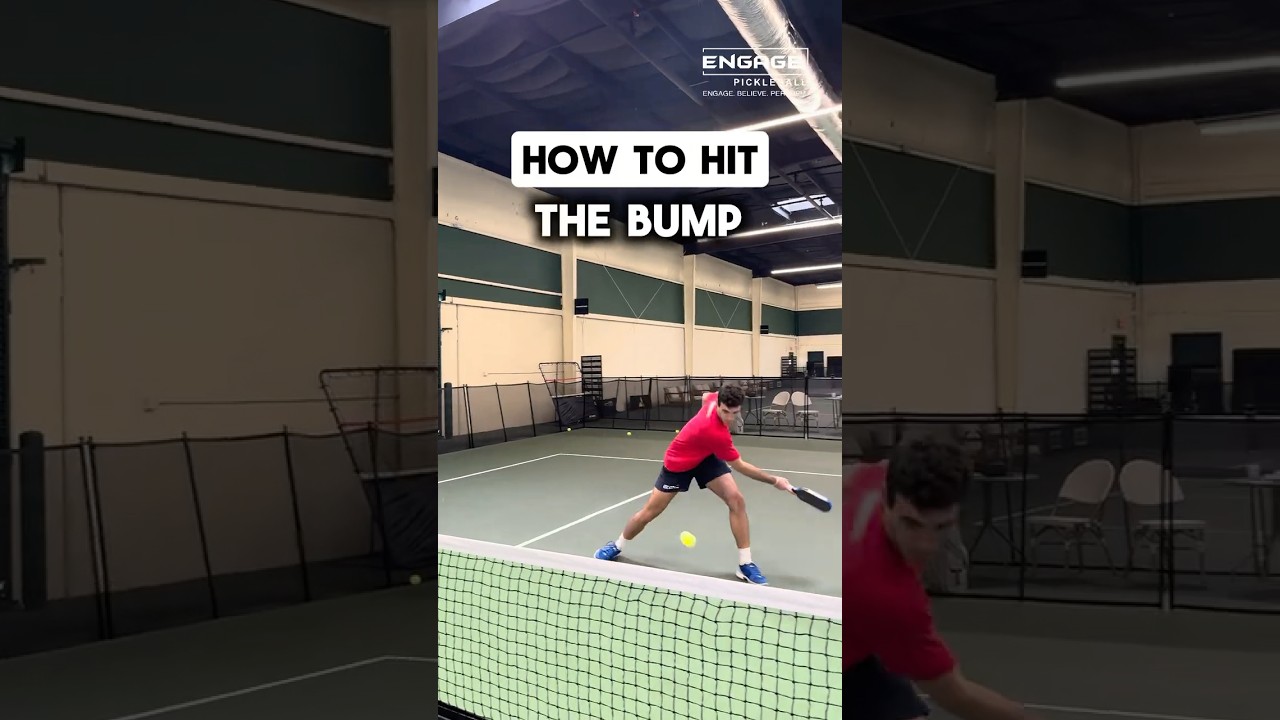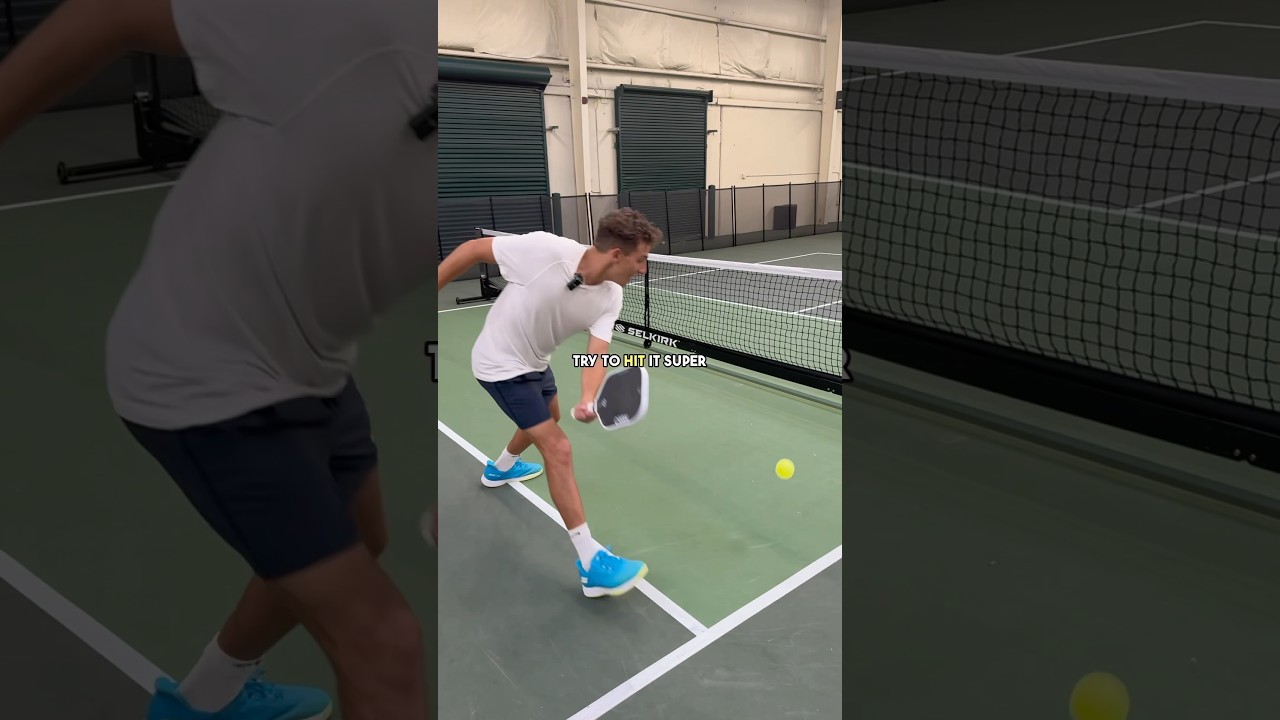


Your pickleball game might be better than you think, but four sneaky amateur habits could be holding you back from reaching the next level.
Jordan Briones, coach at Briones Pickleball Academy, breaks down exactly what's sabotaging your performance and how to fix each one in his latest video.
Love pickleball? Then you'll love our free newsletter. We send the latest news, tips, and highlights for free each week.
1. Attacking From Too Low and Aiming at the Chest
Here's a habit that feels natural but absolutely backfires against solid opponents: attacking a low ball and sending it straight at your opponent's chest.
Sure, it might work against beginners, but better players have devastating counters ready. When you hit the ball right at their body, they'll send a fast counter back at your feet, and suddenly you're on defense again.
The fix is simple but requires discipline. If the ball is really low, just dink it. If you're going to attack, find an uncomfortable spot instead. Think about hitting toward their backhand or creating a "chicken wing" situation where they have to reach awkwardly. Make them work for their counter.
2. Bailing Out Under Pressure
When the pressure's on, panic mode kicks in. You get pushed side to side, a dink comes at your feet, and suddenly you're just slapping the ball anywhere without any real plan. That's bailing out, and it gives your opponent exactly what they want: another chance to pressure you even more.
Instead, take a breath and split step. Calm yourself down and hit a dink rather than a panicked slap. It sounds basic, but staying composed when things get tight is what separates amateurs from advancing players.
 The Dink Media Team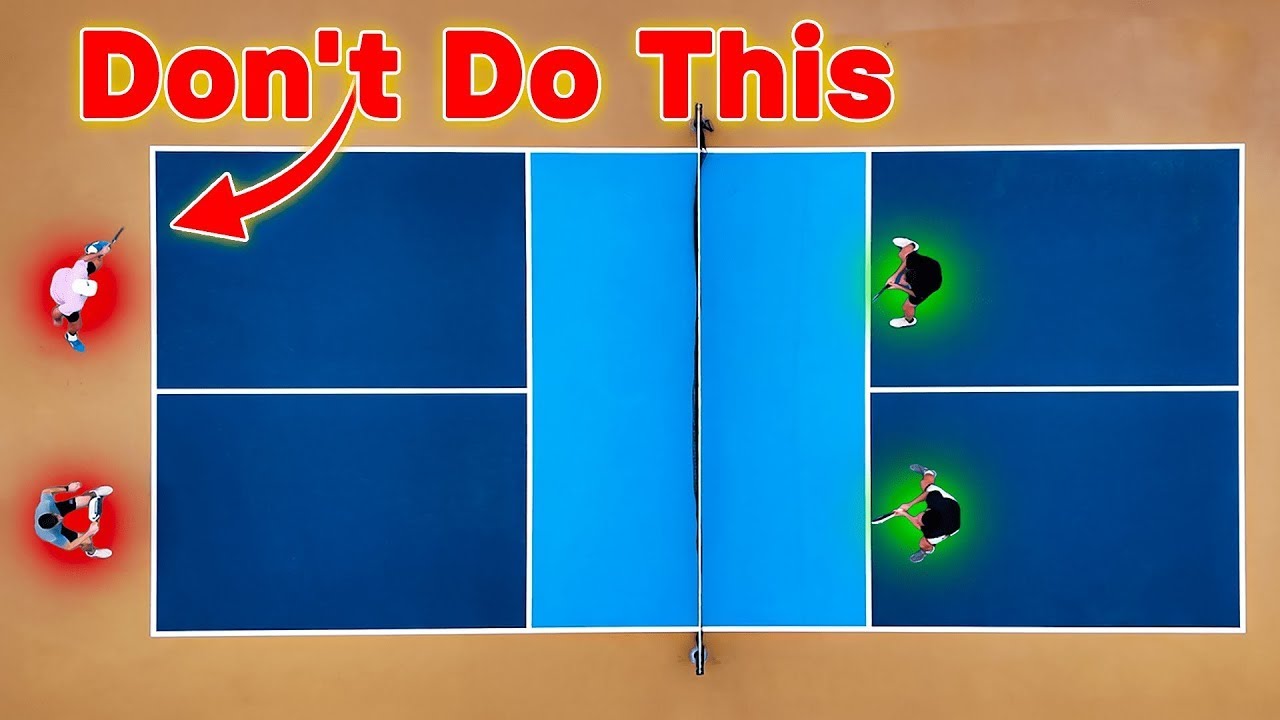
3. Popping Up Your Dinks (The 3S Method)
This is the most common mistake Briones sees on the court. Players pop up their dinks, either off the bounce or on the volley, and suddenly their opponent has an easy put-away. The problem is depth control, and Briones teaches what he calls the 3S method to fix it.
- Space: Create room between you and the ball by taking a drop step or shuffle step back. If you don't create space, you'll be forced into a half volley with no control.
- Swing speed: A fast swing pushes the ball way too far past the kitchen line. Keep your swing slow and controlled, whether you're hitting topspin or just lifting the ball.
- Size of swing: A long follow-through carries the ball too far. Keep your backswing minimal and just lift toward your target instead of swinging big.
Master these three elements, and you'll land your dinks exactly where you want them, putting pressure on your opponent instead of handing them an easy attack.
 The Dink Media Team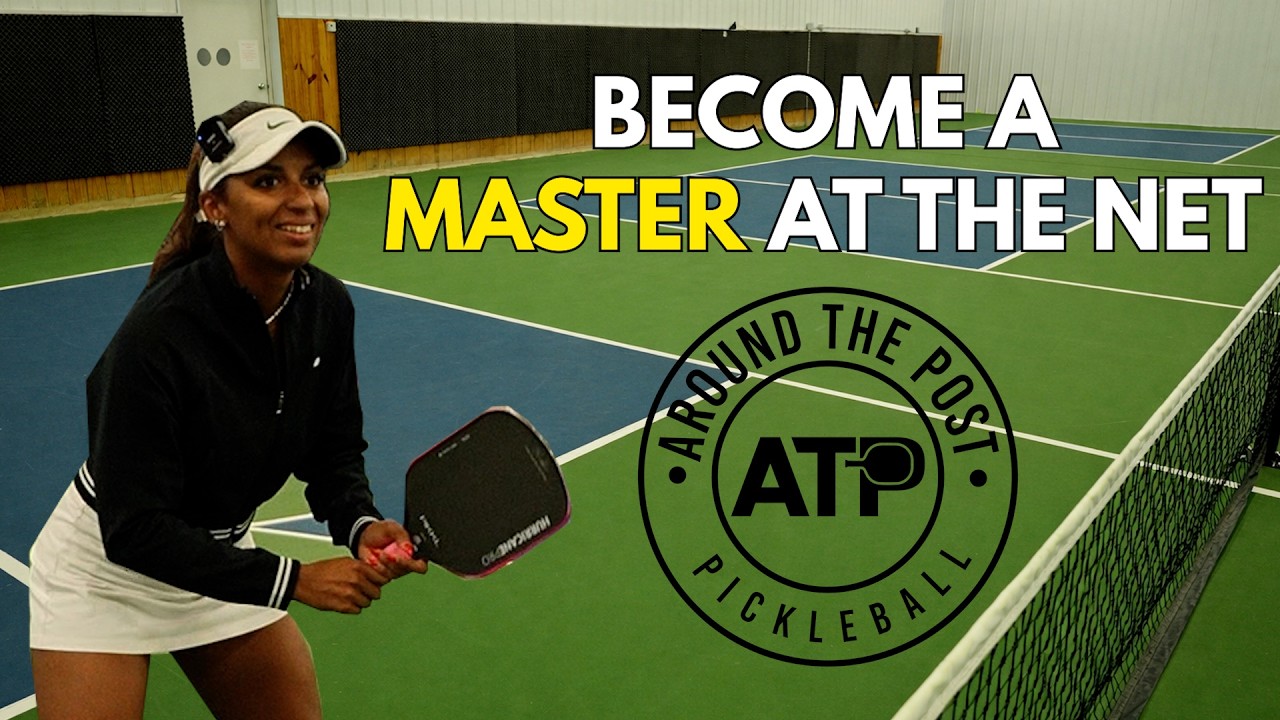
4. Not Applying Pressure During Transition
When your opponents are moving up to the kitchen line, this is your moment to apply pressure. You have two options:
- Take the ball out of the air to limit their reaction time
- Take it off the bounce at the apex
What you absolutely should not do is short-hop the ball.
A short hop gives your opponent a free pass to the line because you can't generate any topspin or pressure from that position. If you can't take it out of the air, create space and hit it off the apex instead. Either way, try to find their feet and make them uncomfortable.
Heads up: hundreds of thousands of pickleballers read our free newsletter. Subscribe here for cutting edge strategy, insider news, pro analysis, the latest product innovations and more.
These four habits might seem small, but they're the difference between staying stuck at your current level and actually improving. The good news? They're all fixable with awareness and practice.

Love Pickleball? Join 100k+ readers for free weekly tips, news & gear deals.
Subscribe to The DinkGet 15% off pickleball gear at Midwest Racquet Sports