Mari Humberg: The Center Line Drill That Fixes Your Pickleball Footwork Fast
Most pickleball players lose dink rallies because their footwork breaks down at the kitchen line. This pickleball footwork drill fixes your lateral movement by simulating real crosscourt dink situations.
Your pickleball footwork is probably worse than you think.
Not because you are lazy, but because most players have never actually trained lateral movement in a way that mirrors what happens in a real dink rally.
The fix is one specific drill. It is simple, it requires a partner, and if you are not gasping by the end of a set, you are doing it wrong.
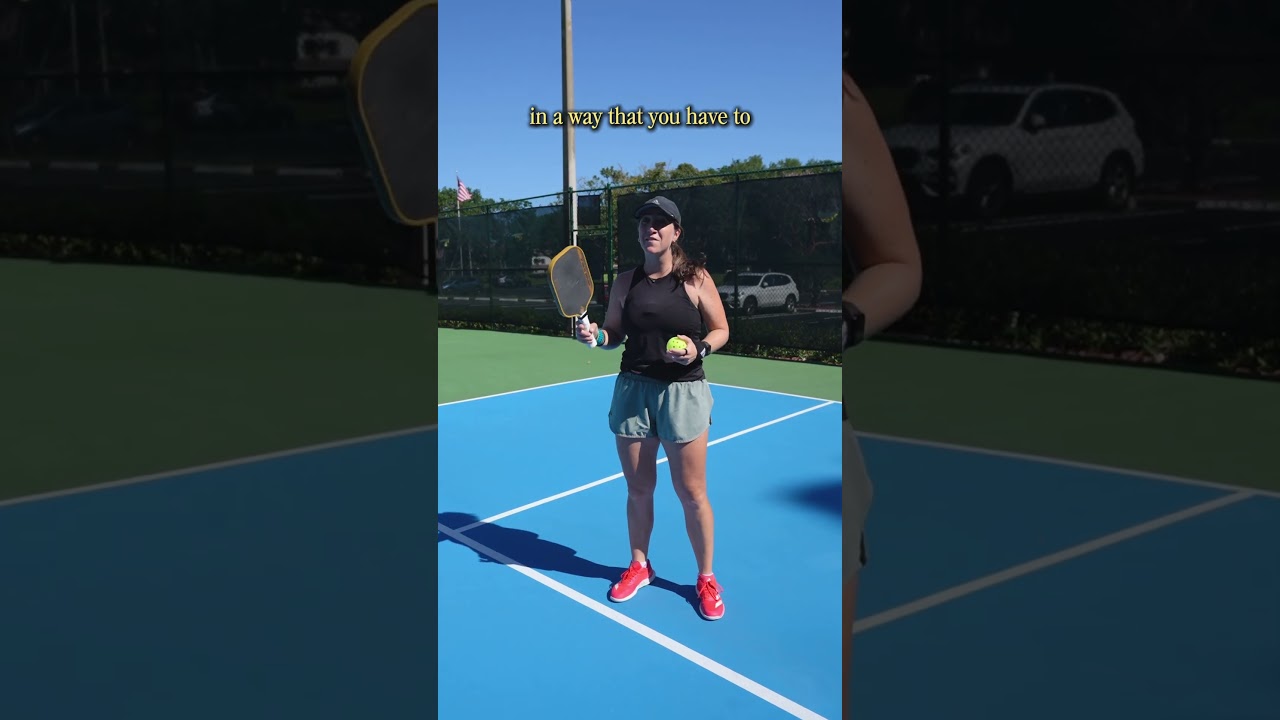
This drill comes from Mari Humberg Pickleball on YouTube, where she breaks down court movement and kitchen mechanics in a way that translates directly to match play.
Here is everything you need to know to run it correctly and get real results.
Love pickleball? Then you'll love our free newsletter. We send the latest news, tips, and highlights for free each week.
What Is the Center Line Footwork Drill?
The drill is straightforward. Two players stand at the pickleball kitchen line on opposite sides of the net, and one player feeds a dink crosscourt.
Both players hit their dink, then each sprints to touch the center line before the next ball is struck. This repeats continuously.
Every single pickleball dink requires full lateral movement to the center and back. There is no standing still and no shuffling lazily into position.
You hit, you move, you recover, you hit again. This is not just conditioning.
It is a movement pattern drill that builds the habit of recovering toward the middle after every crosscourt dink, and that habit maps directly onto real match situations.
Why Does This Drill Actually Work?
In a real dink rally, when you dink crosscourt, your opponent has the angle to send the next ball back crosscourt.
That means the middle of the court is exposed. Covering the middle after every crosscourt dink is one of the most important positioning habits you can build.
Most players do not move enough between dinks. They hit and freeze. Then they get caught leaning the wrong way or planted too wide when the next ball comes.
This drill eliminates that problem by making the movement mandatory. You cannot skip it. You cannot cheat it.
You touch the center line or you are out of position for the next shot. That is exactly the accountability your body needs to build the right habit.
If you want to understand how poor positioning creates bigger problems in rallies, read this breakdown on 5 pickleball court coverage mistakes in doubles.
The patterns are the same whether you are drilling or playing a real point.
How to Run the Drill Step by Step
- Set up at the kitchen line. Both players stand at the non-volley zone line on opposite sides of the net, with one player starting as the feeder.
- Feed the first dink crosscourt. The feeder hits a controlled dink diagonally to the opponent's side. Aim for a low, unattackable ball.
- Both players sprint to the center line. After each player strikes their dink, they move laterally to touch the center line with a hand or foot before the next shot is played.
- Repeat continuously. The rally keeps going. Every dink is followed by a center line touch. Neither player stops moving until the rally ends.
- Be strategic with placement. You can place your dinks to give yourself slightly less distance to cover, but the movement requirement never goes away. Smart placement is part of the drill.
That last point matters. This drill rewards intelligent dink placement, not just athleticism.
Players who dink to spots that shorten their own recovery distance will last longer in the rally without sacrificing the movement benefit.
 The Dink Media Team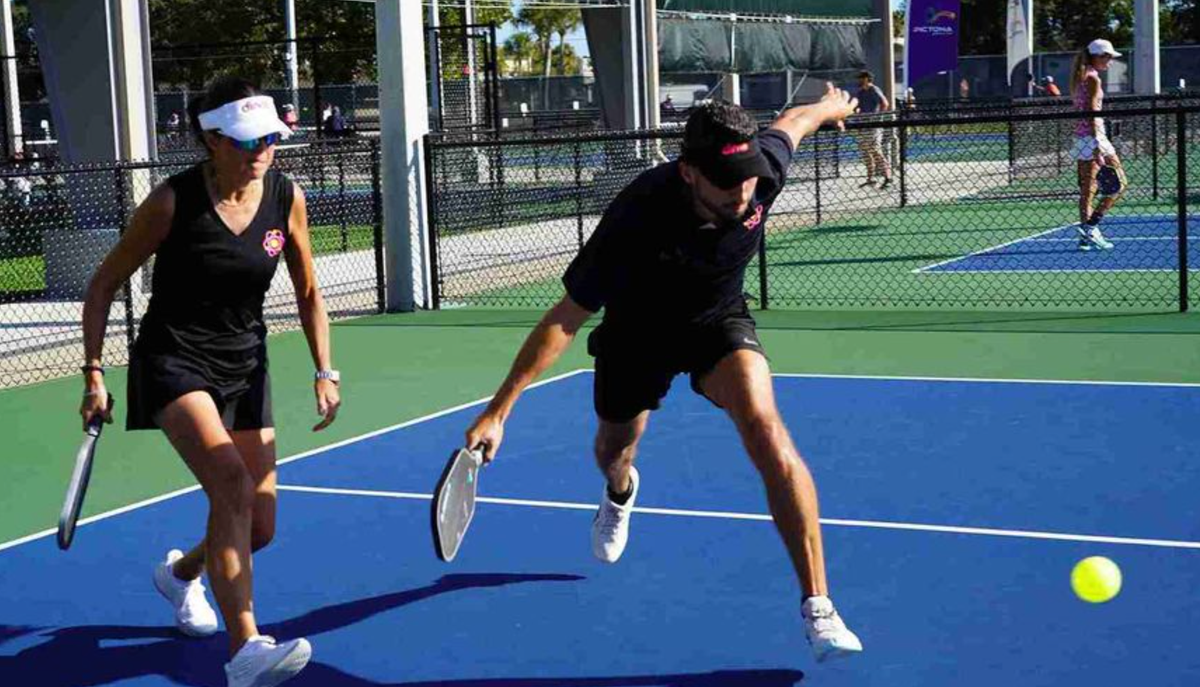
What Does "Touching the Center Line" Actually Train?
The center line touch is a physical cue that represents a real court concept. When you dink crosscourt, the center of the court is your highest-priority area to protect.
Moving toward it closes off the biggest angles your opponent can attack.
This concept connects directly to what winning a crosscourt dink battle actually requires.
It is not just about keeping the ball low. It is about where your feet are between shots.
By touching the center line repeatedly, your body starts to treat that recovery move as automatic.
After a few weeks of this drill, you will notice yourself doing it in real rallies without thinking about it.
That is exactly what good footwork looks like when it is fully trained.
 The Dink Media Team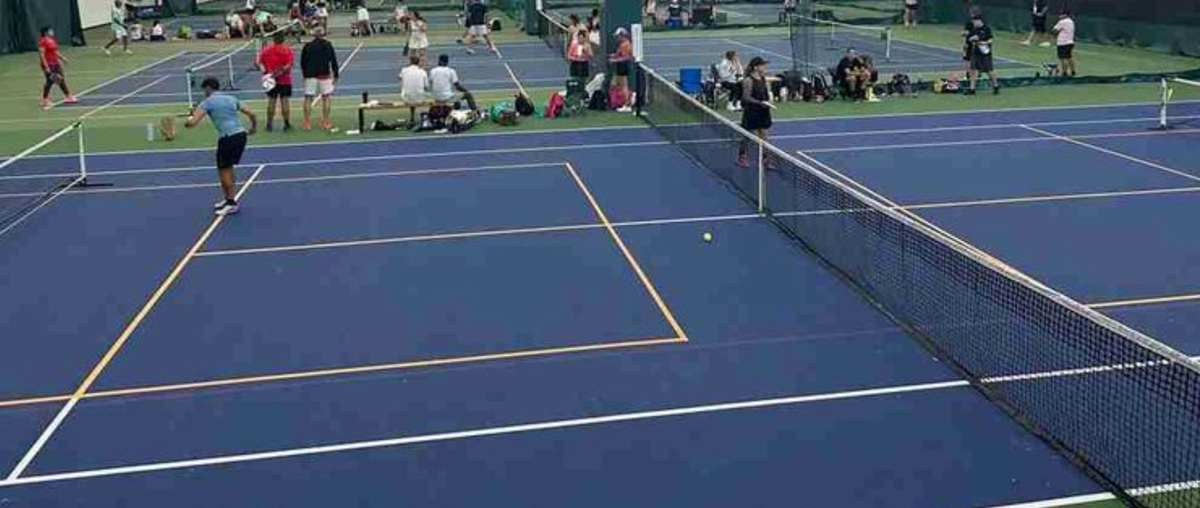
Is This Drill Only for Advanced Players?
No. Any player who can sustain a crosscourt dink rally can run it, and you do not need to be a 4.5 to benefit.
Even 3.0 players will feel the movement demands immediately and start building better habits from day one.
The difficulty scales naturally. As your dinking improves, you will naturally push each other wider, making the center line touch more demanding.
The drill grows with you.
If you are just starting to take your kitchen game seriously, pair this drill with work on pickleball dinking technique that stops popups fast.
Better contact plus better movement is a combination that pays off quickly.
 The Dink Media Team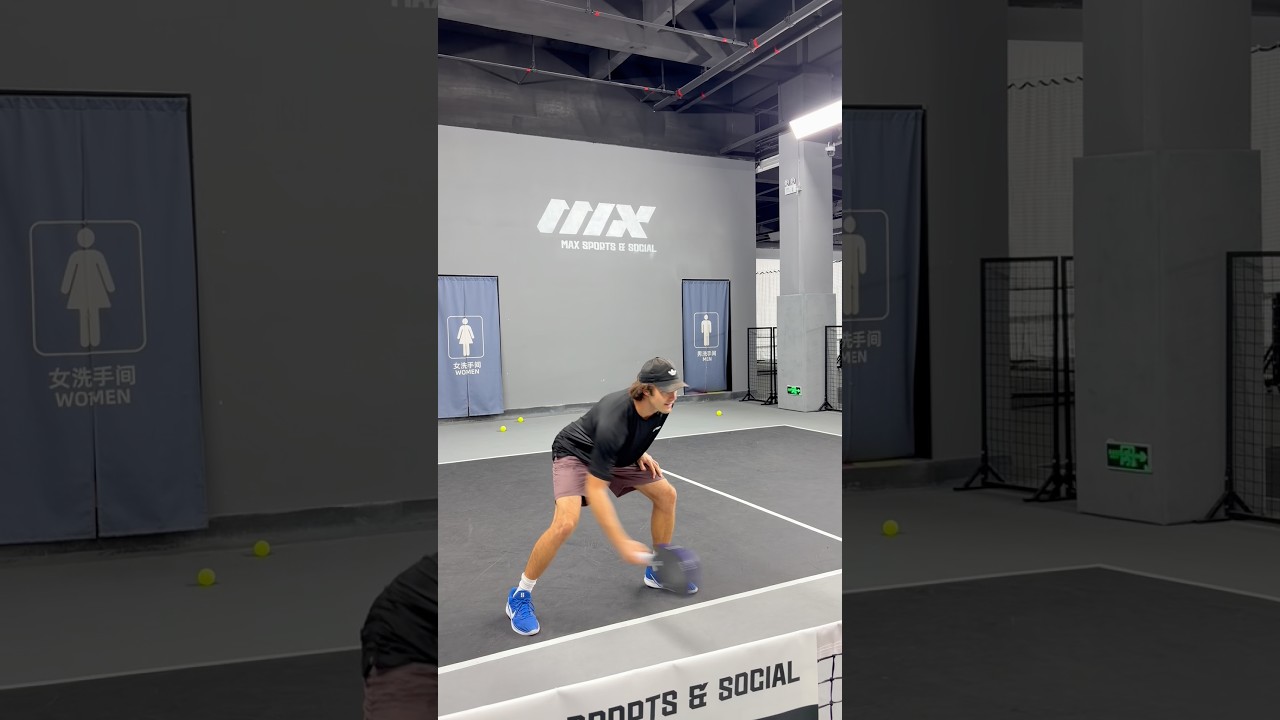
How Hard Should You Be Working During This Drill?
Hard. The benchmark here is simple: if you are not breathing heavily after a few minutes, you are not moving correctly.
Either you are not fully touching the center line, or you are hitting dinks that conveniently land right in front of you so you barely have to move.
Push each other. The purpose of the drill is to simulate the physical demand of a real rally where both players are working.
That means making your dinks purposeful and making your recovery movement full and committed.
Think about it this way: a long dink rally in a match is physically exhausting if you are moving correctly.
If your practice rallies feel easy, your match movement will not be ready for the real thing. Train the way the game actually plays.
 The Dink Media Team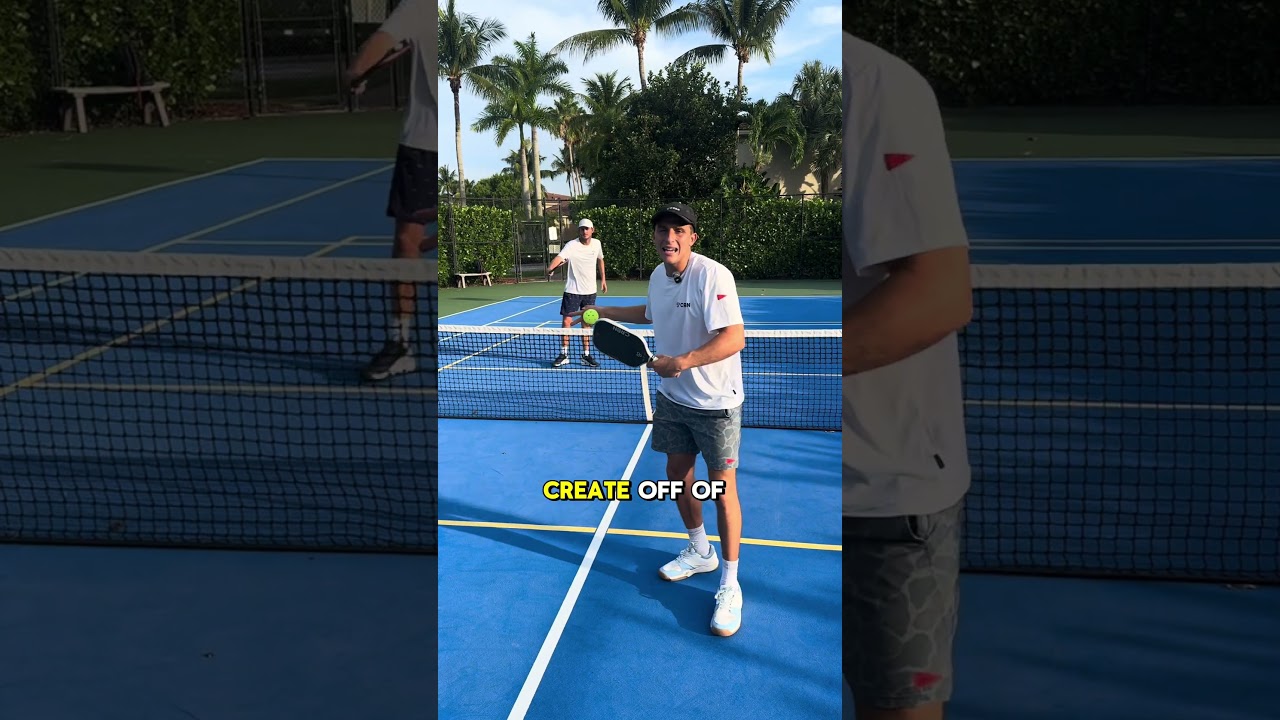
Should You Use This as a Warm-Up?
Yes, and that is exactly how it is recommended. Running this drill as a daily warm-up does two things at once.
It gets your body physically ready to play, and it reinforces the movement pattern before every single session.
Warm-ups that also build specific skills are far more valuable than static stretching or casual rallying.
You are burning real training time before you even start. This drill uses that time well.
For a broader look at how pros structure their pre-match preparation, check out this guide on a 6 step pickleball warm-up from a top 10 pro.
You can build the center line drill directly into that structure.
 The Dink Media Team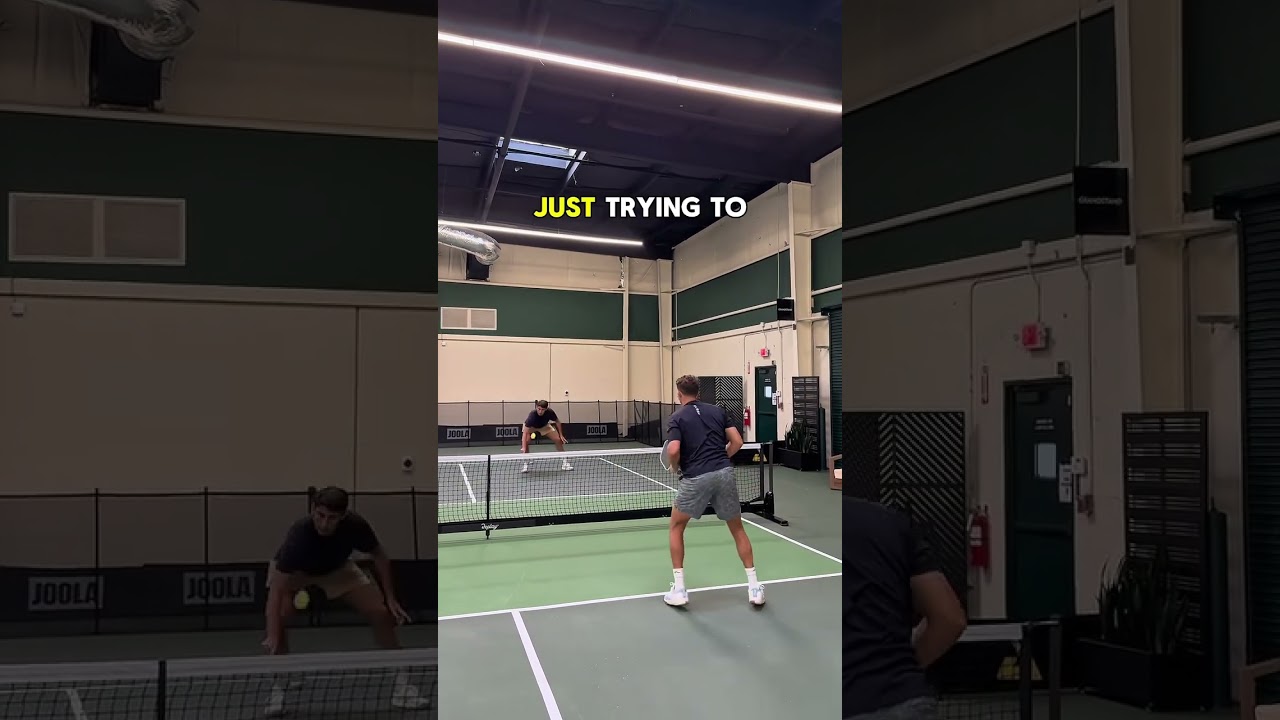
How Does This Compare to Other Footwork Drills?
Most footwork drills for pickleball feel disconnected from real play.
Ladder drills, cone drills, and agility patterns build general athleticism, but they do not train the movement cues the kitchen line actually demands.
The center line drill is different because the movement is reactive.
You are moving in response to a shot, not a whistle or a predetermined pattern. That is far closer to what your body needs to adapt to during a real match.
If you want to add more variety to your training, this guide on 3 pickleball footwork drills that make the game feel slower pairs well with the center line drill.
Together they cover lateral movement, recovery speed, and court awareness.
 The Dink Media Team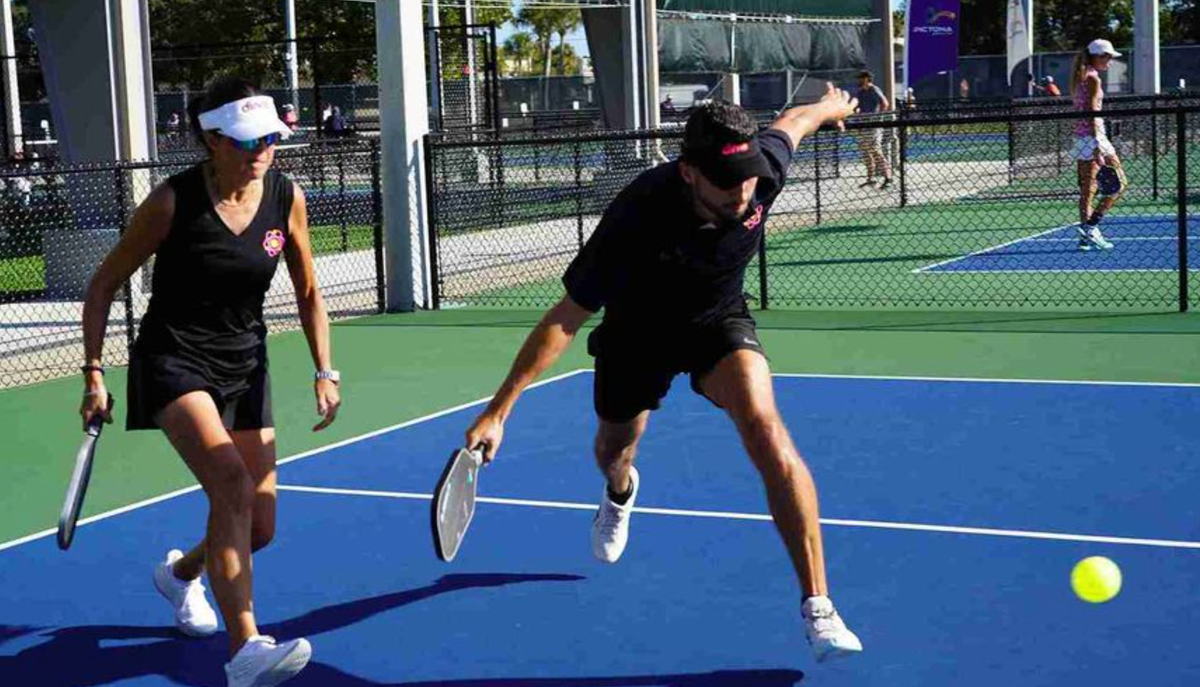
Common Mistakes Players Make With This Drill
- Not fully touching the center line. Players often slow down and hover near the middle without actually reaching it. Make the touch mandatory and deliberate.
- Hitting dinks too softly. Bailing out with weak dinks just to survive the rally misses the point. Practice hitting dinks with real intent and placement.
- Stopping movement after the touch. The recovery does not end at the center line. You need to immediately push back into position for the next shot. Do not pause at the middle.
- Ignoring placement strategy. Smart players dink to spots that reduce their own recovery distance while still keeping the ball low. Use your brain, not just your legs.
- Quitting too early. The physical discomfort of this drill is the point. Stopping when you get tired defeats the training purpose entirely.
That last mistake is the most common one. Players cut the drill short because it is hard. But difficulty is the signal that it is working.
Lean into it.
If you want to understand how drilling translates into real match improvement, this breakdown of 3 types of pickleball drilling every player should know will give you the full picture.
Not all practice is created equal, and knowing the difference speeds up your progress.
 The Dink Media Team
How Often Should You Do This Drill?
Every session. Seriously. This drill takes five to ten minutes, it doubles as a warm-up, and it builds one of the most transferable skills in the game.
There is no good reason to skip it.
The players who improve fastest are the ones who are consistent with their drilling, not the ones who train hardest once in a while.
Show up, touch the line, and repeat it every day you play.
If you want to build a smarter overall practice structure around this kind of focused drilling, this guide on how to improve at pickleball with a smarter practice plan lays it all out.
Pair it with the center line drill and you have a real development system, not just random court time.
Your footwork does not get better by accident.
It gets better when you train it deliberately, consistently, and in ways that mirror what actually happens in a match. The center line drill does exactly that.
Do it today. Do it tomorrow. Do it until your lateral movement feels automatic.
That is how you stop getting caught out of position and start controlling dink rallies instead of surviving them.
For even more ways to sharpen your kitchen game, check out this guide on 2 pickleball dinking drills a senior pro swears by.
The movement work you do with the center line drill will make every one of those dinking reps more effective.
Frequently Asked Questions
What is the center line footwork drill in pickleball?
The center line footwork drill requires two players to dink crosscourt continuously while sprinting to touch the center line after every single shot. It trains lateral movement and middle court recovery, which are two of the most important habits for kitchen line play. If you are not out of breath during this drill, you are not moving with enough commitment.
How does this pickleball footwork drill help in real games?
This drill directly mirrors what happens in a crosscourt dink rally, where covering the middle after each shot is essential to staying in position. It builds an automatic movement pattern so your feet react correctly without you having to think about it during a match. Players who do this drill consistently stop getting caught wide and start controlling rallies instead.
Can beginners do the center line footwork drill?
Yes. Any player who can sustain a basic crosscourt dink rally can run this drill. The difficulty scales naturally as your dinking improves and the rallies get longer and faster.
Start at a pace that lets you maintain control and increase the intensity as your movement improves.
How long should I do this footwork drill each session?
Five to ten minutes is enough to get a real training effect, especially when used as a warm-up. The goal is not duration but quality of movement on every single repetition. Full effort on each center line touch matters more than grinding through a long session with sloppy movement.
Why should I touch the center line specifically?
The center line represents the area of the court you need to protect after a crosscourt dink, because the middle is where your opponent has the most accessible angles to attack. Touching it physically forces your body to make a full lateral recovery instead of a partial one. Over time, that full recovery becomes automatic and your court positioning in real matches improves without extra thought.

Love Pickleball? Join 100k+ readers for free weekly tips, news & gear deals.
Subscribe to The Dink