The 5-Step Pickleball Warm Up Routine Pros Use Before Every Match
Most players warm up randomly and wonder why their game feels off in the first few points. This 5-step pickleball warm up routine fixes that in under 60 seconds.
Most players treat the pickleball warm up like an afterthought.
They wander onto the court, hit a few random balls, and then act surprised when they feel completely cold through the first game.
A proper warm up does more than loosen your arm.
It calibrates every shot type you will actually need in the match, in a specific order that mirrors how a real rally builds.
This routine comes from Tanner Tomassi, who breaks it down in under 60 seconds with a clear, repeatable sequence you can use before any match or drill session.
Love pickleball? Then you'll love our free newsletter. We send the latest news, tips, and highlights for free each week.
Why a Random Warm Up Hurts You
Here is what most recreational players do: they stand at the baseline and hit drives back and forth until someone calls the score.
That is not a warm up. That is just hitting.
A real pickleball warm up is structured to activate each part of your game in sequence. You start soft and close, then work outward in distance and complexity.
Think about what actually happens in a point.
It starts with a serve and return, transitions through a third shot drop or drive, moves into reset territory, and finishes at the kitchen.
Your warm up should follow that same progression in reverse, starting where points end and working backward.
Skip the structure and you show up to your first real point with cold hands, no feel for pace, and no confidence in your drop.
That is how you fall behind 5-0 before your body even wakes up.
Step 1: Straight Ahead Dinking at the Kitchen
Start here every single time. Both players begin at the kitchen line and dink straight ahead, not crosscourt.
The key detail here is footwork. You are not just rolling balls back and forth.
You are moving your partner around with deliberate placement and staying light on your feet to respond.
Exaggerating good footwork during warm up builds the habit before the match puts pressure on it.
This is where you calibrate your touch. The kitchen dink is the most common shot in pickleball, and if your touch is off, everything downstream suffers.
If you want to sharpen this part of your game beyond just warming up, Tyson McGuffin's tip-down dinking technique is worth studying.
Small paddle angle adjustments at the kitchen make a massive difference in consistency.
Step 2: Mid-Court Resets
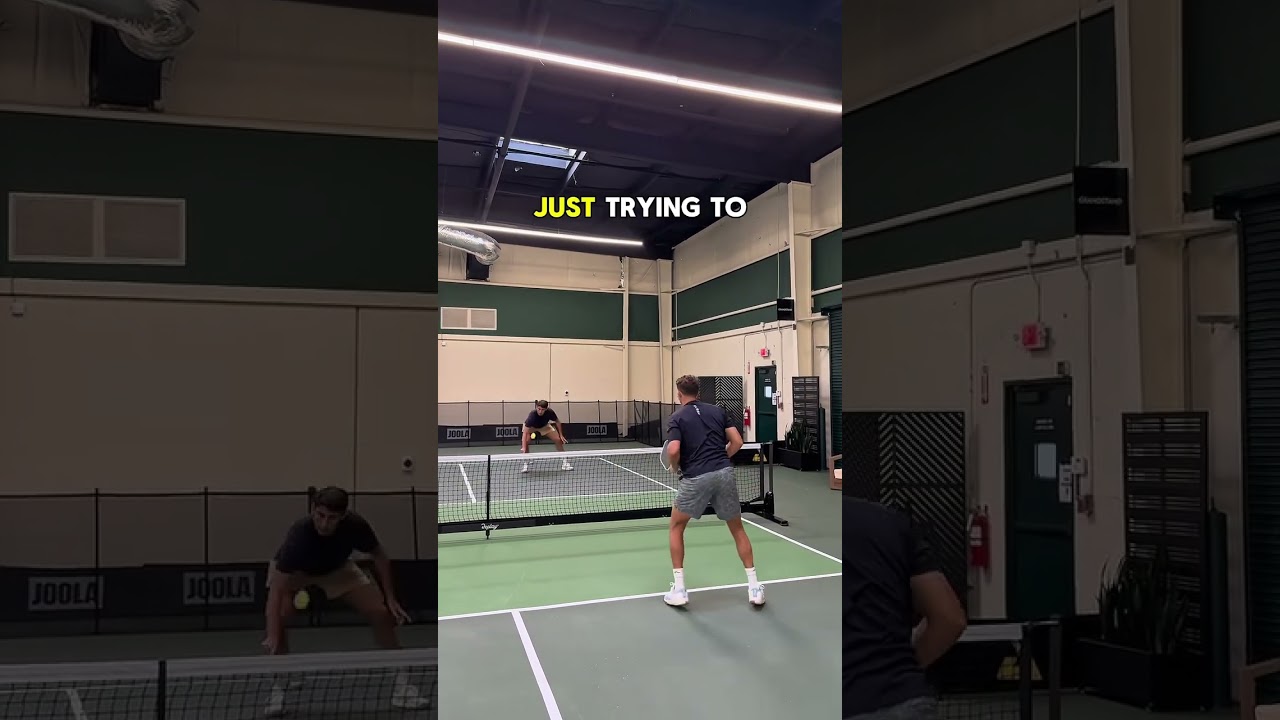
One player steps back to the transition zone, also called mid-court, while the other stays at the kitchen and feeds balls.
The player in the transition zone is focused on one thing: getting the ball back low and controlled. No power, no angle hunting. Just consistency.
This is where most players fall apart in real matches. The transition zone is uncomfortable, and people rush through it instead of resetting patiently.
Practicing it in warm up rewires your instinct to slow down when you are in no man's land.
The mechanics of a good reset take real attention. If yours keeps popping up, this breakdown of why your reset fails is a direct fix.
 The Dink Media Team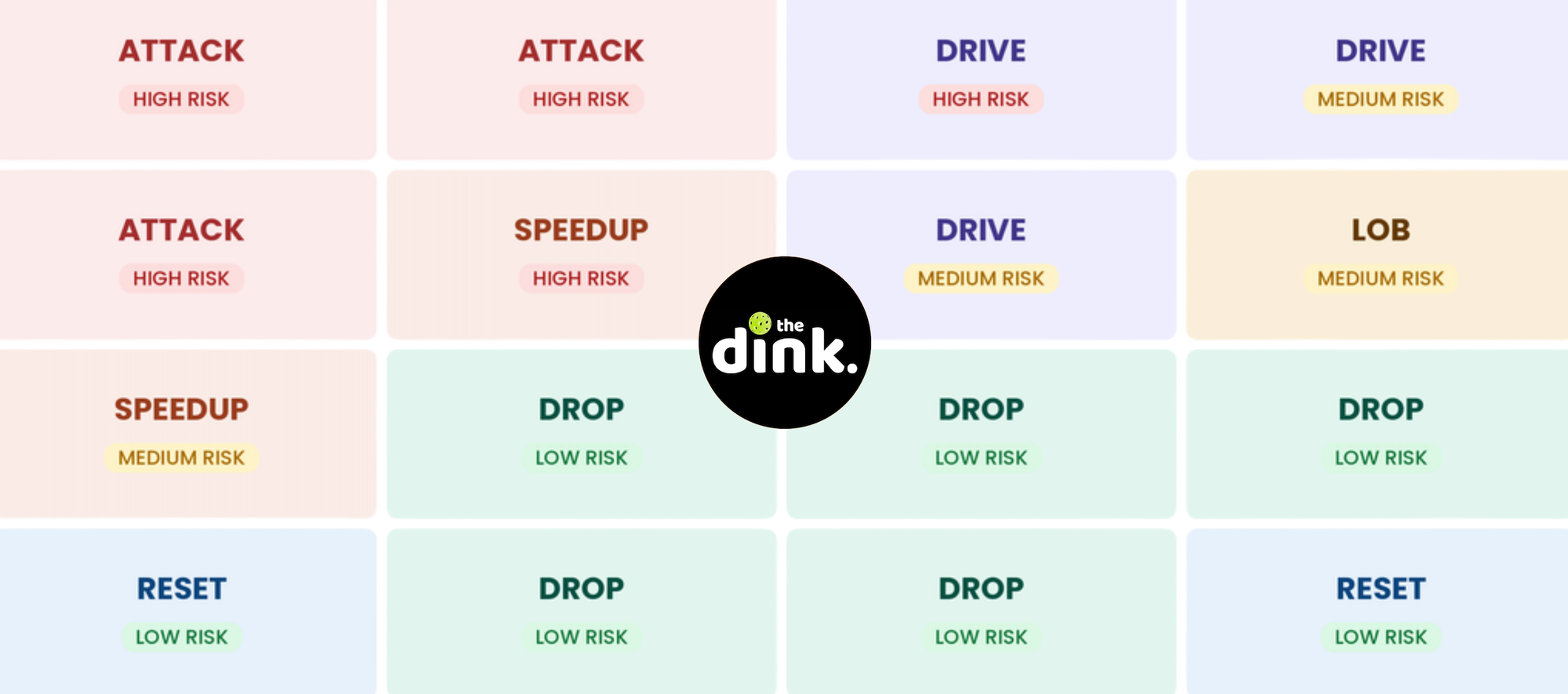
Why Does the Reset Come Before the Drop?
This is a fair question. Chronologically in a point, the third shot drop comes before the reset.
But in warm up, you want to move from the net outward because it keeps the feeding player stationary and lets each shot type get isolated attention.
Starting at the kitchen also means you are warming up your softest, most touch-dependent shot first, when your arm is coldest and needs the most calibration before adding pace.
By the time you get to baseline shots, your hands are already awake.
 The Dink Media Team
Step 3: Third Shot Drops and Drives from the Baseline
Now the player moves all the way back to the baseline for third shot drops and third shot drives.
Do not just drop every ball. Mixing in drives forces you to make decisions, which is exactly what happens in a match.
A pure drop warm up gives you false confidence because you never practice the shot selection piece.
Two things to focus on during baseline warm up exercises for pickleball:
- Third shot drops: Land the ball in the kitchen with a soft arc. Your target is the area directly in front of the net player, not a corner. Accuracy before anything else.
- Third shot drives: Hit with intent and aim at the body or a specific spot. A drive that goes nowhere is just as useless in warm up as it is in a match.
If your drop keeps sailing long, this piece on why you miss your third shot drop breaks down the most common mechanical errors.
 The Dink Media Team
What Does It Mean to Calibrate a Shot?
Calibration is the process of adjusting feel and timing to current conditions before they matter. Every court plays slightly differently.
The wind, surface texture, ball pressure, and even the light affect how shots behave.
When you skip warm up, your brain is making adjustments in live points when the score is real.
When you warm up properly, those adjustments happen before a single point is played.
This is why pros are deliberate and methodical in warm up. It is not about being ready to play. It is about being tuned in.
 The Dink Media Team
Step 4: Switching Roles
After the first player finishes all three zones, the other player runs the same sequence in reverse: drops and drives, then resets at mid-court, then the kitchen.
This sounds obvious, but players rush it. One person warming up while the other feeds is not a real warm up for the feeder.
Make sure both players actually complete each zone. This matters even more in doubles, where both players need calibrated hands before the first serve.
For a deeper look at how pros structure practice, this PPA pro drilling blueprint shows exactly how their time gets organized.
 The Dink Media Team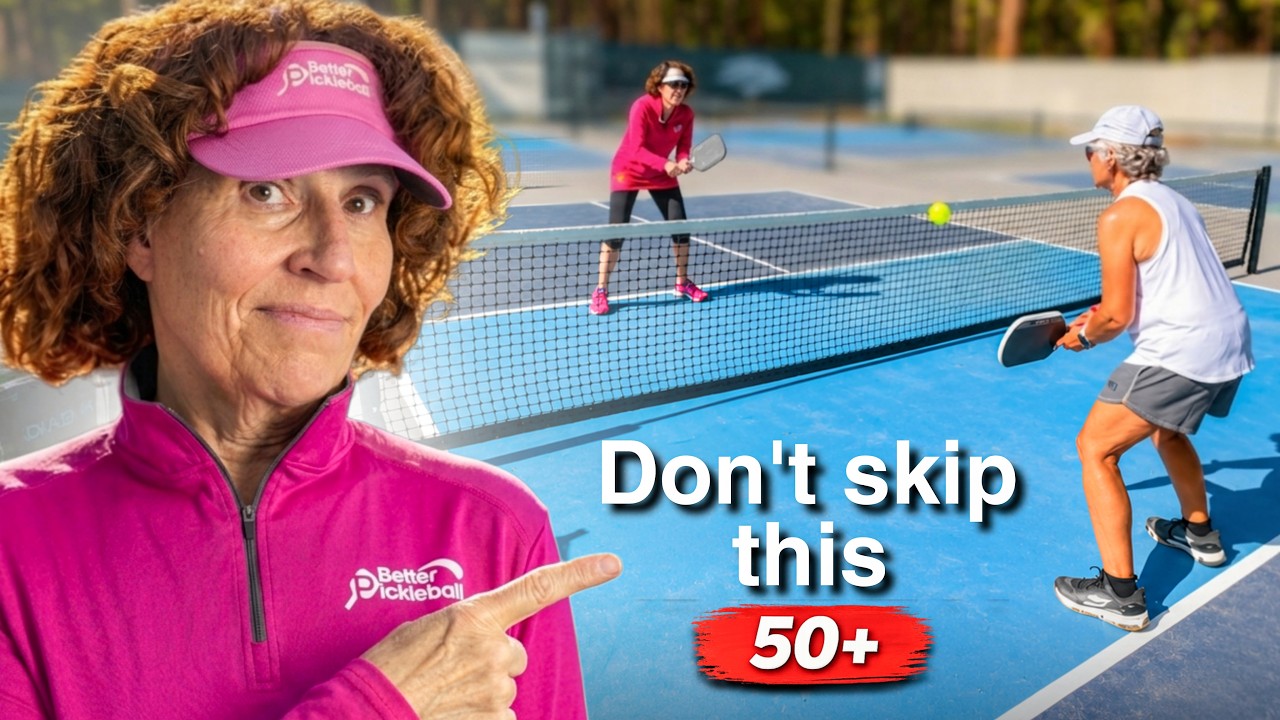
Step 5: Fast Hands at the Kitchen Line
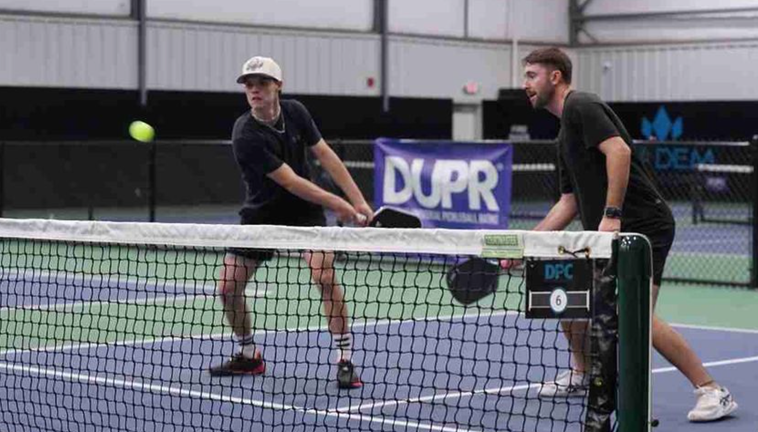
Both players finish together at the kitchen line for fast hands exchanges. This is the final piece before serves and returns.
Fast hands drills are compact, rapid volleys at close range.
The goal is to sharpen reaction time and build confidence that you can handle anything coming at your body or your paddle side.
Players who skip this step are often caught flat-footed in the first few exchanges, especially at the higher levels where hands battles decide points.
Here is what a proper fast hands warm up looks like at the kitchen:
- Start with controlled half-speed exchanges to find your reset point and contact zone.
- Gradually increase pace over 10 to 15 exchanges until you are at near full speed.
- Let the ball go if it pulls you off balance. The goal is staying compact, not winning.
- Switch sides or angles every 20 exchanges so both forehand and backhand volleys get activated.
If you want to build real fast hands ability beyond warm up, this breakdown from a top 10 pro on fast hands mechanics is one of the best resources available.
 The Dink Media Team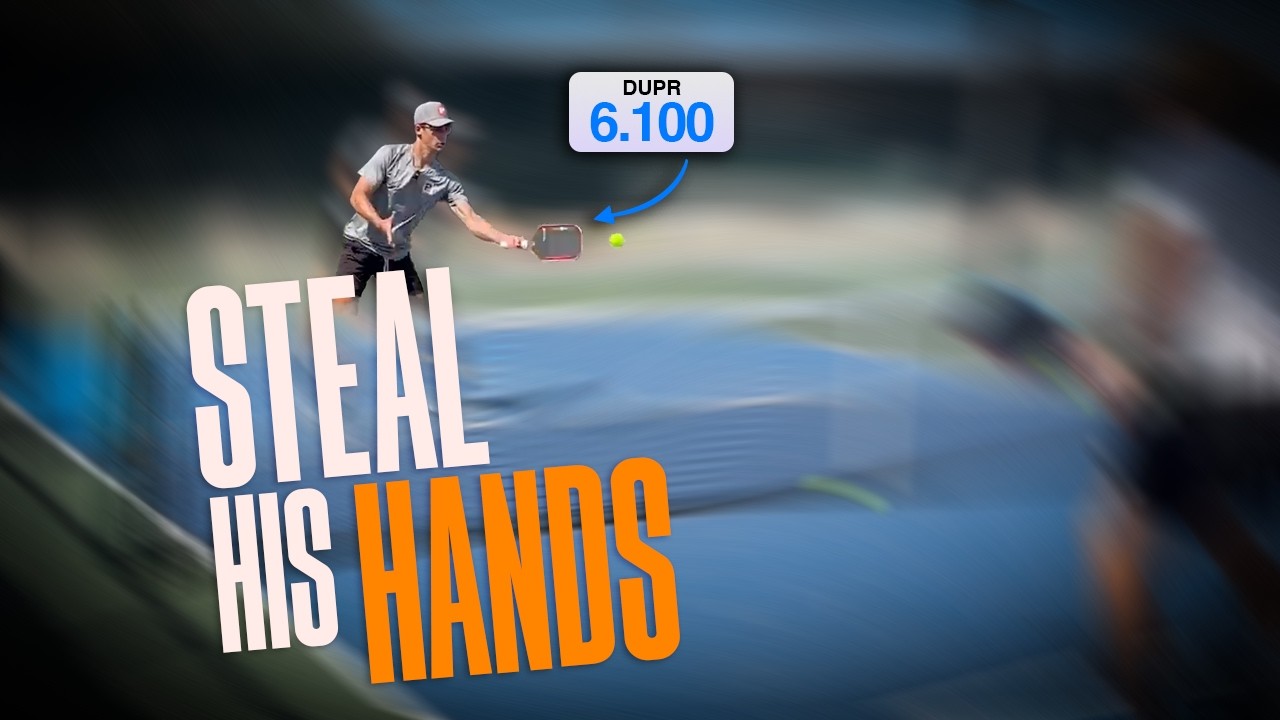
Finishing with Serves and Returns
After fast hands, close the warm up with serves and returns. This is the most neglected step of all.
Most players call warm up done after a few rallies and then serve cold. Your first serve of the match should never be the first serve you have hit that day.
Hit at least four to six serves each before starting the match. Focus on depth and placement, not pace.
A weak, short serve hands your opponent an easy third shot and puts you immediately on defense.
On the return side, a weak return gives the serving team free time to set up their third shot. Warm your return up with intention, not just contact.
 The Dink Media Team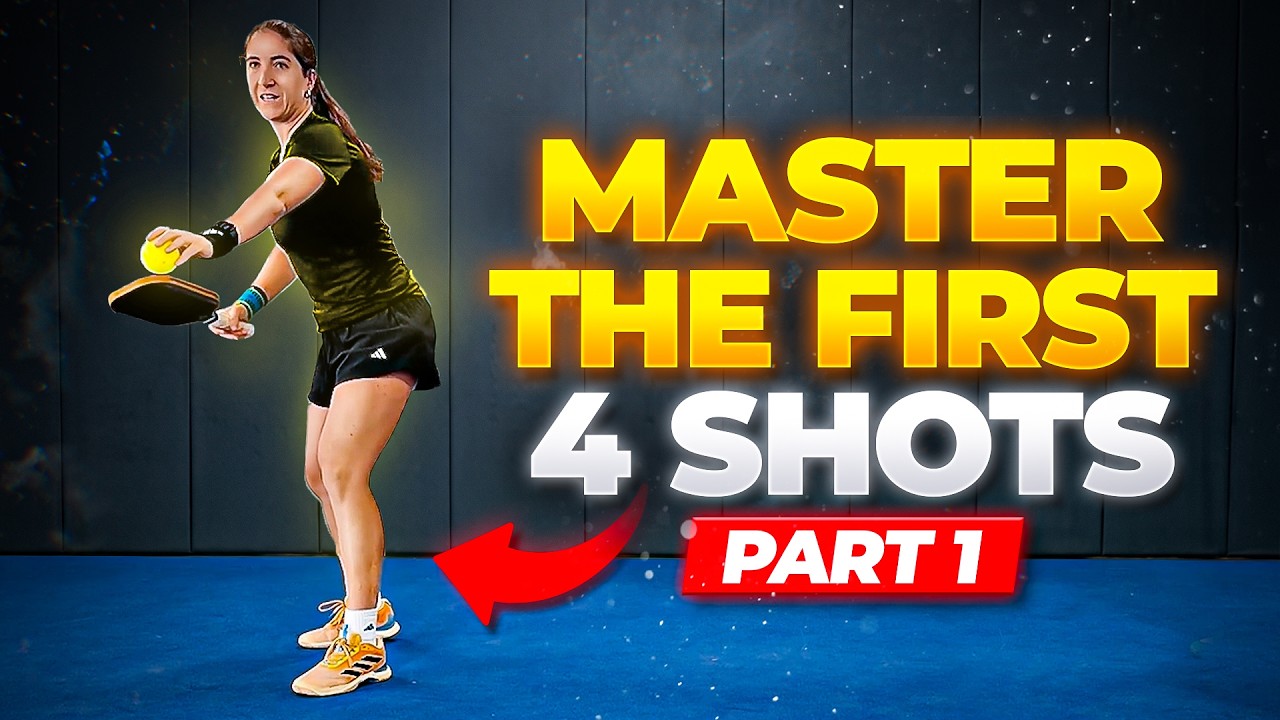
The Full Warm Up Order at a Glance
Here is the complete sequence to run before every match:
- Kitchen dinking: Straight ahead, emphasizing footwork and controlled placement.
- Mid-court resets: One player feeds from the kitchen while the other practices consistent, low resets from the transition zone.
- Baseline drops and drives: Third shot drops for touch, third shot drives for decision-making.
- Switch roles: The other player runs the same full sequence from baseline back to the kitchen.
- Fast hands at the kitchen: Both players together, starting slow and building to full speed.
- Serves and returns: Finish with real serves aimed at specific targets, and a handful of live returns.
The whole thing takes under five minutes if both players stay focused. There is no reason to skip it.
If you want to see how top pros structure their warm up drills, that list covers six additional exercises that fit right alongside this routine.
And if you are looking to build a more complete skill set beyond warm up, these five drills a PPA pro still uses every practice are worth adding to your regular sessions.
Do this sequence consistently and your first game will feel completely different. You will not be finding your game anymore. You will already have it.
Frequently Asked Questions
How long should a pickleball warm up take?
A proper pickleball warm up takes between three and five minutes when both players stay focused and move through the sequence without standing around. The five-step routine covers every major shot type without wasting time.
Should I stretch before warming up on the court?
A light dynamic warm up before stepping on the court is smart, especially for your hips, shoulders, and ankles. Static stretching before playing can actually reduce power output, so save that for after the match.
What is the transition zone in pickleball?
The transition zone, sometimes called no man's land, is the area between the baseline and the kitchen line. It is the most dangerous part of the court because you are too far from the net to volley aggressively and too close to the baseline to let balls bounce comfortably. Practicing resets there during warm up is essential.
Why do pros warm up dinking before hitting from the baseline?
Starting at the kitchen activates touch and feel before adding pace, which is the reverse of how most beginners think about it. Since the dink is the most touch-sensitive shot in the game, warming it up first when your arm is coldest gives you the most accurate feedback.
Can I use this warm up routine for singles pickleball?
Yes, and it works well with one adjustment: instead of one partner feeding while the other resets or drops, you can self-feed or use a ball machine for the mid-court and baseline steps. The fast hands portion also translates directly to singles, where reaction speed at the net decides many points.

Love Pickleball? Join 100k+ readers for free weekly tips, news & gear deals.
Subscribe to The Dink