

Most rec players lose the hands battle before it even starts. A touring pro shared the six habits that keep him calm, compact, and in control at the kitchen line.
If you lose the pickleball hands battle the second the ball speeds up, you are not slow. You are doing too much.
That was the lesson when an everyday player flew out to take a one on one with Blaine Hovenier, a touring pro ranked inside the top 25 in men's and mixed doubles who turned pro in 2024.
The surprise was not his reflexes. It was how little he actually moves when the ball is flying.
Below are the six habits that decide who wins the hands battle at the kitchen, straight from the lesson, plus the dinking tweak that sets the whole thing up.
Love pickleball? Then you'll love our free newsletter. We send the latest news, tips, and highlights for free each week.
What Is a Hands Battle in Pickleball?
A pickleball hands battle is the rapid exchange of volleys at the kitchen line where neither player backs off and the ball never bounces.
Whoever stays compact and controlled usually wins, because the player who swings big is the one who pops a ball up or sprays it wide.
Most rec players treat that exchange like a fight to hit harder.
The pro treats it like a contest to stay calm.
That single reframe is the difference between getting picked apart and holding your ground when you counter a speed up.
1. Treat the Punch Like a Love Tap, Not a Swing
The biggest fix in the entire lesson was size.
"You want to give them a nice little love tap. Don't spank her. Just a love tap," Hovenier said while shrinking the player's takeback.
On the forehand a slightly bigger motion is fine. On the backhand it has to be compact.
Most players load up a one handed backhand like they are driving a passing shot, and the ball balloons long.
Think tap, not crush. The pace is already there. You are just redirecting it. This is the heart of a clean backhand punch volley.
2. Take the Wrist Out of the Pickleball Hands Battle
When the player asked if he should bend his wrist during the exchange, the answer was blunt: not in a true hands battle.
"It's more just all punching, all punching and just extending forward," Hovenier explained.
The wrist only fires when you are the one initiating a flick. Once the ball is already moving fast between you, a loose wrist adds error, not power.
Hold your grip, keep the face stable, and push the paddle forward through contact.
Save the flick for the moment you choose to start the speed up, which is its own skill inside the punch, flick, and roll family of volleys.
 The Dink Media Team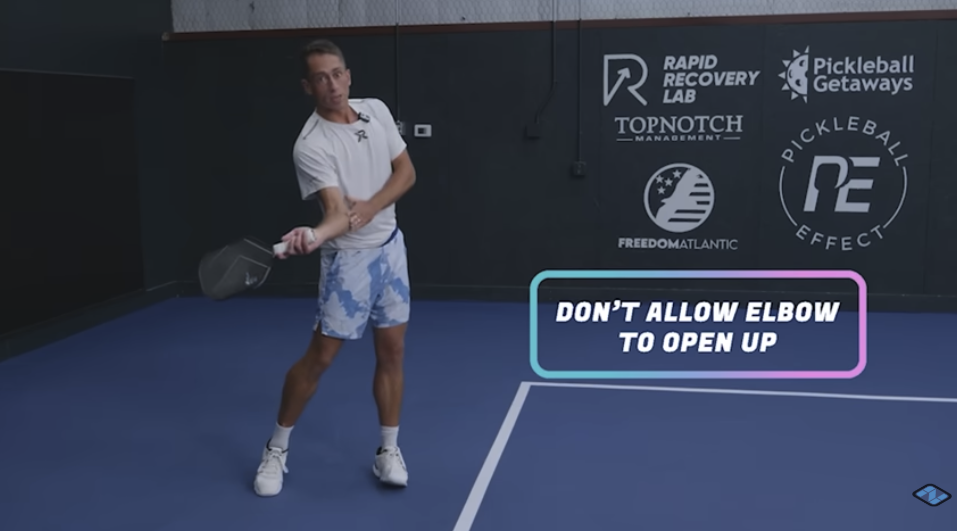
3. Extend Forward, Then Recover to Your Chest
Here is the mistake that quietly loses points: dropping the paddle down after every punch.
A lot of players let the paddle path travel downward, which leaves a gap before the next ball arrives.
Instead, extend forward into the ball, then recover the paddle straight back to your chest and the center of your body.
That ready position is what lets you take the next three balls without reaching or panicking.
Watch Collin Johns on the right side and you will see the same thing: the paddle lives in front of the sternum, barely moving, always reset before the next exchange.
If you keep getting jammed, this recovery habit is the same one that powers a reliable reset when you get attacked.
 The Dink Media Team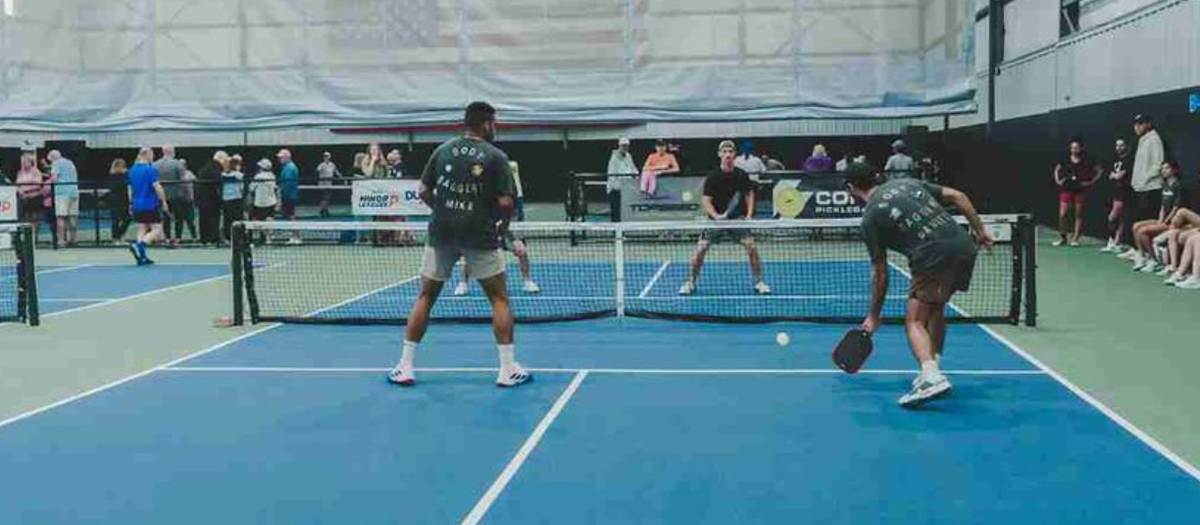
4. Keep One Grip From Baseline to Kitchen
The player assumed pros switch grips for backhand and forehand counters. Hovenier does not.
"Not really," he said when asked if he changes grips, confirming he stays with one grip from the baseline all the way to the kitchen.
Grip switching costs time you do not have in a fast volley exchange. By the time you rotate your hand, the ball is past you.
Pick a neutral grip that lets you punch both wings without changing, and trust it. The simplicity is the point.
 The Dink Media Team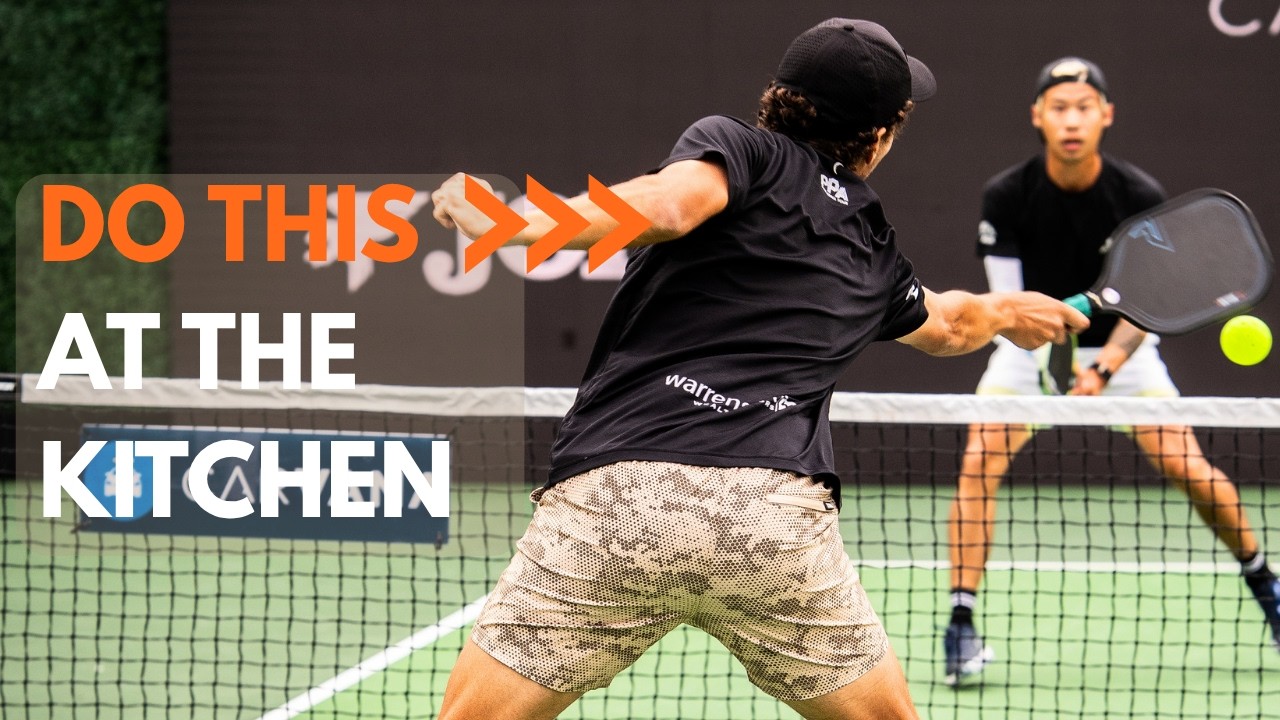
5. Aim at Uncomfortable Targets, But Stay Reactionary in the Hands Battle
When you do get a clean look, where should it go?
"Chicken wing or shoulder," Hovenier said, meaning the spots where an opponent cannot get the paddle out cleanly.
The catch is that you cannot overthink it. "Try not to think too much, it's a lot more reactionary," he added.
You are not painting lines during a hands battle. You are reacting, and when a window opens you push it at the body.
A great target is the dominant shoulder or the hip on the paddle side — the classic two handed backhand counter jam.
Make them solve a problem instead of resetting comfortably.
This is exactly the kind of tactical edge that separates players who master the 6 essential shots for 2026 from those still guessing at the line.
 The Dink Media Team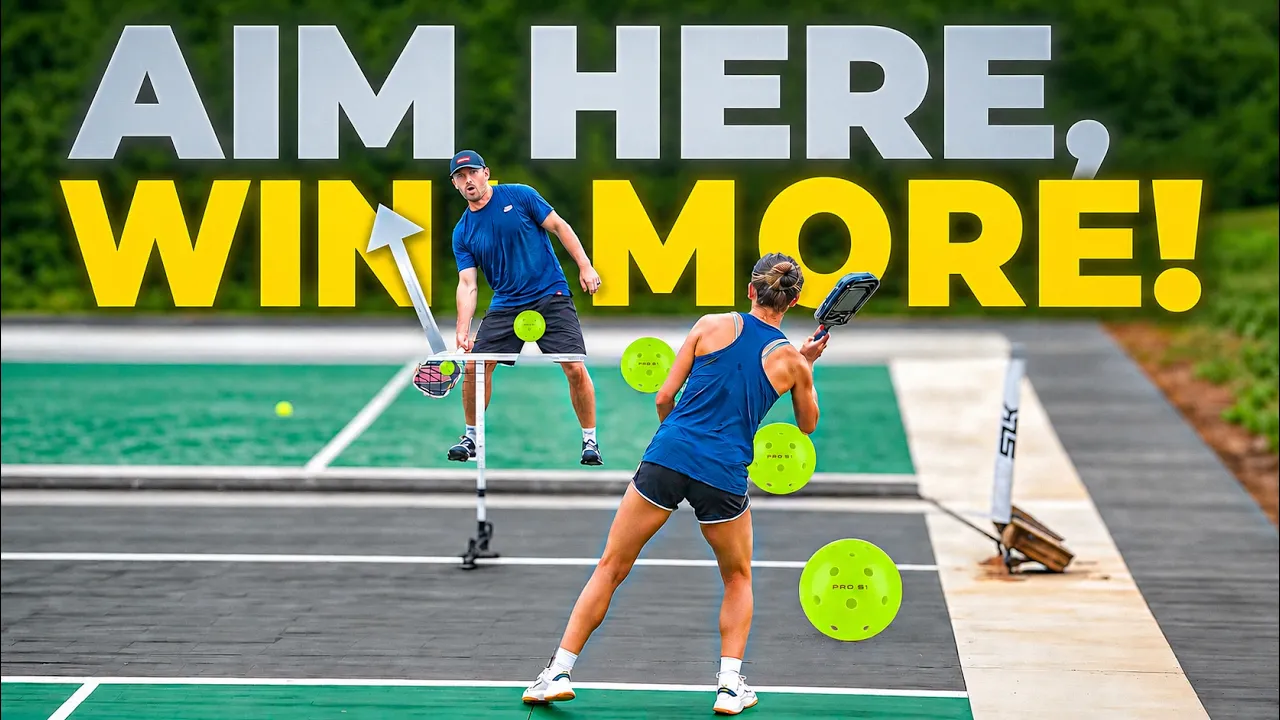
6. Do Not Jump When the Ball Speeds Up
The most repeated correction was about feet.
"Rule number one, don't jump like that. Someone speeds up, do not go like that," Hovenier said after the player leapt at a fast ball.
Jumping pulls your eyes off the ball and takes your paddle out of position. You lose the stable base that compact counters depend on.
Stay grounded. Bend your knees, keep your chest over the kitchen, and let your hands do the work.
If your footwork is quiet, your hands get faster automatically. This is the same discipline pros use to attack the kitchen line like a 5.0 player without spraying balls.
Quiet feet are the foundation of every elite fast-exchange counter.
The 12 drills you need to play your best pickleball in 2026 include specific footwork patterns that reinforce this exact habit under pressure.
 The Dink Media Team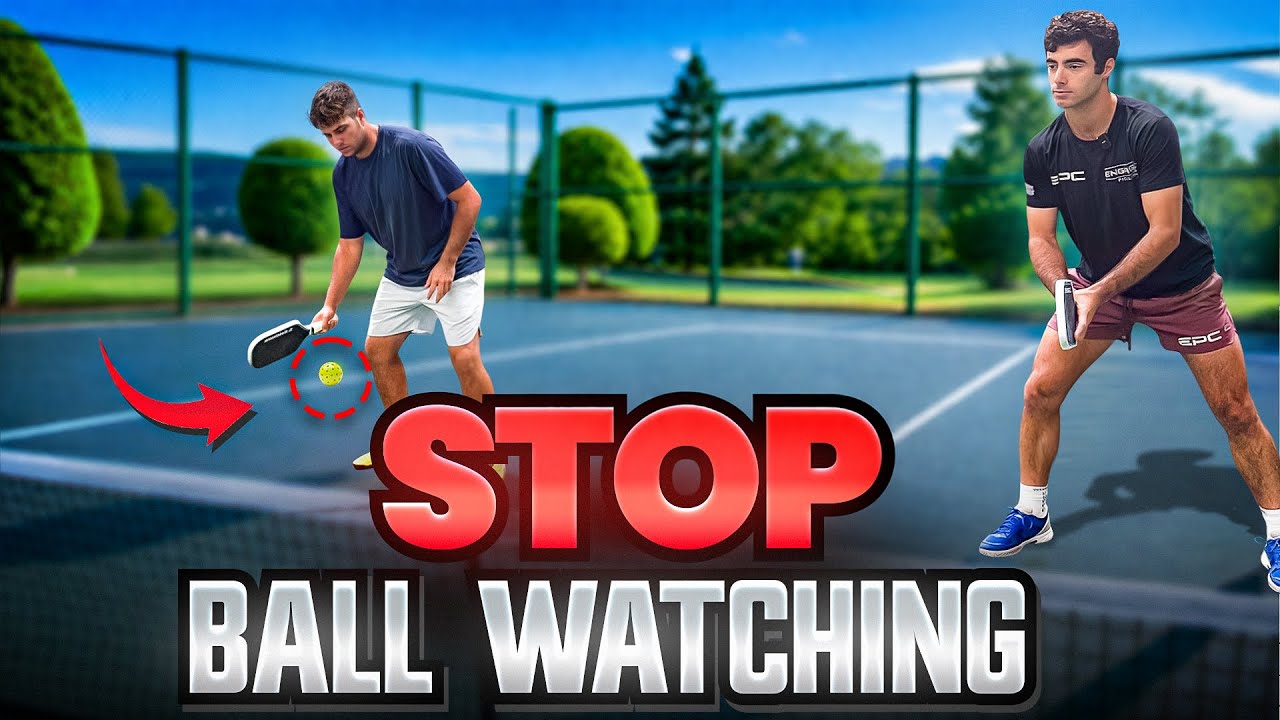
The Dink That Sets Up Your Pickleball Hands Battle: The Half Volley Reset
The fastest way to win a hands battle is to never let your opponent start one on their terms, and that begins in the dink exchange.
The player kept popping up half volley dinks against heavy topspin, and Hovenier diagnosed it instantly.
"I'm basically just leaving it, placing it out here, and then it's just a light tap. It's basically a reset," he said.
Against a topspin dink you wait for the paddle, let gravity and their own spin drop the ball into your face, and give it the gentlest tap. You barely move the paddle.
The goal is to keep the ball shallow enough that you cannot be attacked, then start adding your own spin once you are stable.
That patience is the foundation of smart dinking strategy, and dinking with intent matters more than power. A
ccording to CBS Sports' 2025 breakdown of the fastest-growing sport in America, the soft game — not power — is what separates winning rec players from those who plateau.
 The Dink Media Team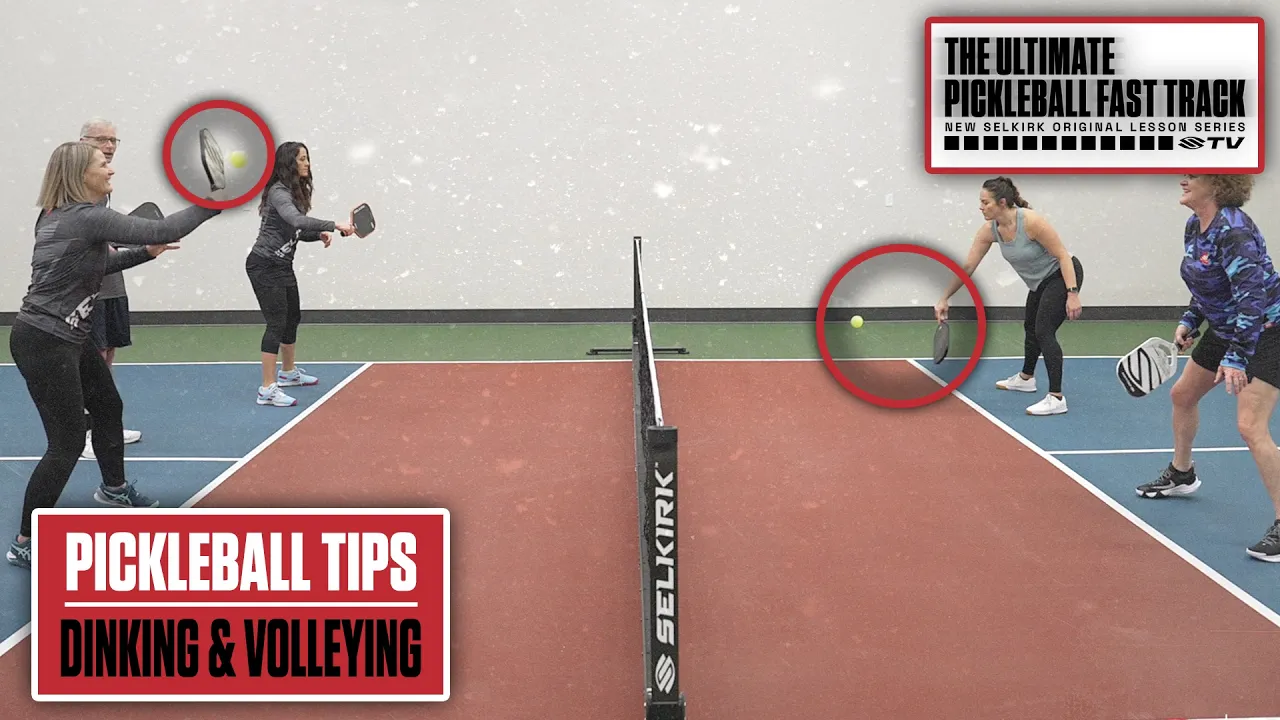
How Do You Counter a Topspin Drive or Roll?
When the ball comes in hot and spinning toward you off a drive or roll, you take the spin off rather than block it.
"You basically want to take all that spin off, so you almost want to undercut it aggressively," Hovenier said.
Set your paddle where you would for a backhand punch, then instead of punching through, chop or slice down and under the ball.
That kills the topspin and drops the ball back into the kitchen instead of launching it.
It is the mirror image of how you create a backhand topspin dink, just in reverse.
Undercutting spin is one of the most underused counters in rec play.
Mastering it is one of the reasons pros abandoned the pure slice shot in 2025 in favor of more adaptable touch counters.
 The Dink Media Team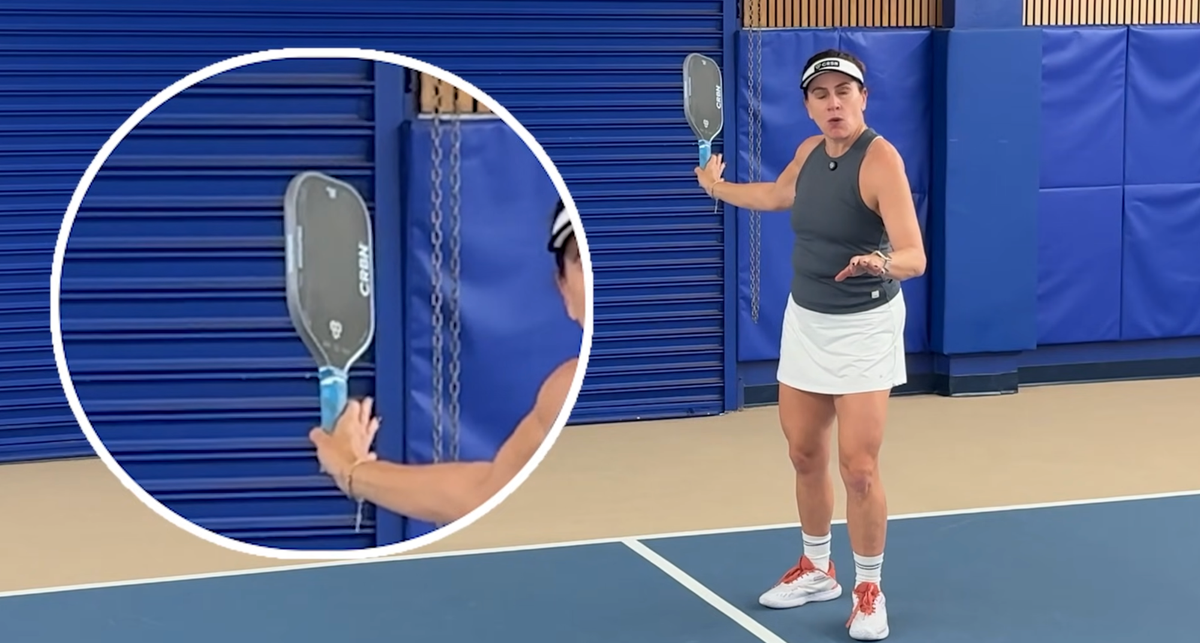
Why the Right Side Simplifies Your Hands Battle
Playing the right side actually makes the fast hands exchange easier.
"You really only have one thing to protect, because everything else over here is like out," Hovenier explained about right side positioning.
Your forehand covers the middle, the angles to your right run off the court, so your job shrinks to defending one lane with a punch.
Fewer decisions mean faster hands.
Understanding how topspin and paddle path behave on that side lets you press your forehand dink to the T and create the pop up you can attack.
This positional simplicity is part of why the modern four-key strategies to winning in 2026 all emphasize court coverage over brute countering ability.
 The Dink Media Team
Putting the Pickleball Hands Battle Habits Together
None of this requires faster reflexes. It requires less motion, a stable base, and the patience to reset instead of swing.
Compact taps, no extra wrist, one grip, a paddle that recovers to your chest, body targets, and feet that stay down.
That is the entire hands battle blueprint a top 25 pro uses, and it scales straight to your next rec game.
It is no accident that so many pros come from racket backgrounds, a path NBC Sports highlighted in its 2025 feature on how tennis players are dominating the pro pickleball circuit.
The players who win the most kitchen exchanges are not the fastest.
They are the most controlled. If you want to accelerate that control, the simple 4-step system to win more pickleball games in 2026 builds directly on the same principles Hovenier teaches.
Frequently Asked Questions
How Do I Get Faster Hands in a Pickleball Hands Battle?
Shrink your motion. Faster hands in the pickleball hands battle come from a compact punch, a stable paddle that recovers to the center of your chest, and a grounded base, not from swinging harder. Keep the wrist quiet unless you are the one starting the speed up.
Should You Switch Grips During Fast Volley Exchanges?
No. Touring pros like Blaine Hovenier keep one grip from the baseline to the kitchen because switching grips costs time you do not have in a hands battle. Pick a neutral grip that punches both wings and trust it.
Where Should You Aim When You Counter at the Kitchen?
Aim at the body — specifically the chicken wing or the dominant shoulder, where the opponent cannot extend the paddle cleanly. Stay reactionary rather than trying to paint a perfect line, since the fast volley exchange is too fast for precise aiming.
How Do You Stop Popping Up Half Volley Dinks Against Topspin?
Wait for the ball and let their topspin and gravity drop it into your paddle, then give it a soft tap. Treat it as a reset, barely moving the paddle, and keep the ball shallow so you cannot be attacked.
Why Do I Keep Losing Fast Hands Exchanges at the Net?
Usually because you swing too big, drop your paddle after each punch, or jump when the ball speeds up. Stay grounded, keep the paddle in front of your chest, and tap instead of crush. Less motion almost always wins the kitchen exchange.
Love Pickleball? Join 100k+ readers for free weekly tips, news & gear deals.
Subscribe to The Dink