
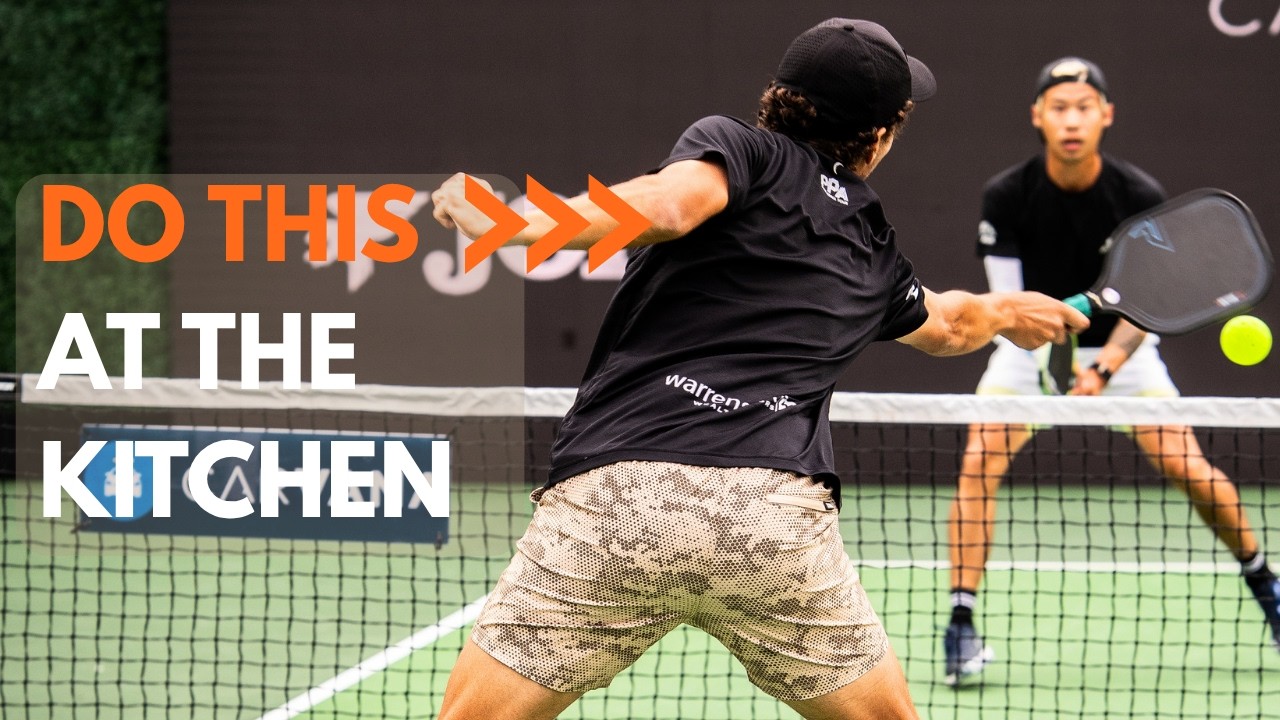
How to Control the Kitchen in Pickleball: The 3 Essential Techniques
Nearly 70% of professional pickleball points are won by the returning team, yet most players squander this advantage in the first two shots. Master kitchen control pickleball with these three proven techniques from PPA pro Connor Garnett.
You're probably leaving points on the table without even realizing it.
In professional pickleball, nearly 70% of points are won by the returning team, yet Connor Garnett, a PPA pro and coach at Connor Garnett Pickleball, observes that roughly 90% of players surrender this massive advantage within the first two shots.
The difference between winners and everyone else often comes down to one thing: kitchen control pickleball fundamentals. Master dink placement: the secret to controlling the kitchen line is the companion read for everything Garnett teaches here.
The kitchen, that no-volley zone seven feet from the net on each side, is where pickleball matches are won and lost.
If you're not controlling it early, you're handing your opponents the point before the rally even heats up.
Garnett breaks down exactly how to hold your advantage as the returning team and start dominating the kitchen line.
Love pickleball? Then you'll love our free newsletter. We send the latest news, tips, and highlights for free each week.
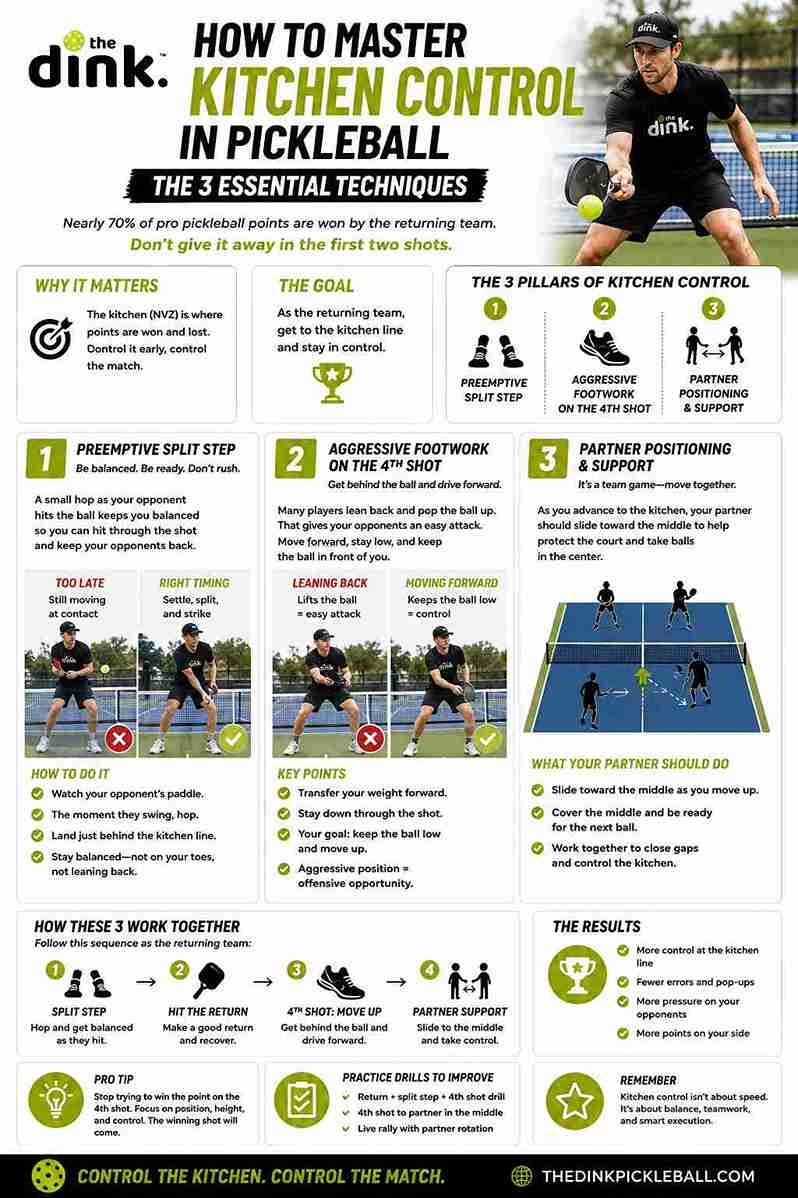
The Three Pillars of Kitchen Control Pickleball
Garnett identifies three core techniques that separate players who control the kitchen from those who don't.
These aren't complicated or flashy. They're foundational, repeatable, and they work at every level of play.
- The first is a preemptive split step.
- The second involves better footwork on your fourth shot.
- The third, often overlooked, is your partner's positioning as you advance to the net.
Master these three, and your winning percentage as a returning team will skyrocket.
Why the Split Step Changes Everything in Kitchen Control Pickleball
Here's the thing about the split step: most players think it's about getting to the kitchen line as fast as possible. That's backwards.
The split step is a small hop you execute as your opponent hits the ball, and its real purpose is to keep you balanced and ready to react, not to launch you forward.
"What's really important is I don't need to get up to this kitchen line," Garnett explains in his coaching.
"I need to be balanced so I'm able to hit through this first ball and keep him back."
When you rush to the kitchen line while still moving, you're vulnerable. Your timing falls apart. Your contact point suffers. Errors multiply.
Instead, a preemptive split step plants your feet just a half step back from where you want to be, giving you stability and control.
The difference is subtle but massive. In one demonstration, Garnett shows himself split stepping too late and still moving on contact.
The result is a hectic, uncontrolled shot. In another, he stops intentionally, splits, and suddenly the ball stays low and manageable.
Understanding the pickleball transition zone is what makes this split step timing click for kitchen control pickleball.
"It's better to stop too soon than run through these shots," he says.
"You're going to be balanced and able to fight another day."
How to Time Your Split Step at the Non-Volley Zone
Timing is everything. You want to land your split step the moment your opponent makes contact, not after.
Landing too late means you're still drifting when you hit the ball.
Practice this by focusing your eyes on your opponent's paddle, not the ball. The moment the paddle swings, initiate your hop.
The split step in pickleball: the ready position most players skip gives you the full drill-based breakdown for making this the foundation of your kitchen control pickleball game.
 The Dink Media Team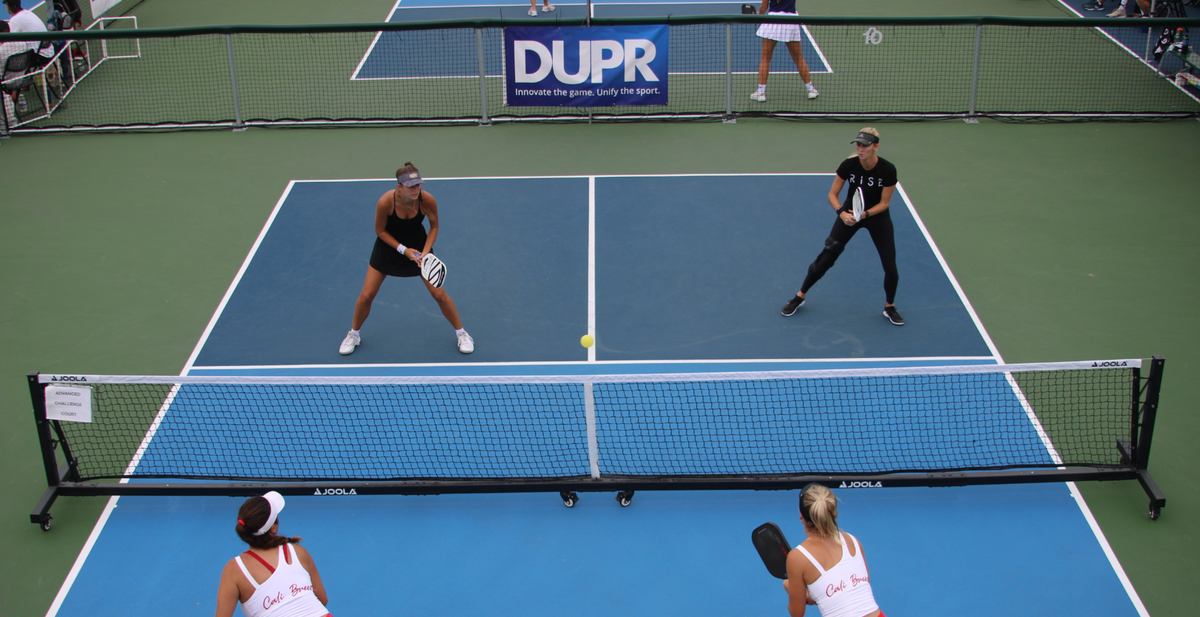
Getting Behind the Ball on the Fourth Shot: The Core of Kitchen Control Pickleball
The fourth shot is where kitchen control pickleball really gets tested.
This is your first offensive opportunity as the returning team, and most players blow it by leaning back instead of moving forward.
Aggressive doesn't mean swinging faster. It means aggressive body positioning.
You need to move forward through the shot, whether you're hitting it out of the air or off the bounce.
Your weight shift forward is the key.
Garnett demonstrates the problem: when you're leaning back on the fourth shot, you lift the ball up, giving your opponents an easy popup to attack.
The Dink Media Team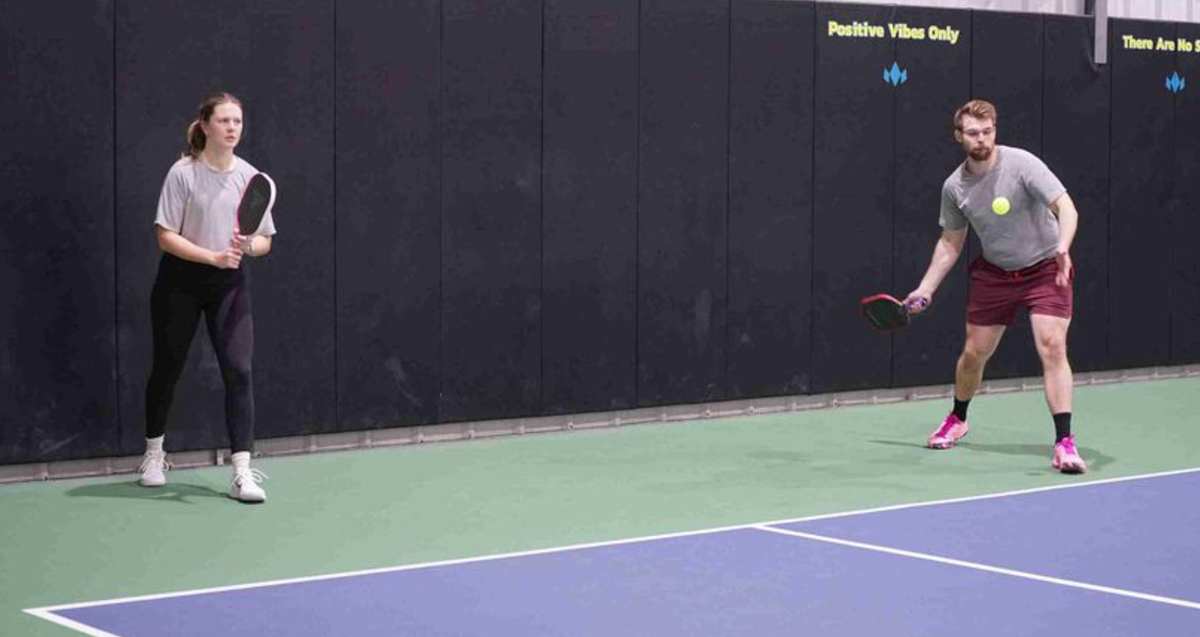
When you get behind the ball and stay down through it, your weight naturally carries you forward to the next ball, and your shot stays low and unattackable.
This is exactly the mindset covered in the fourth shot in pickleball: 3 variations that win points.
"We really want to make sure that we're keeping this ball in front of us on our fourth so we can go in and attack them," Garnett says.
This isn't about hitting harder. It's about positioning yourself to control the point.
The footwork matters too.
Many players get caught at their shoelaces or leaning back, which allows opponents to reach the kitchen line and generate an offensive shot.
By transitioning your weight forward, you keep the ball lower on the other side of the net, making it nearly impossible for your opponent to attack.
The Fourth Shot Mindset: Stop Inviting Attacks
Most players treat the fourth shot as a reset. Don't. Treat it as your first step toward seizing net control. Every time you lean back, you're handing the offensive opportunity to your opponent.
Think of your weight transfer as your weapon.
The most overlooked shot in pickleball is the fourth shot and how it directly affects your pickleball kitchen control from the very first offensive exchange.
The Dink Media Team
What Your Partner Should Be Doing to Support Kitchen Control Pickleball
Here's where kitchen control pickleball gets interesting: your partner's job isn't to stand around and watch.
They need to be active and engaged, sliding toward the middle of the court as you advance.
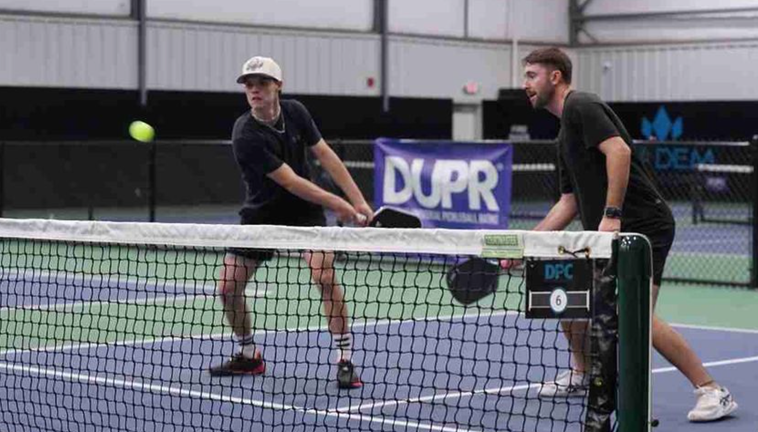
As the returner hits the ball and moves up to the kitchen line, the partner should shift over to help.
Why? Because the returner is moving while trying to hit the next ball, which makes it harder for them to keep the ball down.
Your partner, already established at the kitchen line, can take balls in the middle and protect the returner.
"The better the return is and the more this way it is," Garnett explains, "the more this right side player can slide over and take balls in the middle."
This is especially valuable on the forehand side, where the partner has extra reach. But it works on both sides. The key is staying balanced while sliding.
You never know when your opponents might go at you, and you need to be ready to fend that off.
This type of coordinated movement is what separates good doubles teams from great ones, and it mirrors the principles in 8 doubles strategies nobody talks about in pickleball.
One common question: should you take the ball as a backhand or forehand? Garnett's answer is simple: defer to the shot that's higher above the net.
A backhand up high beats a forehand down low every time. But in these sliding situations, your partner can protect the returner with either shot.
The backhand decision tree breaks this down further if you want to go deeper on shot selection at the pickleball kitchen line.
Partner Positioning and the Sliding Middle
Sliding toward the middle isn't poaching. It's proactive pickleball positioning.
Your partner has a clearer read on where the ball is going because they're not moving.
That advantage disappears if they stand flat-footed at the sideline.
Think of your partner as the anchor. You're the moving piece.
The sliding middle approach is a cornerstone of modern doubles kitchen control pickleball strategy, and pros use it constantly to neutralize opponents trying to split the court. How to control the middle court in pickleball is the dedicated breakdown of this exact concept.
The Dink Media Team
Putting It All Together: Dominating the Kitchen in Pickleball
The returning team has a built-in advantage in pickleball. Nearly 70% of professional points go to the returners.
But that advantage evaporates the moment you give up kitchen control.
By mastering the split step, improving your fourth shot footwork, and coordinating with your partner, you flip the script.
These aren't advanced techniques reserved for pros. They're fundamentals that any player can practice and improve. The split step takes a few minutes to dial in.
Better footwork on the fourth shot is just about being intentional with your weight shift. Partner positioning is simply communication and awareness.
For a full drill-based approach, the 12 drills you need to play your best pickleball in 2026 is the companion resource that puts these kitchen control pickleball fundamentals into a structured training plan.
"Now that we've covered the three ways to keep the pressure on our opponents as that returning team," Garnett concludes, "our winning percentage as the returners is going to skyrocket and we're really maximizing that advantage and holding our ground so our opponents don't get let off the hook too easily."
The next time you're on the court, focus on these three elements.
- Don't rush to the kitchen line.
- Get behind the ball on the fourth shot.
- Let your partner help.
You'll feel the difference immediately.
Frequently Asked Questions
What is kitchen control in pickleball?
Kitchen control in pickleball refers to the ability to establish and hold a dominant position at the non-volley zone line during a rally. Controlling the kitchen means forcing your opponents to hit up at the ball while you maintain the ability to attack or reset from a strong, balanced position.
Why is the split step important for kitchen control pickleball?
The split step is a small hop you perform as your opponent makes contact with the ball. It keeps you balanced and ready to react rather than rushing forward off-balance, which leads to mistimed shots and pop-ups. A well-timed split step is the single fastest way to stabilize your kitchen control.
How do I improve my fourth shot in pickleball?
Focus on getting behind the ball and transferring your weight forward through contact. Leaning back causes the ball to rise, giving your opponent an easy attack. Practice driving your weight from your back foot to your front foot on every fourth shot, whether it's a drop or a drive.
What should my partner do while I advance to the kitchen?
Your partner should actively slide toward the middle of the court as you move forward. This covers the returner while they're in motion and allows the stationary player to take balls in the middle. Stay balanced while sliding so you're ready if your opponents go at you directly.
How can I practice kitchen control pickleball at home?
Work on your split step timing with a partner or against a wall. Practice your fourth shot footwork by focusing on your weight shift forward on every rep. Drill partner positioning by playing points where you emphasize communication and sliding. Film yourself to check whether you're leaning back or moving forward through key shots.
Connor Garnett is a professional pickleball player and coach with 12,200+ YouTube subscribers. He offers online coaching through his Skool community and regularly posts tutorials and match highlights on his channel.

Love Pickleball? Join 100k+ readers for free weekly tips, news & gear deals.
Subscribe to The Dink