
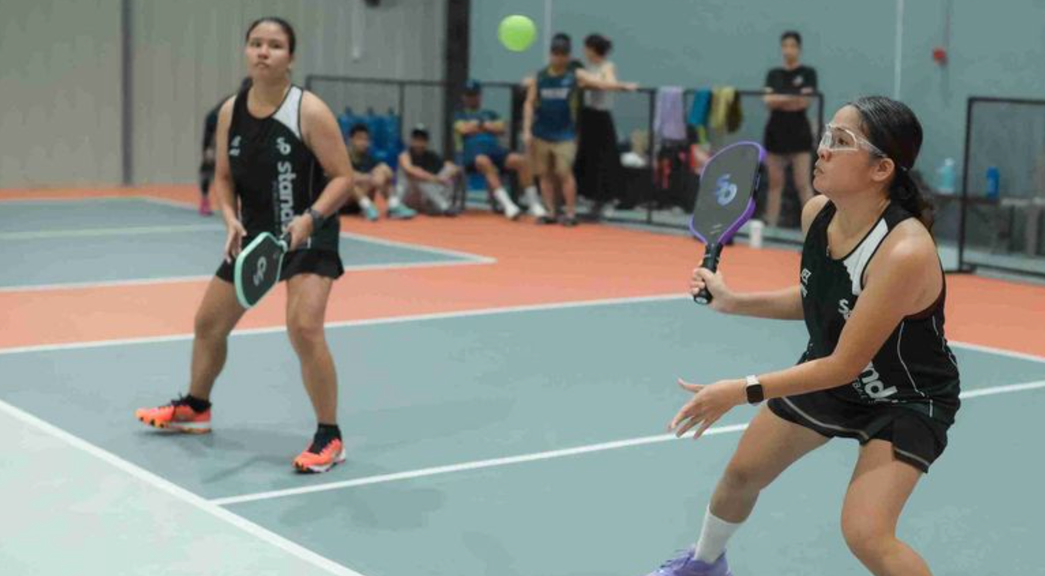
Why Pickleball Shots Keep Going Long? 4 Quick Fixes That Actually Work
If you keep asking why pickleball shots keep going long, the answer usually lives in your paddle face, not your power. Fix the angle, the follow-through, and your feet, and those balls start landing in again.
Why pickleball shots keep going long comes down to three things almost every single time: an open paddle face, a rushed follow-through, and feet that never got set.
You don't have a power problem. You have a contact problem.
Most players try to fix long shots by swinging softer, and that's like turning down the volume to fix a bad speaker.
It doesn't touch the real issue. Even the power shots tips that actually work start with contact, not effort.
Love pickleball? Then you'll love our free newsletter. We send the latest news, tips, and highlights for free each week.
Why Pickleball Shots Keep Going Long? It Starts With Your Paddle Face
Here's the direct answer. Your shots sail long because your paddle face is open at contact, meaning the face is tilted back and pointed at the sky instead of squared to the net.
This is true whether you're driving from the three options from the baseline or resetting under pressure.
Add any pace to an open face and the ball has nowhere to go but up and out. Spin changes this equation too.
If you've ever wondered how backspin actually works, an open face with backspin is an even worse combination for keeping the ball in.
What is Paddle Face Angle, and Why Does it Matter?
Paddle face angle is the tilt of your paddle relative to vertical at the moment you strike the ball.
A vertical face sends the ball flat.
Tilt it back five degrees on a drive and you've added enough loft to push a shot two feet past the baseline, which is the single biggest reason shots go long on drives and resets alike.
The same problem shows up on a slice dink that sails past the kitchen line instead of dying at your opponent's feet.
Check your grip pressure too. A death grip locks your wrist and forces the paddle face open on the backswing, especially on the backhand.
Simone's backhand clinic covers this exact fix in detail, and it's worth ten minutes of your practice time.
Want to actually see your paddle angle instead of guessing?
Film your drive technique from the side. Most players are shocked at how far back their paddle face tilts on contact.
The fix isn't complicated. Flatten the face, trust the pace you already have, and stop trying to muscle the ball into the court.
Building that habit under match pressure is exactly what team practice sessions are for, since a fix that only shows up on a quiet court doesn't count yet.
Are You Swinging Too Hard? The Follow-Through Fix
A rushed follow-through is the second big culprit, and it shows up as balls that start on line and then keep climbing.
When your swing decelerates through contact instead of extending, your paddle face flips upward at the last second.
That flip is what sends a shot that looked perfect at the kitchen line sailing wide by the time it reaches the baseline.
Even beginner fundamentals cover this, though most intermediate players never circle back to check their own follow-through against it.
Think of it this way. Topspin is your friend here, not your enemy. Adding legitimate topspin pulls the ball down after contact instead of letting it float.
Tools like a topspin trainer exist for exactly this reason, and they build the low-to-high swing path that keeps balls in the court even when you commit to real pace.
 The Dink Media Team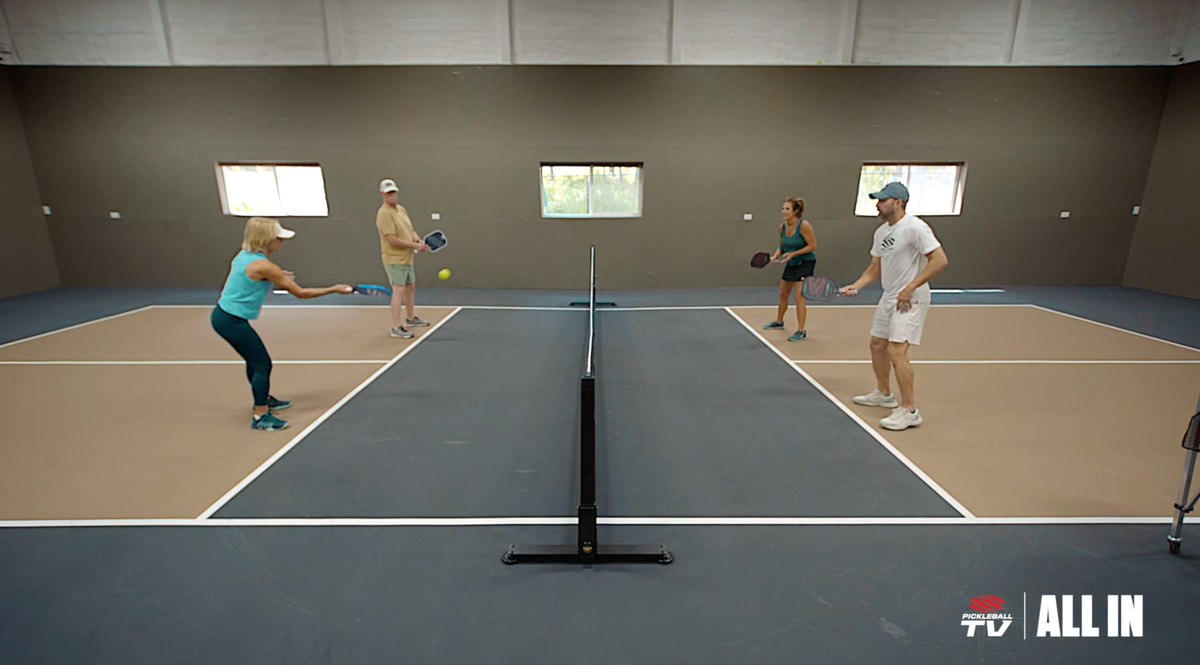
When Your Follow-Through Runs Away From You
The pattern is simple once you see it. A short, punchy follow-through leaves the paddle face open through contact.
A long, complete follow-through closes it naturally, which is exactly why full swings often go in more than tentative pokes.
If you've ever hit a swing volley that felt great off the paddle but landed two feet deep, this is almost always the reason.
Your power shots need a home for that energy, and that home is a full extension toward your target, not a short jab that panics halfway through.
Good court coverage on the fourth shot starts with the same principle, since a controlled finish gets you back in position faster than a rushed one ever will.
 The Dink Media Team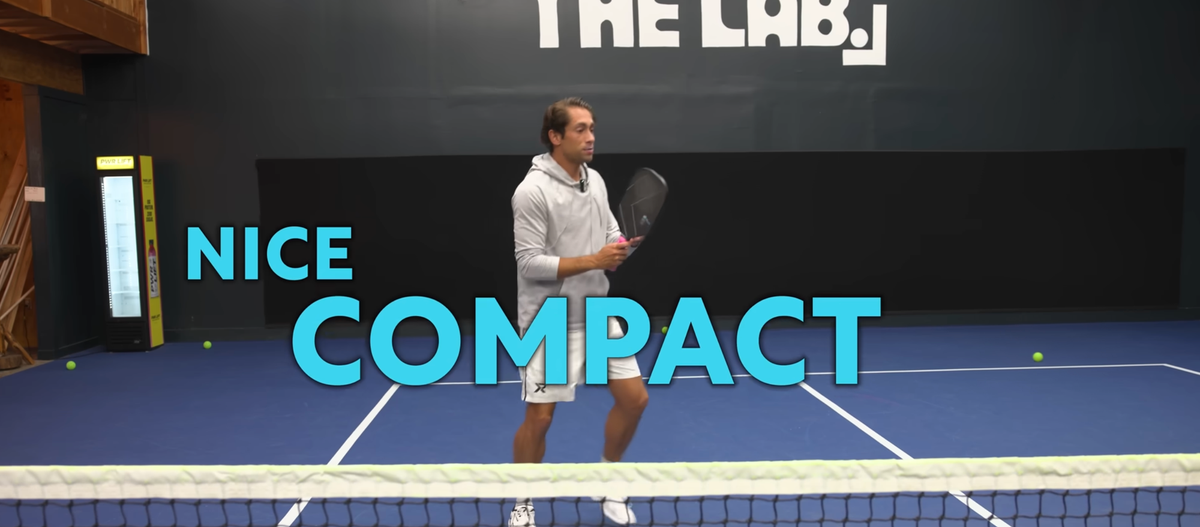
The Footwork Culprit
Footwork sends more balls long than most players ever admit.
When you're stretched, off balance, or hitting on the run, your body naturally leans back to compensate.
A backward lean tilts your paddle face open, no matter how clean your technique looks in a drill.
Watch your positioning the next time you drift long. Nine times out of ten, the shot itself wasn't the problem.
The court position that forced a rushed, off-balance swing was.
Why Pickleball Shots Keep Going Long on Defensive Resets
Resets are where this shows up hardest.
A player scrambling to control pace off a hard drive tends to jab at the ball with locked arms and a stiff paddle face, and that combination sails long constantly.
Learning to reset better means slowing your hands down under pressure instead of speeding them up, which sounds backward until you actually feel it work.
There's also a different kind of reset worth drilling for balls that come at your body.
Getting your feet moving early, even one small shuffle step, gives your paddle face time to set before contact instead of scrambling to catch up.
 The Dink Media Team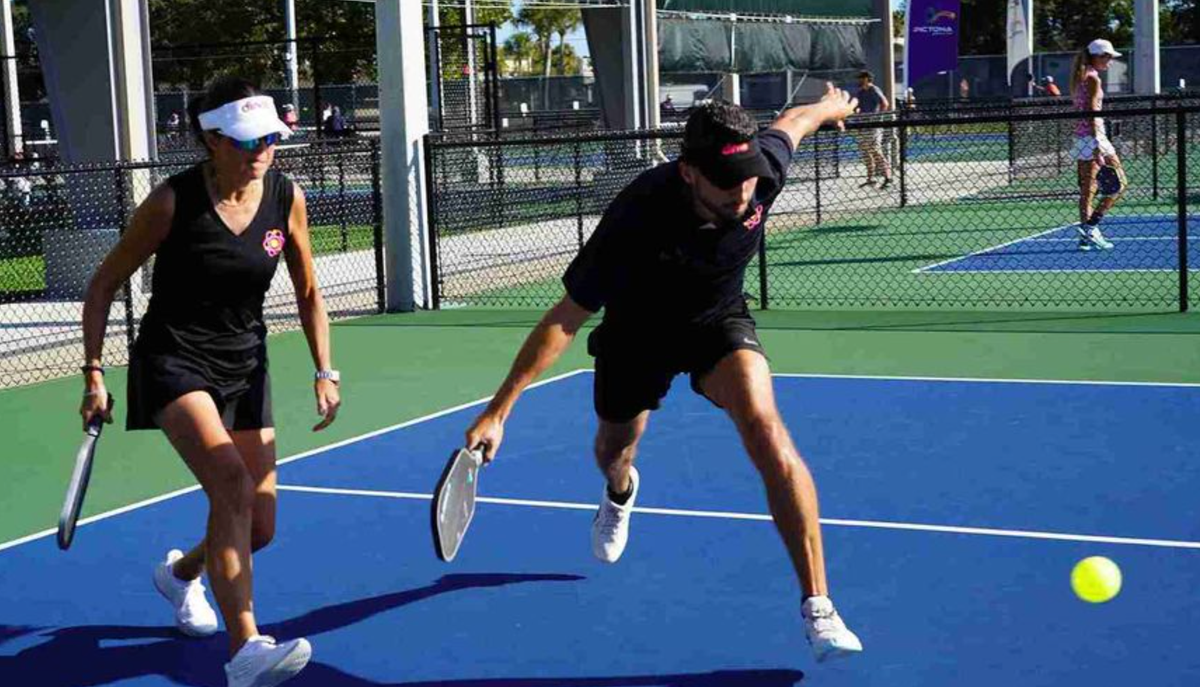
What Counts as an Unforced Error, Anyway?
Quick definition before we go further.
An unforced error is any point lost on a shot you had time and position to control, as opposed to a forced error where your opponent's shot genuinely didn't give you a choice.
Most balls going long fall squarely into that category.
Good doubles positioning at the T actually buys you that time in the first place, which is why footwork and technique breakdowns are so tightly linked.
That distinction matters because it changes how you practice.
You don't need more drilling under pressure if the misses are happening on comfortable, in-rhythm shots.
You need to fix the mechanical habit first.
Spend time on mid court positioning and shot selection between drive and drop, and a surprising number of long balls disappear on their own.
Out of bounds calls off the baseline pile up fast in a game to eleven.
A ball that clears the net clean but lands even six inches past the line still counts out of bounds, and that's exactly why pickleball shots keep going long even when the contact felt clean.
Track how often it happens during your next full session on the court and the pattern usually jumps out fast.
 The Dink Media Team
4 Quick Fixes to Stop Your Pickleball Shots From Sailing Long
Here's the checklist.
Work through these in order and you'll notice a difference inside a single practice session, the same way grinding through pickleball's hardest dinking drill sharpens touch fast.
- Square your paddle face at contact. Film your swing from the side and check the tilt. Vertical is your target on drives.
- Finish your follow-through, every time. A complete swing closes the face naturally. A short, defensive poke leaves it open.
- Add real topspin. Topspin pulls the ball down after contact, giving you margin to hit with actual pace.
- Set your feet before you swing. One extra shuffle step keeps your body from leaning back and opening the face under pressure. An advanced shot selection drill builds all four habits into a single repeatable routine.
Run these fixes into a figure-8 drill and you'll get repetitions on paddle control without needing a full-court partner.
Pair that with work on your backhand volley, since backhand contact is where paddle face problems tend to hide the longest.
None of this requires new gear or a rebuilt swing.
Consistency comes from the same four fixes, repeated until they stop being conscious thoughts and start being habit.
And if your third shot keeps drifting long specifically, make it spicy without overhitting it by trading pace for a cleaner drop when you're not fully set.
Backhand contact deserves its own look too, and isolating one stroke at a time the way JW Johnson's unusual dinking technique breaks things down works just as well here.
 The Dink Media Team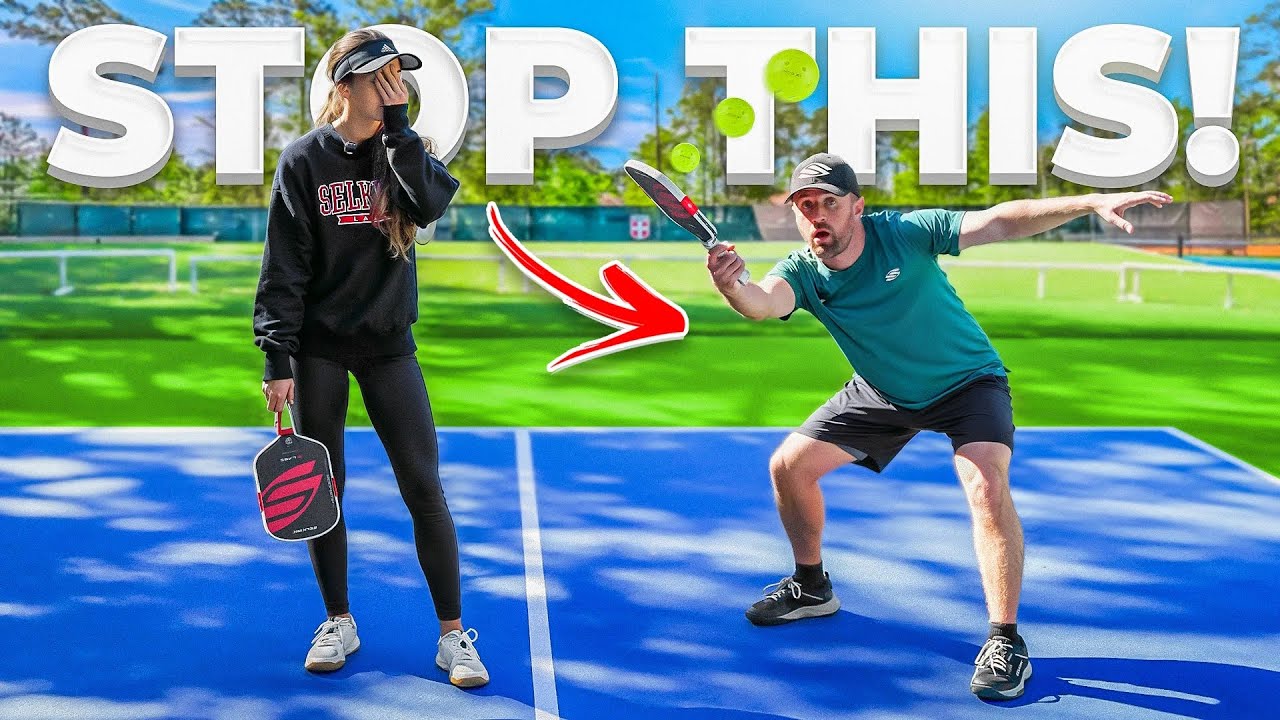
Key Takeaways
- Why pickleball shots keep going long almost always traces back to an open paddle face at contact, not a lack of touch.
- A rushed follow-through flips the paddle face open right before the ball leaves the strings.
- Off-balance footwork and defensive resets are the two situations where long shots pile up fastest.
- Adding real topspin and finishing your swing gives you margin to hit with pace and still land the ball in.
- Most long shots are unforced errors, which means they're fixable with focused solo practice, not just match reps.
Frequently Asked Questions
Why do my pickleball shots keep sailing long even when I swing softer?
Swinging softer doesn't fix an open paddle face, it just makes the same mistake happen slower. Focus on squaring the paddle face at contact and finishing your follow-through, and let your paddle do the work instead of muscling every ball.
Is an open paddle face really the main reason pickleball shots go long?
Yes, in most cases. A paddle face tilted back even slightly adds enough loft to turn a shot that should land at the baseline into one that clears it.
How do I stop hitting pickleball shots long on the third shot drive?
Check your footwork first. Rushing a third shot drive without setting your feet forces your body to lean back, which opens the paddle face automatically. Slow your setup down and pair it with solid return of serve positioning so you're not scrambling before the point even starts.
Does adding topspin actually keep pickleball shots from going long?
Yes. Topspin pulls the ball downward after it leaves your paddle, which gives you extra margin to swing with real pace and still land the shot inside the baseline.
What drill helps fix pickleball shots that keep going long?
A figure-8 drill builds paddle control and consistent contact without needing a full match to practice in. Combine it with slow-motion follow-through reps and a topspin trainer session to spot an open paddle face before it costs you points.

Love Pickleball? Join 100k+ readers for free weekly tips, news & gear deals.
Subscribe to The Dink