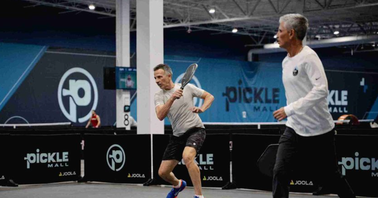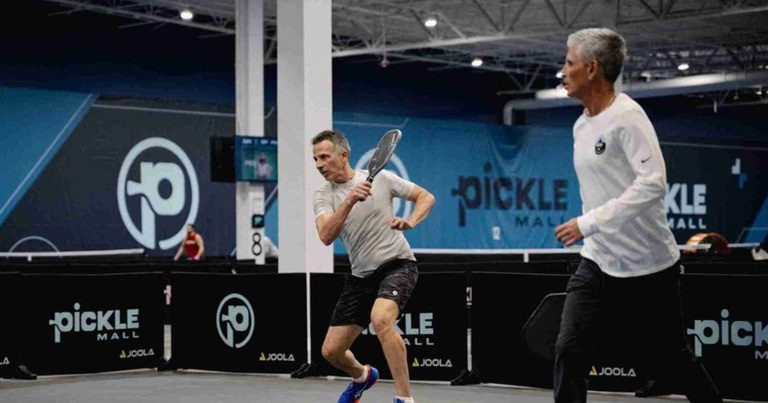
Most players never warm up their full pickleball shot repertoire before the first game. Here is the complete routine that fixes that problem fast.
Your pickleball warm-up is probably not doing what you think it is. Most players hit a few straight-ahead dinks, maybe some groundstrokes, and call it good.
Then they wonder why their drops feel off, their volleys are clunky, and their serve lands short for the first three games.
The truth is, you are not warmed up. You just hit some balls.
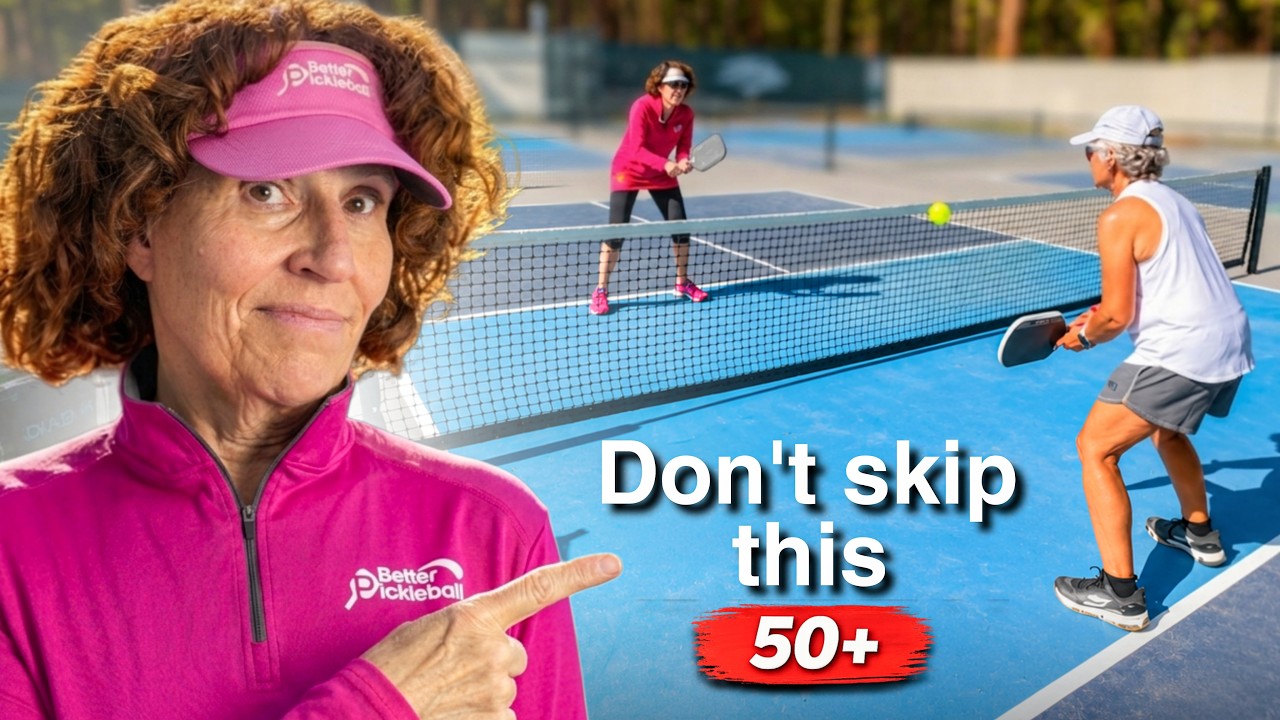
This full warm-up sequence comes from Better Pickleball on YouTube, where coach CJ Johnson walks through every shot you need to warm up before game one so nothing surprises you once points start mattering.
Love pickleball? Then you'll love our free newsletter. We send the latest news, tips, and highlights for free each week.
Why Your Current Warm-Up Is Failing You
Here is what actually happens at most recreational courts: players dink straight ahead for two minutes, someone calls the game, and suddenly you are expected to reset a hard drive from the transition zone on point one.
You have not hit that shot yet. Your body has no feel for it. And the cost shows up immediately.
The fix is not complicated. You need to warm up every shot you will actually use in the game, in a specific order that mirrors how points are built.
Here is exactly how to do it.
Shot 1: Straight-On Dinks
Start here, but start with intention. Straight-on dinks are not just a formality before the real warm-up. They are where you check in with your body.
The first thing to feel is your feet. Are you up on the balls of your feet, light and ready to move?
CJ calls this being on the "triangles," meaning the front triangle of each foot, not flat-footed and stuck.
Pick one thing to focus on at a time. You might think about grip pressure first. A light grip at the start helps your arm stay loose and your touch stay soft.
Once that feels dialed in, you can shift your attention to targets.
Aim cross-court, aim at the feet, aim toward the center. Do not just hit straight ahead every time. Dinking is directional, and your warm-up should reflect that.
Shot 2: Cross-Court Dinks
Cross-court dinks change your movement pattern, your swing angle, and which hand dominates. That is exactly why you need to warm them up separately.
When you shift to the cross-court position, you will notice immediately if your footwork has gone lazy.
Most players stop moving their feet during cross-court dinking because the angle does most of the work for them.
Do not let that happen. Keep moving, keep adjusting, and when you miss, simply walk to the other side and continue.
This gives you reps from both the forehand and backhand cross-court angles.
That matters because the movement pattern on each side is different.
 The Dink Media Team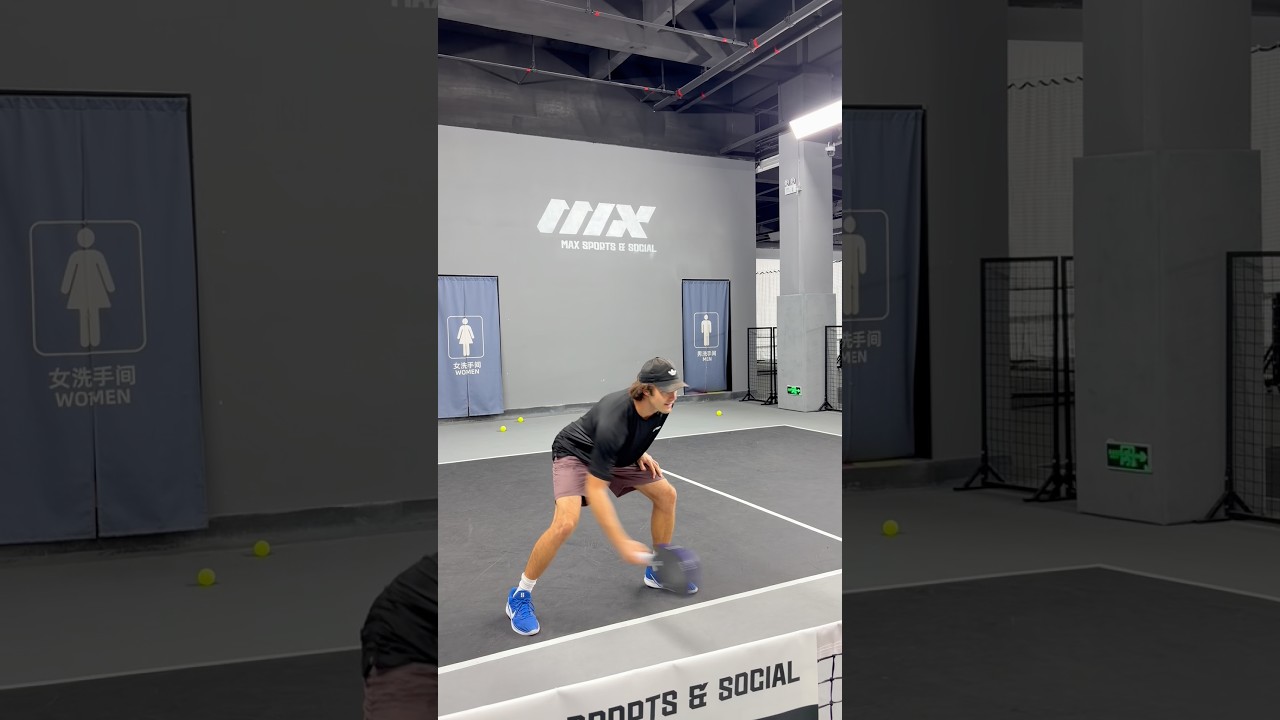
Is Footwork Really the Most Important Thing in Your Warm-Up?
Yes, and it is not close. Both CJ and his partner Sarah independently name footwork as the first thing they focus on when warming up.
Every other skill, including touch, timing, and direction, gets better when your feet are moving correctly.
If you feel off during a game, check your feet before you check anything else. Pickleball footwork is the foundation everything else is built on.
 The Dink Media Team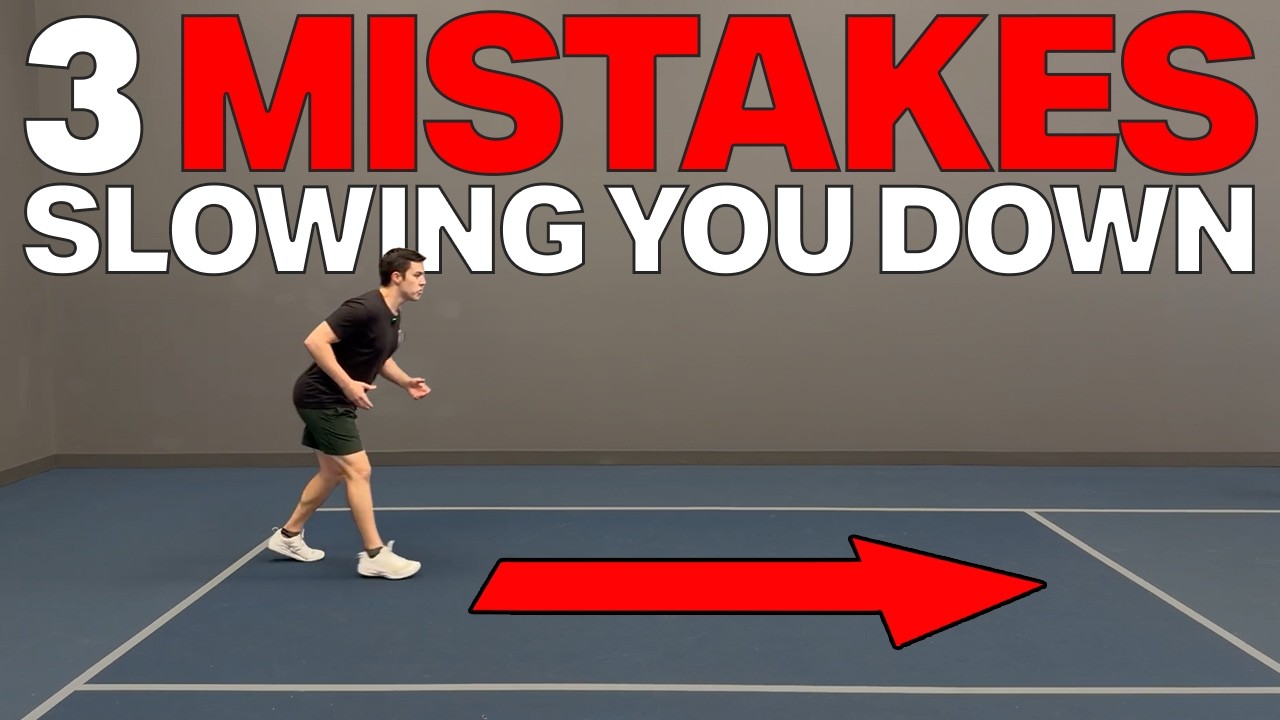
Shot 3: Volleys Inside the Non-Volley Zone
Most players skip straight to volleys from behind the kitchen line. That is a mistake.
Start your volley warm-up standing inside the non-volley zone, heels near the back line, working on soft cooperative exchanges with your partner.
Think of it this way: your partner has a bullseye on their body. Your job is to push the paddle toward that target, not swing at it.
The swing should be short, controlled, and centered in front of your body.
Keep your paddle out in front at all times. When the paddle drifts behind your body, your reaction time slows and your control disappears.
After you have built some feel, pick up the pace gradually before stepping back outside the kitchen line.
If you struggle to keep the paddle out front or find your backhand volley breaking down under pressure, this inside-the-kitchen drill will expose exactly why.
 The Dink Media Team
Shot 4: Volleys From Behind the Kitchen Line
Once you step back outside the non-volley zone, the game changes.
The ball travels farther, the angles are different, and the temptation to take a big swing gets much stronger.
Resist it. Keep the swing compact and think about two things: hitting down at the feet and creating enough space so the ball does not jam you.
If you get jammed, slide laterally and create room.
Do not try to muscle through it.
One of the most common errors here is getting caught on your heels. The moment your weight shifts back, you lose the ability to react quickly.
Stay forward, stay light, and keep the paddle in front.
 The Dink Media Team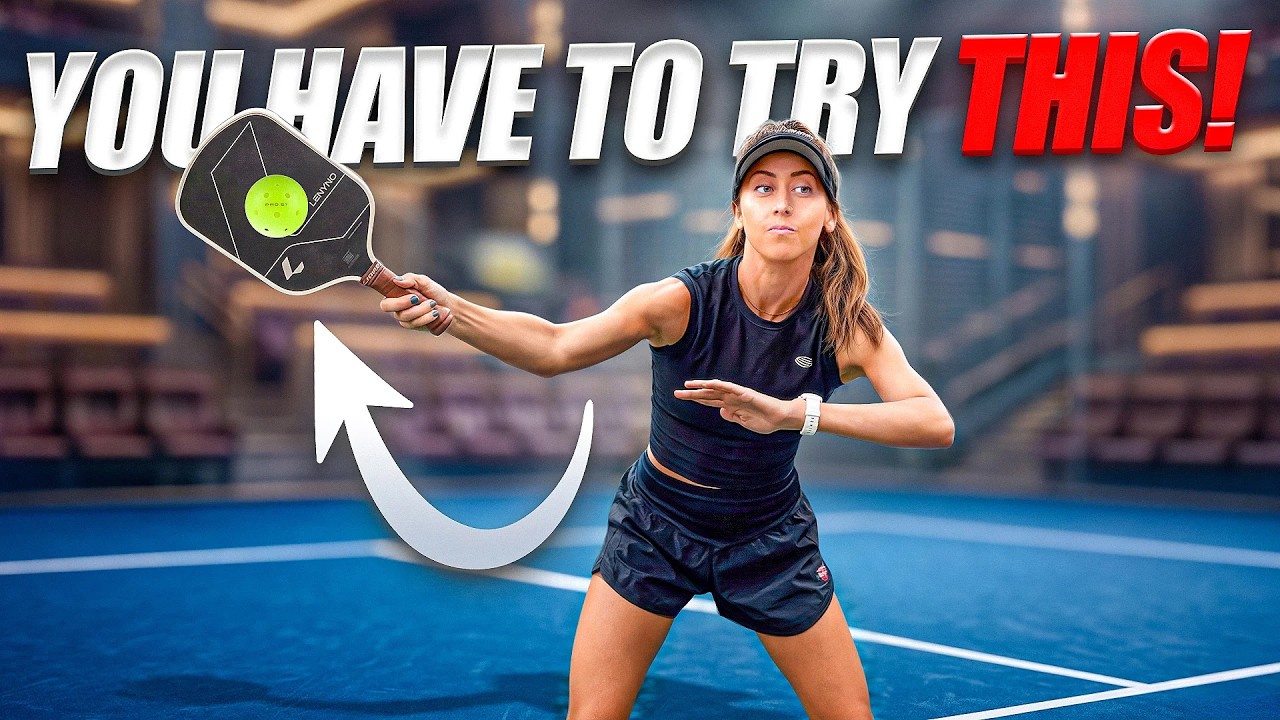
Shot 5: The Third Shot Drop (The Slinky Drill)
This is the shot most players skip entirely, and it is also the shot that separates players who struggle in the transition zone from those who move through it confidently.
You need to warm up your drop shot before game one.
The drill CJ uses is called the slinky drill. Here is how it works:
- Start a dink rally with your partner at the kitchen line.
- Begin moving backward toward the baseline while continuing to hit drops.
- Work your way back until you reach the baseline.
- Then work your way back forward toward the kitchen.
- Switch roles so your partner gets the same reps.
Your partner stays at the NVZ and hits punch volleys aimed at your feet. That is the realistic pressure you will face during a real game.
Getting comfortable with it before the first point starts is the entire point.
If your drop shots keep popping up during games, the slinky drill is one of the most effective ways to build reliable feel in a short amount of time.
 The Dink Media Team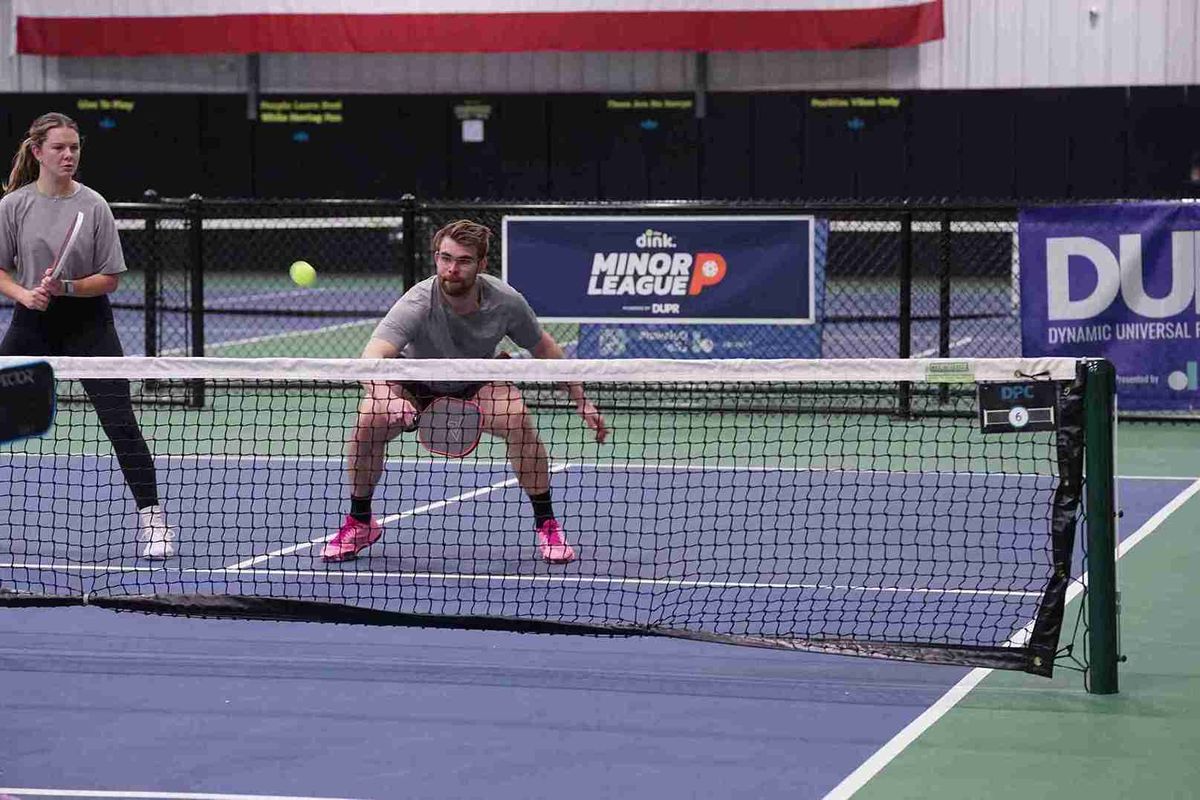
Shot 6: Groundstrokes From the Baseline
Your groundstrokes need specific targets, not just back-and-forth rallying. The goal is depth.
Aim for 3 to 4 feet inside the baseline, and give yourself about 4 feet of net clearance to get that depth consistently.
Focus on two things: footwork and space. Many players jam themselves on the forehand side because they do not get their feet positioned early enough.
Create room for your arm to swing freely before the ball arrives.
If you tend to hit long, shorten your backswing and let the follow-through do the work.
Shots going long are almost always a timing or backswing issue, not a power issue.
 The Dink Media Team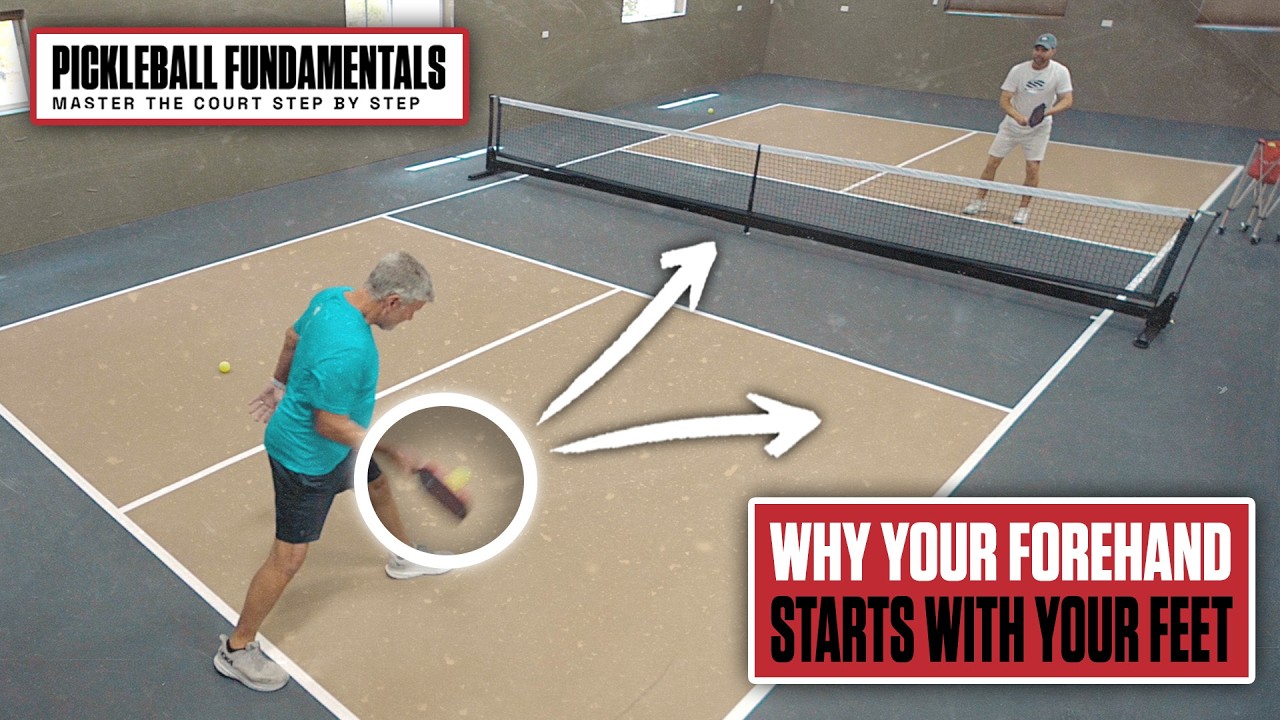
What About Serve and Return?
Serve and return is its own category and it deserves dedicated warm-up time. This is not a full rally. It is simply two shots: one serve, one return.
Then collect the ball and go again.
Here is a simple serve sequence to follow:
- Start with drop serves to find your rhythm and feel the motion.
- Move to volley serves after 2 to 3 successful drop serves.
- Aim for depth on every serve. Short serves get attacked.
- On returns, pick a specific target before the ball is served. Up the middle, wide, or at the body.
- Switch sides so you warm up both deuce and ad court angles.
Aiming returns at the body is something most players skip during warm-up, then are surprised when it does not work in a game.
Your brain needs rehearsal time on body shots just like every other shot.
Also pay attention to your return depth.
If you are only getting 5 feet of space between the baseline and the fence, shorten your backswing and focus on the follow-through to generate depth without overhitting.
If your serve keeps getting attacked, depth is usually the issue.
 The Dink Media Team
Do Not Forget the Overhead
Before you hit a single overhead, warm up the shoulder first.
A few figure eights with the arm loosened down and swinging through gets the joint ready without stressing it cold.
And here is something worth knowing: you do not have to use a traditional overhead. If your punch volley is reliable and consistent, use that instead.
What matters is that you have a plan for lobs, and that you have rehearsed it before game one.
Warm up overheads from a cooperative feed, not from a live attacking situation. Your partner lobs it up, you defend it, they are not trying to hurt you.
That cooperative structure is what builds real feel.
For more on defending the overhead side of that exchange, this breakdown on defending overhead smashes is worth a read.
 The Dink Media Team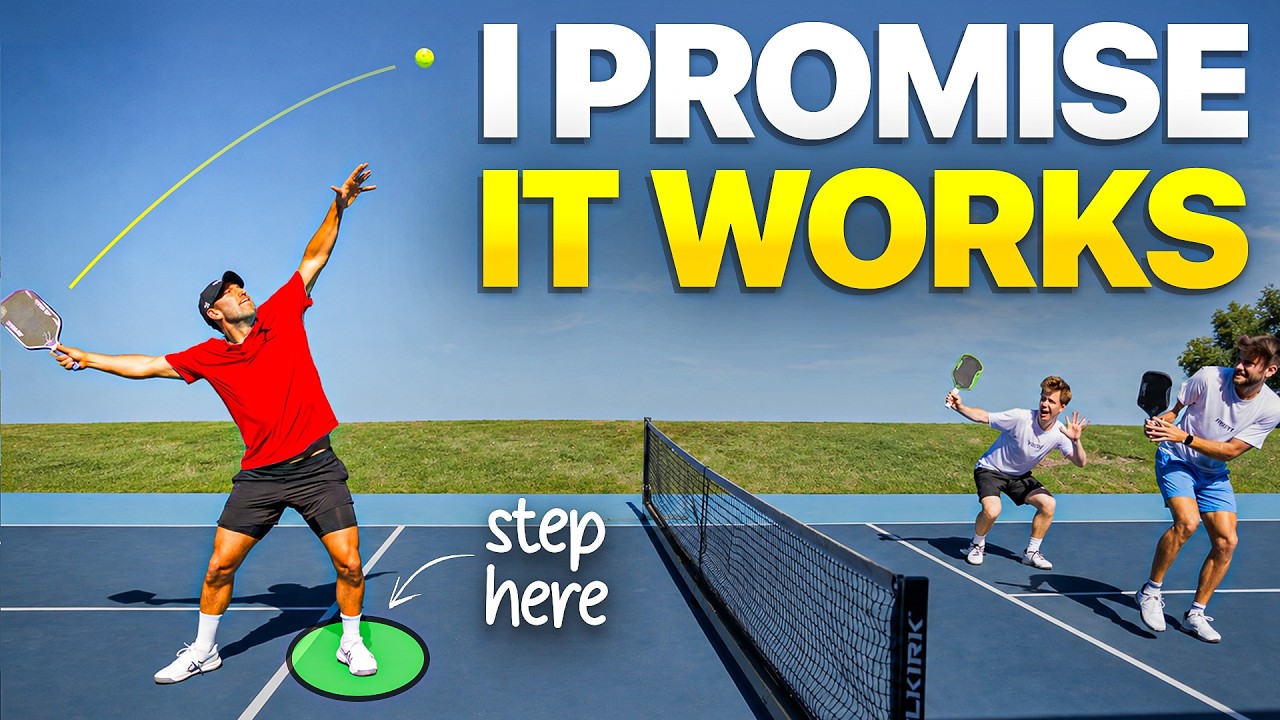
The Shot You Are Almost Certainly Skipping
After you finish the sequence above, ask yourself one question: did I warm up every shot I am going to hit today?
Most players realize they skipped lobs.
Both kitchen line lobs and baseline lobs are used in real games, and neither gets warmed up during a standard hitting session. Add them in.
It takes 90 seconds and the payoff in game one is immediate.
If you are not sure how to make your lob harder to read, working on disguise during warm-up is a smart use of that time.
The opponent does not know it is a lob until it is already over their head.
Frequently Asked Questions
How long should a pickleball warm-up take before the first game?
A complete warm-up covering all six shot categories takes roughly 10 to 15 minutes. That includes body movement, dinks, volleys, drops, groundstrokes, serve and return, and overheads. Rushing through it defeats the purpose.
What is the most important shot to warm up in pickleball?
The third shot drop is the most commonly skipped and the most important to rehearse. Without warming it up, your transition zone play in game one will feel unpredictable. Use the slinky drill to build feel quickly.
Should I warm up my serve before every pickleball session?
Yes, always. Even experienced players need a few reps to find their depth and rhythm. Alternate between drop serves and volley serves, and aim at least a few returns at the body before live play starts.
Why do my shots feel better in game two or three than game one?
Because by game two, you have accidentally warmed up all the shots you skipped before game one. A structured warm-up routine replicates that process intentionally so you feel ready from the very first point.
What should I focus on during a pickleball warm-up if I only have five minutes?
Prioritize in this order: straight-on dinks for touch and footwork, a few volleys at the kitchen line, and at least three to four drop shots using the slinky pattern. Serve and return can be squeezed into two minutes if you stay focused and skip the chasing.

Love Pickleball? Join 100k+ readers for free weekly tips, news & gear deals.
Subscribe to The Dink