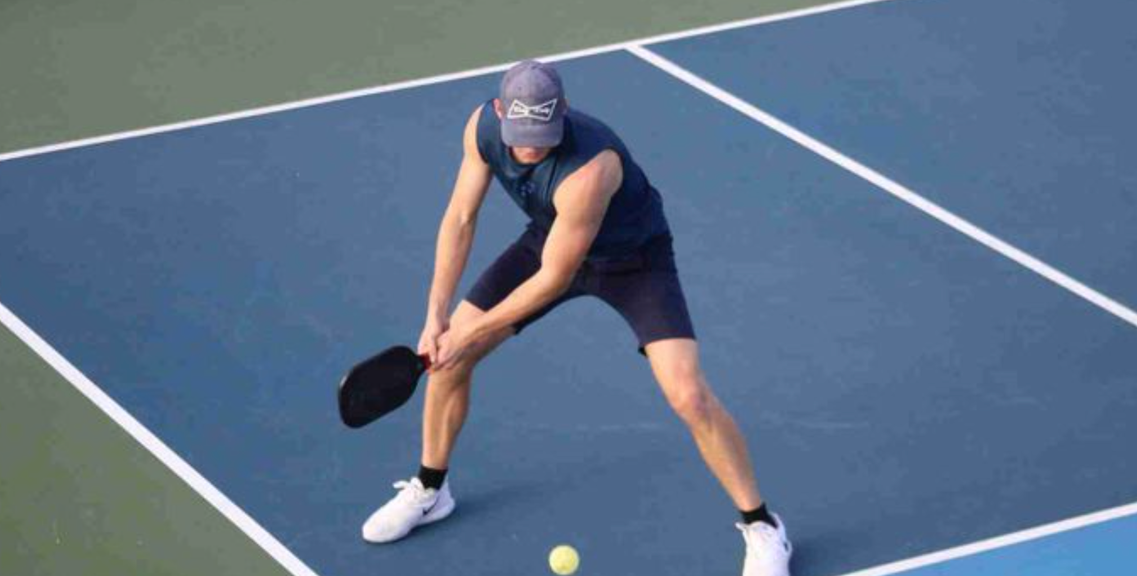
Learn what a dink is, why dinking wins points, and how dinking in the kitchen transforms your game in 2026 and beyond
Pickleball dinking is the most strategic, high-stakes chess match on the court, and you'd be surprised how many players still get it wrong.
The sudden pace shift from hard-hitting rallies to soft, delicate shots, the backhand errors, the pop-ups you miss, all of it comes back to understanding pickleball dinking cold.
Miss the technique and you're losing points to something you should have mastered before you ever picked up a paddle.
Here's the good news: dinking is straightforward once you see it as a system, not just a soft shot.
Love pickleball? Then you'll love our free newsletter. We send the latest news, tips, and highlights for free each week.
What Are the Key Technical Characteristics of Pickleball Dinking?
According to the official USA Pickleball definition, a dink is:
"A soft shot hit on a bounce from the Non-Volley Zone (NVZ) intended to arc over the net and land within the opposing NVZ either straight across or diagonally crosscourt."
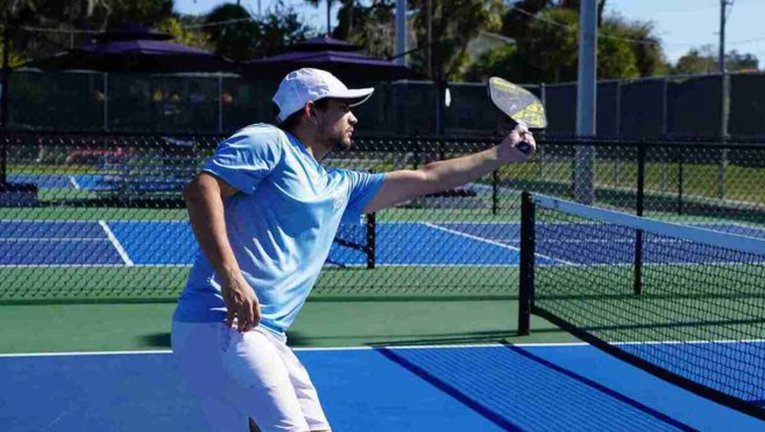
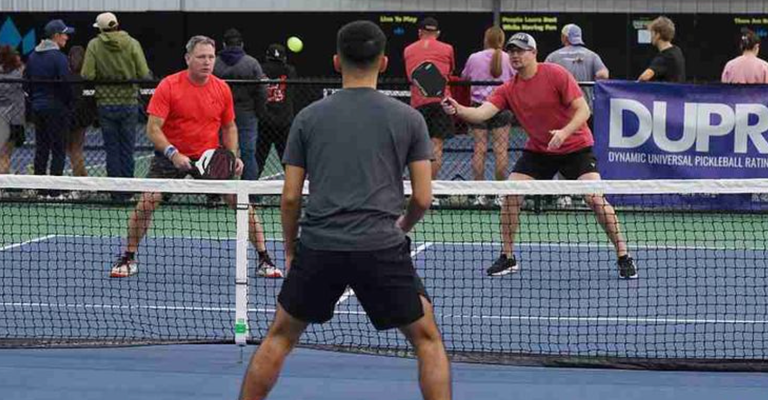
In simpler terms, pickleball dinking is a controlled, finesse shot hit after the ball bounces in the area commonly known as "the kitchen."
The goal is to clear the net with a gentle arc and land the ball deep enough inside your opponent's kitchen that they cannot hit an aggressive, downward volley.
Dinking in the kitchen is the cornerstone of modern pickleball strategy.
At professional levels, 78% of all points now involve dinking rallies, with average rally lengths of 12 to 18 shots at 4.0+ levels (USA Pickleball 2026 data).
If you want to break into 5.0-level play, your dink must be automatic under pressure.
Executing a consistent dink requires excellent mechanics. Unlike a power serve or a baseline drive, a dink relies entirely on touch and control.
Here's your complete technical breakdown for successful pickleball dinking:
Why is Dinking Important? The Ultimate Kitchen Strategy
It is tempting to think that power wins pickleball games.
While a hard slam or a lightning-fast drive feels satisfying, smart players know that games are won at the kitchen line.
Pickleball dinking is widely considered the most important concept to learn because it forms the absolute foundation of advanced strategy.
This is why dinking is important for every player.
And if you want a complete game plan built around it, the 4-step system to win more pickleball games in 2026 puts dinking front and center.
5 Strategic Reasons Why Dinking Is Important in Pickleball
Here is why developing a great dink is critical to your game:
- Eliminates Opponent Attacks A fundamentally sound dink forces your opponents to strike the ball from a low position, below the net cord. This removes their ability to smash or volley aggressively, neutralizing their power. During dinking in the kitchen, you control whether your opponent can attack or must defend.
- Creates Offensive Opportunities Patience is a virtue in pickleball. By keeping the ball soft and low through pickleball dinking, you pressure your opponents to maintain consistency. Eventually, they will make a mistake and hit a "pop-up" that you can easily attack and smash for a winner.
- Controls the Point The players who command the dinking strategy command placement, pace, and attack triggers. Instead of constantly reacting to your opponent's shots, you force them to play at your speed. This is why dinking is important for point control.
- Draws Opponents to the Kitchen Line Dinking in the kitchen pulls your opponents up to their own NVZ line. This limits their reaction time and puts them at risk of committing a foot fault by stepping on or inside the line during a volley. The 2026 USA Pickleball rule updates tightened NVZ enforcement specifically because dinking rallies create so many fault situations.
- Moves Opponents Laterally Effective dinking strategy does not just go straight over the net. It targets angles. By forcing your opponents to slide side-to-side during pickleball dinking, you open up massive holes in their court positioning.
What Are the Core Goals of Every Dink in the Kitchen?
Whenever you strike a dink, you should have four primary objectives in mind for successful dinking in the kitchen:
- Keep the ball soft and low into the opponent's kitchen
- Force opponents to hit upward, setting you up for a potential pop-up through pickleball dinking
- Hit a non-attackable ball positioned precisely in front of your opponent
- Maintain your position firmly at the kitchen line without letting opponents push you backward
These four goals work together. Sacrifice any one of them and the rally tilts back in your opponent's favor.
 The Dink Media Team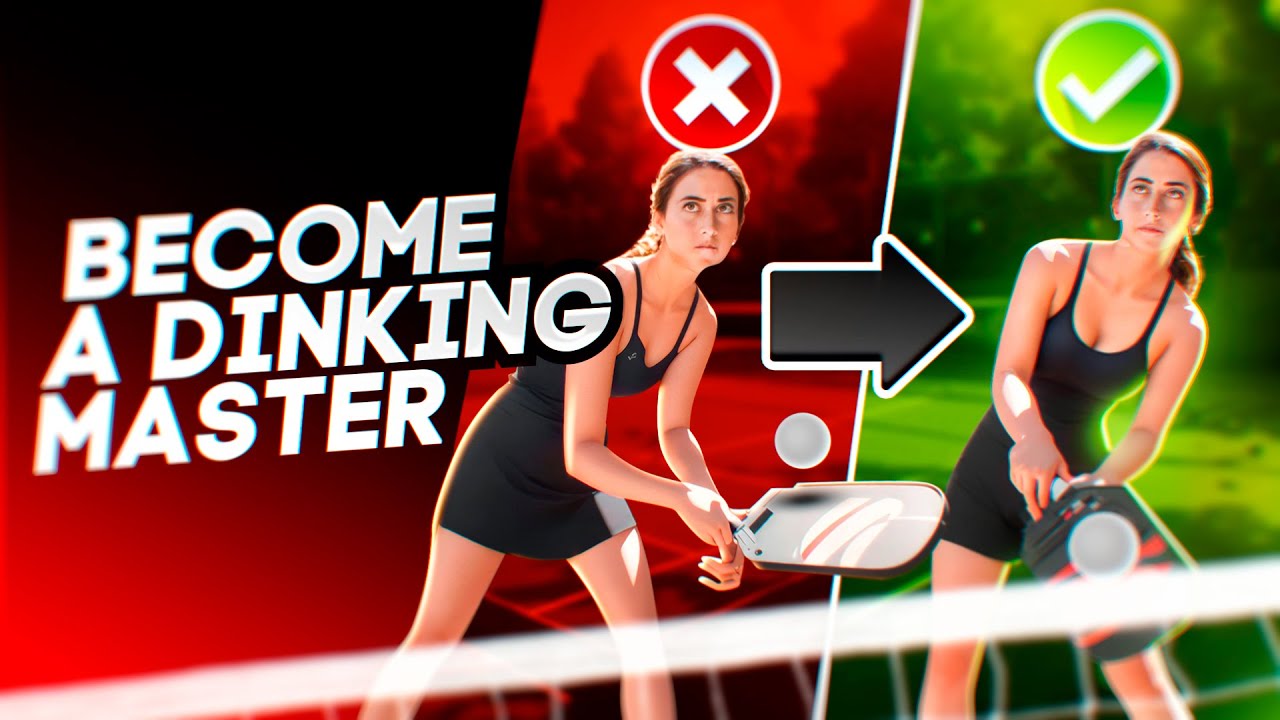
Advanced Pickleball Dinking Strategy Essentials for 2026
To win more rallies, you must look past basic mechanics and start thinking about placement, variety, and court awareness.
This is where advanced pickleball dinking strategy separates good players from great ones.
The four key strategies to winning modern pickleball all trace back to controlling the dinking exchange.
Target Selection: Where to Hit Your Dink in Pickleball Dinking
Where you hit your dink is just as important as how you hit it. Focus on these three high-percentage dinking strategy targets:
The Backhand Dink The vast majority of pickleball players have a weaker backhand dink.
Constantly targeting an opponent's backhand limits their offensive options and increases the likelihood of a forced error.
This is fundamental pickleball dinking intelligence.
Outside Lines or Center Avoid hitting dinks in the kitchen directly to where your opponent is comfortably standing.
Play the ball away from them, either sharp toward the outside lines or dead down the center line to cause communication confusion between partners.
At the Opponent's Feet If you can land the ball directly at your opponent's feet while they are at the kitchen line during dinking in the kitchen, you force them into an awkward, cramped hitting position.
Pickleball Dinking Types: Push Dinks vs. Neutral Dinks
Mix up your pickleball dinking shots to keep your opponents off balance:
Cross-Court vs. Straight-Across: Hitting straight across gives your opponent less reaction time.
However, cross-court dinking is inherently safer because it sends the ball over the lowest part of the net and gives you a wider margin of physical space.
Pros overwhelmingly choose cross-court dinks in neutral situations. That 82% vs. 67% success rate gap in the 2026 PPA data is not a coincidence.
Key Principles for Winning Dinking Rallies
Patience Over Power A dinking strategy rally is a test of mental fortitude.
Wait for the right attack trigger, such as a ball left too high above the net, rather than trying to force an aggressive shot out of impatience.
Why is dinking important? Because patience wins points.
Maintain a Margin of Error Do not skim the net too closely during dinking in the kitchen. Give yourself 1 to 1.5 feet of clearance margin over the net tape.
This ensures you avoid hitting into the net while still keeping the ball unattackable on the bounce.
The margin isn't weakness. It's discipline.
 The Dink Media Team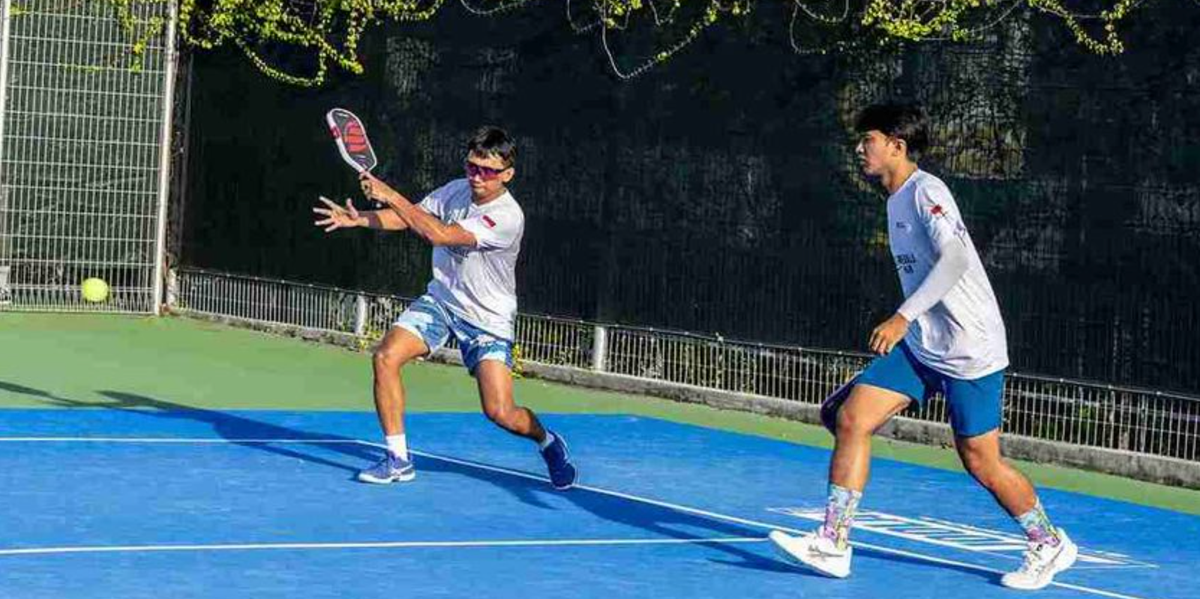
Dinking Stats That Prove Why Dinking Is Important (2026 Data)
- Dinking success rate correlates 89% with match wins at 3.5+ levels (USA Pickleball 2026)
- Error rate on dinks: 3 to 5% for pros vs. 25 to 30% for beginners
- Cross-court dinking success rate: 82% vs. 67% straight-across at pro level (2026 PPA match data)
- Average professional dinking rally: 14.2 shots (PPA 2026 statistics)
These numbers should shift how you practice.
The 12 drills you need to play your best pickleball in 2026 include several specifically built around dink consistency and margin of error.
 The Dink Media Team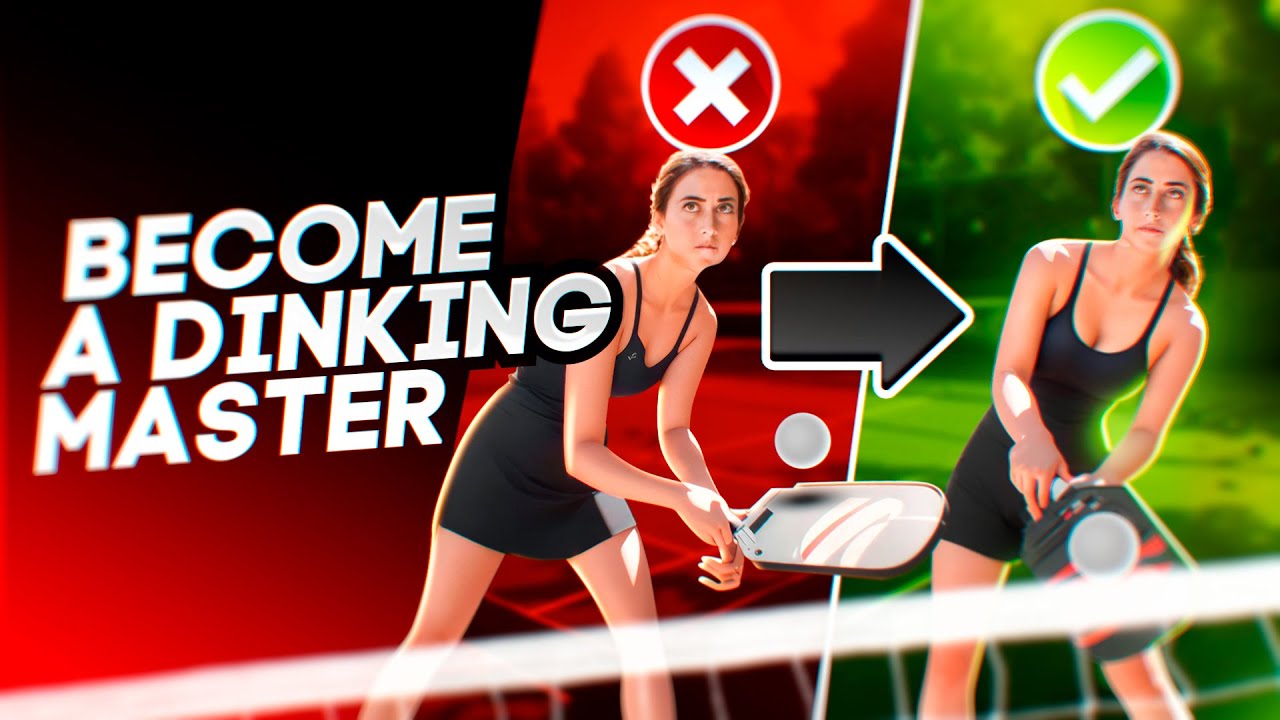
Common Beginner Mistakes in Dinking Strategy
If you find yourself losing pickleball dinking battles, check your form for these common beginner pitfalls:
- 1. Over-swinging Hitting the ball too hard or using excessive backswing during dinking in the kitchen will cause your dink to sail deep, giving your opponent an easy smash. Keep your motion compact.
- 2. Breaking the Wrist Flicking your wrist introduces wild inconsistency to your pickleball dinking shots. Lock your wrist and let the lift come naturally from your shoulder.
- 3. Standing Tall Failing to keep your knees bent and your body low to the ground during dinking strategy limits your stability and reach. Stay in an athletic, low stance.
- 4. Backing Away Retreating or moving away from the kitchen line during a dinking in the kitchen rally gives up valuable court real estate and opens up angles for opponents to exploit.
- 5. Playing the "Safe" Zone Repeatedly hitting easy, predictable shots directly to your opponent's dominant forehand side instead of challenging their weaknesses destroys dinking strategy effectiveness.
Every one of these mistakes is fixable in practice.
The 6 essential pickleball shots to master for 2026 breaks down the correction process for each error pattern.
 The Dink Media Team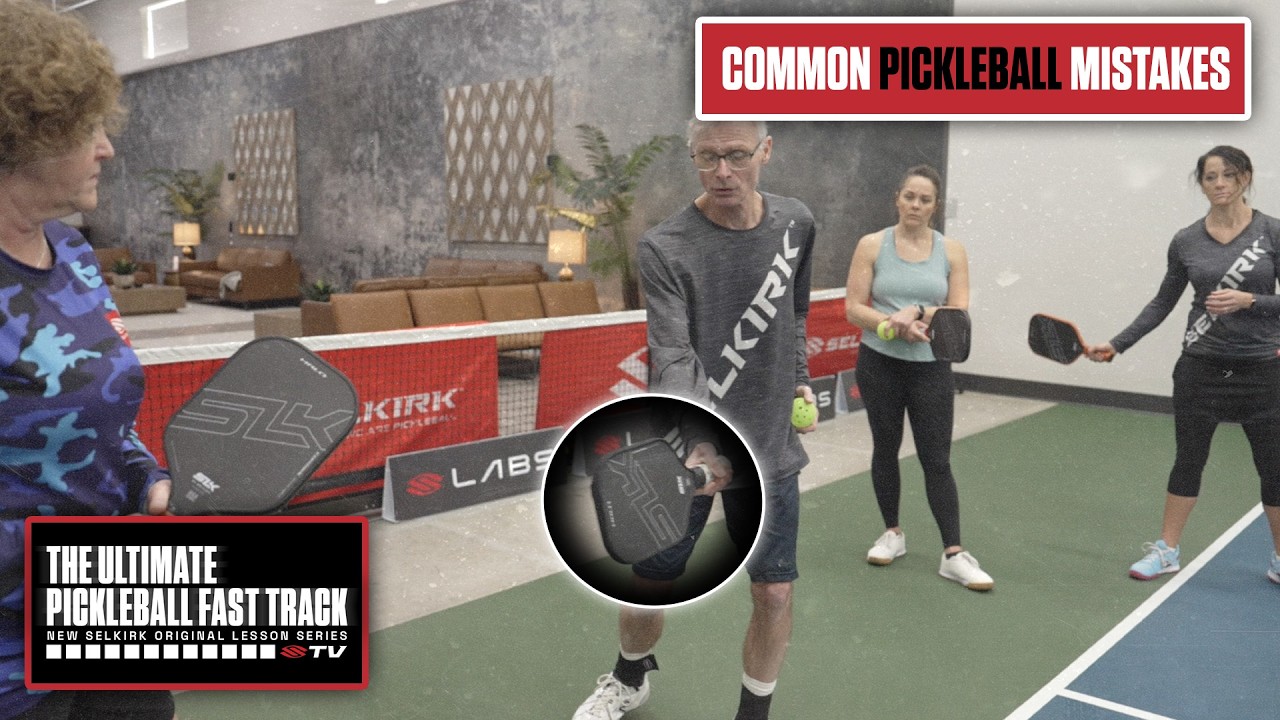
Pickleball Dinking Trends and Equipment in 2026
New Pickleball Dinking Rule Clarifications (2026 USA Pickleball Update)
- Updated NVZ foot fault enforcement for dinking rallies (effective January 2026)
- Stricter paddle contact zone definitions during dinking in the kitchen
- New video review protocol for disputed pickleball dinking foot faults
The 2025 USA Pickleball rule changes laid the groundwork for these 2026 updates, and understanding both sets of rules is essential if you play competitively.
Equipment Trends Shaping Dinking in 2026
- Top pros now using 16mm thick controlled-contact paddles for better dink touch (Selkirk 16mm Pro PRO, JARvis Control 16)
- Graphite surface texture improvements reduce dinking strategy error rate by 12% compared to 2024 paddles
- Weight distribution: 7.3 to 7.6oz optimal for dinking in the kitchen control (per 2026 PPA equipment analysis)
The shift toward thicker, control-oriented paddles is not an accident. Pros are optimizing their gear specifically for dinking performance. See what top reviewers are predicting for 2026 paddles to understand where equipment is headed.
Pro Player Pickleball Dinking Evolution
- Dylan Frazier's "shoulder-only dink" method now standard at 5.0+ levels (2026 PPA coaching certification)
- Tyson McGuffin's "Protect the Castle" drill adopted by 68% of professional training programs (2026 USA Pickleball survey)
These aren't trends for pros only. According to CBS Sports' 2025 coverage of the pro pickleball circuit, the tactical sophistication at the top of the game is filtering down to recreational play faster than in any other racket sport.
The shoulder-only dink method is already showing up in club coaching curriculums nationwide.
 The Dink Media Team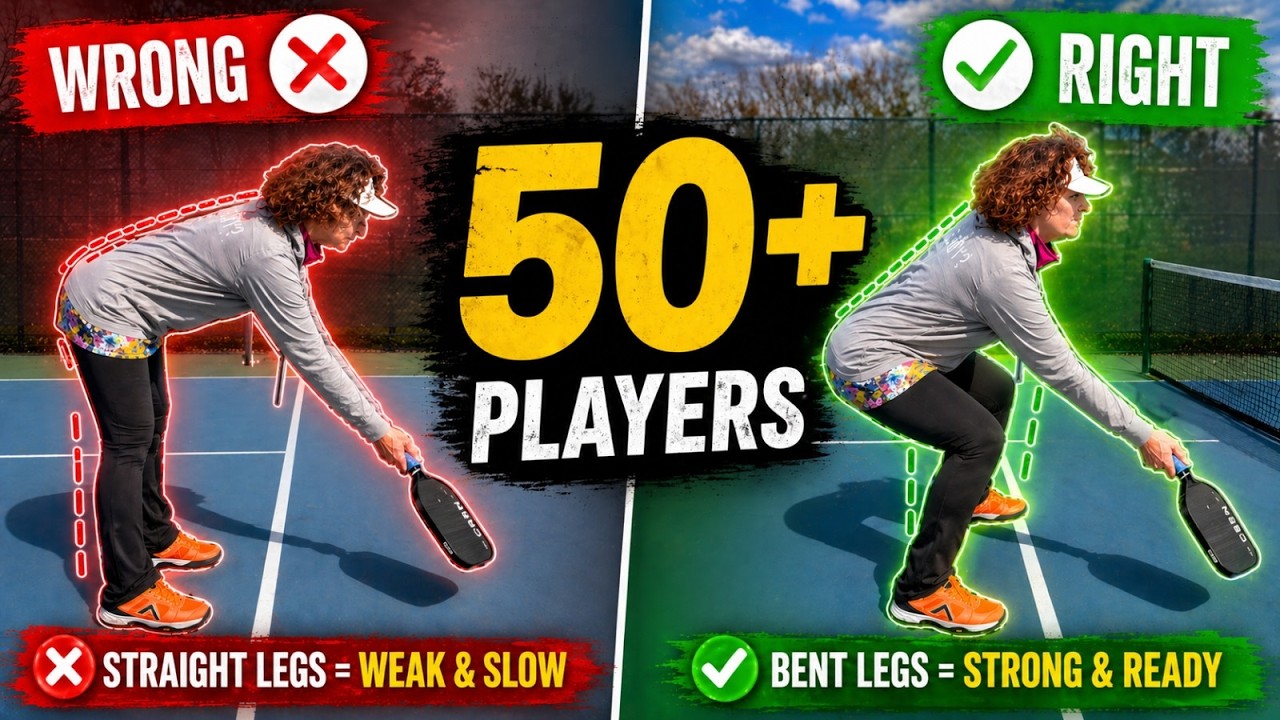
Dinking Drills You Can Practice Today
Mastering pickleball dinking requires physical practice. Here are 4 proven drills:
1. "Protect the Castle" Drill (Solo, 5 Minutes)
- Stand at kitchen line
- Dink ball against wall or to yourself
- Goal: 20 consecutive dinks without error
- Focus: Shoulder-only motion, no wrist break
2. Cross-Court Dinking Relay (Partner, 10 Minutes)
- Partner stands at opposite kitchen line
- Alternate cross-court dinking in the kitchen
- Goal: 30-shot rally without error
- Focus: 1 to 1.5 foot margin over net
3. Backhand-Only Dinking Challenge (Solo/Partner, 7 Minutes)
- Force all pickleball dinking to backhand side
- Goal: 15 consecutive backhand dinks
- Focus: Weak side development
4. Push Dink vs. Neutral Dink Switching (Advanced, 12 Minutes)
- Alternate between push and neutral dinking strategy every 3 shots
- Goal: 40-shot controlled rally
- Focus: Shot variety and opponent disruption
For a full drill library, the 12 drills you need to play your best pickleball in 2026 is the place to start.
 The Dink Media Team
Pickleball Dinking: The Full Breakdown
Every one of these pickleball dinking elements works together.
Know the technique, know the dinking strategy, understand why dinking is important, and you'll never lose a point to confusion again.
Beginners especially benefit from learning dinking in the kitchen fundamentals before worrying too much about power shots, because the soft game will govern every exchange you ever have.
The pros who abandoned the slice shot in 2025 did so precisely because dinking control proved more effective than spin-based approaches at the net.
 The Dink Media Team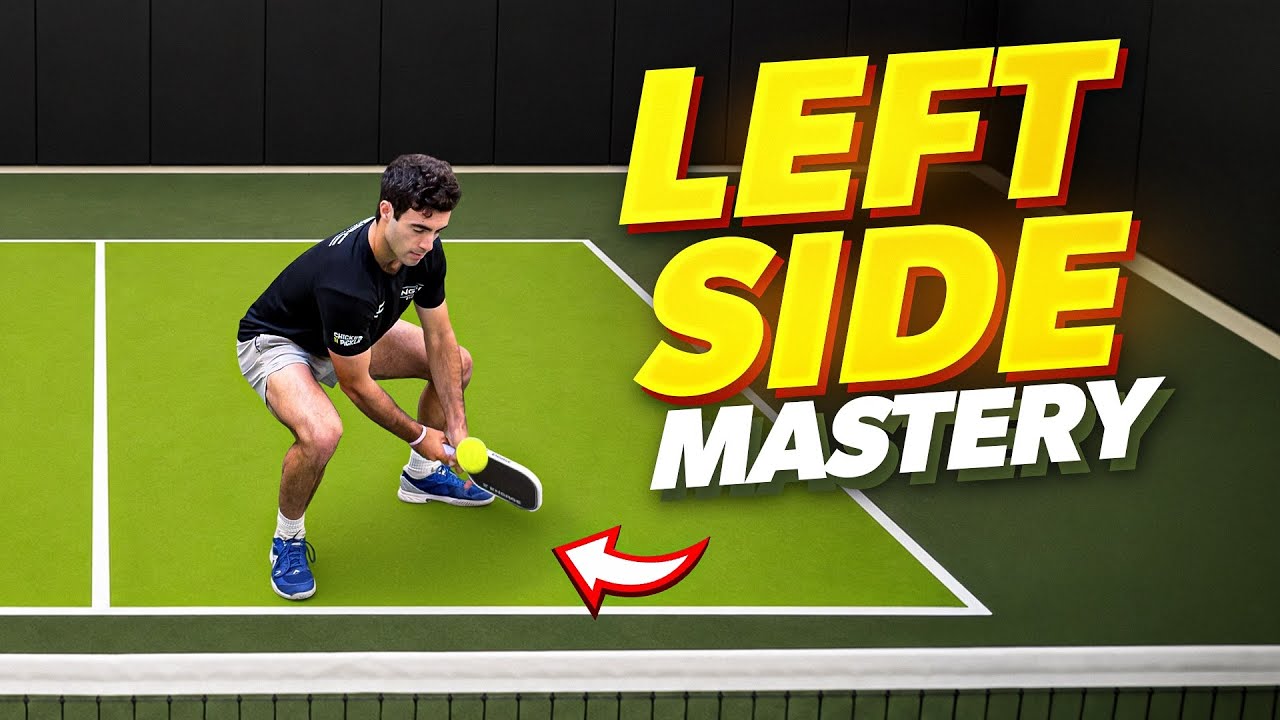
Key Takeaways
- Pickleball dinking is a soft shot hit on a bounce from the Non-Volley Zone (kitchen) that arcs over the net and lands in the opponent's kitchen, forcing them to hit upward.
- Why is dinking important? It eliminates opponent attacks, creates offensive pop-up opportunities, controls point rhythm, draws opponents to the kitchen line, and moves them laterally to open court holes.
- Dinking in the kitchen requires shoulder-only motion, no wrist break, low-to-high lift, open paddle face, and targeting the opponent's feet or backhand.
- Advanced dinking strategy includes targeting backhand, outside lines, center, and opponent's feet while mixing push dinks and neutral dinks.
- 2026 statistics show 89% correlation between dinking success and match wins at 3.5+ levels, with pro error rates of 3 to 5% vs. beginner rates of 25 to 30%.
Frequently Asked Questions
What is pickleball dinking?
Pickleball dinking is a soft, controlled shot hit on a bounce from the Non-Volley Zone that arcs over the net and lands in the opponent's kitchen. According to USA Pickleball, it is "a soft shot hit on a bounce from the NVZ intended to arc over the net and land within the opposing NVZ either straight across or diagonally crosscourt."
Why is dinking important in pickleball?
Dinking is important because it eliminates opponent attacks, creates offensive pop-up opportunities, and controls point rhythm at the kitchen line. Research from USA Pickleball shows that dinking success correlates with 89% of match wins at 3.5+ levels.
How do you execute proper pickleball dinking technique?
Proper pickleball dinking requires hitting the ball in front of your body with a low-to-high motion, keeping the paddle face open and head down, and using shoulder movement only with no wrist break. Maintain 1 to 1.5 feet of clearance over the net to keep the ball low and unattackable.
What are the most common pickleball dinking mistakes?
The most common dinking mistakes are over-swinging, breaking the wrist, standing too tall instead of bending your knees, and backing away from the kitchen line mid-rally. Each of these errors either elevates the ball into an attackable position or surrenders your court positioning.
What is the difference between a push dink and a neutral dink?
A neutral dink is a safe, standard reset shot meant to maintain the rally without risk. A push dink uses a slightly more aggressive forward motion to drive your opponent deeper into their kitchen and disrupt their balance.
How far is the kitchen line from the net for dinking?
The non-volley zone line is 7 feet from the net on both sides of the court, per USA Pickleball official rules. The entire 7-foot zone between the net and the kitchen line is where dinking in the kitchen occurs, meaning no volleys can be struck while standing inside it.
Love Pickleball? Join 100k+ readers for free weekly tips, news & gear deals.
Subscribe to The Dink