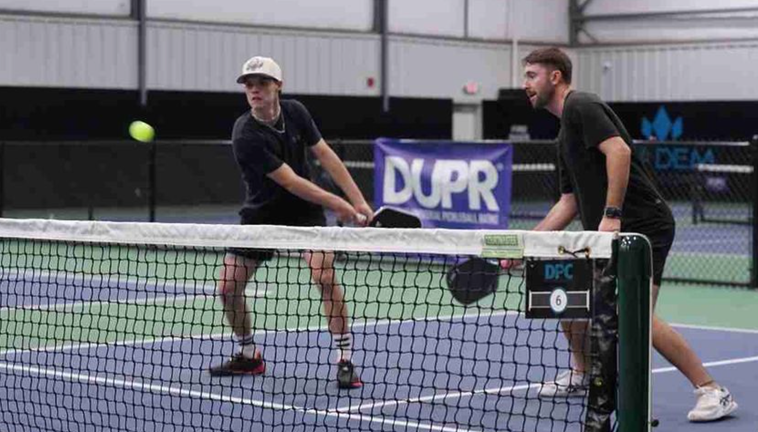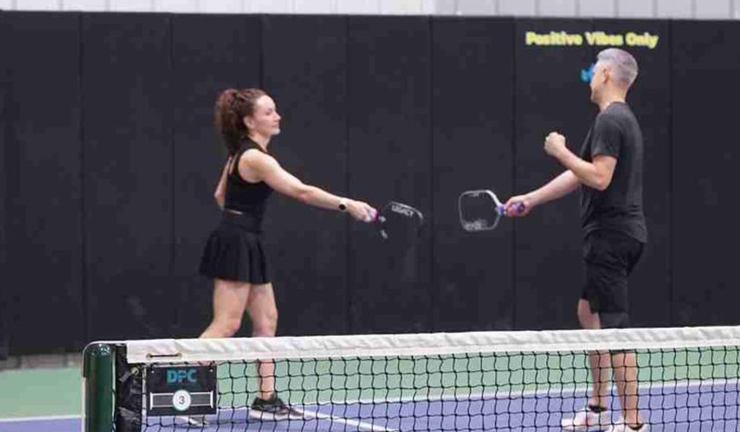


Left side dinking isn't just about taking more balls—it's about positioning, footwork, and court control.
Most players think left side dinking is just about reaching for more balls. They're wrong. It's actually a complete system of positioning, footwork, communication, and shot selection that separates elite players from everyone else on the court. Right side or left side: how modern doubles is rewriting the pickleball playbook is the strategic context that makes everything in this guide click.
Richard Livornese, a respected instructor and top APP pro, breaks down everything you need to know about controlling the left side in his latest video guide.
Whether you're a right-side player looking to improve teamwork or a left-side specialist wanting to level up, understanding these fundamentals will transform how you play.
Love pickleball? Then you'll love our free newsletter. We send the latest news, tips, and highlights for free each week.
The Foundation of Left Side Dinking: Out of the Air vs. Off the Bounce
Here's the thing about left side dinking — it all starts with your willingness to reach. You can't play passive on the left.
If you're hanging back, you're not applying pressure in the middle, and your opponents will roll you wide every single time.
The first skill to master is deciding when to take balls out of the air versus off the bounce.
Reaching first is always your default option.
When you take the ball out of the air, you cut down your opponent's recovery time.
They hit a dink, and before they're ready to reset, the ball's already coming back at their feet. This creates short hops and dead balls — exactly what you want.
But here's the reality: not every ball will be attackable out of the air. That's where your slice comes in.
The slice is your base building block, your foundation for everything else in left side dinking. Perfect the backhand slice dink with these 3 essential tips is the dedicated breakdown for building that slice into something you can rely on under pressure.
It's the shot you can hit all day long without thinking too hard about it.
Finding Your Position in the Kitchen for Left Side Dinking
Your movement on the left side should be confined to a specific box. Start by finding your spot in the middle of the court — that's your home base.
As the ball moves, you move with it.
When the ball scoots wide off your dink, take one step that direction. When it comes to the middle, slide back. This isn't complicated footwork.
You're moving from the middle to the sideline and back again. Master dink placement and your positioning becomes automatic.
The key is staying ready to reach both ways and prepared to take a slide step if an aggressive ball comes your way.
Clear space before you dink. When you're positioned on the left, your left foot should drop about six inches off the line.
This gives you room to swing through the ball without jamming yourself.
It's always easier to come up to the ball than to go back late, so clear that space early and use it to hit through the ball with authority.
Building Your Left Side Dinking Pattern for Kitchen Dominance
Once you're comfortable with basic positioning, it's time to develop what Richard calls a dinking pattern — a rhythm and sequence of shots that keeps your opponent off balance.
Start with a simple 50/50 cadence: hit 50 percent of your dinks wide and 50 percent to the middle.
This forces your opponent to hit different spots and creates errors through positional pressure alone.
You're not rolling aggressively; you're applying pressure by controlling where the ball goes.
Understanding how to master the dink across all its combinations is what separates good left side dinking players from great ones.
As you improve, expand to four different locations: middle, inside foot, outside foot, and wide. Each location serves a purpose.
Middle forces them to open up. Inside foot forces them to back up.
Outside foot puts them in an awkward position where they have to move one way or the other. Wide forces lateral movement.
The magic happens when you add the bump to your slice. Now you're creating pressure even faster by taking away time.
You're moving the ball around, shifting your spin, and looking for opportunities to attack. This is where left side dinking becomes an art form.
 The Dink Media Team
The Two-Handed Roll: Game Changer for Left Side Players
About a year and a half ago, something changed pickleball forever: the two-handed roll, or "twoey."
This shot has fundamentally altered how the left side is played.
The key to hitting a consistent twoey is preparation.
In your head, imagine pausing for a second before you hit it. You want to be waiting, hitting, waiting, hitting — never rushing.
When you rush your twoey, you pop the ball up, and that's a losing proposition.
Here's the technique: sink into your legs early, get your paddle down, and then push through.
Learn the essential two-handed backhand shots with pro Connor Garnett and your left side dinking motion doesn't have to look like anyone else's.
Hayden Patriquin, for example, has a completely different motion — tips down, simple push — but it works because it's consistent and controlled.
The reason players get nervous hitting the twoey against tall opponents is that they're worried about reach. The pro-level backhand dink: slice vs. two-handed roll breaks down exactly when to reach for each in your left side dinking exchanges.
But if you prep early, you can get the ball down even against players with significant height advantages.
Early prep and a simple motion beat large swings and weird timing every single time.
The Dink Media Team
Contrasting Your Shots: The Real Pressure in Left Side Dinking
Here's where most players miss the bigger picture. Left side dinking isn't about hitting one perfect shot over and over. It's about contrast.
When your opponent rolls the ball, you do something else. When you receive a roll, you apply pressure. Whoever masters this contrast will have success.
If your opponent goes aggressive, you reach heavy and look to flick, dink out of the air, short hop, or slice.
You're not rolling back to roll; that's a much more challenging pattern.
Avoid the deadly mistakes of aggressive dinking and the contrast principle becomes your most powerful left side dinking weapon.
Think about it this way: you have four different good locations, two different kinds of spin (slice and topspin), two different dinks out of the air (slice and bump), the possibility of opening up and running around the ball, and short hops and ATP shots as options.
There's no one right way to do it, but when you do it well, it looks like a coordinated dance.
The Dink Media Team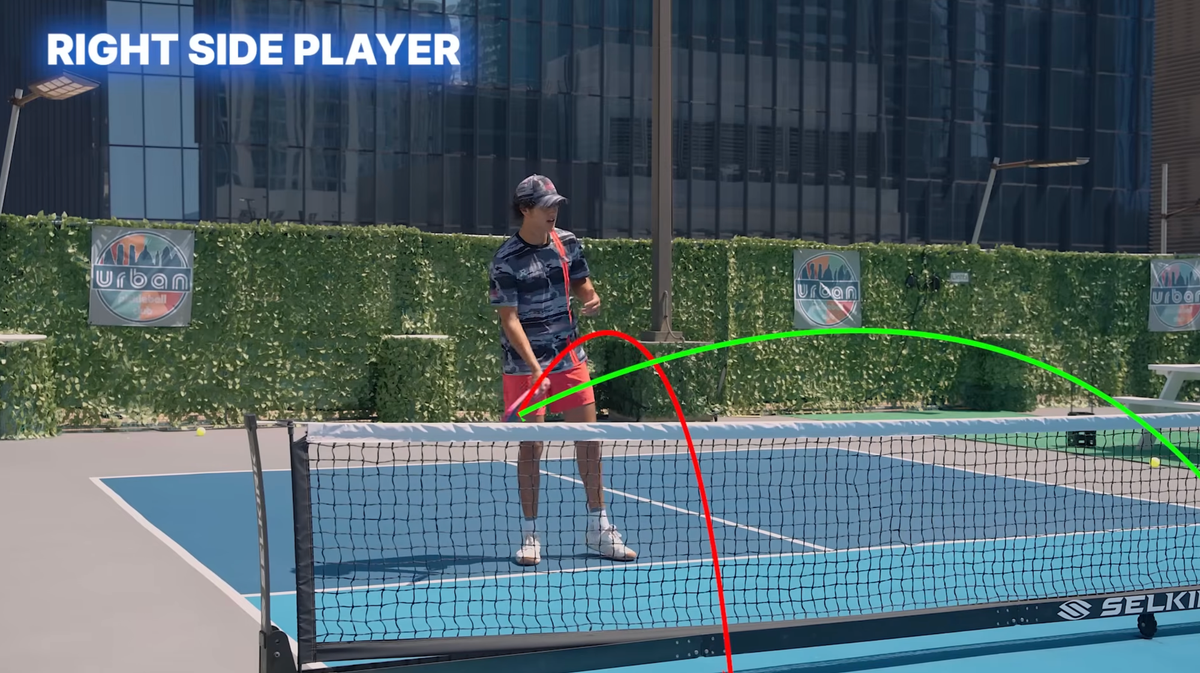
Master the Backhand Dink: The Left Side Dinking Foundation
The backhand dink is the cornerstone of left side play.
Whether you favor the slice or the two-handed roll, your backhand dink must be reliable under pressure.
Perfect the backhand slice dink before layering in the twoey, and you'll always have a safe shot to fall back on.
Early preparation is the great equalizer on the left. The backhand decision tree: one pro's real-time strategy for cooking at the kitchen gives you the in-match decision framework that makes every left side dinking choice feel automatic. How early you prepare buys you time and slows down the entire pace of the rally.
Opponents who rush see ugly mechanics and easy errors; players who prep early look smooth even when they're scrambling.
The Dink Media Team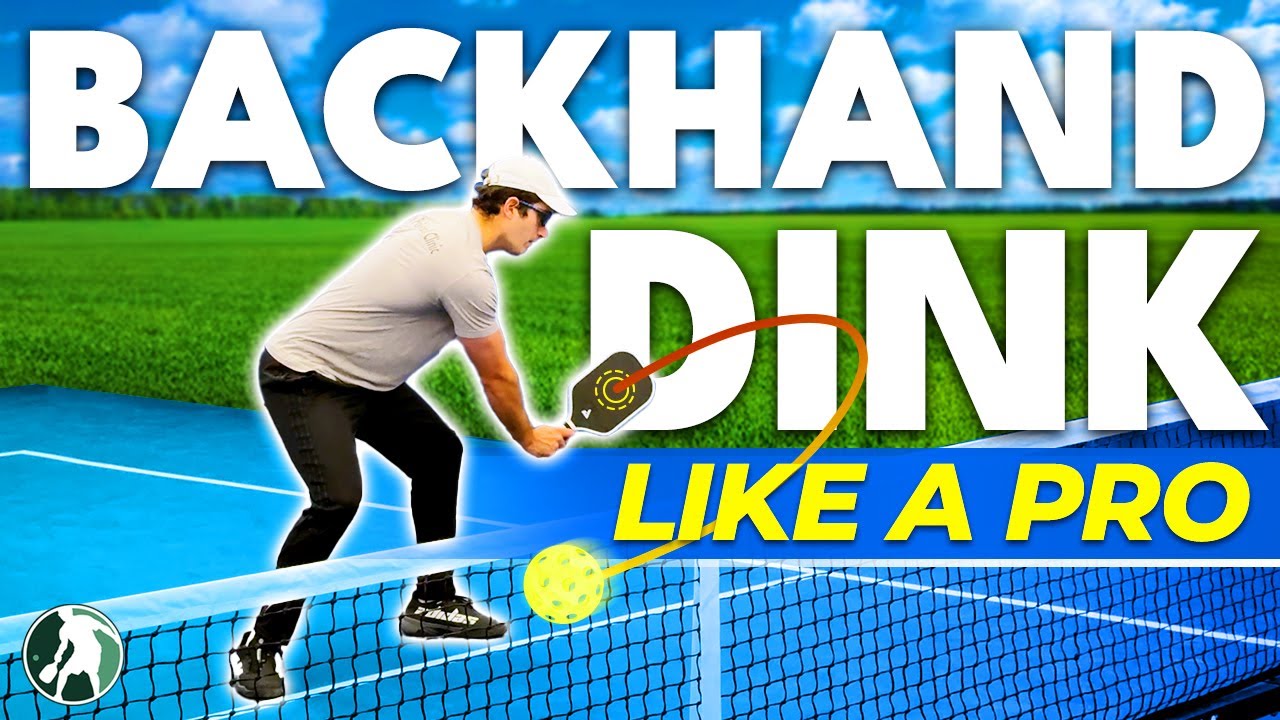
Reading Your Opponent: The Final Edge in Left Side Dinking
The last thing to master is observation. Every player has preferences. Some love to reach; others don't. Some prefer their twoey; others trust their slice more.
Take Zach, for example. He loves to reach and doesn't trust his twoey as much as his slice.
So when playing against him, mixing in more slices makes sense — it forces him to use the twoey, which he's less comfortable with.
You also keep the ball away from his very long reach by targeting his inside foot.
You don't give him many balls in a row to the same spot because he'll start reaching aggressively. Instead, you alternate: one wide, one middle.
With other players who don't reach like Zach, you might go 75 percent wide. With him, it's more like 50/50.
These adjustments come from playing many matches and getting reps. If you're not comfortable making these reads yet, experiment.
The key is using variance across the match — changing spin, location, and shot type, whether it's out of the air or off the bounce.
The 12 drills you need for your best pickleball in 2026 will build the muscle memory that makes these left side dinking reads feel natural.
The Dink Media Team
The Richie Recap: Putting Left Side Dinking All Together
When you combine all these elements, left side dinking becomes something special. It's the movement from middle to wide.
It's the reaching and backing up. It's the contrast between rolling and slicing. It's applying pressure through varied cadence.
This is how elite left-side players dominate.
They're not just taking balls; they're controlling the kitchen, dictating the pace, and forcing errors through intelligent shot selection and positioning.
Want to sharpen every element of your game alongside left side dinking? The 6 essential pickleball shots to master for 2026 is the perfect companion read.
Frequently Asked Questions
What is left side dinking and why does it matter in doubles?
Left side dinking is the complete system of shot selection, positioning, and movement used by the player stationed on the left side of a doubles team. It matters because the left side player controls the middle of the court, and whoever dominates the middle controls the rally.
What's the difference between slicing and bumping on the left side?
The slice is your base building block — the shot you can hit all day without overthinking it. The bump is a more aggressive out-of-the-air dink that takes away your opponent's recovery time. Use the slice as your foundation and add the bump as a second layer to create faster pressure.
How do I know when to take the ball out of the air versus off the bounce?
Reaching first is always your default. Take the ball out of the air whenever possible to cut down your opponent's recovery time. Use the slice off the bounce when the ball is too low or when you need to reset the point and slow the rally down.
What's the twoey, and why is it so important for left side dinking?
The twoey is a two-handed roll hit from the kitchen line. It's important because it creates immense pressure and forces short hops. The key is early preparation and a simple, consistent motion — never rush it or you'll pop the ball up.
How can I read my opponent's preferences and adjust my left side dinking?
Play many matches and get reps. Notice what shots they prefer, where they like to hit, and what makes them uncomfortable. Then adjust your shot selection and placement to exploit those tendencies — changing spin, location, and timing across the entire match.

Love Pickleball? Join 100k+ readers for free weekly tips, news & gear deals.
Subscribe to The Dink