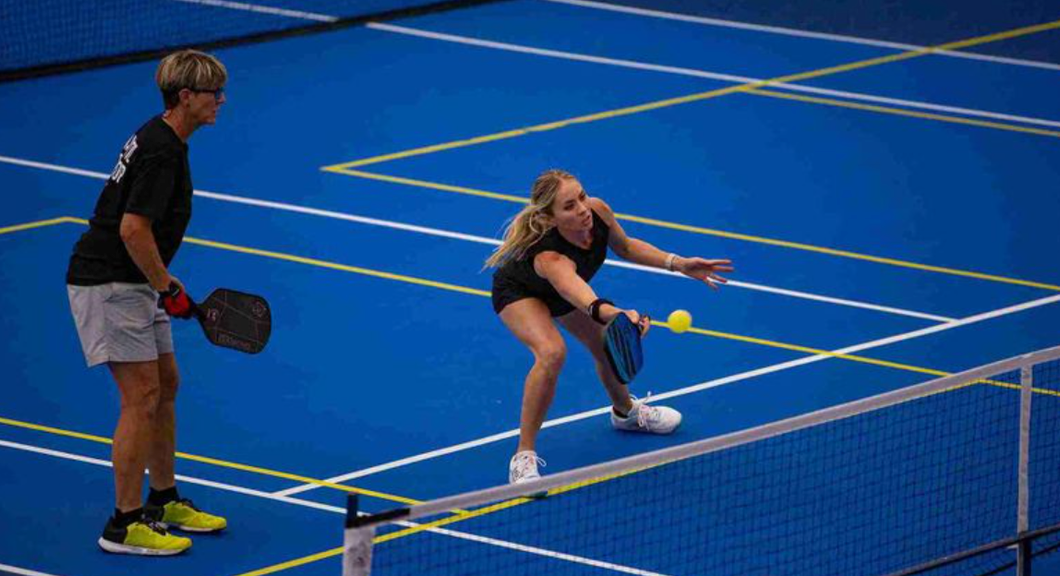
What to Do When Your Serve Keeps Getting Attacked in Pickleball
Here's what to do when your serve keeps getting attacked in pickleball: fix the depth, the spin, and the spot before your opponent teaches you a lesson.
You know the feeling. You toss the ball, strike your serve, and before you've even squared up, it's already coming back at your ankles.
That's what to do when your serve keeps getting attacked in pickleball, in one sentence: stop guessing and start diagnosing.
A serve that gets punished repeatedly is telling you something specific about depth, spin, or placement.
Most players never ask why. They just serve again and hope. Here's the thing: the best players treat their serve like a chess opening.
Weaponizing the pickleball serve starts with understanding why yours keeps landing in the strike zone instead of the danger zone.
That's pattern recognition, not raw power. Practicing with a purpose on your own time is where that gets built.
Love pickleball? Then you'll love our free newsletter. We send the latest news, tips, and highlights for free each week.
What to Do When Your Serve Keeps Getting Attacked in Pickleball
The direct answer: shorten your target window, add depth, and vary your spin so your opponent never sees the same look twice.
A serve with depth and disguise is a problem your opponent has to solve every point.
Every serve that gets crushed is really a return of serve conversation happening one shot early.
Your opponent has already won the point if they know where the ball's landing.
Deception on the pickleball serve is the antidote, and it's a skill you can build on purpose.
Why Does Your Serve Keep Getting Attacked in the First Place?
The direct answer is depth. Short serves, even hard ones, land inside your opponent's comfort zone and give them time to load up and drive.
Serve depth means how close your serve lands to the opponent's baseline.
A serve landing five feet inside the baseline gives a returner room to step in and swing freely.
Court placement off the serve works the same way it does anywhere else on the court: the closer to the line, the less time your opponent has to react.
A serve within a foot or two of the line forces a blocked return almost every time.
Where to return serve in pickleball depends entirely on where you put the ball first.
How to Fix a Serve That Keeps Getting Punished
Depth is step one. Spin is step two. A flat serve is easy to read. Add topspin and it kicks forward on the bounce, rushing the returner.
Master your topspin before you worry about anything else off the serve.
Slice skids low and kills the returner's timing.
Backing off on backspin is worth learning too, since mixing spins beats a predictable pickleball third shot off a predictable second shot.
Here's a short list of fixes that move the needle fastest:
- Push the depth first. Aim for the last three feet of the service box before you touch spin.
- Alternate your target every point. Body, backhand, forehand corner, never two in a row.
- Change your toss height slightly. A lower toss produces more disguise on contact.
- Slow your pre-serve routine down. Rushing leads to short, flat serves under pressure.
- Check your grip. Do you have a serve grip that supports spin, or are you just making contact and hoping?
What to Do When Your Serve Keeps Getting Attacked at the Kitchen Line
The direct answer: get there faster and lower. Even a perfect serve won't save you if you're flat-footed when the return comes back hot.
Split step as the returner makes contact. Advanced serve placement near the kitchen only pays off if your feet are already moving.
Intermediate players lose points right here. They hit a solid serve, relax, and get caught standing still.
Positioning yourself at the kitchen is a habit, not a one-time fix.
 The Dink Media Team
Return of Serve Situations That Demand a New Game Plan
Sometimes the problem isn't your serve.
It's what happens right after. A strong return of serve puts pressure on the serving team immediately, and a good serve can still turn into a lost point.
How to make the most of your return of serve matters just as much on defense as your serve matters on offense.
Watch how your opponent handles pace. Some players attack anything fast and struggle with soft, deep balls.
Others wait for pace and get flustered by spin. Targeting a specific weakness beats just serving to a spot. Scout it in the first two games and adjust by the third.
The Quick Fix for What to Do When Your Serve Keeps Getting Attacked in Pickleball
If you only remember one thing, remember this: depth beats power every time. A hard, short serve gets crushed.
A moderate, deep serve gets blocked back softly, exactly the ball you want on your pickleball third shot.
Make your third shot spicy once you're consistently getting that soft, floating look.
Practice this specifically. Serve ten balls aiming only for the last two feet of the box, no spin, just depth.
Solo drills you can run by yourself make this repeatable even without a practice partner.
Shot selection drills built around one variable build muscle memory faster than fixing everything at once.
 The Dink Media Team
Doubles vs Singles: The Attack Changes by Format
What to do when your serve keeps getting attacked in pickleball depends on the format you're playing.
In doubles, a weak serve gets punished by whichever partner has the stronger return, and that partner is already crashing the net expecting a pop-up.
Doubles strategy around T and sideline placement becomes critical because you're picking which returner you'd rather deal with.
In singles, the entire court is yours to defend, so a short serve gets attacked with pure pace since there's no partner poaching.
Court coverage after the fourth shot looks completely different by format, and your serve strategy should shift with it.
Under USA Pickleball's current rulebook, the serve must be struck underhand with the paddle head below the wrist, which limits how much raw power you can generate compared to an overhand tennis serve.
That's exactly why depth and placement beat pace off the serve.
Three options from the baseline apply just as much to your serve decisions as they do anywhere else in a rally.
 The Dink Media Team
What to Do When Your Serve Keeps Getting Attacked in Pickleball: Recovering the Point
Even with a great serve, some returns come back hot. Block, don't swing.
A firm, compact block redirects pace instead of fighting it, and buys you time to reset.
That's part of what to do when your serve keeps getting attacked in pickleball even after a solid toss.
Return, block, or smash is a decision you make in a split second, and blocking is almost always the safer read.
If the return is too hot to block cleanly, take the pace off completely. A soft reset shot over the net kills the rally's momentum.
Resetting better under pressure is a skill you can drill on purpose.
Mid court decision making separates players who recover the point from players who watch it slip away.
 The Dink Media Team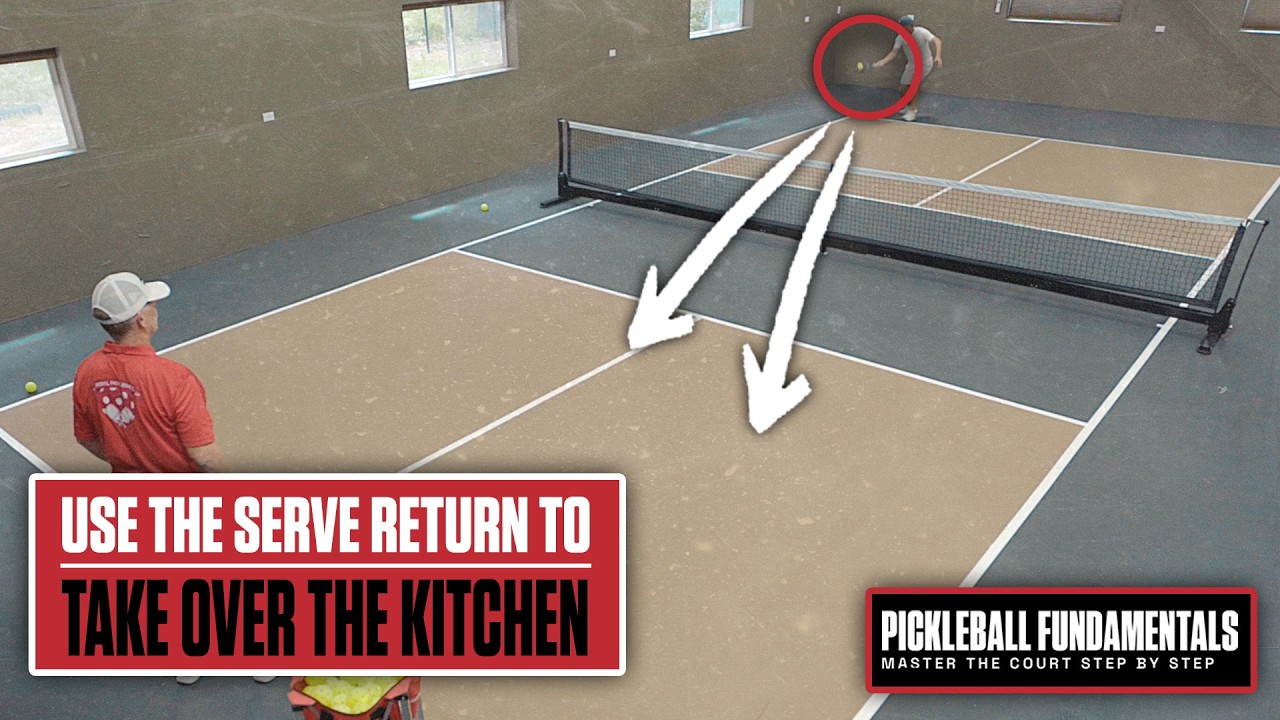
The Long-Term Fix for What to Do When Your Serve Keeps Getting Attacked in Pickleball
This is the real answer to what to do when your serve keeps getting attacked in pickleball long term: build one that's consistently difficult to load up on, not one that occasionally lands deep.
How to become unattackable in pickleball isn't about hitting harder. It's about removing the predictable patterns that let opponents anticipate before contact.
Track your own tendencies for a week. Do you always serve to the same corner on big points?
Good shot or bad positioning is worth asking after every lost rally, since sometimes the serve was fine and your follow-up position broke down.
Confidence matters too. Players who serve tentatively serve short, and short serves get punished.
Focus on your strengths, not your weaknesses when you step up to serve. Commit and swing with intent.
Players who transition from baseline to kitchen line within three shots see measurably better outcomes than those who linger back, per DUPR's published player development data.
Talking transitions again: your serve is only half the battle.
If the return sails high and slow, don't smash it into the net.
A well-placed lob resets the point in your favor. The lob doctor has a prescription for that exact scenario.
A well-timed drive off the fifth shot flips pressure back onto your opponent, and a well-drilled pressure zone read tells you when to pull the trigger.
 The Dink Media Team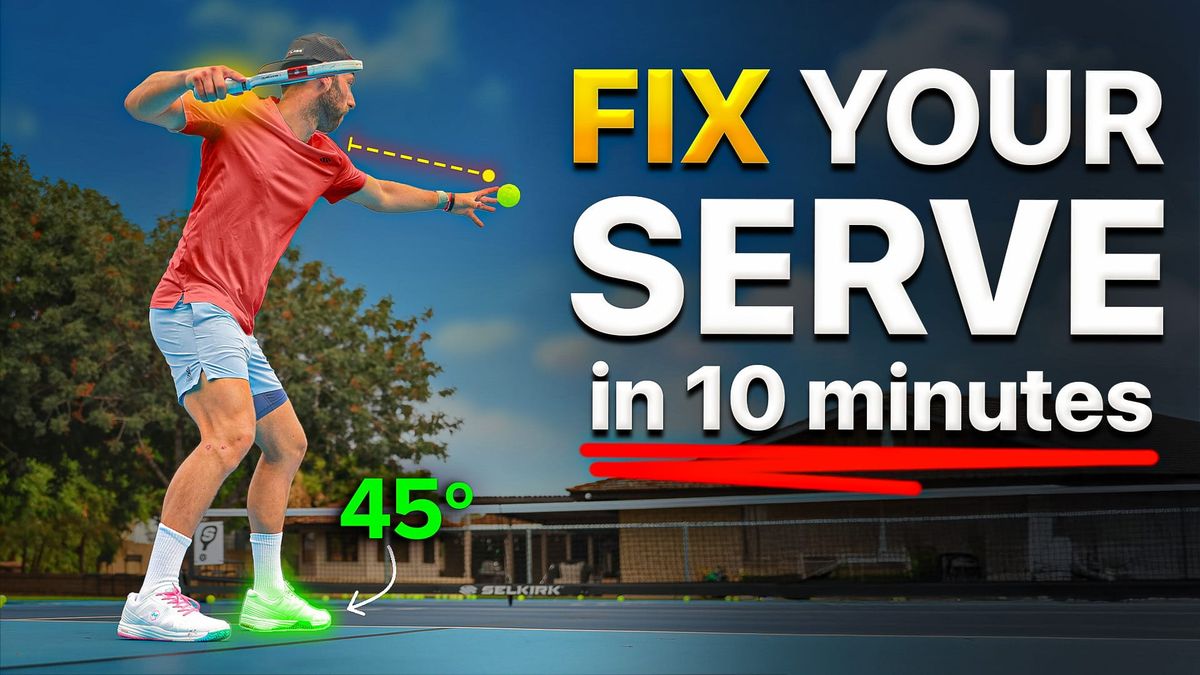
Key Takeaways
Here's what to do when your serve keeps getting attacked in pickleball, condensed into five moves:
- Depth beats power. A serve landing near the baseline is far harder to attack than a short one.
- Vary your spin and target, mixing looks the way a strong backhand read forces a returner to guess.
- Move on contact. Split step as the return happens.
- Know your opponent's tendencies. Adjust based on what they attack.
- Block before you swing. A firm block beats a rushed return.
Frequently Asked Questions
What should I do when my serve keeps getting attacked in pickleball?
Focus on depth first, then add spin variation and change your target between the body, forehand, and backhand corners. That's the core answer: a deep, disguised serve is far harder to load up on than pure power alone.
Why does my serve keep getting attacked even when I hit it hard?
Pace alone doesn't beat a good returner. If your serve is landing short or flat, opponents have time to load their swing regardless of speed. Depth and placement matter more than power under USA Pickleball's underhand serve rules. A figure-8 footwork drill can help if rushed footwork is what's making your serve short in the first place.
Is topspin or slice better for a serve that keeps getting attacked?
Both work, and mixing them is better than committing to one. Topspin kicks forward and rushes the returner's timing, while slice skids low and stays short off the bounce. One of the hardest drills in the sport is learning to switch between these spins on command instead of picking one and sticking with it. Alternating keeps your opponent from settling into a rhythm.
How do I recover if my serve gets attacked anyway?
Block the return instead of swinging at it, especially if the ball comes back with pace. If it's too hot to block cleanly, take the pace off with a soft reset shot to neutralize the rally instead of losing the point outright. Drive technique only comes into play once the ball sits up enough to attack safely.
Does return of serve strategy change between singles and doubles?
Yes. In doubles, opponents often target whichever partner has the weaker return, so serve placement should account for both players. In singles, expect pure pace since there's no partner poaching, meaning depth becomes even more important to slow the returner down. Raising your overall pickleball IQ is really what ties all of this together, match after match.

Love Pickleball? Join 100k+ readers for free weekly tips, news & gear deals.
Subscribe to The Dink