
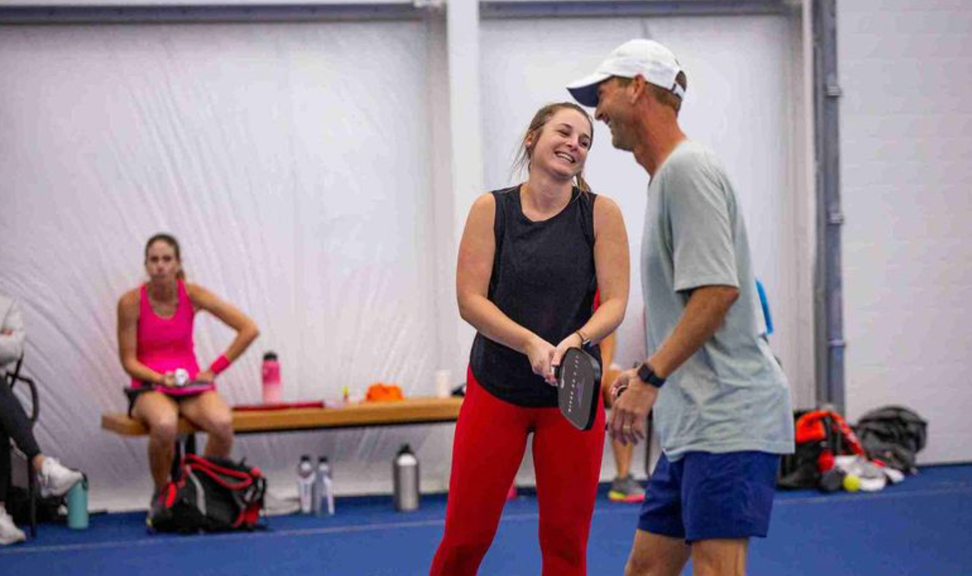
How to Play Smart When Playing Against Younger Faster Opponents
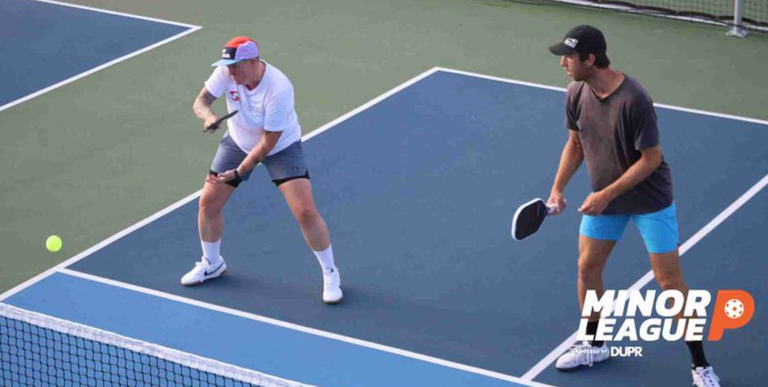
Playing against younger faster opponents comes down to pace control, not foot speed.
Here's how to use height, depth, and placement to make athleticism work against them.
Playing against younger faster opponents is the quickest way to find out whether your game is built on athleticism or on actual skill.
You know the matchup.
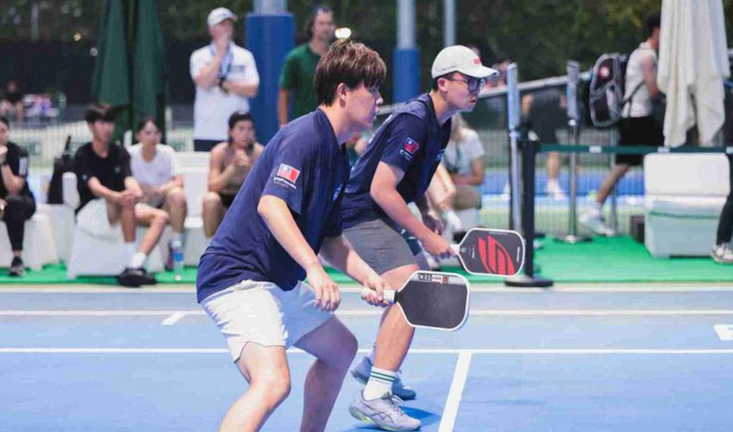
Two twentysomethings bounce onto the court, rip a few warm-up drives into the fence, and your partner's heart rate spikes before the first serve.
Here's the thing: speed only wins when you feed it.
Give a fast player a high ball and they'll put it away. Give them seventeen low ones in a row and you'll watch the whole engine stall.
Love pickleball? Then you'll love our free newsletter. We send the latest news, tips, and highlights for free each week.
Why Does Playing Against Younger Faster Opponents Feel So Hard?
Because they convert your mistakes into points faster than anyone else on the schedule. They're not out-thinking you. They're out-reacting you.
Young legs run down lobs you thought were winners, cover the middle on balls that used to split the court, and turn one floaty dink into a point that ends before you've reset your paddle.
So stop playing the game they want. Most players lose this matchup by matching pace, swinging harder, and rushing shots that never needed rushing.
The counter is quieter. You take away the attackable ball and let them beat themselves, which is exactly what early preparation and pace control are built for.
Slow the Ball, Not Your Feet
Lower the ball and you lower their ceiling. The non-volley zone extends seven feet from the net on each side, and nobody can volley from inside it.
That rule is your best friend here, and it's why kitchen line discipline decides this matchup.
A ball that lands soft in that seven-foot box has to be hit upward, and upward means they can't hurt you with it.
USA Pickleball describes a dink as a soft, controlled shot that arcs over the net and lands in the opponent's kitchen, hit not to win the rally but to neutralize their advantage and force the first error.
When you're playing against younger faster opponents, that's the whole strategy in one sentence.
Get comfortable with the difference between offensive and defensive dinks and you'll stop giving away free attacks.
What Exactly Makes a Ball "Unattackable"?
An unattackable ball is any shot that forces your opponent to make contact below the top of the net. That's it.
Below net height, physics makes them lift the ball, and lifting the ball hands the attack back to you.
Above net height, even by a couple of inches, a quick 25-year-old is already loading up.
Which means your real opponent isn't their speed. It's your own pop-up.
If you're floating one every third rally, fix the pop-up first, because no tactic survives a sitter.
The habits of elite dinkers are mostly habits of players who refuse to lift the ball.
How Should You Serve and Return When Playing Against Younger Faster Opponents?
Deep and boring.
A deep return pins them behind the baseline and buys you the extra half second you need to get to the line, which is why return placement matters more than return pace.
Fast players love short returns because they get to attack from inside the court.
Then there's the third shot. USA Pickleball calls the drop the primary third shot precisely because it lets the serving team follow the ball in.
Their own coaching rule is simpler than most of what you'll hear at the rec center: drop low balls, drive high balls, and follow your shot in.
Learn all five third shots so you're choosing one instead of defaulting to one, and tighten the drop itself in practice.
 The Dink Media Team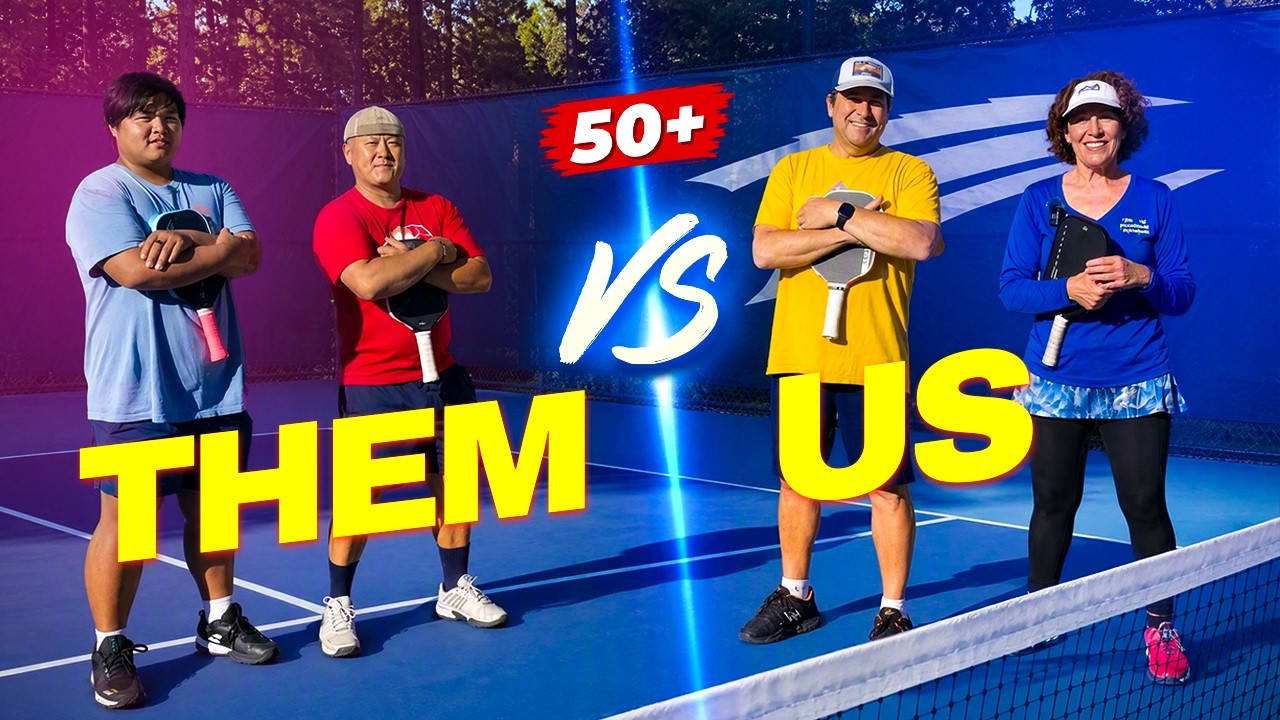
Geometry Beats Foot Speed Every Time
Make them cover distance instead of covering up your errors. A fast player moving laterally with a stretched-out paddle is a fast player hitting a defensive ball.
USA Pickleball's intermediate guidance is specific about this: dink crosscourt to the outside foot, mix in middle dinks, and use soft blocks to reset speed-ups.
Three targets do most of the damage when you're playing against younger faster opponents. The outside foot pulls them off the court and opens the middle.
The middle creates hesitation between partners, especially if they haven't settled who covers it.
And the body, right at the dominant hip, jams the swing path of every big hitter alive. Attacking the right spots is free speed you don't have to generate.
Honestly, the best tell is their eyes.
Learning to read where your opponent is looking buys you more time than any amount of sprint training will, and time is the thing you're short on.
Is the Lob Worth It Against Fast Legs?
Sometimes, but only as a surprise.
Young players recover on lobs you'd win against anyone else, so use it once an hour, not once a game, and only when both of them are leaning hard into the kitchen.
If you're going to throw it, throw a good one with height and depth rather than a half-committed floater that comes back twice as hard.
 The Dink Media Team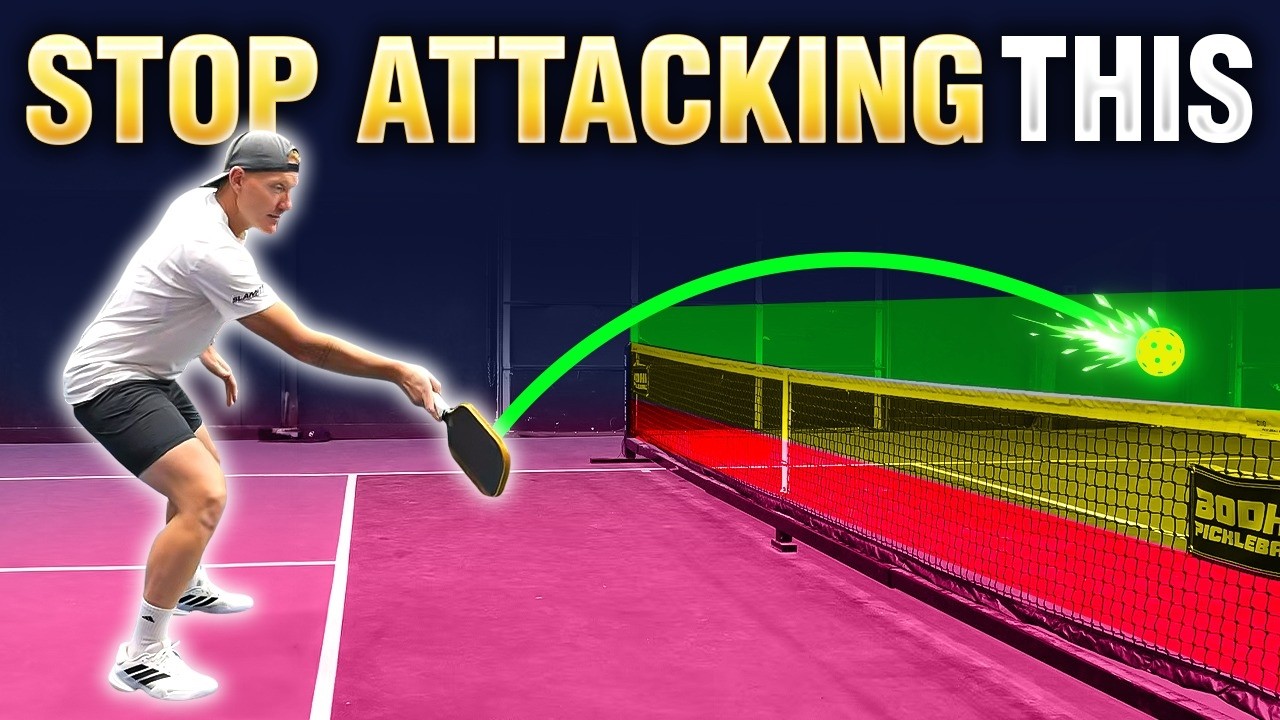
Winning the Patience Battle When Playing Against Younger Faster Opponents
Patience is a weapon, not a personality trait.
The player who ends the rally first usually loses this matchup, and younger opponents are almost always the ones itching to end it.
Your job is to make the rally longer than their attention span.
That means knowing when to attack and when to absorb.
Build yourself a simple decision matrix for attacking versus resetting so the choice isn't emotional in the moment.
It also means getting genuinely good at the reset, because every hard ball they hit is an invitation to panic, and a soft block kills the point's momentum entirely.
Call it boring pickleball if you want. Boring wins.
One more positioning note: a slight stagger with your partner covers the lob and the speed-up at the same time, which matters when one of you reacts a half step slower than the other.
 The Dink Media Team
What Should You Drill Before Playing Against Younger Faster Opponents?
Drill the three skills that hold up under pressure, not the ones that look good in warm-ups.
- Crosscourt dink patterns. The Figure 8 drill builds the crosscourt-to-middle movement you'll use all match.
- Hands speed at the line. Block-first, then counter. Fridge and toaster is the fastest way to stop flinching.
- Legs and base. You don't need to be fast, but you do need to be stable. Lower body work and a real dynamic warm-up keep you balanced in the fourth game, and balance is where accuracy comes from.
If you're on the older side of this matchup, grip, footwork and net-play mechanics will return more points per hour of practice than anything else on this list.
 The Dink Media Team
Key Takeaways
- Playing against younger faster opponents is a pace problem, not a speed problem. Control the height of the ball and their athleticism has nothing to attack.
- Keep opponents hitting up: below net height means they can't drive it.
- Return deep, pick the right third shot, and get to the kitchen line.
- Use crosscourt, middle and body targets to make them move instead of trying to outrun them.
- Reset the hard balls, stay consistent, and let their impatience do the rest.
Frequently Asked Questions
Is dinking always the right play against younger faster opponents?
No. Dinking wins when the ball is low, but a high ball should still be driven or attacked. USA Pickleball's shot-selection rule for intermediate players is to drop low balls, drive high balls, and follow your shot in. Dinking is a tool for neutralizing their speed, not a blanket instruction to slow everything down.
What's the biggest mistake older players make in this matchup?
Trying to match power. Swinging harder produces higher balls, and higher balls are exactly what fast hands feed on. The better adjustment is deeper returns, softer third shots and more disciplined dinking technique.
How do I handle constant speed-ups at the kitchen?
Keep your paddle out front and steady, and block rather than swing. A soft block drops the ball back into the non-volley zone and resets the rally. Most speed-ups from younger players are low-percentage attacks on balls that weren't actually attackable.
Should I lob more against faster opponents?
Lob less often, but lob better. Young players recover on anything short, so save it for moments when both opponents are crowding the kitchen line and commit to real height and depth when you use it.
Does paddle choice matter when playing against younger faster opponents?
A little. A control-oriented paddle makes resets and dinks easier to keep low, which supports the entire strategy here. It won't fix shot selection or positioning, though, so treat it as a small edge rather than a solution.

Love Pickleball? Join 100k+ readers for free weekly tips, news & gear deals.
Subscribe to The Dink