
Third Shot Drop vs Drive: How to Make the Right Choice Every Rally
Knowing when to hit the third shot drop vs. drive is all about reading the rally and choosing the shot that actually works. This guide breaks down when to drop, when to drive, and how to stop guessing on ball three.
The third shot drop vs drive pickleball debate has tripped up more players than any other decision on the court.
Not because the shots are hard to understand, but because most players are trying to answer the wrong question. They pick a shot before the rally even starts.
And then they stick with it no matter what.
That's the problem. The answer isn't "always drop" or "always drive." The answer is read the situation first.
Love pickleball? Then you'll love our free newsletter. We send the latest news, tips, and highlights for free each week.
What Is the Third Shot, Anyway?
Quick definition for anyone who needs it: the third shot is the serving team's first opportunity to neutralize the point. The serve is shot one.
The return is shot two. Shot three belongs to the serving team, and it's arguably the most decision-heavy moment in doubles pickleball.
The returning team is already at the kitchen line. You're stuck at the baseline. Your job is to get to the net without getting torched.
Five shots you need to know in pickleball starts with this one for a reason.
Here's the thing: there's no universally correct third shot. There's a correct third shot for the situation you're in right now.
The Third Shot Drop vs Drive Pickleball Case in Plain Terms
The third shot drop is a soft, arcing shot aimed to land in the kitchen (the non-volley zone).
It takes pace off the ball, forces the opposing team to hit up, and lets you and your partner advance toward the net under control.
Done well, it's neutralizing. Done wrong, it floats and becomes an easy putaway for the other side.
The third shot drive is a flat, hard shot, usually aimed at the opponents' feet or bodies, designed to create pressure immediately.
You're not trying to advance to the kitchen with a drive. You're trying to force a weak return that you can attack, or earn an outright winner.
Think of it this way: the drop buys time; the drive creates chaos. Both are valid. Both have contexts where they shine and situations where they'll hurt you.
For a deeper look at how this same decision plays out on ball five, drive vs drop on the fifth shot covers the follow-up read.
 The Dink Media Team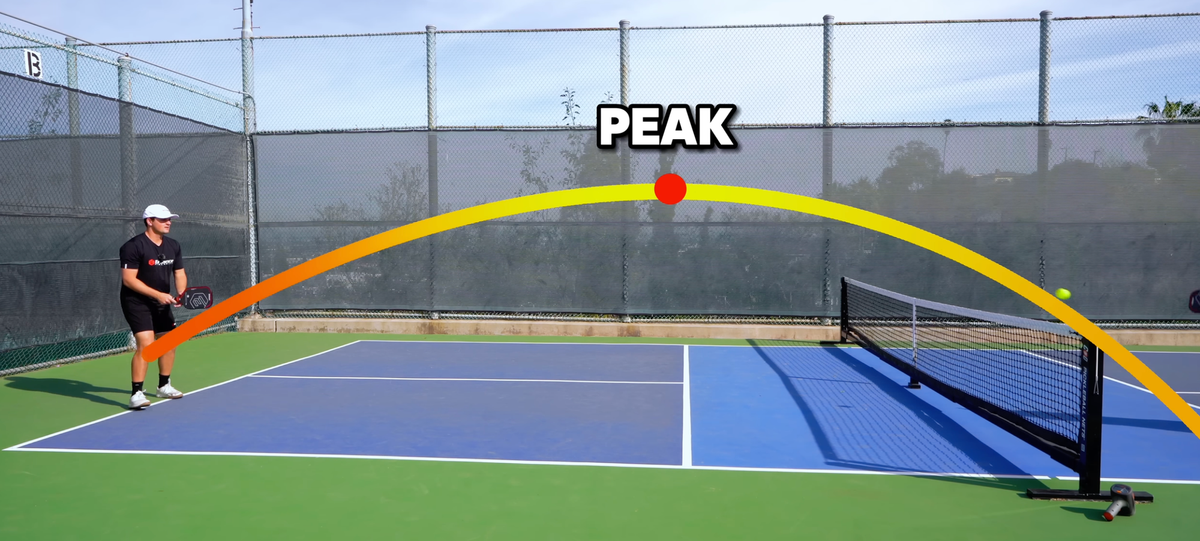
When Should You Use the Third Shot Drop?
The drop is your default when the return is deep and you're under pressure.
If the return lands deep in your kitchen or mid-court, you're already on the back foot.
Driving from that position gives the opponent an easy put-away. The drop buys you time to move forward.
More specifically, use the third shot drop when:
- The return is deep. You're near the baseline. A drive would have to travel farther and is easier to attack. The drop keeps the point alive.
- You want to advance to the kitchen. The whole point of pickleball is winning the net. The drop is how you get there safely. How to position yourself at the kitchen explains what to do once you arrive.
- Your opponents are disciplined at the line. Some teams are rock-solid up front, fast hands, good positioning. Driving into them is a coin flip. A drop resets the dynamic.
- You're in a long rally and need to reset. The drop isn't just a third shot tool. It's also a reset weapon. Reset better is worth revisiting here.
There's a reason the third shot drop is the signature move of intermediate-to-advanced play. It requires soft hands, a consistent arc, and composure. If you're still developing yours, make your third shot spicy is worth your time.
The Dink Media Team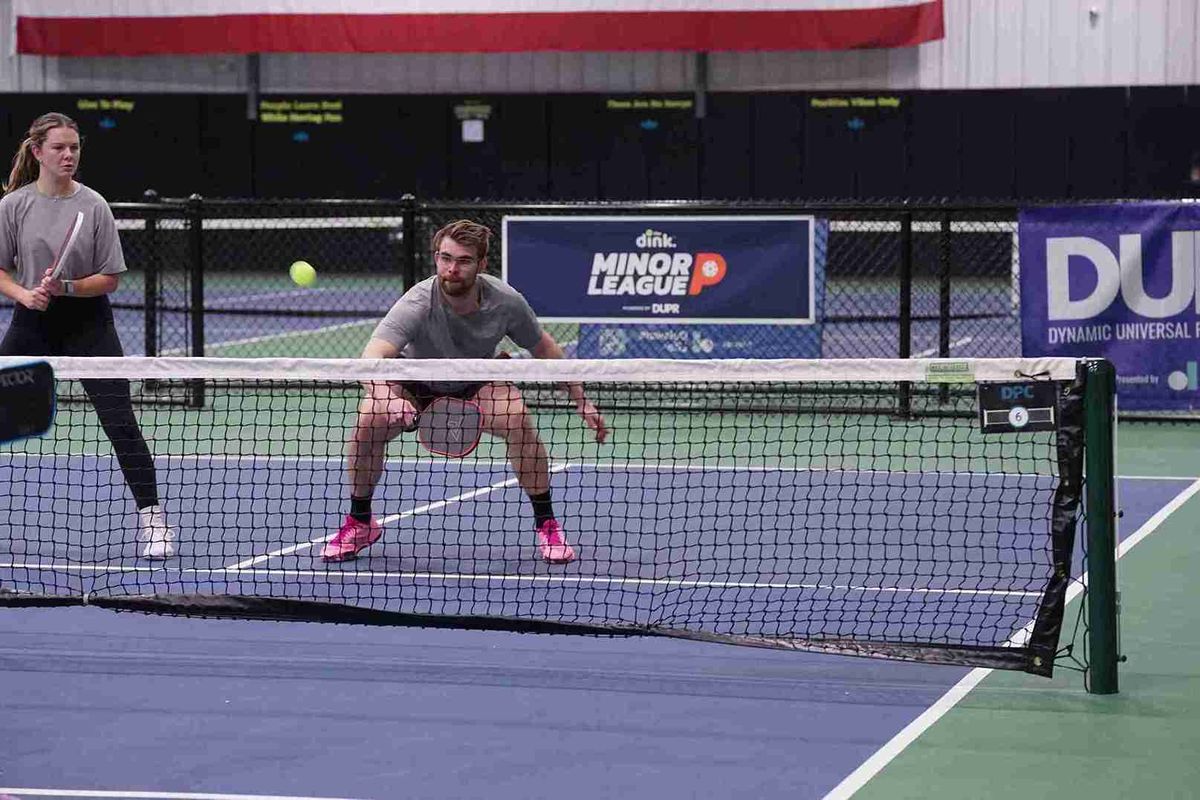
When Does the Third Shot Drive Make More Sense?
Drive when the return is short and you have pace to work with. A short return lands around mid-court.
You've got a favorable position and the ball is sitting up. That's your green light.
Use the third shot drive in pickleball when:
- The return is short. If the ball lands inside the transition zone, driving is a legitimate attacking move. You don't need the drop to neutralize, you're already in a strong position.
- Your opponents are out of position. If someone is late getting to the kitchen, or they're staggered, a hard drive can exploit the gap. Doubles strategy on T and sideline placement has more on reading those gaps.
- You have a loaded forehand and the angle works. Some players have a weapon-grade forehand. Use it when the geometry lines up, crosscourt drives that land at the opponent's feet are genuinely difficult to handle.
- You want to apply early pressure in the match. Mixing in a few early drives keeps opponents honest. If they know you only drop, they'll creep closer and take those drops right out of the air. How playing the percentages can help you win more makes this case well.
Heads up: hundreds of thousands of pickleballers read our free newsletter. Subscribe here for cutting edge strategy, insider news, pro analysis, the latest product innovations and more.
Here's the catch though.
Driving from a defensive position, deep in the court, on a high-bouncing return, is one of the most common unforced errors in amateur pickleball.
The math just doesn't work. You're hitting from distance, through a net, toward opponents who have all day to react.
The Dink Media Team
What Does the Pro Game Tell Us About Third Shot Selection?
At the highest level, the drop is still king, but the drive is gaining ground. Watch Ben Johns.
Watch JW Johnson. They're not picking one shot and riding it; they're genuinely reading the return every single time.
What separates elite players isn't just execution. It's that they've eliminated the pre-decision.
They don't decide on the third shot before the return lands. They let the return tell them what to do.
According to research on rally dynamics in fast-twitch racquet sports, players who make situation-based decisions significantly outperform those who rely on default patterns, especially under pressure.
That's not unique to pickleball, but it applies perfectly here.
For shot selection drills that build this kind of in-game decision-making, advanced pickleball drill: shot selection and creation is one of the better resources out there.
The Dink Media Team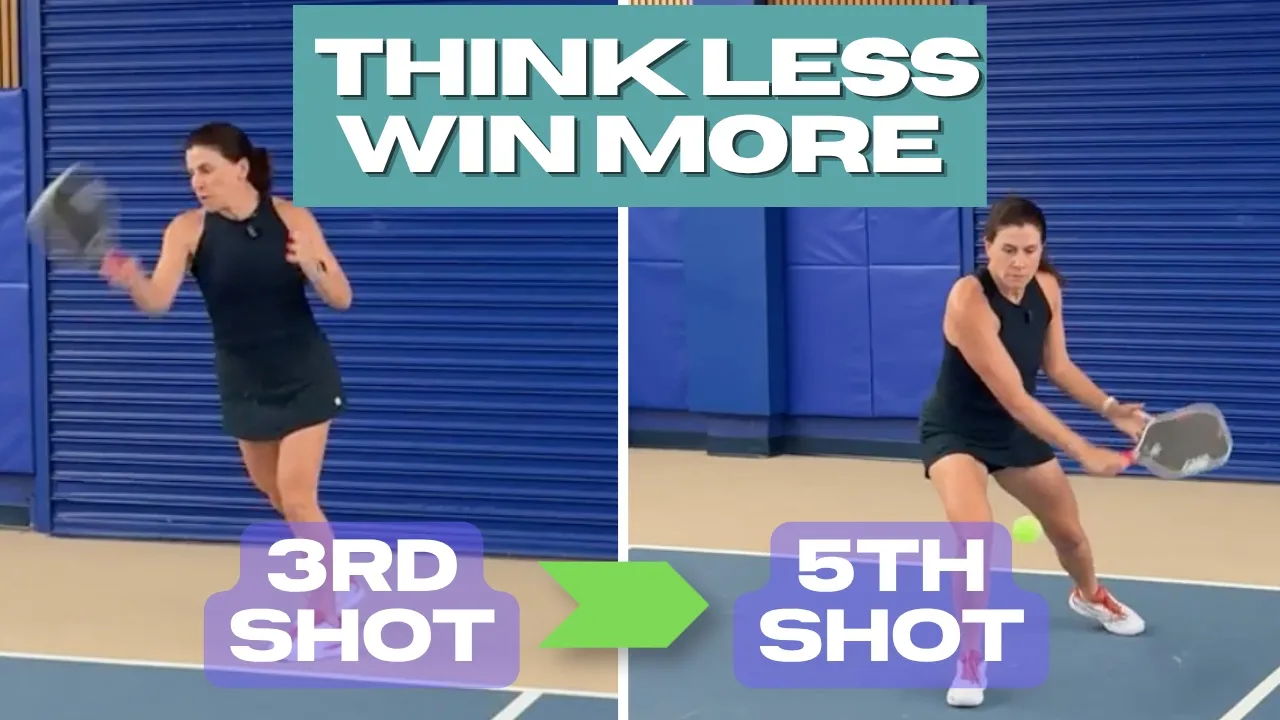
How to Read the Return and Choose in Real Time
This is the practical piece. You need a framework you can actually use mid-rally, not a theory you have to think about.
Read the return at the moment of contact. Not when it bounces. Not when it reaches you. Right as your opponent hits it. That gives you the most time.
What are you reading?
- Depth. Deep return (past the service line toward the baseline) = lean toward the drop. Short return (lands between the kitchen line and the service line, in the transition zone) = lean toward the drive.
- Height. High bounce = harder to drive effectively because the ball is above the net and creates a downward angle for opponents. Low skidding return = opens up the drive.
- Pace. Fast, hard return = use the pace, drop is harder to execute cleanly under fast pace. Slow, loopy return = you have time to set up a quality drop.
- Opponent position. If both opponents are still moving toward the kitchen, drive. If they're already set, drop.
Three options from the baseline and when to use them goes deeper on this read-first framework.
The goal isn't to master one shot. The goal is to get comfortable enough with both that neither feels forced. When the drop is automatic, you can drive.
When the drive is in your arsenal, your drop becomes more effective, because your opponent can't cheat on it.
That's the real edge in the third shot drop vs drive pickleball decision: unpredictability, backed by solid execution on both options.
The Dink Media Team
The Transition Zone Problem Nobody Talks About
Here's what gets overlooked in the drop-or-drive debate: the transition zone.
Most players focus so hard on the decision itself that they forget where they end up. Drive the ball and your opponent resets it softly into the kitchen.
Now what? You're still at the baseline. You've gained nothing.
The drop succeeds when it's part of a forward movement plan. Drop, move, drop again if needed, get to the kitchen, then attack.
Talking transitions again covers why the zone between the baseline and kitchen is where points are actually won and lost in doubles.
And mid-court pickleball tips gives you the specific footwork and positioning adjustments to stop getting stuck there.
The Dink Media Team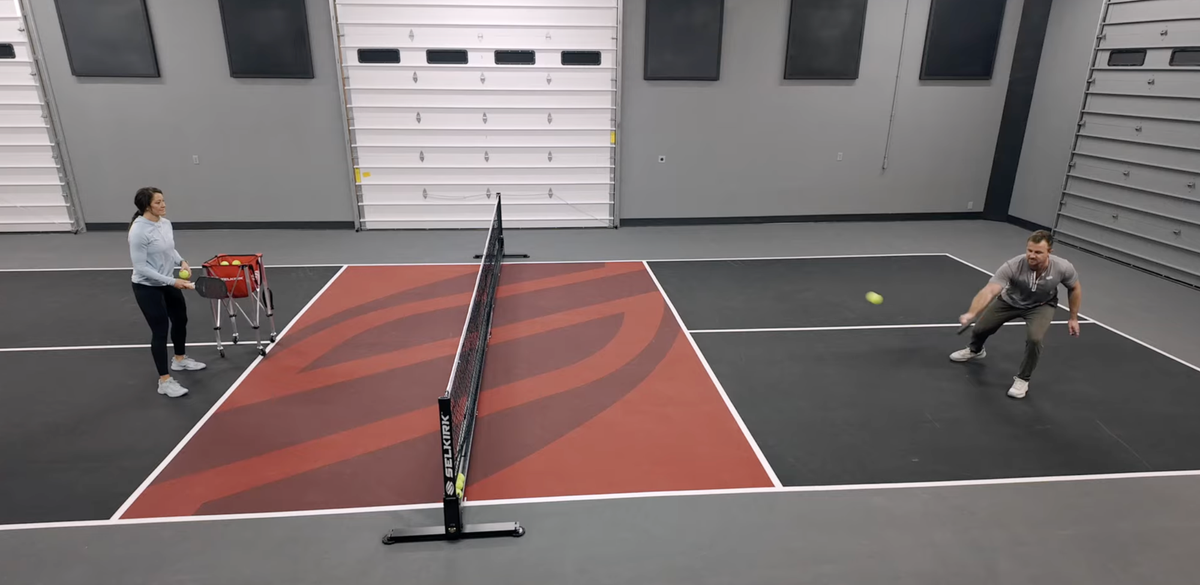
Key Takeaways
- The third shot drop vs drive pickleball decision is situation-dependent, not a default setting.
- Drop when the return is deep, you're under pressure, or your opponents are locked in at the kitchen.
- Drive when the return is short, your opponents are out of position, or you have a loaded weapon to deploy.
- Read the return at the moment of contact: depth, height, pace, and opponent position are your four variables.
- The transition zone matters. Your third shot choice needs to factor in where you end up after the shot.
- Build both shots. Predictable players get picked apart at higher levels.
Frequently Asked Questions
What is the difference between a third shot drop and a third shot drive in pickleball?
A third shot drop is a soft, arcing shot intended to land in the kitchen (non-volley zone), taking pace off the ball and allowing the serving team to move forward to the net. A third shot drive is a hard, flat shot aimed at creating pressure or forcing an error. The drop neutralizes; the drive attacks. Neither is universally correct, the right choice depends on where the return lands and what your opponents are doing.
When should you use the third shot drop vs drive pickleball?
Use the third shot drop when the return is deep, you're in a defensive position, or your opponents are solidly positioned at the kitchen line. Use the drive when the return lands short (in the transition zone), your opponents are out of position, or you have a strong forehand angle to exploit. The key is reading the return at the moment of contact rather than deciding before the ball lands.
Why do most pickleball coaches recommend the third shot drop as a default?
The drop is recommended as a default because it is a percentage play: it reduces your error risk on balls that come back deep, gives you time to advance toward the net, and forces opponents into hitting up rather than attacking. At the beginner-to-intermediate level, premature drives lead to far more unforced errors than drops do. The drop is the foundation, the drive is the layer you add once the drop is reliable.
Can you drive on the third shot and still win the kitchen battle?
Yes, but it requires a specific setup. A successful drive typically needs a short return (landing in the transition zone), an aggressive angle, or an opponent caught out of position. If the drive doesn't win the point outright or produce a weak pop-up you can attack, you need a plan for the next shot, which is often a reset or a drop anyway. The drive-vs-drop fifth shot article covers exactly this continuation scenario.
How can I practice choosing between the third shot drop and drive?
The most effective drill is a read-and-decide practice: have a partner feed returns of varying depth and pace while you call out "drop" or "drive" the moment they hit it, before the ball even bounces on your side. Once the verbal read is consistent, execute the corresponding shot. Shot selection drills that build this in-game recognition are the fastest path to making the right call under pressure.
Love Pickleball? Join 100k+ readers for free weekly tips, news & gear deals.
Subscribe to The Dink