How to Improve at Pickleball Faster With a Smarter Practice Plan
Learning how to improve at pickleball has less to do with court hours than with aim. This practice plan shows you how to diagnose one weakness, drill it with a real drill-to-play ratio, and make it survive a live game.
If you're asking how to improve at pickleball, the fastest answer isn't a new paddle or a fifth night of open play. It's a practice plan with a spine.
Most rec players log plenty of court hours and get barely better, because games reward the shots you already own and quietly hide the ones you don't.
Drilling flips that, whether it's the fridge and toaster drill or ten quiet minutes against a wall.
A DUPR analysis of more than 500,000 recreational matches found players who added structured drilling climbed their rating roughly 2.4 times faster than players who only played games. Here's the plan.
Love pickleball? Then you'll love our free newsletter. We send the latest news, tips, and highlights for free each week.
Why Do So Many Players Stall Out at 3.5?
Because they keep adding skills instead of fixing the one that's leaking points.
- A 3.5 has reliable serves and returns and a dink that's getting there, the same profile described in the tips that take players from 3.0 to 3.5.
- A 4.0 has a complete game and uses every shot situationally, per USA Pickleball's skill level framework.
The gap between those two isn't a new weapon. It's the removal of a repeatable mistake.
That's the whole premise behind subtracting your two worst habits instead of chasing a flashy roll volley. Honestly, most 3.5 players already know their leak.
They pop up the third shot. They step into the kitchen late. They swing at balls they should reset. Naming it is step one of going from 3.5 to 4.5, and it costs nothing.
So pick one. Not five. One. The fastest way to improve your pickleball game usually isn't addition, it's subtraction.
How to Improve at Pickleball by Fixing One Thing at a Time
Diagnose a single weakness, drill it for two to three weeks, then test it in live games before moving on.
That's the entire loop, and it's why learning how to improve at pickleball is less about volume than about aim.
Scattershot practice feels productive and delivers nothing, which is the same trap that kills shot-making consistency.
What Does "Deliberate Practice" Actually Mean?
Deliberate practice is repetition aimed at a specific weakness, with immediate feedback and a clear success target.
Hitting 200 dinks is repetition. Hitting 200 crosscourt dinks that must land past the kitchen line, counting how many miss, is deliberate practice.
The difference is the scorecard. Give every rep a pass or fail. Ten in a row before you move on. Twenty out of thirty from the transition zone.
Once you're keeping score, drills like the figure-8 stop being a warm-up and start being a measurement.
Try the hardest dinking drill we know if you want a real number to chase.
How to Improve at Pickleball When You Only Have 30 Minutes
Spend it on one shot and one number. Thirty focused minutes beats two unfocused hours, and it's the realistic answer for anyone with a job.
Structure it like this:
- Five minutes of movement. A real warm-up before you take the court protects the session and sharpens the first ten reps.
- Twenty minutes on the target shot. Same shot, same target, counted.
- Five minutes of pressure. Same shot with a consequence: miss twice and restart the count.
That third block is where most people quit, and it's the part that transfers. You improve pickleball skills under pressure, not under ideal feeds.
Pressure is the bridge between the practice court and getting real value out of your court time.
 The Dink Media Team
What's the Right Drill-to-Play Ratio?
Roughly 60 percent play, 40 percent practice, with a floor of about 90 minutes of drilling per week.
Below that floor, coaching program data suggests you plateau no matter how many games you stack up. Above it, progress shows up in weeks.
A top pro has done the math on drill versus play, and the answer scales with how long you've been playing. New players should mostly just play.
Somewhere around the six-month mark, twice a week of real drilling becomes the difference maker. Competitive players drill close to daily.
Here's the catch: drilling only counts if it's uncomfortable. If your practice partner is feeding you balls you can already hit, you're rallying. That's fun. It isn't practice.
Ask for the ball at your feet, the one wide to your backhand, the one you hate. Shot selection drills work the same way: the point is the decision, not the swing.
 The Dink Media Team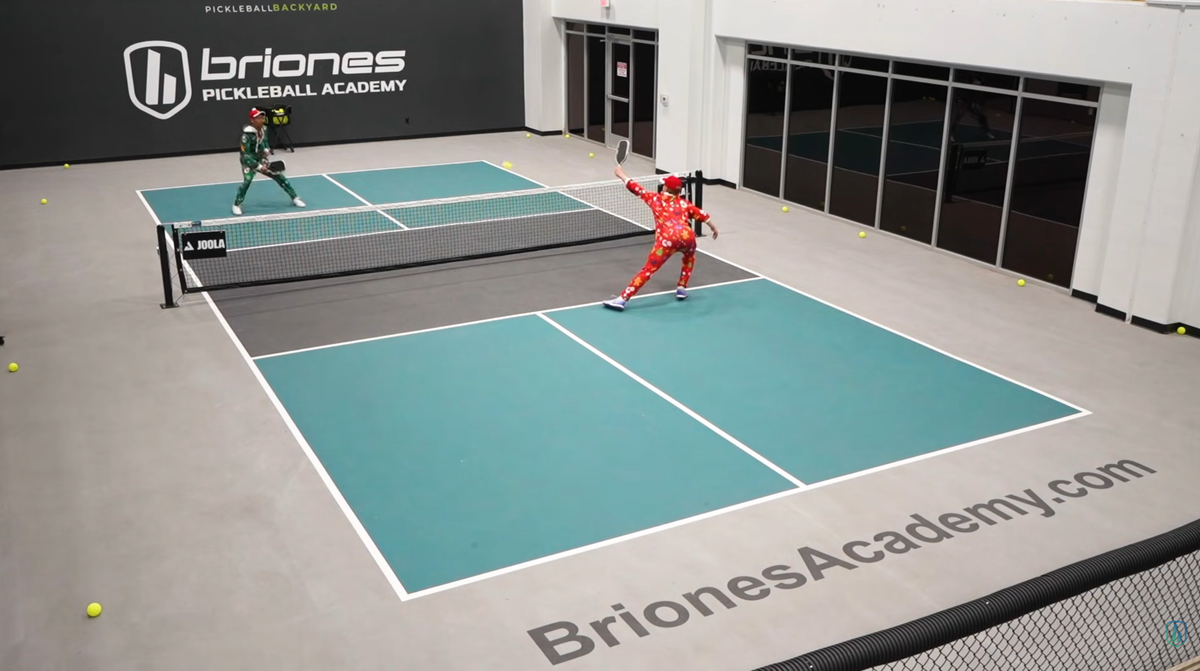
How to Improve at Pickleball Without a Drilling Partner
Use a wall, and use it twice a week.
This is the most underrated part of how to improve at pickleball, because a wall never cancels and never wants to play games instead.
One instructional analysis estimates a 30-minute wall session produces 400 to 600 paddle contacts versus 60 to 100 in a typical rec session.
That's not a small edge. That's a different sport.
Pair wall work with solo drills you can run by yourself and you've built a practice habit that survives bad weather, flaky partners, and full courts.
Film is the other partner that's always available.
Watching how the pros actually construct points teaches shot selection faster than any drill, mostly because you start noticing how often they choose the boring shot.
 The Dink Media Team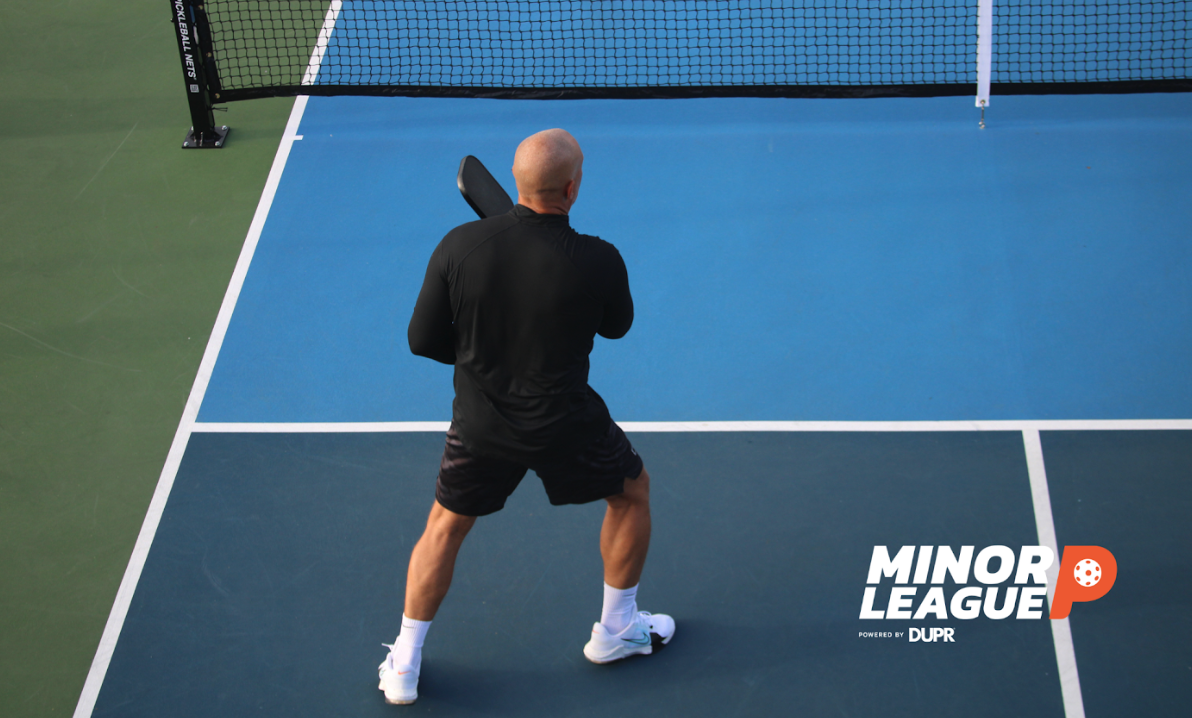
How Do You Make Practice Survive First Contact With a Real Game?
Give yourself one job per game and ignore the score for a set.
Practice skills evaporate under match pressure because the brain reverts to habit, which is exactly what the 70 percent rule is designed to prevent: run the new shot at 70 percent intensity in live play until it stops feeling foreign.
Pick your job before the first serve.
Tonight it's "every third shot goes soft." Tomorrow it's "I don't leave the kitchen line." You'll lose a few games. That's the price, and it's cheap.
The one skill worth carrying into every game regardless: your read on ball height.
That ball height and positioning checklist is a decision filter, not a stroke, so it works even on nights when your hands feel like oven mitts.
When nothing's landing, a strategy reset beats swinging harder.
 The Dink Media Team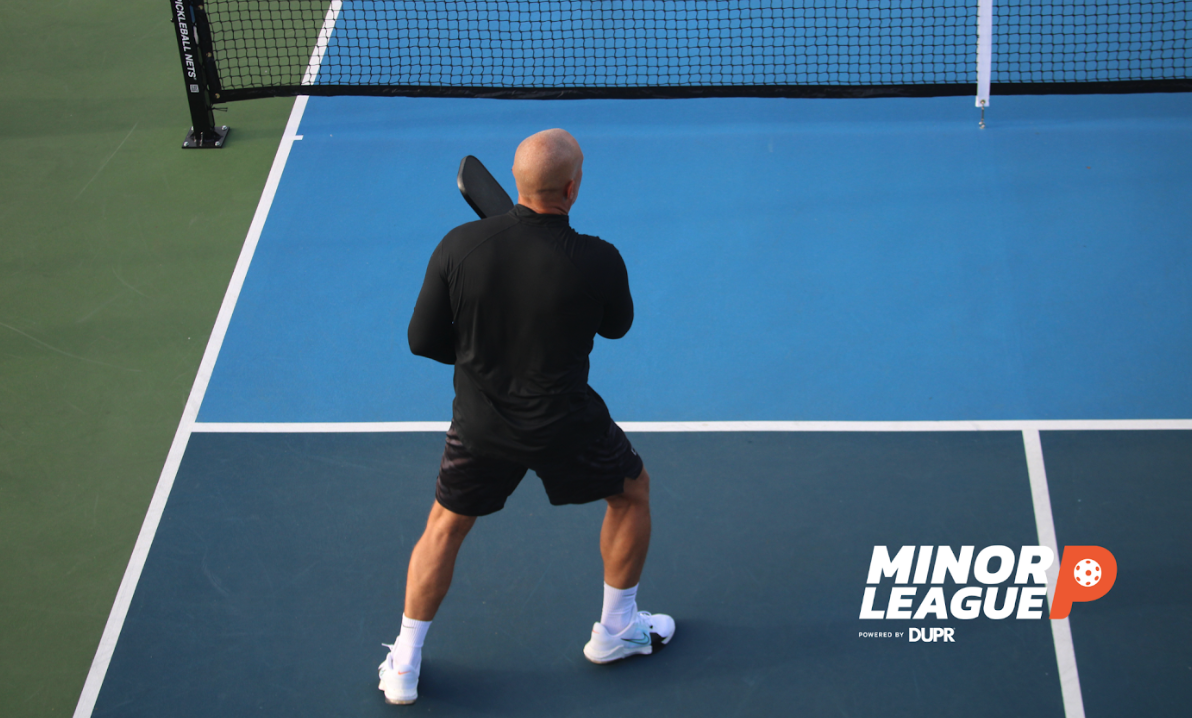
How to Improve at Pickleball Over the Next 90 Days
Run one weakness per month for three months, and reassess with a real number at the end.
Ratings move slowly, so use something you control instead. Count unforced errors per game.
Track how many third shots you land soft. Check your DUPR movement quarterly, not weekly.
- Month one, fix the shot that costs you points, because that single repair does more to improve your pickleball game than any three new shots.
- Month two, fix your feet, because better footwork quietly repairs three other shots at once.
- Month three, sharpen your soft game with advanced dinking technique and clean up the third shot drops you keep missing.
Think of it this way. Knowing how to improve at pickleball isn't complicated. Doing it in a boring, repeatable order is the hard part, and it's also the whole trick.
The players who pass you this summer won't be the ones who bought a better paddle.
They'll be the ones who spent three targeted skill investments worth of attention on the same weakness while everyone else played another game to 11.
 The Dink Media Team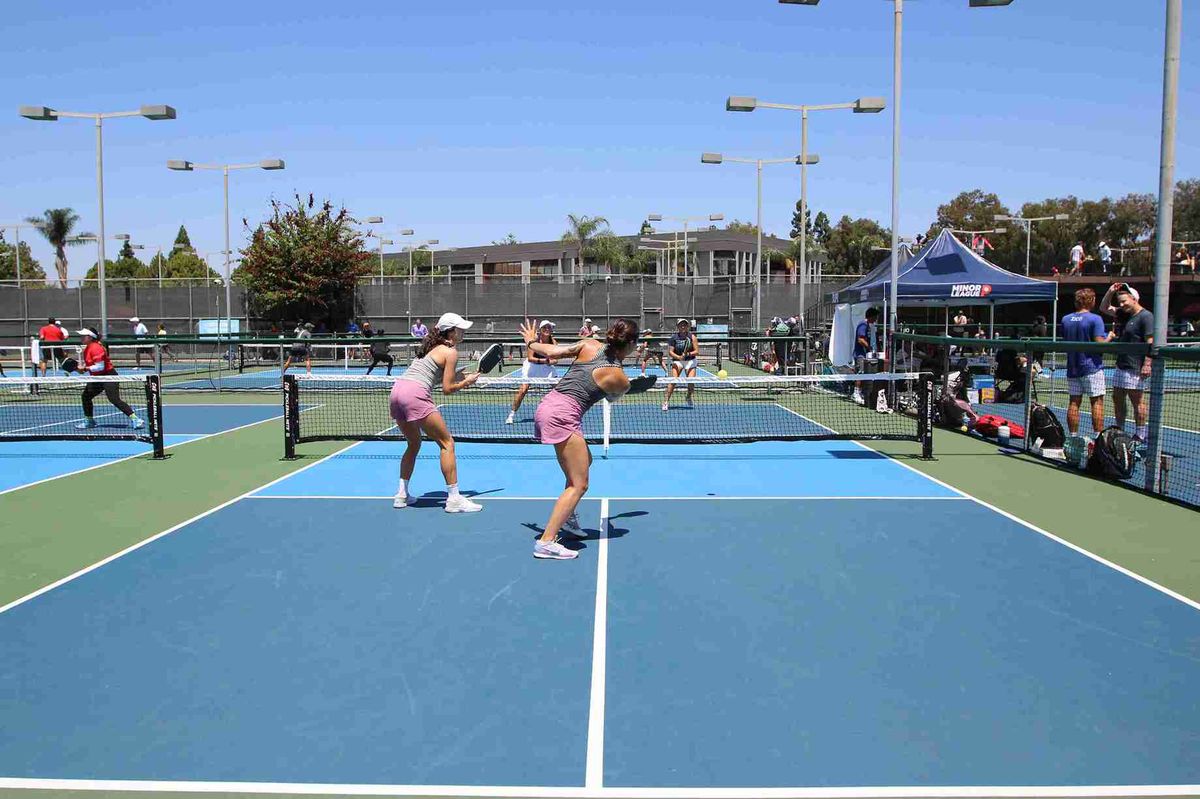
Key Takeaways
- Structured drilling is the multiplier. Players who drill improve roughly 2.4 times faster than game-only players.
- One weakness at a time. Diagnose, drill for two to three weeks, then test under live pressure.
- Aim for 60 percent play, 40 percent practice with a floor near 90 minutes of drilling per week.
- The wall is your best backup partner, producing several times more contacts per session than open play.
- Ninety days, three weaknesses. That cadence improves pickleball skills faster than a year of unstructured play.
- Measure something you control: unforced errors, made drops, or drill success rate, not weekly rating swings.
Frequently Asked Questions
How long does it take to improve at pickleball?
Most recreational players see noticeable change in four to six weeks of consistent, targeted practice, and a full rating level often takes closer to 90 days. The timeline depends on how much you drill versus play and whether you're working on a real weakness. Playing more games without drilling can hold you flat for a year.
Is drilling really better than just playing more games?
For skill development, yes. Games let you avoid your weaknesses; drills force you into them with enough repetitions to actually change a pattern. That said, you still need live play to learn shot selection and pressure management, which is why the 60/40 split works better than drilling alone.
What should a beginner practice first?
Serve, return, and dink, in that order. Those three shots decide the majority of recreational points, and all three can be practiced against a wall or with one partner. You improve pickleball skills fastest when the reps land on shots you'll actually hit twenty times a game, so the around-the-post can wait.
How often should I drill each week?
Two to three sessions of 30 to 60 minutes is the sweet spot for most rec players, totaling at least 90 minutes. More than that starts eating into the live play you need for game sense. Consistency matters more than session length, so two short sessions beat one long one.
Can I get better at pickleball without a coach?
Absolutely, though a few lessons speed things up. Video of your own play is the cheapest coaching substitute available: film one game, watch it once at normal speed and once slowly, and you'll spot your repeatable mistake in under ten minutes. Then drill that.

Love Pickleball? Join 100k+ readers for free weekly tips, news & gear deals.
Subscribe to The Dink