


Your two-handed backhand volley depends on thoracic rotation and a healthy rotator cuff, two things most players never train. Here are two simple drills that fix both.
You get a fast ball on your backhand side at the kitchen, you try to turn, and your whole upper body feels locked up like a rusty gate.
That stiffness ruins your two-handed backhand volley before the ball even arrives.
The fix usually has nothing to do with your paddle or your grip. It comes down to how well your upper back rotates and how stable your shoulder is.
These drills come from That Pickleball Trainer - Connor Derrickson on YouTube, and they target the exact areas most players forget to train.
This article walks through the two exercises, why they work, and how to fit them into your week.
Love pickleball? Then you'll love our free newsletter. We send the latest news, tips, and highlights for free each week.
What Is Thoracic Rotation and Why Does It Matter?
Thoracic rotation is your ability to twist your mid and upper back while your hips and lower body stay quiet.
It is the single biggest physical attribute behind a smooth two-handed backhand volley.
Your thoracic spine sits between your neck and your lower back. When it moves well, your shoulders turn without your hips or elbows making up the difference.
When it does not move well, you compensate. You muscle the paddle with your arms, you lunge with your body, or you take the ball late and pop it up.
Here’s the good news: this stuff trains. A randomized trial in athletes found that six weeks of dedicated thoracic spine work increased rotation angles on both sides.
One quality, a lot of payoff. The same rotation feeds your two-handed backhand drive, your forehand drive, and your overhead.
Why Do Most Players Skip This Work?
Because it’s boring and the results are invisible at first. You cannot see a rotation gain the way you see a new paddle.
So players chase gear instead. Our guide on how to choose a pickleball paddle is a fine place to start, but no paddle fixes a stiff upper back.
Same story with warming up. This pickleball warm up routine and a quick stretching routine pair well with the two drills below.
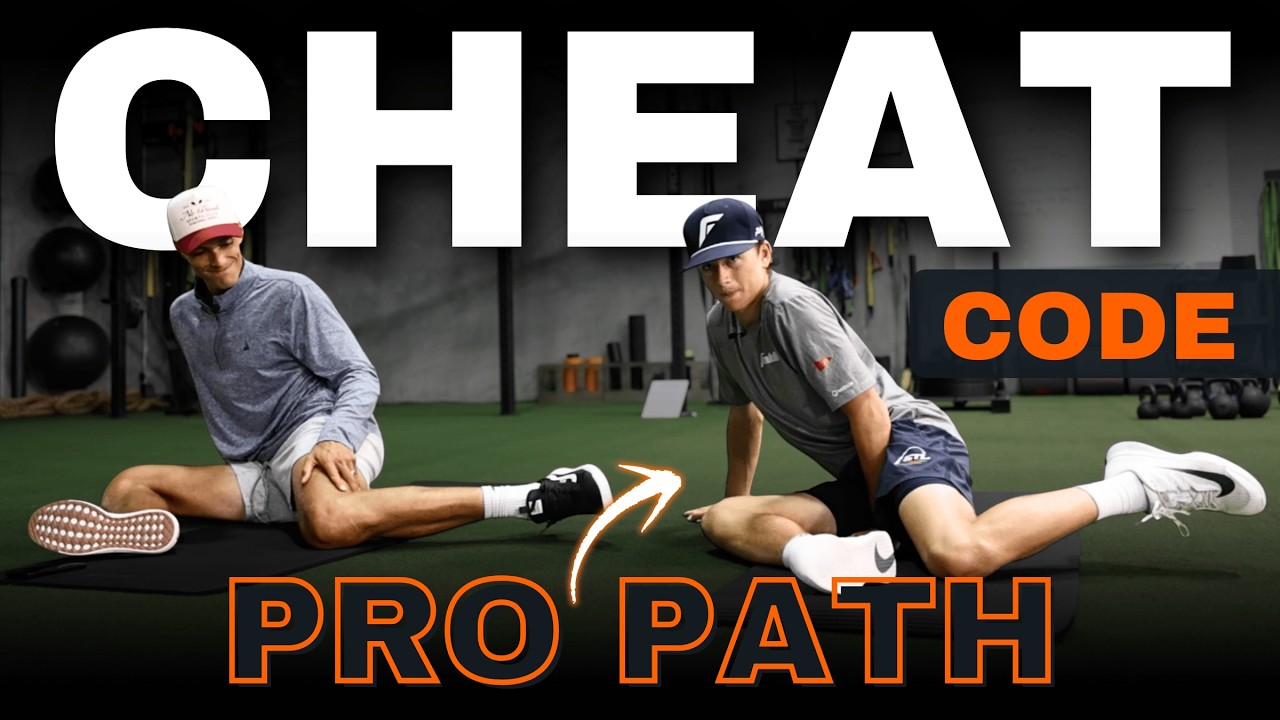
Exercise 1: The Open Book Thoracic Rotation
The open book is a side-lying rotation drill that trains your upper back to turn while your lower body stays still. You perform two sets of eight reps on each side.
Here is how to set it up, step by step:
- Lie on your side with your bottom leg completely straight.
- Bend your top leg to 90 degrees and rest the knee and shin flat on the ground.
- Start with both hands touching together in front of you.
- Open your top arm and rotate your chest toward the sky.
- Reach to get the back of your shoulder flat on the ground while your shin stays down.
- Return to the start and repeat for eight reps, then switch sides.
The key detail is that your lower body stays still. Only your upper body rotates open.
How should you breathe during the open book?
Exhale forcefully as you open up fully. Push every bit of air out of your lungs at the end of the rotation.
That hard exhale lets your ribcage settle and gives you a few extra degrees of rotation. Holding your breath does the opposite and keeps you tight.
Common mistakes on the open book
- Letting the top knee lift off the ground. This turns the drill into a hip stretch and steals the benefit from your upper back.
- Rushing the reps. Slow and controlled rotation teaches your body the pattern.
- Forcing the shoulder down with your neck. Keep your head relaxed and let the rotation come from your mid back.
 The Dink Media Team
Exercise 2: Side-Lying Weighted External Rotation
Side-lying weighted external rotation targets the rotator cuff, the small muscles that stabilize your shoulder joint.
A strong cuff keeps your paddle arm steady when the ball comes in hot.
You lie on your side, exactly like the name says. Then you rotate a light weight upward while your elbow stays pinned near your body.
Keep the weight light. This is a small, precise muscle group, and heavy loads just recruit the wrong muscles.
Why a strong rotator cuff steadies your two-handed backhand volley
Position is doing real work here.
One EMG study found the side-lying setup produced the highest infraspinatus-to-posterior-deltoid activity ratio of the common external rotation positions.
Translation: the cuff does the job while the big shoulder muscles stay out of it.
A small pad under the elbow is mainly a technique cue, keeping the elbow tucked so the rotation stays honest.
 The Dink Media Team
How Do These Drills Help Your Two-Handed Backhand Volley?
They give you rotation and stability, the two ingredients every compact volley needs. A two-handed backhand volley is a short, firm punch, not a big swing.
When your upper back rotates freely, you can turn your shoulders early and meet the ball out in front. That is the heart of every good punch volley.
When your rotator cuff is strong, the paddle face stays stable on contact. Fewer pop ups, more controlled blocks.
If pop ups are your specific problem, these block fixes pair nicely with the mobility work here.
 The Dink Media Team

Where Do These Drills Fit in Your Week?
Do them two to three times per week, either before you play or on a lighter training day.
The open book works well as a pre-play warm up because it takes only a couple of minutes.
The weighted external rotation is better as a strength exercise after play or on a separate day. Treat it like a small investment in shoulder health.
A simple weekly layout looks like this:
- Before every session: two sets of eight open book reps per side.
- Two days a week: add side-lying external rotation after you finish playing.
- Once a week: film your backhand volley and check whether you turn your shoulders early.
Consistency matters more than intensity. Small, repeated doses build the range and control you want.
 The Dink Media Team
Can Better Mobility Prevent Injury Too?
Yes, better mobility and shoulder stability reduce the strain on your elbow, shoulder, and lower back.
When your upper back cannot rotate, other joints pick up the slack and wear down.
That is especially true on fast exchanges where you cannot set your feet. If you want to protect the rest of your body, read up on pickleball ankle injuries and prevention as well.
Your legs matter too. These leg exercise picks build the base that lets your upper body rotate cleanly.
 The Dink Media Team
Putting It Into Your Game
Mobility only pays off when you carry it onto the court. Next time you play, focus on turning your shoulders early on backhand volleys and keeping your lower body quiet.
Pair that with solid footwork, and your backhand gets noticeably more reliable. This breakdown of the cross step on the backhand shows how.
Players like Anna Leigh Waters and Tyra Black are known for kitchen line excellence, and that kind of sharp hand speed rests on a body that rotates and stabilizes well.
You do not need pro level skills to copy the habit.
Once the movement feels natural, practice it in a live setting.
These practice drills for any skill level and this guide on how to volley and win every hands battle give you ready made ways to test it.
Finally, remember that hitting cleaner starts with seeing the ball well. These tips on watching the ball round out the picture.
Frequently Asked Questions
How many reps and sets should I do for the open book drill?
Do two sets of eight reps on each side. Keep your bottom leg straight, your top knee and shin on the ground, and exhale fully as you rotate open.
What does the side-lying external rotation exercise train?
It strengthens your rotator cuff, the small muscles that stabilize your shoulder. A stable shoulder helps you keep the paddle face steady on volleys, drives, and overheads.
Why is thoracic rotation important in pickleball?
Your thoracic spine is your mid and upper back, and good rotation there lets your shoulders turn without forcing your arms or hips to compensate. It supports two-handed backhand volleys, drives, and overheads.
How often should I do these mobility drills?
Aim for two to three times per week. The open book works as a quick warm up before play, while the weighted external rotation fits better after play or on a separate training day.
Do I need heavy weights for external rotation?
No, use a light weight. The rotator cuff is a small muscle group, and heavy loads just pull in bigger muscles and reduce the benefit.


Love Pickleball? Join 100k+ readers for free weekly tips, news & gear deals.
Subscribe to The Dink