

6 Pickleball Training Drills That Feel Unfair (And Why They Work)
A pro level pickleball training drill routine should feel harder than the game itself. Here are six drills, from warm up footwork to unfair feeds, that build match toughness.
Every pickleball training drill you do in a comfortable, predictable rhythm is quietly lying to you about how ready you are for a real match.
You rally smoothly in practice, then fall apart the second someone pulls you wide, jams you at your feet, or pops a ball up while you are standing at the baseline.
These six drills come from Aylex Pickleball Academy on YouTube, where a badminton pro gets put through a real professional training session with Coach Brandon.
The big lesson: the drills that feel unfair are the ones that prepare you for the game.
Love pickleball? Then you'll love our free newsletter. We send the latest news, tips, and highlights for free each week.
Click here to the see the full video.
Is Pickleball Really Easier Than Badminton?
No, pickleball is not simply a slower version of badminton, and training for it exposes gaps that racquet sport experience does not cover.
The video starts with a badminton pro who heard that pickleball is easy. Within minutes, basic hand eye drills and low, sustained leg work proved otherwise.
The sport asks for a unique mix: soft touch at the kitchen, lateral recovery, and the ability to stay low for long stretches.
If you want to see where players stall out, read about the 4.0 trap and why good players stop improving.
What Warm Up Should Come Before Any Pickleball Training Drill?
A dynamic warm up that targets lateral footwork and single leg balance should come first, because pickleball is full of lunges and side to side recovery.
Coach Brandon builds his warm up around two pieces: shuffles and single leg work. Both prepare you for the awkward positions that actually happen in points.
For a full routine you can borrow, check out this pickleball warm up routine that preps you to compete, then add a quick stretching routine before your first ball.
Drill 1: Shuffle and Cross Over Footwork
Start on one side of the court and shuffle across, add a cross over step in front, then shuffle back.
The goal is comfort moving sideways while staying balanced and in control. Do this until your legs feel warm and your movement feels automatic.
Drill 2: Single Leg Jumps
Jump from one leg to the other, forward and back, then repeat laterally. You can also switch between landing on the same leg or the opposite leg.
Spend a few minutes on this before you hit a ball. It builds the single leg stability you need when you are lunging for a wide dink, especially in singles.
If lateral movement is a weak spot, this pickleball footwork drill that fixes lateral movement pairs well with these two.
 The Dink Media Team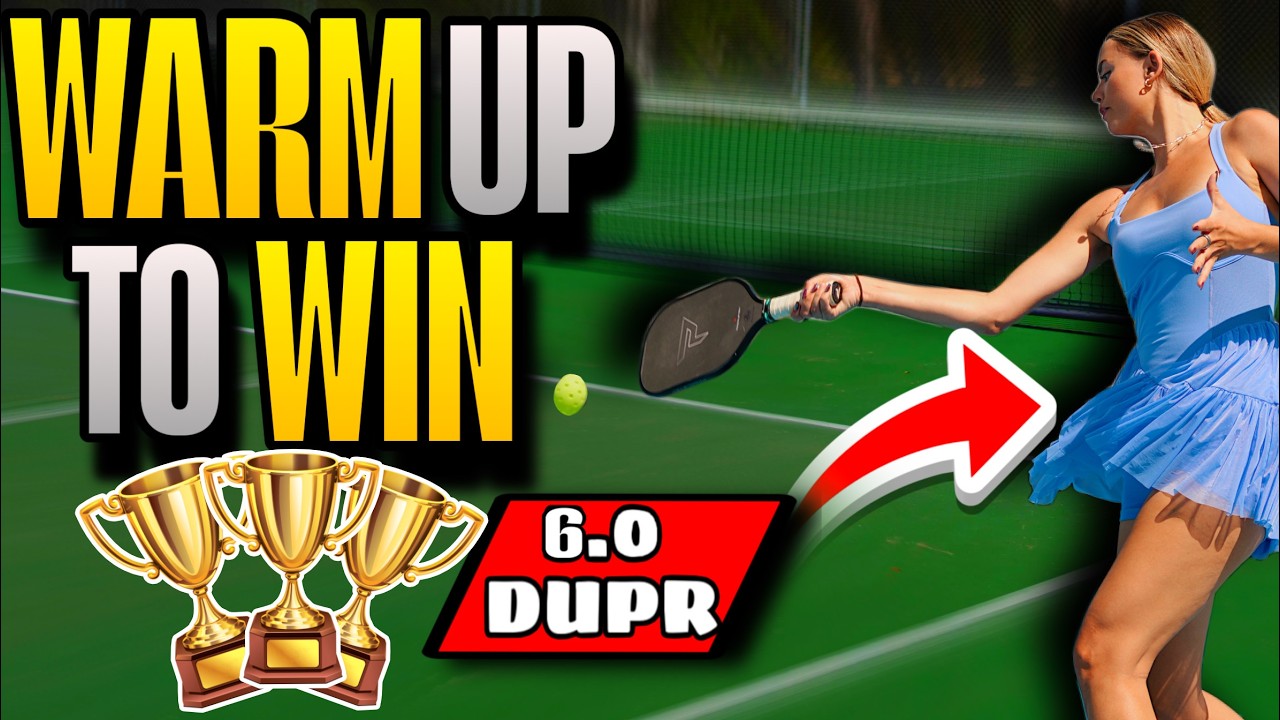
How Does Hand Eye Coordination Help Your Pickleball Game?
Hand eye work trains your brain to track and receive the ball, which is the foundation of every volley, block, and reset.
Alex admitted this was the part he struggled with most, and a catch-based drill nearly beat him.
Coach Brandon explained it is as much about stimulating the brain as it is about the hands.
Drill 3: Two Ball Toss and Catch
Throw and catch two balls at the same time, one in each hand. You are training yourself to track both balls and stay calm while your attention splits.
Once that feels comfortable, you can try these progressions:
- Through the legs: pass the ball under one leg and catch it with the opposite hand.
- Drop and catch overhead: release a ball from up top and catch it on the way down.
- Juggling: several pro players can juggle, and it is one of the best ways to build tracking skills.
It looks silly, and that is fine. Hand eye work is cheap, needs no court, and pays off at the kitchen line where reaction time decides points.
Tyra Black and Anna Leigh Waters are great examples of kitchen line excellence, and a lot of that comes from elite reaction skills.
You can build a small version of that at home with one ball.
 The Dink Media Team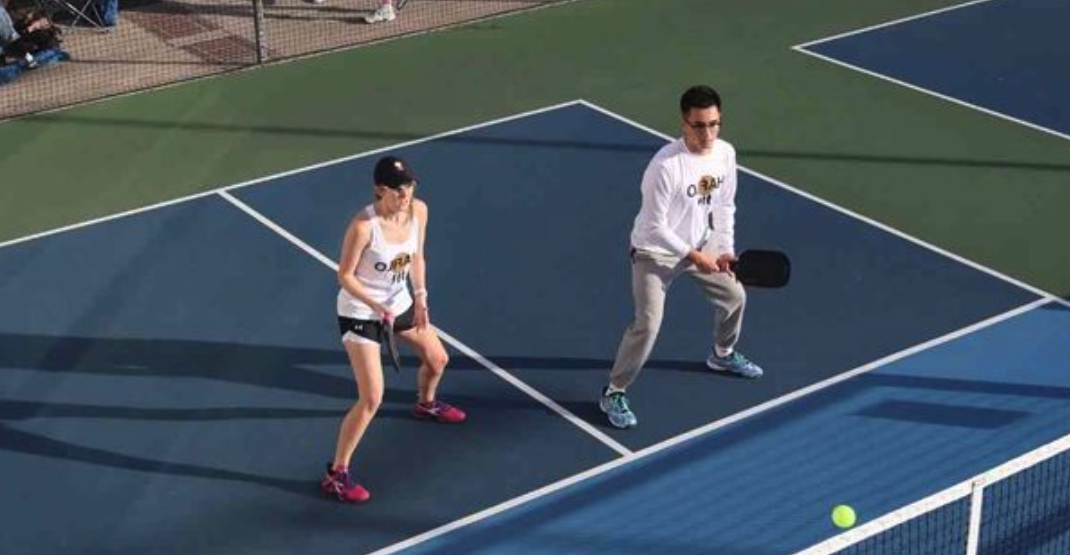
What Drill Builds Kitchen Recovery and Stamina?
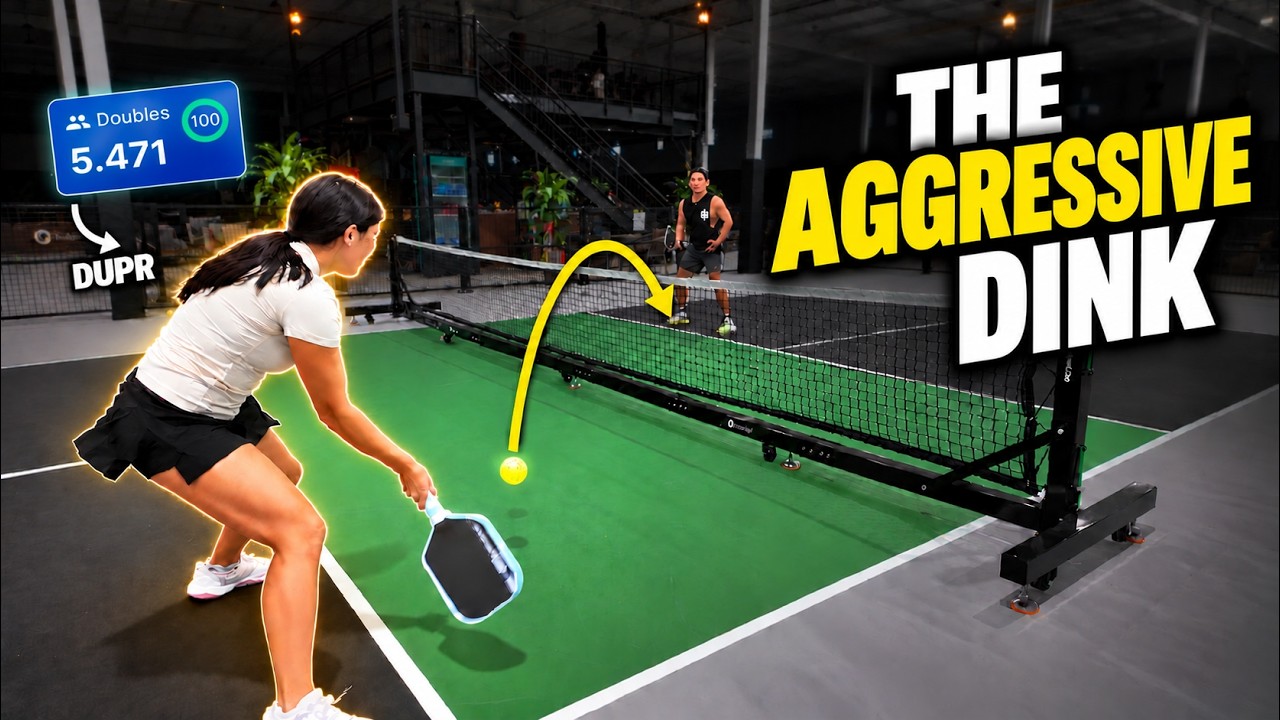
A continuous cross court dink drill with a tap cone builds the lateral recovery that gets exposed when opponents pull you out of position.
Drill 4: The Cone Tap Dink Drill
Set two cones across the net. One cone is a target to hit, and the other is a spot you tap with your foot before returning to position.
Both players start in the same place and try to hit toward the target while focusing on lateral movement and recovery. It is a lot of squatting and a lot of legs.
Coach Brandon aims for at least 5 minutes per side, about 10 minutes of continuous work. If you can go longer, even better.
This ties directly into bad dink recovery, the move most players never make, and into building dink consistency under fatigue.
Drill 5: Two Sided Singles Coverage
Have a partner feed you a ball near a target on one side, then immediately feed the other side. You run, hit, recover, and repeat.
Alex called it easy right up until the balls started coming. Five minute sets get tiring fast, and the pressure to make every shot is the whole point.
 The Dink Media Team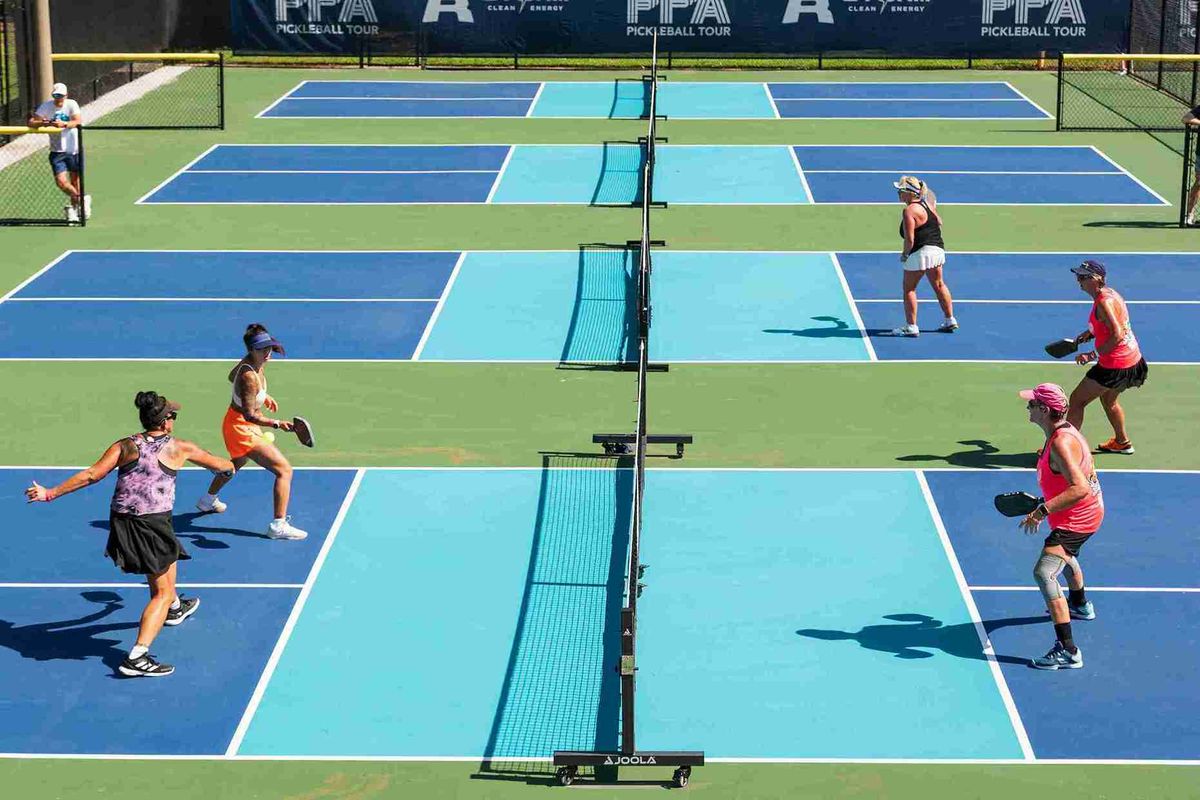
Does Singles Practice Help Your Doubles Game?
Yes, singles practice improves doubles because it forces you to cover ground, chase balls, and make shots under pressure.
Coach Brandon pointed out that doubles is less cardio but the same skills apply. You still have to run down a lob or recover from a wide pull.
His line was simple: if you feel calm in singles, doubles gets easier. If you want to see how tough lobs can be, read how to defend a lob in pickleball.
Also consider this set of footwork fixes to keep your body safe while you train this hard.
 The Dink Media Team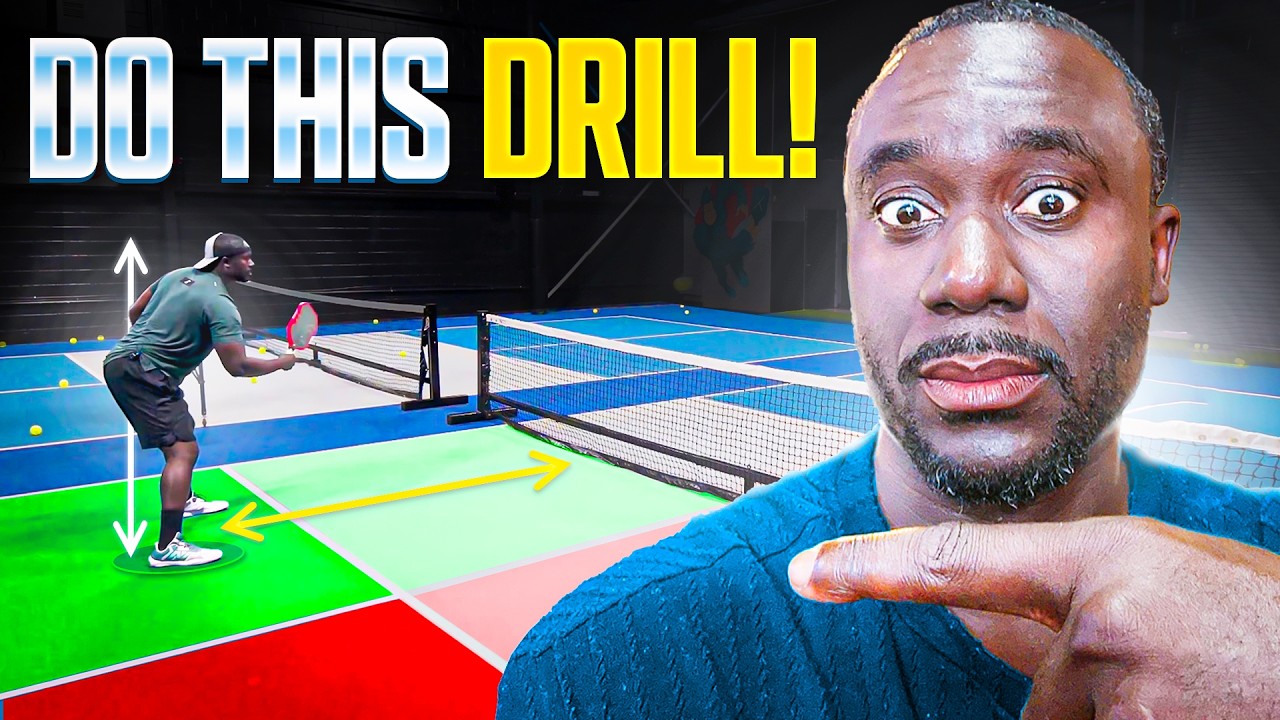
What Is a Drill That Is Intentionally Unfair?
An unfair drill is one where the feed is deliberately harder than a normal game ball, so you practice composure and decision making in bad situations.
This is the most valuable idea in the video. Most 7-Eleven style games feed a nice, easy ball, which teaches you very little.
Drill 6: 7-Eleven With Unfair Feeds
One player stands at the baseline while the other stands at the non volley line and hits balls down at them. Every point is live, so you want to win, but you must start from the back.
Coach Brandon feeds hard, awkward balls instead of friendly ones. Alex said he did not even know how to hit the first one.
After about four tries, he was already adjusting. That is the benefit: you learn to handle a popup or a jammed ball without panic.
The emotional piece matters as much as the technical one.
When a feed feels unfair and you start counting points, you can spiral into thinking you did not deserve that.
Drop that thought. Focus on what you can do in the moment, which is exactly the mindset covered in resetting your mindset after every game.
You can also practice hitting a ball at your feet with this guide on hitting at your feet without popping it up.
 The Dink Media Team
How Do You Finish a Session So It Transfers to Real Matches?
Finish with live point play, such as skinny singles on a half court, so every skill from the session gets tested together.
Alex noticed something right away: his legs were burning from staying low. That is the part that breaks down late in tournaments.
When fatigue sets in, posture slumps and players stand up straighter. Practicing with intensity teaches your body to hold form when it is tired.
That is why tournament day stamina is built in practice, not on game day.
 The Dink Media Team
How Should You Structure Your Own Session?
Use a simple order: warm up, hand eye work, targeted drills, pressure games, then live points.
Here is the template:
- Dynamic warm up (5 to 10 minutes): shuffles, cross overs, and single leg jumps.
- Hand eye work (5 minutes): two ball toss, through the legs, and drop and catch.
- Cone tap dinking (10 minutes): 5 minutes per side, continuous.
- Singles coverage (5 minutes): feed to both sides and recover.
- 7-Eleven with unfair feeds: live points from the baseline.
- Skinny singles: full points to close the session.
If you want more structure for different levels, start there and adjust the clock to your fitness.
Stuck at a rating plateau?
These patterns will help you break through 4.0, and this breakdown of how much you should drill versus play will tell you how often to run the session.
Frequently Asked Questions
What is the best pickleball training drill for beginners?
Start with a lateral shuffle warm up and a simple cross court dink drill. These build balance and control without needing a partner who hits hard.
How long should a pickleball training session last?
A focused session can run 60 to 90 minutes, including warm up. In the video, the dinking drill alone runs about 10 minutes continuous, and the singles coverage drill runs 5 minutes at a time.
Why do coaches feed unfair balls in drills?
Unfair feeds recreate the pressure of real matches, like popups and jammed shots. They train you to stay composed and focus on what you can control.
Does badminton experience help in pickleball?
It helps with racquet awareness and footwork, but pickleball adds low posture demands, kitchen touch, and lateral recovery. The badminton pro in the video still struggled with several drills.
Can singles drills improve my doubles game?
Yes. Singles builds court coverage, recovery, and shot making under pressure, all of which carry into doubles.
Love Pickleball? Join 100k+ readers for free weekly tips, news & gear deals.
Subscribe to The Dink