Three Pro Pickleball Patterns That Will Finally Get You Past 4.0
Teamwork and tactical awareness is what separates recreational players from those competing at higher levels. It's the difference between hoping for a good shot and systematically creating opportunities for them.
You know that frustrating feeling when you're stuck at the same skill level, watching the same patterns fail over and over?
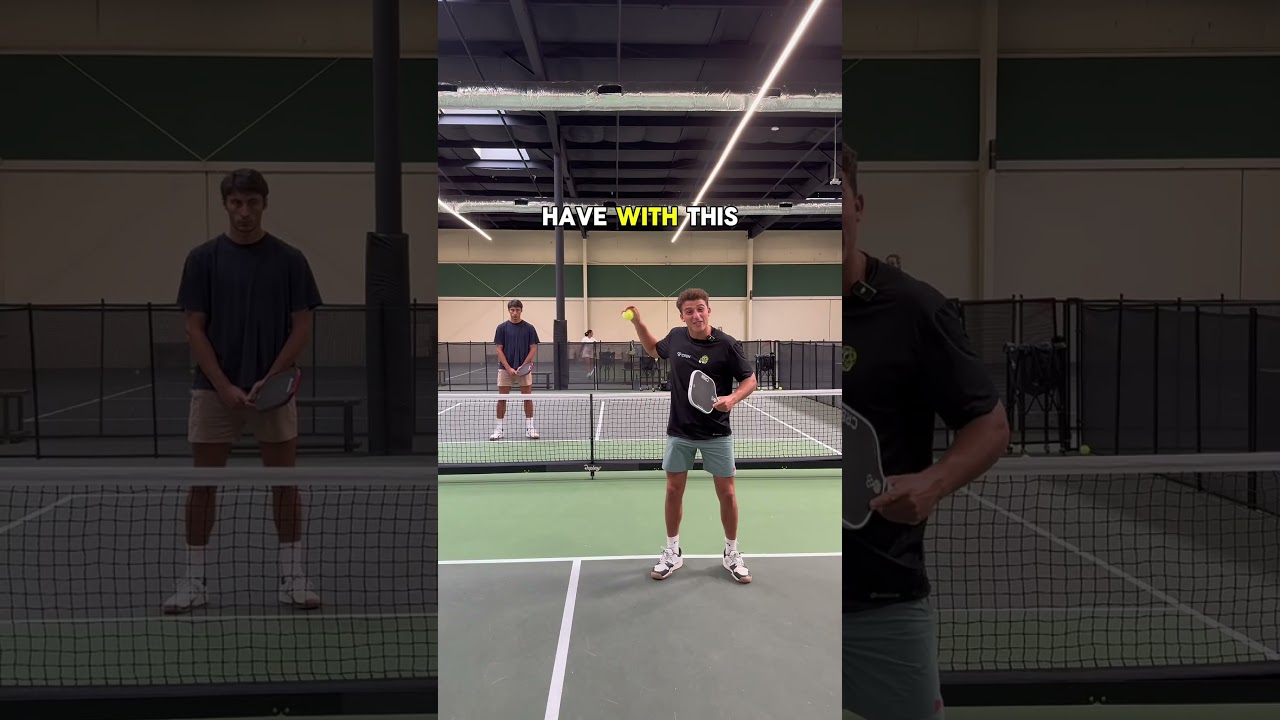
John Cincola gets it. The pickleball coach recently broke down three specific patterns used on the Pro Tour that recreational players can actually implement, and they might be exactly what's holding you back from that next breakthrough.
Love pickleball? Then you'll love our email newsletter. We send the latest news, tips, and highlights for free each week.
Here's the thing about pickleball strategy: it's not just about hitting harder or moving faster. It's about understanding the chess match happening at the kitchen line.
Cincola's latest video dives into the tactical side of the game that separates intermediate players from advanced competitors, and honestly, it's not as complicated as you might think.
The Foundation: Why Pickleball Strategy Patterns Matter More Than Power
Before we get into the specific plays, let's talk about what we're really trying to accomplish with patterns. It's not just memorizing sequences.
You're trying to find your strengths while simultaneously exploiting your opponent's weaknesses.
You're getting them off balance. You're creating sustainable, winning positions that work long-term.
Think of it like this: anyone can hit one great shot. But can you set up that great shot consistently? That's where pickleball strategy patterns come in.
Pattern One: The Offensive Dink Progression
This first pattern works particularly well from the left side, though lefties can mirror it from the right. The concept is deceptively simple: neutral dink, offensive dink, forehand attack.
Here's how it plays out.
You're working that backhand crosscourt dink, pretty standard stuff. But instead of just keeping the ball in play, you're actively working your feet to turn that second dink into something more aggressive.
Maybe you knife it a little more. Maybe you put two hands on it. The key is creating enough pressure that the return comes back more toward the middle instead of wide.
And that's when you pounce. Run around that ball and find your forehand. Suddenly you've got options: speed up in front, attack middle, go back crosscourt.
Your opponents are on their heels because they don't know what's coming.
The beauty of this pattern? It's not about one killer shot. It's about systematically moving from neutral to offensive positioning. That's how pros think about point construction.
 Jason Flamm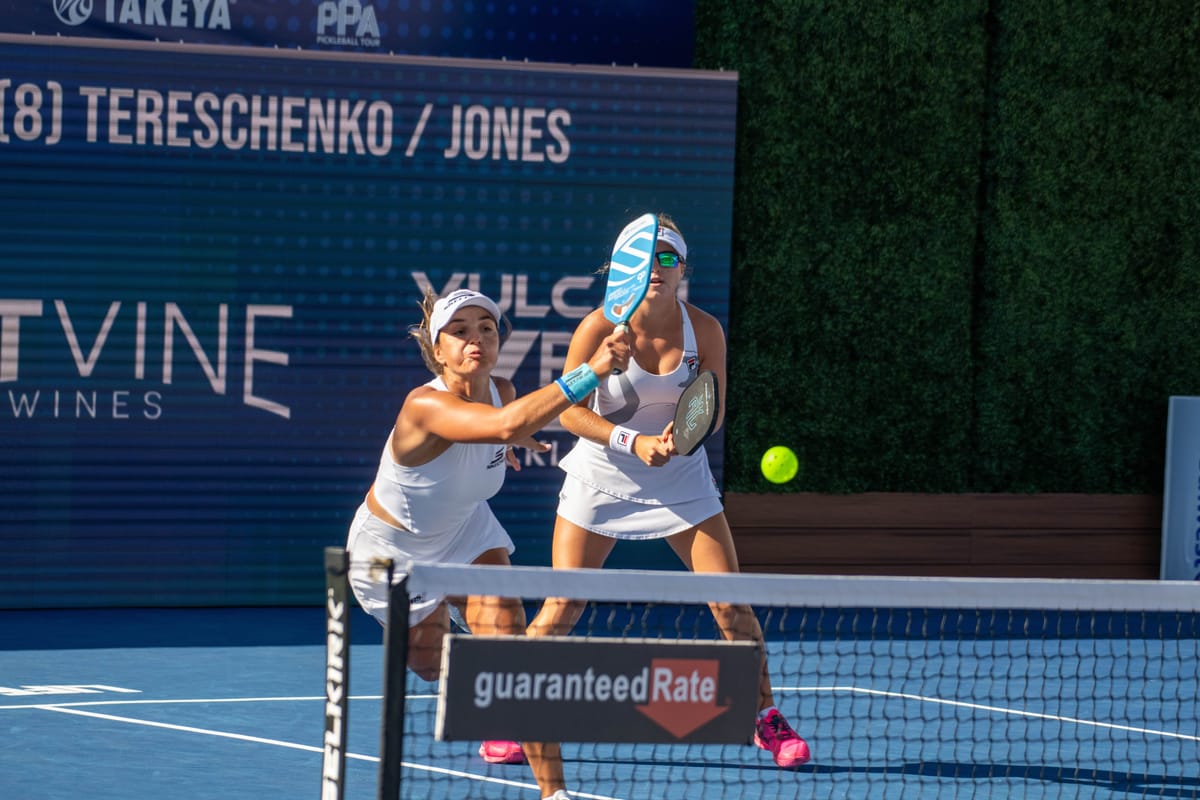
Pattern Two: The Inside-Out Partner Play
This second pattern requires serious coordination with your partner. You've got to be on the same page. But when it works? It's devastating.
The setup starts with offensive dinking again. Notice a theme here?
You're looking for that dead middle dink that either player can take. Once you get it, here's the play: hit it inside-out to the corner with your forehand. As soon as your partner sees you making that shot, they're moving around into Ernie position.
Now you've got the court covered. If you hit that corner dink well enough, your opponent stretched wide is going to have a really tough time going back crosscourt.
Your partner is taking away the line, you're covering your side, and suddenly your opponents have very few windows to work with.
The reverse works too. Your partner can take that middle ball and hit it inside-out while you move around. The critical element? That first dink has to be aggressive enough to set everything up. A soft tap won't cut it.
Cincola emphasizes this point in his video:
"This play is not going to work if you just kind of tap a ball over there. You got to hit a nice good offensive push dink to really set this up."
 The Dink Media Team
Pattern Three: The Shake and Bake Variations
The classic shake and bake gets a lot of attention, but Cincola breaks down specific scenarios that make it more effective. There are actually two main variations worth mastering.
Pickleball Strategy Variation #1: The Straight Drive Approach
Your partner drives the ball hard straight ahead, not crosscourt. Why? It gives the opponent in front the least amount of time to react. As the non-driving partner, you're releasing up, getting into position.
Once you see it's a good low drive, you crash in. If they pop it up, you're coming across to finish.
Pickleball Strategy Variation #2: The Hybrid Shot
This is the drive-drop combo, softer with more spin. But here's the twist: take this one crosscourt instead of straight ahead.
Same positioning, but when your partner hits that dipping hybrid to the corner, you square up and get big right in front of your opponent. They try to go down the line? You can step and cover it. Back crosscourt to your partner's feet? You're coming over for that too.
The third element that makes these patterns work even better? Timing them against teams trying to unwind the stack. When opponents are scrambling to get to their positions, they're arriving late to the kitchen line.
They're taking balls lower. And that makes your shake and bake execution significantly easier.
 Alex E. Weaver
The Bigger Picture: Strategic Thinking in Pickleball
What makes Cincola's breakdown valuable isn't just the specific patterns. It's the framework for thinking about pickleball strategy.
You're not just reacting to what's happening. You're proactively creating situations that favor your game.
This kind of tactical awareness is what separates recreational players from those competing at higher levels. It's the difference between hoping for a good shot and systematically creating opportunities for good shots.
The patterns also highlight something crucial about doubles pickleball: it's a team sport. That second pattern especially requires both players to understand the play, recognize the setup, and execute their roles.
Communication and coordination matter just as much as individual skill.
Putting It Into Practice
So how do you actually implement these patterns? Start by drilling them with a regular partner.
Work on recognizing the setups. What does an offensive dink opportunity look like? When is the right time to run the inside-out play?
Then, and this is important, don't try to force them. These patterns work when the situation presents itself. If you're trying to manufacture the setup when it's not there, you'll just make unforced errors.
Think of them as tools in your tactical toolbox. The more you practice, the more naturally you'll recognize when to pull out each one.
If you're looking to accelerate your progress, reviewing 5 signs you're still an intermediate pickleball player can help you identify exactly which gaps these patterns will fill. And for players zeroing in on the numbers, 7 pickleball shortcuts to reach 5.0 faster is a natural companion read alongside this framework.
Frequently Asked Questions
What is the best pickleball strategy for breaking past the 4.0 level?
The most effective pickleball strategy for advancing past 4.0 is transitioning from reactive play to pattern-based point construction. That means learning to set up your attacks through dinking sequences rather than relying on a single power shot to win the rally.
How do I get better at doubles pickleball strategy with a new partner?
Start by drilling the inside-out partner play in a low-stakes environment so both players can internalize the cues that trigger each movement. Verbal communication before and during practice points is essential, especially when learning to recognize the middle ball that initiates the play.
When should I use the shake and bake in a match?
The shake and bake is most effective when the opposing team is still transitioning to the kitchen line, because they will be arriving late and handling the ball lower. Timing your shake and bake against opponents unwinding a stack is one of the highest-percentage moments to run it.
Why do pickleball patterns matter more than hitting power?
Patterns create repeatable, high-percentage situations that favor your strengths, while raw power without structure leads to inconsistency. The goal of any solid pickleball strategy is not just to hit winners, but to systematically force your opponent into difficult positions before you attack.
How do I practice pickleball strategy patterns effectively?
Drill each pattern slowly with a regular partner until the trigger recognition becomes automatic, then gradually increase pace during open play. Avoid forcing a pattern when the right setup has not presented itself, as manufacturing the wrong moment is one of the most common sources of unforced errors at the 3.5 to 4.0 level.

Love Pickleball? Join 100k+ readers for free weekly tips, news & gear deals.
Subscribe to The Dink