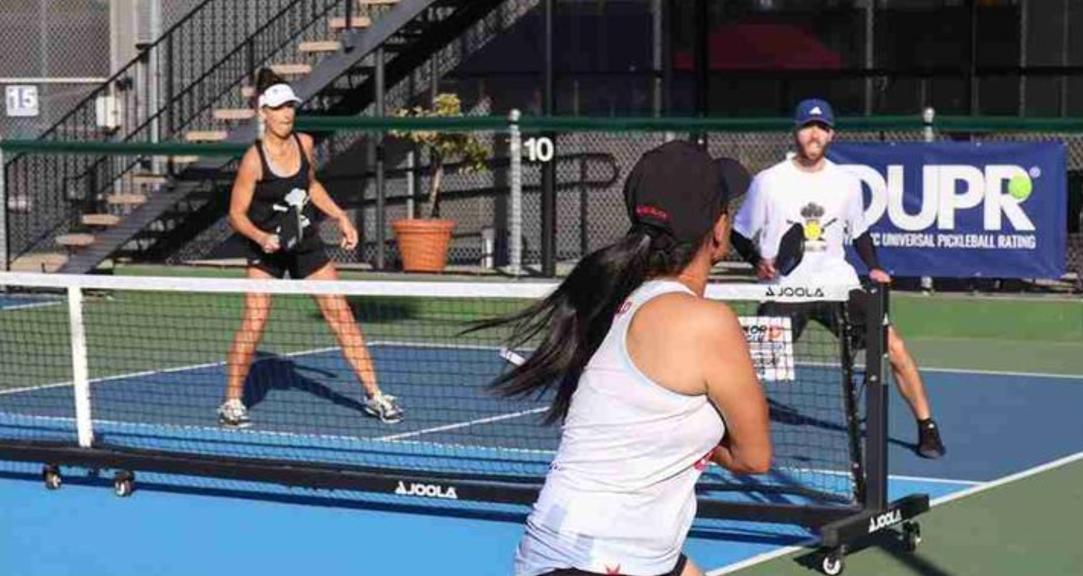
Tournament Training Secrets: The Best Drills for Advanced Pickleball Players
The best drills for advanced pickleball players are built around your actual weaknesses, not generic reps. Here is the exact drill list, sequencing and weekly plan that turns tournament chaos into muscle memory.
The best drills for advanced pickleball players aren't the drills that got you here.
Here's the uncomfortable truth: if you're still running the same warmup you ran at 3.5, you've plateaued and you know it.
Advanced play punishes generic reps and rewards specific ones.
Love pickleball? Then you'll love our free newsletter. We send the latest news, tips, and highlights for free each week.
The Best Drills for Advanced Pickleball Players Start With Honest Weaknesses
Here's the thing nobody wants to hear: the best drills for advanced pickleball players start with an audit, not a drill sheet.
You have to know what breaks under pressure before you can fix it.
A 4.0 who drills forehand dinks for an hour but folds on the backhand reset in a tiebreaker didn't need more forehand reps.
They needed the advanced shot selection drill that forces a decision under fatigue.
Most players train what they're already good at. It feels productive. It isn't.
Film your last tournament match, or have a partner track your unforced errors for one game.
That single data point tells you more than a month of unfocused reps, the same logic behind the fridge-and-toaster drill built around fixing one habit instead of training everything at once.
What Is Deliberate Practice, Anyway?
Deliberate practice is training built around a specific weakness, with immediate feedback and a defined difficulty curve, rather than general repetition.
A study on skill acquisition published via ResearchGate in 2025 found structured, feedback-driven practice produced measurably faster skill gains in racquet-sport athletes than unstructured play of equal duration.
If you only have thirty minutes, spend it on the shot that lost your last match, not the one that already wins you points.
On a night with no partner, solo drilling against a wall or ball machine still builds the rep count your weak shot needs.
Why Does Hand Speed Separate Good Players From Great Ones?
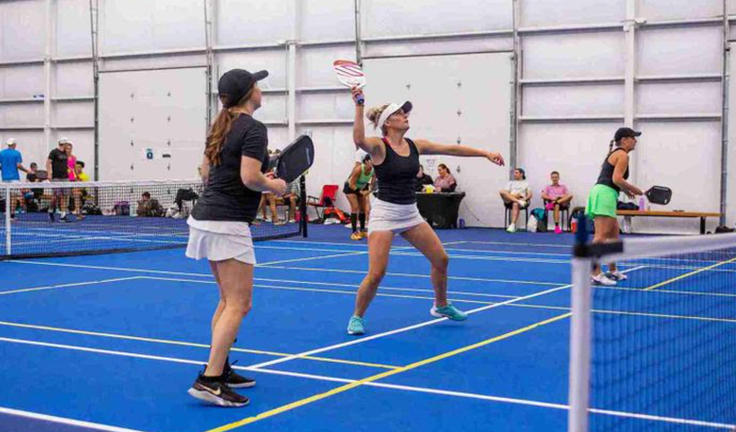
The best drills for advanced pickleball players almost always start at the net, where the point is decided in fractions of a second.
Hand speed drills close that gap faster than almost anything else you can practice.
Advanced players who stall at 4.0 or 4.5 almost always have a hand speed ceiling.
 Zoey Weil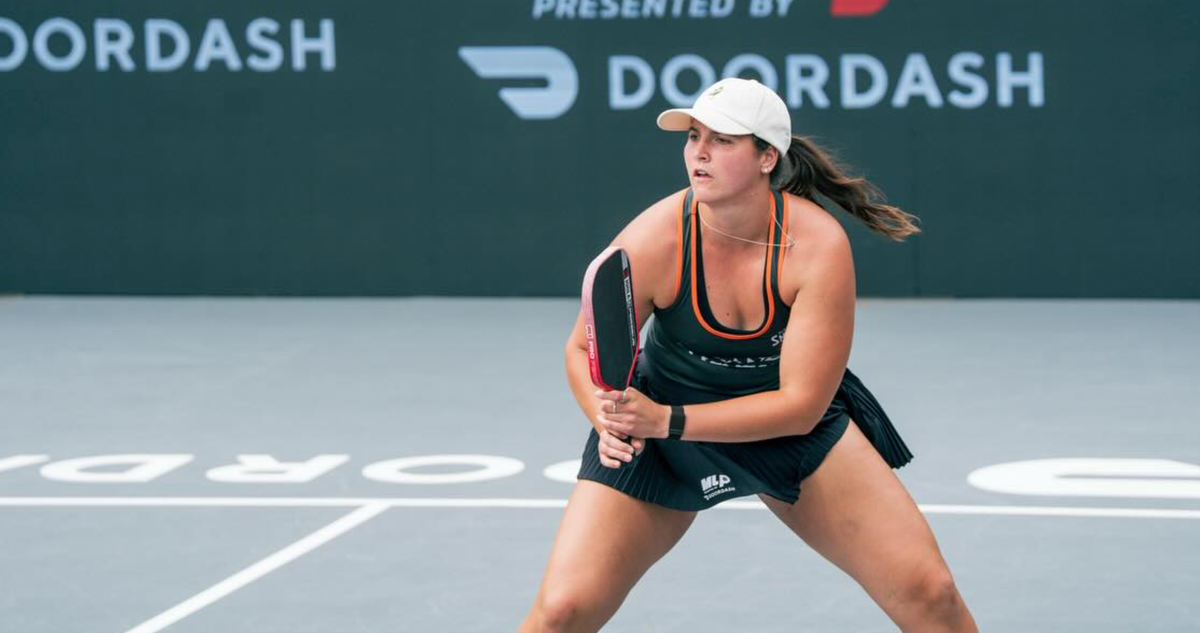
They see the ball and know the right shot, but their hands aren't fast enough to execute it before the next one arrives.
Fast hands drills fix that gap, and they're simple to set up. Grab a partner, stand close to the net, and speed up the exchange until someone breaks.
That single drill, tracked over an episode on building the fastest hands in the game, is one of the most-cited reps among touring pros.
The Fastest Hands Drill in the Game
Start at half the normal net distance. Both players punch volleys at each other with no dinking allowed, just pace and reaction.
Thirty seconds on, thirty off, five rounds. It's brutal and short, which is exactly why it works.
Pair it with the figure-8 drill to add lateral movement into the same reaction window, and you've built a rep that mirrors real tournament chaos.
 The Dink Media Team
Why the Third Shot Drop Still Wrecks So Many Advanced Games
The best drills for advanced pickleball players never skip the third shot drop, because it's the one shot where technique, patience and shot selection all have to show up at once, and most advanced players still only get it right about half the time.
Land it short and hot instead of soft and low, and you're handing your opponents a free attack.
Here's the fix. Drill the drop in isolation before you add movement.
Feed twenty balls from the baseline and require a soft, arcing drop that lands in the kitchen every time, and once that's automatic, work in the three shot options you actually have from the baseline so you're choosing, not just dropping.
Players who skip straight to live-ball reps never fix the mechanical issue, which is why a closer look at what makes a third shot spicy keeps circulating among coaches.
The fix is boring. The results aren't.
The Best Drills for Advanced Pickleball Players Always Include a Reset Combo
A reset is the shot you hit when pinned at the baseline and forced to neutralize, not attack.
It's the least glamorous shot in pickleball and arguably the most valuable one at the 4.5-plus level.
Drill it by having a partner drive hard at your feet, and your only job is to float a soft reset back into their kitchen. Miss the target and you start over.
This combo, adapted from a deeper breakdown on resetting better under pressure, is exactly the unglamorous rep that separates a 4.0 from a 5.0.
There's also a different angle on the reset worth running once the first version gets too easy, since baseline depth is what holds up in a third-set tiebreaker.
 The Dink Media Team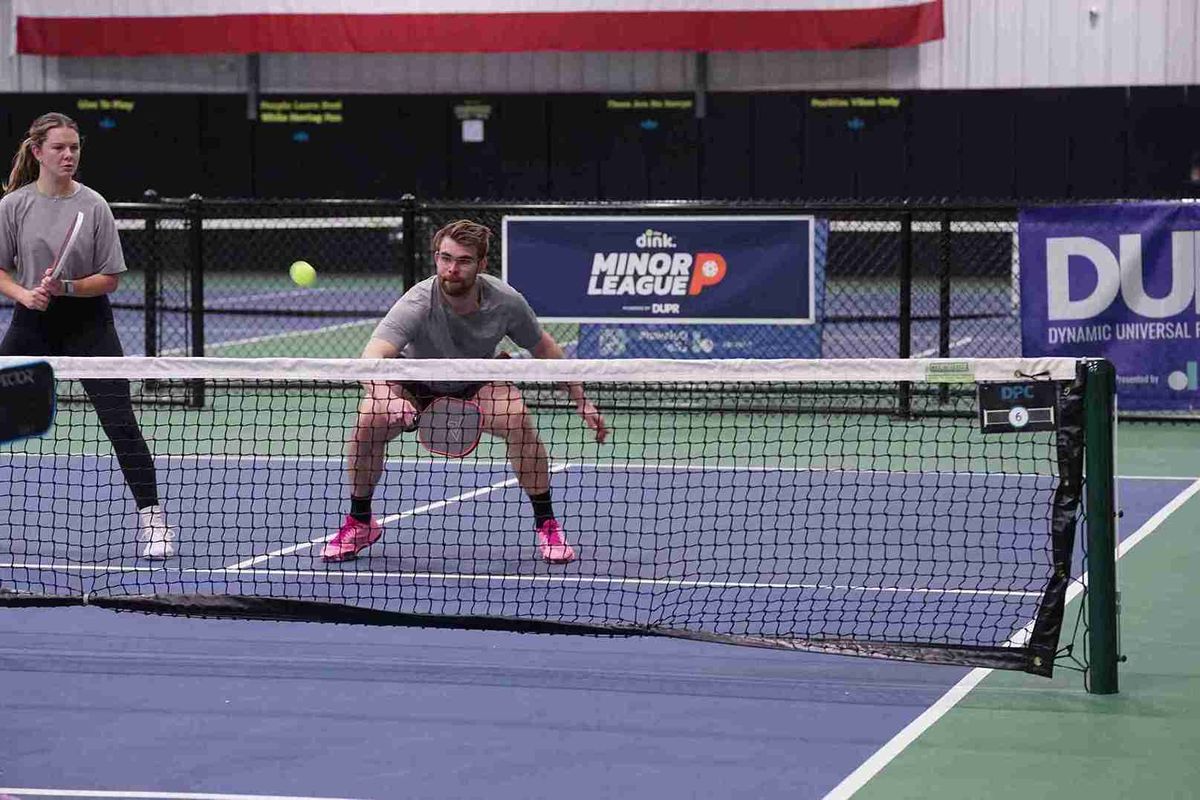
How Do You Turn Dinking Reps Into Tournament Points?
By making every single dink have a purpose, instead of just rallying back and forth until someone gets bored.
Casual dinking builds touch. Purposeful dinking builds patience under pressure, and that's the skill that actually wins matches.
The best drills for advanced pickleball players turn casual dinking into something with a target and a consequence.
Cross-court only, ten in a row, loser buys the water.
Add a shape requirement, meaning every third dink must be a spin variation instead of a flat push, borrowing from how to actually master topspin so the variation is real.
One of the toughest dinking drills we've covered forces exactly that kind of variation, and it exposes players who can only dink one way in about ninety seconds flat.
The Kitchen Line Drill That Exposes Your Patience
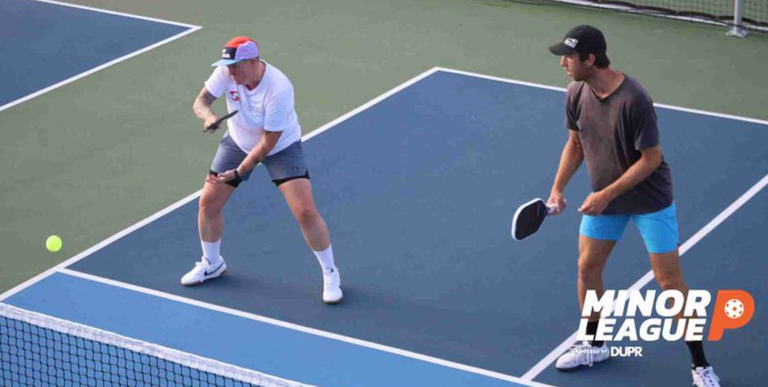
Two players at the kitchen line, one is only allowed to hit straight ahead, the other can go anywhere on the court.
The restricted player has to survive using footwork and shot tolerance alone. Swap after two minutes.
It removes your ability to end the point early and forces you to actually hold your ground.
Pair this with better court positioning, like learning to position yourself at the kitchen, and the two drills reinforce each other.
 The Dink Media Team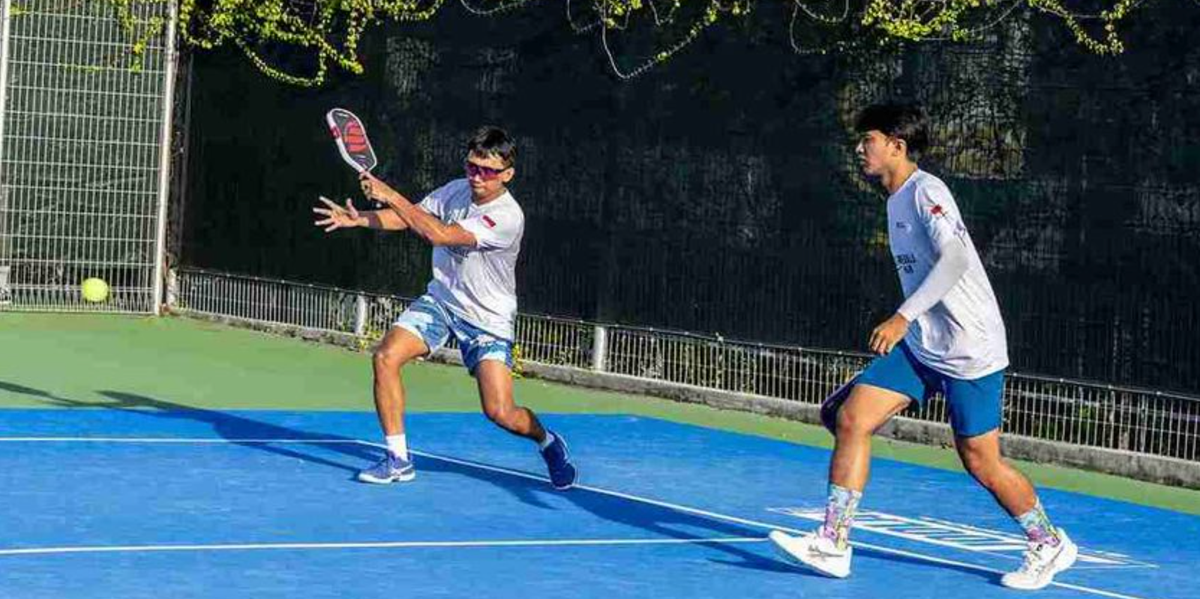
What About Footwork and Transition Zone Reps?
The transition zone, that stretch between the baseline and the kitchen, is where advanced points actually get won or lost, and most players sprint through it instead of drilling it.
Pickleball footwork through that stretch has to be deliberate, not rushed.
Split-step on your opponent's contact, take controlled shuffle steps instead of a flat sprint, and stop with your paddle up before committing to a shot.
A conversation on transitions and why they still trip up advanced players makes the point coaches keep repeating: rushing the transition zone loses more points at 4.5-plus than a bad drop shot does.
The Drill That Fixes Your Transition Zone Panic
Have a partner feed a ball to your feet as you approach from the baseline.
Your only job is to hit a controlled reset or drop while stopped, never while still moving. Most players sprint the whole zone in one motion.
Slowing it into two stops, mid-court and kitchen line, is what holds up when a real point speeds everything up.
 The Dink Media Team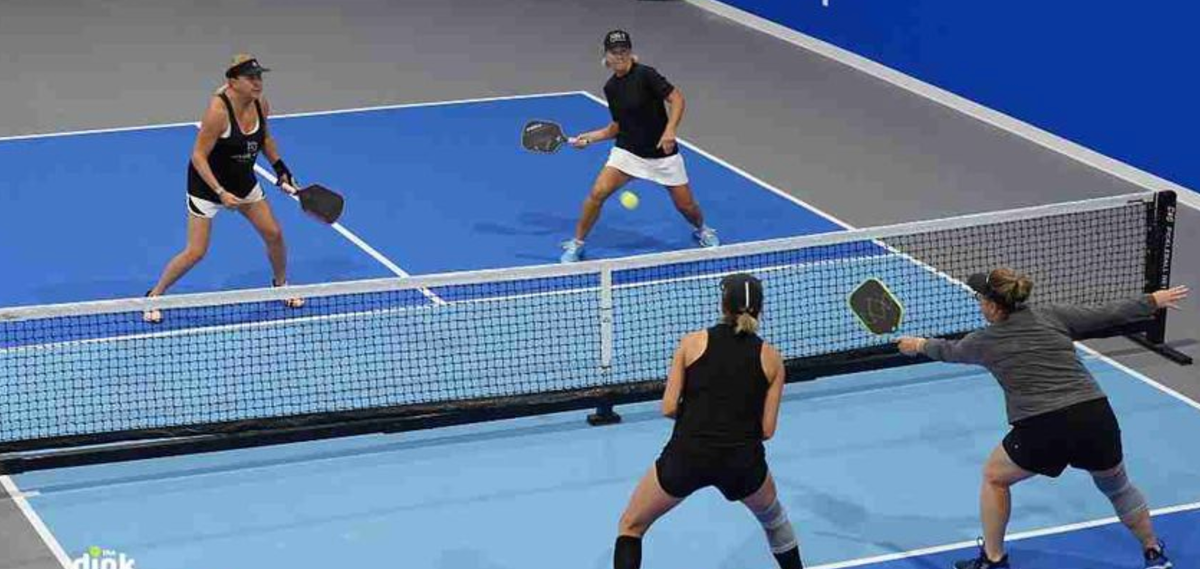
What Makes These the Best Drills for Advanced Pickleball Players, Not Just Drills?
Sequencing and specificity. Anyone can find a list of pickleball drills online.
What separates a real training plan is running them in an order that mirrors how a tournament match unfolds, tied back to a weakness you already identified.
That's the philosophy behind a full breakdown on building out your training, and it's echoed in the data too.
A 2026 SFIA sports participation report found competitive players who train with structured practice plans report faster skill progression than those who rely on casual play alone.
Structure beats volume every time.
The Best Drills for Advanced Pickleball Players Fit Into a Weekly Plan
A week built around the best drills for advanced pickleball players looks simple on paper: two sessions on hand speed and resets, one on third shot drops in isolation, one on live dinking games with consequences, and one full scrimmage under actual point pressure.
That's roughly the rhythm covered in one training routine that needs to be seen to be believed, and it keeps every skill from going stale.
Tournament prep adds one layer.
In the two weeks before an event, shift the ratio toward live-ball reps and away from isolated mechanics, closer to what players gearing up to compete regularly actually need.
Drilling teaches the shot. Playing teaches the decision.
 The Dink Media Team
Key Takeaways
- The best drills for advanced pickleball players start with an honest weakness audit, not a generic drill list.
- Hand speed and reset drills close the gap between good and great faster than volume-based reps.
- The third shot drop should be isolated before it's combined with movement.
- Dinking drills need a target and a consequence to build tournament-level patience.
- Structure your week so mechanics, live-ball reps and scrimmage all get covered before you rest, the same sequencing principle behind T and sideline placement in doubles strategy.
Frequently Asked Questions
What are the best drills for advanced pickleball players?
The best drills for advanced pickleball players combine hand speed exchanges, isolated third shot drop reps, purposeful dinking with a target, and transition zone footwork. The key is training your actual weaknesses instead of repeating shots you already have.
How often should advanced players drill versus play?
Most coaches recommend a roughly even split, leaning slightly toward drilling outside of tournament season and shifting toward live play in the two weeks before an event. Drilling builds the mechanics, the same way isolated reps on fourth shot court coverage in doubles only click once you've drilled the pieces separately. Live play tests the decision-making under real pressure.
What is the hardest drill for advanced pickleball players?
The reset combo, where a player is pinned at the baseline and forced to float a soft ball back into the kitchen under pressure, is consistently rated as one of the toughest. It demands touch and patience at the exact moment most players want to swing hard, which is also why return of serve positioning matters so much upstream, since a bad return sets up the exact baseline pin this drill is designed to fix.
How long should an advanced practice session last?
Sixty to ninety minutes is typical, split across two or three focused drills rather than one long, unstructured session. Shorter, high-intensity blocks with real feedback tend to build skill faster than a long session that drifts into casual rallying.
Do advanced players still need dinking drills?
Yes, and arguably more than beginners do. Advanced dinking drills need targets, spin variation and consequences built in, since casual dinking mostly just maintains touch instead of building the patience that wins tiebreakers. That same patience carries over into doubles, where rethinking how you approach doubles pickleball often starts with exactly this kind of purposeful dinking.

Love Pickleball? Join 100k+ readers for free weekly tips, news & gear deals.
Subscribe to The Dink