
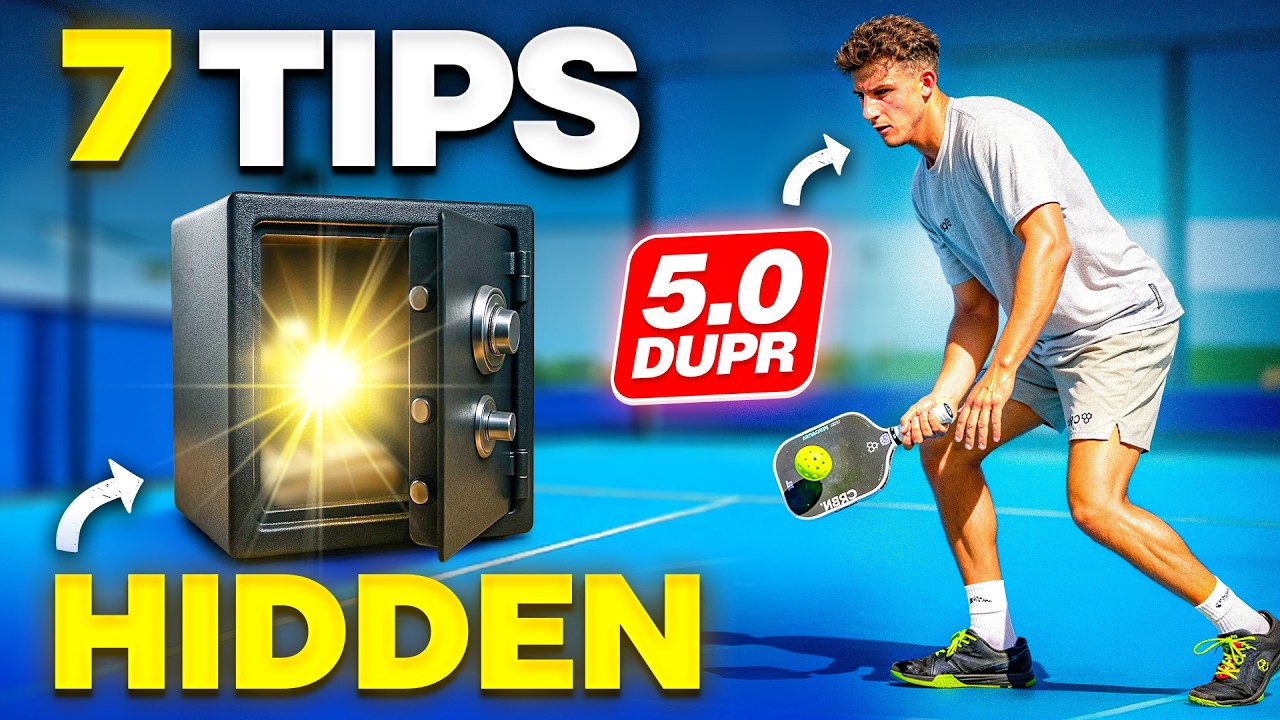
Most pickleball players never discover the advanced strategies that separate amateurs from pros. These 7 pickleball tips come straight from high-level competition and will fundamentally change how you approach the game.
Here's the thing: not all pickleball tips are created equal.
The difference between a tip that sounds good and one that actually transforms your game comes down to whether it's grounded in real competitive play.
Tanner Tomassi's approach focuses on exposing players to pro-level concepts that otherwise remain hidden, the kind of strategic thinking that happens at the highest levels of the sport.
The seven strategies he outlines aren't flashy or complicated.
They're practical adjustments that address the exact mistakes intermediate and advanced players make repeatedly.
These aren't tips about grip or stance. They're about court positioning, decision-making, and reading your opponent's intentions before they even hit the ball.
Love pickleball? Then you'll love our free newsletter. We send the latest news, tips, and highlights for free each week.
1. Stop Guessing on High Dinks: The Backhand Middle Coverage Pickleball Tip
When you leave a dink too high during a crosscourt rally, you know what's coming: an attack.
Most players slide to cover the middle with their forehand, which often leaves them jammed in the chest. That's the mistake.
Instead, commit to sliding to the middle with your backhand. This removes the guessing game entirely.
You know you hit a high ball, so you know you're getting attacked.
Rather than trying to react with a split second to spare, you eliminate the decision and commit to one side. If the ball's over there, it's out of bounds anyway.
This advanced pickleball tip works because it transforms a reactive moment into a proactive one.
You're not reacting to where the ball goes. You're already positioned for the most likely outcome.
2. Reactive vs. Proactive Paddle Positioning
Here's where most intermediate and even advanced players lose points without realizing it: their paddle positioning is reactive instead of proactive.
This is arguably the number one mistake in pickleball at the 3.5 to 4.0 level.
When the ball is crosscourt from you, amateur players keep their paddle down and back. If the opponent speeds it up, they have to react. That's too slow.
What you should do instead is position your paddle tip toward the ball, even during a dink rally.
If the ball gets sped up, you're already looking for the opportunity to attack.
This doesn't mean you're expecting an attack every time. You're being cautious in case it happens.
The difference is subtle but critical: your paddle is already in the right position to capitalize on a speed-up rather than scrambling to catch up. Stopping pop-ups starts with better hand speed and paddle positioning from the very first dink.
3. Turn Big Serves Into Aggressive Drop Opportunities
When you hit a strong, powerful serve and get a weak return, your opponent is going to be late getting to the kitchen line.
This is your moment to capitalize, and most players completely waste it.
The mistake is hitting a soft drop after a great serve. You've already won the point with your serve; now you're giving your opponent a chance to recover.
Instead, hit an aggressive topspin drop that catches them off guard. You're not trying to be cute; you're trying to finish the point.
This advanced pickleball tip is about recognizing your advantage and pressing it.
Too many players hit a great serve, get a weak return, and then play conservatively. That's backward.
When you have the upper hand, you need to put pressure on your opponent immediately.
 The Dink Media Team
4. Where to Speed Up: The Chest, Not the Wings
This is pro-level stuff, so pay attention. When your opponent hits a third shot drop and they're in the middle of the court, you want to speed the ball up.
But here's where almost everyone gets it wrong: they speed it up to the wings of the opponent's body.
The problem is obvious once you think about it. If you speed it up to their forehand side or backhand side, they're already waiting to hit one of those shots. They're ready.
Instead, take the ball and speed it up square at their chest. Since they're looking left and right, the chest is almost always open.
This advanced pickleball tip requires you to think geometrically about the court.
You're not trying to hit a winner. You're trying to jam your opponent into an uncomfortable position where they can't generate power. According to CBS Sports, pro players consistently exploit body positioning gaps that recreational players miss entirely.
Understanding where to attack your opponents on the court is what separates 4.0 players from 4.5 players.
The Dink Media Team
5. The Perfect Time to Throw a Lob
Most players lob out of panic, which is the worst reason to lob. You should throw up a lob based on your opponent's play style and positioning.
There's one specific thing they do that should be a green light in your head.
When your opponent starts leaning in, trying to get your ball out of the air, that's when you lob.
They're shrinking the kitchen, making the court really small, and all their weight is going forward.
That shot is open every single time.
It's like chess: they make a move, and you counter with something that exploits that move.
This advanced pickleball tip transforms the lob from a panic shot into a strategic weapon. You're not lobbing because you're in trouble. You're lobbing because you've read your opponent's positioning and you know exactly what's going to happen.
Eric Roddy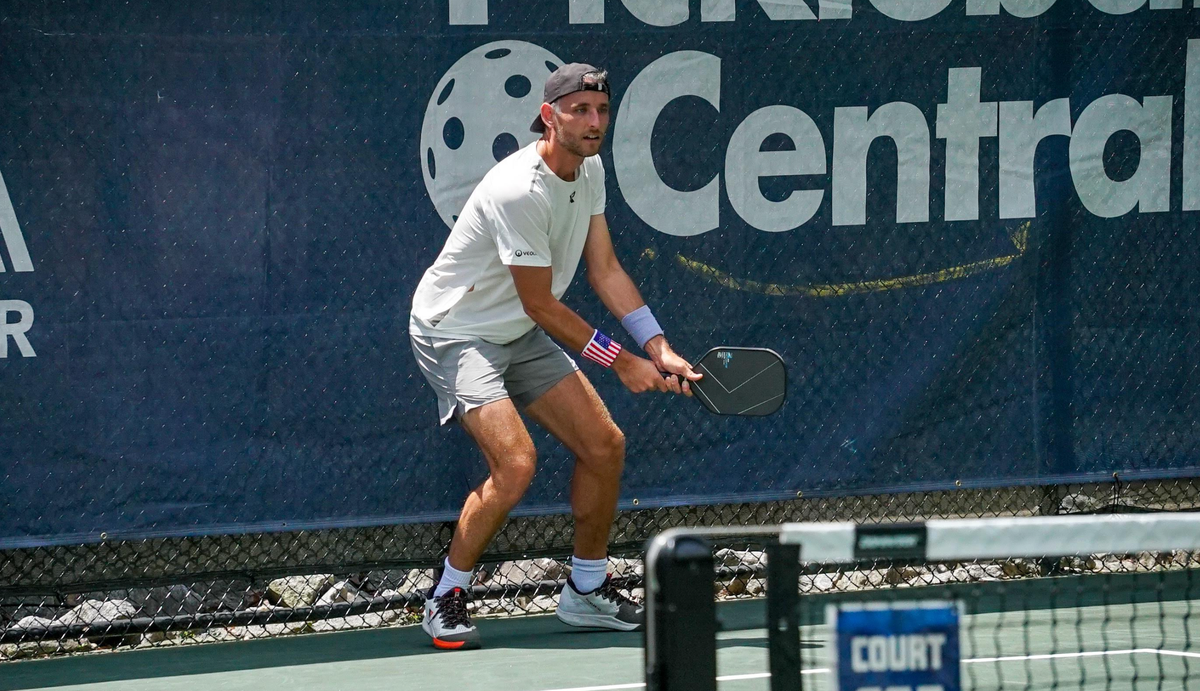
6. Rolling vs. Flicking From the Midcourt
When you're in the midcourt with one hand on the paddle and looking to attack, you have two options: roll the ball or flick it.
Most players flick, and most players are wrong.
Roll the ball with a locked wrist, using only your elbow. The reason this works is that you're in the middle of the court trying to advance forward, which means there's a lot of variability. The less you do, the better.
When you flick and use your wrist, it's super inconsistent. When you roll, you're only using your shoulder, which is more stable.
Here's the real advantage: even if the ball is down low, when you roll, it's all topspin. The ball always stays in play.
When you flick, you're only hitting down, so the ball literally has to be up high to flick successfully.
Rolling makes you a much more versatile player.
From the midcourt, you can go down the line, cross-court, or through the middle. When you flick, your wrist swing path is limited, and you're telegraphing to your opponent exactly where you're going. Mastering topspin in pickleball makes the rolling technique dramatically more effective.
The Dink Media Team
7. How to Adjust When Your Partner Gets Erratic
This is an elite skill that separates good doubles players from great ones.
When your partner is crosscourt dinking and you sense them getting a little wild or crazy, you need to adjust immediately.
Watch their strokes. If they're hitting aggressive, uncontrolled dinks, they're probably going to pop the ball up.
The second you see that happening, take a step back off the line. You're giving yourself time to counter or reset the ball.
If you just stand on the line, you're a sitting duck waiting to get picked apart by an attack. As NBC Sports has noted in its coverage of competitive doubles play, elite doubles teams constantly make real-time adjustments based on their partner's body language and shot selection.
After a point like that, when you're walking back to the baseline, communicate with your partner.
Say something like, "Hey, I felt you getting a little out of control there. Next time, let's try to slow it down and stay more consistent."
It's a nice way of saying, "Stop doing stupid stuff," without creating tension.
This advanced pickleball tip is really about court awareness and partnership.
You can't control what your partner does, but you can control where you position yourself to minimize the damage and maximize your chances of keeping the rally alive. The best doubles strategies in pickleball always account for your partner's tendencies, not just your opponent's.
Frequently Asked Questions
What is the most important advanced pickleball tip for improving court positioning?
The single most impactful advanced pickleball tip for positioning is proactive paddle placement. Keep your paddle tip pointed toward the ball during dink rallies so you're already set for a speed-up rather than scrambling to react when one comes.
Why is the backhand middle coverage such a critical pickleball tip at the 4.0 level?
Backhand middle coverage eliminates reactive decision-making in the most dangerous moment of a rally. When you've left a dink high, committing to backhand coverage in advance removes the split-second guessing game and gives you the best chance to get your paddle on the attack.
When is the right time to use a lob as an advanced pickleball strategy?
The ideal moment to lob is when your opponent is actively leaning forward, trying to volley your ball out of the air. Their weight is committed forward, the back of the court is wide open, and the lob becomes a winning shot rather than a desperation move.
What is the difference between rolling and flicking from the midcourt in pickleball?
Rolling from the midcourt uses a locked wrist and shoulder rotation, which generates consistent topspin and works on balls at any height. Flicking relies on wrist action, requires the ball to be up high, and telegraphs your direction to your opponent before you even strike.
How should I communicate with a doubles partner who is playing erratically?
Address it calmly between points, not during the rally. Frame it as an observation with a solution: tell your partner what you noticed and suggest slowing down or resetting, which keeps the conversation constructive and the partnership intact.
Love Pickleball? Join 100k+ readers for free weekly tips, news & gear deals.
Subscribe to The Dink