Pickleball dink consistency is the skill that wins long kitchen rallies, and it is mechanical, not magical. Here is how contact point, footwork, and a forgiving target turn a good dink into ten good dinks in a row.
Pickleball dink consistency is the skill that separates the player who wins the 22-shot rally from the one who blinks at shot number nine.
Not power. Not that fancy backhand slice dink you saw on Instagram.
Just the boring, repeatable ability to put the softest shot in the sport in the same small box over and over while your opponent runs out of patience.
Here's the thing about the kitchen: nobody loses a dink rally because their dinks weren't pretty enough.
They lose because somewhere around shot seven, one ball floats an inch too high and the point is over.
Fixing that is a mechanical problem with a mechanical solution.
Love pickleball? Then you'll love our free newsletter. We send the latest news, tips, and highlights for free each week.
What Does Pickleball Dink Consistency Actually Mean?
Pickleball dink consistency means hitting soft shots that land in the kitchen with the same arc, pace, and depth, rally after rally, under pressure.
It's a repeatability stat, not a quality stat.
Quick definition for anyone who wants the technical version: a dink is a soft shot hit from at or near the non-volley zone that arcs over the net and lands in your opponent's kitchen, low enough that they can't attack it.
If you want the full breakdown of the shot itself, our dinking technique guide covers grip and swing path in depth.
Honestly, most 3.5 players already own a good dink, and plenty of them can hit a clean forehand dink on demand.
They just don't own ten in a row. That gap is the whole article.
Why Do Your Dinks Fall Apart After Shot Seven?
Because your contact point drifts. That's it. Early in a kitchen rally you're balanced, the ball is in front of you, and everything feels easy.
Ten shots later you're leaning, the ball is beside your hip, and your paddle face has quietly opened up.
Your Contact Point Is the Entire Ballgame
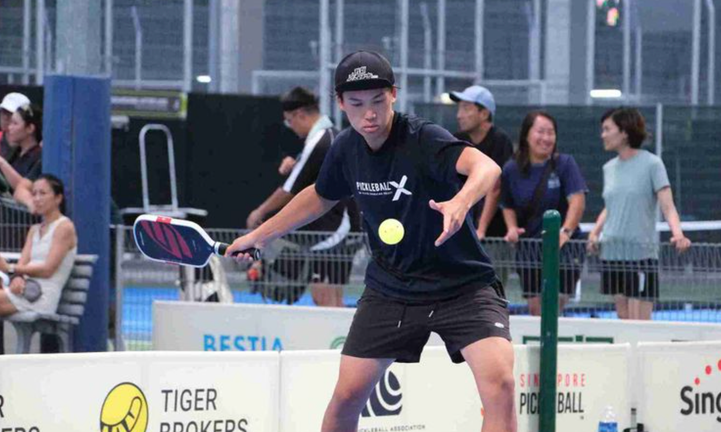
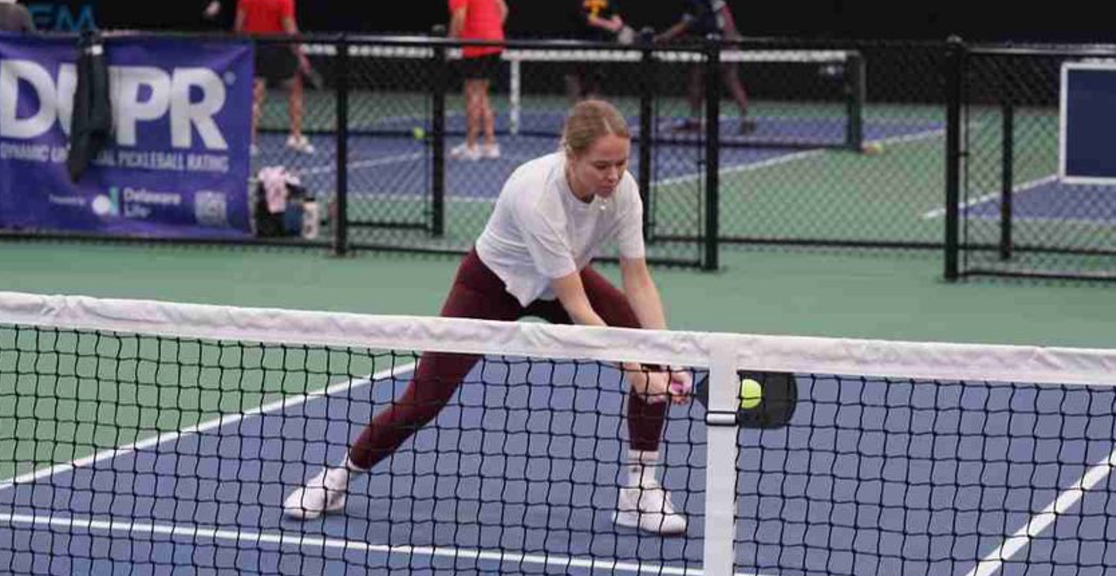
The best dinkers on tour share one trait: they contact the ball out in front of their body and below chest height, almost every single time.
That's the whole secret. When the ball gets behind you, your wrist has to save it, and wrists are terrible at saving things softly.
Try this on your next court session. Set a target zone about a paddle-length in front of your lead foot and refuse to hit a dink anywhere else.
If the ball won't come to that spot, you move to it. This is the core idea behind cornering the ball, and it fixes more pop-ups than any grip change ever will.
Speaking of grip: a loose continental grip gives you the neutral paddle face you need for both wings. Squeeze it like a hammer and your dinks will fly.
How Does Footwork Affect Pickleball Dink Consistency?
Footwork affects pickleball dink consistency more than technique does, because every reach is a compromised swing.
Shuffle to the ball and you get a clean, repeatable stroke. Lunge for it and you get whatever your arm can improvise.
Two fixes, both unglamorous:
- Split step on every shot at the line. Not a hop. A small, quiet reset of your weight so you can move in either direction. Your ready position should look the same on dink 1 and dink 20.
- Take small steps, not big ones. Three little shuffles beat one giant stride every time. Our footwork technique piece walks through the pattern.
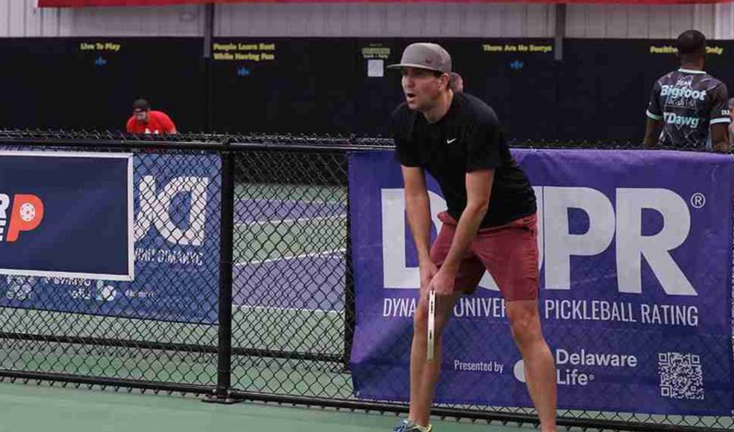
Posture matters here too. Bent knees, chest up, paddle out front.
Stand upright and you'll be hitting down on the ball without realizing it, which is exactly how balls end up in the net.
 The Dink Media Team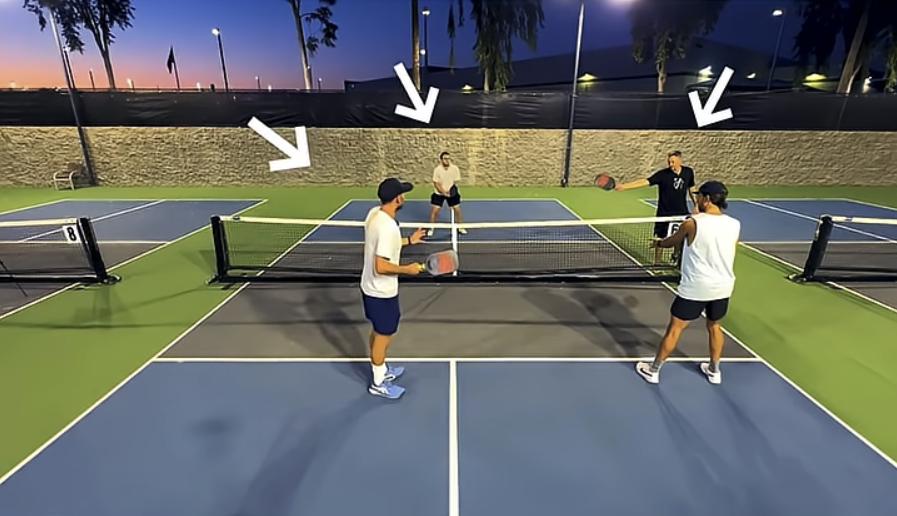
The Three Habits That Build Pickleball Dink Consistency
Pickleball dink consistency is built on three habits: a forgiving target, a repeatable arc, and a decision made before the ball arrives. Everything else is decoration.
Aim Bigger Than You Think
Most players aim at the sideline, the way they've seen it done in advanced dinking clips. Then they miss by six inches and lose the point.
Aim two feet inside the line instead and you've bought yourself enormous margin without giving up much pressure.
Same logic applies to net clearance. A dink that clears the tape by a foot is still unattackable if it lands short in the kitchen.
A dink that clears by two inches is a net error waiting to happen.
Depth and height are a tradeoff, and the pros are picking safety far more often than highlight reels suggest. Dink placement beats dink speed, always.
Want the fastest placement upgrade? Hit more middle dinks. Biggest target on the court, creates partner confusion, and it's nearly impossible to angle back at you.
What Drills Build Pickleball Dink Consistency Fastest?
The fastest drill for pickleball dink consistency is straightforward cooperative crosscourt dinking with a count, because it forces volume under mild pressure.
Here's how to run it:
- Count out loud. You and your partner go crosscourt, forehand to forehand, counting every ball. First goal: 30 in a row. Then 50.
- Then make it harder. Move to the hardest dinking drill once 50 feels easy.
- Then go solo. Wall drills build touch on days you can't get a partner, and they're brutally honest about your contact point.
One mild digression that actually matters: most players drill dinks for four minutes and play for two hours.
Flip that ratio occasionally and your numbers move fast. There are plenty of solo options if court time is tight.
 The Dink Media Team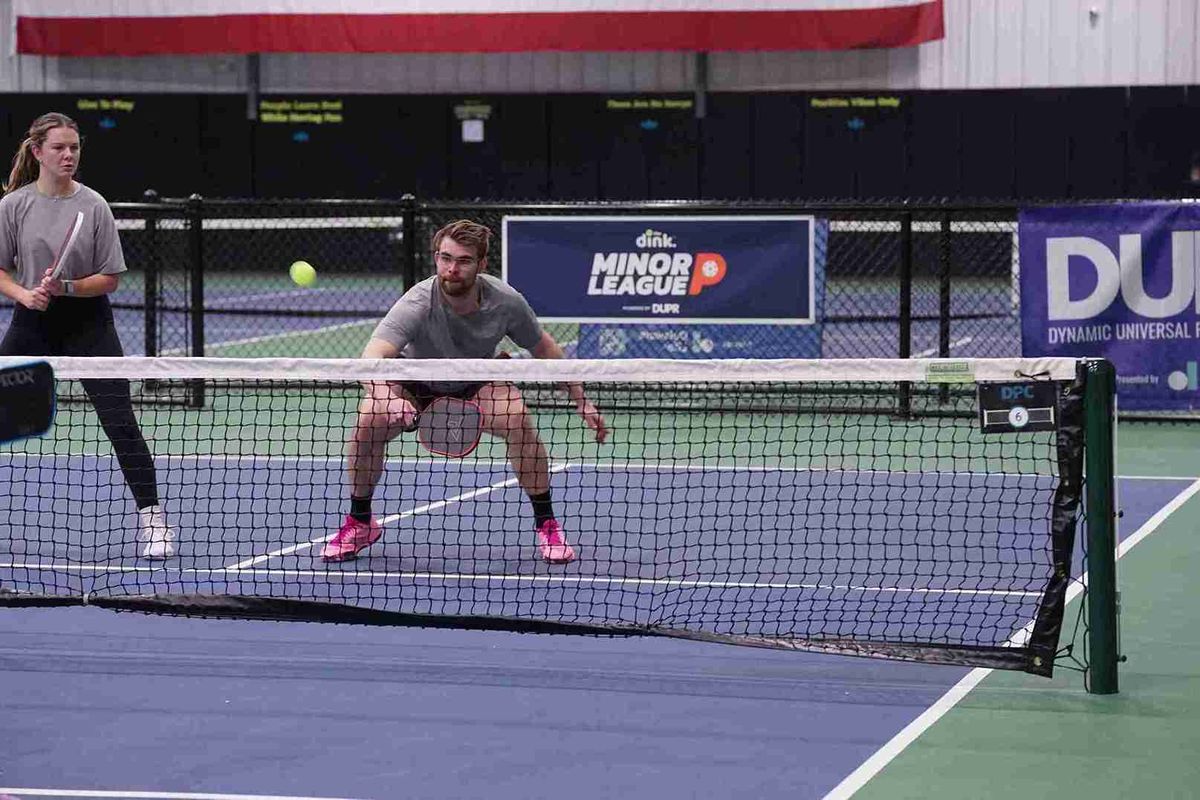
When Should You Break the Pattern?
You break the pattern when your opponent gives you a ball above net height, and not one second sooner. That's the discipline half of pickleball dink consistency.
Elite dinkers aren't passive. They're waiting. They're reading whether the next ball is a dead dink they can punish or a live one they have to respect.
The difference between offensive and defensive dinks is entirely about ball height at contact, not about how aggressive you feel.
And when the attack does come? Your speed-up only works because you earned it with fifteen boring dinks first. Patience is the setup.
If you want to see what this looks like from the inside, what elite players think during every dink is a genuinely useful read. Spoiler: they're not thinking about winners.
 The Dink Media Team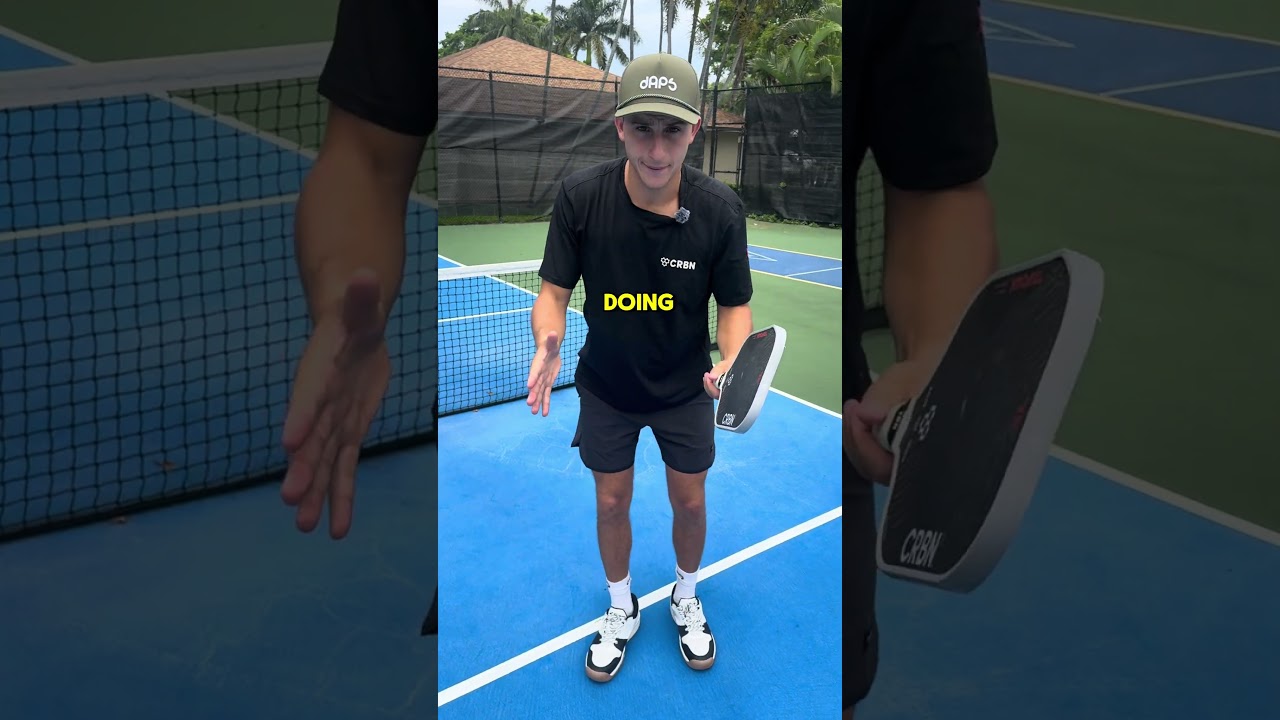
How Do You Know Your Pickleball Dink Consistency Is Improving?
You know your pickleball dink consistency is improving when your errors move later in the rally. That's the metric. Track it.
Pick one number and chase it for a month: unforced dink errors per game. Most 3.5 players sit around six or seven.
Get that to two and your rating moves on its own, without a single new shot.
Our 3 habits of elite dinkers piece goes deeper on what that progression looks like at the top level.
The other signal is comfort. If long rallies stop feeling like a test of nerve and start feeling like a place you want to be, your soft game is real.
That's when you can start layering in the aggressive dink handling and backhand variations that make you genuinely hard to play against.
Build the floor first. The ceiling takes care of itself.
 The Dink Media Team
Key Takeaways
- Good dinks come from contact point, not touch. Get the ball out in front and below your chest and most of your errors disappear.
- Move your feet, not your paddle. Reaching is the single biggest cause of dink pop-ups.
- Aim two feet inside the lines. Your target should be forgiving, not perfect.
- Track dinks in a row, not winners. Consistency is a number you can measure and improve.
Frequently Asked Questions
How long does it take to improve pickleball dink consistency?
Most players see a real change in three to four weeks of focused work, assuming two or three drill sessions per week. The mechanical fixes like contact point and footwork show up almost immediately. The mental side, staying patient through a 20-shot rally, takes longer because it only builds in live play.
Should I dink crosscourt or straight ahead?
Crosscourt is the safer default because the net is lower in the middle and you have more court to work with. Straight-ahead dinks are useful for changing the rhythm and pinning a specific opponent, but they carry more risk. Start crosscourt, mix in middle dinks, and use line dinks as a change-up rather than a staple.
Why do my dinks keep popping up?
Almost always contact point. If the ball gets behind you or above your chest, your paddle face opens and the ball floats. Reaching instead of stepping is the usual culprit. Fix your feet first, then check that you're not gripping too tightly.
Is a two-handed backhand dink better?
It depends on your comfort and reach. A two-handed backhand gives you more stability and easier topspin, which helps on aggressive dinks. A one-handed slice gives you more reach and a lower, deader ball. Plenty of pros use both depending on the situation.
How many dinks in a row should I be able to hit?
Fifty consecutive crosscourt dinks with a cooperative partner is a solid target for a 4.0 player. If you can't get past 15, that's your training target. Once 50 feels routine, add movement and pressure rather than just chasing a bigger number.

Love Pickleball? Join 100k+ readers for free weekly tips, news & gear deals.
Subscribe to The Dink