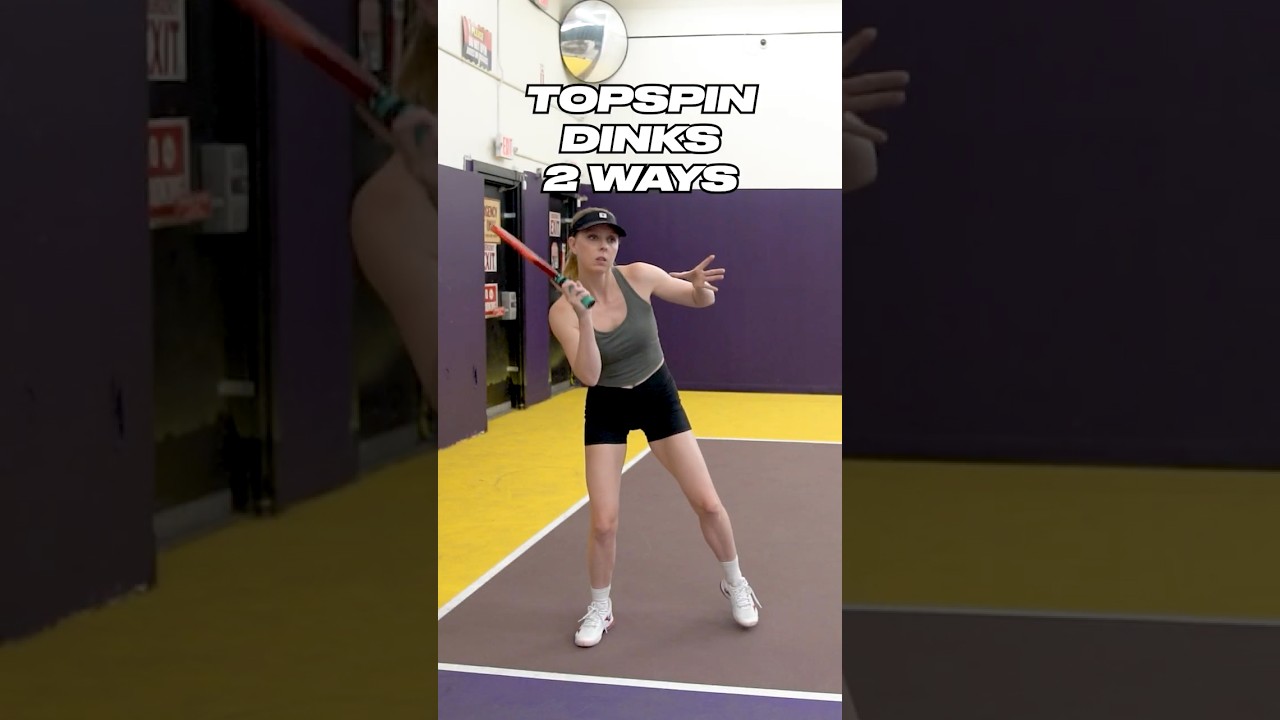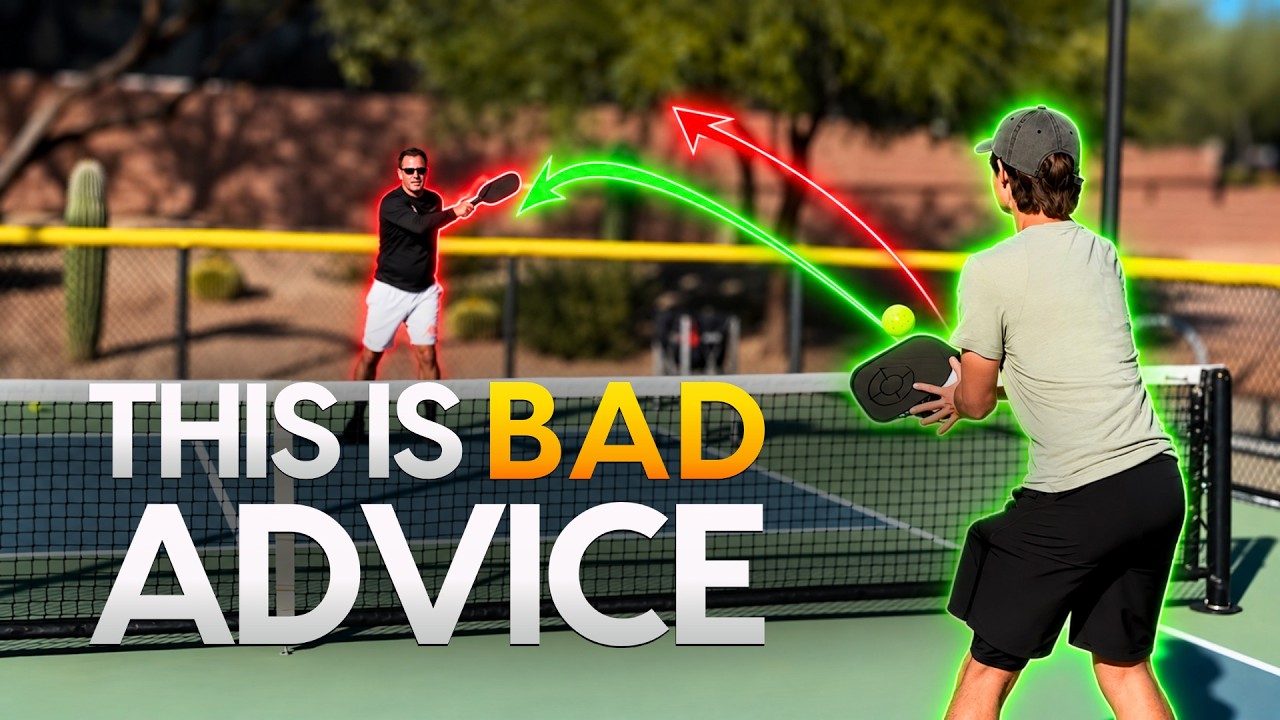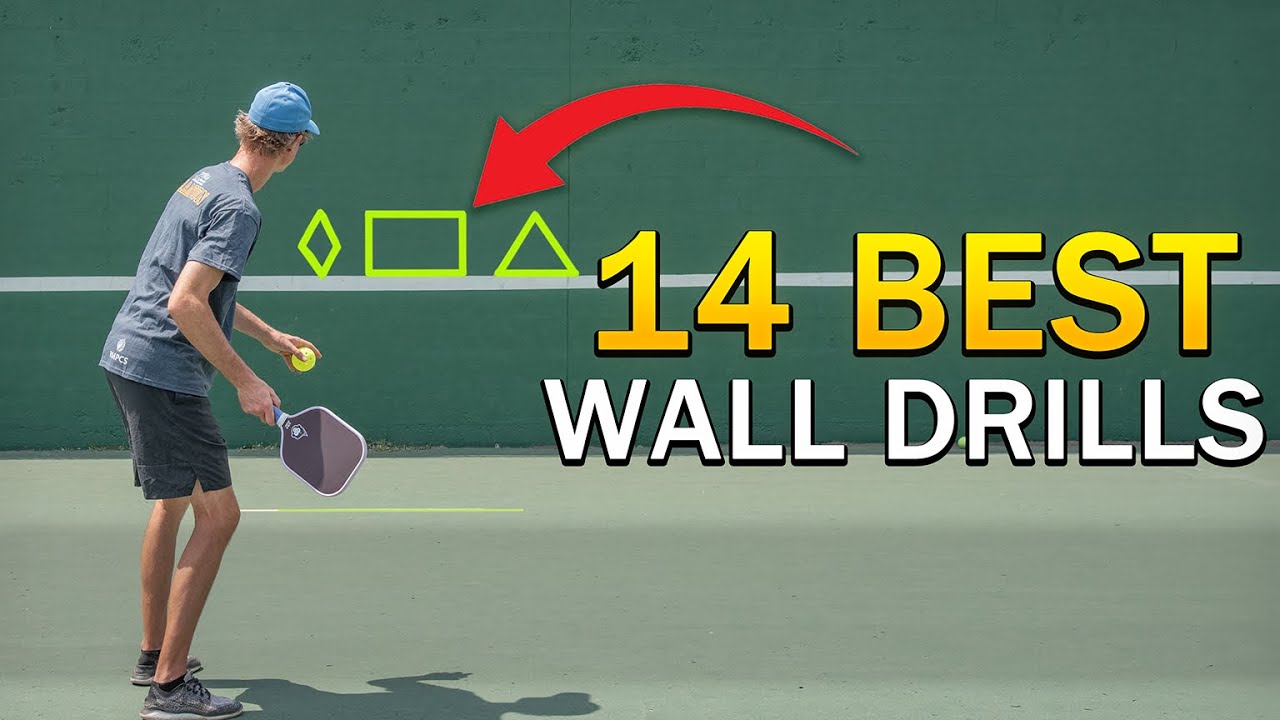
A wall and a ball are all you need to sharpen your pickleball game. These 14 pickleball wall drills build the dinking, volleying, and hand speed that show up when it counts.
If you think a wall is only useful when you have no other options, you are leaving serious improvement on the table.
A pickleball wall drill done well will stress your hand speed, touch, and pattern recognition in ways that partner drilling often cannot replicate.
The wall never misses. It never goes easy on you. And it is available any time you are.
These 14 drills come from Patient Pickleball on YouTube, and they cover everything from basic dinking warm-ups to deceptive inside-out shots and short-hop winners.
Work through all of them and your game will look different within a week.
Love pickleball? Then you'll love our free newsletter. We send the latest news, tips, and highlights for free each week.
Start Slow: The Warm-Up Drills That Actually Matter
Most players rush to speed. That is the wrong instinct.
Begin every session with controlled dinking so you can calibrate your grip pressure and your feel for the center of the paddle.
You should be able to feel exactly where the ball contacts the paddle face on every single touch. If you cannot, you are going too fast.
Start with the ball bouncing high and your pace comfortable, then slowly increase tempo.
Alternate forehand and backhand, keep your knees bent, and move your feet rather than just reaching with your arm.
This is also a great time to work in the chicken wing shot and get a few two-handed dinks in early.
If you are trying to figure out how to practice pickleball alone without wasting the session, this warm-up is non-negotiable.
It is the same principle behind any proper pre-match warm-up.
Drill 1: Simple Dink Alternation
Hit forehand, then backhand, letting the ball bounce each time. Focus entirely on contacting the center of the paddle and keeping your wrist quiet.
Drill 2: Chicken Wing and Two-Handed Dinks
Deliberately work in the chicken wing and two-handed variations during your warm-up. The wall is the best place to build these shots into muscle memory before bringing them into a match.
Anna Leigh Waters is known for her consistency through repetition. Her mother reportedly made her hit 100 dinks to the same spot. Ask yourself when you last did that.
Volleys: Where Wall Training Pays Off Fastest
Wall volleys are the single fastest way to build hand speed for the kitchen. Once you are warmed up, move into continuous volleys and begin pushing the pace.
Stay focused on watching the ball contact your paddle. Even at higher speeds, that discipline matters.
If you are looking ahead to where you want to send the ball before you have actually hit it, your contact suffers.
Two things matter most in your volley phase:
- Compact swings. A long follow-through leaves you unprepared for the next ball, and the wall will punish you for it instantly.
- Reaching straight out. Extend your arm directly to contact the ball early, because the closer your shoulder is to net height, the more range you have.
Drill 3: Continuous Fast Volleys
Start at a pace you can control, then slowly push faster. Your goal is to stay balanced and compact, not to swing harder.
Drill 4: Two-Handed Volley Integration
Force yourself to hit a percentage of volleys with two hands on the paddle. Keep your non-dominant hand ready on the grip between shots rather than hanging off to the side.
This builds the two-handed backhand counter reflex that wins hands battles.
If you want to sharpen it further, Connor Garnett's two-handed backhand breakdown is worth your time.
 The Dink Media Team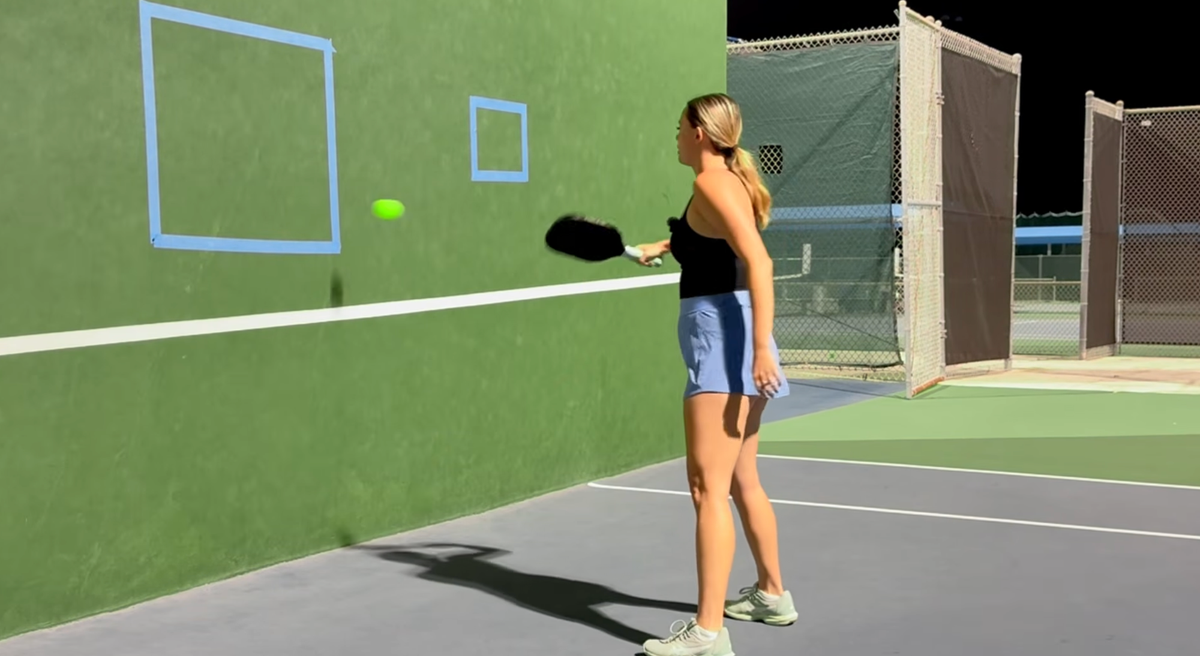
Adding Topspin and Pattern Combinations
Once you are in the groove, bring in topspin shots off the bounce and start thinking in combinations. This is where wall training starts to feel like actual game preparation.
The pattern that Patient Pickleball recommends is this: topspin speed-up, counter, reset.
Run that loop repeatedly. It trains your brain to recognize what the ball is doing and respond with the right shot rather than the first shot.
Drill 5: Topspin Speed-Up Off the Bounce
Drive the ball into the wall with topspin, then respond to what comes back. Take as many balls out of the air as you can.
This simulates your opponent sitting back after a weak return.
Drill 6: Speed-Up, Counter, Reset Combination
Speed the ball up, counter the return, then reset if the ball gets too difficult. Cycle through this pattern without stopping.
The more you run this pattern, the more automatic your decision-making becomes in real rallies.
That kind of shot recognition sits at the center of modern pickleball strategy, and it is the same instinct behind this 4-step system for winning more games.
 The Dink Media Team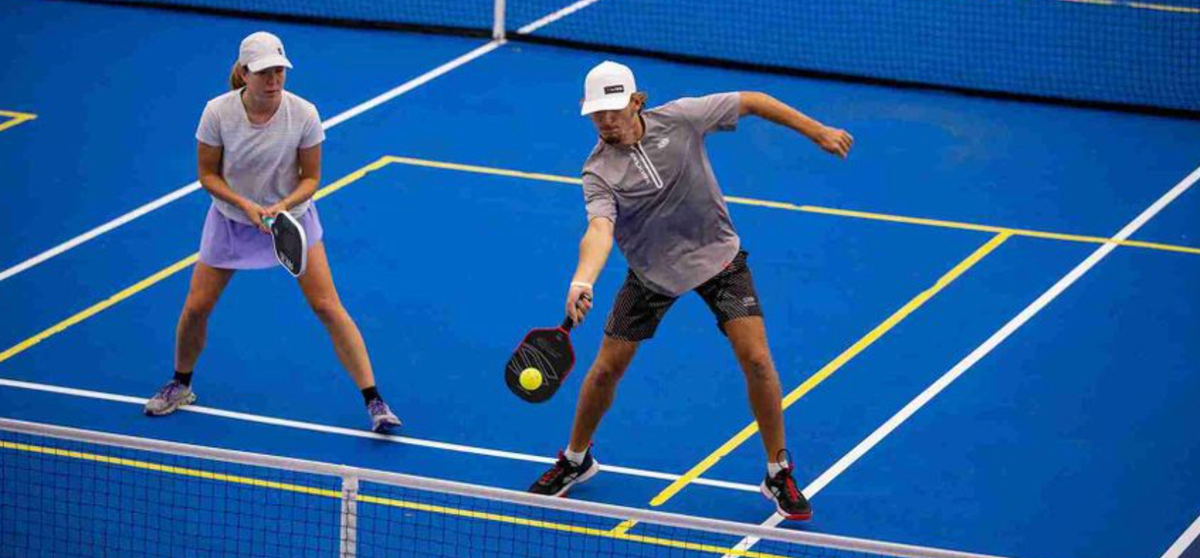
Is Your Wall Flat? The Uneven Wall Advantage
An uneven wall is actually better for training.
When the ball does not bounce back to you at a predictable angle, you are forced to read the ball and adjust your footwork in real time.
That is exactly what happens in a match.
Use a wall that is at least 10 feet high. If it is closer to 13 feet, even better, because you can practice topspin lobs and generate overhead opportunities for yourself.
Drill 7: Topspin Lob Practice
From your dink position, disguise the lob as long as possible, then send the ball up and off the wall.
Step back, reset the next shot, and work back into your dinking rhythm.
The goal is to make the lob look identical to a dink until the last moment.
Drill 8: Inside-Out Forehand and Backhand
The inside-out shot is one of the most deceptive tools in the game, and the wall is a perfect training partner for it.
Turn your body as if going crosscourt, then redirect the ball back across your body at the last moment.
For forehands, keep the paddle closer to your body. Your wrist cannot generate enough bend when you are fully extended.
This shot builds hand-eye coordination and paddle control, and it has real applications from dinks to transition zone attacks.
It belongs on the short list of essential shots to master.
 The Dink Media Team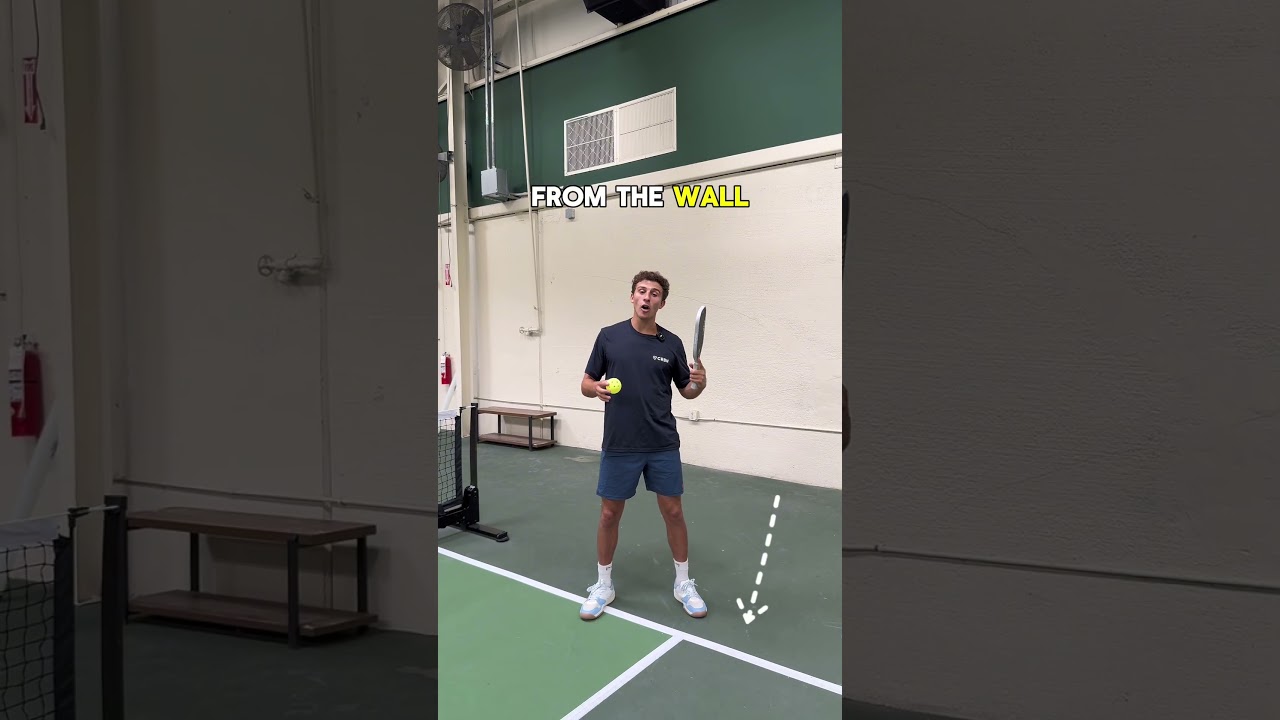
Slice, Drop, and Reach Drills
Slice shots are underused at most recreational levels, even after the pros largely abandoned the slice as a primary weapon.
A pickleball wall drill lets you practice both forehand and backhand slices without a partner feeding you balls.
Drill 9: Slice Forehand and Backhand
Turn sideways to the wall, generate a slice, and hit slightly harder than you would in a standard dink to simulate crosscourt pace.
For backhands, start with two hands on the paddle so you have the option to transition to different shots within the same motion.
Drill 10: Third Shot Drop Simulation
Think of the drop as a dink hit just a bit harder. Your drop does not need to be a completely different shot mechanically.
If you frame it that way, the technique becomes much more consistent.
Hitting the drop higher and slower rather than driving it gives you more time to advance.
That is where the pressure comes from: getting up fast after a quality drop. For placement specifics, see this science-backed method for perfect drops.
Drill 11: Reach and Neutralize
Set up a shot with some pace or spin, then practice straightening your arm and taking the ball early.
Sometimes you add a little spin yourself. Sometimes you push it flat to a corner.
The point is to get comfortable contacting the ball when it is not sitting perfectly.
 The Dink Media Team
Flicks, Short Hops, and the Drills That Win Fast Points
Flick shots are a weapon most players practice too rarely.
The wall forces you to keep your swing compact because a long follow-through means the ball comes back before you are ready.
Drill 12: Flick Shots Out of the Air
Once the ball rises above net height, flick it. Practice going crosscourt, down the line, and at different heights. If the ball drops low, transition to a roll.
Stay compact on every swing.
A useful read on this: mastering the pickleball flick and the step most players skip.
Drill 13: Short Hop Dink Winner
This is a more advanced drill and a genuinely fun one. Take the ball extremely early, almost off the bounce, and flick it upward as if hitting a normal dink.
The goal is a short hop winner that catches your opponent completely off guard.
It requires timing and a soft touch, but if you have been dinking patiently all rally, a well-timed short hop early ball is very hard to defend.
Practice it here: how to short hop at the net like a pro.
 The Dink Media Team
High-Speed Close Volleys and Target Practice
Drill 14: Close-Range High-Speed Volleys
Get close to the wall and hit as hard as you can while staying in control. Gradually get closer and push the pace higher.
This is the drill that most directly simulates a hands battle at the kitchen line.
You will notice quickly that you cannot track the ball all the way to your paddle at high speeds.
That is normal. In a real hands battle, you read the ball from the first foot or two of your opponent's swing, then react.
This drill trains exactly that instinct.
Add targets to the wall for your speed-up practice. The target should represent the outside edge of your opponent's body, not the center.
Making them reach or move is more effective than firing straight at them.
If you want to go at the body, aim for the hip, not the chest.
This mirrors what the best kitchen attack strategies recommend: attack the corners of their reach, not the middle of their body.
A full list of organized drills that pair well with this wall work is available at 5 pickleball drills a PPA pro still uses every practice.
If you want to build a complete solo practice routine around wall work and home training, pickleball drills at home with no court is a strong place to start.
And if you want to see how warm-up structure fits into your broader pre-match routine, check out 6 warm-up drills top pros never skip.
Frequently Asked Questions
How often should I do pickleball wall drills?
Three times per day is ideal if you can manage it, but even one focused 15-minute wall session daily will produce noticeable improvement within two weeks. Consistency matters more than duration.
What kind of wall is best for pickleball practice?
A smooth, flat wall at least 10 feet high works well, but an uneven surface is actually useful because it forces you to read unpredictable ball paths, just like in a real match. A 13-foot wall lets you practice lobs.
Can wall drills replace partner drilling?
Wall drills cannot fully replace partner drilling, but they are irreplaceable for building hand speed, touch, and shot repetition at your own pace. Use both, and use the wall when no partner is available rather than skipping practice entirely.
What is the best pickleball wall drill for beginners?
Start with simple dink alternation, forehand to backhand, focusing on hitting the center of the paddle every single time. Once you can do 50 consecutive touches without losing control, move into volleys.
How do wall drills help with the third shot drop?
Wall drills let you practice the drop repeatedly without a partner feeding balls, and the best mental cue is treating it as a dink hit slightly harder. The wall gives you instant feedback on whether your contact and pace are consistent.

Love Pickleball? Join 100k+ readers for free weekly tips, news & gear deals.
Subscribe to The Dink