The 5 Wall Drills That Build Real Pickleball Skills Without a Partner
You do not need a partner to get better at pickleball. These five pickleball wall drills build the touch, speed, and control that show up in every real game.
If you do not have a partner available, your pickleball practice does not have to stop.
The pickleball wall drill is one of the most underused tools in any player's training routine, and most people skip it because it looks too simple.
That is exactly the wrong way to think about it.
The players who put in solo wall work are the ones who show up to open play with noticeably better hands, tighter dinks, and faster reaction times.
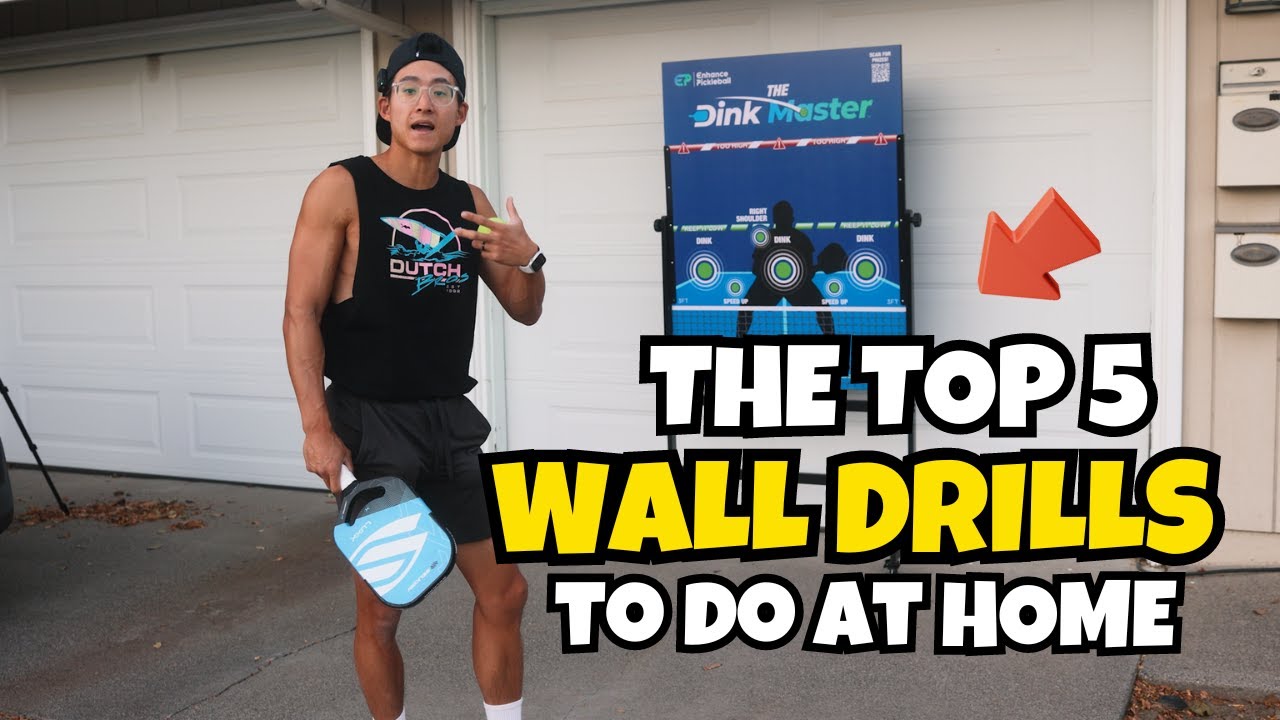
The five drills below come from Ed Ju on YouTube, who breaks down exactly what he does at his own garage wall using a portable rebounder called the Dink Master.
These are the actual drills he credits for pushing his game to a higher level.
Love pickleball? Then you'll love our free newsletter. We send the latest news, tips, and highlights for free each week.
What You Actually Need to Start
You need a wall. That is it.
A garage wall, a backyard fence, or a dedicated rebounder all work.
The Dink Master has built-in targets at right, middle, and left positions, which gives you immediate feedback on your aim, but even a plain wall gets you 90 percent of the benefit.
What matters more is your mindset going in. Wall drilling rewards consistency over power.
If you walk up expecting to bash balls, you will learn nothing and chase down loose shots every 10 seconds.
Your paddle matters less than you think here, though it is worth knowing where the equipment rules landed after the 2025 paddle guidelines reshaped what is legal at the pro level.
Drill 1: Warm-Up Dinking
Start every session with controlled dinks. Stand about 7 feet away and hit soft, low shots to your targets, alternating forehand and backhand at a relaxed pace.
The goal is not variety. It is repetition of fundamentals with an active stance, soft hands, and a compact paddle swing.
Ed Ju notes that his paddle only moves about 6 inches on each dink.
That level of control is what separates consistent kitchen players from players who pop up dinks under pressure, and it is one of the five shots you must master before 2026 if you want to break 5.0.
One useful tip: if you struggle with your backhand, place your off-hand behind the paddle face for support.
This two-handed setup gives you more stability and makes it easier to generate lift on low balls.
If you want a full breakdown, fixing your two-handed backhand dink covers the most common mistakes in detail.
Do this for 2 to 3 minutes before moving to anything faster.
Drill 2: Volley Dinks
Volley dinks are one of the most underrated shots in the game.
You take the ball out of the air before it bounces, which cuts your opponent's reaction time roughly in half.
Same setup as drill one, but now you do not let the ball bounce. Stay compact, reach forward slightly, and keep your paddle face controlled.
Your weight stays forward so you can extend into the shot.
This drill builds the habit of attacking space and time at the kitchen line, not just waiting for the ball to come to you.
To understand how this fits into a full dinking strategy, how to win a dink battle lays out the complete framework, and it pairs well with the 6 essential shots to master for 2026.
 The Dink Media Team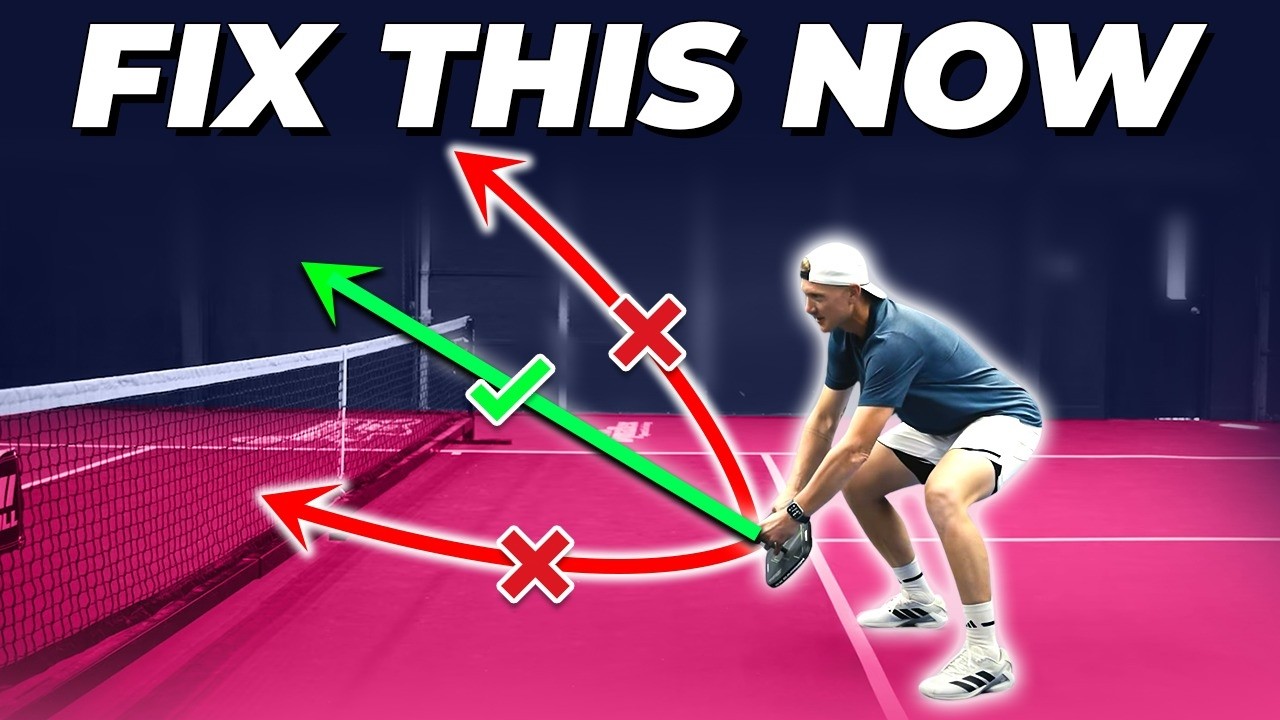
Is the Crisscross Drill Actually Worth Your Time?
Yes, and most players who see it for the first time underestimate it completely.
The crisscross drill uses a ball and a bounce-catch pattern that tests your grip pressure and hand softness in real time. Here is the sequence:
- Bump the ball off your paddle face.
- Catch it with your non-paddle hand.
- Repeat on forehand side, then backhand side, then alternate.
If the ball flies off your paddle when you bump it, your grip is too tight. Soft hands are not a personality trait.
They are a trained skill, and this drill trains it faster than almost anything else you can do alone.
The crisscross is also excellent for hand-eye coordination before any session. Ed does it as part of his warm-up, and you should too.
For a deeper look at building dink consistency, the principles behind soft hands apply throughout.
 The Dink Media Team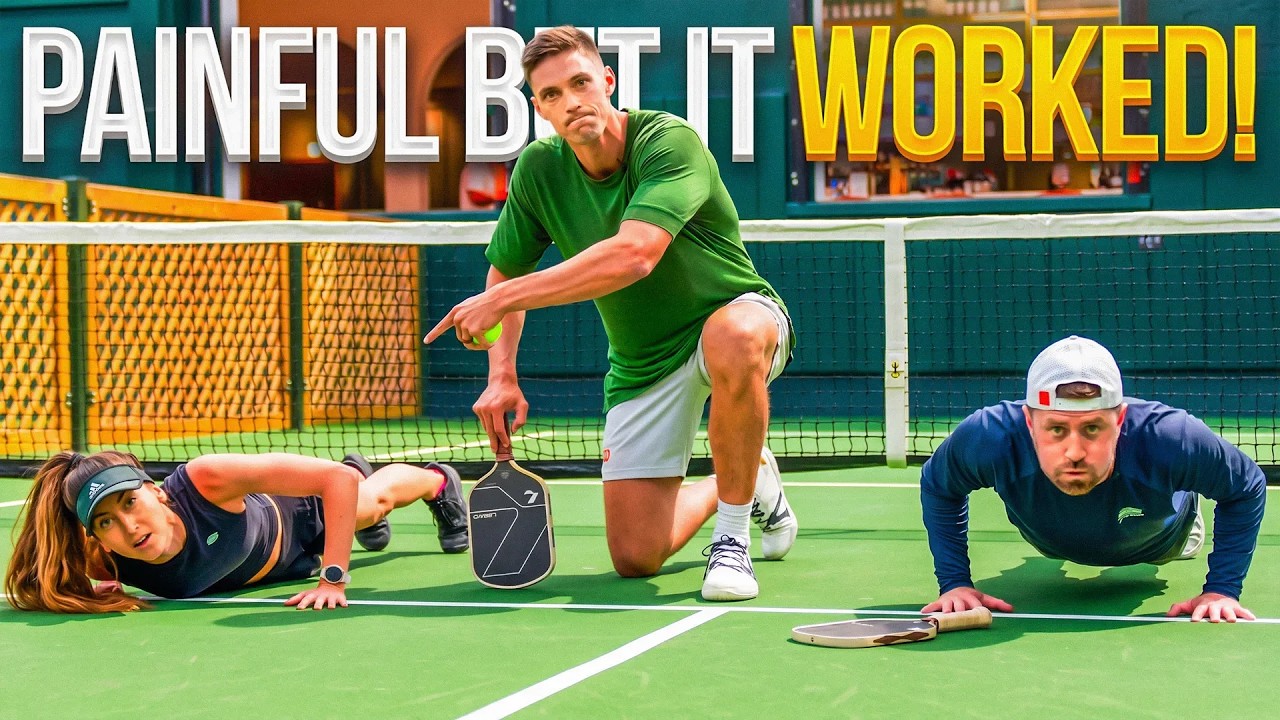
Drill 3: Forehand and Backhand Volleys
Now you move into pure volley work. These are not soft shots. You are punching the ball with intent.
Step slightly closer to the wall and drive volleys back with a firm, compact stroke.
Your arm should be extended in front of your body at contact. That contact point in front of you is everything.
If you are letting the ball get beside you or behind you, you lose power and control at the same time.
Here is how Ed structures this drill:
- 30 reps on the forehand only
- 30 reps on the backhand only
- Alternating forehand-backhand until failure
Your backhand should feel more natural than your forehand.
It covers your body center and your left side if you are right-handed, which means it protects about 75 percent of your reachable coverage area.
This is why fixing your kitchen line volleys almost always starts with the backhand.
It also explains why the pros have been rethinking their compact-stroke options, including why they abandoned the slice shot in 2025.
Take rest breaks after each set. Do not grind through fatigue at the expense of form.
 The Dink Media Team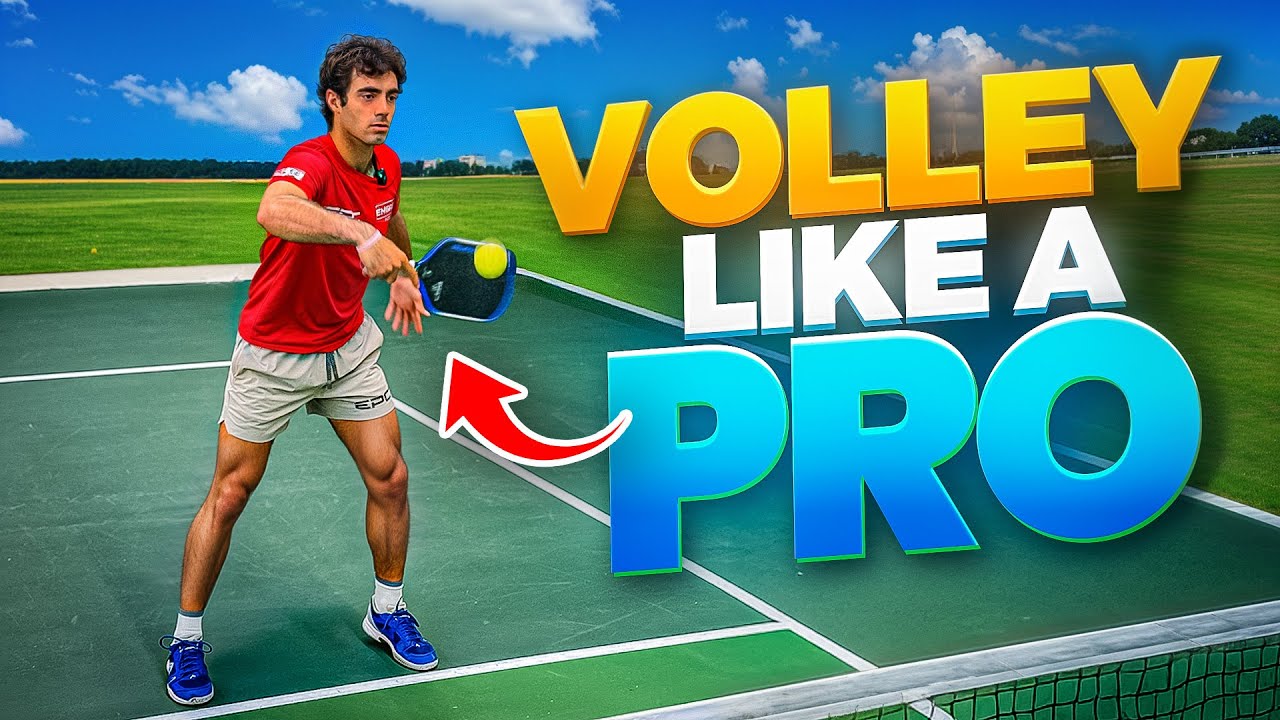
Drill 4: Dink, Dink, Speed Up, Block
This is the drill that mirrors what actually happens in games against good players.
It trains two connected skills at once: the speed-up attack and the immediate defensive reset that has to follow it.
The pattern is simple:
- Hit two controlled dinks to the wall.
- Speed up the third shot with a sharp flick.
- Block the fast ball coming back at you.
- Repeat immediately.
Ed makes a point that is worth repeating here: if you start the fight, you have to be ready to finish it.
When you speed up against a strong player, they are going to counter. Your block or reset on the next ball decides whether you win that exchange.
Most players practice the speed-up without ever practicing what comes after it. That is why they win the first exchange and lose the second.
This drill fixes that gap. For a closer look at how to execute a forehand speed-up, two clean steps cover the mechanics without overcomplicating it.
Once you are comfortable with the speed-up and block pattern, you can advance to countering that third ball instead of blocking it.
It moves fast. Start with the block first and build toward the counter over multiple sessions.
 The Dink Media Team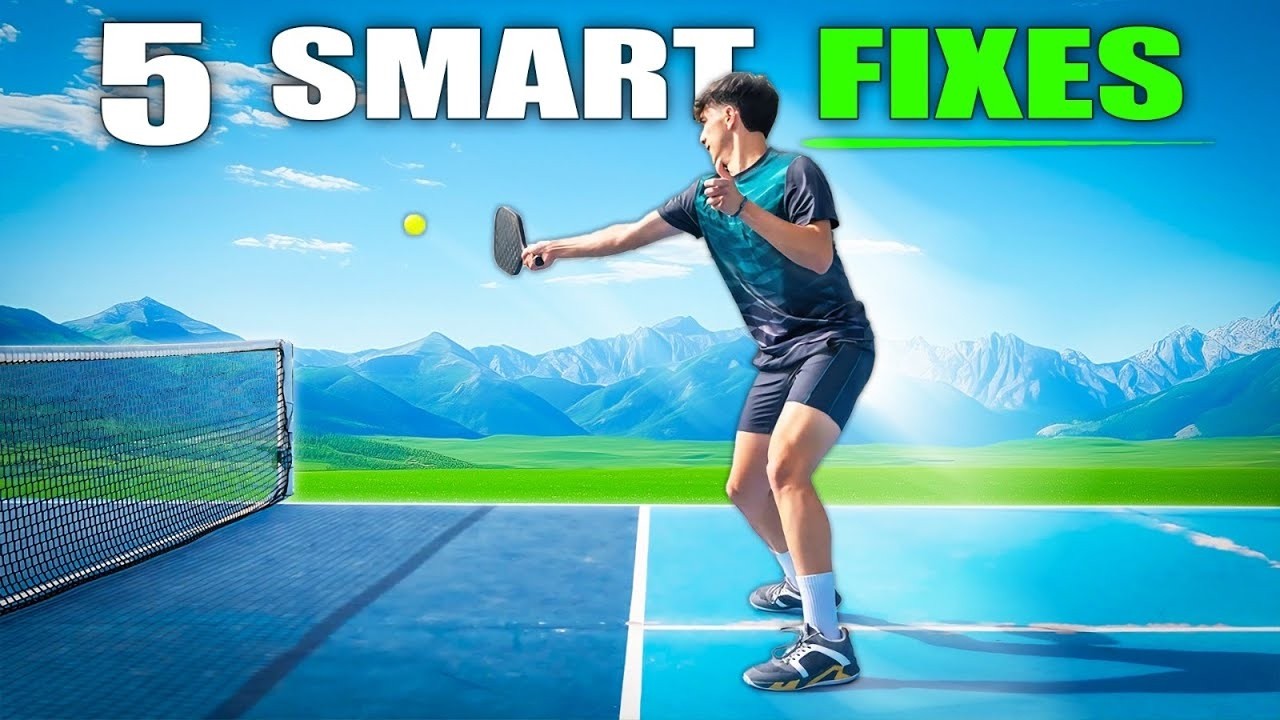
Drill 5: Full Counter Exchange Against the Wall
This is the most advanced drill in the session, and it is intentionally chaotic.
Load up with several balls and go full speed, trying to counter every shot the wall sends back. You will not win. The wall is not beatable.
But that is not the point. The point is that trying to beat the wall forces you to shrink your swing and speed up your hands.
When your shots start flying wide, your body is telling you that your strokes are too big. Compact your swing, stay low, and keep contact out in front of you.
This drill trains the instinct to recover quickly and maintain form under pressure.
If you want to understand how fast hands in pickleball actually work at a mechanical level, that breakdown from a top-10 pro is worth reading before your next session.
 The Dink Media Team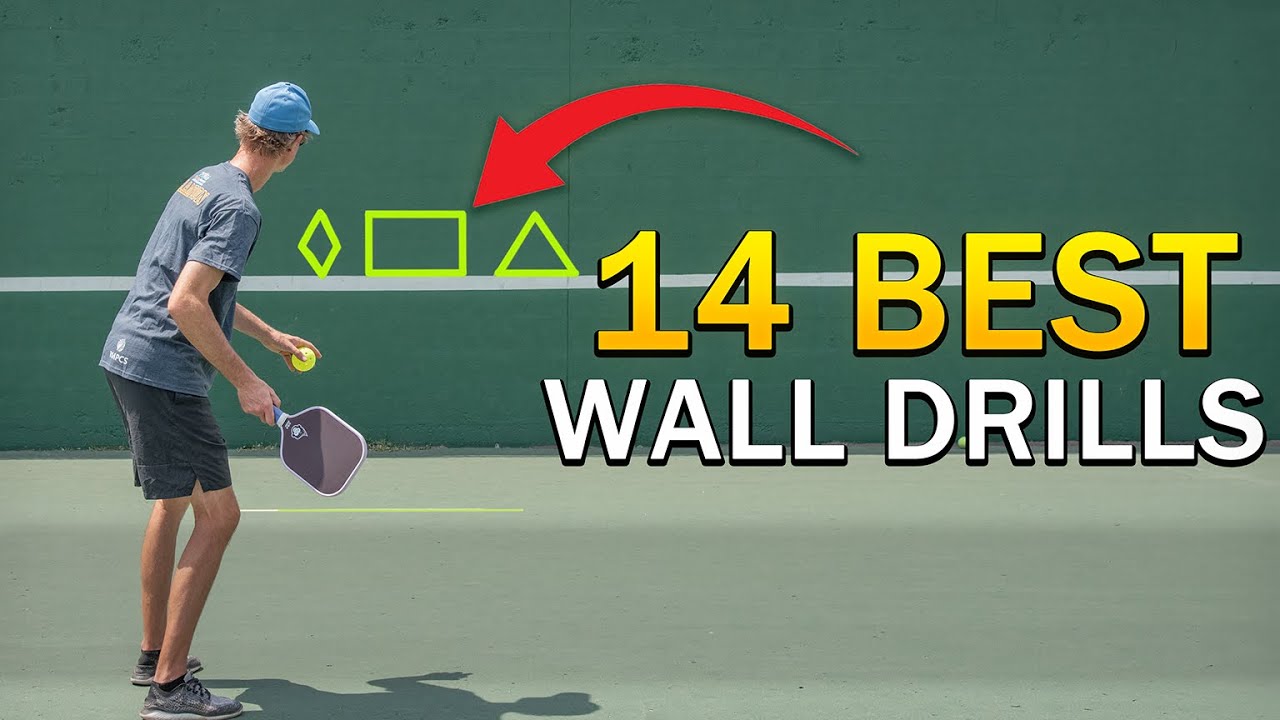
How to Put These Together Into One Session
You do not need to do all five drills every day. But here is a structure that works well for a 20 to 30 minute wall session:
- Minutes 1 to 5: Warm-up dinking, both forehand and backhand
- Minutes 5 to 8: Crisscross drill for hand softness and coordination
- Minutes 8 to 13: Volley dinks without letting the ball bounce
- Minutes 13 to 20: Forehand and backhand volleys in sets with rest
- Minutes 20 to 30: Dink, dink, speed up, block with counter progression
If your wall time is limited, prioritize the dinking warm-up and the dink-speed up-block drill.
Those two deliver the most carryover into actual games.
To structure practice time more deliberately, the three types of pickleball drilling gives a smart framework, and the 12 drills you need to play your best pickleball in 2026 fills out the partner and court-based side of your routine.
 The Dink Media Team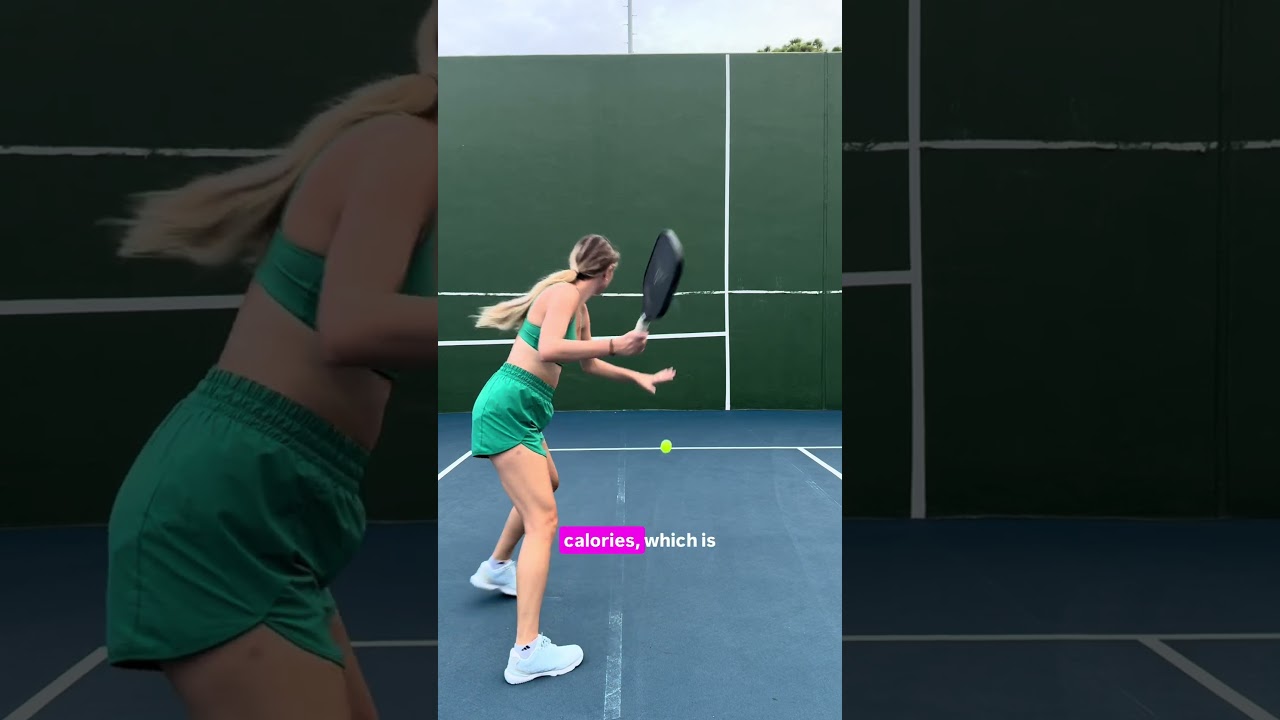
Why Wall Drilling Works When Nothing Else Seems To
The wall gives you instant, honest feedback. It does not go easy on you and it does not have an off day.
Most players underestimate how much of their inconsistency comes from grip pressure and swing size. Wall drilling exposes both problems immediately.
You can also squeeze in 15 minutes when you cannot get court time, which makes it one of the most practical tools for anyone with a busy schedule.
Players serious about improving with a smarter practice plan almost always include solo drilling as a core piece, and it slots neatly into a simple 4-step system to win more games in 2026.
One thing worth checking before you bring that speed-up to open play: the 7 new USAP rules for 2026 changed a few things at the kitchen line.
Start with the basics, stay patient, and commit for two to three weeks. The improvement you see at the kitchen line will surprise you.
Frequently Asked Questions
What is a pickleball wall drill and how does it help?
A pickleball wall drill is any solo practice where you hit a ball against a flat surface and work the return. It builds consistency, hand speed, and touch without needing a partner or a full court. Because the wall returns every shot immediately, you get far more repetitions per minute than you would in casual rallies.
How far should I stand from the wall when doing pickleball wall drills?
For dinking drills, stand about 7 feet away to simulate kitchen line distance. For volley drills, you can step slightly closer to increase the pace of returns. Start at 7 feet and adjust based on how fast you want the ball coming back.
What is the crisscross drill in pickleball?
The crisscross drill is a solo touch exercise where you bump the ball off your paddle and catch it with your off hand, alternating forehand and backhand. If the ball flies off your paddle during the bump, your grip pressure is too tight. It directly trains soft hands, which is the foundation of consistent dinking and blocking.
How do I practice pickleball speed-ups alone?
The dink-speed up-block drill against a wall is the best solo option. Hit two soft dinks, then flick the third shot hard at the wall, and immediately prepare to block the fast return. This trains both the attack and the defensive reset that always follows a speed-up in a real game.
How often should I do pickleball wall drills to see improvement?
Three to four sessions per week for 15 to 30 minutes each is enough to see real improvement within two to three weeks. Consistency matters more than duration. Shorter, focused sessions several times a week beat one long session once in a while, especially for building dinking technique that stops popups at the kitchen line.

Love Pickleball? Join 100k+ readers for free weekly tips, news & gear deals.
Subscribe to The Dink