
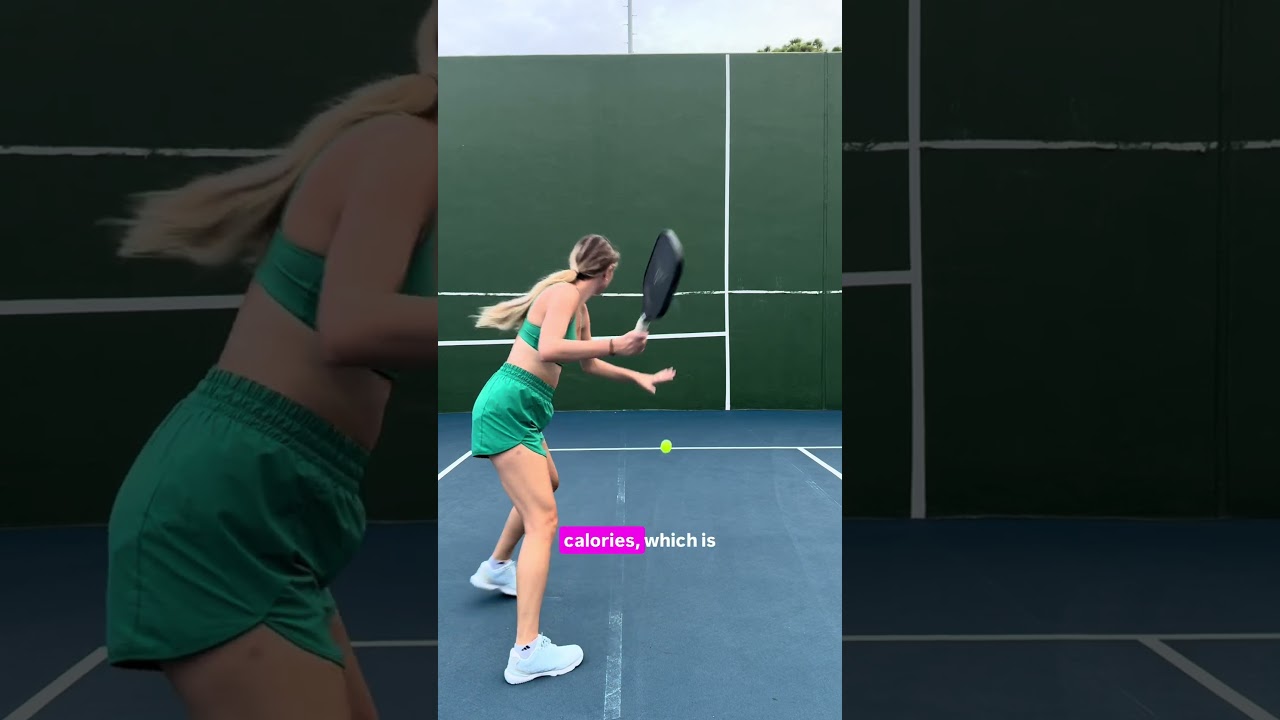
How to Practice Pickleball on the Wall: 5 Drills That Transfer to Real Games
Pickleball wall practice is one of the most underrated solo training tools available. These five drills build real skills you can take straight to the court.
Pickleball wall practice gets dismissed too often. Most players think it's only for beginners or that it doesn't translate to real rallies.
It does. If you structure it right, the wall gives you hundreds of reps in an hour, with no partner required and no waiting for a court.
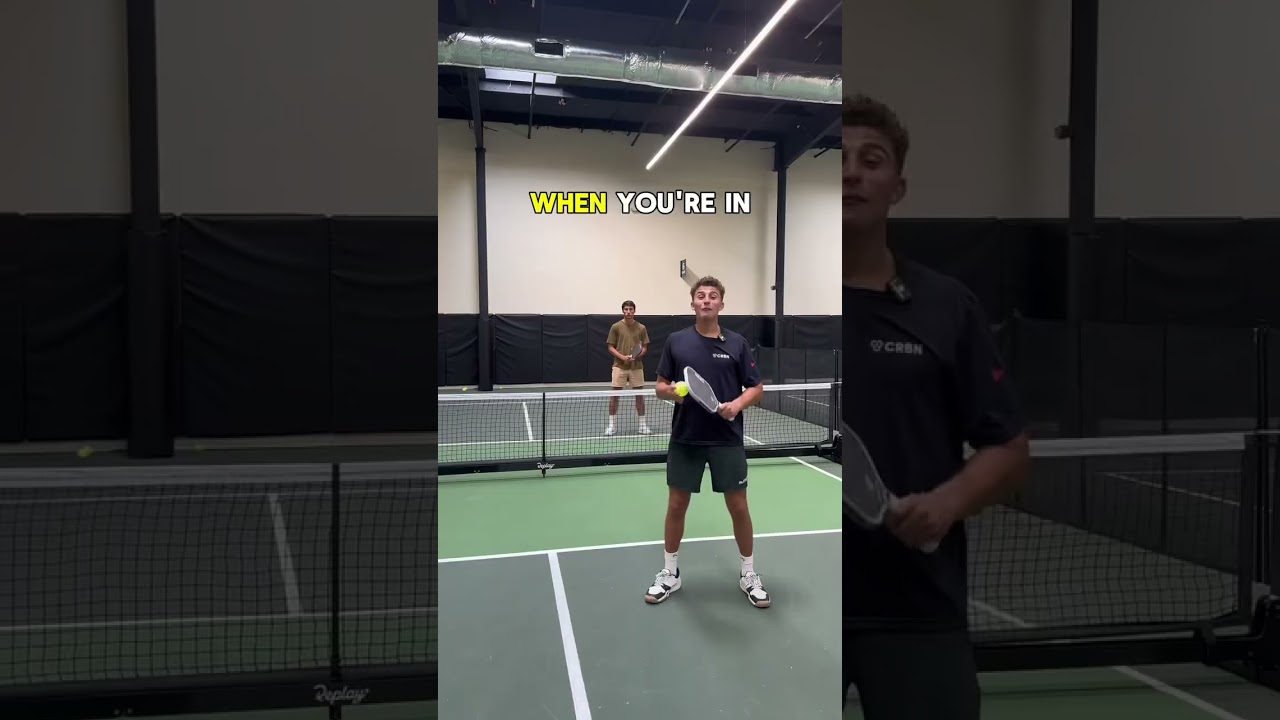
This breakdown covers exactly how to run a productive wall session, from soft hands warm-ups to ball control finishers, based on a session demonstrated by Ava Ignatowich on YouTube.
Love pickleball? Then you'll love our free newsletter. We send the latest news, tips, and highlights for free each week.
Why the Wall Is One of Your Best Practice Partners
The wall never misses. It returns every ball, forces you to reset your footwork, and demands consistency over luck.
The problem is that most players tap the ball aimlessly and call it practice. That's not a drill. That's killing time.
Bring structure and intention to a pickleball wall practice session and you'll walk away with better hands, sharper mechanics, and a real feel for pace and spin.
If you're not sure which shots to prioritize, start with the essential pickleball shots to master for 2026.
What Should You Start With at the Wall?
Start small. The biggest mistake players make is beginning with full-power drives before their hands are warmed up.
Ava opens her sessions with what she calls baby shots, sometimes called mini dinks.
These are soft, compact strokes, played at close range to the wall, where the margin for error is tiny and the feedback is instant.
This is not just warm-up fluff.
Grip pressure is one of the most overlooked variables in pickleball, and starting slow lets you feel how loosely you can hold the paddle while still controlling the ball.
You want the ball coming back to roughly the same spot every time. If it keeps jumping high or dying low, your contact point or paddle angle is off.
Drill 1: Mini Dinks for Soft Hands
Stand about four to five feet from the wall and hit soft, controlled shots at roughly kitchen height. Keep your wrist quiet and let your shoulder do the work.
The goal is not to win a point. The goal is to build a feel for the ball on your paddle face.
Do this for two to three minutes before adding pace. It primes your hands for everything that follows.
Drill 2: Backhand Drives
This is where things get real. Backhand drives break down under pressure for a lot of players, and the wall is an excellent place to groove the pattern.
Ava is honest here: she describes having the yips on this shot.
That candor matters, because even competitive players are actively working on specific weaknesses during wall sessions.
If your backhand drive is inconsistent, check two things first:
- Contact point: Are you catching the ball too late, behind your hip? You want contact out in front of your lead foot.
- Paddle angle at contact: A slightly closed face keeps the ball down. An open face pops it up and gets it attacked.
The wall exposes both problems immediately. A drive that clips the top of where the net would be and stays low is a good drive.
One that comes back chest high means something broke down in your swing path.
For more on what happens when your drives sit up, read about why your flat pickleball drive keeps getting attacked.
 The Dink Media Team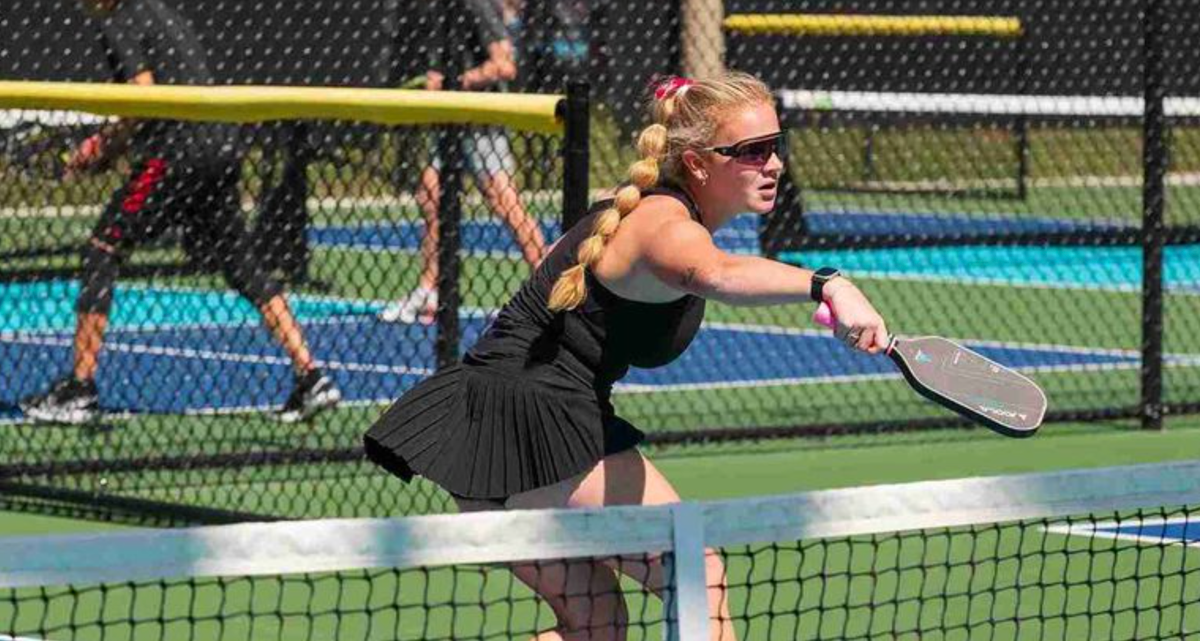
Drill 3: Forehand Drives
After the backhand, switch to forehand drives. Most players are more comfortable here, but that comfort can hide bad habits.
The wall is brutally honest about pace and direction.
If your forehand drive drifts wide or bounces back unpredictably, your follow-through is likely collapsing early.
Stay long through the shot. Keep your swing path moving toward your target after contact, not cutting across your body.
One note on footwork: during any pickleball wall practice focused on mechanics, it's easy to plant your feet and stop moving.
Reset your stance between every rep, even just a small shuffle.
Fixing your forehand drive mechanics is far easier when your body position is consistent on every swing.
It also pays to be honest about whether your shoes are still giving you traction on those resets.
 The Dink Media Team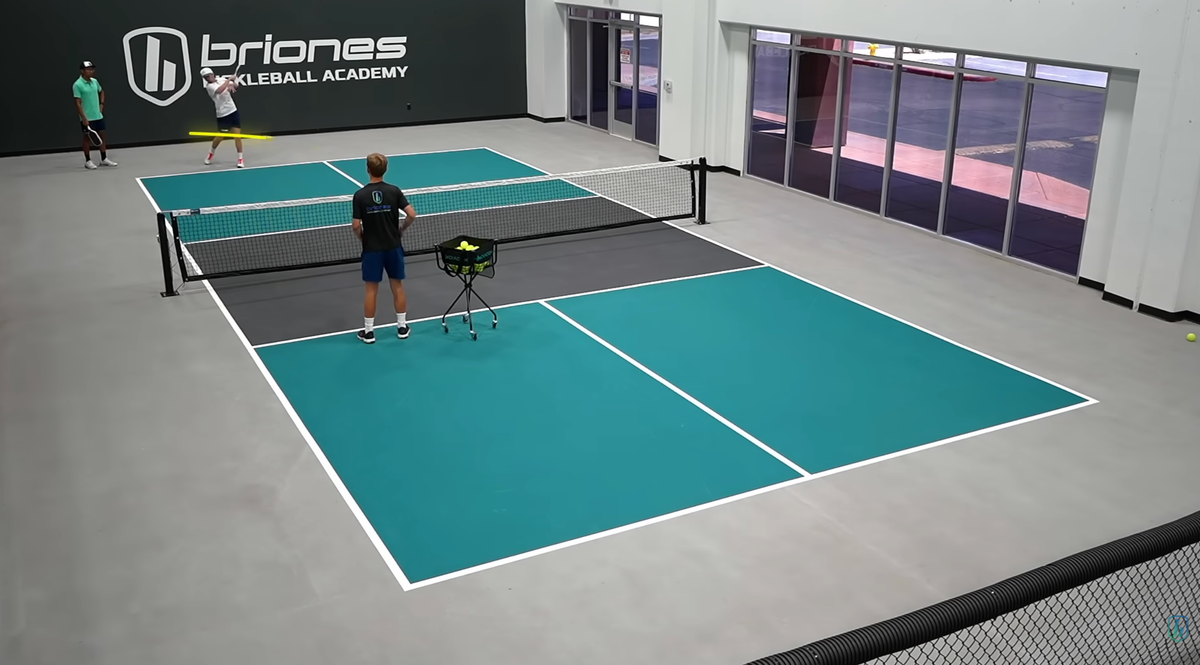
Does the Wall Help With Touch Shots Too?
Yes, and this is where the wall separates players who use it well from those who just hit drives at it all session.
After the drives, Ava transitions to a backhand slice, a shot she's developing specifically for singles.
A low, skidding slice that stays deep forces opponents into awkward positions and buys you time to move forward.
The slice is worth building. It changes pace, generates backspin, and stays low off the bounce.
It's also a shot the pro game has largely walked away from, which is exactly why the slice disappeared from professional pickleball in 2025 and why it still works at the rec level.
Drill 4: Backhand Slice for Singles
Set up at a comfortable distance and focus on a low-to-high contact path, but with an open paddle face that creates backspin rather than topspin.
The ball should come off the wall lower than your drives. If it's bouncing back high, you're either pushing with a flat face or hitting down too steeply.
The target in a real singles rally is deep, near the baseline. Practice visualizing that zone on the wall and aim for a consistent height band.
Progressive solo drills like this are what move the needle on match results, especially when paired with a simple system for winning more games in 2026.
 The Dink Media Team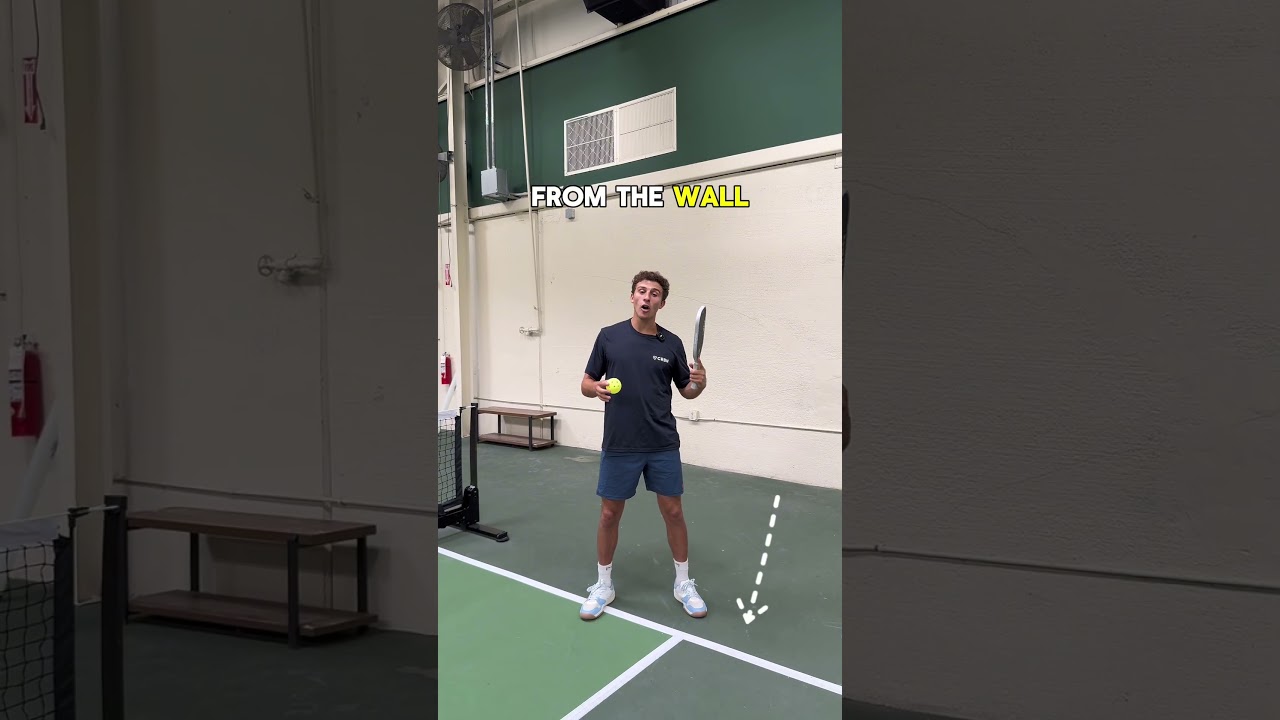
What Is the Catch-and-Hit Drill?
The catch-and-hit drill is a ball control exercise where you let the ball come off the wall, catch it gently on the face of your paddle, and then redirect it back.
No bounce. Just contact, absorb, and redirect.
It sounds simple. It is not.
This drill trains you to soften your hands at contact, which is the exact skill you need for resets, drops, and any time you're trying to take pace off a hard incoming shot.
If your hands are stiff or your grip is tight, the ball will pop off the paddle instead of sitting on it.
Think of it as a reset simulation without a partner. The wall sends the ball. You receive it quietly.
You send it back with intention.
This is directly connected to the mechanics behind resetting speed-ups, which is one of the harder skills to build without live drilling.
Drill 5: Catch-and-Hit Ball Control
Start close to the wall, around six feet. Hit a soft shot, let it return, then catch it on your paddle face before redirecting.
Focus on these things:
- Absorb on contact: Let your elbow bend slightly as the ball arrives. Do not block it rigidly.
- Redirect with intention: Aim for the same spot on the wall each time. Consistency is the point.
- Keep your grip loose: If the ball is popping off unpredictably, you're squeezing too hard.
Run this for two to three minutes at the end of your session. It brings your hands back to a calm, controlled state after all the drive work.
 The Dink Media Team
How to Structure a Full Wall Session
Here is a simple sequence you can run every time you get to a wall:
- Mini dinks (soft hands warm-up): 2 to 3 minutes, close range, focus on paddle feel
- Backhand drives: 3 to 5 minutes, work on contact point and follow-through
- Forehand drives: 3 to 5 minutes, stay long through the swing, reset footwork between reps
- Backhand slice: 3 to 4 minutes, low contact, open face, visualize depth
- Catch-and-hit ball control: 2 to 3 minutes, soft hands, intentional redirects
That is roughly 15 to 20 minutes of quality work. You can repeat the sequence or extend individual drills based on what needs the most attention that day.
If your drilling sessions are not producing results, it is usually because there is no structure. This sequence fixes that.
 The Dink Media Team
One Thing Most Players Get Wrong in Wall Sessions
They stop moving their feet.
When you're locked in on mechanics, it's natural to plant and grind.
But court movement is a skill, and shots trained from a stationary position rarely hold up when you're actually moving in a game.
Between every rep, take a small reset step. Shuffle sideways, step back, come forward, and make your body earn every next shot the way it would in a real point.
That's the same principle behind the four key strategies to winning modern pickleball in 2026: position first, then shot.
 The Dink Media Team
Is Wall Practice Worth Your Time?
Yes. A focused 20-minute pickleball wall practice session beats an unfocused 90-minute rec game when the goal is building specific skills.
The wall gives you repetition, honesty, and availability. No partner. No waiting.
No social pressure to look smooth while you're working on your worst shot.
With participation still climbing across the sport according to the 2025 SFIA Topline Participation Report, court time is only getting harder to find, which makes solo options more valuable than ever.
Check out these at-home pickleball practice options for more ways to keep improving between court sessions.
And if you want to push your wall work further, this triangle pattern wall drill and the shot list in how to break 5.0 before 2026 are both worth adding to the mix.
Frequently Asked Questions
Is wall practice actually effective for pickleball?
Pickleball wall practice is effective when you treat it as structured skill work, not random hitting. It builds hand speed, consistency, and shot mechanics faster than casual play because the repetition rate is much higher. Use a deliberate sequence of drills and you will see results carry into real games.
How far should I stand from the wall when practicing?
For soft shots and dinks, start at four to six feet. For drives, move back to 10 to 15 feet so the ball has time to decelerate and return at a manageable pace. Adjust based on the drill you're running and the shot speed you're working on.
What shots are best to practice on the wall in pickleball?
Backhand drives, forehand drives, and backhand slices all transfer well to wall practice. Ball control drills like catch-and-hit are also excellent for building soft hands. Dinking is harder to replicate since the wall returns the ball at a different angle than a cross-court dink, but soft touch work still carries over.
Why do I keep popping the ball up when hitting drives off the wall?
A popped-up drive usually means your paddle face is too open at contact or you're making contact too far behind your hip. Focus on getting the ball out in front of your lead foot and keeping your paddle face slightly closed through the swing. The wall will confirm immediately whether the fix is working.
How long should a wall practice session be?
A focused wall session of 15 to 20 minutes is plenty for most players. Beyond that, fatigue starts to affect your mechanics and the reps become less useful. It is better to do a shorter, intentional session three times a week than one long unfocused grind.

Love Pickleball? Join 100k+ readers for free weekly tips, news & gear deals.
Subscribe to The Dink