
The Ready Position Mistake That Makes Hard Drives Impossible to Handle
A hard drive pickleball situation doesn't have to end in an error. One ready position adjustment changes everything about how you handle pace at your body.
If you're getting burned by hard drives at your body, you're almost certainly making the same mistake most players make: you're reacting to the ball instead of being ready for it.
The fix is not about quicker hands or better reflexes. It's about where your paddle is before the ball even leaves your opponent's paddle.
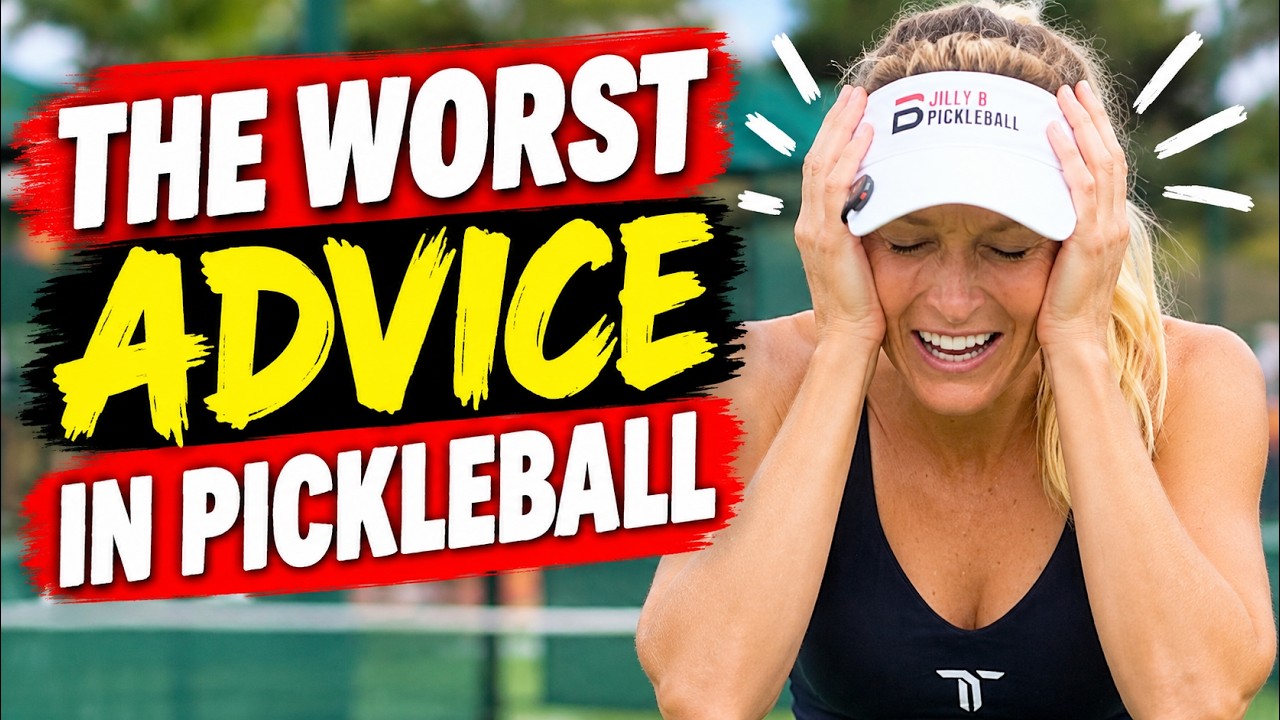
This breakdown is based on a tip from Tanner Tomassi on YouTube, and it cuts straight to the real reason hard drives keep getting through your defense.
Love pickleball? Then you'll love our free newsletter. We send the latest news, tips, and highlights for free each week.
Why Hard Drives Keep Winning Against You
The problem is not the drive itself. The problem is your timing.
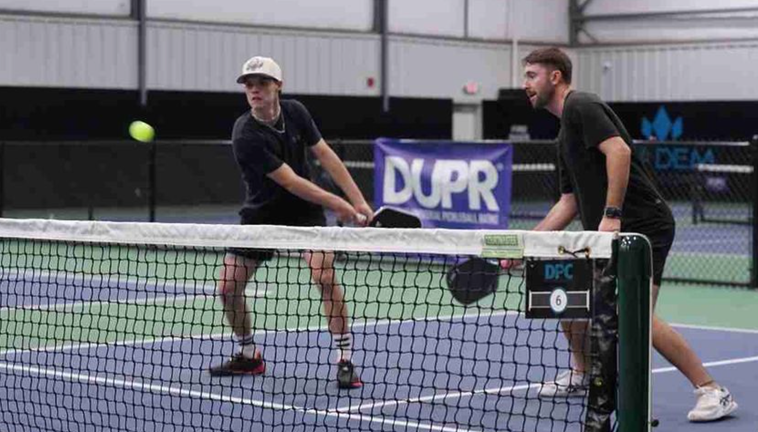
When a hard drive comes at you, most players start with their paddle close to their body and then reach out toward the ball as it arrives.
That sequence is backwards. You're always one step behind the ball.
There's a specific window of distance between your paddle and the ball where everything goes wrong.
The ball is moving too fast, your paddle is too far back, and you end up jamming your swing or dumping the ball into the net.
This is not a hand speed problem. Players assume they need faster reactions, so they try to speed up their arms. That rarely helps.
What actually helps is eliminating the need to move your paddle at all by putting it in the right spot early.
What Is a Hard Drive in Pickleball?
A hard drive in pickleball is an aggressive, flat or low-trajectory shot hit with pace, usually aimed at your body or feet to force an error or a weak reply.
Bangers love this shot. So do smart players who notice you standing flat-footed at the kitchen line.
The reason it's so effective is that it compresses your reaction time. You don't get to think about footwork, grip, or swing path.
You just react, and if your starting position is wrong, you're finished before you even move.
Understanding this is the first step. Your defense against the hard drive has to be built before the ball is hit, not after.
The One Fix: Move Your Ready Position Forward
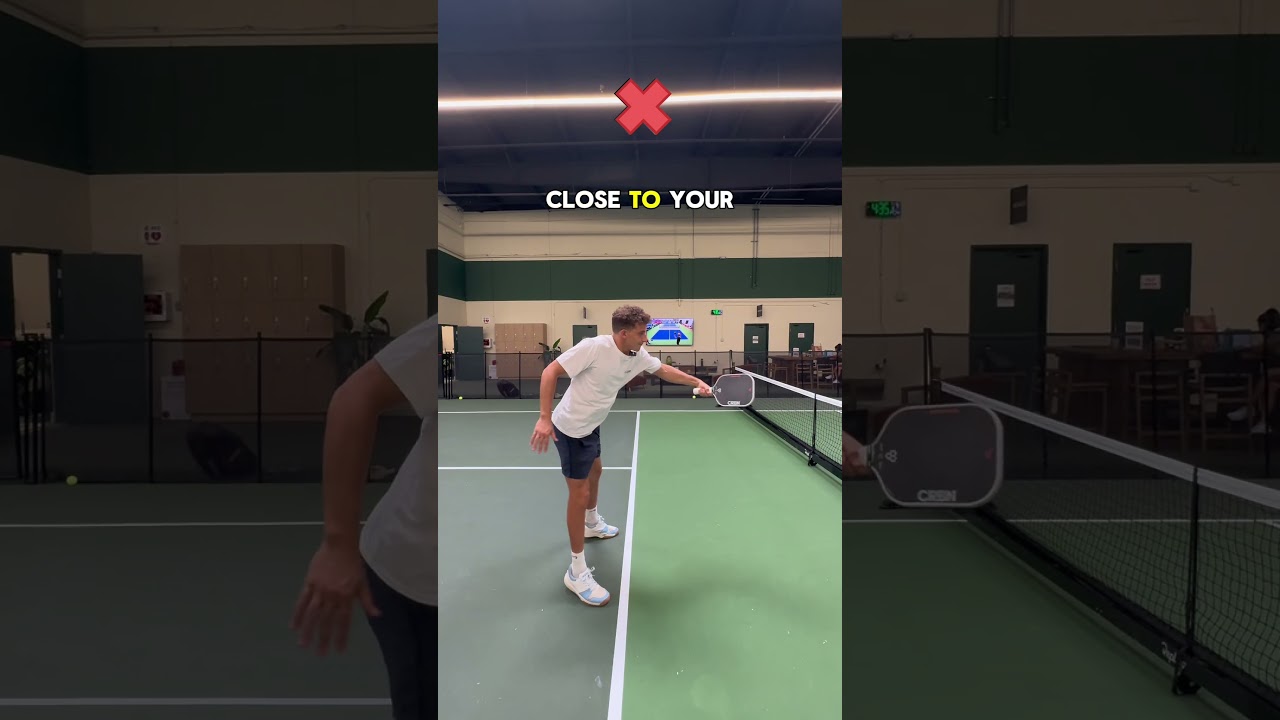
The answer is simple. When you see your opponent loading up to drive, extend your paddle out in front of your body before they make contact.
Instead of holding the paddle near your chest or waist, push it forward so it's already in the strike zone.
Now all you have to do is track the ball and redirect it down.
This is what separates players who neutralize pace from players who flinch and pop the ball up.
The paddle position is set early, the swing is minimal, and the result is controlled.
If you want to see how timing issues compound into bigger problems at the net, this breakdown on why you lose hands battles is worth reading alongside this one.
Where Exactly Should Your Paddle Be?
- Height: Keep the paddle face around chest to shoulder height, angled slightly downward. You want to redirect the ball toward the kitchen, not fire it back at the same pace.
- Distance from body: Your arm should be nearly fully extended, not locked out. A slight bend at the elbow gives you some give on contact.
- Paddle angle: The face should be slightly closed, tilted forward at the top. That sends the ball down instead of floating it back up for an easy put away.
The goal is not a big counter swing. Think of it as batting the ball down, not hammering it back.
This is closely tied to the difference between blocking and countering.
Countering a drive instead of just blocking it turns your defensive shot into real pressure, and it belongs on the short list of essential shots worth mastering this season.
 The Dink Media Team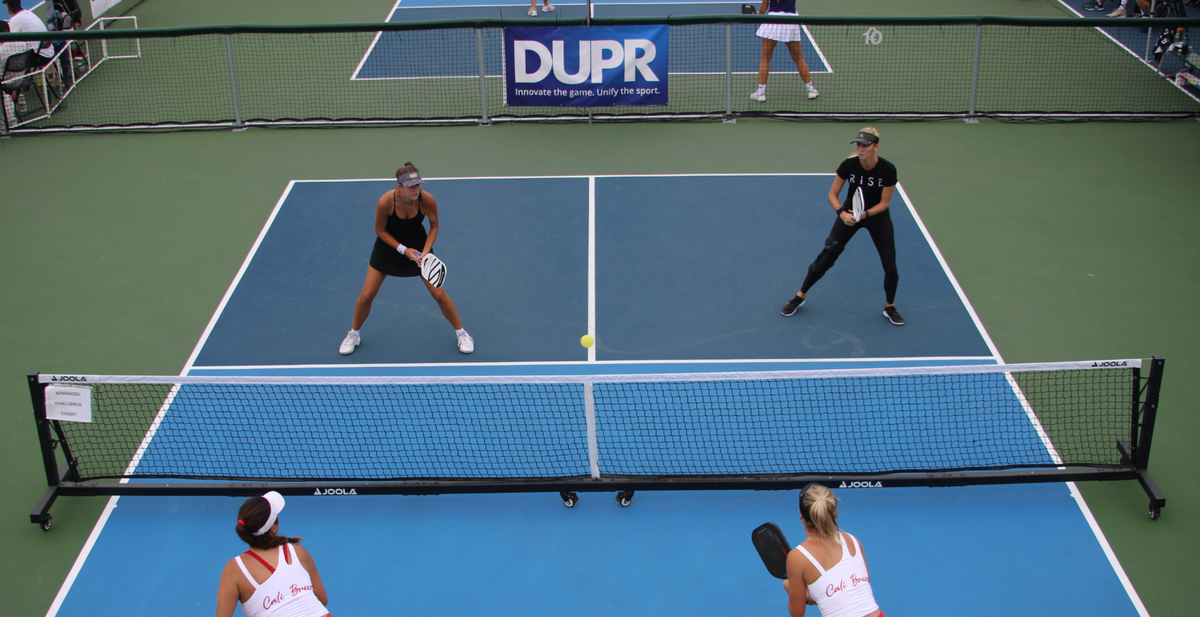
How to Read the Cue Before the Drive Comes
The visual trigger is your opponent's setup. Watch for these signals:
- Their shoulder turns back to load a big swing
- Their elbow drops low and behind their hip
- They step into the ball with weight shifting forward
- Their paddle face opens slightly toward the back fence
Any one of these tells you a drive is coming. That's your signal to push the paddle forward. You're not guessing, you're reading what's already in front of you.
The cue always comes before contact.
Train yourself to respond to the setup, not the ball flight, because by the time you see the ball moving you can't reposition from scratch.
This is why court positioning tells matter so much. Anticipation is a skill, and it's the kind of read that shows up in the shots you need to break 5.0.
 The Dink Media Team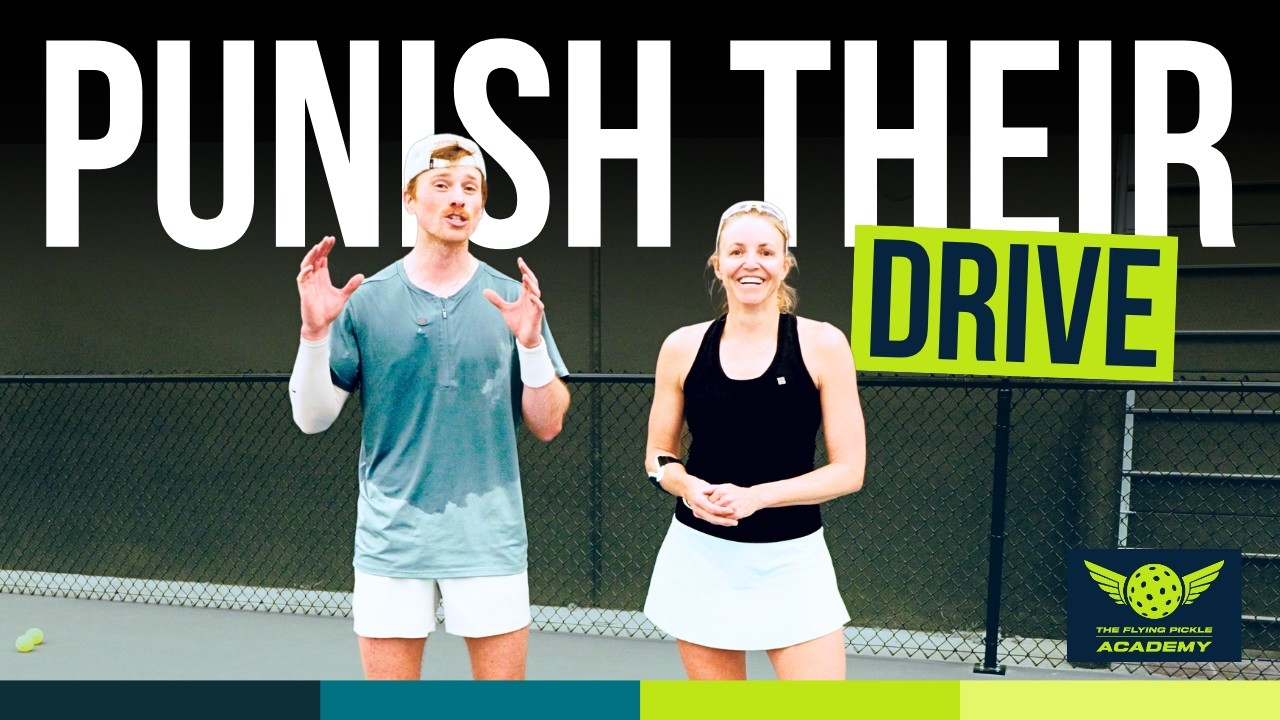
Where Exactly Should Your Paddle Be?
When you extend your paddle forward in response to a drive cue, think about these three things:
- Height: Keep the paddle face around chest to shoulder height, angled slightly downward. You want to redirect the ball toward the kitchen, not send it back at the same pace.
- Distance from body: Your arm should be nearly fully extended, not locked out. There should be a slight bend at the elbow so you have some give on contact.
- Paddle angle: The face should be slightly closed, meaning tilted forward at the top. This helps send the ball down instead of floating it back up for an easy put away.
The goal is not a big counter swing. You're absorbing pace and redirecting it. Think of it as batting the ball down, not hammering it back.
This is closely related to the difference between blocking and countering a drive.
Countering a drive instead of just blocking it changes your defensive shot into something that puts pressure back on your opponent.
 The Dink Media Team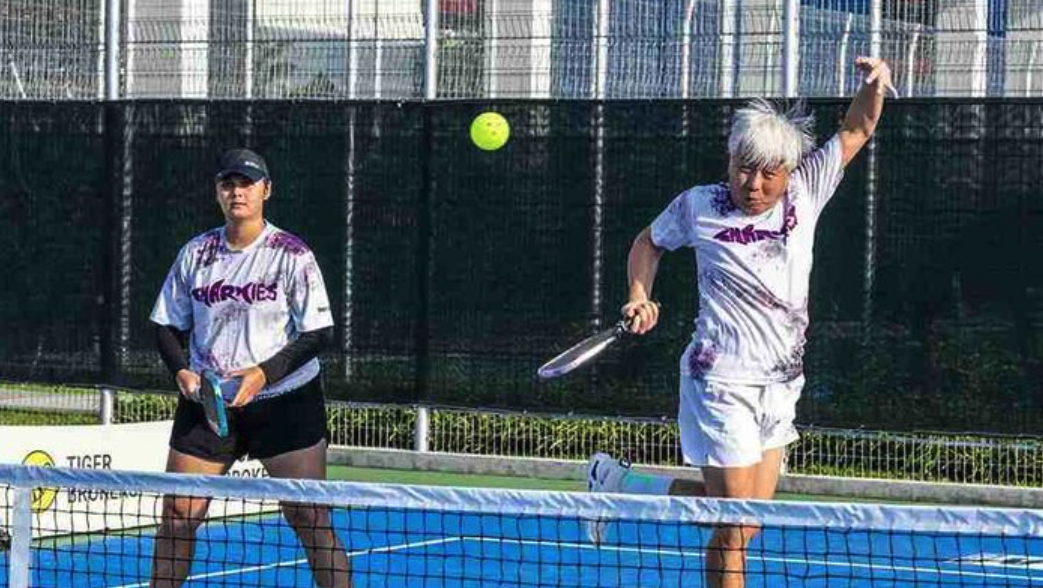
Why Does the Paddle Close to Your Body Cause Problems?
When your paddle starts close to your body and you reach out toward a fast ball, two bad things happen.
- First, your arm has to travel through more distance to reach the contact point. That takes time you don't have against a hard drive.
- Second, reaching out mid-swing changes your contact point unpredictably.
Sometimes you're hitting the ball near the tip of the paddle, sometimes near the throat. You lose any sense of where the ball is going.
Players who struggle against bangers almost always have this same pattern. The paddle is pulled in, then pushed out in a panic.
The real reason you keep losing to bangers often comes down to exactly this: your paddle is in the wrong place when the ball arrives.
 The Dink Media Team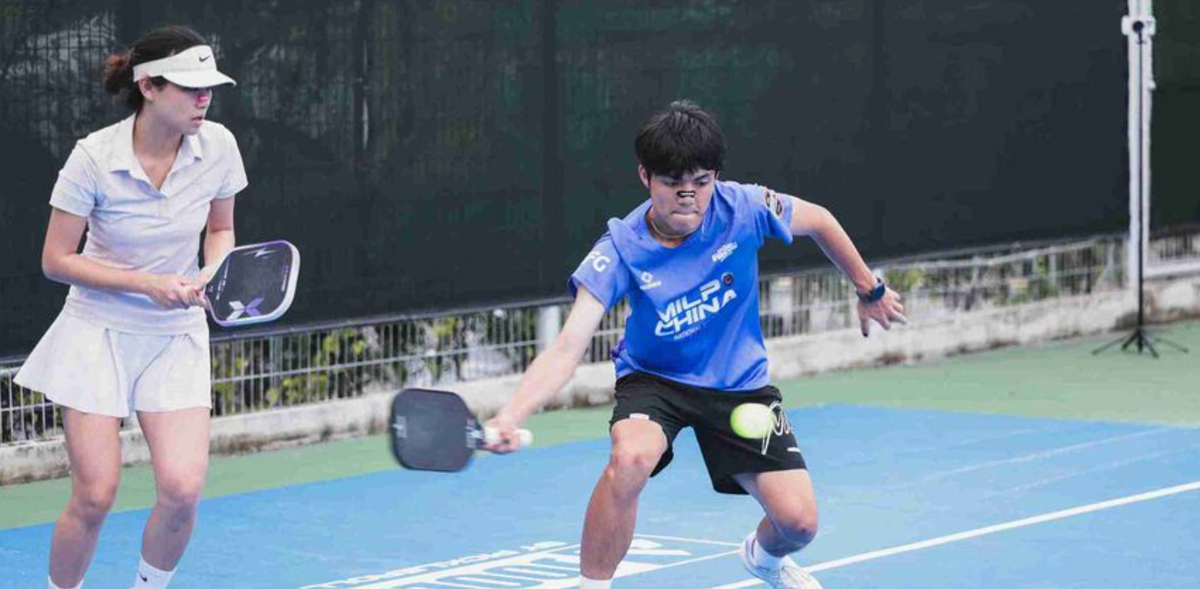
Can This Work on Both Forehand and Backhand Sides?
Yes, and the mechanics are nearly identical on both sides.
- On the forehand side, extending your paddle forward means rotating your shoulder slightly open and pushing the paddle out in front of your body with the face angled down.
- On the backhand side, you push the paddle across your body with your elbow leading slightly, and the face again angled to redirect the ball into the kitchen.
The backhand side tends to be where players are most vulnerable to body drives.
If you want specific help on that side, fixing a late two-handed backhand addresses a closely related timing issue.
 The Dink Media Team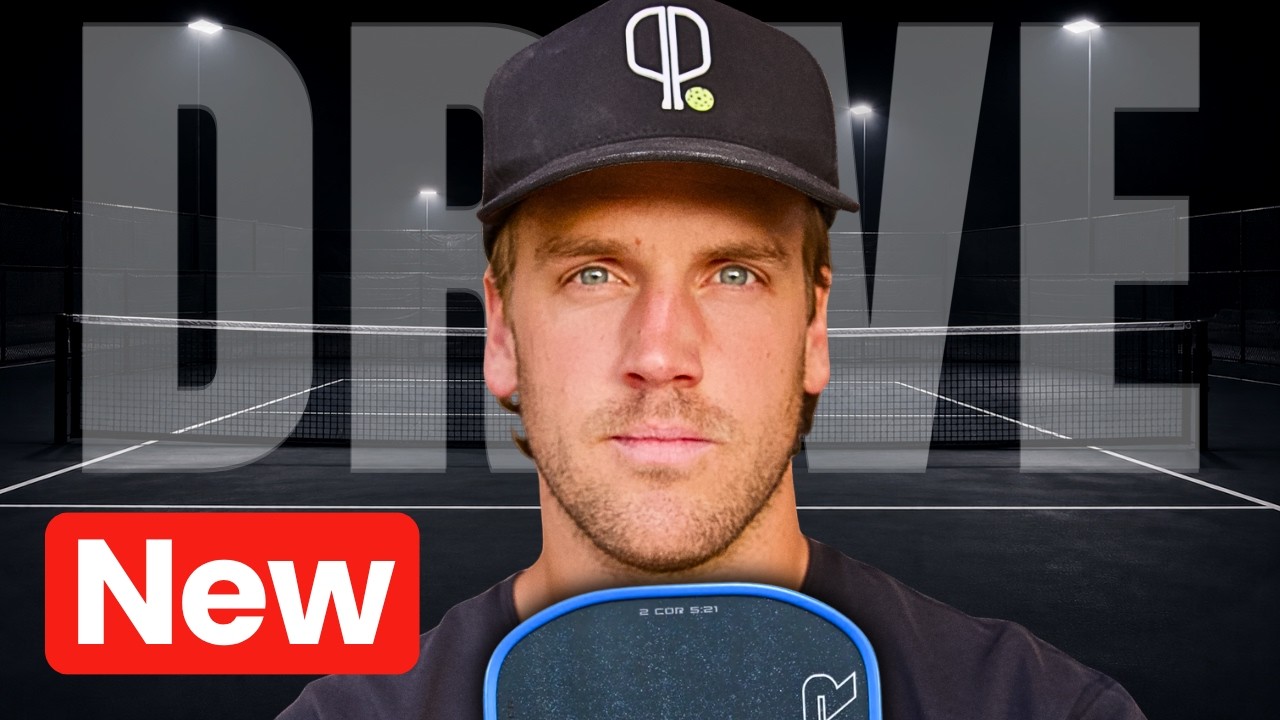
How to Build the Pickleball Ready Position Into a Habit
Knowing the fix is not the same as owning it under pressure. Here's how to train it:
- Shadow drill: Stand at the kitchen line with a partner mimicking a drive load without hitting. Every time you see the cue, extend forward. Twenty to thirty reps before you add a ball.
- Slow drive feeds: Have a partner drive at half pace. Focus only on getting the paddle extended before the ball crosses the net.
- Live point practice: Play points where your partner can drive from anywhere. Count how often you get the paddle out early versus late.
- Wall work: Absorb returns with the paddle already extended. These wall practice drills are a great starting point for solo reps.
The shadow drill in particular is underused.
Most players skip straight to hitting balls, but your nervous system needs to rehearse the cue and the movement together before it fires automatically in a match.
If you want a structured block to plug this into, these 12 drills and this 4-step system for winning more games both give the reps somewhere to live.
 The Dink Media Team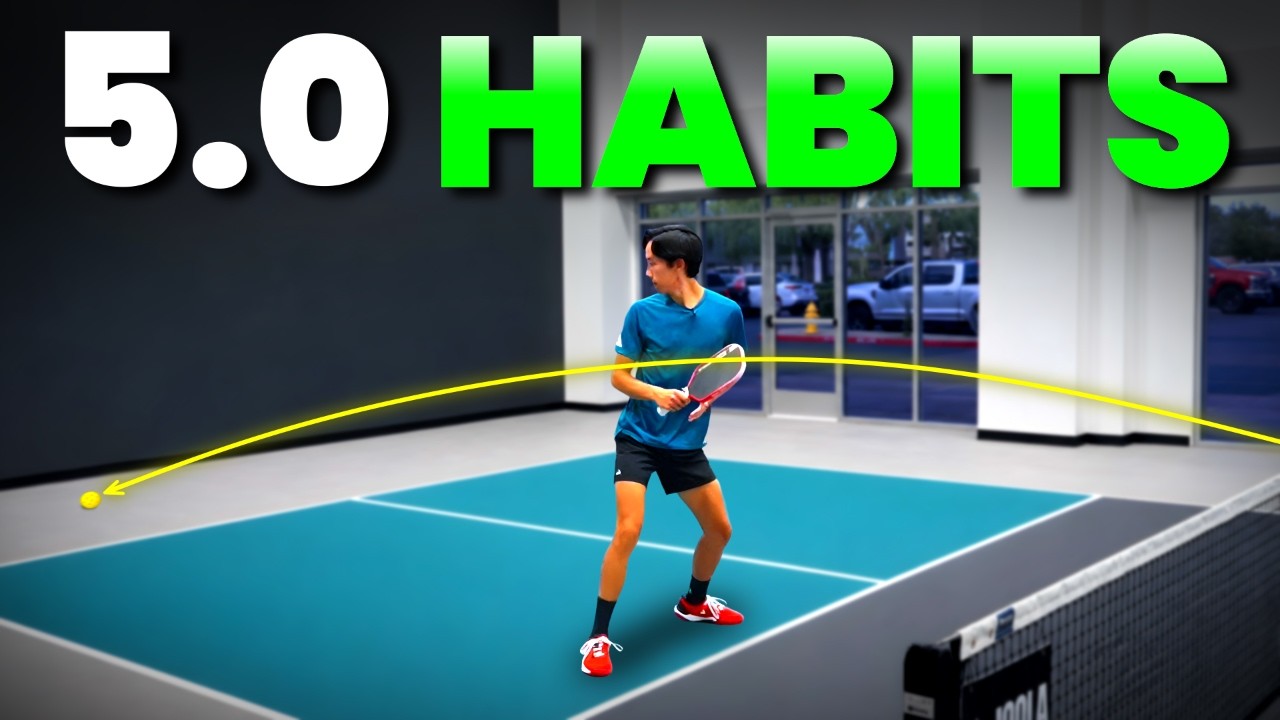
What Happens When You Get This Right
When your paddle is already out front, hard drives stop feeling dangerous.
The ball arrives, you redirect it down, and now your opponent is dealing with a low ball at their feet instead of an easy winner.
You go from surviving pace to using it against the person who hit it.
A hard drive generates a lot of energy, and if your pickleball ready position is set, you don't need to add anything.
The ball does the work.
This is the same principle Anna Leigh Waters and other elite players use to turn incoming pace into offense, and it's part of why pros have quietly changed which shots they trust.
These kitchen line fixes expand on getting more out of every shot from that spot.
So the fix is four steps. See the cue. Extend your paddle. Track the ball. Bat it down.
But the first one, reading the cue and moving your paddle before the ball is hit, is the one that changes everything.
Fast hands are valuable, but they only work when your pickleball ready position gives them something to work with.
Stop waiting for the ball to tell you what to do. That's the cheat code.
 The Dink Media Team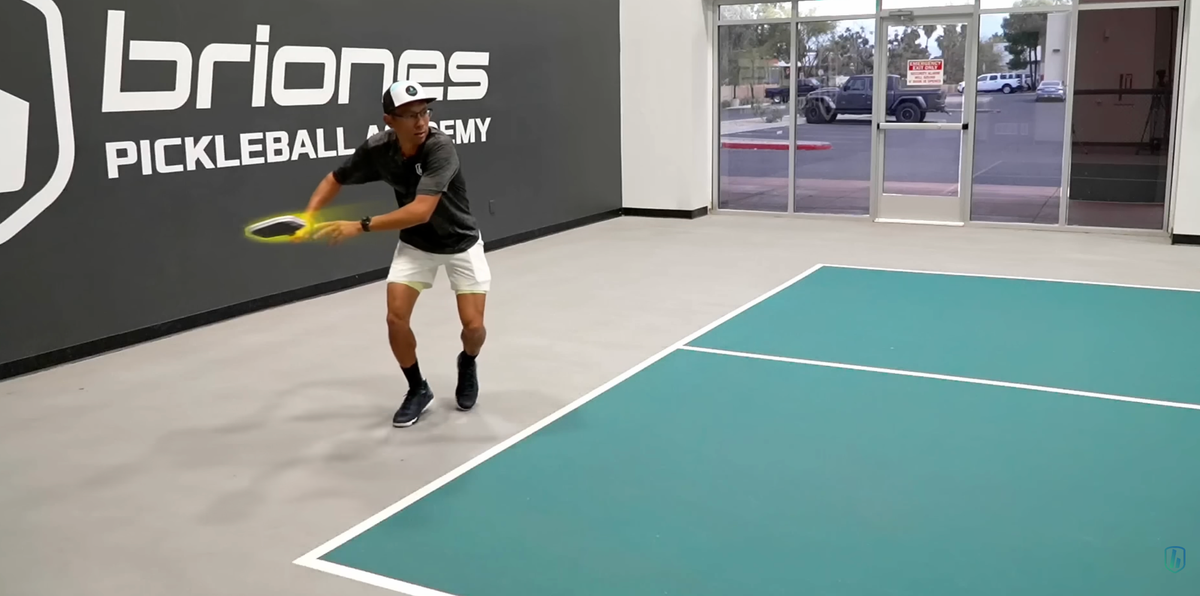
Put It All Together
The fix for hard drives is not complicated. See the cue. Extend your paddle.
Track the ball. Bat it down.
Four steps. But the first one, reading the cue and moving your paddle before the ball is hit, is the one that changes everything.
Fast hands in pickleball are valuable, but they only work when your starting position gives them something to work with.
Stop waiting for the ball to tell you what to do. Start reading your opponent's setup and getting your paddle where it needs to be. That's the cheat code.
Frequently Asked Questions
Why do hard drives in pickleball feel impossible to handle?
Hard drives feel impossible to handle because most players start with their paddle too close to their body and then try to reach out mid-flight. The ball is moving too fast for that sequence to work consistently. Moving your paddle into the ready position before the ball is hit removes that problem entirely.
Where should my paddle be when a hard drive is coming at me?
Your paddle should be extended out in front of your body, with a slight bend at the elbow and the face angled slightly downward. You want to be at that position before the ball leaves your opponent's paddle, not after. Think of it as setting a wall that the ball runs into, not a swing you're initiating.
How do I know when a hard drive is coming so I can prepare?
Watch your opponent's setup. A loaded shoulder turn, a dropping elbow, forward weight transfer, and an open paddle face all signal a drive. Train yourself to respond to those cues rather than the ball itself.
By the time the ball is visible at full speed, you've already lost the timing battle if your paddle isn't already out.
Is the ready position fix the same for forehand and backhand drives?
Yes. On the forehand side, extend your paddle out in front with an open chest position. On the backhand, push the paddle across your body with your elbow slightly leading.
Both versions rely on having the paddle extended before contact, not reaching toward the ball after it's already on its way.
How long does it take to fix my hard drive defense with this method?
Most players notice improvement within one or two focused practice sessions when they use the shadow drill and slow feed progressions. Getting it automatic in match play takes longer, usually two to four weeks of intentional reps. The shadow drill without a ball is the fastest way to hardwire the cue and response together.
Love Pickleball? Join 100k+ readers for free weekly tips, news & gear deals.
Subscribe to The Dink