
Blocking a banger's drive keeps you passive and on defense. Learn how to counter a third shot drive by using their pace against them and placing your shot with purpose.
If you keep trying to block every third shot drive that comes at you, you are giving bangers exactly what they want: a slow, weak reply they can attack again.
The real move is to counter that drive.
You want to use their pace against them, redirect it with purpose, and start placing the ball into spots that make them uncomfortable.
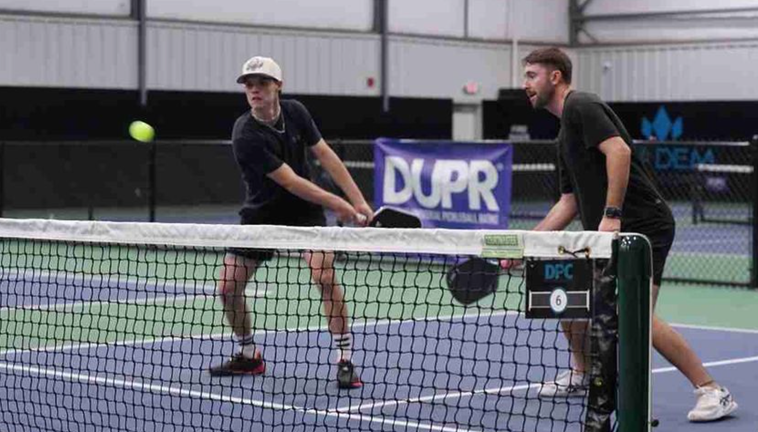
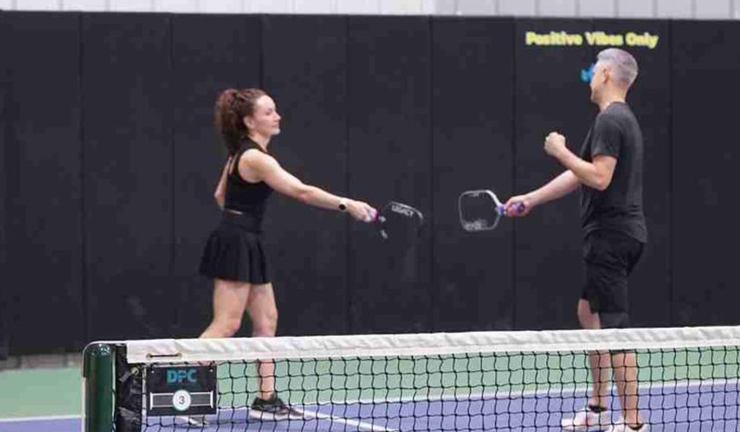
This breakdown comes from The Flying Pickle Academy on YouTube, where Susanna and Nick filmed a raw, unfiltered drill session working specifically on countering the third shot drive.
Here is what they discovered, and how you can apply it immediately.
Love pickleball? Then you'll love our free newsletter. We send the latest news, tips, and highlights for free each week.
Why Blocking Is the Wrong Default
Most players treat a hard incoming drive as something to survive. They take the paddle back, absorb the pace, and push the ball back softly.
That is a losing strategy against anyone who drives with real power. When you block, you give up all the momentum your opponent just handed you.
A passive block floats the ball into the middle of the court at a pace your opponent can read and re-attack. You are resetting a situation that could have been offense.
The better mindset: a hard drive is free pace. Your job is to redirect it, not kill it.
That instinct sits at the center of the four key strategies to winning in 2026, where speed gets recycled instead of neutralized.
What Does "Countering" a Drive Actually Mean?
To counter a third shot drive, you make contact early, stay firm through the shot, and place the ball instead of just getting it back.
You are not trying to overpower anything. You are borrowing the pace that is already on the ball and steering it to a target.
Think of it less like a block and more like a redirected punch volley. If you want the difference between a roll volley and a punch volley, that breakdown makes it clear.
Knowing which contact style fits which situation is what separates reactive players from players who control rallies.
It also sits alongside the other essential pickleball shots to master for 2026.
The 3 Keys to a Successful Counter
- Commit early. The biggest mistake Susanna kept running into during the drill session was half-committing. She would read the drive, start moving, and then hesitate. That hesitation meant she arrived late, contacted the ball off-balance, and lost all her ability to place it.
- Move across, not backward. Nick coached her on this directly. When a wide backhand drive comes at you, the instinct is to step back. That is wrong. You need to slide across laterally, get fully behind the ball, and contact it in front of your body.
- Pick a target before the ball arrives. The drill used cones and target zones specifically so players had somewhere to aim. Without a target in mind, you are just reacting. With a target, you are executing.
These three keys work together. Commit early so you have time to move. Move laterally so you stay balanced. Pick a target so the contact has a purpose.
 The Dink Media Team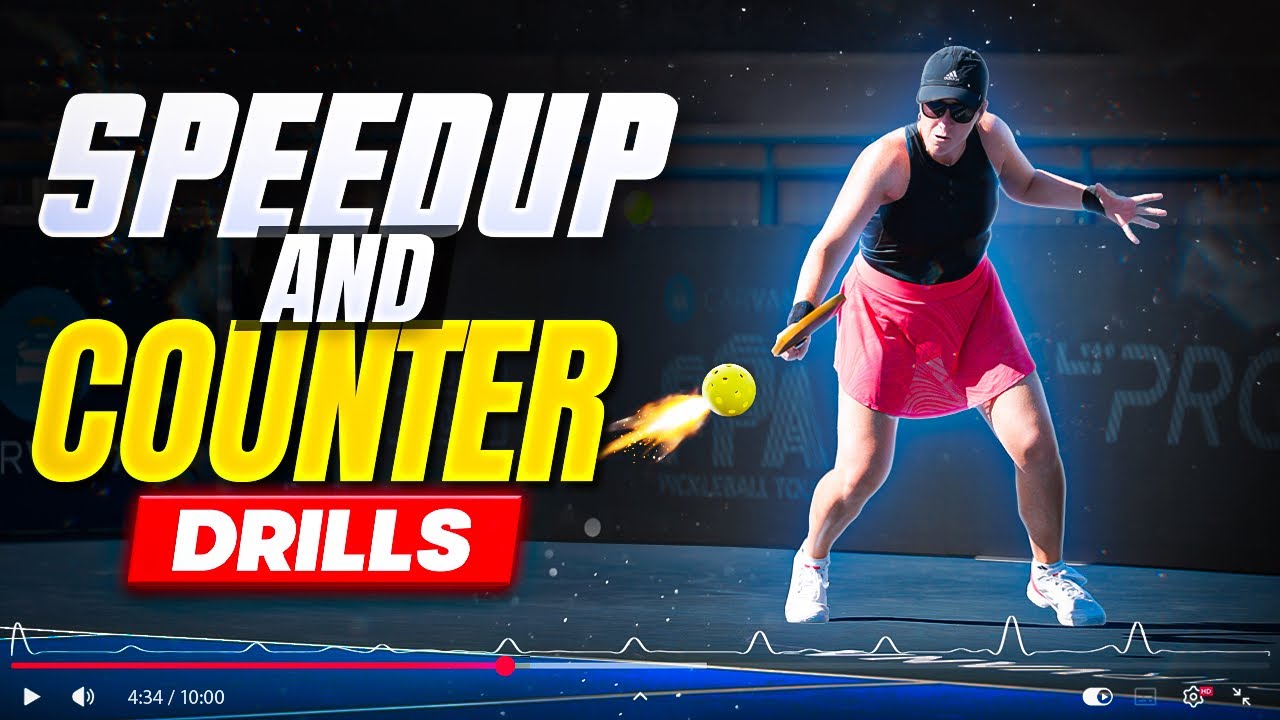
Why Does the Step Matter So Much?
This is where most players leave points on the table. Stepping backward when a drive comes wide feels natural because you are buying time.
The problem is that stepping back puts you on your heels.
You cannot transfer weight forward through contact when your momentum is moving away from the ball.
Your shot comes out weak and floaty even when your technique is otherwise solid.
Stepping across laterally keeps your weight moving into the shot, and it is the same footwork technique that transforms your transition game.
You stay on the balls of your feet. You can open the paddle face and redirect with real control.
This is the same principle behind fast hands mechanics at the net. The footwork sets up the hands. Get the feet wrong and the hands cannot save you.
 The Dink Media Team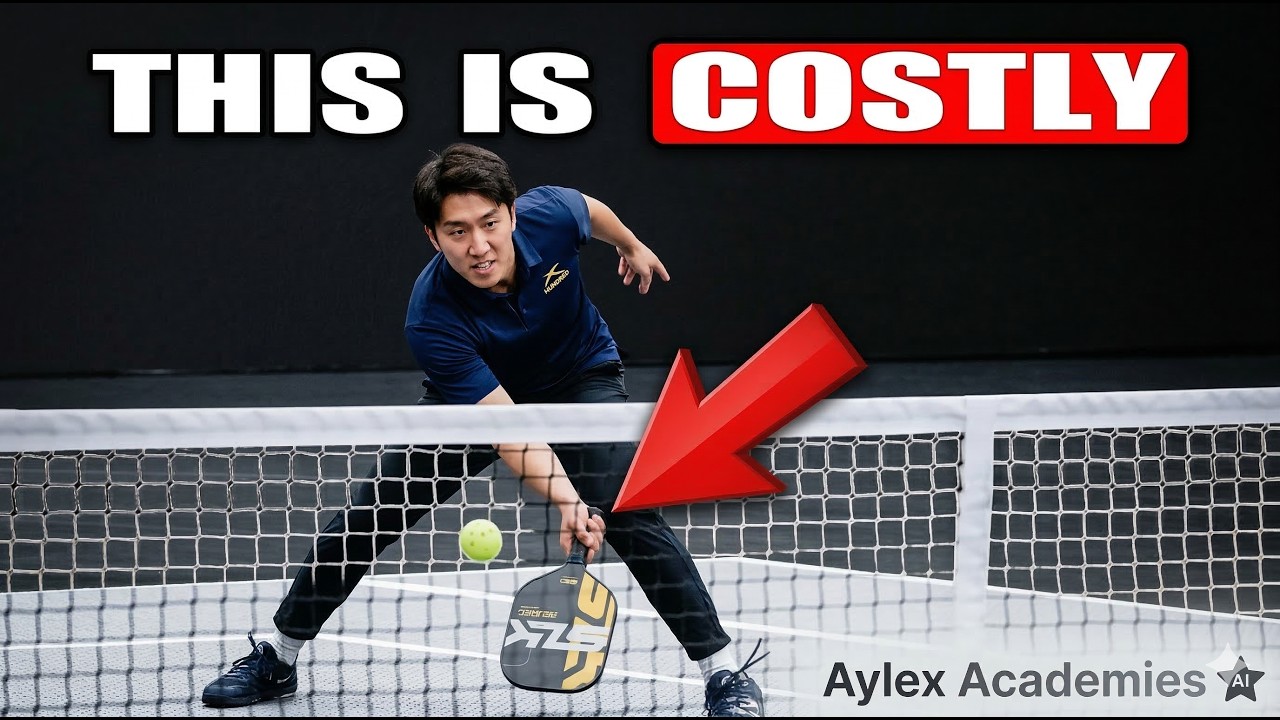
Where Should You Be Aiming Your Counter?
The Flying Pickle Academy team placed target cones on the court during their drill.
That detail matters. It shows you should always have a destination in mind before you swing.
The best placements for a countered drive are:
- At the feet of the player who just drove (they are likely transitioning forward)
- Cross-court into the open lane if the driving player has moved off-center
- Directly at the body of the other player to create a jam
The cross-court counter and the body shot are especially effective because they punish the aggressiveness of the drive.
If a banger is going to give you pace, make them pay for it.
For more on how to stop a banger with real tactical adjustments, that article goes deeper into shot selection and positioning against power players.
 The Dink Media Team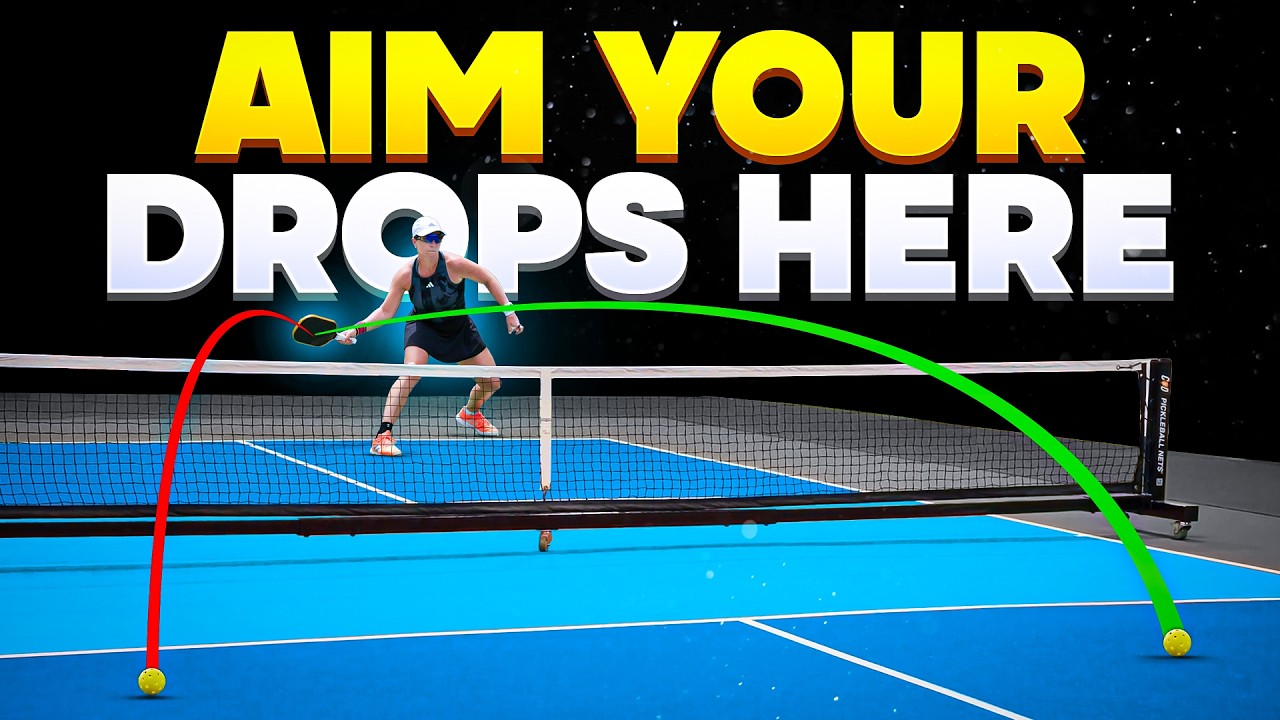
How Do You Drill This Effectively?
The drill Susanna and Nick ran is simple and brutally effective. One player stands at the kitchen line.
The other player hits controlled drives from the transition zone or baseline, varying pace and direction.
The player at the kitchen line works on countering every drive to a target. Not blocking it. Not resetting it.
Countering it with intention.
The key coaching cue from Nick was clear: commit even when you are not sure. Half-measures lead to half-contact.
Susanna noted that the moments she committed fully, even when she read the drive a beat late, the counter came out cleaner.
The moments she hesitated were the ones where things broke down.
If you want to build this into a broader practice structure, this 90-minute drilling blueprint from a PPA pro gives you a full framework for organizing purposeful sessions.
 The Dink Media Team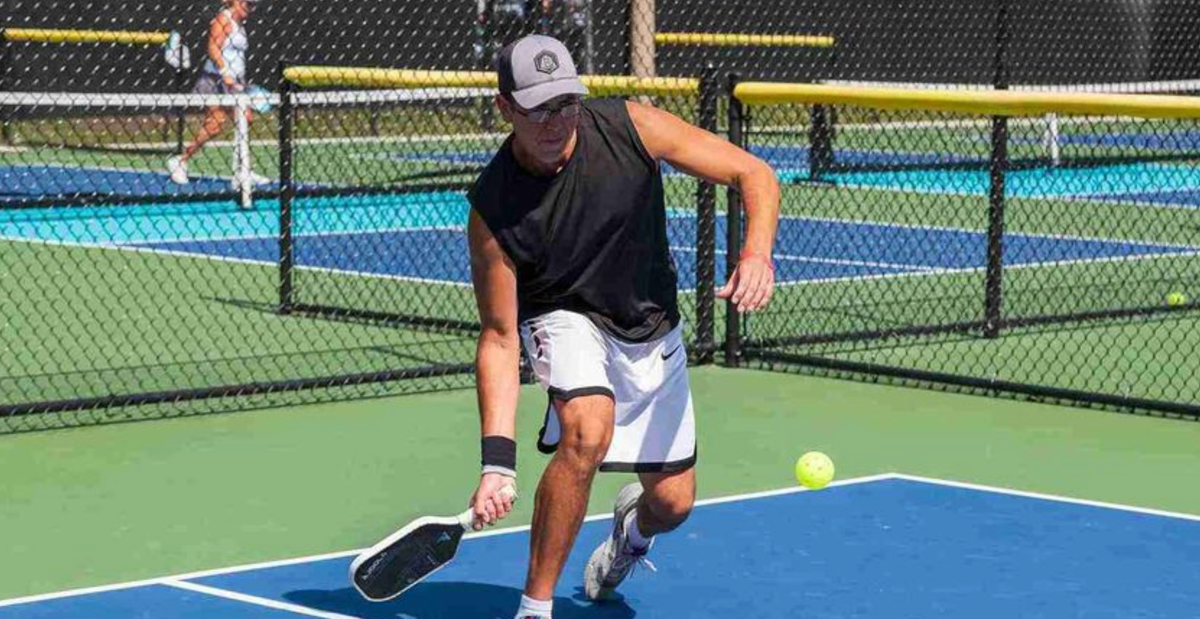
What Happens When the Ball Jams Your Body?
Body shots are the hardest counters to execute.
When a drive comes directly at your torso, your instinct is to flinch or pull the paddle across your body awkwardly. Neither produces a good result.
The fix is to make a decision fast: forehand side or backhand side. You cannot straddle both. Pick a side, clear your elbow, and make clean contact.
Nick drilled this with Susanna during the session.
The drives that caught her in the middle of her body were the ones that led to errors, not because her technique broke down, but because she did not commit to a side fast enough.
Learning how to handle body shots is a separate skill worth practicing on its own.
 The Dink Media Team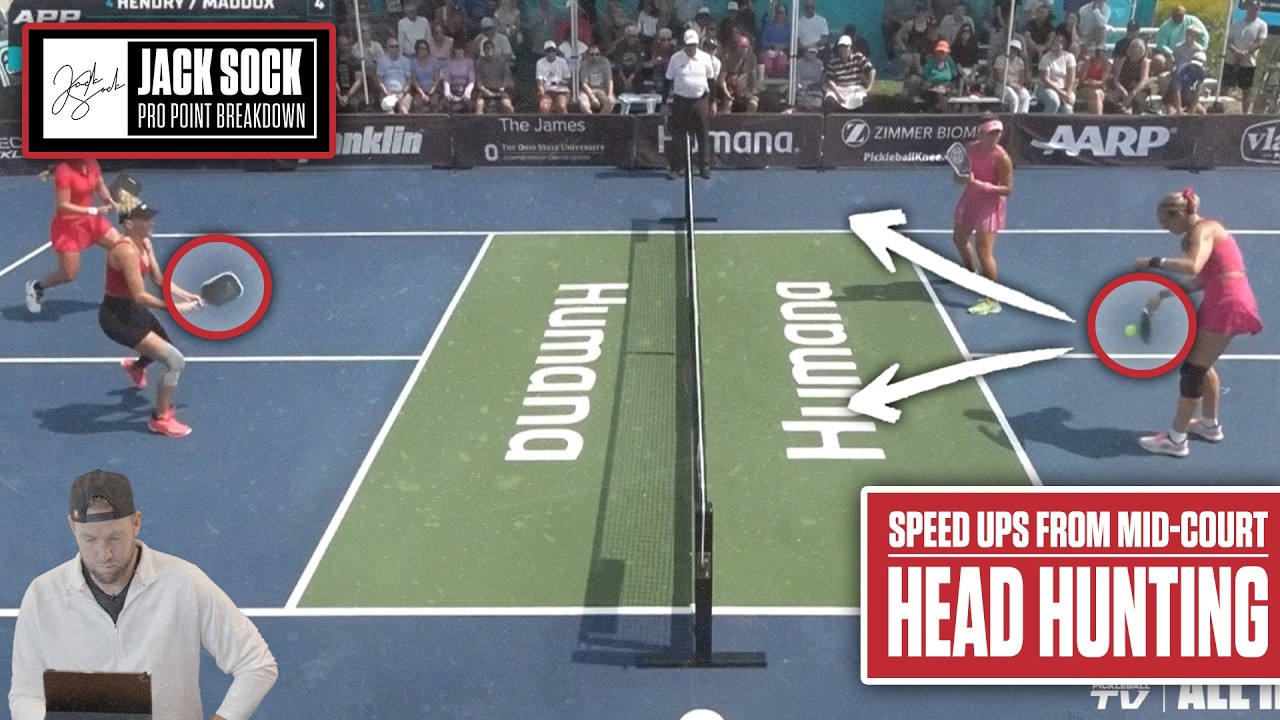
Why Placement Is What Frustrates Bangers Most
Here is the psychological edge that comes with countering well: bangers drive because they want to overwhelm you.
When you counter that drive into a precise target, you send a message.
You are telling them their power is not working.
You are turning their weapon into yours. That is when bangers start to second-guess themselves and that is when the match shifts.
This is also why drilling with targets matters so much. Anyone can swat a ball back.
Placing it under pressure, during a fast exchange, is a skill you have to build deliberately.
The real reason most players keep losing to bangers is not that they lack the physical tools. It is that they never practiced turning defense into offense.
 The Dink Media Team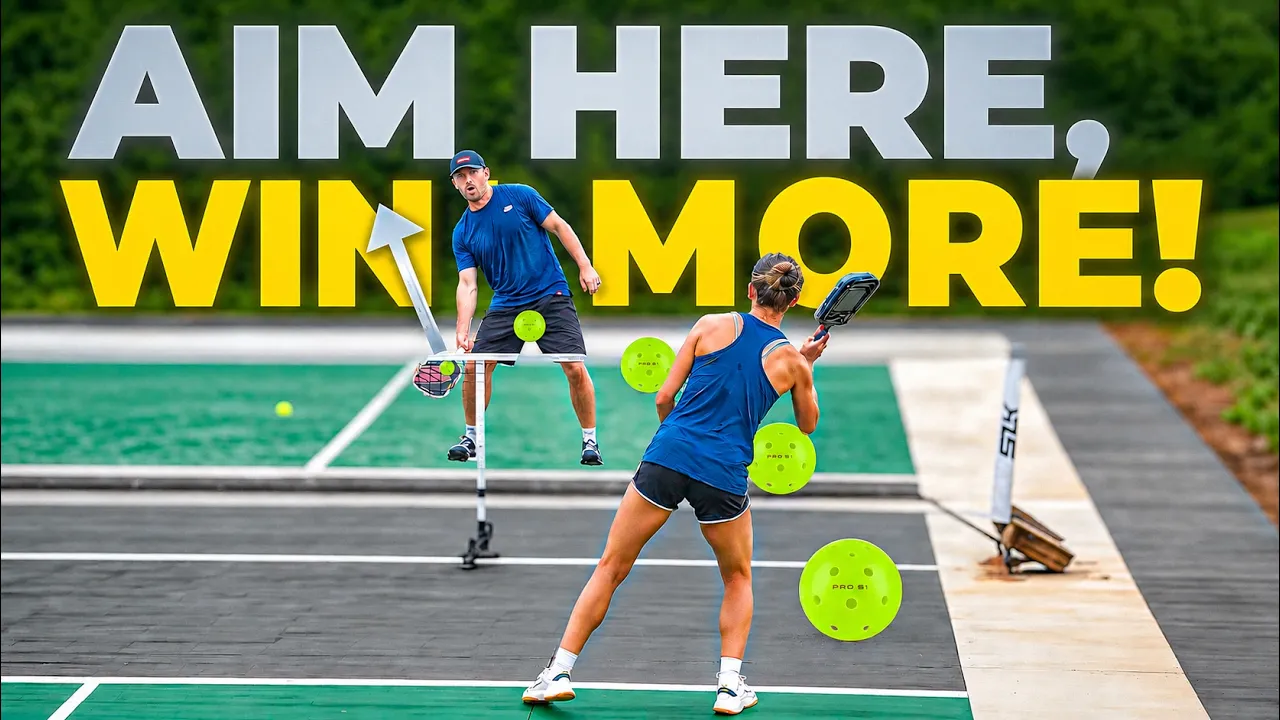
Common Mistakes to Cut Right Now
Here are the mistakes that show up most often when players try to add counters to their game:
- Waiting too long to decide. The counter window is small. If you hesitate past it, you are stuck blocking.
- Dropping the elbow on backhands. This robs you of power and control. Keep the elbow up and in front of your body.
- Stepping backward instead of laterally. This one kills more counters than any other mistake. Move across, not away.
- Not having a target. Swinging without a destination leads to the ball going wherever the physics sends it. That is usually not where you want it.
- Half-committing to the shot. This was the core coaching note in the session. Full commitment to a flawed position beats half-commitment to a good one every time.
If you want to audit other habits that might be costing you points, this list of bad pickleball habits covers a lot of ground that players overlook.
 The Dink Media Team
How to Know When to Counter vs. When to Reset
Not every drive is a counter opportunity. If the ball is at your feet or you are caught off-balance, a reset is still the right call.
The counter is best when the drive is at mid-body or higher, when you have time to get your feet set, and when the banger has left a gap on the court to exploit.
A four-step system for handling drives from pro player Mari Humberg is worth studying for exactly this kind of shot selection.
The reset and the counter are not competing strategies. They work together. When you reset well, you earn the chance to counter.
When you counter well, you earn the point.
Putting both in your toolkit means bangers have no safe option against you. That is where you want to be.
For players who want to sharpen their reset before working on the counter, these three fixes for resetting speed-ups give you a clean starting point.
And for drilling the transition zone where many of these exchanges happen, this reset drill builds exactly the composure you need under pressure.
Frequently Asked Questions
What is a counter drive in pickleball?
A counter drive is when you redirect a hard incoming shot using the pace already on the ball rather than absorbing it with a soft block. You make firm contact, steer the ball to a target, and turn your opponent's aggression into your own offense. It is closer to a punch volley than a defensive reset.
When should I counter a third shot drive instead of resetting it?
Counter when the drive arrives at mid-body or higher, your feet are set, and there is an open target to exploit. Reset when the ball is at your feet, you are off-balance, or you cannot get positioned in time. Reading the height and your own positioning is what drives the decision.
Why do I keep popping up my counter volley?
Popping up usually comes from a dropped elbow or late contact. You need to meet the ball in front of your body with your elbow up and your weight moving forward. Stepping backward instead of laterally is the most common cause of late contact.
How do I practice countering drives without a partner?
Wall drilling is one of the best options. Hit a firm drive into the wall and work on countering the ball as it returns to you, using cones or tape marks as targets. You can also use a ball machine set to drive pace to isolate the counter mechanics without the variability of a live feeder.
Does early commitment really matter that much in countering?
Yes, it is the single biggest factor. Half-commitment means late contact, and late contact means you cannot place the ball. Committing early, even when you have not fully read the shot, gives you time to get set and execute cleanly.
As Nick put it during the drill session, full commitment to a slightly wrong position beats half-commitment every time.

Love Pickleball? Join 100k+ readers for free weekly tips, news & gear deals.
Subscribe to The Dink