Beating bangers in pickleball has nothing to do with hitting harder back. These five techniques show you how to use their own pace against them and win more points.
Beating bangers in pickleball is one of the most frustrating problems at every skill level.
They swing hard, they swing often, and somehow they keep winning points you feel like you should be controlling.
The problem usually isn't your technique. It's your mindset going into those exchanges.
You're letting them set the pace instead of making them work for every point.
Coach Brandon from Aylex Pickleball Academy breaks down five concrete ways to flip that momentum, starting with what you're probably getting wrong before the ball even reaches your paddle.
Love pickleball? Then you'll love our free newsletter. We send the latest news, tips, and highlights for free each week.
The Real Reason You're Losing to Bangers
Most players assume the banger is winning because they hit the ball too hard to handle. That's not actually true most of the time.
You're losing because you're giving them credit for shots that were never going to land in.
When a hard drive is coming at shoulder height, that ball is going out. Every time.
But instead of letting it fly, you panic and swing.
That one mistake alone gives bangers free points they didn't earn. The fix starts with reading the ball before you decide whether to hit it at all.
How Do You Know If the Ball Is Going Out?
Ball trajectory and position on the court both matter here. The rules aren't the same from every location.
From the baseline, a banger has a lot of court to work with.
There's a reasonable chance their hard drive lands in, especially if they're getting low and generating topspin. You should generally be ready to play those balls.
As they move closer to mid-court, the angle gets steeper. A hard flat drive from that zone has much less room to dip before it reaches the back line.
If they're not using heavy topspin from that position, the ball is very likely going long.
At the kitchen line, almost any shoulder-high ball hit with a flat swing is going out. The angle simply doesn't work in their favor.
This is where knowing when to do nothing is your biggest weapon. You can learn more about the mindset shift that stops you hitting out balls here.
What Does a Banger Actually Need to Keep It In?
This matters because it tells you what to watch for.
A banger who can keep hard drives in from mid-court is doing at least two of these things consistently:
- Getting very low with a compact, controlled swing
- Generating real topspin to bring the ball back down
- Keeping their swing short rather than big and loopy
If you see a big swing, no obvious brush on the ball, and the contact point is above waist height, step back and let it go. That ball is your opponent's gift to you.
Most recreational bangers, especially tennis players new to pickleball, haven't developed the combination of spin and low contact needed to keep hard drives in consistently from close range.
Knowing how to stop a banger in pickleball starts with that read.
 The Dink Media Team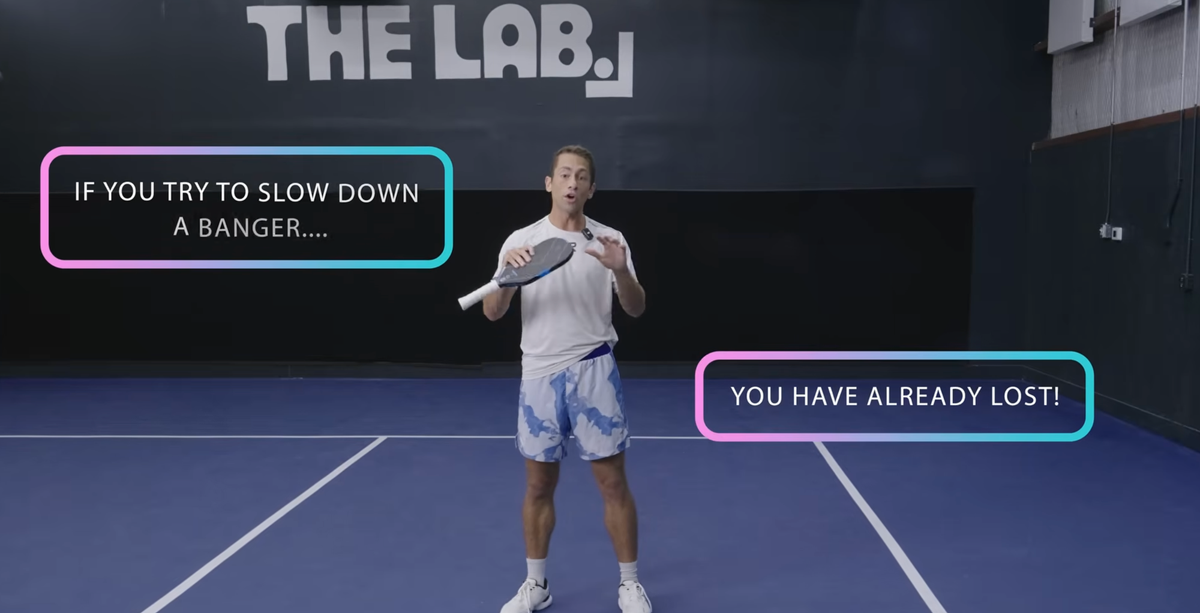
Technique 1: Keep Your Paddle Up and Out in Front
When you know the ball is landing in and you do need to play it, your setup position matters more than your swing.
Most players have their paddle hanging by their waist or even behind their hip when a hard drive comes.
By the time they react, they're late, tight, and out of position. The fix is simple. Get your paddle up near chest height before the ball gets to you, not after.
Think of it as pre-loading rather than reacting. Your paddle should already be where the ball is likely to arrive.
That one adjustment gives you a fighting chance at absorbing the pace instead of fighting it.
 The Dink Media Team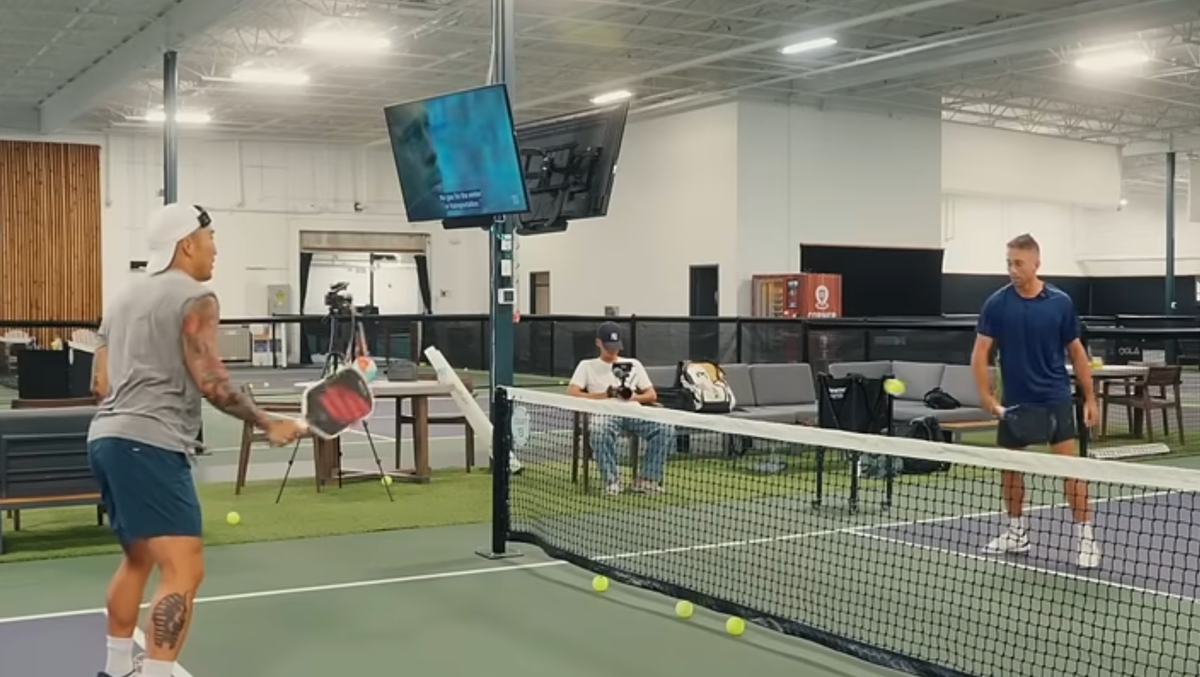
Technique 2: Default to Your Backhand
This runs against most players' instincts. You probably feel more comfortable on your forehand side.
But when you're defending against hard drives, the backhand is almost always the better choice.
On your backhand side, you have room to move, adjust, and keep a stable paddle angle. You can lean in slightly, shift your weight, and still maintain control.
Try defending a chest-level drive with your forehand and see how awkward your arm position gets. That "chicken wing" everyone talks about isn't just ugly.
It costs you control and consistency every time. You can also check out these fixes to reset every pickleball speed-up for more on defending hard attacks.
 The Dink Media Team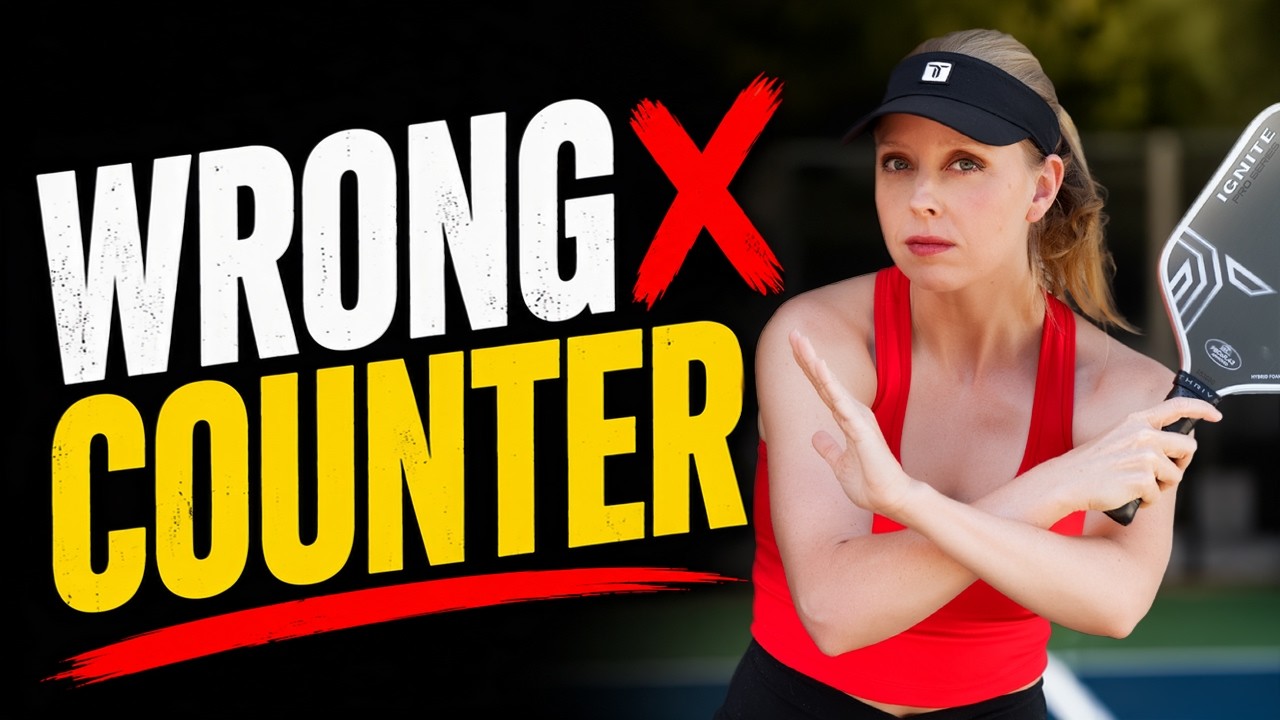
Technique 3: Prepare Early, Then Relax
Here's where a lot of players fall apart even after they've gotten into position. They tense up at the moment of contact.
Tension is the enemy of a clean reset. When your forearm and grip are tight, the energy from the ball bounces straight back.
You're not absorbing anything. You're just redirecting their pace at full speed, which makes it easier for them, not harder.
The goal is to hold your paddle at about a four or five out of ten grip pressure.
Firm enough that the paddle angle doesn't wobble, but relaxed enough that your forearm can absorb some of the ball's energy on contact.
Think of it as catching the ball on your paddle rather than blocking it.
This is what gives you a soft, controlled reset instead of a ball that floats back up for another attack.
 The Dink Media Team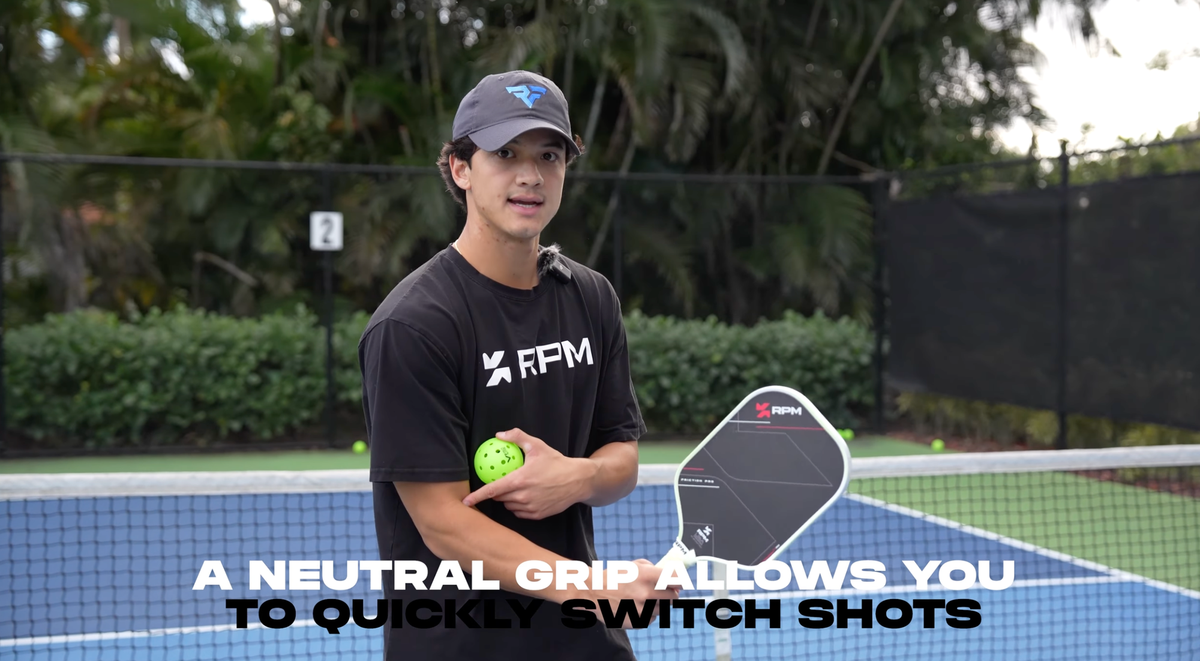
Technique 4: Use Their Pace, Don't Add Yours
This is the shift that separates players who beat bangers from players who just trade hard shots with them.
You do not need to generate your own pace on a reset. You're using theirs.
When a ball comes at you hard and you meet it with a relaxed paddle, the ball still has energy.
That energy carries it back over the net. You're simply redirecting, not hitting.
This is the backboard concept: the wall doesn't swing at the ball. It just redirects it.
The moment you try to add pace to a reset, you lose control of the depth and height.
You're also giving the banger exactly what they want: more speed to work with. If your pickleball reset keeps failing, this is almost always the reason.
 The Dink Media Team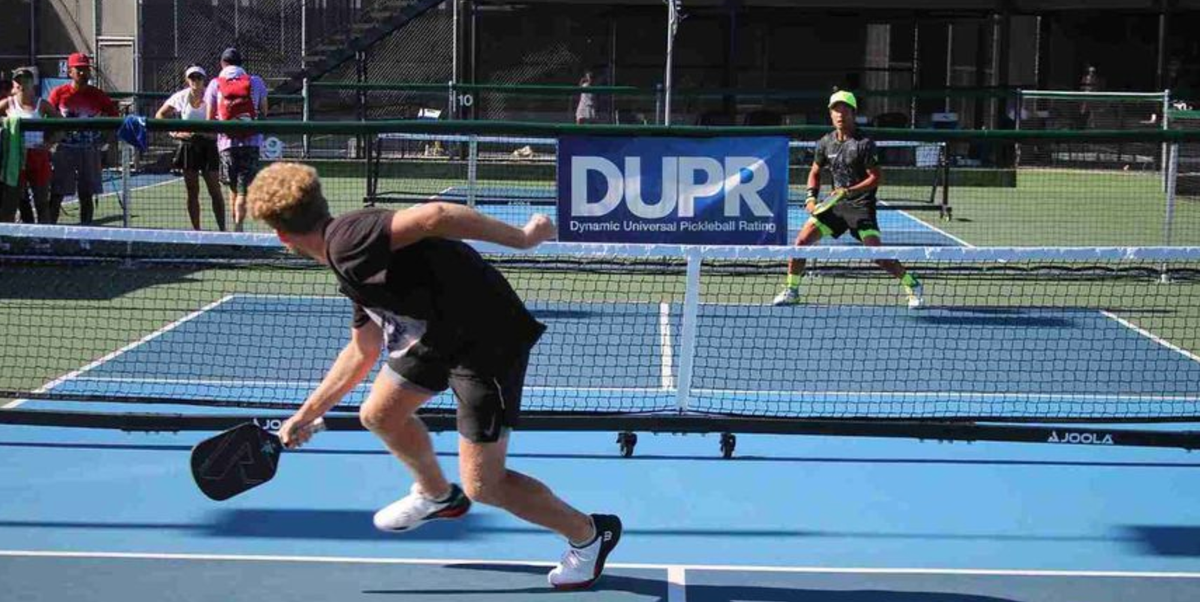
Technique 5: Think Like a Backboard
This is the mental model that ties everything together. A backboard doesn't think. It doesn't swing. It just receives and redirects.
Your job against a banger is to make yourself that backboard. Take pace off, get the ball to dip, and force them to keep hitting.
Every reset you execute well puts pressure on them to either hit harder and go out, or change their strategy.
Bangers typically don't have a plan B. They go hard because it works. Once it stops working, they're lost.
Your consistency is the thing that breaks them.
 The Dink Media Team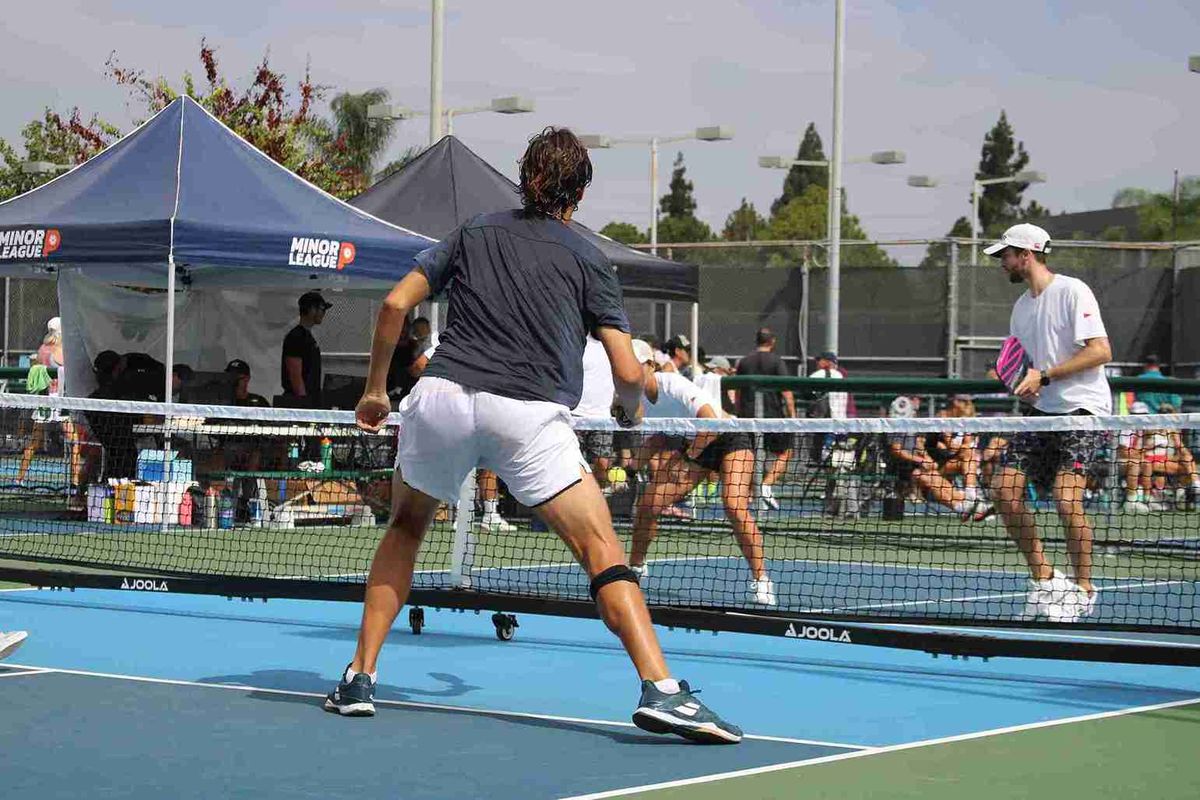
How to Practice This: Two Drills That Work
Understanding the concepts is one thing. Building the muscle memory is another.
Here are two drills that directly train what Coach Brandon covers:
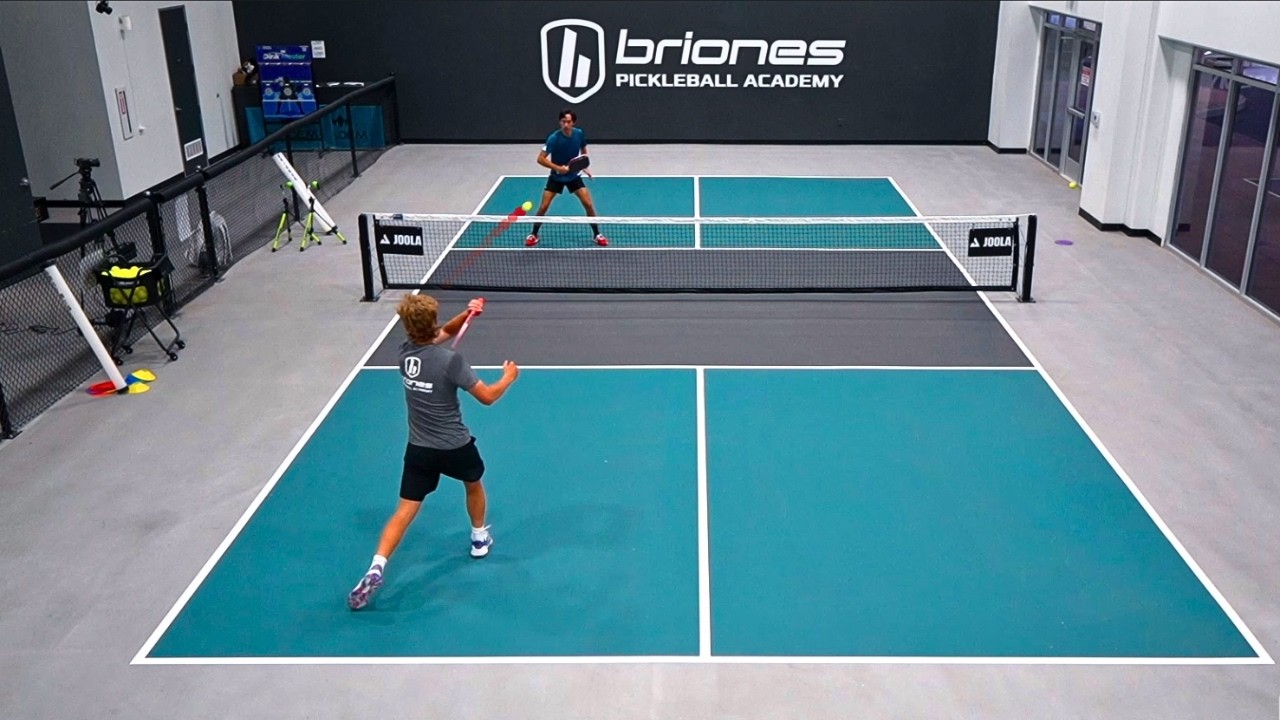
- Non-Volley Line Reset Drill: One player feeds the ball to a driver. The driver hits hard at the player at the kitchen line. That player works purely on resetting, paddle up, backhand favored, soft grip, letting the pace come off the ball. The goal is not to attack. It's to keep the ball low and controlled on the return.
- Transition Zone Beat-the-Feet Drill: One player stands in the transition zone marked by a cone. Their partner targets the ball at their feet. The transition zone player focuses on absorbing, redirecting, and slowing the pace down. The point is to create an arc that gives you time to recover position, not to blast it back.
The transition zone drill is especially useful because it mirrors one of the hardest situations in actual games: you're moving up, caught in no man's land, and a hard shot comes at your feet.
Getting jammed by shots at your feet is a specific problem worth drilling.
 Eric Roddy
Why Defense Builds Your Offense
Here's what most players get backward. They think they need to attack first and find defense later.
Coach Brandon flips this completely.
A solid defensive reset is the foundation for every good offensive shot you'll hit. When you know you can reset anything, you stop panicking.
You stop swinging at bad balls. You wait for the right ball and then you attack with confidence.
The reset and the punch are the same shot, just executed with different intent. If your reset is sharp, your punch is already halfway there.
Build the defense first and the offense comes naturally. For more on putting it all together, these five keys to pickleball defense mastery are worth reading.
Players who lose to bangers are usually trying to out-banger the banger. That strategy requires you to win every exchange.
Protect your structure, absorb their pace, and you only need to win the right exchanges. That's a much better trade.
Check out how to counter a banger in pickleball with three simple strategies for additional ways to neutralize their attack.
And if your drilling routine isn't producing results on the court, find out why your pickleball drilling isn't working and what the two-step fix looks like.
You can also study how to block hard shots in pickleball for three more specific adjustments.
Finally, understanding block volley fixes that stop bangers will round out your defensive toolkit and give you more options when drives keep coming.
Frequently Asked Questions
Why do I keep popping up the ball when I try to reset against a banger?
Popping the ball up usually means your grip is too tight at contact. Loosen your grip to about a four out of ten and let the paddle absorb some of the ball's energy rather than fighting it. A relaxed forearm is what allows the ball to soften instead of launch back up.
Should I always let shoulder-high balls go out, or is that too risky?
At the kitchen line, shoulder-high balls from flat-swinging bangers are going out the vast majority of the time. Further back near the baseline, you need to judge based on their spin and swing style. If they're getting low and brushing the ball heavily, it might stay in, so read their contact point before deciding.
What grip pressure should I use when resetting against a hard drive?
Coach Brandon recommends a four or five out of ten on the grip pressure scale. Firm enough that your paddle angle stays stable, but relaxed enough that your forearm absorbs pace instead of bouncing it back. Gripping harder than a six or seven will make your resets float and give the banger another easy attack.
Is the forehand or backhand better for defending against bangers?
The backhand is almost always the better defensive option against hard drives. Your backhand gives you more room to adjust your arm position, more stability in your paddle angle, and a more natural forward lean into the ball. Using your forehand to cover chest-level drives leads to awkward mechanics and pop-ups.
How do I practice resetting without a training partner?
Wall practice is a legitimate option where you hit firmly at a wall and work on absorbing the return with a relaxed grip and backhand position. You can also use a ball machine if one is available to replicate hard incoming drives at consistent speeds. The goal in solo practice is building the muscle memory of a soft, controlled contact rather than a reactive swing.

Love Pickleball? Join 100k+ readers for free weekly tips, news & gear deals.
Subscribe to The Dink