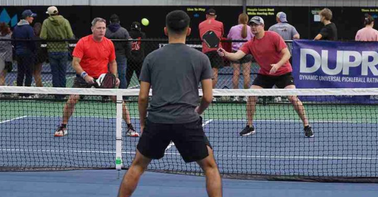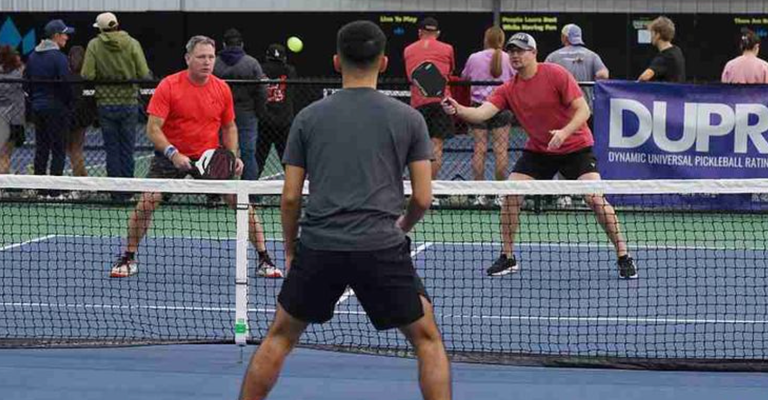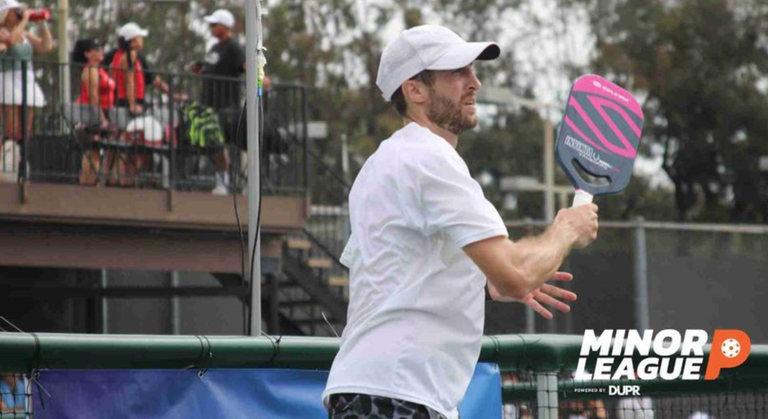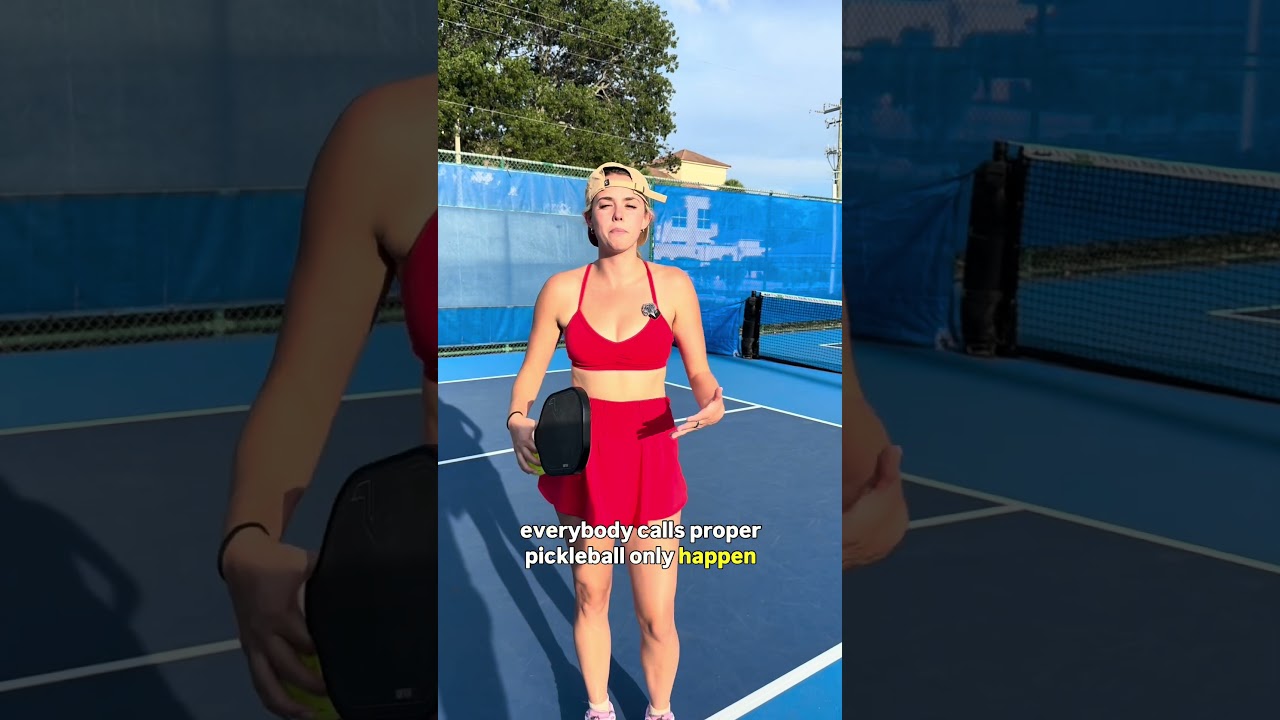
If a banger in pickleball keeps beating you, the problem is not their strategy. It is your inability to take away their power, and these three fixes will change that.
Every time you face a banger in pickleball, the frustration feels the same.
They wind up, they blast the ball, and somehow you are the one scrambling and losing points.
Here is the uncomfortable truth: if they keep doing it, it is because it keeps working. The issue is not their game. It is a gap in yours.
This breakdown is inspired by a sharp, direct video from Ava Ignatowich on YouTube, and the core message is worth sitting with.
You cannot choose how your opponents play. You can only build the skills that make their choice irrelevant.
Love pickleball? Then you'll love our free newsletter. We send the latest news, tips, and highlights for free each week.
The Real Reason Bangers Keep Driving
A banger drives the ball hard because it is their best path to winning points against you specifically.
This is not stubbornness. This is rational strategy on their part.
Think about it from their side. If every drive either wins the point outright or forces you into a weak pop-up, why would they ever stop? You would not either.
The only thing that changes a banger's behavior is results.
When their drives stop producing points, they start looking for other options. Your job is to be the reason their drives stop working.
This is a mindset shift that matters. Complaining about a banger in pickleball, or hoping they will suddenly play differently, puts you in a passive role.
Taking ownership of your defensive skills puts you back in control of the game.
What Is a Banger in Pickleball?
A banger in pickleball is a player who prefers to drive the ball hard and flat rather than engage in soft, patient kitchen exchanges.
They typically avoid the dinking game and rely on pace and power to force errors.
Bangers are especially common at the 3.0 to 4.0 level, where the technical skills needed to consistently reset hard shots are still developing.
They are not cheating. They are just playing to their strengths.
The real problem is that most players at those levels do not yet have the block, reset, and neutralization tools to punish that style.
Once you build those tools, the banger in pickleball becomes far less threatening.
Why Can't You Just Out-Bang the Banger?
Some players respond to a banger in pickleball by trying to drive harder themselves.
This occasionally works, but it is an unreliable strategy because it turns the game into a pure speed contest.
Bangers are usually comfortable in a speed contest. You are not playing to their weakness when you match their pace.
You are playing into their strength.
The smarter play is to absorb pace, neutralize it, and redirect the game toward a slower, more controlled exchange.
That is where blocking, resetting, and redirecting become the most important skills you can build.
 The Dink Media Team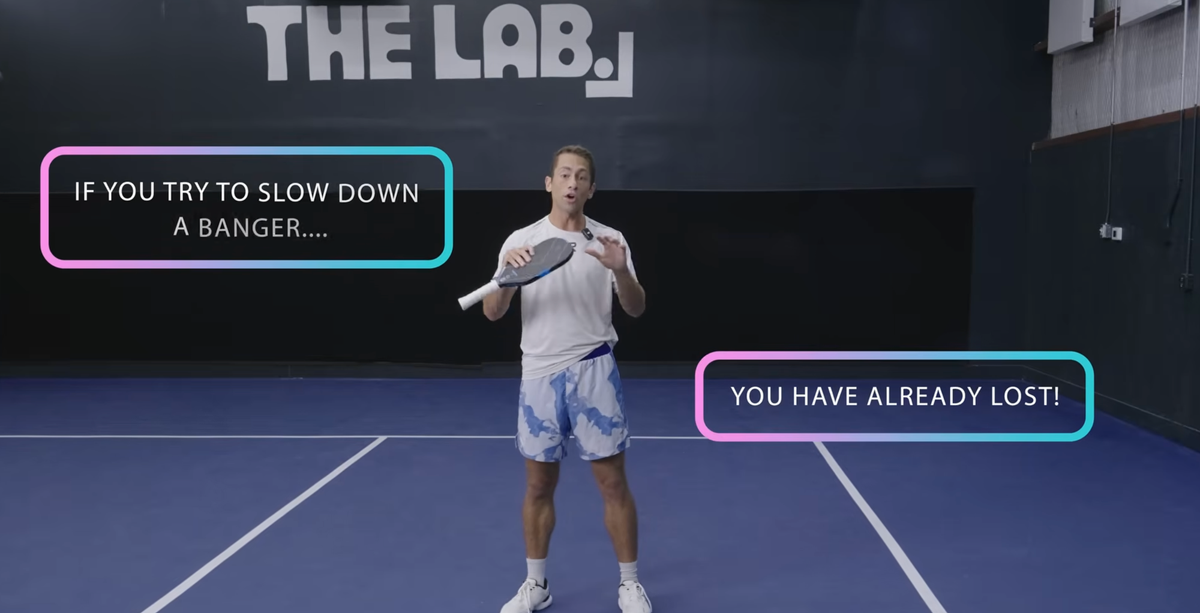
Fix 1: Build a Real Block Volley
The block volley is the first line of defense against any hard driver. Most players misunderstand what a good block actually requires.
A common mistake is using too much backswing and trying to do too much with the ball.
A proper block is compact, quiet, and absorbs energy rather than adding to it. You are not countering the drive.
You are deflecting it.
Here is what a reliable block volley looks like:
- Paddle held firmly but not stiff, out in front of your body before the ball arrives
- Contact made with a slightly open paddle face to drop the ball low over the net
- No backswing, no follow-through, just a soft redirect
- Weight slightly forward so you are not caught leaning back when pace arrives
For a detailed breakdown of the mechanics, this guide on how to block hard shots in pickleball covers the three most common errors and how to correct them.
A strong block does two things at once.
It stops you from giving the banger an easy put-away, and it puts a low, unattackable ball back into play that they now have to deal with.
 The Dink Media Team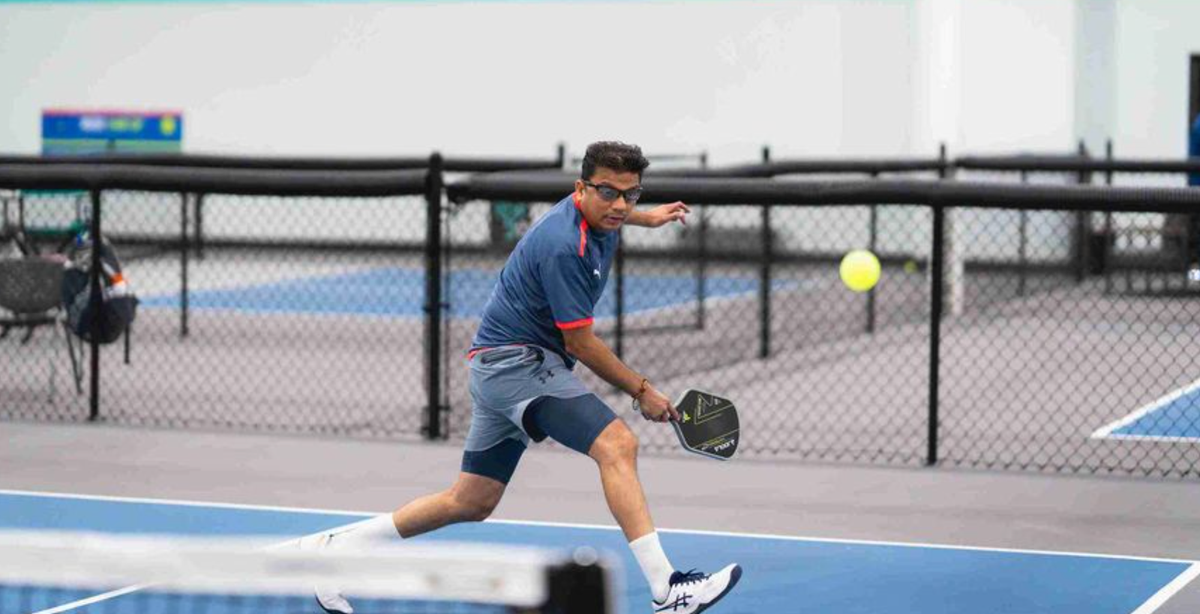
Fix 2: Reset With Confidence Under Pressure
Blocking a hard shot is one thing. Resetting it into a soft, unattackable ball is the next level of the same skill.
This is where most recreational players still give points away.
A reset is not just a soft shot. It is a soft shot that lands in or near the kitchen, at a downward angle, with no pace for the opponent to attack.
If your reset floats up at chest height, you have not reset anything.
You have just served them another opportunity.
The rubber band drill for mastering pickleball resets is one of the best ways to train this skill without needing a full court session.
The feel of softening your grip through contact is something you can rehearse and develop deliberately.
Focus on these reset fundamentals:
- Soften your grip at the moment of contact to absorb pace
- Keep your paddle face slightly open to generate a downward arc
- Aim for the transition zone or kitchen, not the middle of the court
- Stay calm. Tightening up physically is what causes the ball to pop up
When your resets become reliable, a banger in pickleball loses their best tool. A drive that ends up as a soft ball in the kitchen is not a good shot anymore.
You have neutralized it.
 The Dink Media Team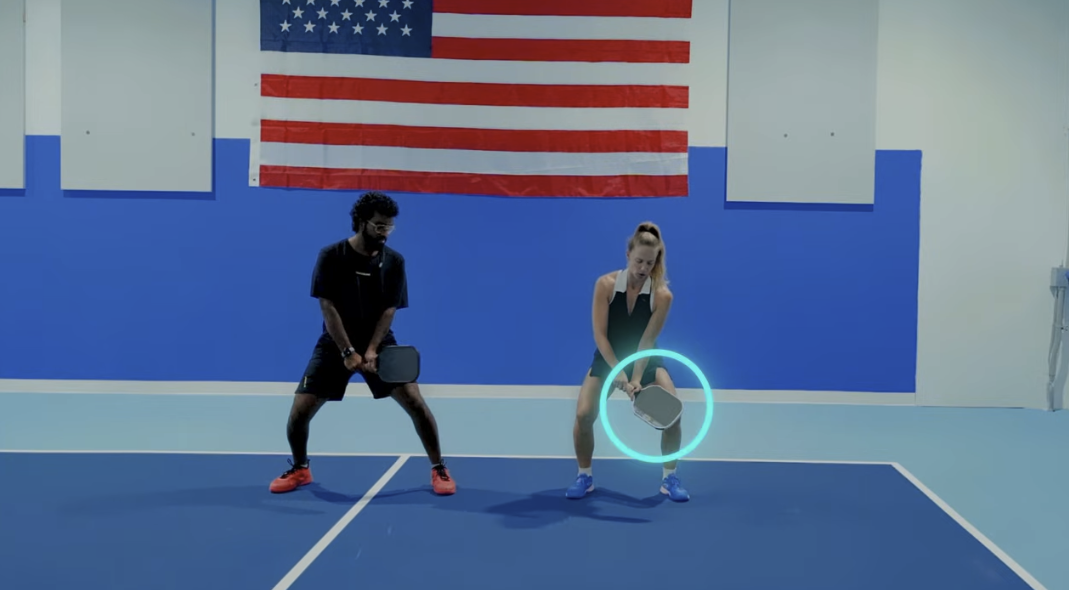
Is There a Mental Side to Defending Bangers?
Absolutely. A lot of players tense up the moment they see a hard driver winding up.
That tension travels directly into the paddle hand and kills the soft touch a good reset requires.
The mindset piece here is recognizing that a drive from a banger in pickleball is actually an opportunity in disguise.
If you can block it and reset it cleanly, you are now the one who is patient and in control. They burned energy trying to win a point.
You neutralized it and reset the situation.
This article on the pickleball mindset shift that stops you hitting out balls is worth reading alongside your defensive work.
Patience and composure are as trainable as any physical skill.
 The Dink Media Team
Fix 3: Take Away Their Power With Placement
The third fix is about making the banger's job harder before they even swing.
Placement and positioning before the drive arrives changes the math entirely.
Most bangers prefer driving at your body or at a high ball that lets them swing freely.
When you keep your position tight, your paddle up, and your return placement low and deep, you shrink the window they can attack through.
This breakdown of how to counter a banger in pickleball goes into the three specific strategic adjustments that make hard drivers far less effective over the course of a game.
One of the most effective tools is the low return.
When you keep the ball below net height on your third shot or your resets, you force the banger to hit upward. Hitting upward with power is hard.
Most bangers struggle with it because they are built for flat, attacking swings, not lifting finesse shots.
Combining a reliable block, a clean reset, and smarter placement creates a feedback loop. The banger drives. You block.
You reset. The ball is now low. They have to hit up.
The ball comes back soft. Now you are in a dink rally, which is exactly where you wanted to be.
That strategic dink exchange everyone calls "real pickleball" does not happen because your opponent decides to give it to you.
It happens because you earned it by removing their other options.
For players who want to build the full picture of defensive skill, these five keys to pickleball defense mastery are a strong place to start building a system around your game.
 The Dink Media Team
How to Practice These Skills Without a Banger in Front of You
You do not need to wait for your next frustrating match to build these skills.
There are specific drills that train your block, reset, and defensive positioning in a controlled setting.
Practicing with a partner who feeds hard drives at you repeatedly is one of the fastest ways to improve.
The repetition builds muscle memory for the absorb-and-redirect feeling that a good block and reset require.
This guide on fixing the pickleball counter shot pop-up addresses one of the most common results of facing hard shots: the accidental pop-up that hands your opponent an easy winner.
You can also work on your positioning and ready position using these steps:
- Practice holding your paddle up and out in front between every shot
- Work on your split step timing so you are always balanced when contact happens
- Drill low-to-low resets with a partner across the kitchen until they feel automatic
- Shadow drill your block volley without a ball to groove the compact motion
If you want a structured approach, these five pickleball drills that build fitness and improve play will give your practice sessions real direction.
 Alex E. Weaver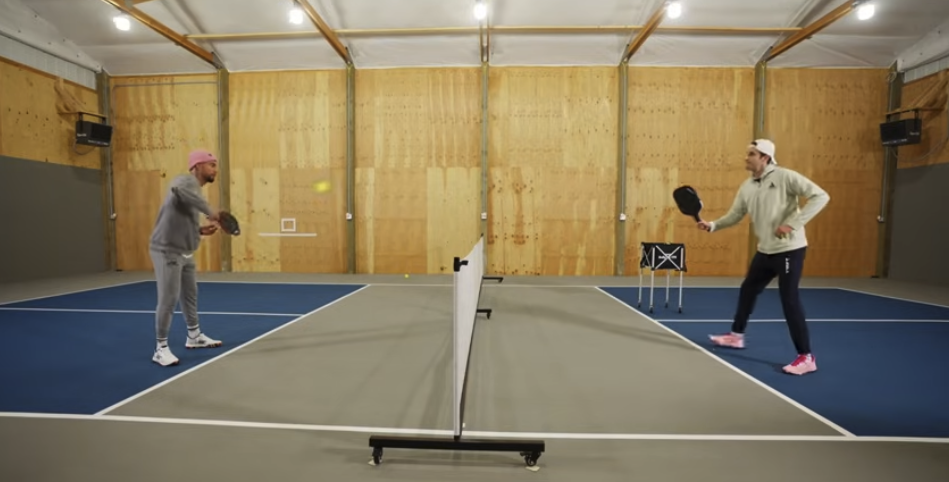
What Happens When You Fix These Three Things
When your block is clean, your reset is reliable, and your placement is intentional, something interesting starts to happen in your matches.
Bangers stop being bangers against you.
Not because they changed. Because their strategy stopped producing results.
A banger in pickleball who drives and gets back a low, soft ball they have to hit upward is not going to keep driving indefinitely.
They will eventually start looking for something else, and that something else usually involves moving toward the kitchen and engaging in the exchange you wanted all along.
You did not beg for a different kind of game. You built the skills that made a different kind of game inevitable.
These block volley fixes specifically designed to stop bangers are a great technical companion to everything covered above.
Pair them with these backhand volley fixes for stopping bangers at the kitchen, and you will have a complete defensive toolkit for the next time someone starts winding up on every ball.
The game slows down when you force it to slow down. That is not something your opponent gives you. That is something you take.
Frequently Asked Questions
What is a banger in pickleball and why are they so hard to play against?
A banger in pickleball is a player who drives the ball hard and flat instead of engaging in soft kitchen exchanges. They are difficult to play against because most recreational players have not yet built strong blocking and resetting skills to absorb pace. Once you develop those skills, a banger becomes much easier to neutralize.
Should I try to out-drive a banger or use a soft game against them?
Matching a banger's pace puts you in their comfort zone, which is rarely a winning strategy. The smarter approach is to absorb their drives with a compact block, reset the ball low into the kitchen, and force them to hit upward. That sequence removes their power advantage and shifts the game toward a controlled exchange.
Why does my reset keep popping up when I'm under pressure?
A popped-up reset almost always comes from a tight grip and a stiff arm at contact. The fix is to soften your grip through the hit so the paddle absorbs pace rather than redirecting it back with speed. Drilling resets at pace with a partner is the fastest way to build that soft-touch reflex.
How do I stop flinching when a banger drives at my body?
Flinching is a reaction to being unprepared, so the solution is getting your paddle up and in front of your body before the ball arrives. Split step timing is critical here. A well-timed split step means you are balanced and ready to absorb the shot rather than reacting late and tightening up.
Will bangers ever stop driving if I defend well enough?
Yes. When drives consistently produce low, unattackable returns instead of free points, most players naturally start exploring other strategies. You are not going to convince a banger to change with words, but you can change their behavior by making their drives cost them instead of reward them.

Love Pickleball? Join 100k+ readers for free weekly tips, news & gear deals.
Subscribe to The Dink