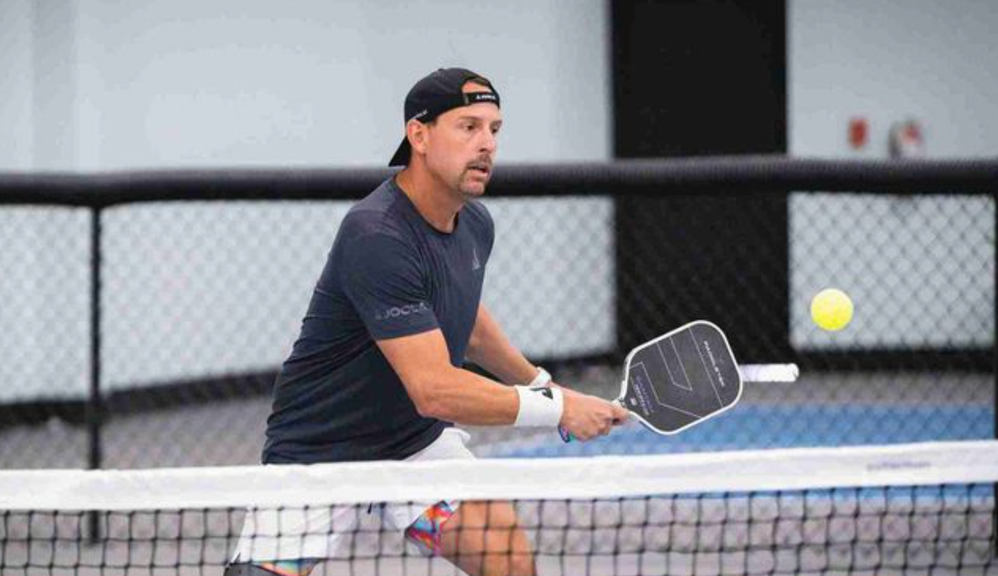
Backhand Dink in Pickleball: The Complete Guide to Elite Kitchen Play
The backhand dink in pickleball is the difference between recreational and competitive play. This guide breaks down pro techniques, drills, and strategies to dominate the kitchen line.
Pickleball court lines define every rule, but the backhand dink in pickleball defines every point you win at the kitchen.
If you want to win more matches, you have to win the battle at the Non-Volley Zone (NVZ) line.
While a strong forehand is a fantastic weapon, elite kitchen play is ultimately defined by how well you protect and weaponize your weaker side.
If your opponents notice a soft, predictable backhand, they will relentlessly target it until you make an unforced error or leave a ball too high.
The team that controls the kitchen wins the match.
This is fact, not philosophy. To transition from a recreational player to an advanced competitor, you cannot rely on a one-dimensional backhand.
Here's the good news: the backhand dink is straightforward once you see it as a system, not a list of techniques.
Love pickleball? Then you'll love our free newsletter. We send the latest news, tips, and highlights for free each week.
What is a Dink in Pickleball?
Before diving into advanced backhand tactics, it is crucial to establish exactly what a dink is. According to USA Pickleball official rules, a dink is:
"...a soft shot hit on a bounce from the NVZ intended to arc over the net and land within the opposing NVZ either straight across or diagonally crosscourt."
The NVZ (Non-Volley Zone), commonly called "the kitchen," is the 7-foot area extending from the net on each side.
While you cannot volley the ball (hit it out of the air) while standing inside this boundary, the kitchen is where the absolute strategic heart of the game takes place.
The backhand dink in pickleball is particularly challenging because most players naturally favor their forehand side.
Understanding this foundational definition sets the stage for mastering advanced backhand tactics.
For a complete breakdown of all dinking techniques, see our pillar guide: Advanced Pickleball Dinking: Pro Techniques for Kitchen Control.
Elite Kitchen Play Fundamentals: The "Less is More" Philosophy
When it comes to high-level dinking, your guiding mantra should be: less is more.
Elite kitchen play relies on fewer big swings, minimal wrist movement, and superior strategic positioning.
The ultimate goal is to consistently land the ball deep in the opponent's kitchen, moving them out of position until they commit a mistake.
To build this bulletproof consistency, you must master five non-negotiable fundamentals.
These are the building blocks that separate recreational players from competitive ones.
1. The Grip Pressure Secret
One of the biggest mistakes amateur players make is choking the paddle handle. Your grip pressure should be a 2 out of 10 during dinking.
You should be barely holding the paddle.
The Micro-Adjustment: Between shots, relax your hand completely to a pressure level of 1.
The moment you make contact with the ball, firm up slightly to a 2.
This constant micro-adjustment keeps your hand supple, absorbs the pace of incoming balls, and naturally prevents erratic wrist snaps.
If you are squeezing the handle, you have already lost control of the shot before it even leaves the paddle face.
For players working toward the 5.0 level, grip pressure mastery is non-negotiable.
2. No Wrist Movement (The Golden Rule)
Using your wrist introduces an unstable variable that destroys consistency.
Instead of flicking your wrist at the last second, preset your paddle at the required angle before the ball even arrives.
Let the ball's natural downward fall do the work as you push from the shoulder. This removes a massive variable and makes you far more consistent.
 The Dink Media Team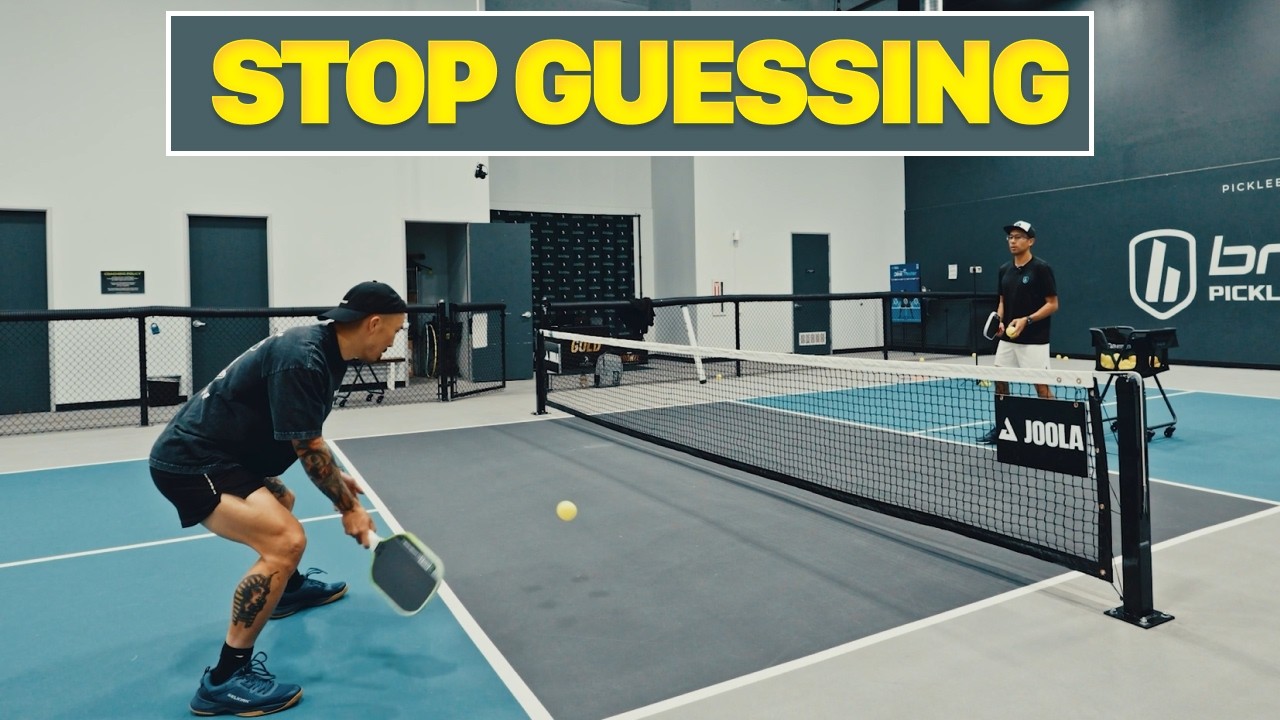
3. Let the Ball Fall (Don't Hit on the Rise)
Trying to strike a dink while it is rising off the court requires your brain to calculate incoming speed, angle, and bounce trajectory simultaneously.
That is an impossible calculation to repeat under pressure.
By waiting and letting the ball fall from its apex, you completely eliminate the speed variable, giving you maximum control over your placement.
Practical Drill: Start by dropping the ball, letting it bounce and reach its apex, then dink as it falls to build the "hit on the fall" habit.
4. Paddle Position: Up and Out
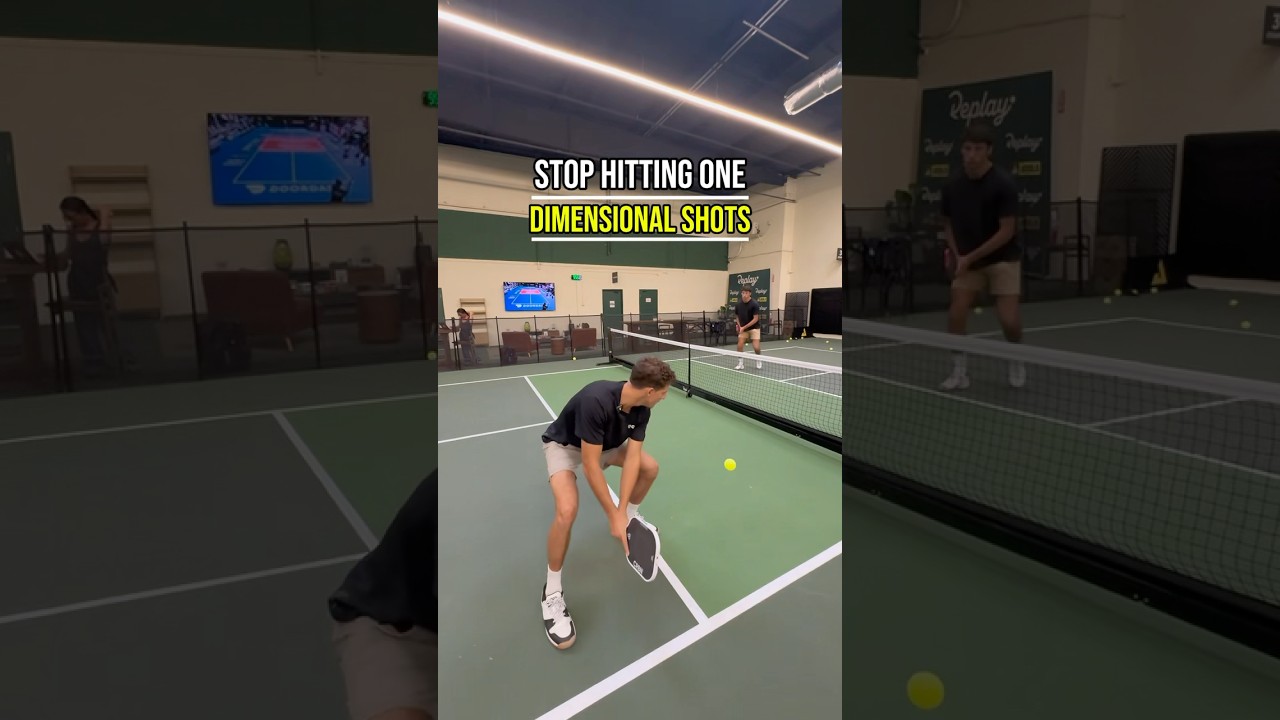
The moment you finish hitting a dink, your paddle should immediately rest up and out in front of your body.
This saves precious milliseconds of movement, keeps you perfectly prepared for a surprise volley, and ensures you are ready early for the next ball.
For maximum focus, look directly over your paddle face at your target.
These habits are precisely what the 12 essential drills for 2026 are designed to lock into your muscle memory.
 The Dink Media Team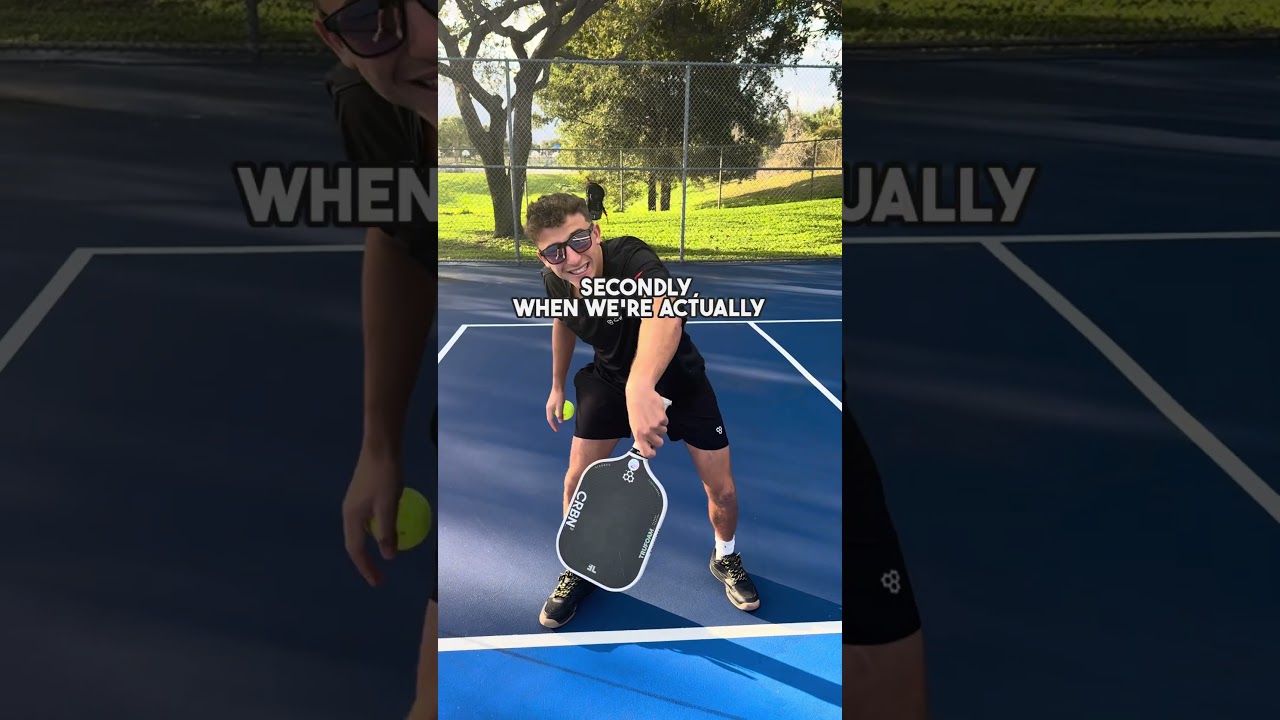
5. Footwork Foundation
Consistency at the kitchen line is built from the ground up:
Elite Kitchen Play Non-Negotiables:
- Wide Athletic Stance: Feet positioned shoulder-width apart or wider for maximum balance
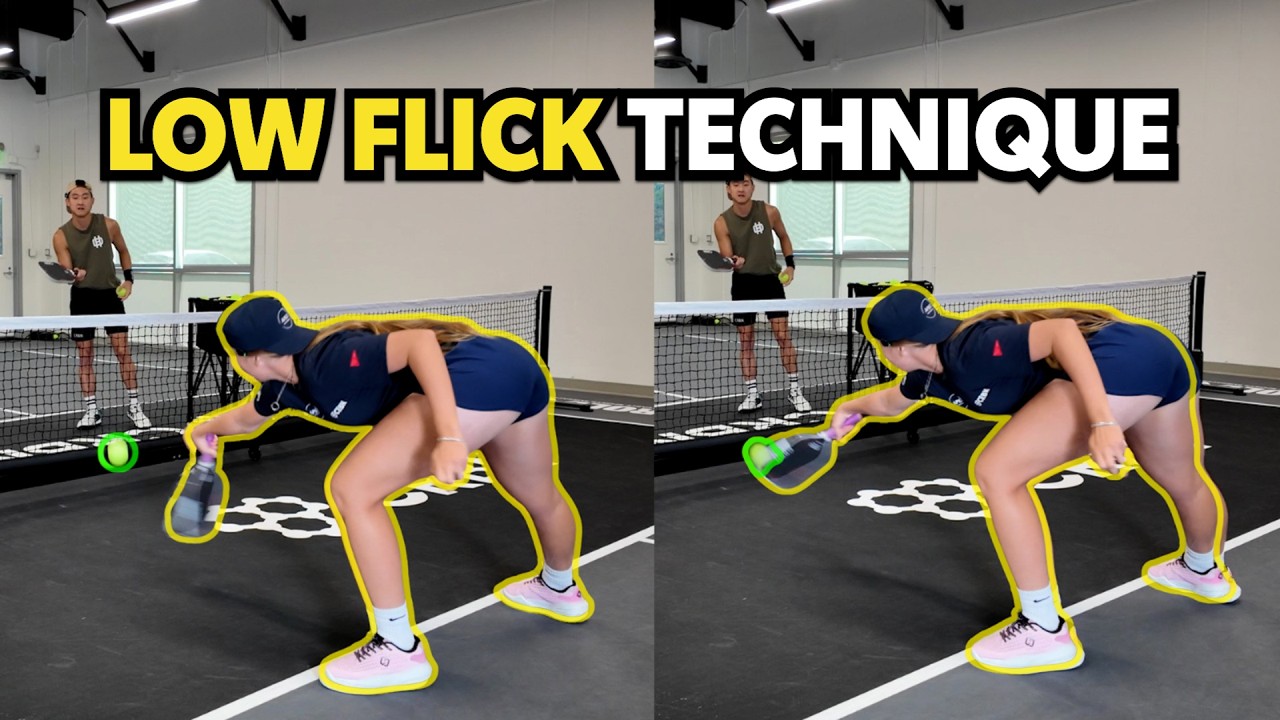
- Lean and Shift Weight: Absorb and reach for balls by tilting your torso rather than taking large steps
- Paddle Up and Out: Keep the paddle out in front of your chest to dramatically reduce reaction time
- Eyes Tracking Ball: Bring your head down relatively close to the paddle head to track the ball accurately
 Jason Flamm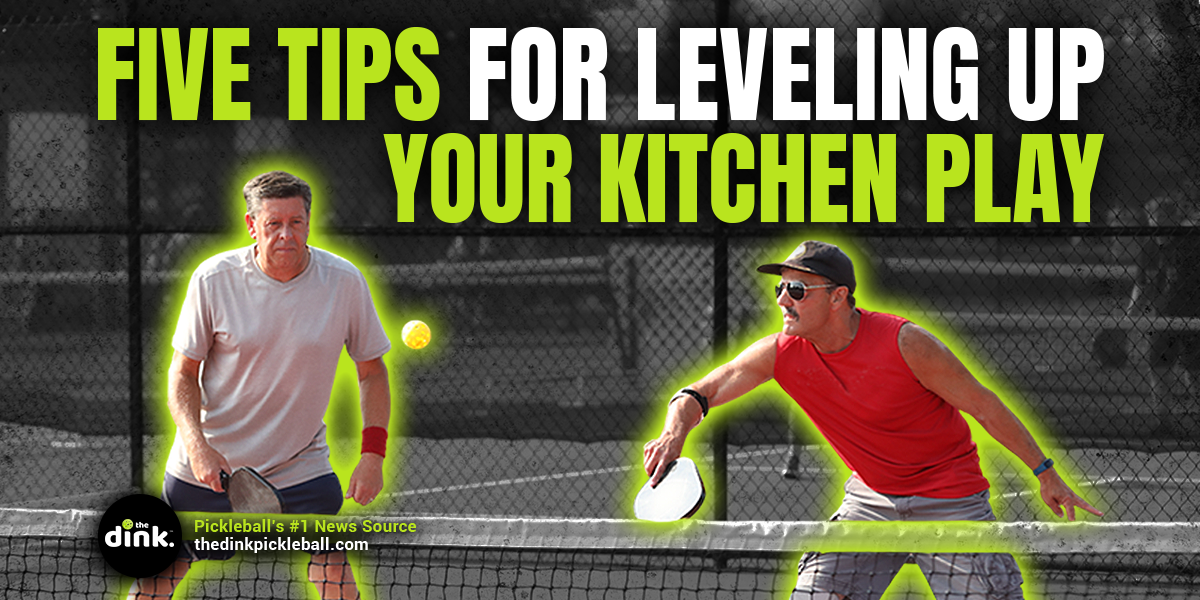
Mastering the Backhand Dink in Pickleball Technique
To build an unexploitable backhand dink in pickleball, you must establish a flawless physical setup before executing specific shot variations.
Get the foundation wrong and no amount of technique will save you.
The Continental Grip Foundation
For elite kitchen play, you must utilize a Continental grip for every single backhand dink.
How to find it: Hold your paddle face perpendicular to the ground and pretend you are shaking hands with the handle.
This single grip provides the ultimate versatility, allowing you to fluidly shift between a defensive slice and an aggressive topspin roll without having to flip or fumble with your paddle mid-rally.
Learn the fundamentals of grip in our how-to guide: Pickleball 101 — Grip Basics.
The Elbow-Out Rule (Critical for Backhand Dink in Pickleball)
The absolute secret weapon for a clean backhand dink in pickleball is getting your elbow out and away from your body.
Never allow it to get tucked into your ribs.
Why this works:
- Extending your elbow outward automatically creates a flat, strong wrist position
- From this posture, you can cleanly execute a backhand dink while using a standard grip
- Simply pivot directly from your elbow joints and push through the ball linearly with zero wrist movement
 The Dink Media Team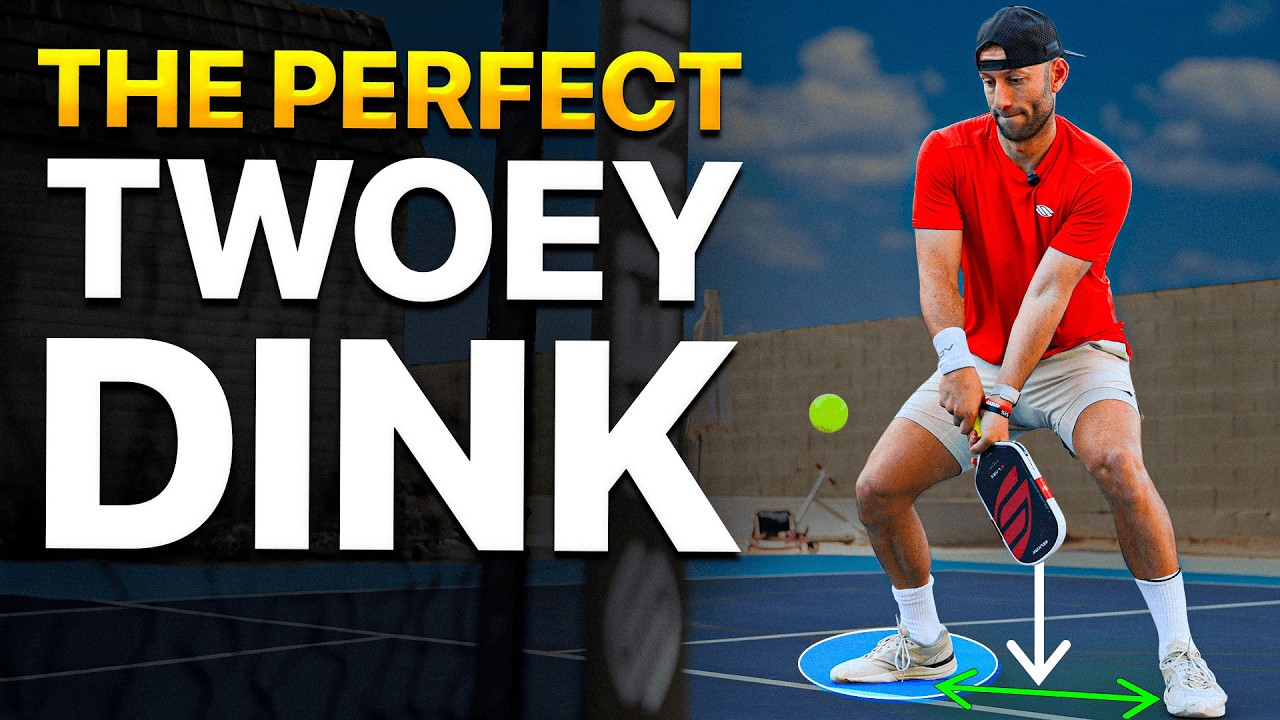
Two Critical Backhand Dink Variations
Once your foundational posture is set, you need to master both versions of the backhand dink to effectively balance your attack and defense.
Understanding when to deploy each variation is what separates good kitchen players from elite ones. Want to see these techniques in action?
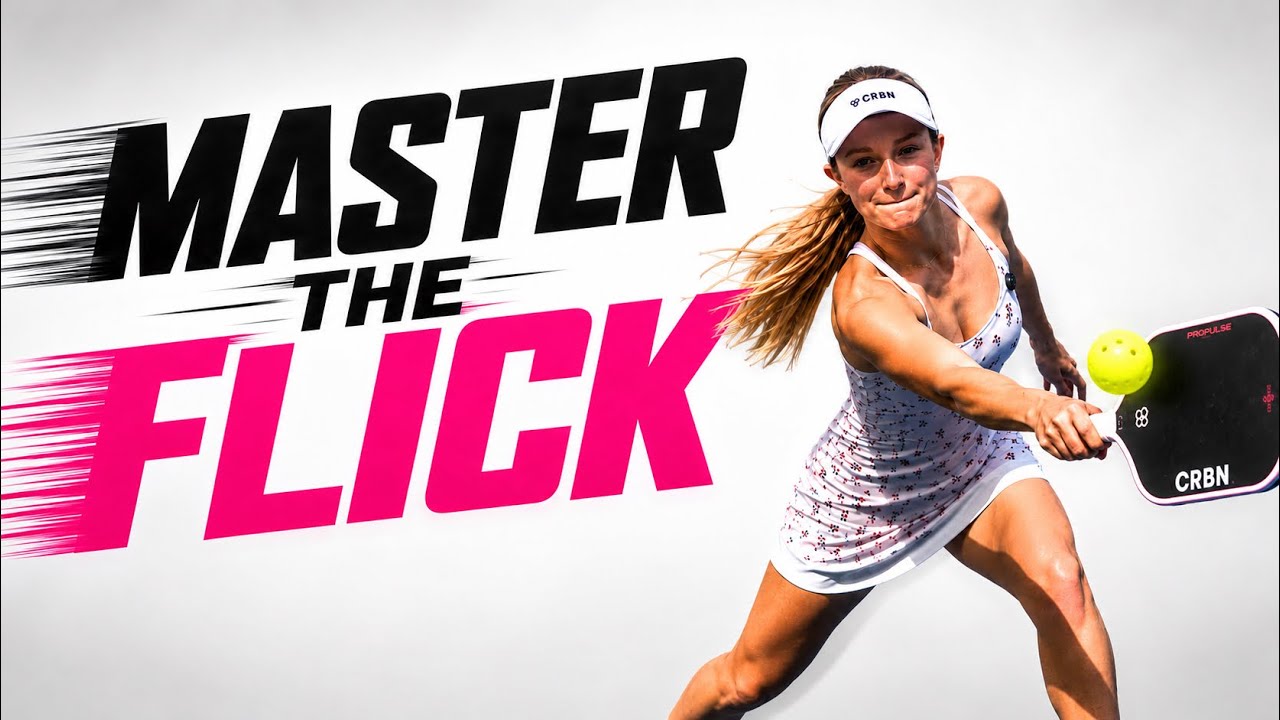
Watch our video tutorial: Master the Professional Backhand Dink in Pickleball.
 The Dink Media Team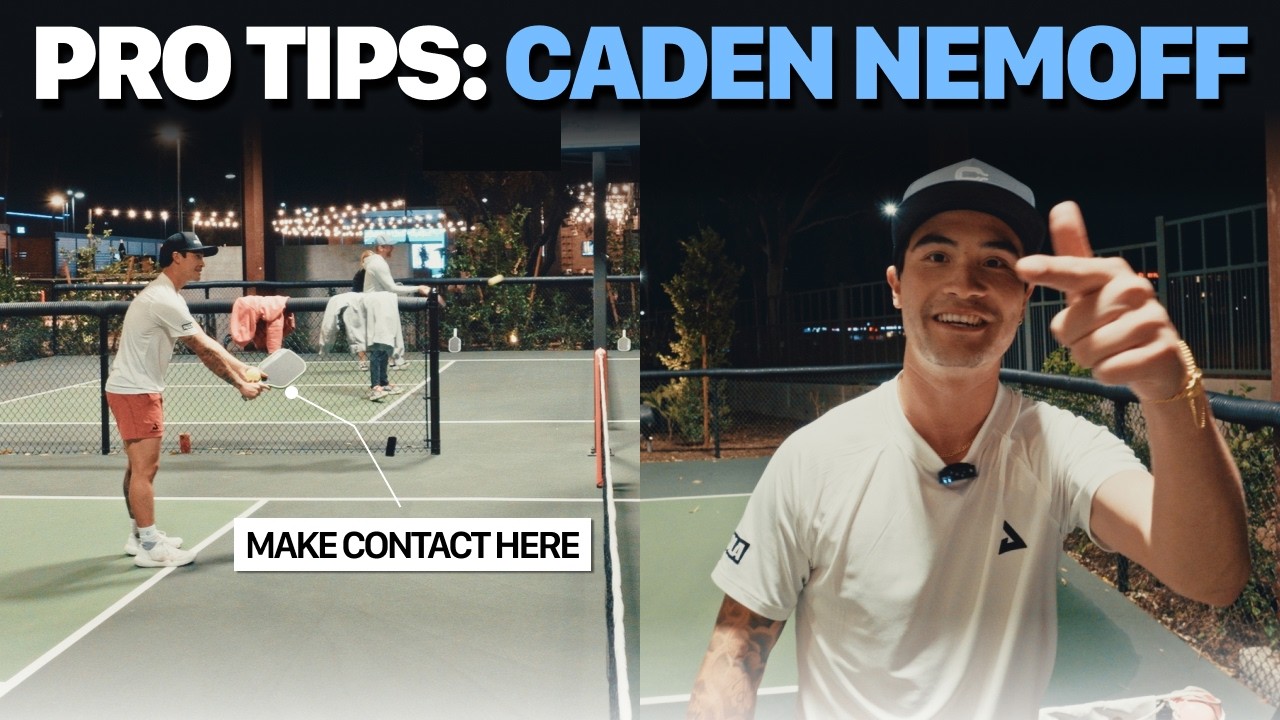
Advanced Kitchen Strategies
Pro Strategy: Why You Need Both Dinks
Relying entirely on a one-handed slice makes your kitchen game highly predictable.
Combining the slice with a two-handed topspin roll gives you three massive tactical advantages.
This is exactly why professional players have evolved their kitchen games so dramatically.
The evolution of the slice specifically is worth studying: professional pickleball players largely abandoned the pure slice shot in 2025 in favor of multi-touch backhand systems precisely because variety wins.
When to Step Into the Kitchen
A common misconception is that you cannot step into the kitchen at all.
You CAN step into the kitchen to hit a dink — you simply cannot volley the ball from inside it.
This is one of several new pickleball rules for 2026 that confuse recreational players more than they should.
Step into the kitchen when:
- Opponent hits a short, shallow dink that would force you to overextend and reach
- The ball is too low to volley comfortably from outside the line
How to step in properly:
- Always extend your paddle-side foot (right foot if right-handed) like a fencer's lunge
- This maximizes your reaching radius while keeping your base stable
Taking Dinks Out of the Air
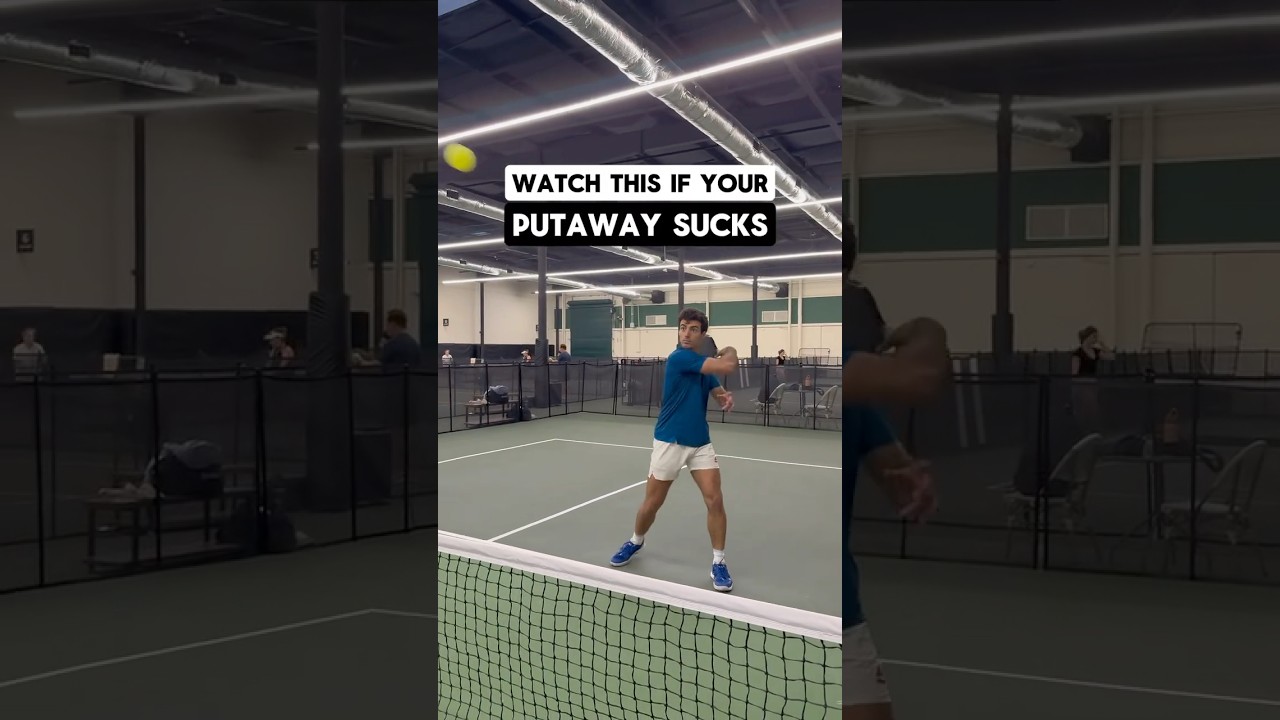
When a defensive dink floats too high, taking it out of the air as a volley steals away your opponent's recovery time and applies immediate pressure.
This transition from patient kitchen play to decisive attack is a hallmark of elite pickleball.
To execute this:
- Use a slightly open paddle face and a highly compact slice motion
- Think about catching the ball on your strings and gliding underneath it
- Strike the ball out in front of your body while it is floating at its apex
- If the ball drops below your knees, abort the volley and allow it to bounce
For more kitchen drills, see our up-your-game guide: Pickleball Kitchen Strategy.
 The Dink Media Team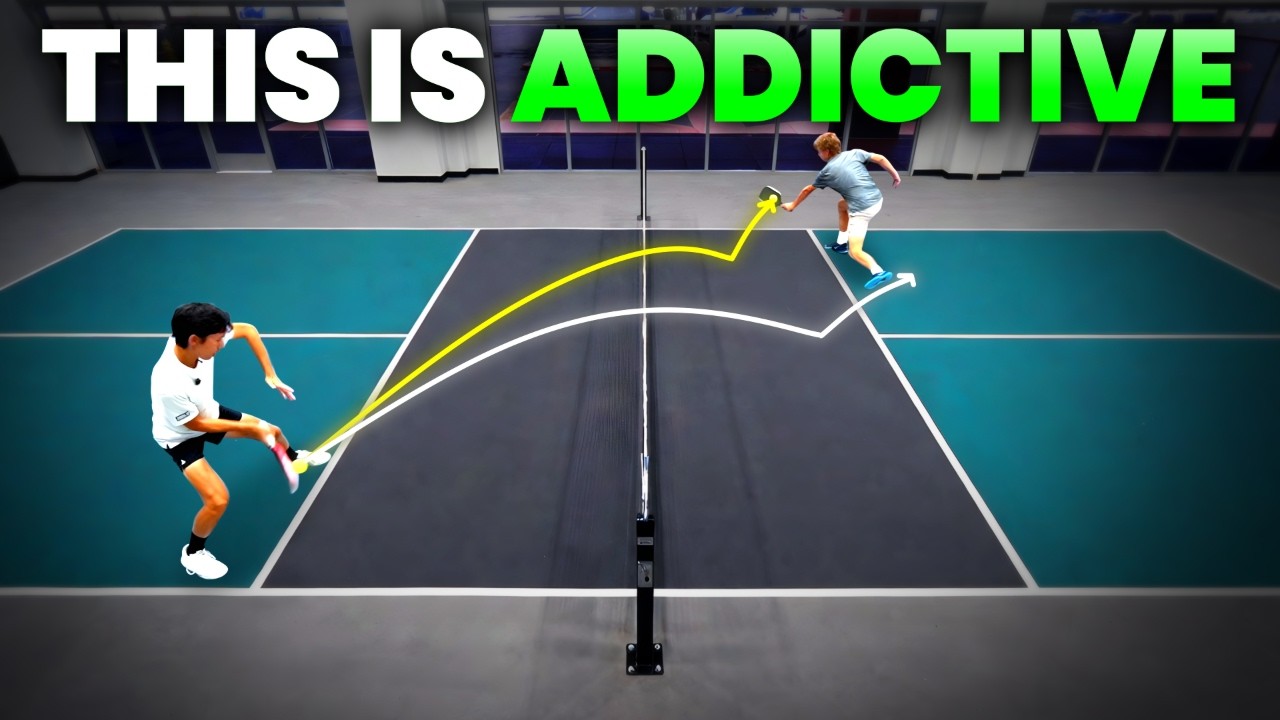
Essential Drills for Elite Backhand Dink in Pickleball
To turn these high-level concepts into muscle memory, incorporate these three target drills into your practice sessions.
These drills are specifically designed to build backhand dink in pickleball mechanics and consistency.
Combine these with the 6 essential pickleball shots to master for 2026 and your kitchen game will be unrecognizable within a month.
1. The Slinky Drill
This is a cooperative dinking drill designed to build pure touch and rhythm.
How to execute:
- You and your drilling partner stand crosscourt from each other
- Work together to maintain a continuous, unhurried dink rally
- The goal is absolute consistency — do not try to hit winners
- Focus entirely on clean footwork and perfect paddle discipline
2. The Backhand Specific Drill
Position your drilling partner directly straight across from you on the same half of the court.
Have them feed consecutive, straightaway dinks directly to your backhand side.
This drill isolates the exact contact point and swing path that make your backhand dink reliable under pressure.
Step-by-step technique:
- Use your non-dominant hand to keep the paddle out in front of you
- Guide the paddle smoothly along a low-to-high path
The Progression:
- Start by mastering straightaway backhand dinks
- Progress to controlling the exact height and trajectory
- Finally practice pulling those backhands sharply crosscourt
3. Cooperative Dinking Progression
Start this drill by dropping the ball out of your own hand, letting it bounce, reaching its apex, and striking it only as it falls to build the "hit on the fall" habit.
Once you master the timing:
- Transition into hitting continuous dinks back and forth with your partner without the manual drop
- Throughout the drill, keep your feet wide, your paddle up and out, and your grip pressure relaxed between exchanges
 The Dink Media Team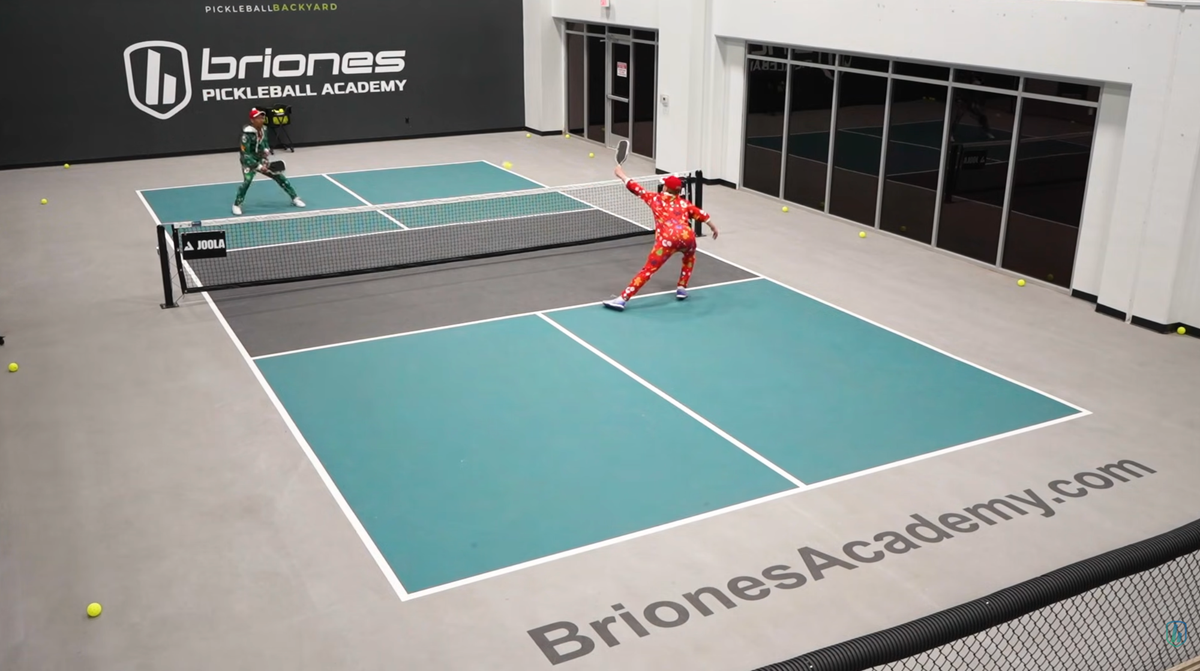
The Mental Game: Your Pre-Shot Checklist
Before every single backhand dink in pickleball you execute at the kitchen line, run through this rapid internal checklist to ensure your mechanics remain flawless under pressure.
Elite players do not rely on instinct alone — they rely on repeatable systems.
- Footwork: Is my stance wide, low, and athletic?
- Early Setup: Is my paddle face preset early, or am I swinging at the last second?
- Slice Mechanics: Am I smoothly gliding under the ball instead of hacking or chopping downward?
- Takeback: Is my backswing short and compact to preserve consistency?
- Linear Motion: Am I keeping my body movement strictly linear rather than rotational?
- Contact Point: Am I striking the ball cleanly out in front of my body?
Hear pro insights on backhand strategy from our Picklepod interview with PPA pros.
These concepts also sit at the core of the 4-step system to win more games in 2026 — the kitchen is always step one.
Backhand Dink in Pickleball: The Full Breakdown
Every one of these techniques works together.
Know which to use, know the mechanics for each context, and you'll never lose a point to a weak backhand again.
Beginners especially benefit from learning the backhand dink fundamentals before worrying too much about shot power, because the kitchen will govern every exchange you ever have.
The modern game's four key winning strategies all trace back to kitchen consistency as their foundation.
 The Dink Media Team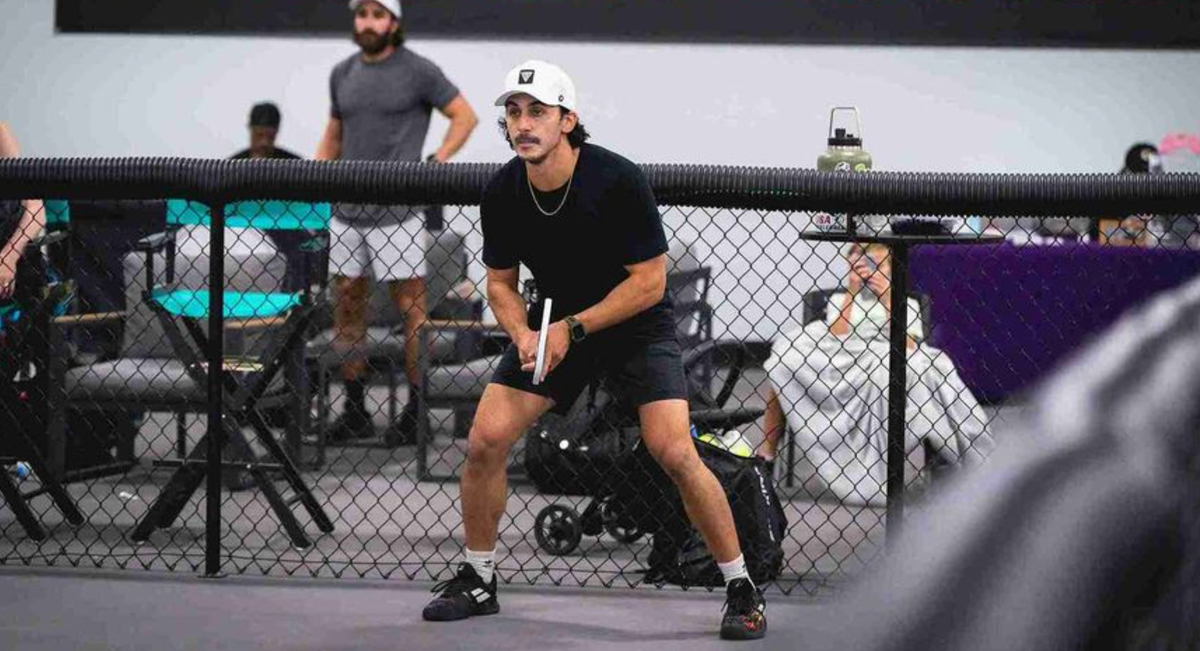
Key Takeaways
- The backhand dink in pickleball is the difference between recreational and competitive play; mastering it defines elite kitchen dominance
- Continental grip is the standard for all backhand dinks, allowing seamless transition between slice and topspin without grip changes
- Grip pressure should be 2 out of 10 during dinking, relaxing to 1 between shots and firming to 2 on contact
- Zero wrist movement is the golden rule — preset your paddle angle before the ball arrives and push from the shoulder
- Let the ball fall from its apex rather than hitting on the rise to eliminate the speed variable and maximize control
- Elbow must be out, not tucked, creating a flat wrist position for clean backhand execution
- You need both slice and two-handed topspin to disguise attacks, create aggression, and maintain variety
- You CAN step into the kitchen to hit a dink (just not to volley), stepping with your paddle-side foot like a fencer's lunge
- The Slinky Drill, Backhand Specific Drill, and Cooperative Dinking Progression are the three essential drills for building backhand muscle memory
- Run the 6-point pre-shot checklist before every backhand dink to ensure flawless mechanics under pressure
Frequently Asked Questions
What is the best grip for a backhand dink in pickleball?
The Continental grip (shake-hands position) is the standard for all backhand dinks in pickleball. It allows you to switch between slice and topspin without changing grip mid-rally, which is critical for disguising your intentions at the NVZ line.
Should I use my wrist when performing a backhand dink?
No. The golden rule for the backhand dink is zero wrist movement. Preset your paddle angle before the ball arrives and push from the shoulder to keep every dink consistent and controlled.
Can I step into the kitchen to hit a backhand dink?
Yes. You can step into the kitchen to hit a dink — you just cannot volley from inside it. Step with your paddle-side foot in a fencer's lunge to maximize reach while maintaining a stable base.
When should I use a two-handed topspin dink vs. a one-handed slice?
Use the one-handed slice when you are under pressure or the ball gets behind your body. Use the two-handed topspin dink when you want to seize control, push opponents back from the line, and inject aggression into the rally.
What is the best drill to improve my backhand dink in pickleball?
The Backhand Specific Drill is the most direct path to improvement. Have a partner feed straightaway dinks to your backhand side, use your non-dominant hand to keep the paddle forward, and progressively move from straight-on placement to sharp crosscourt angles.
How do I know if I am hitting a backhand dink correctly?
Your elbow should be out (not tucked), grip pressure should be 2 out of 10, there should be zero wrist movement, the ball should be hit on the fall, and your paddle should be up and out after contact. If all five check out, your mechanics are clean.
Who teaches the best backhand dink techniques in professional pickleball?
Ava Ignatowich, a PPA professional player, is recognized for teaching the slice vs. two-handed topspin backhand dink variations that dominate elite kitchen play. Her system is the clearest breakdown of how the modern backhand dink in pickleball actually functions at the highest level.

Love Pickleball? Join 100k+ readers for free weekly tips, news & gear deals.
Subscribe to The Dink