

6 Backhand Counter Fixes That Make You Unattackable at the Net
Your backhand counter is the shot that decides hands battles at the kitchen line. Here is how to fix the common mistakes and turn it into instant offense.
Your backhand counter is the shot that decides who controls the kitchen line.
When it works, you take a hard drive and fire it back at your opponent's feet before they can reload.
When it fails, you pop the ball up and get punished.
Most players treat the backhand counter as pure defense, something you reach for only when you run out of options.
That mindset is exactly why the shot floats long or sits up for an easy put-away.
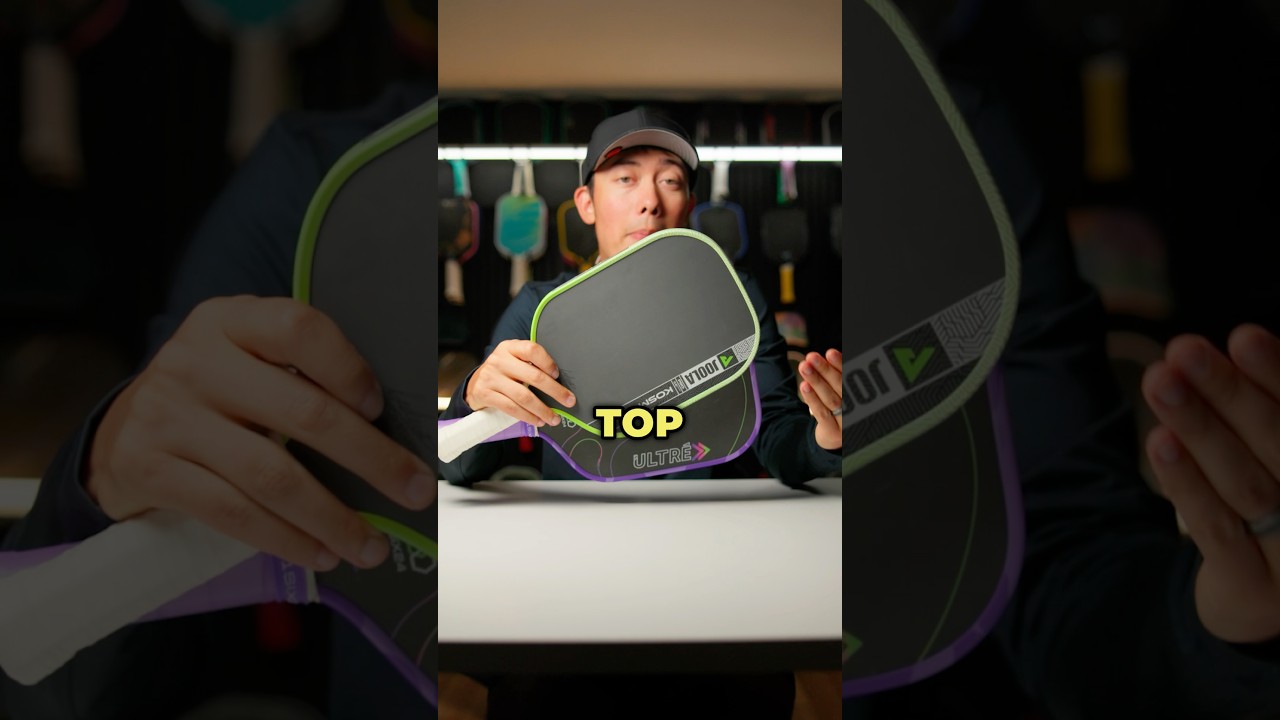
Briones Pickleball Academy broke this shot down from the grip all the way to live speed-up reps.
Below are the six fixes that stop you from getting attacked and start turning that shot into offense.
Love pickleball? Then you'll love our free newsletter. We send the latest news, tips, and highlights for free each week.
Why Does Your Backhand Counter Keep Getting Attacked?
A weak backhand counter almost always traces back to one root cause: the paddle is not ready and out in front when the ball arrives.
Everything else, the floats, the pop-ups, the late swings, grows from that single problem.
The good news is that the backhand counter is one of the most fixable shots in pickleball.
It rewards structure over athleticism, which means you can rebuild it with a few specific adjustments rather than years of reps.
Let's start with the foundation, because the first three fixes happen before the ball ever reaches you.
1. Start with the Grip, Wrist, and Contact Point
The backhand counter pickleball technique starts in your hand.
A relaxed grip with a stable wrist lets you redirect pace instead of fighting it, and a firm contact point out in front keeps the ball from climbing.
Hold the paddle around a four or five on a tension scale of ten. Too tight and the ball rockets off long. Too loose and the face wobbles on contact.
The grip is the foundation of faster hands, and counters live or die on hand speed.
Keep the wrist quiet and let the contact happen in front of your body, not beside your hip.
This is the same soft, early contact you already use when you hit a dink with soft hands and a low arc. The counter is simply that touch with the pace dialed up.
2. Get the Paddle Angle and Swing Path Right
A clean backhand counter uses a short path and a slightly closed-to-neutral face that points where you want the ball to go.
The swing is more of a firm punch than a stroke.
Picture the difference between catching a ball and slapping it.
You want to catch and redirect, sending the ball back low and flat with just enough lift to clear the net.
The paddle travels a few inches, not a few feet. This is exactly what Ben Johns does in hands battles.
Watch his backhand in a fast exchange and you will see almost no backswing, just a compact block that turns his opponent's pace into a counter that dives at the feet.
 The Dink Media Team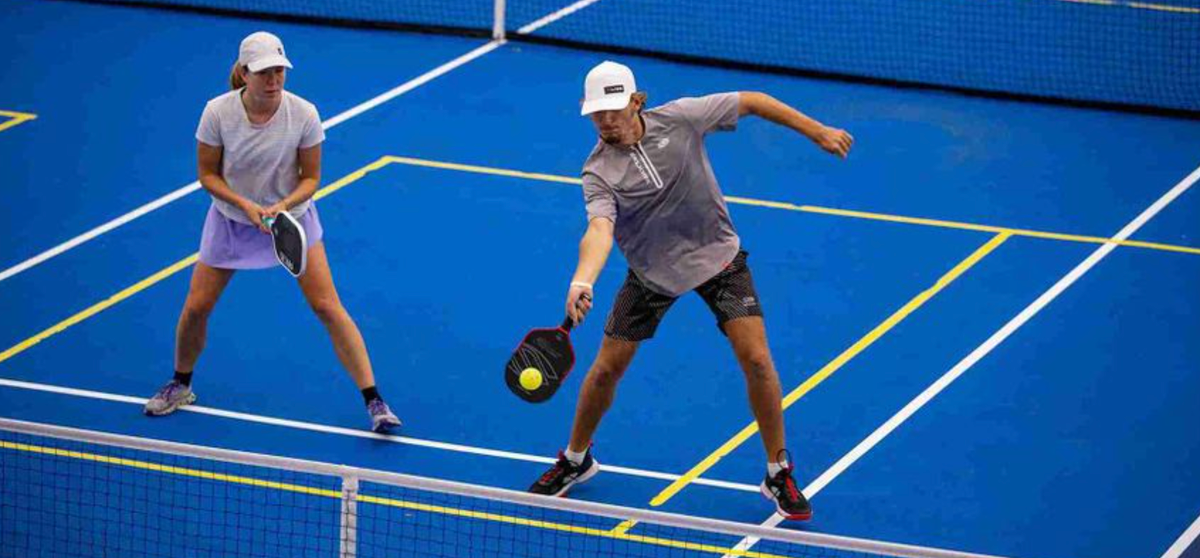
3. Build from a Balanced Base for a Stronger Backhand Counter
You cannot counter well off your heels.
A balanced base, knees bent and weight slightly forward, gives the backhand counter the stable platform it needs to absorb and redirect pace.
Footwork is the quiet half of this shot. The same principle applies here: move your feet to the ball so your paddle does not have to stretch. If your feet are late, your counter is late.
Two common base breakdowns sink the shot: reaching sideways instead of stepping, and standing too tall.
Fix both by staying low and reading the ball early. If your lateral movement feels sloppy, these shuffling mistakes are probably the culprit.
 The Dink Media Team
4. The Biggest Backhand Counter Mistakes
Most missed counters come from the same short list of errors.
The video named five, and fixing even one or two will sharpen your pickleball counter volley immediately:
- Swinging too big. A long backswing is too slow for a hands battle and sprays the ball long. Shorten it to a punch.
- Closing the face too much. An over-closed paddle sends the ball into the net or chops it down with no control.
- Getting wristy. Flicking the wrist adds unpredictable pace and angle. Keep the wrist firm and let the paddle face do the work.
- Chopping down on the ball. A downward swing kills your margin over the net. Stay level through contact.
- Falling back. Drifting away from the ball drops your power and pulls your paddle behind you. Meet the ball moving forward, not retreating.
If you recognize three or four of these in your own game, you are not alone.
They are the exact patterns that separate a counter that wins the point from one that hands it away.
For a deeper look at the repair work, these counter fixes that win more hands battles pair perfectly with this list.
 The Dink Media Team
5. Should You Block or Counter? Read the Ball First for Better Pickleball Defense
Not every ball should be countered.
The smartest players block when the ball is too hot and counter when they have time, and reading that difference in a split second is what keeps you unattackable.
When the drive is fast and at your body, absorb it. A block volley that takes the pace off and resets the point beats a forced backhand counter every time.
The decision tree for this is laid out well in when to block versus counter against bangers.
When the ball gives you a beat of time, that is your window to attack with the backhand counter. And when you get jammed, do not panic.
Knowing how to reset when attacked at the kitchen buys you the time to counter on the next ball instead.
Paddle up is not optional. It is the position that makes the counter possible.
 The Dink Media Team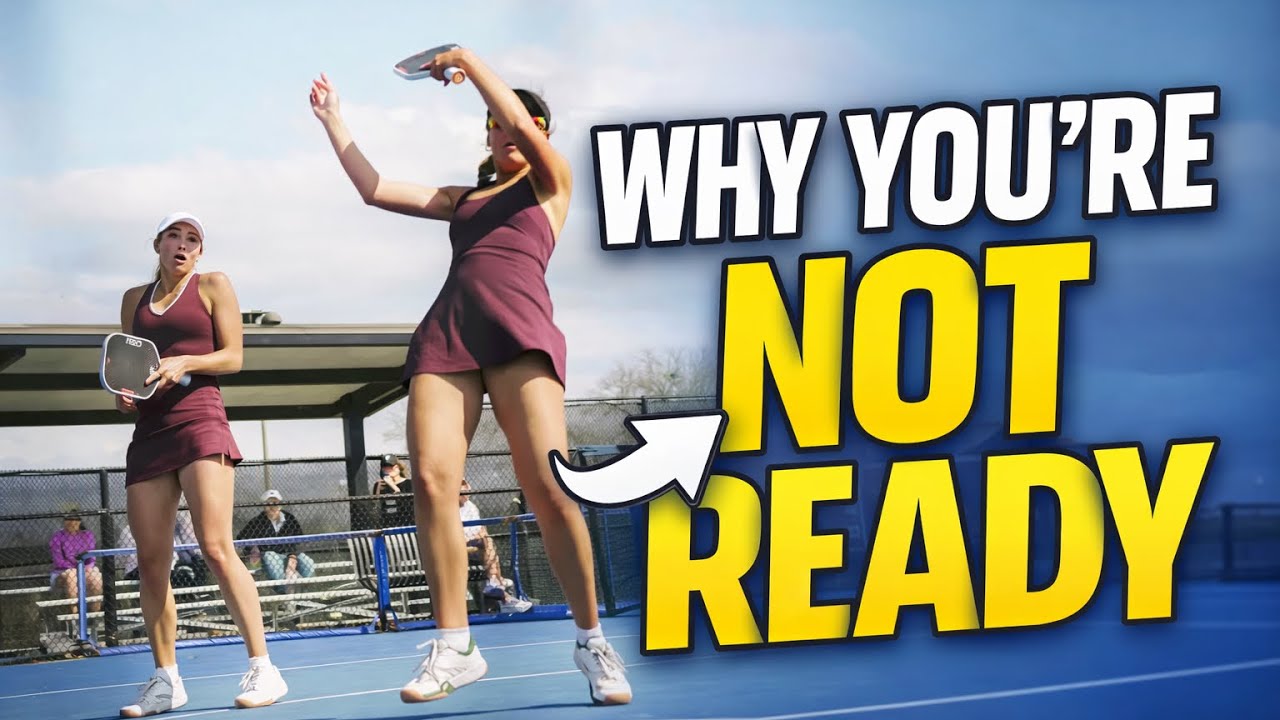
6. Drills to Groove Your Backhand Counter Pickleball Technique
The backhand counter is built through reps, not reading, and three drills from the video will groove it fast: wall work, controlled feeds, and live speed-up exchanges.
Start at a wall. Stand close, keep your paddle in front, and tap quick controlled backhands so the ball comes right back to you.
Wall work trains the compact punch and the quiet wrist without a partner.
Next, have a partner feed controlled balls to your backhand at game pace. Focus on contact out in front and a balanced base on every rep.
This is where these 12 drills for playing your best pickleball earn their keep.
Finally, go live. Run speed-up exchanges where either player can attack at any time.
CBS Sports has highlighted how live speed-up drills condition players for real hands-battle scenarios at a level no cooperative feed can replicate.
Push yourself to stay relaxed as the pace climbs.
When a ball beats your counter, fall back on a reset rather than forcing the next attack.
Grooving how to hit resets under pressure gives you a safety net, so you can keep going for the backhand counter without fear of getting jammed.
Frequently Asked Questions
What is a backhand counter in pickleball?
A backhand counter pickleball players use is a quick, compact backhand volley that redirects an opponent's attack back at them, usually during a fast exchange at the kitchen line. Instead of just blocking the ball, you add a little pace and aim it at their feet or open space to win the hands battle.
Why does my backhand counter keep floating long?
A floating counter usually means your backswing is too long or your grip is too tight, so the ball launches off the paddle with too much pace and no control. Shorten the swing to a punch, relax your grip to about a five out of ten, and make contact out in front of your body.
How do I get faster hands for pickleball counters?
Faster hands come from a relaxed grip, a paddle held out in front, and reps at game speed. Wall drills and live speed-up exchanges train your reaction time better than slow, cooperative hitting. Consistent reps at full pace are the shortcut most players skip.
When should I block instead of counter?
Block when the ball is fast and aimed at your body, because there is no time to add pace safely. Counter when the ball gives you a beat of time and you can step into it. Reading that difference quickly is the core skill of net defense in pickleball backhand defense situations.
What grip is best for a backhand counter?
A continental grip works well because it lets you handle both forehand and backhand counters without switching. Keep the tension light and the wrist firm so the paddle face stays stable through contact, and learn how to switch grips during play if you want to add more options to your arsenal.

Love Pickleball? Join 100k+ readers for free weekly tips, news & gear deals.
Subscribe to The Dink