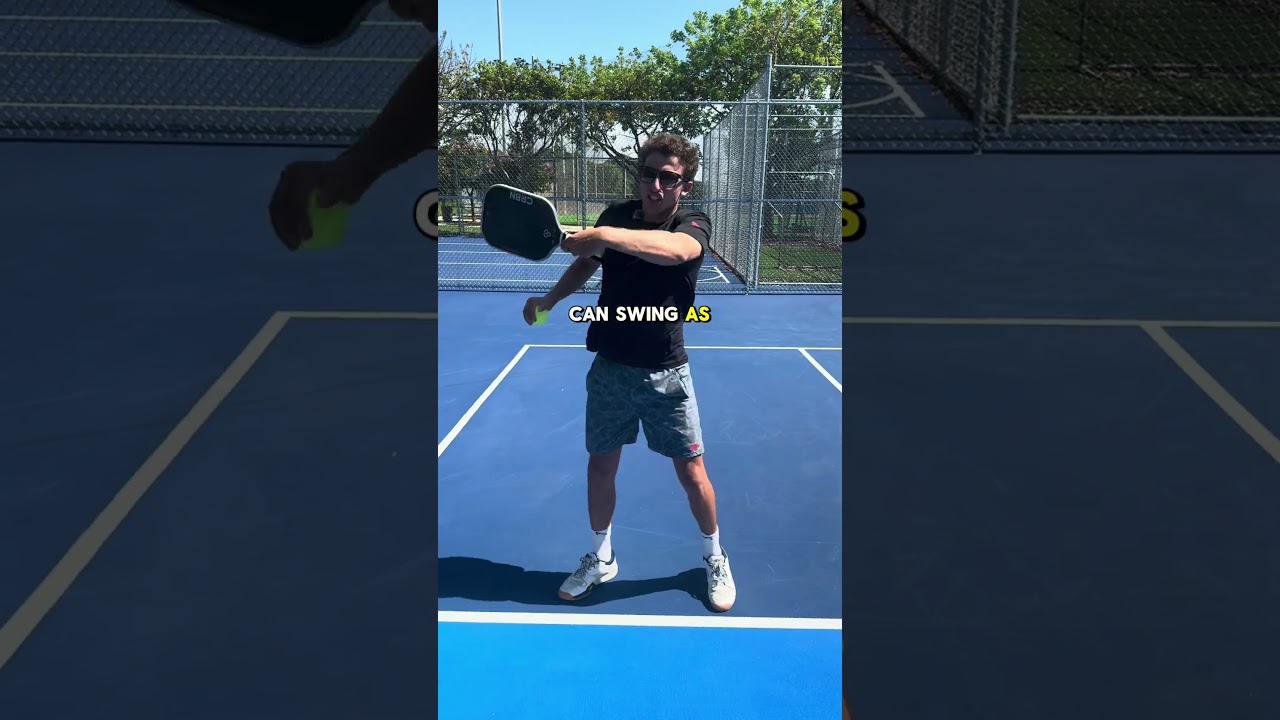
If your backhand putaway in pickleball keeps going long or into the net, you are not using your body. These 3 steps will change that fast.
A mid-height ball on your backhand side should be a gift. It is sitting right there, begging to be put away.
But if your backhand putaway in pickleball keeps sailing long, dumping into the net, or just floating back with zero threat, something in your mechanics is broken.
The problem almost always comes down to one thing: you are using your wrist instead of your body. Wrist power alone is weak and inconsistent.
You need to swing with your whole kinetic chain to actually punish that ball.
This breakdown comes from Tanner Tomassi on YouTube, where the focus is a specific shot called the backhand slap.
It is a three-step process, and once you understand it, mid-height balls on your backhand become opportunities instead of problems.
Love pickleball? Then you'll love our free newsletter. We send the latest news, tips, and highlights for free each week.
What Is the Backhand Slap and Why Do You Need It?
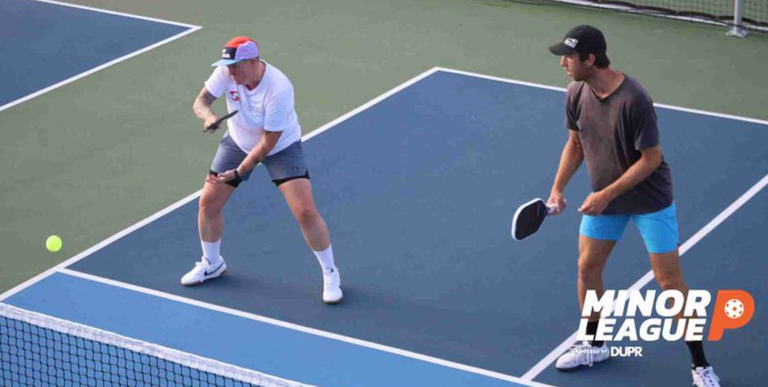
The backhand slap is a high-contact backhand attack used when your opponent hits a mid-height ball to your backhand side.
It is not a defensive reset. It is a weapon designed to end the point.
Most players at the 3.5 and 4.0 level have a decent forehand attack but a weak backhand response to anything above the net.
When the ball comes to their backhand at shoulder height or slightly below, they either pop it up, push it into the net, or float it back with no pace. None of those outcomes put pressure on your opponent.
If you want to separate yourself from the 4.0 crowd, having a reliable backhand attack on mid-height balls is non-negotiable.
This is a shot that players at the top of the game take full advantage of.
Why Does the Backhand Putaway Go Wrong?
There are two common failure modes on this shot, and both come from the same root cause.
- Failure Mode 1: The ball goes into the net. This usually happens when players swing downward on contact. They think going down creates power. It does not. It creates an angle that sends the ball straight into the tape.
- Failure Mode 2: The ball sails long or high. This happens when the paddle face is open at contact. An open paddle face on a fast swing sends the ball up and out of bounds. The harder you swing with an open face, the worse the result. Both of these problems disappear when you apply the three steps below. The fix is mechanical, and it is repeatable.
Step 1: Close the Paddle Face Before You Swing
This is the step most players skip entirely, and it is the most important one.
A closed paddle face means the top edge of your paddle is tilted slightly toward the ground rather than pointing straight up or angling backward.
You create this by rotating your wrist downward before the swing begins. It takes only a small adjustment, but the effect is massive.
When your paddle face is closed, you can swing as hard as you want and the ball will stay in the court.
The downward angle of the face counteracts the upward force of a hard swing. Without that closed face, the ball goes to the moon every time.
Think of it this way: the paddle face is a ramp. If the ramp angles up, the ball travels up.
Close the ramp, and you redirect that energy forward and slightly downward, which is exactly where you want the ball to go.
Players who struggle with shots going long will immediately benefit from making this one adjustment.
Practice closing the face before any swing, not just the backhand slap.
 Alex E. Weaver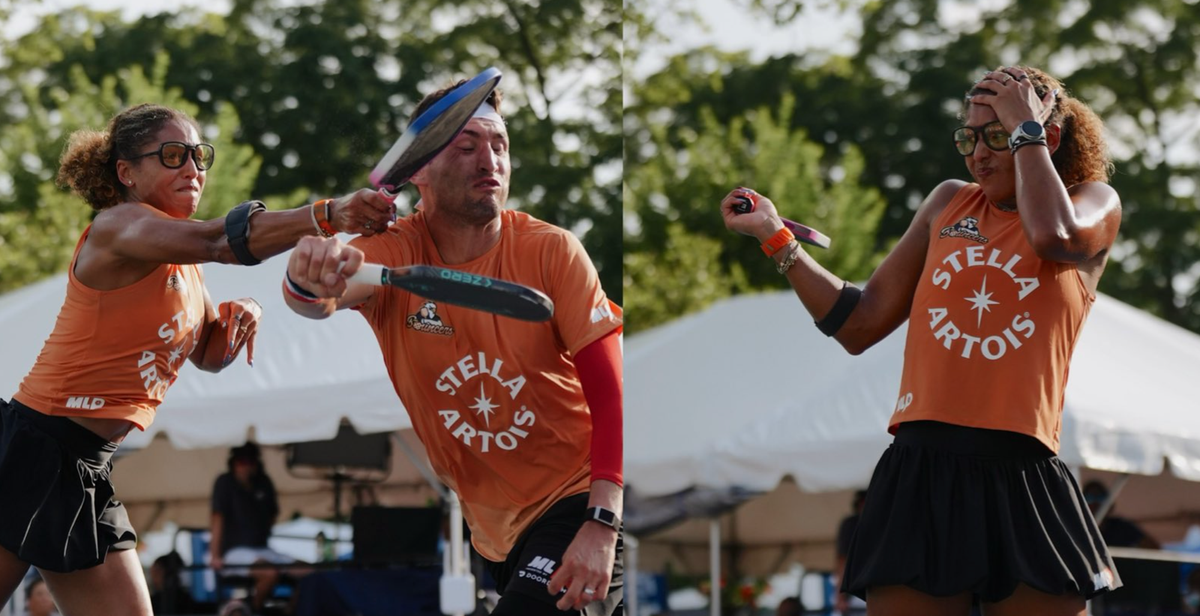
Step 2: Coil Your Body Like a Spring
Power on this shot does not come from your arm. It comes from your body.
Before you swing, you need to coil your hips, core, and shoulders in the backswing. Think of it like winding a spring.
The more tension you build in that coil, the more energy you release through the swing.
Here is what that looks like in practice:
- Turn your hips away from the net as the ball approaches
- Let your shoulders rotate back with the hips, not independently
- Keep your core engaged through the entire wind-up
- Stay balanced on your feet, with your weight ready to transfer forward
When you release from that coiled position, everything fires together. Hips drive first, then core, then shoulders, then arm.
That sequence is where the real power comes from on the backhand putaway.
If you skip the coil and just swing with your arm, you are leaving 70 percent of your potential power on the table.
The wrist has almost nothing to do with it. This is the same principle behind generating topspin on roll shots, where body rotation is the engine.
Want to build the rotational strength to back up this technique?
These core exercises used by pro pickleball players are specifically designed for rotational power, not just general fitness.
 The Dink Media Team
Step 3: Swing Out, Not Down
Here's where a lot of players make the critical error even after getting steps one and two right.
The instinct when hitting a ball above the net is to swing downward. That feels aggressive. It feels like you're attacking.
But swinging down sends the ball into the net, full stop.
The correct swing path on the backhand slap is out and slightly over the ball.
You want your paddle to move forward through the contact zone, with the face staying closed throughout. You are not chopping.
You are driving through.
"Get on top of the ball" is a useful mental cue here.
It does not mean swing down.
It means make contact with your paddle slightly above the equator of the ball so you can drive through it with topspin while the closed face keeps the trajectory from going high.
 The Dink Media Team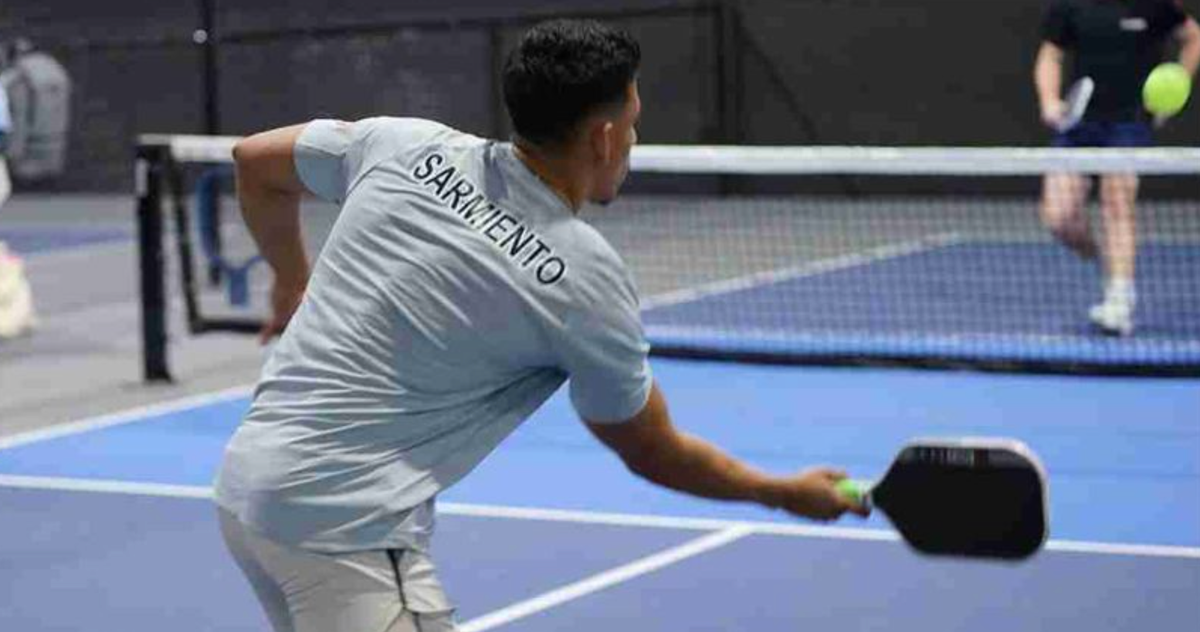
Putting the Three Steps Together
Here is the full sequence in order, so you can run through it before you ever step on the court to drill it:
- Close the paddle face by rotating your wrist down before the ball arrives
- Coil your hips, core, and shoulders to load your body like a spring
- Swing out and over the ball, driving forward with the whole body, not just the arm
None of these steps work in isolation. The closed face without the body coil gives you direction but no power.
The body coil without the closed face gives you power but no control.
The forward swing path without either setup gives you chaos. All three together give you a shot that actually punishes your opponent.
One thing worth noting: this shot requires commitment.
If you hesitate or decelerate at contact because you are worried about missing, the technique breaks down.
You have to trust the closed face to keep the ball in and swing through aggressively.
Learning to recover mentally from misses is part of building confidence on aggressive shots like this one.
 The Dink Media Team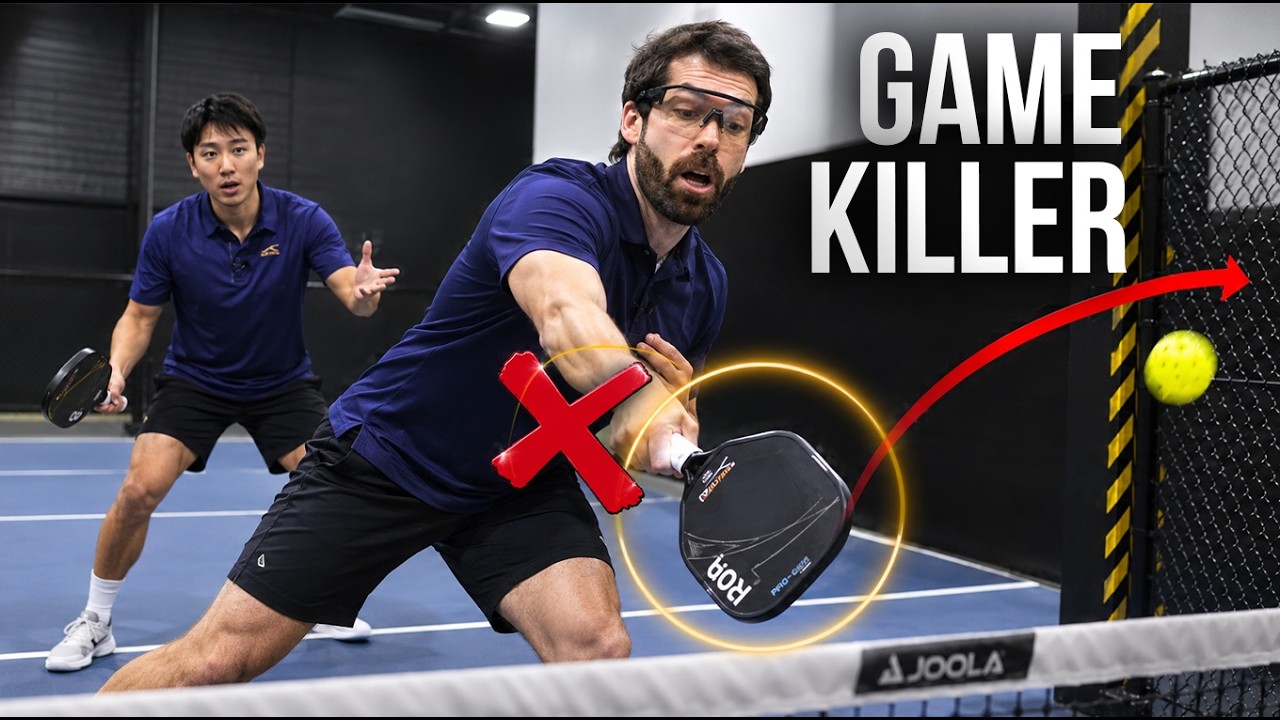
How Do You Practice the Backhand Slap?
The best way to groove this shot is with a partner feeding you mid-height balls to your backhand side. Not too low, not overhead. Right in that chest-to-shoulder zone where the slap lives.
- Start slow. Check your paddle face before each swing. Feel the coil in your hips.
- Then swing out. Once you can hit ten in a row with control at half speed, start adding pace.
If you want a more structured path, these drills that turn weak shots into weapons include the kind of progressive repetition that makes this technique automatic under pressure.
You can also shadow swing it at home. Go through the motion slowly, checking that your wrist closes the face, your hips coil, and your arm drives out.
Muscle memory does not care whether a ball is involved.
The repetitions still count.
 The Dink Media Team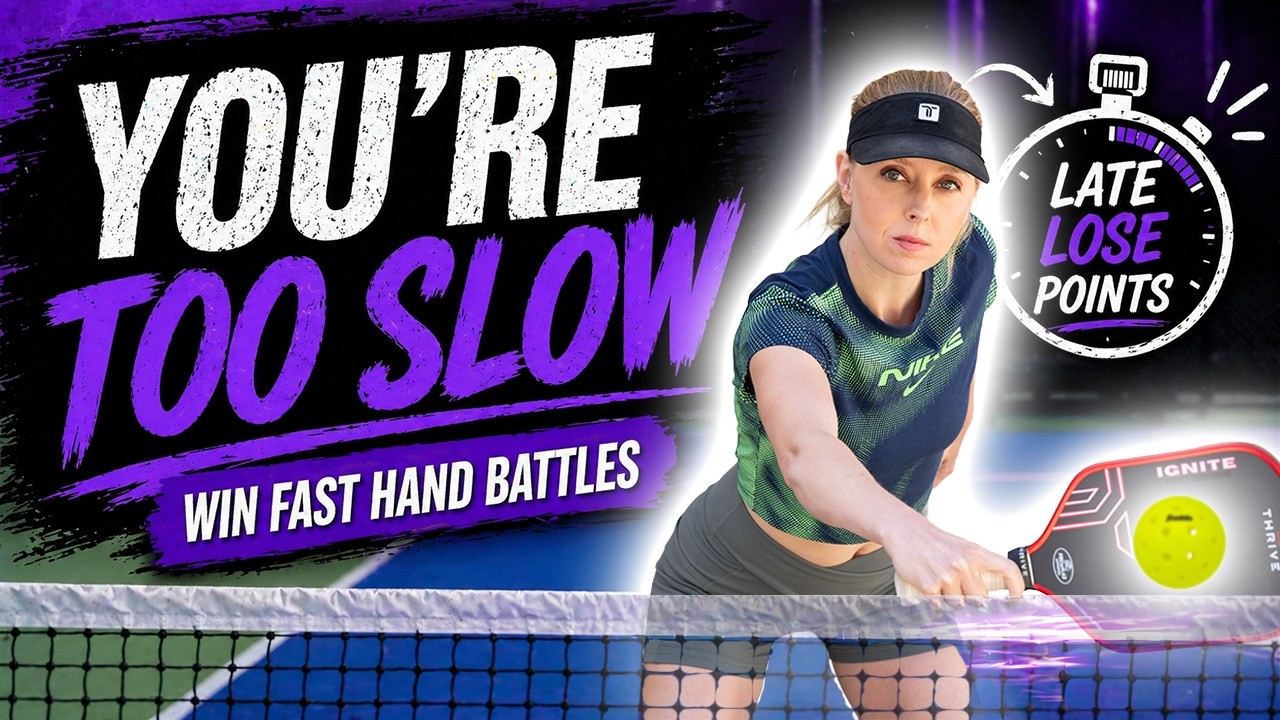
What About Two-Handed Backhands?
The backhand slap described here is a one-handed shot, but the same principles apply to two-handed backhand attacks.
Closed face, body coil, forward swing path. The second hand just adds stability and can increase power if used correctly.
If you already have a two-handed backhand and are comfortable with it, you can apply this exact framework to put more teeth into your high backhand attacks.
The body rotation becomes even more pronounced with two hands on the paddle.
Parris Todd has one of the most effective two-handed backhand counters on the professional circuit.
Watching how she loads her hips before contact is a masterclass in the coil principle from step two.
 The Dink Media Team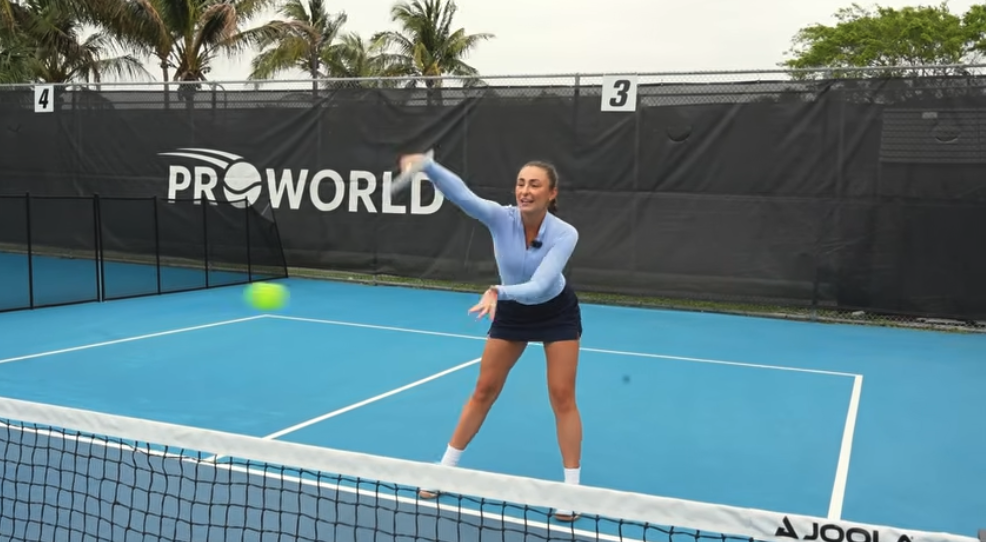
Common Mistakes to Watch For
Even after learning the steps, a few bad habits tend to creep back in. Watch for these during drilling:
- Letting the paddle face open up just before contact, which sends the ball long
- Swinging with the arm only and skipping the hip rotation
- Chopping downward instead of driving out through the ball
- Decelerating at contact because of hesitation
- Contacting the ball too late, which makes it impossible to drive out correctly
If you notice your ball is consistently going into the net, step three is your problem. If it's going long or high, step one is your problem.
Use the miss to diagnose the fix, then make a targeted correction rather than guessing.
That's how you get better faster. Check out these backhand counter fixes to build the defensive counterpart to your new backhand attack.
The backhand putaway in pickleball is one of those shots where small mechanical errors produce dramatic results in the wrong direction.
Get the fundamentals right, and the power follows automatically.
Frequently Asked Questions
What is a backhand putaway in pickleball?
A backhand putaway is an aggressive attacking shot hit from the backhand side when the ball arrives at mid-height, typically between the chest and shoulder. The goal is to generate enough pace and angle to end the point outright. It is different from a defensive backhand block, which is used on faster incoming balls.
Why does my backhand keep going into the net?
The most common reason is a downward swing path at contact. When you swing down on a backhand attack, the ball angle goes straight into the net. The fix is to swing out and forward through the ball, not down on top of it.
Why does my backhand keep going long or out of bounds?
An open paddle face is almost always the culprit. When the paddle face angles upward or backward during a hard swing, the ball launches high and long. Closing your paddle face by rotating your wrist down before contact will fix this immediately.
Do I need to use my wrist on the backhand slap?
Your wrist sets the paddle face angle before the swing, but it should not be the primary power source. The power comes from your hips, core, and shoulders rotating together. Relying on wrist flick alone produces weak, inconsistent results.
How do I know when to use the backhand putaway versus a reset?
Use the backhand putaway when the ball arrives at mid-height and you have time to set up properly with your body coiled. If the ball is coming fast and low, a reset is the smarter choice. Ball height and your time to prepare are the two key factors in that decision.

Love Pickleball? Join 100k+ readers for free weekly tips, news & gear deals.
Subscribe to The Dink