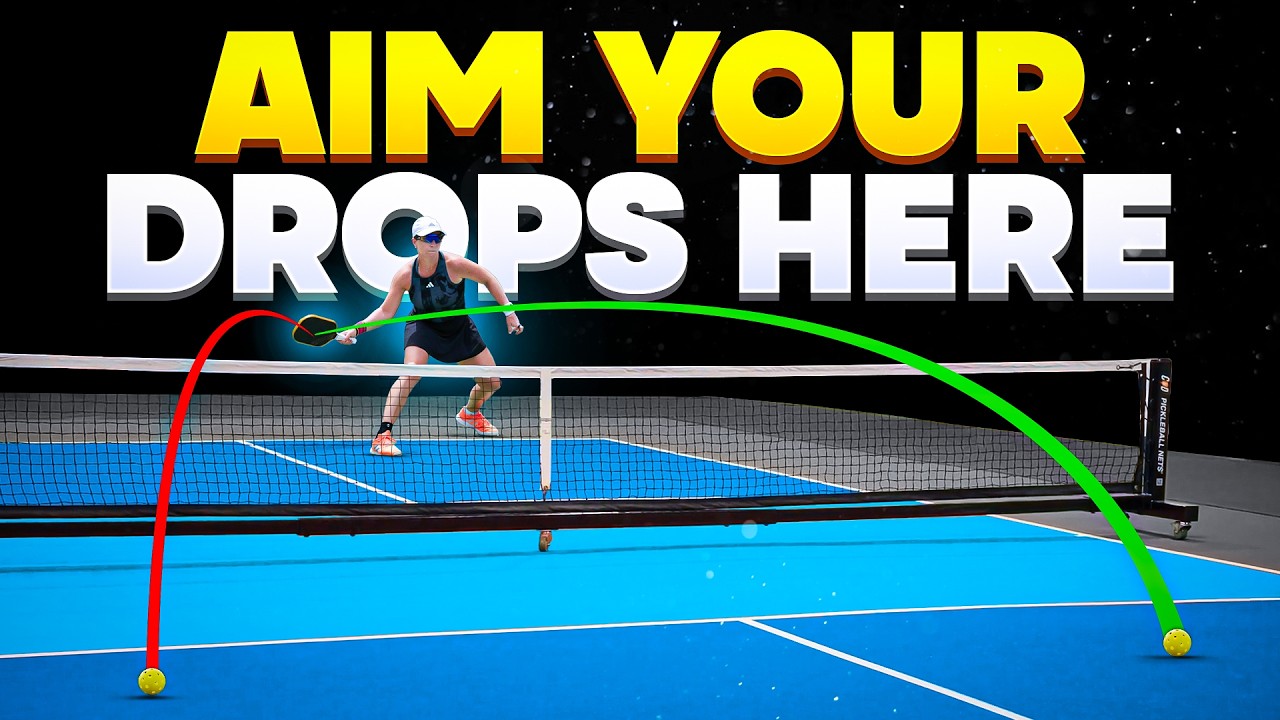
Where to Aim Your Third Shot Drop (Most Players Never Think About This)
Most players hit third shot drops without a specific target in mind, and that's exactly why they keep getting attacked. Here's a position-by-position guide to where your third shot drop should land every time.
If you're hitting third shot drops without a specific target in mind, you're basically hoping for the best. And hope is not a strategy.
Most players know they're supposed to drop the ball softly into the kitchen.
Far fewer have a deliberate, position-specific target they're aiming at before they swing.
That one missing detail is often the difference between a drop that forces your opponent to hit up and a drop that gets crushed.
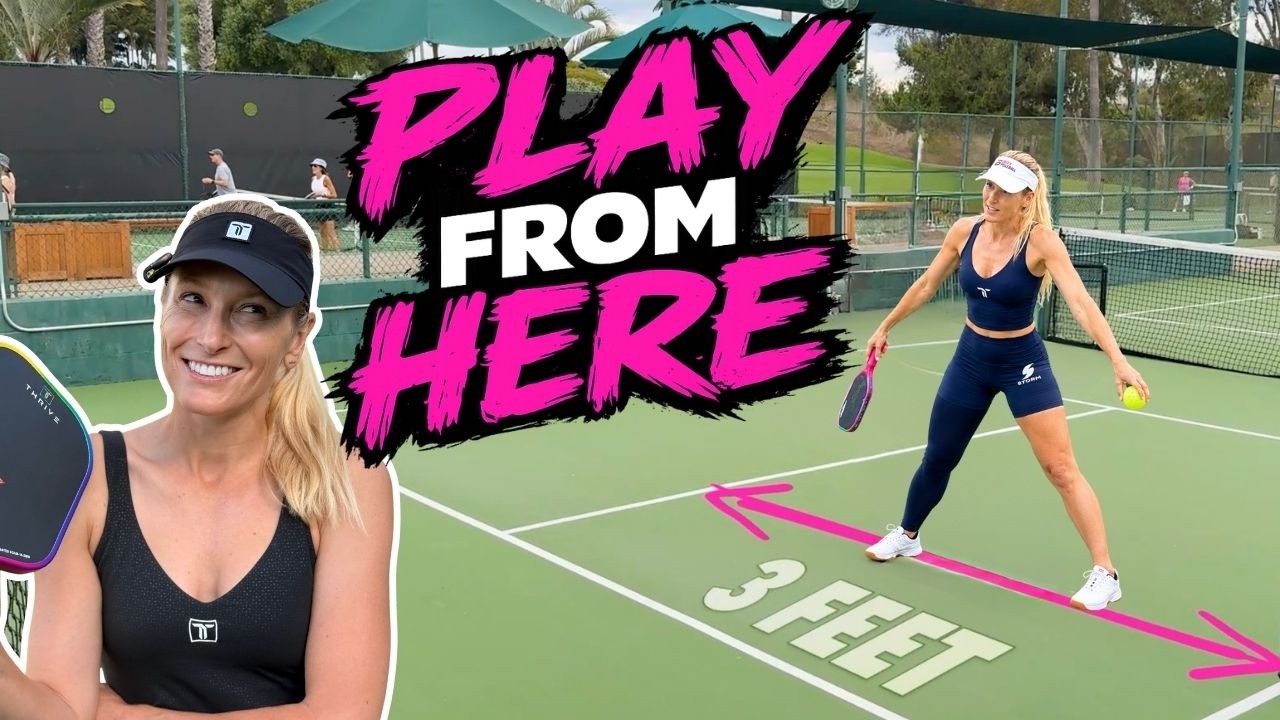
This breakdown comes from Mari Humberg Pickleball on YouTube, where she uses three physical targets on the court to map out exactly where your drop should land depending on your position and shot type.
Here's what you need to know.
Love pickleball? Then you'll love our free newsletter. We send the latest news, tips, and highlights for free each week.
Why You Need a Target Before You Swing
Here's the hard truth: if you're not aiming your drops, you have a problem that needs fixing right now. Random drops lead to random results.
A good third shot drop forces your opponent to hit the ball from below the net, giving you time to move forward.
A bad one sits up high and gives them a free attack.
The difference often comes down not to technique, but to intent.
You need to know where the ball is going before you hit it.
The framework here uses three targets on the court: one crosscourt, one middle, and one down the line.
Your position and shot type determine which target you prioritize. Let's go position by position.
What's the Best Target From the Right Side?
From the right side of the court, crosscourt is your best target for topspin drops.
The net is lower in the middle of the court, and a crosscourt ball travels over the lower part of the net and has more distance to drop before it reaches your opponent.
That combination means you can aim a little deeper and still have the ball land near the kitchen line.
If the right-side player was the one who returned, they're also moving forward, which makes a crosscourt drop that much harder for them to handle.
Where exactly crosscourt? Not wide to the corner. You want to aim in between your opponent's feet, roughly in the middle of their box.
Here's why that matters:
- Going too wide gives your opponent a sharp angle to burn you or your partner short cross.
- Going too wide forces your partner to cover their line, which opens up the court.
- Going into the middle of their box makes it harder to return aggressively from any angle.
The goal is not to paint a corner. The goal is to make the ball land low enough that your opponent has to hit up.
Keep that in mind every time you set your third shot drop target.
How Should You Aim the Middle Drop?
The middle target is different, and most players don't adjust for it.
When you're dropping toward the middle of the court, you need to aim shorter than you would crosscourt.
The reason is simple: the player on the left side can easily slide over and take a deep middle ball out of the air. You want that ball to bounce.
A bounce forces them to hit up from below the net, which is exactly the situation you're trying to create.
A middle drop that's too deep is one of the easiest balls to attack in pickleball. Adjust your depth accordingly.
Third shot drop placement matters just as much as trajectory, and the middle target is where players give away the most free points from poor depth control.
 The Dink Media Team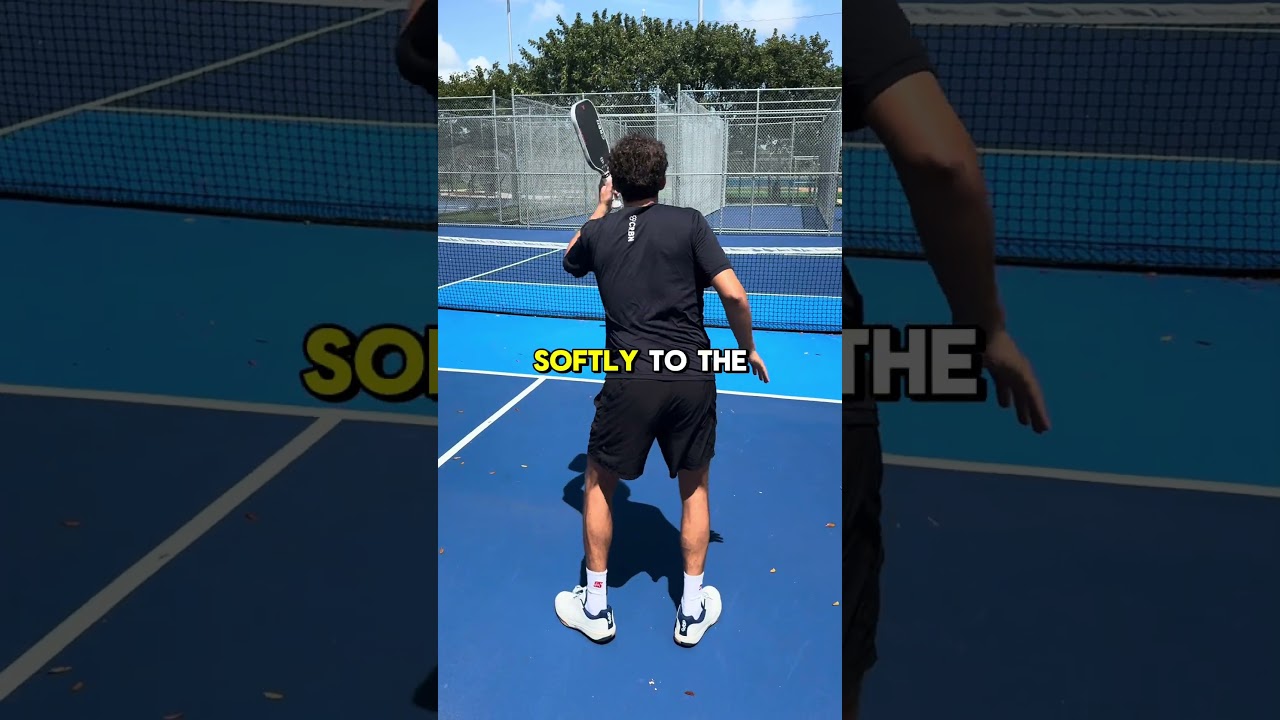
What About the Down-the-Line Drop?
The down-the-line drop is the hardest of the three, and for several reasons. The net is higher on the sides. Your opponent has less distance to travel.
And if you're hitting a topspin drop from the right side, it's often a high backhand, which is a difficult shot to control.
There's also the Ernie risk. If you go too wide down the line, a quick opponent can step around the post and put that ball away. That's a painful way to lose a point.
So your down-the-line third shot drop target should not hug the sideline. Aim toward the middle of your opponent's box, roughly in between their feet.
The same principle applies: you want them hitting up, not attacking.
You want the ball to be short enough and low enough that they have no good option.
 The Dink Media Team
Does Shot Type Change Where You Aim?
Yes, and this is where a lot of players get confused. Topspin drops and slice drops have different tendencies, and your target should reflect that.
For topspin drops, the ball tends to bounce up after landing, which can sometimes give your opponent more time to get under it.
For slice drops, the ball stays low and slow, which forces your opponent to generate their own pace.
That's either a problem for them or a gift, depending on how you use it.
Here's how to think about the targets based on shot type:
- Topspin crosscourt: Aim a touch deeper. The ball will drop naturally and bounce. Your opponent may not even have a clean option to volley it.
- Slice crosscourt: Aim slightly shorter. The ball is slower and lower, so a shorter target still gives you time to get to the kitchen.
- Slice middle: This is a high percentage play. The ball stops low, your opponent has to generate pace, and if you hit your target, it may be one of the best third shot options in your arsenal.
- Slice down the line: This is actually easier than a topspin drop down the line for many players. But it must be low and short. A high slice down the line is a free attack for your opponent.
The slice middle, specifically, deserves more attention.
When you nail that shot, the ball stops near the kitchen line with very little bounce, and your opponent has to do all the work to get it back over the net.
Learning to control your slice opens up a whole range of placement options on the third shot.
 The Dink Media Team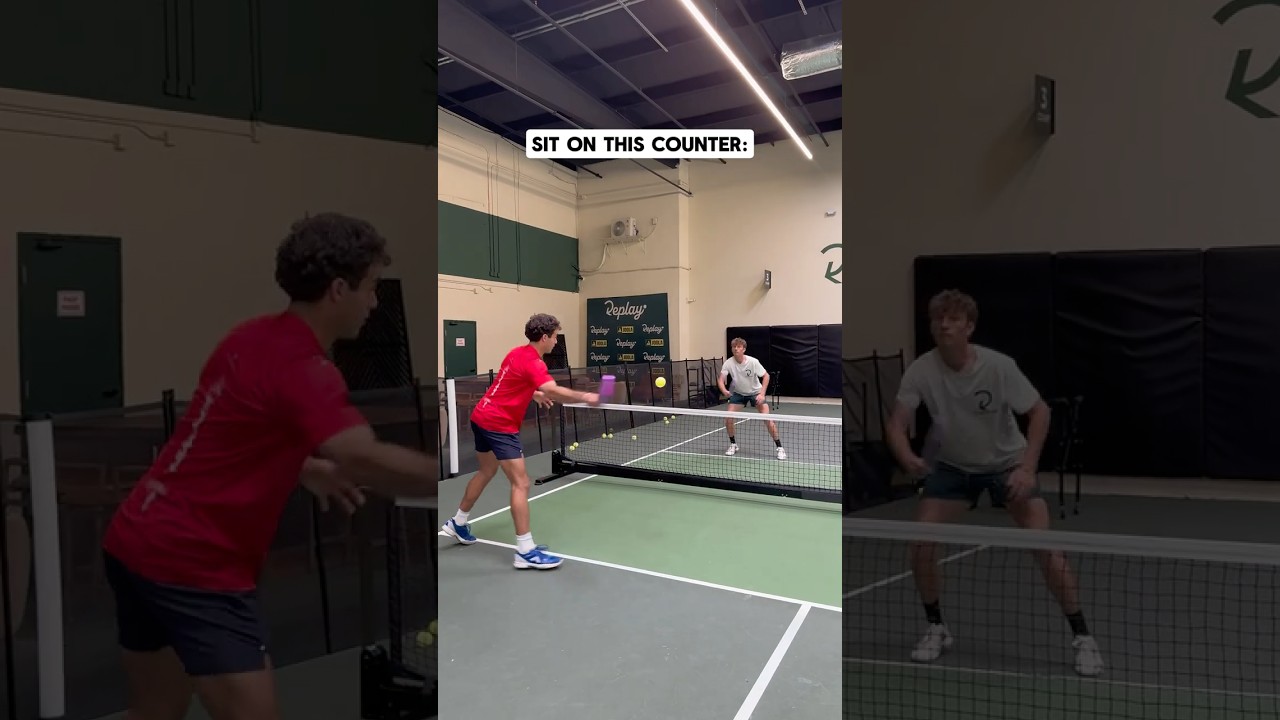
What Are the Rules From the Left Side?
The same targeting logic applies from the left side. The targets flip, but the principles stay the same.
A shorter drop in the middle, a slightly deeper drop on the sides, and never opening up too much of an angle.
One thing to note from the left: most opponents are right-handed, which means the person on the right side of their team often has a forehand in the middle.
That player is likely to take any middle ball that sits up.
So from the left side, hitting inside out to the opponent's right side, or going inside in toward the middle, are both viable options depending on court positioning.
You can also mix in drops that go down the line from the left, but the same warning applies: keep it low, keep it short, and do not go too wide.
A strong backhand third shot drop from the left side becomes much more reliable when you have a target locked in before you swing.
 The Dink Media Team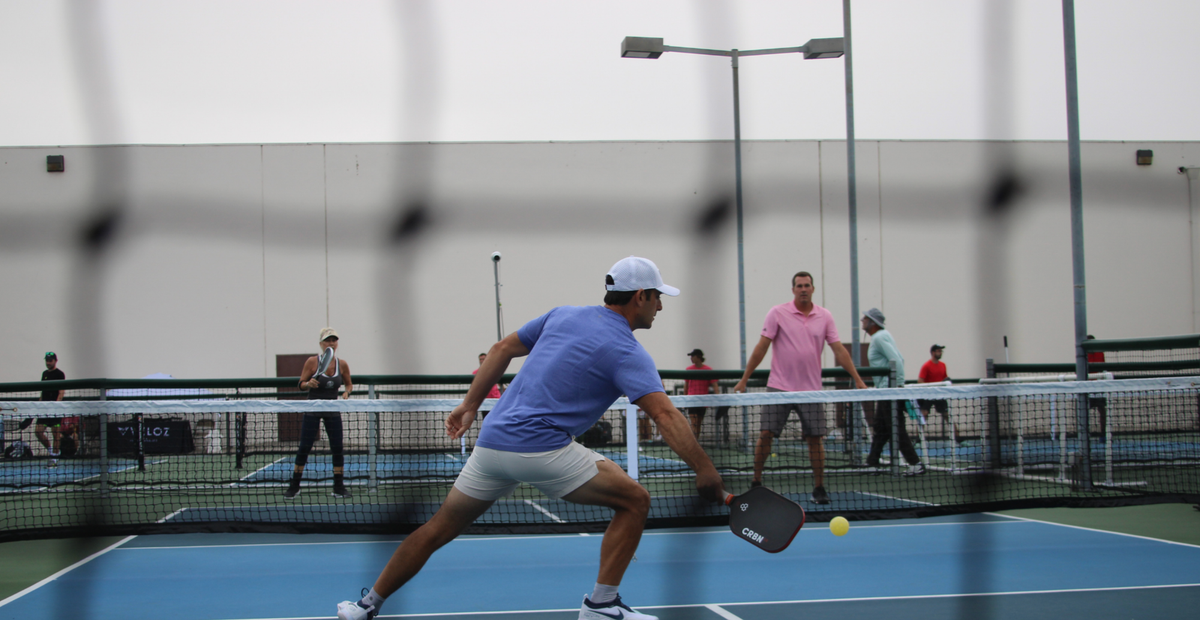
The One Thing You Cannot Mess Up
Everything in this breakdown assumes one baseline standard: the ball must stay low and short. That is the non-negotiable for any third shot drop to work.
Hitting too short and too high is arguably the worst outcome.
It gives your opponent the option to attack from a comfortable position while you're still stuck near the baseline.
Missing the net entirely is worse than hitting it a little short.
But a ball that floats in high is the one that gets you hurt the most.
The apex of your drop matters enormously here. If the ball peaks too high above the net, it has time to float and land deep. Keep the arc tight and low over the net.
If you're watching your drops and seeing the ball land too deep, it's usually one of two things: your arc is too high, or you're not committing to a shorter target in the first place.
Both problems are fixable once you know what you're looking for.
 The Dink Media Team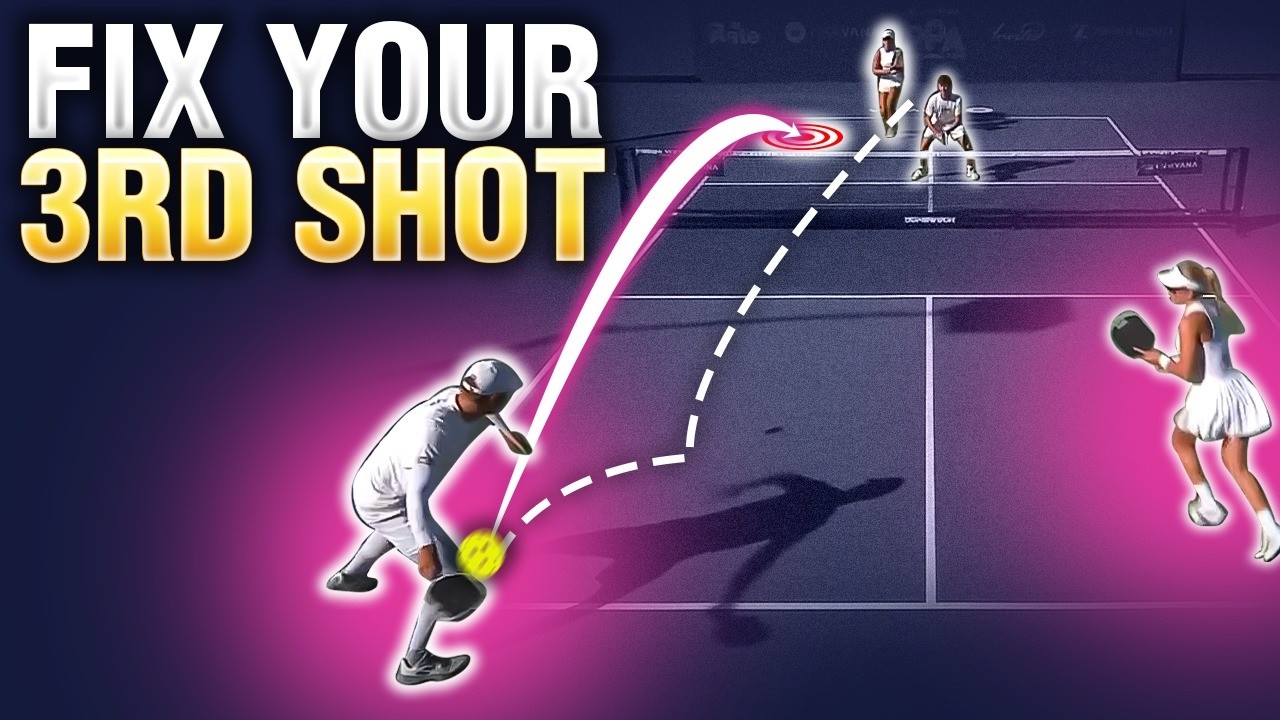
Putting It All Together: A Quick Reference
Before you step to the baseline on a third shot, run through this mental checklist:
- Right side, topspin: Crosscourt, in between opponent's feet, slightly deeper is fine.
- Right side, slice: Crosscourt but shorter. Watch the wide angle.
- Middle, any shot type: Shorter than you think. Make it bounce.
- Down the line, topspin: Aim toward the middle of their box, not the sideline. Beware the Ernie.
- Down the line, slice: Low and short. No exceptions.
If you're not already setting a target before every third shot, start now. It will change your results faster than almost any other adjustment you can make.
Knowing when to drop versus drive is also worth understanding alongside this targeting system, since the two decisions go hand in hand.
The players who advance fastest in this sport are the ones who stop hitting shots and start placing them.
If your drilling isn't translating to match play, the missing piece is often this: you're practicing the shot without practicing the target.
Fix that, and your third shot drop becomes a genuine weapon.
Even pros like Jack Sock emphasize placement and intent on the third shot as the foundation of transition game success.
Get your target, commit to it, and swing. That's the whole formula.
Frequently Asked Questions
Where should you aim a third shot drop from the right side?
From the right side, aim crosscourt toward the middle of your opponent's box, roughly in between their feet. The net is lower crosscourt, giving your ball more room to drop before it reaches the kitchen line. Avoid going too wide, which opens angles for your opponent to attack.
Why should your middle third shot drop be shorter than a crosscourt drop?
A deep middle ball is easy for the left-side player to step over and take out of the air before it bounces. You want the ball to bounce near the kitchen line so your opponent is forced to hit up. Aiming shorter in the middle is one of the most important depth adjustments recreational players overlook.
Is a slice or topspin third shot drop better?
Both work, but they serve different situations. Slice drops are slower and stay lower, which forces your opponent to generate their own pace. Topspin drops give you a bit more margin over the net but can float if the arc gets too high.
Many players find slice easier when moving forward, since you can take the ball early.
What is an Ernie and how does it affect your third shot drop target?
An Ernie is when a player steps around or jumps over the corner of the kitchen to volley a ball before it crosses the net. If your third shot drop goes too wide down the line, you give a fast opponent a perfect opportunity to hit an Ernie and put the ball away. Keep your down-the-line target toward the middle of your opponent's box to eliminate that risk.
How do you stop your third shot drop from sitting up too high?
The most common cause is a trajectory that peaks too far above the net, giving the ball time to float and land deep. Focus on keeping your arc tight and low over the net. Committing to a shorter target, especially in the middle, also helps you naturally control the depth of your drop.
Love Pickleball? Join 100k+ readers for free weekly tips, news & gear deals.
Subscribe to The Dink