
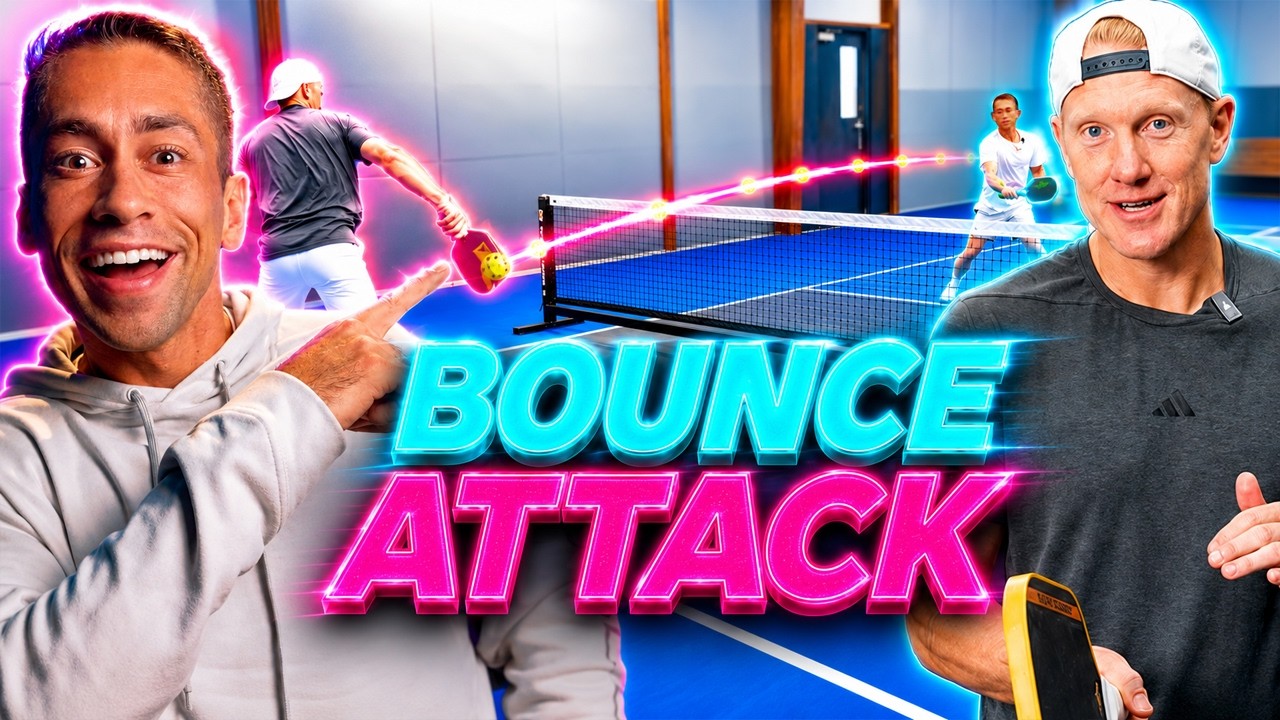
John Cincola owns one of the most feared forehand speedups in pro pickleball. Here are the seven secrets behind it, from setup checklist to last-second deception.
The forehand speedup off the bounce might be the highest leverage shot in pickleball that most players never train on purpose.
You dink, you wait, a ball sits up, and you swing away with no plan. Sometimes it works. Usually it comes right back at your chest.
John Cincola has one of the most feared forehand speedups in the pro game, and he recently joined Zane Navratil on Zane's channel to teach exactly how he hits it. Navratil's own words: this is the shot that "pretzels" him in rec games.
Here are the seven secrets from that session, broken down so you can take them straight to the court.
Love pickleball? Then you'll love our free newsletter. We send the latest news, tips, and highlights for free each week.
1. Run the Checklist Before Every Forehand Speedup
Cincola's first secret is that the shot starts before the swing: he runs a three-point checklist before he even thinks about executing a forehand speedup.
- Get behind the ball. The ball should be inside your foot line. Cincola's cue: it should be coming at the inside of your shoe, not floating wide of your stance.
- Paddle tip down. If you're behind the ball, the tip drops naturally. Tip down is the launch position for everything that follows.
- Earn the right ball. You're looking for a dead dink, the kind that bounces in front of you and sits up with time to spare. A low, skidding dink that gets on you quickly is not a speedup ball.
If you're new to the term, a dead dink is a dink with no pace, spin, or depth, so it bounces high enough and slow enough to attack.
Learning to recognize one is its own skill, and we've covered how to attack dead dinks in detail before.
Miss any of the three checkpoints and the correct play is another dink, not an attack.
That patience is most of what separates a 4.0 speedup from a 3.5 one.
For a deeper look at ball height and court positioning as a shot-selection system, that breakdown pairs perfectly with Cincola's checklist thinking.
2. Why Does the Unit Turn Matter So Much for the Forehand Speedup?
The unit turn is what gives your forehand speedup space, and Cincola says players who feel jammed at contact are usually standing dead square to the net.
When you step to the ball, turn your hips and shoulders together. That small rotation automatically creates room between your body and the paddle.
No turn means no space. No space means you're attacking from a phone booth, all arm and no body.
A useful checkpoint from the video: turn your outside foot slightly out as you set up.
If the ball is coming at the inside of that shoe, you know your hips are loaded behind it.
The turn also feeds power into the shot without any extra swing, the same way it does on a topspin brush.
You can generate effortless power through proper body rotation and fold the exact same principle into your forehand attack mechanics.
3. Hold the Angle Down the Line, Roll It Cross Body
Secret three is that Cincola hits two different speedups with one identical setup, and the only difference is the wrist.
The shot itself is simple: a push, like a dink with faster acceleration. The variation comes at the end.
- Down the line: hold your wrist angle through contact. No roll. Accelerate the push and freeze the paddle face.
- Cross body: same look, same setup, then add a small roll of the wrist up and across to bring the ball over your opponent's body line.
How much wrist? Cincola's cue is tip down to tip up: the paddle starts below your wrist and finishes above it, while your elbow stays parked in the same spot.
If your elbow kicks out or the paddle flips over the top of the ball, you've turned a speedup into a Gumby impression, and pop ups follow.
It's a close cousin of the distinction we broke down in flick vs. roll.
Understanding wrist lag mechanics takes this even further, and our guide to wrist lag in pickleball covers the pro technique for generating power without losing control.
 The Dink Media Team
4. Where Should You Aim Your Forehand Speedup?
Cincola's default target for the forehand speedup is cross body at the opponent's dominant hip, and he insists the margin is brutal: "the difference between putting it here and maybe one foot over, or even six inches over, is going to be the difference between this working and not working."
At higher levels nobody hands you open lanes.
You hit through people, which means picking exact spots on their body, not just picking a player.
How do you choose the spot? Cincola reads three things: where their body weight is leaning, where their paddle sits, and what they showed you in warmups.
Are they gripping for backhands on everything? Are they in a Riley Newman style pancake grip taking everything as a forehand?
That tells you which hip is exposed. This is the same scouting habit behind targeting the weaker player in doubles.
The pro speed-up strategy for kitchen line attacks digs even deeper into reading opponents before you pull the trigger.
 The Dink Media Team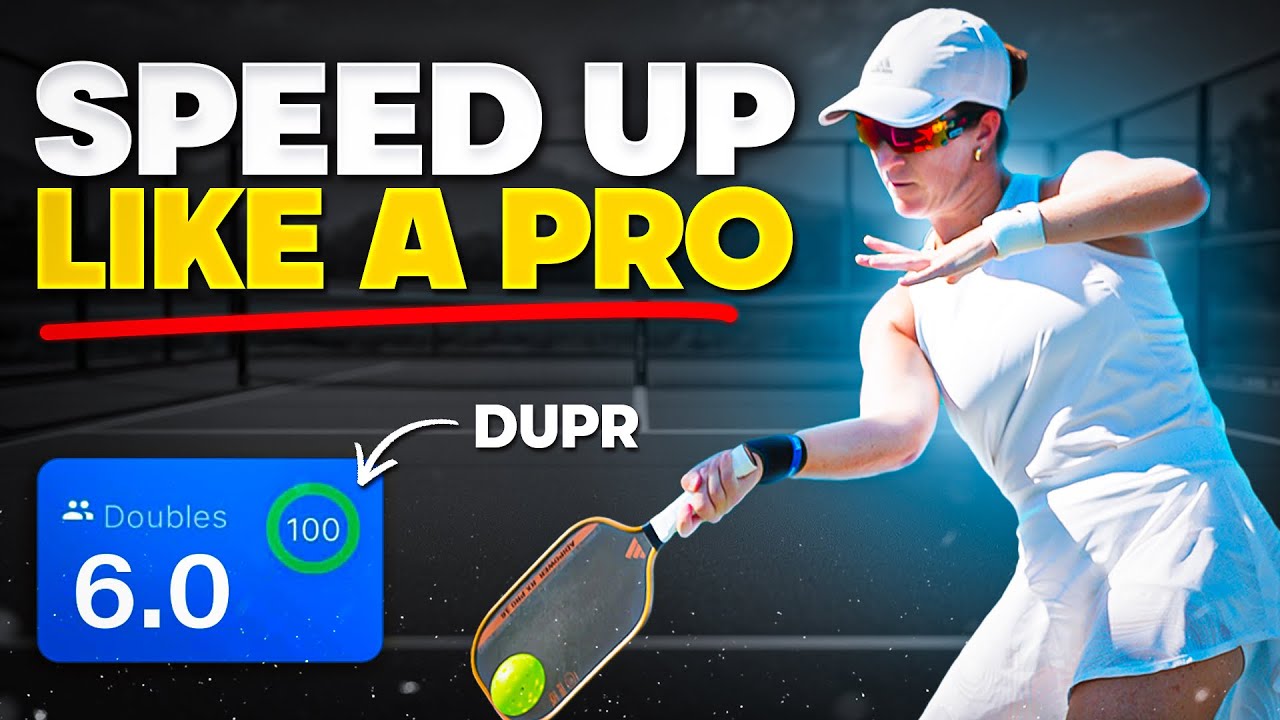
5. Train Forehand Speedup Placement With the Last Second Hand Target Drill
The drill from the video is simple and nasty.
A partner hand tosses you an attackable ball, then throws up a hand target somewhere on their body at the last possible moment.
You have to find it with your speedup, watching them through your peripheral vision while you track the ball.
It trains two things at once: surgical placement and late decision making.
Most players decide where they're attacking before the ball bounces, which is exactly why their attacks get read.
If you want to fold this into practice, a hand speed drill covers the counter side of the same exchange.
Wall work helps here too, and the 12 drills you need for your best pickleball in 2026 include several that directly develop the hand-eye coordination this drill demands.
Even mainstream outlets have picked up on it: Yahoo Sports ran a piece on wall drills for faster hands that pairs well with this.
 The Dink Media Team
6. How Do You Make the Forehand Speedup Unreadable?
Cincola's deception comes from one habit: his down the line speedup is a held push, so he can change his mind mid swing.
Because the line ball requires no wrist roll, he can start that swing, read his opponent until the last instant, then add the roll and redirect cross body.
Navratil diagnosed his own tell on camera.
He was opening up too early on the cross body ball, which let Cincola read it.
Hold the neutral look longer and the same swing produces two different outcomes.
That's the entire trick. One setup, two exits, decided as late as possible.
It's the attacking version of disguising your dinks, and it's why defenders with elite reaction time still get pretzeled by it.
The set and snap technique for flicks and speed-ups is another deception mechanic that plays off the same wrist-hold principle.
 The Dink Media Team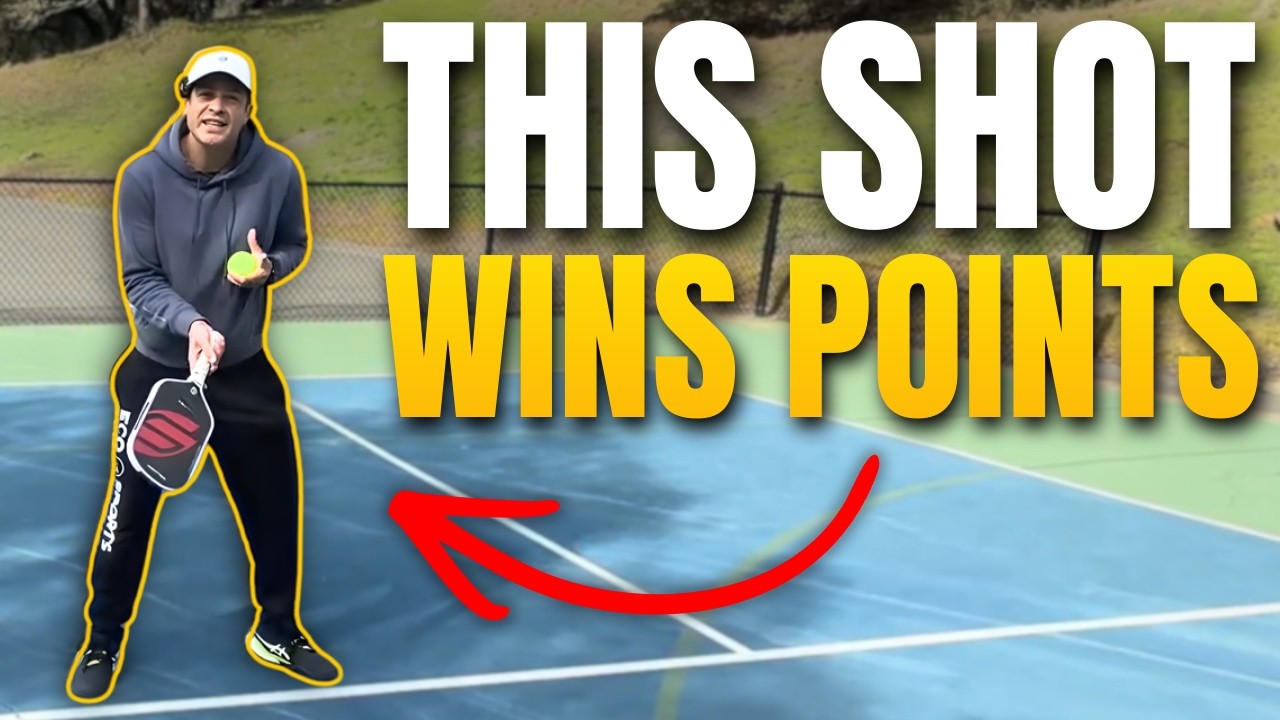
7. Let the Ball Height Pick Your Pace on the Forehand Speedup
Cincola's rule on power: the ball you're given dictates the pace, because a low attack has to clear the net with enough arc that the baseline becomes your enemy.
Lower contact means less gas. Higher contact lets you swing more linear and hit harder.
Then there's the third option: the body shot you never intended to land in the court.
Aim hard at the torso and your opponent will almost always try to play a ball that was sailing long.
As Navratil put it, "body shots are money."
One more detail worth stealing. Attacking off the back foot is fine, but only if your weight drives back toward the kitchen after contact.
Plant that back foot, hit, and push forward so you're set for the counter.
Follow through drifting backward and you're stranded, which is when you need a full recovery position plan and usually don't have one.
Solid kitchen line positioning after the attack is what turns a good speedup into a finished point.
And remember the flip side: a Desert Sun coaching column syndicated by Yahoo Sports listed speeding up while out of position among the most common attacking mistakes in rec play.
 Eric Roddy
Who Should Add This Shot?
Cincola calls the forehand speedup "probably a 4.0 shot," though he adds that some 3.5s can dabble.
The honest reason it's accessible: technically it's just a dink with faster acceleration.
If you own a tip down dink and can get behind the ball, you have the ingredients.
The same mechanics transfer out of the air, too. Hold the push for placement, add the upward snap for the cross body ball.
One technique, applied all over the court.
For the bigger picture on when to pull the trigger at all, our guide to the pickleball speedup covers shot selection in depth.
And if you're working toward a higher rating, breaking 5.0 requires mastering these five shots including a precise forehand attack off the bounce.
Start with the checklist, drill the hand target game, and pick spots instead of swinging hard.
The forehand speedup rewards precision long before it rewards power.
Frequently Asked Questions
What is a forehand speedup in pickleball?
A forehand speedup is an attack hit off the bounce from the kitchen line, taking a dink and accelerating it at your opponent to start a firefight. Mechanically it's a faster dink push, not a full swing. John Cincola teaches it as a push with a tip down paddle position and minimal wrist.
When should you use a forehand speedup in pickleball?
Speed up when three things line up: you're behind the ball, your paddle tip is down, and the dink you received is dead enough to sit up with time. If the ball is low and on you fast, dink again and wait for a better one. Rushing the forehand speedup before earning the right ball is the most common mistake at the 3.5 and 4.0 level.
Where should you aim a forehand speedup?
The default target is cross body at your opponent's dominant side hip, the hardest spot to counter from. Exact placement matters: six inches is the difference between a winner and a counterattack. Adjust based on their grip, paddle position, and body lean.
How much wrist should you use on a forehand speedup?
Very little, and only on the cross body ball. Think tip down to tip up: the paddle starts below your wrist and finishes above it while the elbow stays still. Going down the line, hold the wrist angle entirely and just accelerate the push. Any extra wrist movement telegraphs the shot before it leaves your paddle.
What level do you need to be to hit a forehand speedup?
Cincola pegs it as a 4.0 level shot, with 3.5 players able to experiment. If you can hit a consistent tip down dink and get behind the ball, you can start training it. The hard part isn't technique, it's shot selection and placement. Building that recognition through drills is what actually unlocks the shot in match play.

Love Pickleball? Join 100k+ readers for free weekly tips, news & gear deals.
Subscribe to The Dink