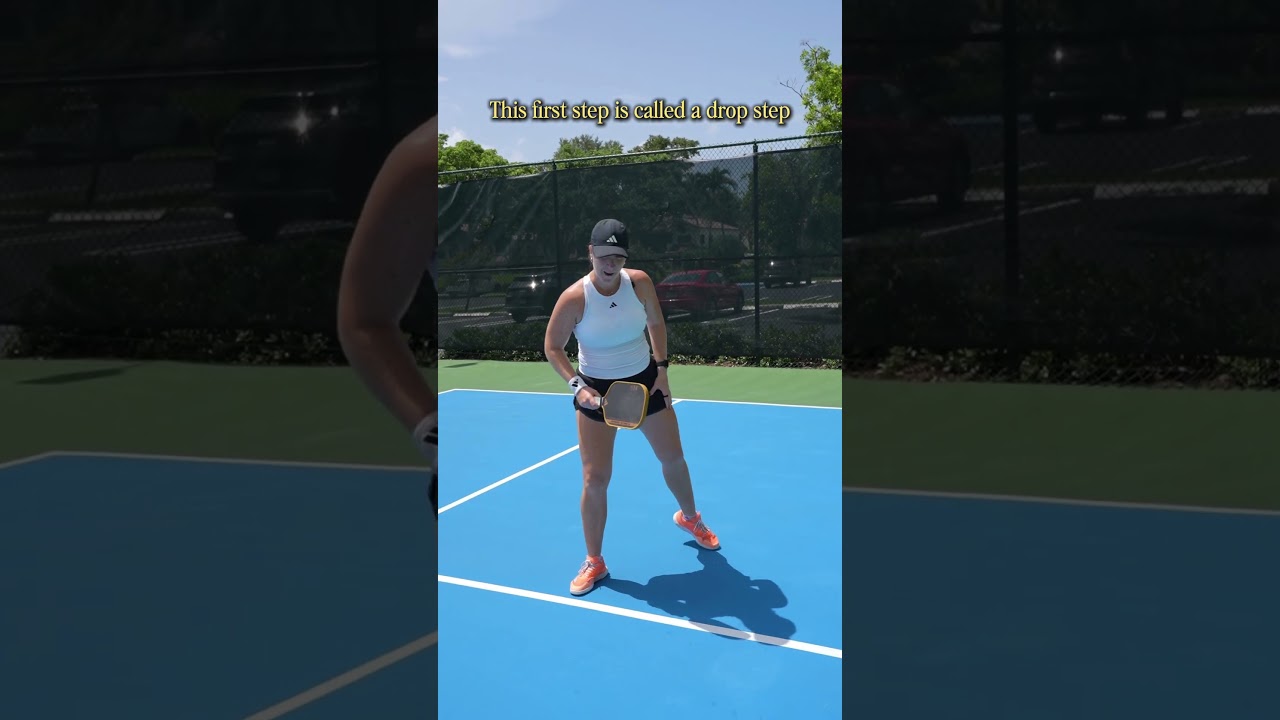


7 Two-Handed Backhand Counter Fixes That Stop You From Getting Jammed
A two-handed backhand counter breaks down when your posture collapses and you lose space. These seven fixes from a Jilly B lesson show you how to stay low, coil, and finish with a full follow through.
Your two-handed backhand counter looks great when the ball comes straight at you, then falls apart the second someone attacks crosscourt and you have to cover the middle.
Sound familiar? The ball arrives, your paddle pops up, your shoulders tilt, and you either miss the shot or hand your opponent an easy put-away.
It is one of the most common breakdowns for players stuck between 3.5 and 4.5.
These fixes come from a lesson by Jilly B Pickleball on YouTube, where she coaches a 4.5 doubles player with a 3.5 backhand counter.
The diagnosis surprised everyone, and the cure had very little to do with the paddle.
If you are chasing that same jump, our 11 tips to go from 3.5 to 4.5 in pickleball covers the rest of the roadmap.
Love pickleball? Then you'll love our free newsletter. We send the latest news, tips, and highlights for free each week.
Why does your two-handed backhand counter break down crosscourt?
Your two-handed backhand counter breaks down crosscourt because your posture collapses before the ball arrives.
When the attack is straight on, your body stays organized.
When the ball is angled toward the middle, you get armsy and lose your turn. Jilly B described the student’s problem as looking like a teapot.
The upper body tips to one side, the paddle lifts, and the whole motion becomes arms and wrist instead of body.
That tilt costs you three things at once: balance, space, and the ability to hit through the ball.
Every fix below exists to stop that tilt. It is the same root cause behind the chicken wing that wrecks counters, and it starts with pickleball posture.
The 7 fixes, in order
- Ski in my tracks. Rehearse the movement without a ball before you hit one.
- Think tarantula. Get low, wide, and stable so your base never leaves.
- Keep your spine straight. No side to side lean, even on high balls.
- Coil before you swing. Separate your shoulders from your lower body.
- Create space. Give yourself room between your body and the ball.
- Simplify high balls. Less wrist, more out in front.
- Finish at the right spot. Follow through toward your shoulder, not up and over.
Let's walk through each one so you can actually feel the difference on court.
1. Ski in my tracks
Rehearsing the correct movement without a ball is the fastest way to rewire a bad pattern.
Jilly B stepped into the student’s spot, hit a clean counter, then asked her to ski in my tracks.
The idea is simple. Watch the path her body takes, then copy it with no ball on the court.
This borrows from golf, where you rehearse a swing after a mistake. You feel the motion first, and the ball is just a bonus.
If you only fix one thing this week, do this: after every missed two-handed backhand counter, take one slow shadow rep in the same spot.
Your body learns faster than your brain can explain, which is why solo pickleball drills work so well here.
 The Dink Media Team
2. Think tarantula, not teapot
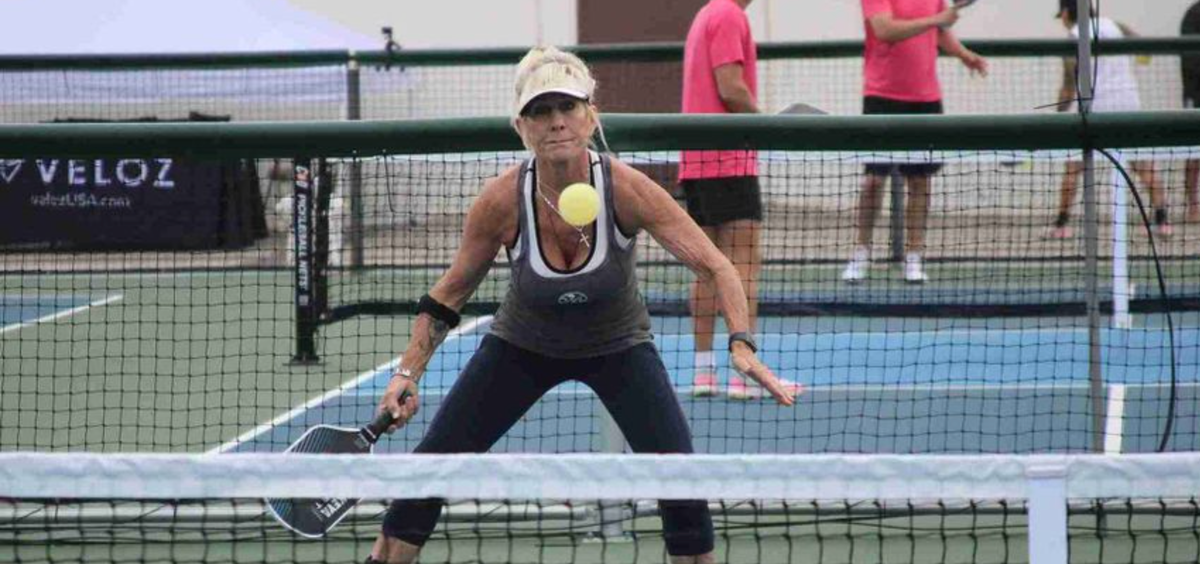
The tarantula cue gets you low and wide, which makes everything above your waist quieter.
Jilly B described it as a stable base where the legs do the work and the upper body stays calm.
Once the student heard that one word, she dropped lower without thinking about it. Even her dinking improved as a side effect.
That matches what we see in this court positioning fix that improves every shot. A stable base is what makes every other piece of technique possible.
If you tend to stand tall and reach, the tarantula cue is your new default. Low hips, wide feet, quiet shoulders.
 The Dink Media Team
3. Keep your spine straight on high balls
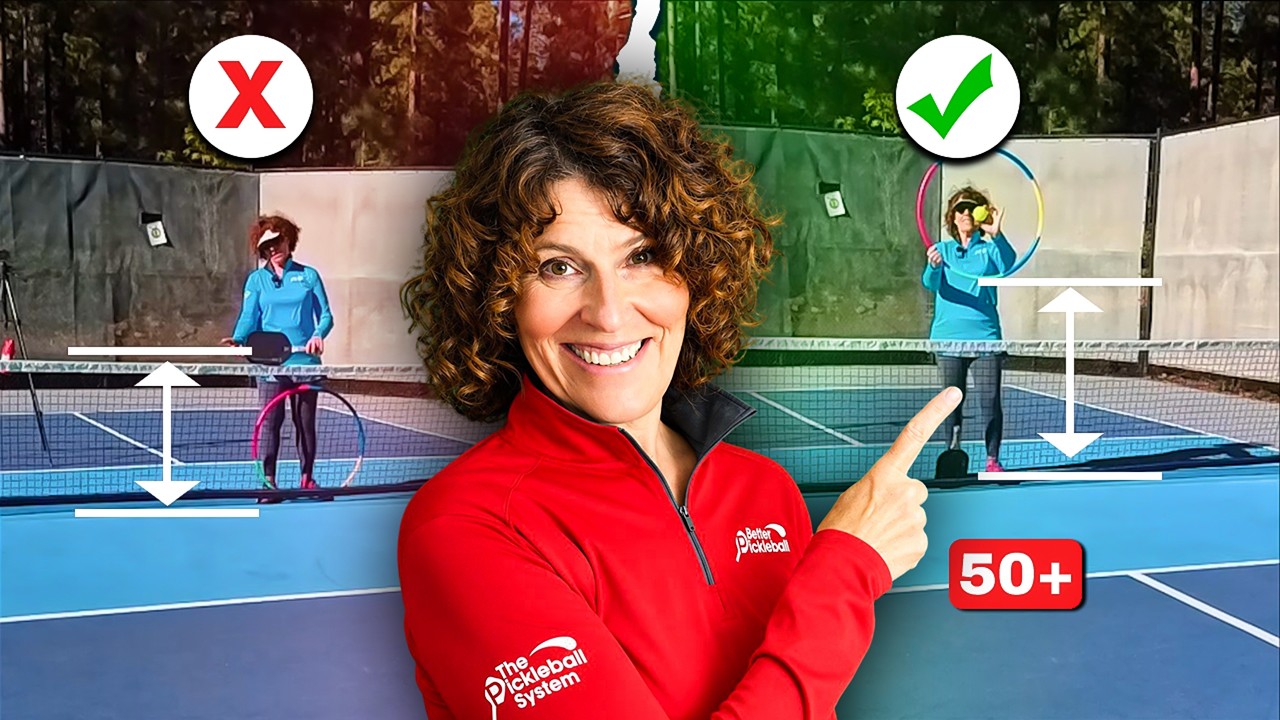
The higher the ball, the more you want to climb with your spine, and that is exactly what you must avoid.
Jilly B pointed out that when the ball floats up, the student raised her paddle and tilted sideways instead of staying level.
The fix is to keep your posture the same and let the ball come to you. Your paddle goes to the ball, but your spine stays put.
Try this at home in front of a mirror. Crab walk into position, hold a high paddle, and swing without letting your head or shoulders drift up.
That drill takes thirty seconds and exposes the problem immediately. If your shoulder line tilts, you are not ready for a real ball yet.
 The Dink Media Team
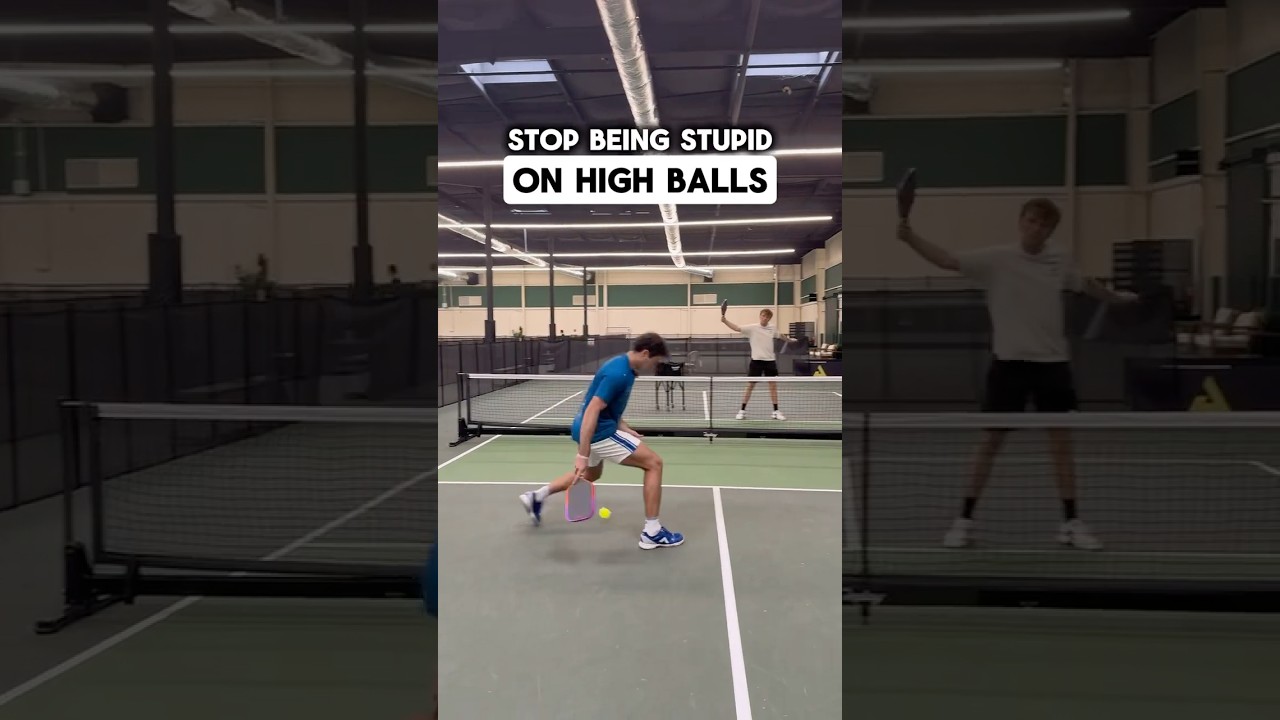
What does coil actually mean on a backhand?
Coil means your shoulders rotate away from your lower body before the swing, storing energy like a spring.
It is the same X factor golfers talk about, where the upper body separates from the hips.
Recent biomechanics research on torso and pelvis coordination found that this separation is what shapes the swing plane and the power available at contact.
The same principle drives a two-handed backhand drive.
In the lesson, the student realized her backhand had always been a compact two-inch punch.
That worked for blocks but left her stuck on two-handed backhand counters, where the ball needs to be driven back through the court.
A bigger turn is not a bigger swing. Jilly B was clear that the motion is rotational, not longer.
If you want more on building a controlled swing, our guide to the pro-level backhand roll covers the same rotation idea from another angle.
 The Dink Media Team
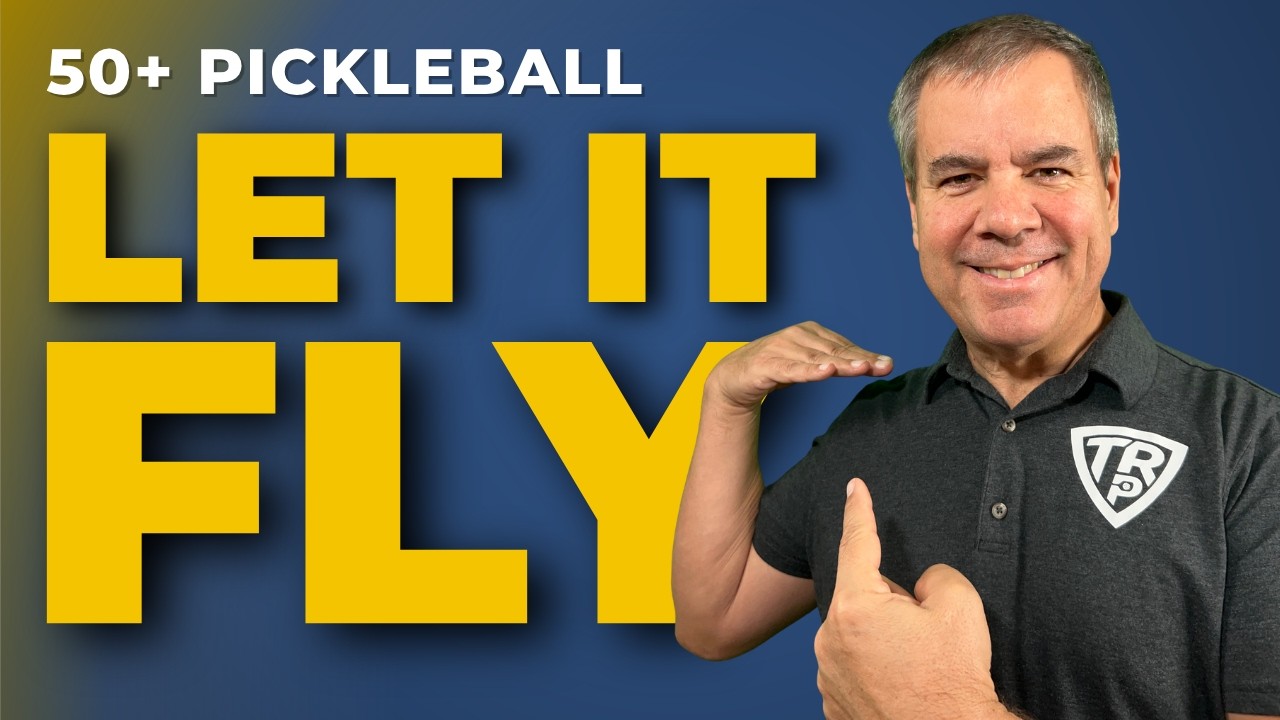
4. Create space between you and the ball
Space is what lets you swing freely, and without it you are jammed no matter how good your technique is.
During the lesson, the student kept getting crowded on balls aimed at her body.
When she started hitting with a longer follow through toward her shoulder, she naturally created room.
The result was the cleanest backhands her partner had ever seen from her.
Here is a simple way to check yourself:
- Your contact point should be out in front of your chest, not beside your ribs.
- Your elbows should have room to move without brushing your torso.
- Your feet should shuffle back or sideways to open the angle, not freeze.
If the ball is in your hip pocket at contact, you waited too long or never moved.
 The Dink Media Team
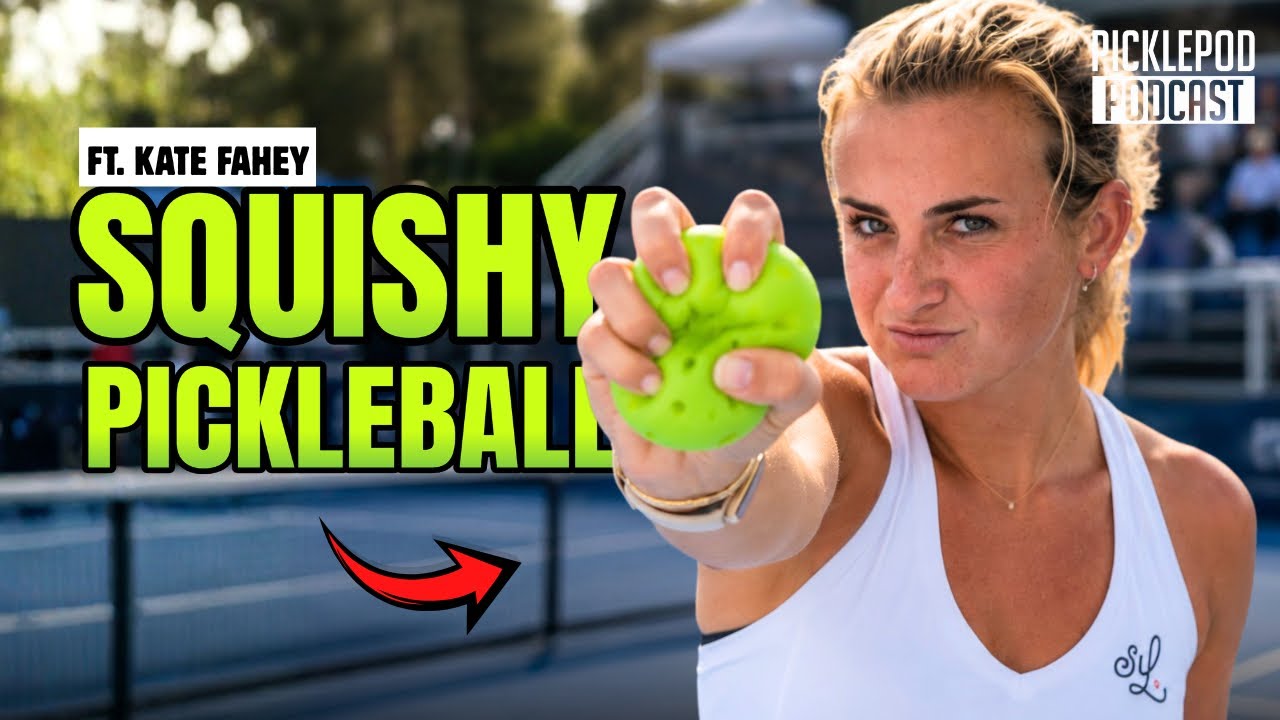
5. Hit through the ball, not down at it
The student’s aim sharpened the moment she stopped thinking about hitting down and started thinking about hitting through.
Her body oriented toward where the ball was landing instead of swinging blindly.
That ties directly to how pros think about contact, which we covered in this subtle trick for cleaner shots.
Awareness of the target changes the swing before you consciously adjust anything.
Aim at your opponent’s chest on counters.
It gives you margin over the net and forces a defensive reply, the same logic behind knowing when to block versus counter.
 The Dink Media Team
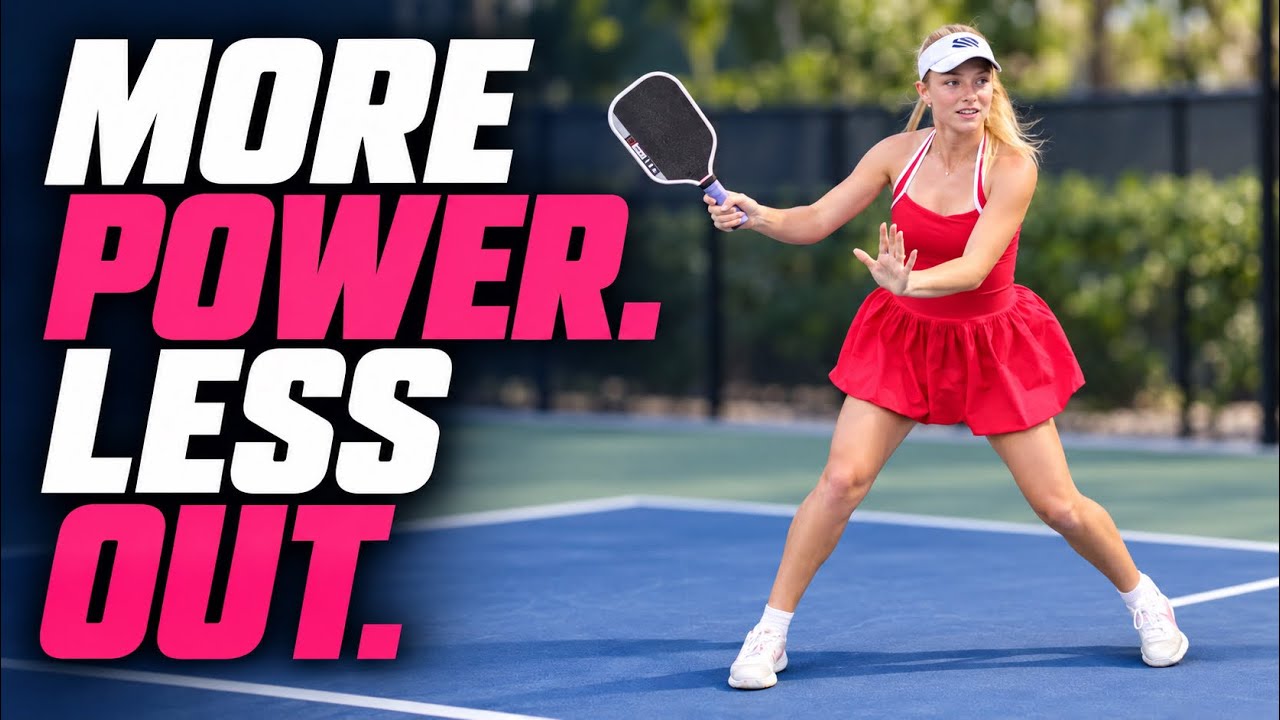
6. Simplify the high ball
High balls need a simpler motion, not a bigger one.
Jilly B’s partner watched the student rotate her wrist over the ball like a windshield wiper, and the fix was to keep the paddle up and out in front.
When a ball is already above your shoulder, gravity is working for you. You do not need heavy topspin to bring it down, you just need to drive it out.
Compare that to low balls, which need a bit of topspin to create the downward arc. High balls only need forward intent.
Players who struggle with pop-ups should also read our breakdown on how to stop popping the ball up. The same posture rules apply.
 The Dink Media Team
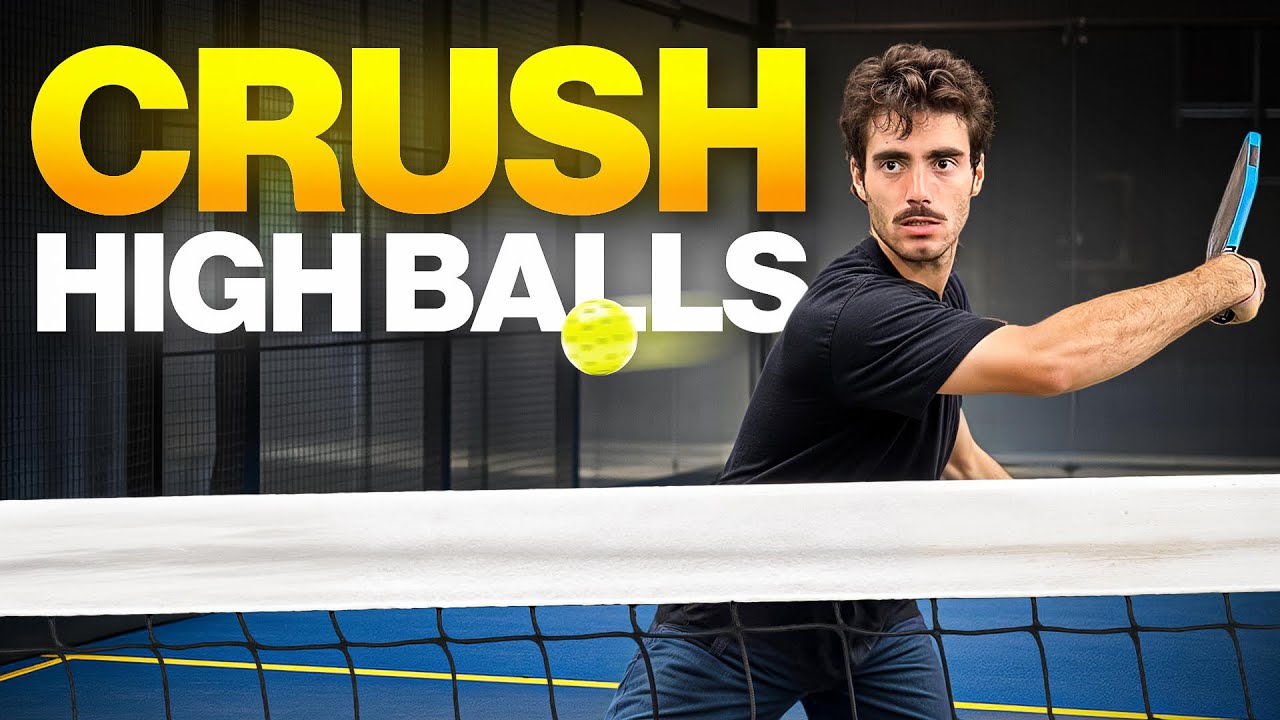
7. Finish with the right follow through
Your two-handed backhand counter should finish toward your shoulder, not up over your head. Jilly B demonstrated the difference by telling the student that her finish was too high and too wristy.
The shoulder finish forces you to rotate through the ball, which keeps the paddle face stable and your balance intact.
It also prevents the lifting motion that sends balls long.
The student said she liked the feeling of hitting her own shoulder because it forced her to create space. That is a great self-check for any player.
If your follow through finishes high and flat, your paddle path is probably tilting skyward.
Lower the finish and the contact gets cleaner, which is the same consistency rule in Michael Loyd’s two-thing rule for counters.
 The Dink Media Team
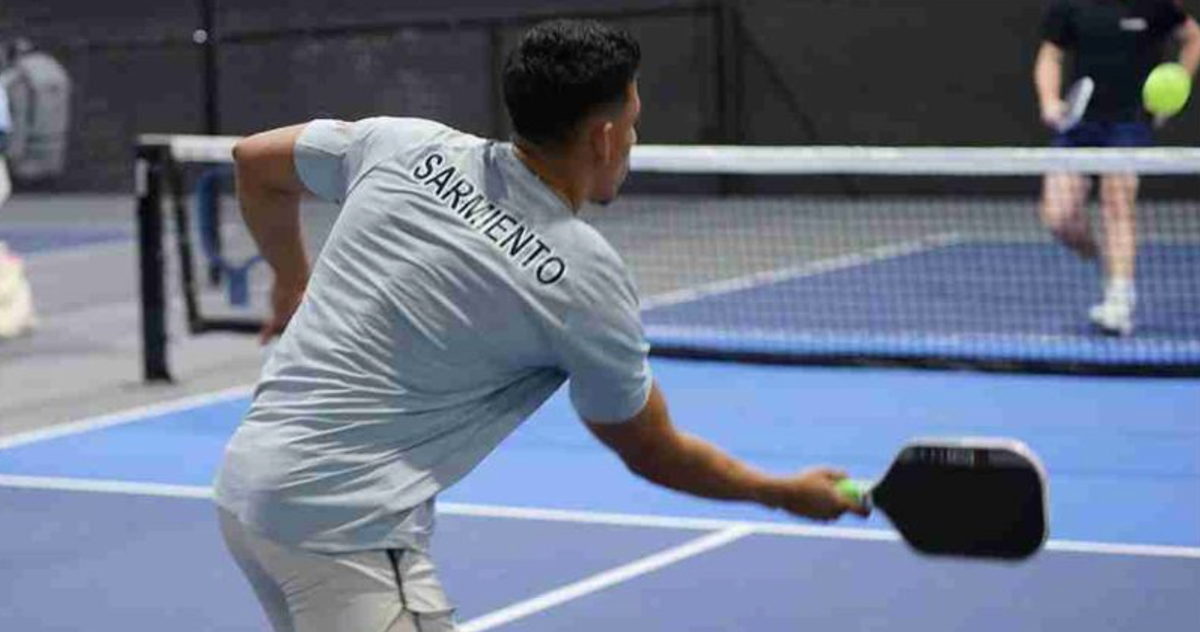
Why does this look different from most backhand advice?
Most backhand advice focuses on grip, paddle angle, and wrist, while this two-handed backhand counter lesson fixed posture and rotation.
That is why it surprised even the coach.
Jilly B admitted she would never have taught a backhand counter this way in a standard lesson.
The fixes came from watching one specific player in real time and adjusting.
That is also why so much generic advice fails. If your problem is posture, no amount of grip tinkering will help.
For a broader look at habits that quietly hurt your game, see why standing firm at the kitchen line isn’t always the best advice.
 The Dink Media Team
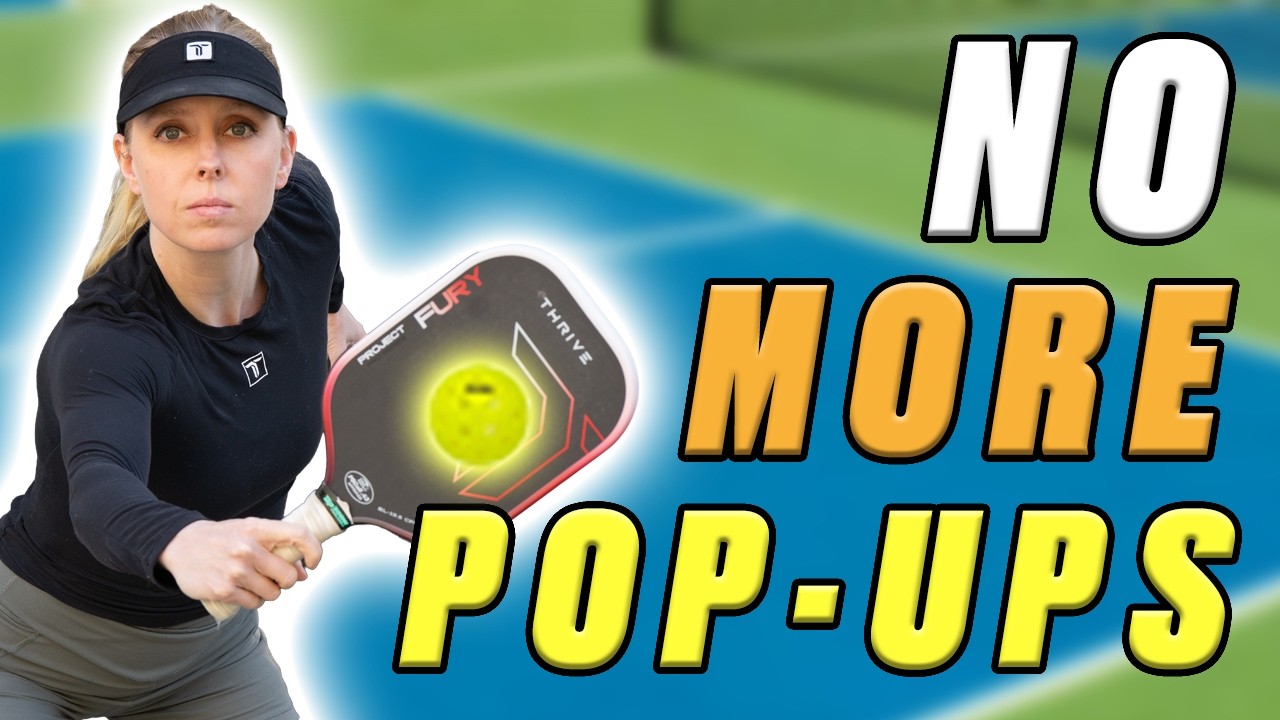
How do you practice this without a partner?
You can build the pattern at home with a mirror, a paddle, and ten minutes.
The student's husband, who has a golf background, pointed out that feelings matter more than words, and feelings can be rehearsed alone.
Here is a short routine:
- Set up in a low tarantula stance in front of a mirror.
- Coil your shoulders back, then rotate through to a shoulder-height finish.
- Raise an imaginary high ball and repeat without letting your spine tilt.
- Crab walk three steps each direction and swing at the end of each walk.
Do this for five minutes before your next session. You will feel the difference on your first live ball.
If you are building a bigger practice plan, our list of 5 pickleball practice drills for any skill level pairs well with these rehearsals.
 The Dink Media Team
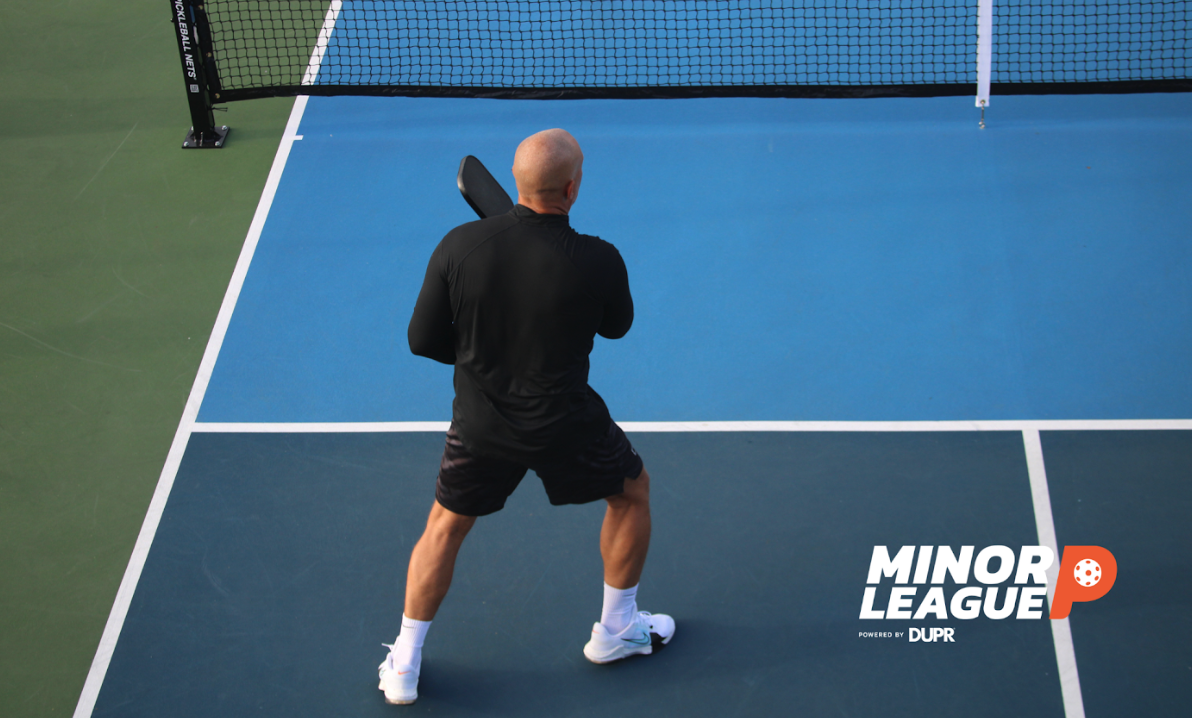
How does this connect to your kitchen game?
A stable base on your two-handed backhand counter improves your dinks, resets, and speed-ups too.
The student noticed her dinking got better after working on posture, even though she never practiced dinking in the lesson.
That makes sense, because kitchen play rewards the same low, wide, quiet posture.
If you want to see how it plays out, check our modern kitchen strategy breakdown and this guide to the reset that takes you from 3.5 to 5.0.
Pros like Tyra Black and Anna Leigh Waters are known for their kitchen line control, and posture is a big reason. They rarely lose their shape under pressure.
When you decide to attack a floating ball, the rules do not change.
Read how to hit your dinks out of the air to see how pros keep the same base while going on offense, then layer in pro speed-up strategy.
 The Dink Media Team
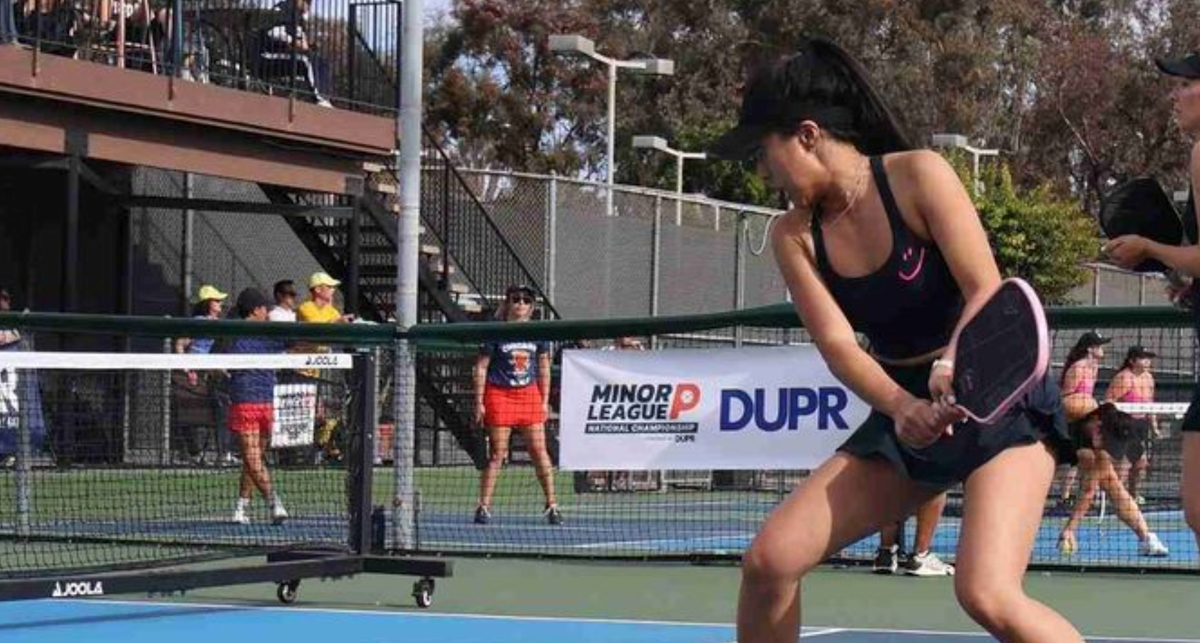
What should you work on first?
Start with posture, because every other part of your two-handed backhand counter depends on it.
Spend one session just on staying low and level, and ignore the result of each shot.
Add coil in session two. Add space and follow through in session three.
If you tend to play too safe, our piece on when to play safe vs when to attack will help you commit to the swing.
And for building habits that carry into match play, see this 5-minute warm-up for competition.
Patience matters here. You are rewiring movement, not memorizing a trick.
Frequently Asked Questions
What is a two-handed backhand counter in pickleball?
A two-handed backhand counter is a backhand swing used to return a hard-hit ball, usually from an attack at the kitchen line. It combines a body turn, a stable base, and a controlled swing that drives the ball back instead of just blocking it.
Why do I keep popping up my backhand counter?
Popping up usually means your posture is rising with the ball and your paddle face is opening. Stay low, keep your spine level, and finish toward your shoulder to keep the ball flat or slightly down.
How do I hit a high ball on my backhand?
Keep your posture the same and let the paddle go to the ball. Use less wrist, make contact out in front, and drive through the ball instead of swinging down over it.
Should I use topspin on my backhand counter?
Use topspin on low balls to help them drop, but keep high balls simple and forward. Higher contact already gives you a natural downward angle, so extra spin can complicate the swing.
Can I practice my backhand counter without a partner?
Yes, rehearse the movement in front of a mirror with no ball. Focus on staying low, coiling your shoulders, and finishing toward your shoulder, then repeat while crab walking to mimic live footwork.

Love Pickleball? Join 100k+ readers for free weekly tips, news & gear deals.
Subscribe to The Dink