
5 Keys to the Two-Handed Backhand Counter Parris Todd Uses to Beat Everyone
The two-handed backhand counter is one of the most effective weapons at the kitchen line. Here is exactly how top-5 PPA pro Parris Todd builds and executes it.
You are in a dink rally, everything feels controlled, and then suddenly the ball comes screaming at your body.
You either panic and pop it up, or you jam yourself and float a reset that your opponent hammers right back at you. Sound familiar?
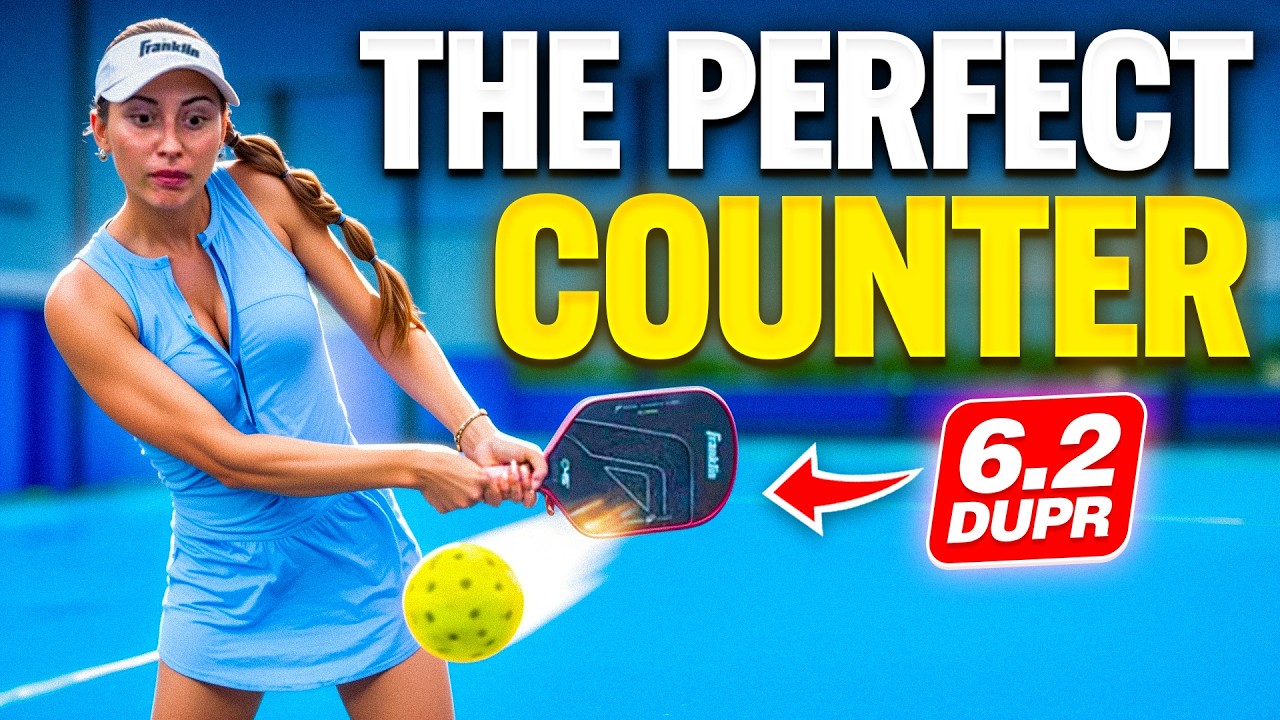
The two-handed backhand counter is the shot that solves that problem. It lets you absorb pace, redirect with power, and stay on offense instead of scrambling to survive.
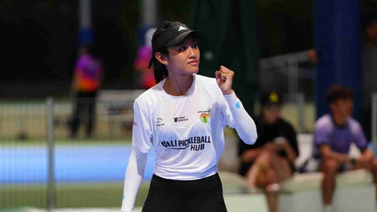
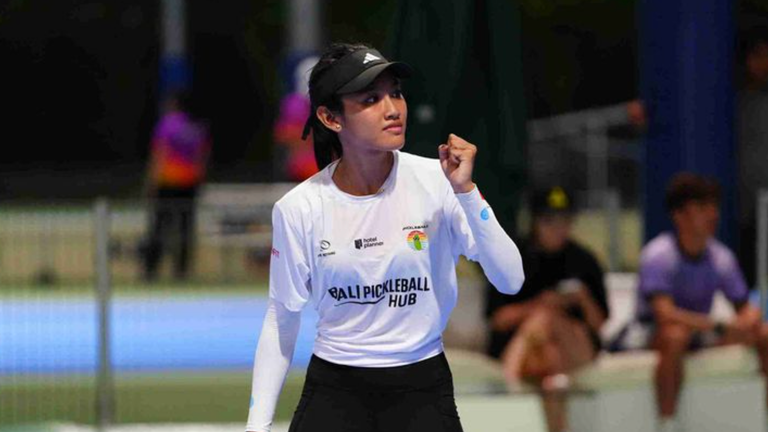
Nobody does this shot better than Parris Todd, currently ranked top five on the PPA Tour.
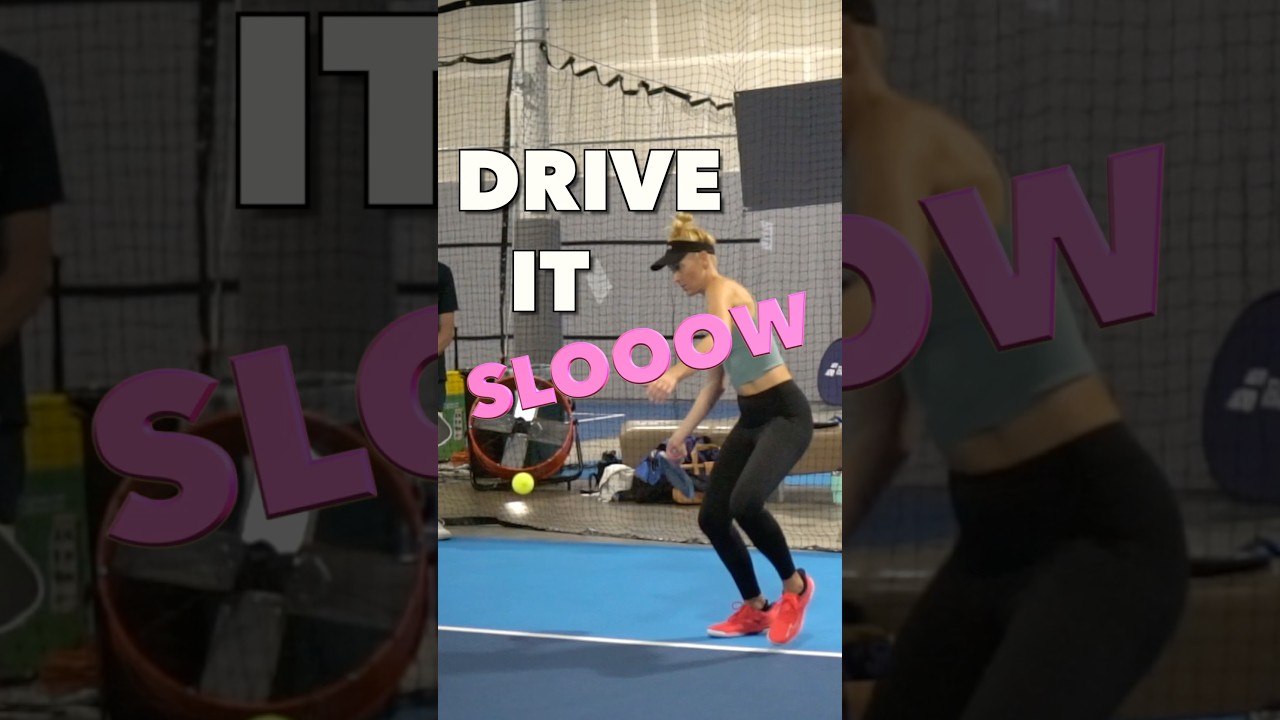
This full breakdown comes from tanner.pickleball on YouTube, who worked through every detail of the shot directly with Parris on court.
Here is everything you need to build it into your game.
Love pickleball? Then you'll love our free newsletter. We send the latest news, tips, and highlights for free each week.
Step 1: Recognition Comes Before Everything Else
The first thing Parris Todd does is read the situation before the ball even crosses the net. She is watching your swing, not the ball.
If you take a slightly bigger backswing during the dink rally, she starts loading her body immediately.
That half-second of early recognition is what makes the shot possible at high speed.
Most players wait until the ball is already moving toward them. By then, they are late, off-balance, and just trying to survive.
Parris is already turning while you are still deciding to speed up.
This is the part nobody talks about when they teach the two-handed backhand counter.
The mechanics only work if the read happens first. Train yourself to watch your opponent's body and paddle, not just the ball.
What Does "Loading" Actually Mean on This Shot?
Loading means turning your body toward the incoming ball while keeping your weight ready to transfer forward.
It is not a big windup. It is a compact rotation of your hips and core so that you are coiled and ready to push through contact.
Parris describes her hands sitting near her belly button in the ready position.
From there, when she recognizes the speed-up, she turns and shifts her bodyweight into the shot without taking her paddle back further than parallel.
This is a key difference from what most recreational players do.
Most players swing back too far, which causes them to be late on a fast ball and lose the ability to recover for the next shot.
Step 2: Position Your Body to Cover the Most Likely Shot
Where you stand before the speed-up matters just as much as how you hit the counter.
Parris always positions herself to take away her opponent's easiest option.
The rule she follows: cover the down-the-line speed-up first, because that is the simplest shot for your opponent to execute.
The cross-body speed-up is harder for them to pull off, so if they catch you slightly out of position on that one, a reset is acceptable.
She also talks about following the ball. Wherever the dink lands on your opponent's side, your chest should be roughly facing that direction.
This positioning mistake is one of the most common reasons players get caught off guard at the kitchen line.
In doubles, this matters even more. When Parris slides wide to cover the sideline counter, she relies on her partner to squeeze the middle.
Leaving that gap open invites easy angles for the opposing team.
 The Dink Media Team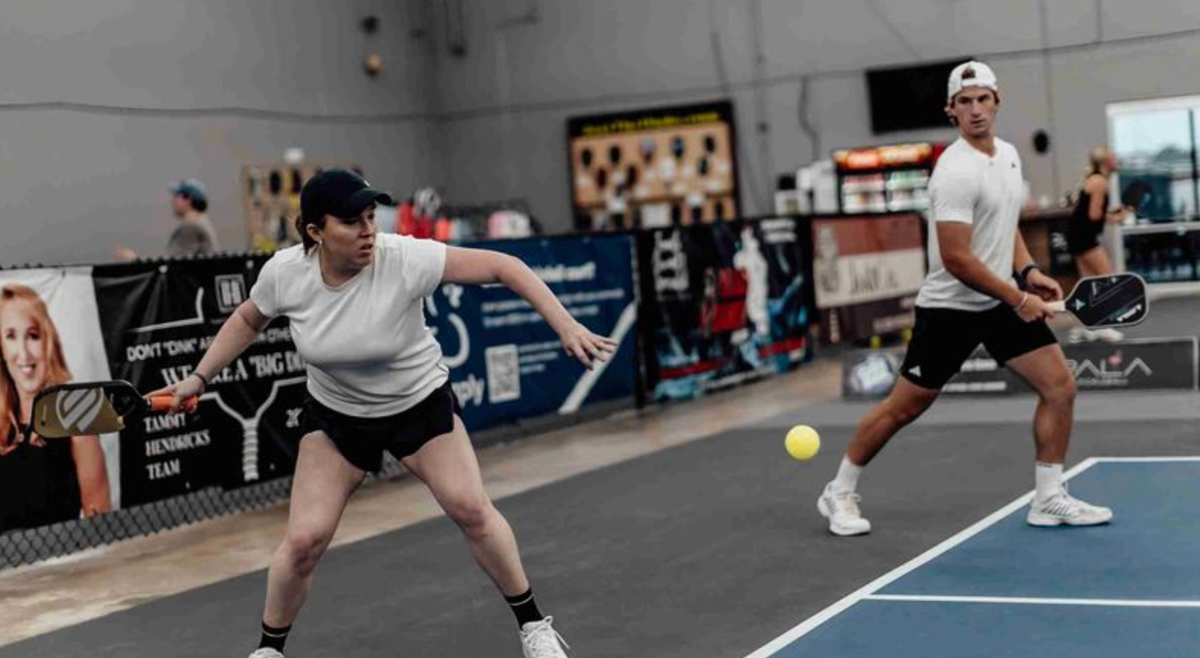
Step 3: Use Your Core, Not Your Arms
The power in the two-handed backhand counter does not come from swinging your arms. It comes from your core rotation meeting the ball at the contact point.
Think of it this way: you are absorbing your opponent's pace and redirecting it, not generating your own from scratch.
Your core turn adds just enough extra energy to make the ball uncomfortable to handle on the other side.
This is also why the shot stays compact.
If you tried to arm-swing on a ball that is already coming fast, you would either mishit it or not recover in time for the next exchange.
Check out more on core exercises pro pickleball players use to build that rotational strength away from the court.
 The Dink Media Team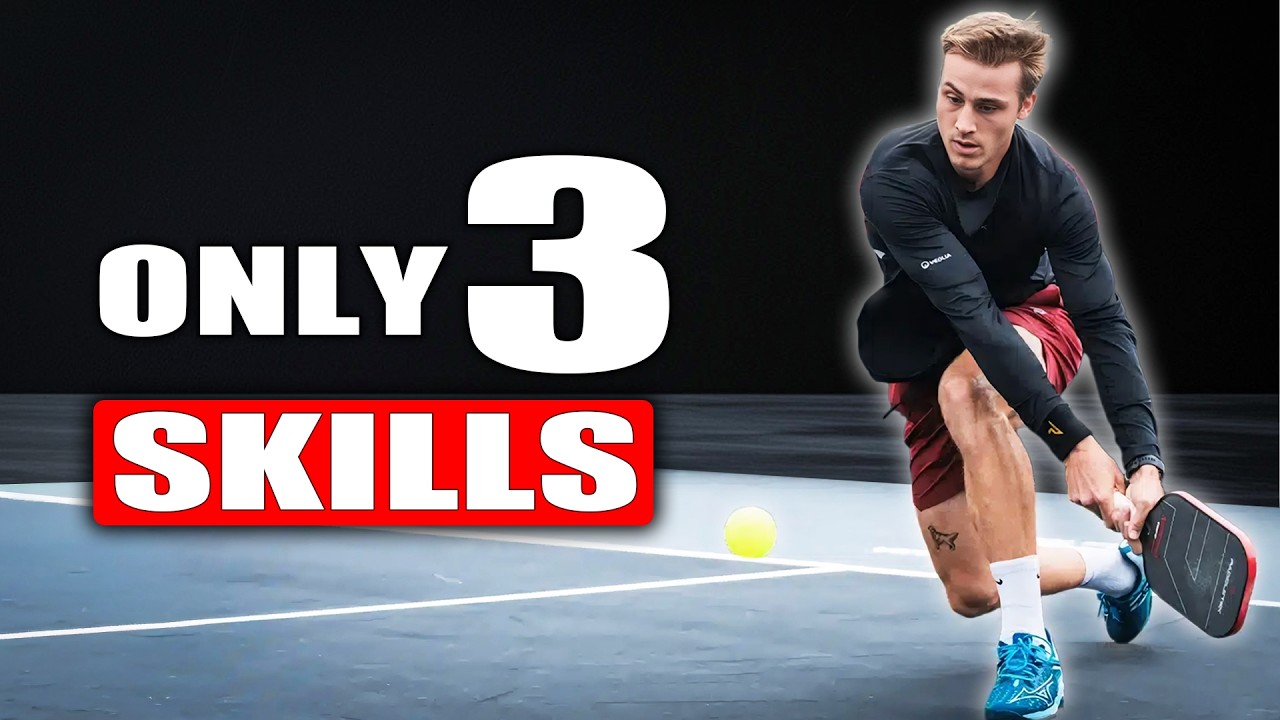
Step 4: Contact Point and Follow-Through
This is where most players get it wrong. They either swing through the ball or pull away from it at contact.
Parris keeps her contact point directly in line with her hips and belly button. She pushes the ball forward from that point.
She does not finish over her shoulder and she does not let her paddle pull across her body.
Her shoulders stay square and parallel to the net through the push. The motion stops just in front of her body, not way out to the side.
Here is the breakdown she gave for what to adjust based on ball height:
- Ball at hip height or above: Hit it flat. Push straight through. No spin needed. You are close to the net and you just need pace and placement.
- Ball below the net: You have to brush up on it. Hitting flat on a low ball either puts it in the net or sends it out long. A little spin is the only way to get it over with control.
- Ball at your feet: This is no longer a counter. It becomes a reset. Do not try to drive a ball that is already dropping that low.
This is the advice that directly contradicts what a lot of coaches teach. Many players are told to always roll or shape the ball on the backhand side.
Parris disagrees when the ball is coming fast. Shaping takes time you do not have, and it costs you consistency when you are that close to the net.
 The Dink Media Team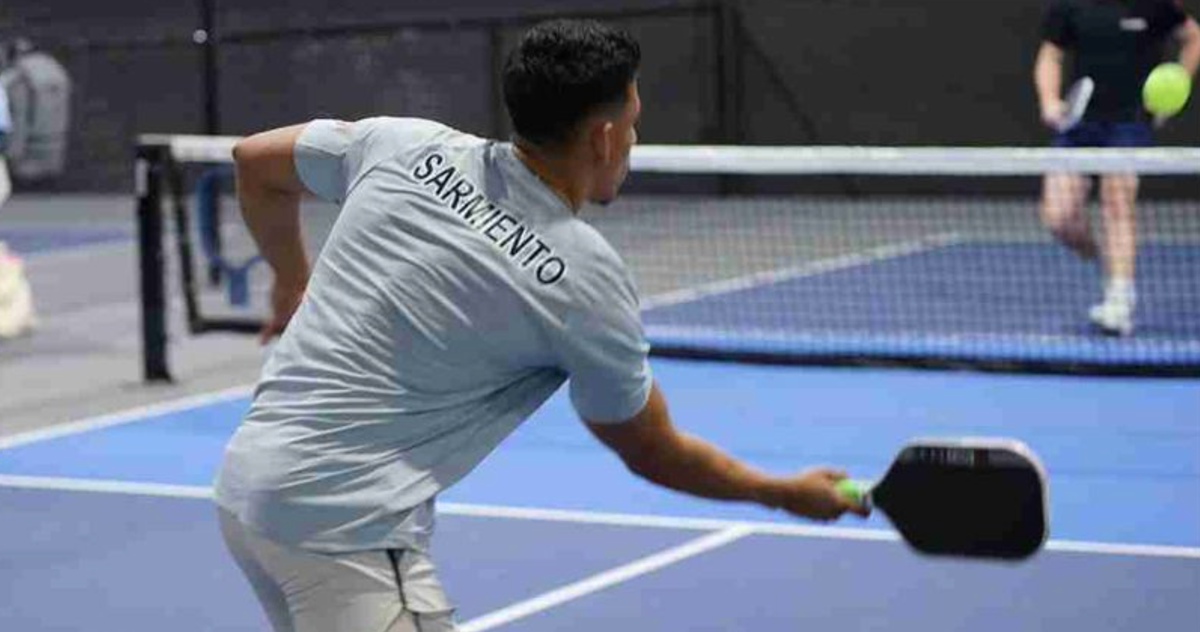
How Do You Handle a Ball Coming Straight at Your Body?
This is the hardest version of the shot, and it is the one opponents target on purpose because Parris is known for using her two-hander.
They aim right at her body to jam the shot.
Her answer is to anticipate and slide. She shifts her weight away from the incoming ball to create the space she needs to get two hands on it.
If she guesses wrong and it comes into her body anyway, she either goes one-handed or adjusts with one more lateral step.
This concept connects directly to a problem many players face when they get tagged in the chest by fast balls at the net.
The solution is not to block, it is to move and create contact space before the ball arrives.
When she is playing on the right side, Parris intentionally favors her backhand side a little more than center.
She knows her opponents are going to test that hip area. She gives herself a head start.
 The Dink Media Team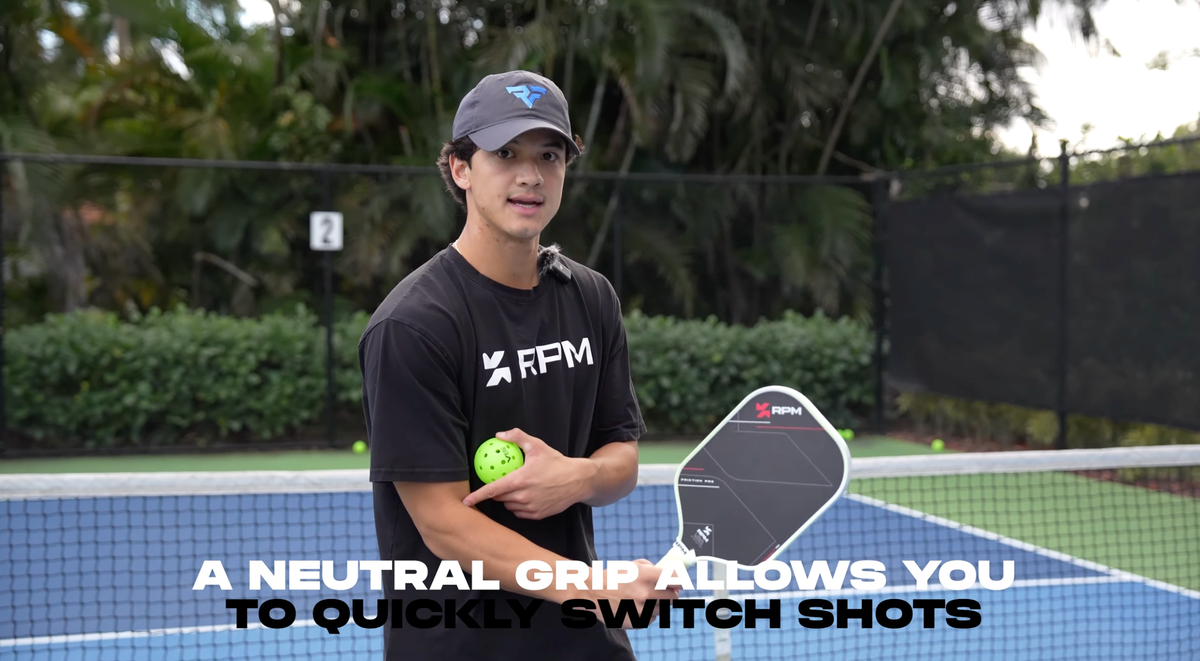
Step 5: The 5 Key Mechanics in Order
Put it all together and here is the full sequence Parris Todd runs through on every two-handed backhand counter:
- Read the swing: Watch your opponent's body for signs of a bigger backswing. React before they hit.
- Shift your position: Move toward the most likely shot direction. Cover the line first.
- Load your core: Turn your hips toward the ball. Keep your hands near your belly button in the ready position.
- Contact at the hip: Make contact directly in front of your hips. Paddle face stays square to the net.
- Push, do not swing: Push the ball forward from contact. Stop the motion in front of your body. Recover immediately for the next ball.
This shot becomes a true counter rather than just a punch when all five of these happen in sequence.
If you skip step one, the rest falls apart because you will always be reacting late.
Understanding why your speed-up keeps getting attacked also helps here.
The same read that Parris uses to counter you is the read your opponents use when you speed up poorly.
 The Dink Media Team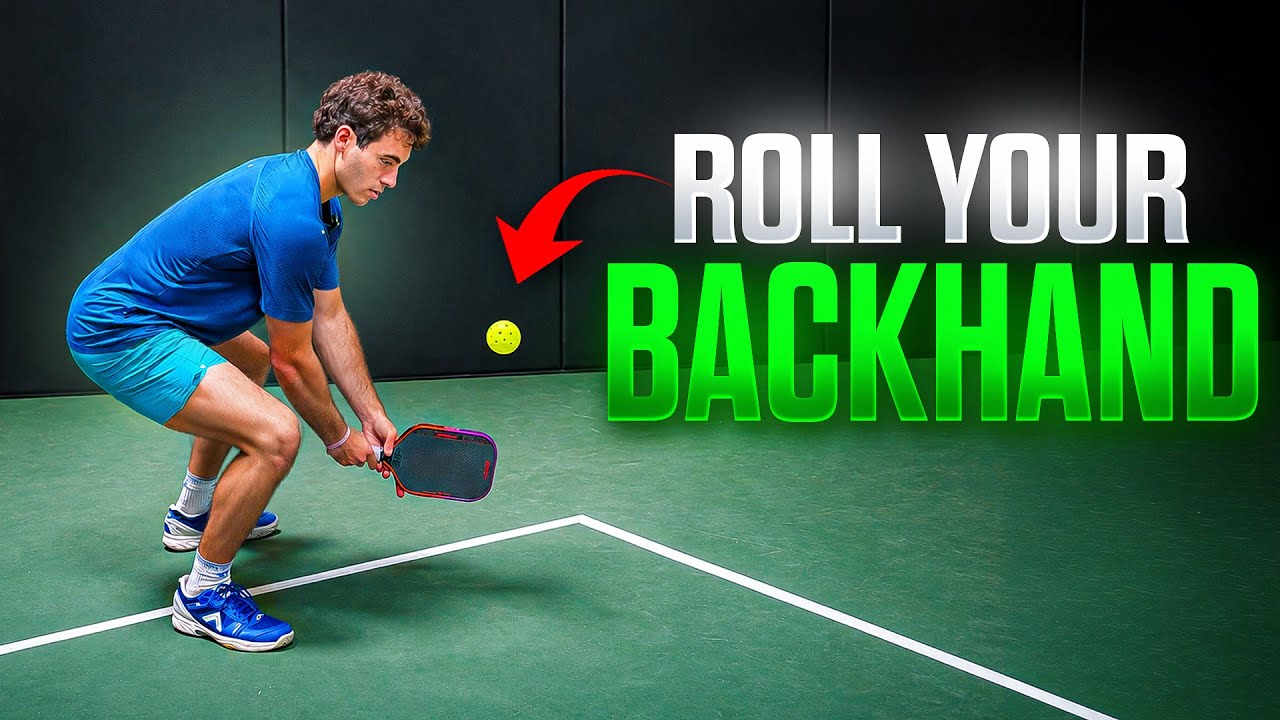
The Common Mistake Parris Spotted Right Away
When she watched the backhand counter on camera, Parris identified one flaw immediately: coming underneath the ball instead of going straight across it.
Players do this because they have been told to brush and add topspin. That works on slower balls.
On a fast ball at hip height, brushing underneath costs you time and consistency.
You end up contacting the ball late and with a weaker angle.
The fix is to flatten your swing path on faster balls. Come straight across the ball, not underneath it.
Pro tips on the two-handed backhand dink reinforce this same idea: your contact path should match the pace of the incoming ball.
She also pointed out that players tend to pull the paddle away from the ball right at contact.
You should stay with the ball through the push. Do not let your arm drift across your body before the ball is actually off your paddle.
Subscribe to The Dink newsletter for more pro breakdowns like this one.
 The Dink Media Team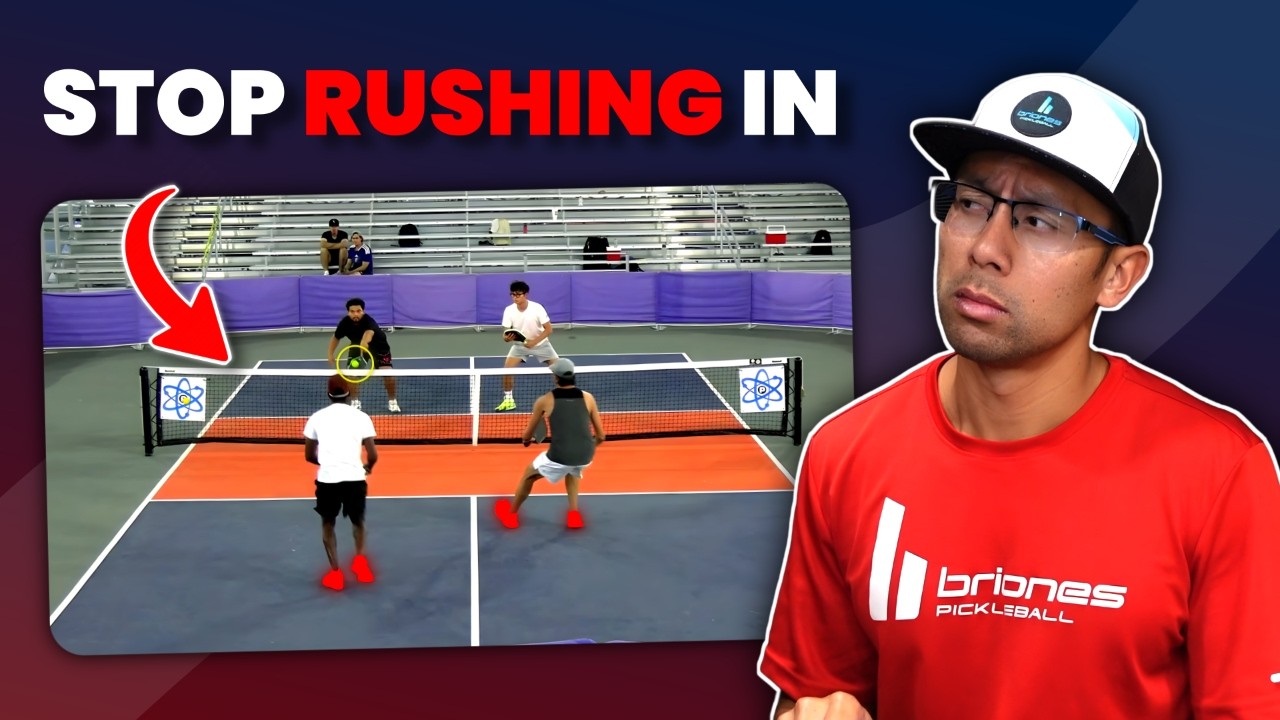
Why This Shot Changes How Opponents Play You
Once you develop a reliable two-handed backhand counter, opponents stop speeding up at your backhand side.
That forces them into more dinks, which gives you time to set up your own offense on your terms.
This is the real payoff. It is not just about hitting one good counter shot.
It is about the threat of the counter changing what shots your opponents are willing to attempt.
Your two-handed backhand becomes a weapon that controls the entire rally dynamic.
For a deeper look at how elite players build that kind of presence at the kitchen line, the breakdown on what makes Tyra Black so unstoppable at the kitchen is worth studying alongside this material.
You should also work through the four-step drill for building fast hands, because the counter only works if your reaction time is already trained.
You cannot think your way through a fast exchange at the kitchen line.
The two-handed backhand counter is not a shot reserved for pros.
With the right read, compact mechanics, and a flat contact point on fast balls, it is absolutely something you can build into your game starting today.
Want to keep developing your hands and your read at the kitchen line?
Look at the drills a PPA pro still uses every practice and add them alongside the mechanics you just learned from Parris Todd.
Frequently Asked Questions
What is a two-handed backhand counter in pickleball?
A two-handed backhand counter is a shot where you use both hands on the paddle to redirect a fast incoming ball back at your opponent with pace, typically from the kitchen line. Unlike a reset, which absorbs pace softly, the counter uses your opponent's speed against them and adds power through core rotation. It is most effective on balls arriving at hip height or higher.
Should you add topspin on the two-handed backhand counter?
Only when the ball is below the net. If the ball is at or above your hips, hitting flat and pushing through is faster and more consistent than brushing underneath. Parris Todd specifically coaches a flat contact path on fast balls because brushing costs you time you do not have.
How do you stop getting jammed when someone speeds up at your body?
Slide laterally before the ball arrives to create contact space. Parris anticipates body shots by shifting toward her backhand side early when she reads a speed-up coming. If the ball still gets into her body, she either goes one-handed or takes one more step to get her arms free.
How do you generate power on the counter without a big swing?
Power comes from your core rotation, not your arm swing. You load your hips when you recognize the incoming speed-up, turn into the ball, and push through contact with your paddle face square to the net. The compact motion actually lets you hit harder because you are using the incoming pace and adding rotational energy on top of it.
Where should you stand to set up the two-handed backhand counter?
Follow the ball. Wherever the dink lands on your opponent's side, shift your chest to face that direction so you are covering the most direct speed-up path. Parris always covers the down-the-line shot first because that is the easiest ball for your opponent to hit, and she accounts for a cross-body speed-up by accepting a reset if she gets caught slightly out of position.

Love Pickleball? Join 100k+ readers for free weekly tips, news & gear deals.
Subscribe to The Dink