Parris Todd Teaches Her Signature Two-Handed Backhand Counter
Top-five PPA pro Parris Todd builds her two-handed backhand counter on three moves you can copy. Dial in the prepare, contact, and follow through and you stop getting attacked at the net.
The two-handed backhand counter is the shot that decides most fast hands battles at the kitchen line, and if yours keeps popping up or flying long, you are losing points you should be winning.
Parris Todd, ranked inside the top five on the PPA Tour, calls it her signature shot.
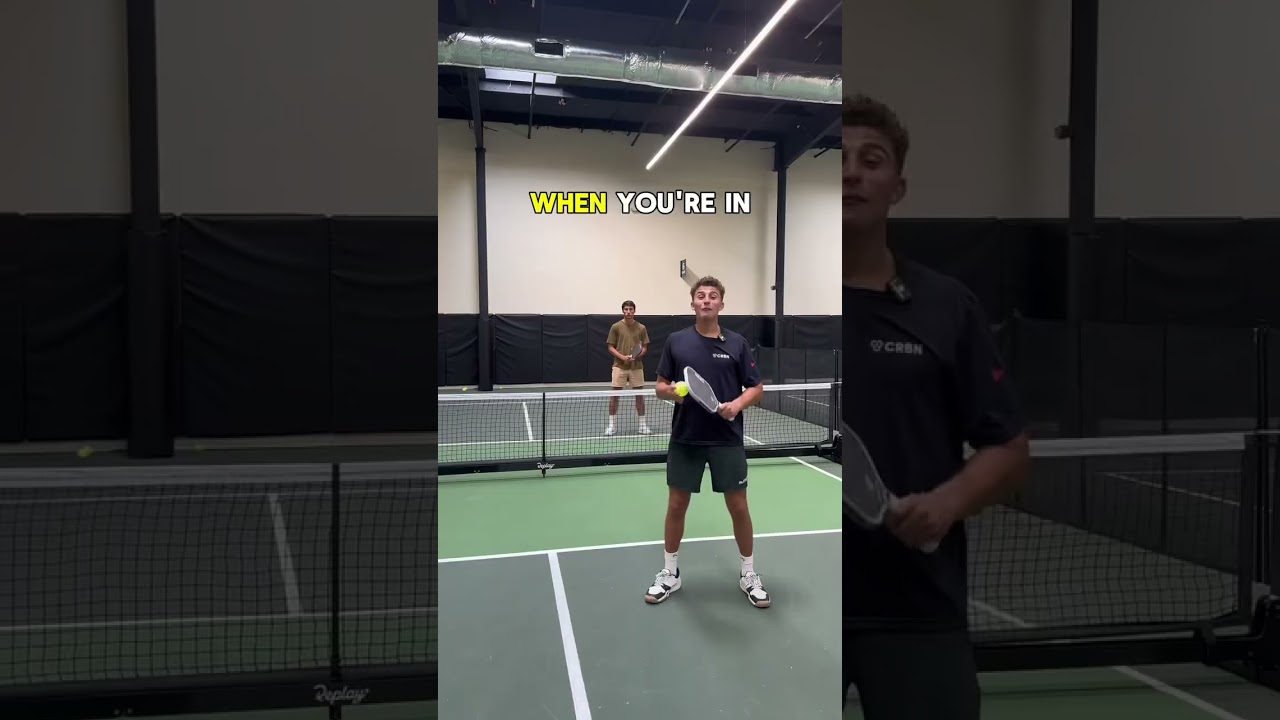
In a 60-second breakdown alongside APP pro Tanner Tomassi, she strips it down to three moves: prepare, contact, and follow through.
Copy those three moves and you turn a defensive flinch into a controlled, offensive reply. Here is exactly how each one works.
Love pickleball? Then you'll love our free newsletter. We send the latest news, tips, and highlights for free each week.
What is a two-handed backhand counter?
A two-handed backhand counter is a compact, two-hand backhand you hit at the net to answer an opponent's speed-up before it can hurt you.
You are not resetting the ball soft and you are not winding up for a full drive.
You are redirecting their pace back at them with a short, firm push.
The second hand is what makes it work. It adds stability and control on a ball that arrives fast, which is why so many pros build their net game around it.
 Alex E. Weaver
If you have ever wondered why you need a two-handed backhand in pickleball, the counter is the answer: it holds up under pace when a one-handed backhand tends to break down.
Watch Anna Leigh Waters and you will see the same shot at the highest level.
Her two-handed backhand counter is the reason opponents are so reluctant to speed the ball up at her, because she turns their attack into her offense.
Step 1: Recognize the ball early and load your body
Todd's first step is recognition: read where the ball is coming, then turn your body and core to prepare to swing. The counter starts before the paddle ever moves.
Most players who get jammed at the net are late, not slow. They see the speed-up, freeze, and then reach with the arm alone.
That is how balls pop off the paddle face and float up for an easy putaway.
Instead, rotate your shoulders and core the instant you read the attack.
That small turn coils your upper body so the shot is powered by rotation, not by a panicked arm swing.
Knowing when to speed up in pickleball also helps you predict when your opponent will, so you are loaded and ready before the ball arrives.
This early read is a big part of what separates 4.0 from 5.0 players. It shows up clearly in the skills gap: the 5.0 is already turned and prepared while the 4.0 is still deciding.
Step 2: Find your contact point out in front
Todd makes contact slightly in front of her belly button, roughly in line with her shoulders, and she does not swing big.
That single detail is the heart of the two-handed backhand counter.
Contact point is everything here. Meet the ball out in front of your body, not beside your hip and not behind you.
In front means you can see it, control the paddle face, and direct the ball where you want it.
Keep the swing small.
Todd pushes the ball forward and borrows her opponent's pace rather than adding her own, and that is the move most players get wrong when they try to take the ball out of the air.
A big backswing on a fast ball is late by definition. A short push arrives on time.
Here is the sequence to groove:
- Read the speed-up and turn your core (Step 1)
- Set the paddle face slightly in front, near belly-button height
- Make contact in line with your shoulders, out in front of your body
- Push forward through the ball, using their pace, with no big backswing
Get the contact point right and the counter stops feeling like a defensive scramble.
It becomes a repeatable, controlled shot you can rely on when the hands speed up, which is the same footing behind winning more hands battles.
 The Dink Media Team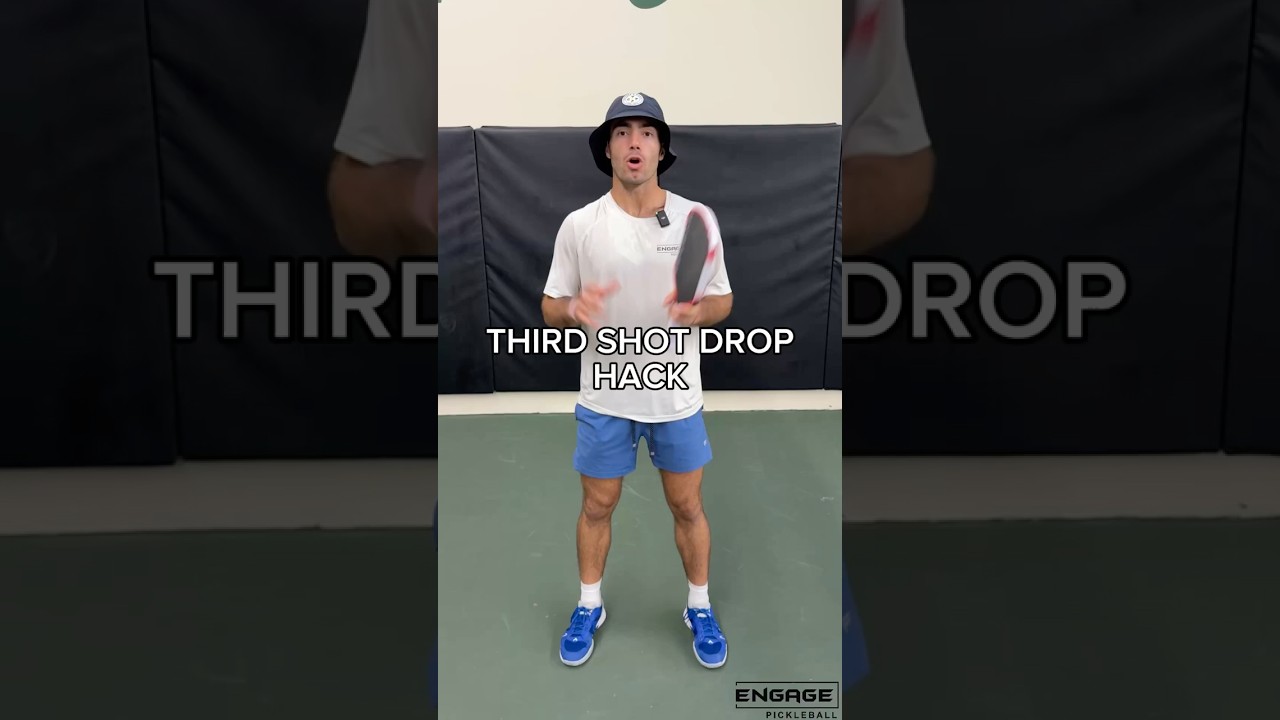
Step 3: Follow through across your body, then reset
Todd's third step is a short follow through across her body, and then she immediately brings the paddle back to the middle for her ready position.
The reset matters as much as the shot.
After contact, let the paddle travel forward and slightly across your body. This keeps the ball on a flat, driving line instead of squirting off to the side.
It is a finish, not a full swing.
Then recover fast. Todd snaps the paddle back to the center of her body so she is set for the next ball, because a counter rarely ends the point on the first shot.
The player who resets to a strong ready position at the kitchen line wins the exchange that follows.
If you drift out of position or drop your paddle after countering, you leave the same gap that gets so many players punished.
Fixing that recovery is one of the fastest ways to stop getting attacked at the kitchen.
 The Dink Media Team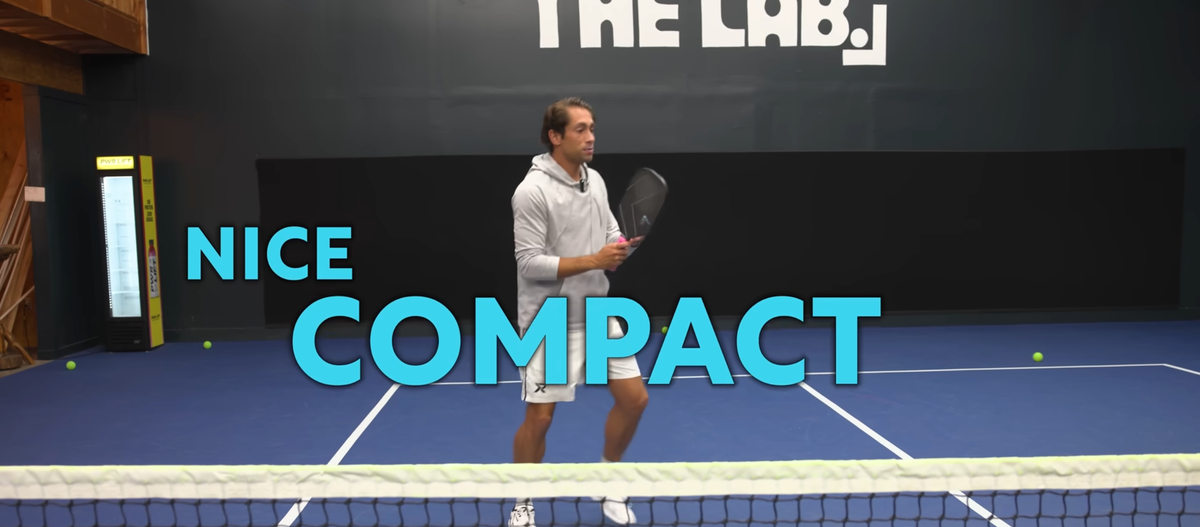
Why does your counter keep popping up?
If your two-handed backhand counter floats up into an easy putaway, the cause is almost always one of a handful of repeat mistakes.
Check yourself against these:
- Late recognition. You react after the ball is on you instead of turning your core early.
- Contact behind the body. The ball gets in on you, the paddle face opens, and it pops straight up.
- Too big a swing. A backswing turns a quick counter into a slow one and sails long.
- Adding your own pace. The counter works off your opponent's speed, so muscling it just sends errors.
- No reset. You admire the shot and get caught flat on the next ball.
Most of these trace back to the same two culprits pros drill constantly, and they overlap with the volley mistakes amateurs make every game.
Slow, deliberate reps fix them faster than hitting hard ever will, and cleaning them up is one of the small habits that shows up in what advanced players do differently.
 The Dink Media Team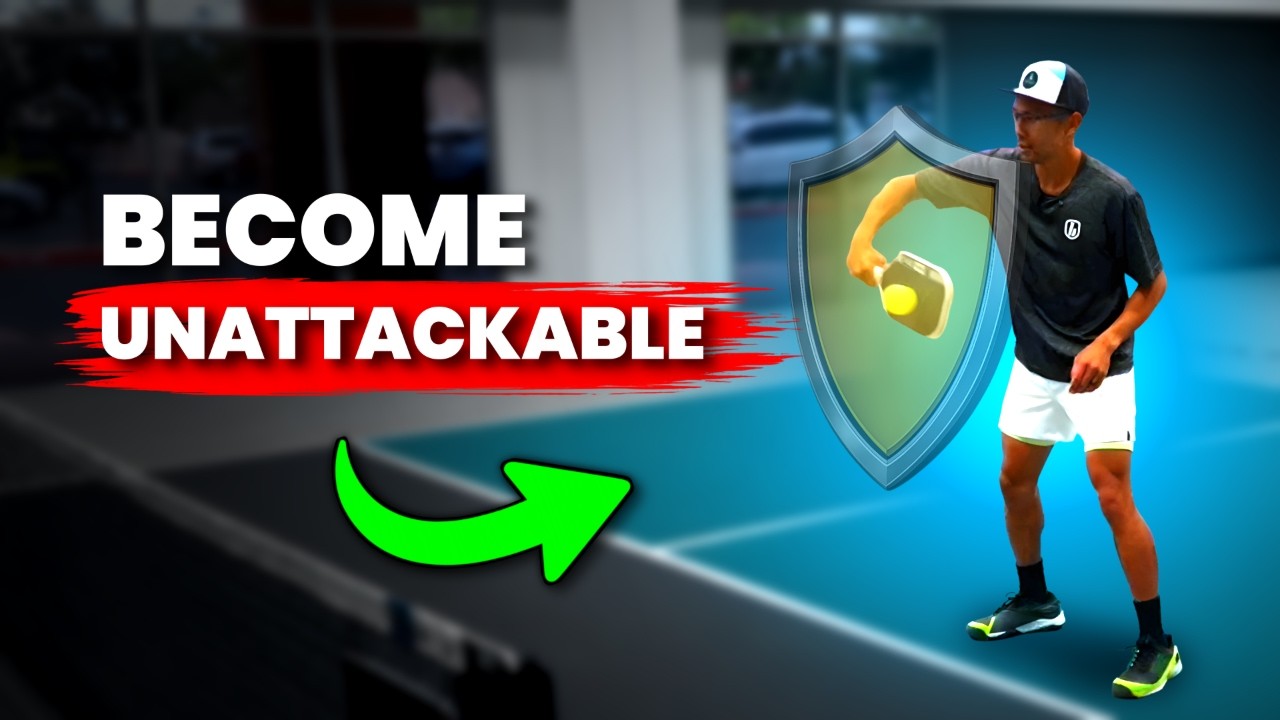
How do you drill the two-handed backhand counter?
Build it in isolation before you trust it in a game.
Stand at the kitchen line and have a partner feed controlled speed-ups to your backhand, one after another, while you focus only on turning early and meeting the ball in front.
Start slow. Get the contact point and the small push repeatable, then ask your partner to gradually add pace.
Speed without a clean contact point just grooves the pop-up you are trying to erase.
From there, layer in the reset by countering and immediately hitting a second and third ball, so recovering to ready position becomes automatic.
This is the same build behind a hand speed drill to win net battles.
Pros like Parris Todd hit thousands of these reps, which is a reminder that the shot is trainable, not a gift. Todd has racked up medals across PPA and APP events in large part because her counters hold up when the pace climbs.
The two-handed backhand counter is also a shot that ages well as you climb the rankings.
The same fundamentals that win rec-league hands battles are on display every weekend on the pro tour, just faster.
Frequently Asked Questions
What is a two-handed backhand counter in pickleball?
It is a compact two-hand backhand hit at the net to answer an opponent's speed-up. Instead of resetting soft or driving big, you push the ball back using their pace, meeting it out in front for control.
Where should I make contact on a backhand counter?
Make contact out in front of your body, roughly in line with your belly button and shoulders, as Parris Todd teaches. Contact behind your body is what makes the counter pop up.
Why does my two-handed backhand counter keep popping up?
Usually because you are late and letting the ball get behind you, or your swing is too big. Turn your core the instant you read the speed-up, keep the swing short, and meet the ball in front.
Do I need a two-handed backhand to counter at the net?
Not strictly, but two hands make the shot far more stable under pace, which is why most pros use it. A one-handed backhand tends to break down on fast balls.
How long does it take to learn the counter?
You can groove the basic motion in a few focused practice sessions, but consistency under real pace takes weeks of reps. The reset to ready position is the last piece most players master.

Love Pickleball? Join 100k+ readers for free weekly tips, news & gear deals.
Subscribe to The Dink