

4 Keys to 'Squishy' Kitchen Line Positioning That Create Instant Offense
Pros have a new favorite word for elite defense: squishy. Here is how the right kitchen line positioning lets you reset a speedup and still take the next ball out of the air.
Good kitchen line positioning is the difference between a player who gets attacked all day and a player who quietly wins the point without ever giving the other team a clean look. Most rec players think the kitchen line is a place you stand. The pros treat it as a place you move through.
There is a word making the rounds at the top of the game for this skill: squishy. It sounds like an insult. It is actually one of the highest compliments a defender can get right now.
Here is what squishy means, why it works, and the four keys to building it into your own game.
Love pickleball? Then you'll love our free newsletter. We send the latest news, tips, and highlights for free each week.
What does "squishy" kitchen line positioning actually mean?
Squishy kitchen line positioning means you start a step or two off the line, then compress forward at the last second to take the next ball out of the air. You are not glued to the kitchen, and you are not stuck deep. You float in between and pick your moment.
Think of a spring. You load back, absorb the pressure, then snap forward into the ball. That give-and-take is the squish.
The payoff is brutal for opponents. As one pro put it, you are "adding offense and being a brick wall on defense" at the same time. You take away their attack and keep your own in your back pocket.
This is the opposite of the planted, flat-footed stance most players default to. If you tend to stop reaching for dinks only after you have already lunged, your kitchen line positioning is too static. Squishy fixes that.
 The Dink Media Team
Why being a "brick wall" wins more than attacking
In a recent pro final, one player went an entire match giving up zero offensive opportunities to the other team while dinking. Her partner created five chances to end points and handed the opponents zero. The contrast was stark: a comparable player created five opportunities but also gave the other team three.
That is the whole game in one stat. You want to extend the point without ever handing your opponent a free ball to attack.
Top coaches drill this relentlessly. The mantra is simple: extend, extend, extend. You are not trying to win the rally on every shot. You are trying to outlast it while staying ready to pounce, which is exactly why taking the ball out of the air is such a weapon when your positioning sets it up.
This patient, suffocating style is what carried Anna Leigh Waters to the top of the sport. The 19-year-old who now dominates pro pickleball rarely beats herself, and squishy positioning is a big reason her defense converts into offense.
 The Dink Media Team
The 4 keys to squishy kitchen line positioning
Squishiness is not one trick. It is four habits stacked on top of each other. Build them in order.
1. Start a step or two off the line, not glued to it
Begin with your kitchen line positioning slightly back. One or two steps off the line gives you room to load and react instead of catching everything on your toes.
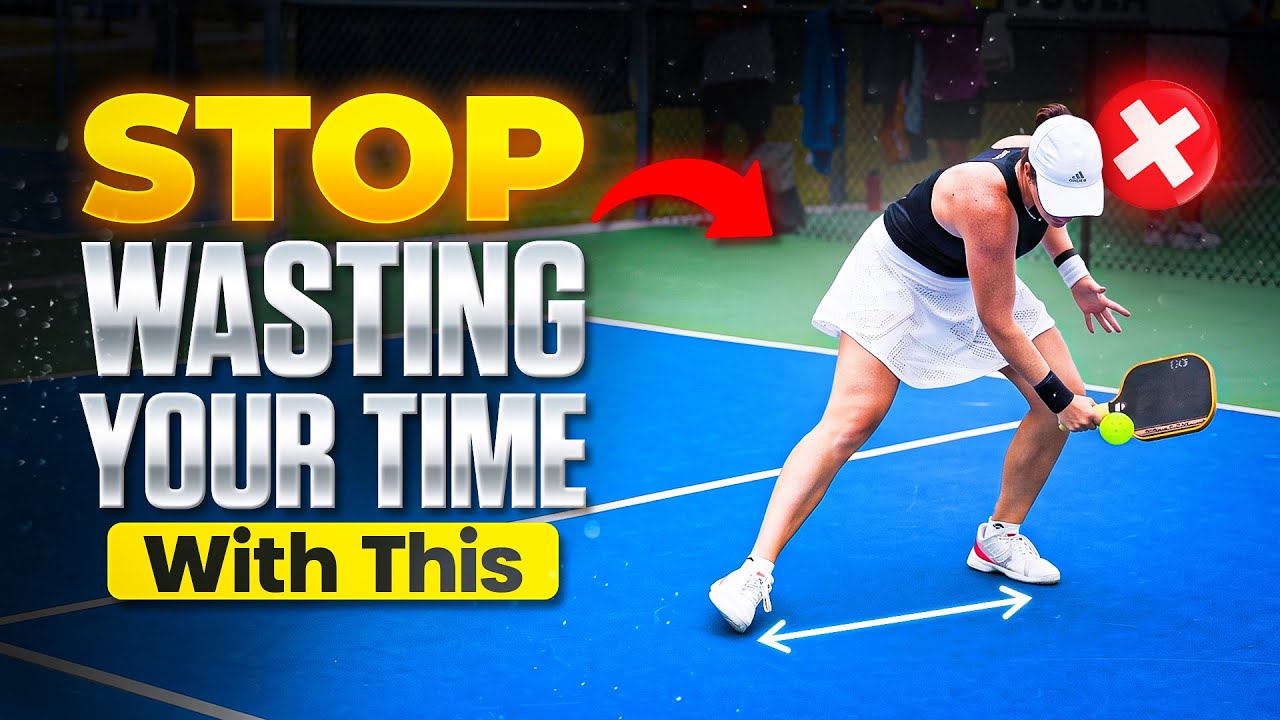
When you stand directly on the line with no give, a hard ball at your feet forces you backward and you pop it up. Starting a touch deeper removes that scramble.
- Set your feet one to two steps behind the kitchen line.
- Bend your knees and keep your weight slightly forward.
- Keep your paddle up and out in front of your chest.
2. Time your move forward to take the ball out of the air
The squish happens when you step onto the line at the last second and take the next ball out of the air. The move is small, deliberate, and late on purpose.
Watch the pros who specialize in this and you will see it. They sit a few steps off the line, then at the last moment they are on the line, cutting the ball out of the air before it can drop. Reading that next ball early is everything, so sharpen your anticipation first.
3. Reset against speedups instead of fighting them
When a speedup comes, the squishy answer is to step off the line, absorb it, and reset rather than swing back in a panic. You buy yourself time and balance.
One pro described working on exactly this: getting more explosive so she can take a step off the line, reset a hard ball, and then reload forward. That short retreat is a feature, not a failure.
The skill of melting back, neutralizing the ball, and returning to the line is the same one you need any time you recover after being pushed back from the kitchen. If you want structured reps, these speed-up drills will help you win more kitchen battles.
Heads up: hundreds of thousands of pickleballers read our free newsletter. Subscribe here for cutting edge strategy, insider news, pro analysis, the latest product innovations and more.
4. Extend the point and give zero free attacks
The fourth key is a mindset: every dink should extend the rally without offering the other team a ball they can attack. Squishy footwork only matters if your shots stay tight while you do it.
That means knowing when to speed up and, more importantly, when not to. A patient, low dink keeps you in control of your kitchen line positioning instead of forcing you to bail out.
Where does squishy footwork fit with the transition zone?
Squishy kitchen line positioning is really a controlled version of transition zone movement, just compressed into one or two steps near the line. The same instincts that help you navigate the transition zone apply here.
The danger is sliding too far back and stranding yourself in no man's land. Squishy is a small, deliberate float, not a full retreat. You stay close enough to attack and just deep enough to defend.
Done right, it is the engine behind elite kitchen control. You dictate the dink rally on your terms.
Is squishiness only for the pros?
No. Anyone can use squishy kitchen line positioning, because it is only one or two steps and does not require elite athleticism. As the pro in the video said, "you don't have to be super super athletic, you don't have to be super explosive to do it."
What it does require is anticipation. You have to read where the next ball is going before it gets there.
There is one clear rule: do not move from two steps off the line to on the line when you already see a speedup coming. Moving forward into an attack is how you pop the ball up. Time your forward squish for a dink or a soft ball, not a rocket aimed at your chest.
A simple way to read the moment:
- Squish forward when the ball is soft, floating, or sitting up for a comfortable out-of-the-air take.
- Stay back and reset when you read a speedup, a hard drive, or a ball aimed at your feet.
- Hold your spot when the rally is neutral and you have no clear read yet.
Interestingly, this is a tool you see more often in the women's pro game than the men's. That is not a ceiling on who should use it, just a hint that patient, point-extending defense is undervalued at the rec level. Anna Leigh Waters, whose Nike deal signaled pickleball's arrival, built an empire on exactly this kind of suffocating, opportunistic defense.
100s of thousands of pickleballers read The Dink Newsletter, including pros, business owners, beginners & (probably) your grandma. Click here to subscribe, it's free.
Frequently Asked Questions
What is "squishy" in pickleball?
Squishy describes a defender who starts a step or two off the kitchen line, then compresses forward at the last second to take the next ball out of the air. It blends patient defense with the ability to attack, so opponents never get a clean look. The word is becoming a genuine compliment among pros.
How far off the kitchen line should I stand?
Start about one to two steps behind the line. That is enough room to load, reset a speedup, and step back in without leaving yourself stranded deep in the court. Any farther and you drift into no man's land.
Does squishy kitchen line positioning work for recreational players?
Yes. It is only one or two steps and does not require elite speed or athleticism. The harder part is anticipation, so practice reading the next ball before you commit your feet forward.
When should I not use squishy footwork?
Do not squish forward onto the line when you can already see a speedup coming. Moving into a hard, fast ball is how you pop it up. Save the forward move for dinks and soft balls, and step back to reset against attacks.
How do I practice taking the ball out of the air?
Drill it live. Have a partner feed dinks while you sit a step off the line, then move in and take the ball out of the air before it bounces. Reps build the timing and anticipation that make squishy positioning automatic.

Love Pickleball? Join 100k+ readers for free weekly tips, news & gear deals.
Subscribe to The Dink