
5 Pickleball Dink Tips and Drills to Instantly Improve Your Kitchen Game
Learn how to stop unforced errors, master the ready position, and dominate the non-volley zone to win more matches.
Pickleball court lines define every rule, but pickleball dink technique defines every point. You'd be surprised how many players still get the dink wrong.
The kitchen foul debate, the pop-up at match point, the endless rally that ends in an error, all of it comes back to mastering the pickleball dink cold.
Miss this fundamental and you're arguing with yourself about why you lost points you should have won before you ever picked up a paddle.
Here's the good news: the pickleball dink is straightforward once you see it as a system, not a list of random techniques.
Love pickleball? Then you'll love our free newsletter. We send the latest news, tips, and highlights for free each week.
What Are the Essential Pickleball Dink Fundamentals?
The pickleball dink forms the complete soft game system across the non-volley zone.
Every tip has a specific name and a specific function tied directly to winning rallies.
There are no flashy moves here, every technique matters.
The full set of pickleball dink fundamentals includes:
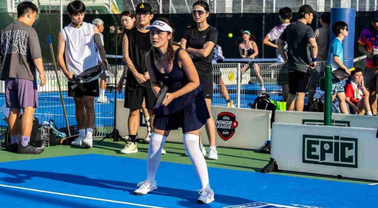
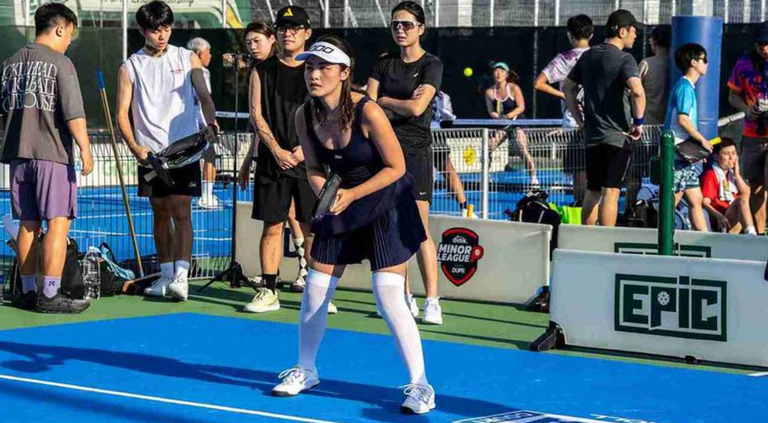
- Neutral Ready Position: proper paddle alignment and height at the kitchen line
- Firm Wrist Technique: maintaining paddle stability through contact
- Paddle Vision Tracking: keeping the paddle face in your field of sight
- Offense vs. Defense Strategy: categorizing shots based on positioning
- Simplified Swing Motion: doing the bare minimum for maximum control
The dink pickleball system is the same for both recreational and competitive play.
That surprises a lot of players who assume pros use completely different techniques. They don't.
If you want to break through to the next rating level, understanding the 5 pickleball shots you must master before 2026 starts right here at the kitchen line.
Pickleball dink fundamentals stay constant regardless of skill level.
The Neutral Ready Position: The Most Important Foundation for Pickleball Dink
The neutral ready position, universally called the foundation of pickleball dink, is where more unforced errors and lost points happen than anywhere else.
Your paddle should be positioned perfectly before you even see the ball come toward you.
The rule is absolute: you cannot favor one side of the paddle.
If you lean too heavily on forehand or backhand, a fast ball to your opposite side will catch you completely off guard.
It doesn't matter if you're technically in position; if your momentum carries you off-center after hitting a dink, you're already compromised for the next shot.
Here's the catch a lot of players miss: the ready position is dynamic during a dink pickleball rally.
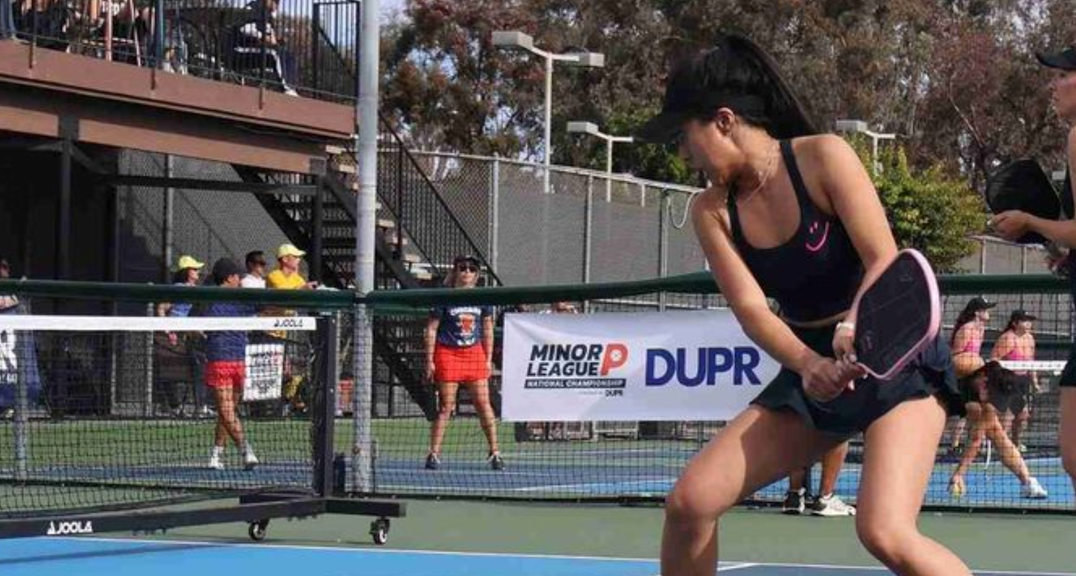
Your paddle must stay high and out in front throughout the exchange.
If your paddle hand drops below your waistline during a pickleball dink rally, you're already playing defense.
Knowing how to position yourself at the kitchen tactically depends on maintaining this neutral stance.
The Drill: The Ball Tap Drill for Pickleball Dink Ready Position
To build the muscle memory for a neutral pickleball dink ready position, try the go-to dink pickleball exercise.
- How to do it: Step up to the kitchen line with your drilling partner. Hold a second pickleball in your off-hand (non-paddle hand). Every time you hit a dink, you must immediately bring your paddle back to center and gently tap the face of your paddle with the ball in your off-hand.
- Why it works: This creates an immediate audio and visual cue, forcing you to reset your paddle to a perfect, high, neutral ready position after every single pickleball dink shot. Pair this with the 12 drills you need to play your best pickleball in 2026 to build a complete pre-match warm-up routine.
What Is a Firm Wrist in Pickleball Dink?
The pickleball dink firm wrist is the back boundary of consistency, running the full duration of every kitchen rally.
A loose wrist sits 2-3 degrees off from optimal paddle angle, and that tiny deviation creates net clips or balls sailing past the kitchen line.
When you're dinking at the kitchen line, your wrist must not flex or twist before the ball is struck.
A ball landing with inconsistent trajectory because of wrist movement is a self-inflicted error. Full stop. The wrist is part of the paddle system.
The firm wrist matters most for pickleball dink consistency and trajectory control.
Three options from the kitchen line open up when you understand exactly how stable your paddle face needs to be before dink pickleball contact.
Tactically, the firm wrist is your consistency anchor, and knowing how to lock it helps you decide when to push deep versus keeping shots low.
The Drill: The Paddle Slap Test for Dink Shot Stability
Before you start your next dink pickleball game, try this quick test with a partner to check your wrist strength.
- How to do it: Hold your paddle directly out in front of you. Let your wrist go completely limp, then engage your muscles to pull the top tip of the paddle toward your face without moving your forearm. Once your wrist is locked into this strong position, have your partner lightly slap the top of your paddle.
- The Goal: Your paddle should stay entirely firm and upright, resisting the slap without buckling or shifting. Bring this exact level of firmness to the kitchen line for every pickleball dink. It sounds simple, but most rec players have never actually tested their wrist stability before a match.
Understanding how UPA-A's 2025 pickleball paddle guidelines affect paddle construction can also help you choose gear that complements a firm-wrist dinking game.
 The Dink Media Team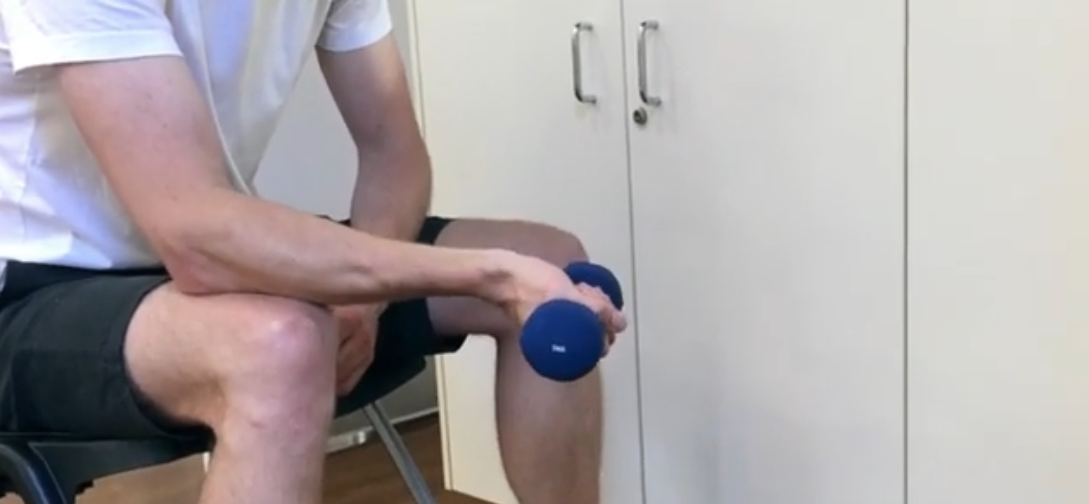
How Does Paddle Vision Tracking Work for Pickleball Dink?
The pickleball dink paddle vision divides successful rallies from failed ones. It runs from the moment you see the ball to the moment it crosses the net.
Big, looping swings are the ultimate enemy, a ball traveling outside your peripheral vision causes timing errors constantly.
Here's what's worth knowing: the paddle face itself is the tracking point on a dink shot.
If you lose sight of your paddle face for even a split second during a pickleball dink, your backswing is too big.
That's one of those rulings that causes a lot of confusion in rec play.
The only movement that faults a dink pickleball shot is letting the paddle drop out of sight, overshooting the ball, or using excessive wrist flick.
Understanding how to track your paddle during pickleball dink starts with keeping it within your field of vision.
The Drill: The Peripheral Vision Drill for Dinking Accuracy
This dink pickleball drill is entirely focused on tracking mechanics rather than the placement of the ball.
- How to do it: Engage in a standard cross-court dink rally with a partner. As you play, use your peripheral vision to consciously track your paddle face through the entire duration of the swing. Do not look away or let the paddle drop out of sight.
- Why it works: Forget about whether your pickleball dink shots are landing perfectly at first. Focus 100% on keeping the paddle within your eyesight. If you lose sight of your paddle for even a split second, your backswing is too big. Shorten your stroke and try again.
This habit alone will eliminate a significant percentage of unforced errors in your kitchen game.
For a broader view of how minimal motion wins points at every level, see why professional pickleball players abandoned the slice shot in 2025.
 The Dink Media Team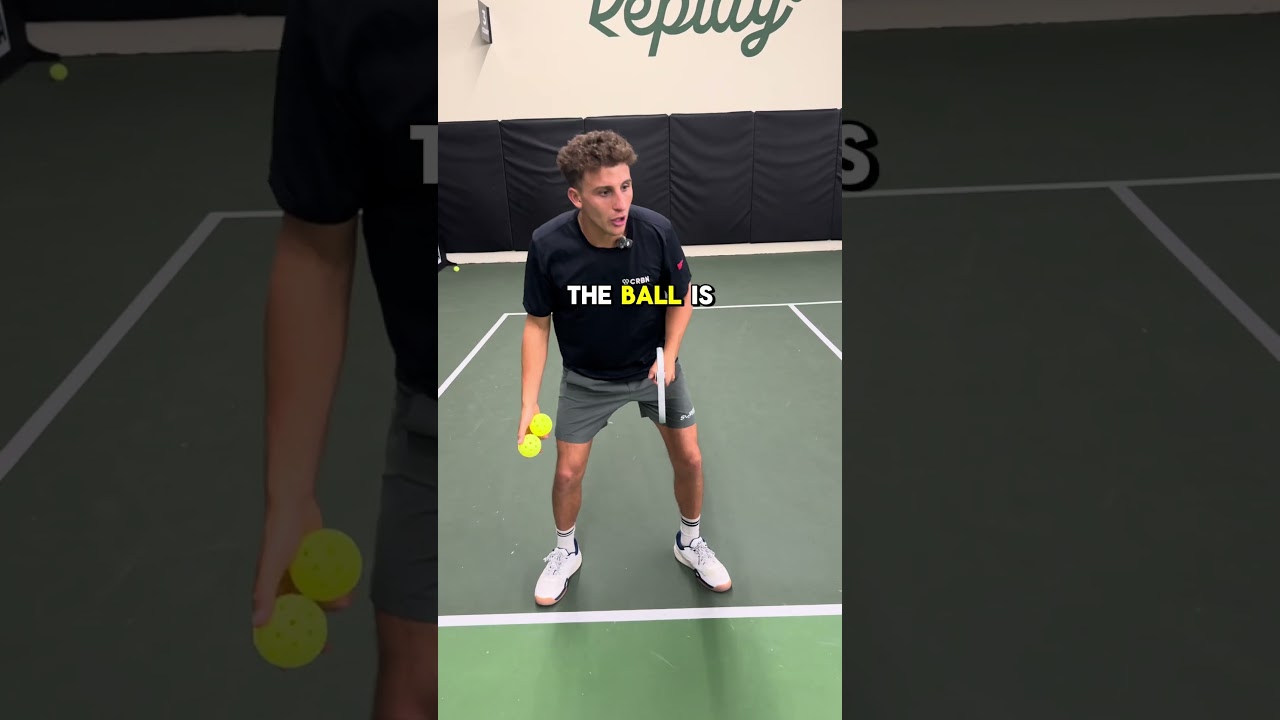
Are Pickleball Dink Shots Offense or Defense?
All pickleball dink shots fall into offense or defense categories during a rally.
If you're balanced at the kitchen line with your partner well-positioned, your dink is offensive.
If you're off-balance or your partner is compromised, your dink pickleball shot is defensive.
This is one of the most frequently confused strategic concepts in recreational play.
PPA pro Ashley Griffith clarifies this in her top 5 pickleball dink tips: offensive dinks are pushed deep into opponents' feet or angled wide, while defensive dinks are soft resets aimed safely toward the middle.
The implied strategy, that you should attack when safe and neutralize when stretching, is the standard dink pickleball framework.
The kitchen line follows the same logic.
Ball hits short and you're balanced? Attack. Ball pushes you back or your partner is out of position?
Dink patiently. That call happens in close rallies constantly, and it's always the difference between winning and losing points.
Doubles pickleball dink strategy around positioning often involves forcing opponents into defensive dink situations.
For a complete framework, a simple 4-step system to win more pickleball games in 2026 breaks down how the offense-vs-defense dink decision fits into the bigger strategic picture.
 The Dink Media Team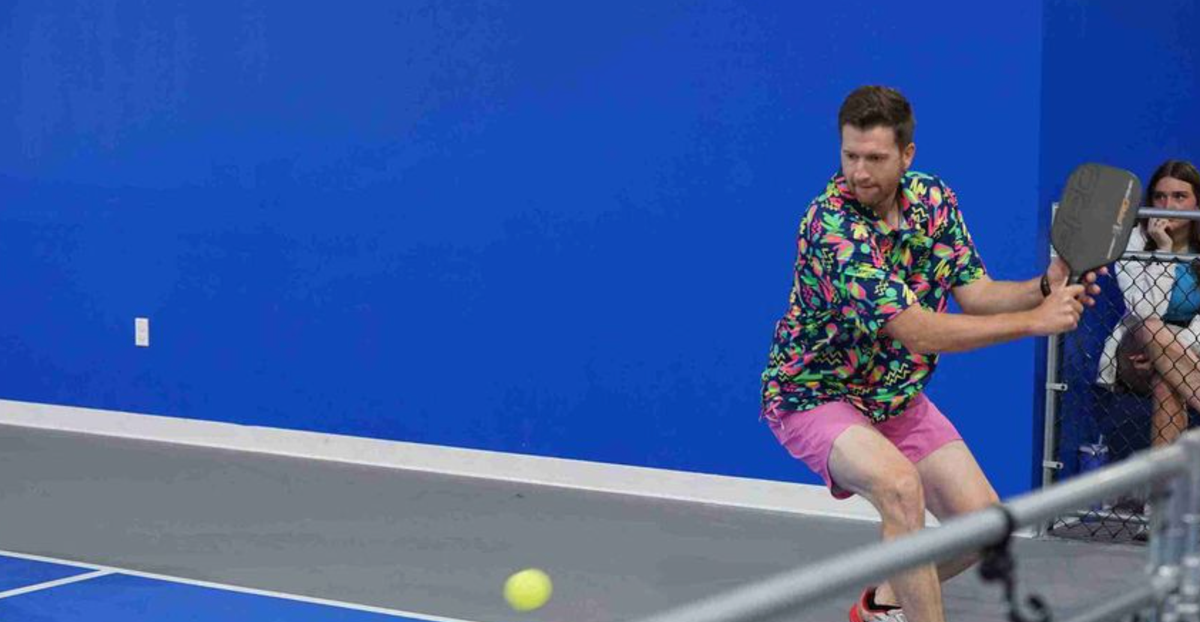
Why Do Pickleball Dink Swing Motions Matter?
This one's for the serious dink pickleball players.
Per pro standards, all pickleball dink swings should be minimal, no unnecessary wrist flicks, excessive lifting, or extreme slice.
That minimal motion is factored into the pickleball dink system's overall consistency: the less you move, the more controlled your shots are.
On competitive courts, swing simplicity is also regulated by physics. Less motion means less room for human error.
Most competitive players use the "bare minimum" push motion on pickleball dink shots.
This might sound like trivia, but over-complicated dinking technique is a legitimate issue in recreational play, especially under pressure or in tight rallies.
Getting the most out of your court time sometimes just means simplifying the pickleball dink motion you use.
Curious how this applies beyond the kitchen?
6 essential pickleball shots to master for 2026 covers the full arsenal, from resets to speed-ups, with the same minimal-motion principle at its core.
The Drill: The Low-Motion Push Drill for Pickleball Dink Control
This pickleball dink exercise strips away all the unnecessary moving parts of your swing to highlight just how little effort a great dink actually requires.
- How to do it: Stand at the kitchen line and square your body up. As your partner dinks to you, freeze your body movement entirely. Do not take a backswing. Simply set your paddle face at a slight upward angle and gently push the ball forward, using nothing but the slight momentum of your shoulder.
- Why it works: Repeating this drill shows you how a tiny bit of power and a stable paddle face can effortlessly guide the pickleball dink ball over the net time and time again. By doing less, you minimize room for human error and maximize your control.
This is the drill elite coaches use to fix rec players who've developed bad habits under pressure.
Stack it with the full strategy breakdown in modern pickleball's four key strategies to winning in 2026 and your kitchen game will look completely different in a matter of weeks.
 The Dink Media Team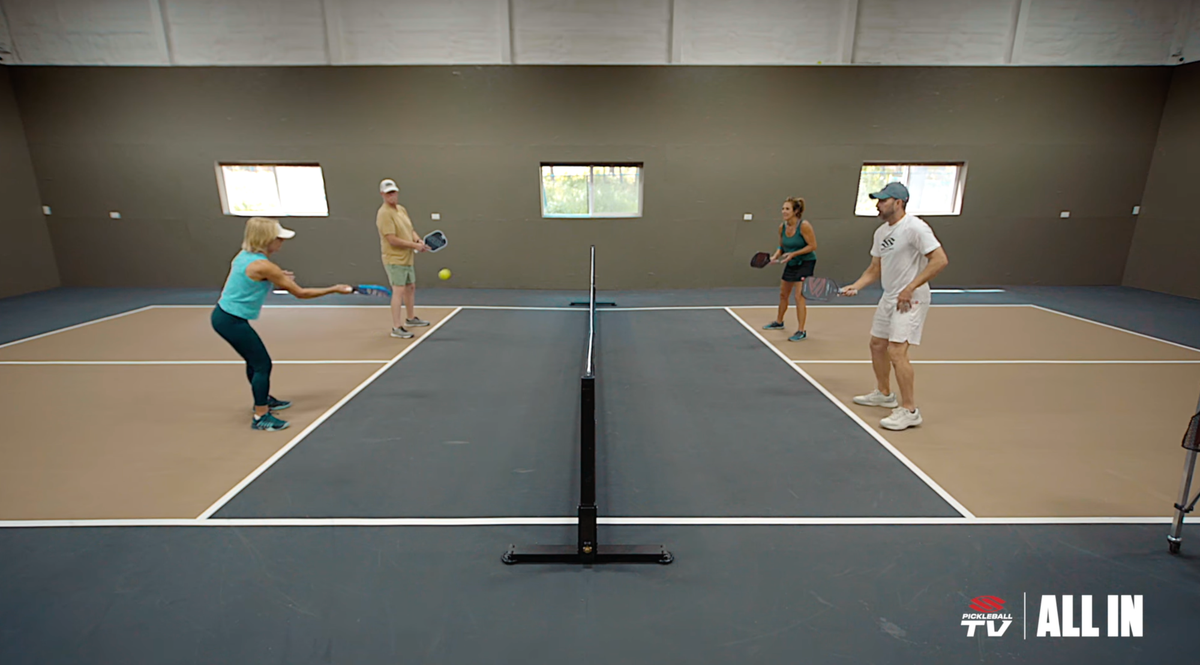
Pickleball Dink: The Full Breakdown
Every one of these pickleball dink fundamentals works together.
Know where each sits in your technique, know the application for each context, and you'll never lose a point to dink pickleball confusion again.
Beginners especially benefit from learning the pickleball dink system before worrying too much about shot power, because the fundamentals will govern every exchange you ever have.
Per 7 new USAP pickleball rules for 2026 you need to know, NVZ violations during kitchen exchanges remain among the most common faults in recreational play, making this technical foundation even more critical.
 The Dink Media Team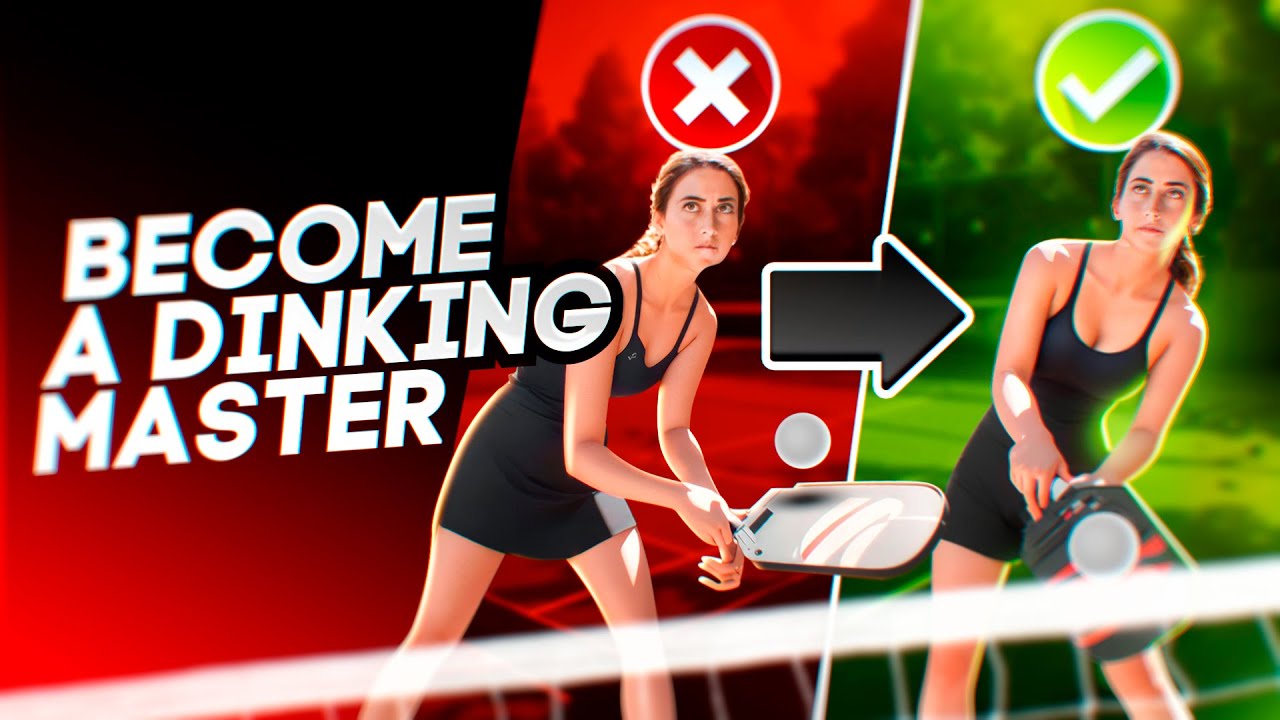
Key Takeaways
- Mastering the pickleball dink is the ultimate equalizer in pickleball, separating reactive players from kitchen dominators at any skill level.
- The neutral ready position is the foundation of dink pickleball, with paddle height above waistline and edge alignment preventing off-center errors.
- A firm wrist is critical for pickleball dink consistency, loose wrists cause net clips and wayward shots that cost points.
- Paddle vision tracking divides successful dink pickleball rallies from failed ones; losing sight of the paddle face causes timing errors.
- Simplified swing motion (bare minimum push) maximizes pickleball dink control by minimizing room for human error.
Frequently Asked Questions
What is a pickleball dink?
A pickleball dink is a soft shot executed near the net that lands in the opponent's non-volley zone (kitchen). It's crucial for controlling pace and setting up winning opportunities in the NVZ. Mastering dink pickleball technique separates reactive players from kitchen dominators.
How do I improve my dink pickleball consistency?
Focus on five fundamentals: neutral ready position, firm wrist, keeping your paddle in your field of vision, offense vs. defense shot strategy, and simplifying your swing. Practice the Ball Tap Drill daily for pickleball dink muscle memory and consistency.
What grip is best for pickleball dinking?
Use a relaxed grip pressure of 4-5 out of 10. Too tight reduces touch; too loose causes wrist instability during dink shot contact. Ashley Griffith emphasizes proper grip strength for pickleball dink control and eliminating pop-ups.
How often should I practice dink drills?
Aim for 10-15 minutes of dink pickleball drills before every session. Cross-court dink rallies build muscle memory fastest and improve kitchen line consistency in matches.
When should I attack versus dink patiently?
Attack when you're balanced at the kitchen line with your partner well-positioned. Dink patiently when off-balance or your partner is compromised, this pickleball dink strategy wins more points and prevents unforced errors.
What are the 3 types of pickleball dinks?
The three core pickleball dink variations are: (1) Flat Dink for consistency rallies, (2) Slice Dink to force opponents upward with downward spin, and (3) Topspin Dink to push balls deeper into opponents' feet. Mastering all three dink shot variations gives you tactical flexibility.
What are common pickleball dink mistakes?
Common pickleball dink mistakes include: pop-ups (ball launches above kitchen), net clips (loose wrist), over-slicing (excessive spin reduces control), watching only the ball (losing paddle tracking), and playing the same dink repeatedly so opponents can anticipate. Addressing these accelerates your dinking technique improvement faster than any other fix.

Love Pickleball? Join 100k+ readers for free weekly tips, news & gear deals.
Subscribe to The Dink