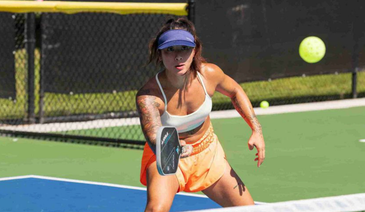
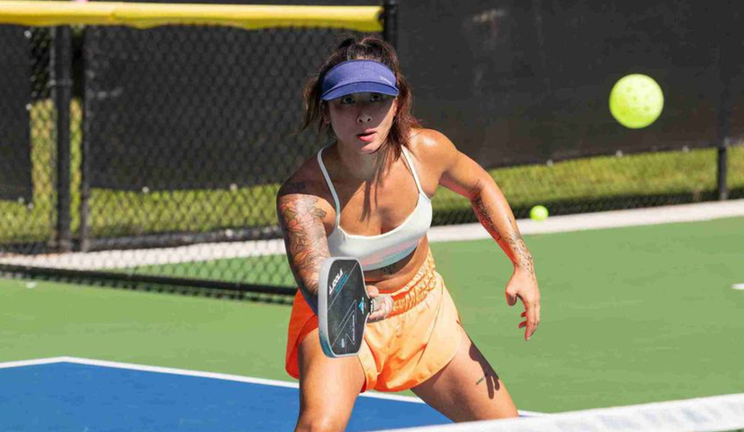
Paddle tracking is the foundational pickleball skill that all pros use to stay ahead of the action. By keeping your paddle tip pointed at the ball, you shift from reactive to proactive play.
Here's something that separates the pros from everyone else on the pickleball court: paddle tracking. It's not flashy. It's not complicated.
But it's absolutely fundamental to playing better pickleball, and chances are, you're not doing it right.
Tanner Tomassi recently broke down this essential skill in a 60-second video that cuts straight to the heart of what makes elite players so effective at the net.
The concept is simple, but the impact is profound.
Love pickleball? Then you'll love our free newsletter. We send the latest news, tips, and highlights for free each week.
What Exactly Is Paddle Tracking?
Paddle tracking is deceptively straightforward: wherever the ball is on the court, your paddle tip should be pointing at it.
That's it. That's the whole thing.
Think of your paddle as a compass needle and the ball as magnetic north. No matter where the ball moves, your paddle follows.
When the ball comes toward you, your paddle is already positioned to meet it. When it's across the court, your paddle is oriented in that direction.
According to Tomassi's analysis, this single adjustment transforms how you respond to incoming shots.
Instead of scrambling to get your paddle in position after the ball is already on top of you, you're already there, waiting.
Why Does Paddle Tracking Matter So Much?
The difference between proactive and reactive play comes down to positioning.
When you're tracking the ball with your paddle, you're anticipating. You're ready. The moment that ball gets sped up or redirected, you're not caught off guard.
Here's what happens when you don't track:
- The ball is coming your way, but your paddle is down by your hip or tucked behind your body.
- By the time you realize what's happening, the ball is already past you or forcing you into a defensive scramble.
- You're reacting instead of controlling.
Professional players understand that pickleball is a game of positioning and anticipation. Paddle tracking is the foundation of both.
It keeps you mentally engaged with every shot and physically prepared for whatever comes next. Understanding how to anticipate every shot like a pickleball pro starts here.
 The Dink Media Team
The Mistake Most Players Make With Paddle Tracking
Most recreational players make the same error: they keep their paddle down or in a neutral position and only bring it up when they see the ball coming.
This creates a lag between visual recognition and physical response.
By the time your brain registers the incoming shot and your muscles react, you've already lost the advantage.
You're no longer in control of the point. You're just trying to survive it.
Tomassi emphasizes that the pros do it differently. They're constantly tracking, constantly aware, constantly ready.
Their paddle is always oriented toward the action, which means they can respond with intention rather than panic. This same principle is at the core of modern pickleball hand speed and paddle positioning — a concept elite players obsess over.
This isn't about having faster reflexes or better hand-eye coordination. It's about being smarter with your positioning and more intentional with your movement.
The Dink Media Team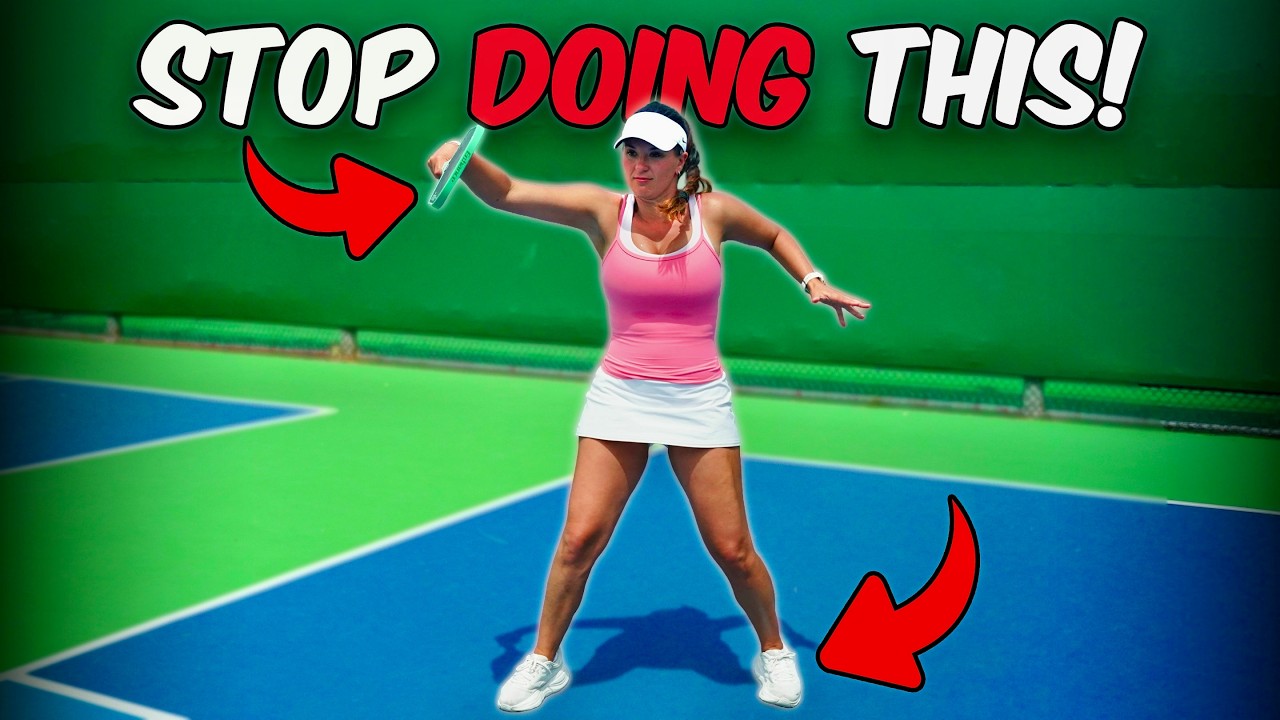
How to Start Implementing Paddle Tracking
The beauty of paddle tracking is that you can start using it immediately. There's no special equipment needed.
There's no complex drill sequence. You just need awareness and repetition.
During your next practice session or casual game, focus on one thing: keep your paddle tip pointed at the ball. Not your body. Not your shoulders.
Your paddle tip. Make it a habit to orient your paddle toward wherever the ball is, whether it's on the other side of the net or coming directly at you.
At first, it'll feel awkward. You'll catch yourself dropping your paddle or losing focus. That's normal.
But after a few sessions, it becomes automatic. Your body starts to understand the positioning without you having to think about it consciously.
The key is consistency. Every single shot, every single rally, every single practice session.
Make paddle tracking non-negotiable, and you'll notice the difference in your game almost immediately. Simple wall drills can help you build this tracking habit faster on your own.
The Dink Media Team
The Bigger Picture: Why Fundamentals Win in Pickleball
In pickleball, like any sport, the fundamentals separate the good players from the great ones.
You can have all the athleticism in the world, but if your fundamentals are shaky, you'll plateau quickly.
Paddle tracking is one of those foundational skills that doesn't get enough attention. It's not as glamorous as a put-away volley or a perfectly executed third shot drop.
But it's the invisible work that makes those shots possible. Players who invest in the basics like perfecting pickleball posture and paddle positioning are the ones who climb ratings.
When you're tracking the ball with your paddle, you're setting yourself up for success on every single point.
You're reducing errors, increasing your reaction time, and playing with more confidence. That's the kind of compound improvement that leads to real progress.
The Dink Media Team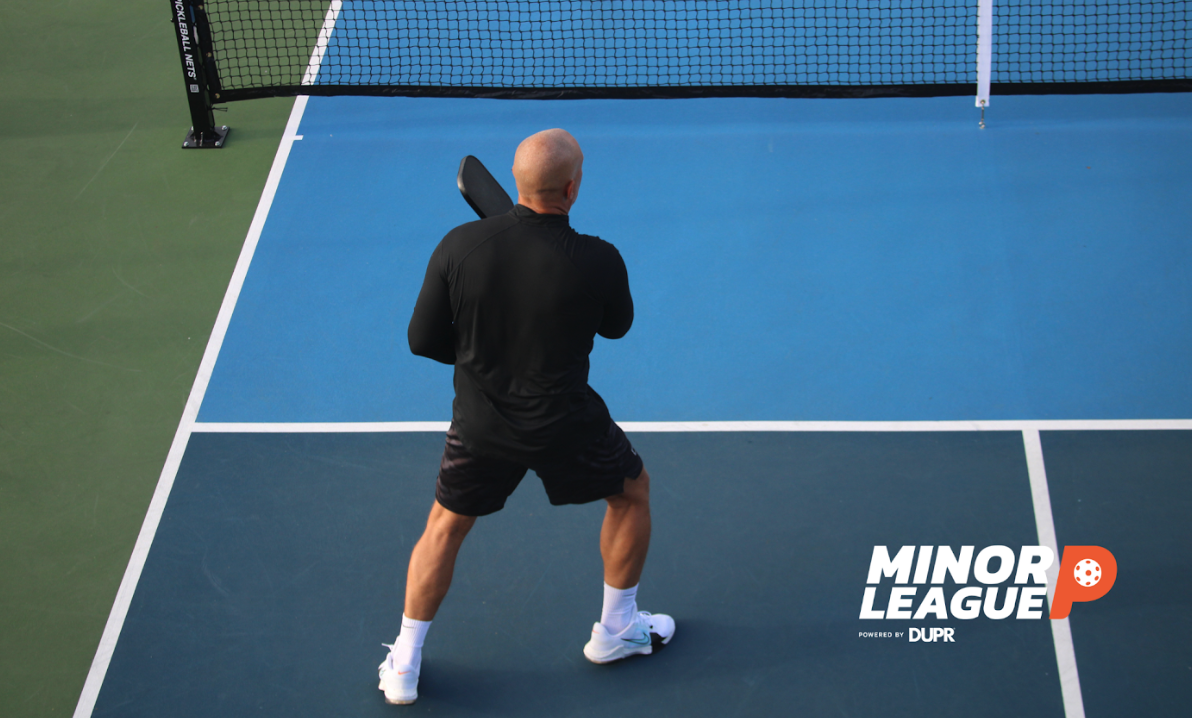
Making Paddle Tracking Stick: Practice With Purpose
The difference between knowing something and actually improving is practice.
Knowing that paddle tracking matters is one thing. Actually implementing it during matches is another.
Start by drilling with a partner who understands what you're working on. Have them feed you balls at different speeds and angles while you focus solely on keeping your paddle tip oriented toward the incoming shot.
Don't worry about hitting winners. Just focus on the positioning.
After a few sessions of deliberate practice, bring it into casual games. Then into competitive matches.
The more you practice with intention, the more automatic it becomes. This is the same kind of deliberate repetition that develops faster hands in pickleball — small inputs that compound over time.
This is how pros develop their edge. They obsess over the small details that most players overlook.
Paddle tracking is one of those details that, once mastered, changes everything about how you play. Pros like those profiled in behind-the-scenes coverage at the Mesa Cup demonstrate this foundational awareness in every single rally.
The Dink Media Team
The Takeaway
You don't need a complete overhaul of your game to get better at pickleball.
Sometimes the biggest improvements come from the smallest adjustments.
Paddle tracking is proof of that.
By keeping your paddle tip pointed at the ball, you shift from reactive to proactive. You go from scrambling to controlling.
You go from hoping for the best to expecting it.
It's a 60-second concept that can transform your pickleball game.
All it takes is awareness and repetition. Start today, and you'll be playing like a pro in no time.
Frequently Asked Questions
What is paddle tracking in pickleball?
Paddle tracking is the practice of keeping your paddle tip pointed toward the ball at all times, whether it's on the opposite side of the net or coming directly at you. This positioning keeps you proactive and ready to respond to incoming shots rather than reacting after the ball is already in motion.
How does paddle tracking improve your pickleball game?
Paddle tracking shifts your play from reactive to proactive by ensuring your paddle is already oriented toward the ball before a shot arrives. This reduces errors, speeds up your reaction time, and gives you more control over each point instead of constantly playing defense.
Is paddle tracking difficult to learn?
Paddle tracking is simple to understand but requires consistent repetition to make automatic. The concept is straightforward: point your paddle at the ball at all times. The challenge is maintaining that awareness during live play until the habit becomes second nature.
How long does it take to master paddle tracking?
Most players notice measurable improvement within a few focused practice sessions, though truly internalizing the habit during competitive matches typically takes a few weeks of consistent, intentional repetition. The faster you drill it deliberately, the faster it sticks.
Can paddle tracking help beginners improve faster in pickleball?
Absolutely. Paddle tracking is one of the most fundamental pickleball skills, and beginners who focus on it early develop better positioning habits from the start. This foundational work pays dividends as players advance to more complex techniques and higher ratings.

Love Pickleball? Join 100k+ readers for free weekly tips, news & gear deals.
Subscribe to The Dink