

Why You Keep Rushing Your Shots (And How Pickleball Tempo Fixes It)
Pickleball tempo is the flow of the ball to your paddle, and rushing it causes more misses than bad technique. Learn how to find your rhythm, protect your contact point, and build awareness at every level.
Pickleball tempo is probably the reason you keep missing drops and drives you know you should make.
Your mind speeds up, your feet speed up, and suddenly the paddle arrives before your body is ready.
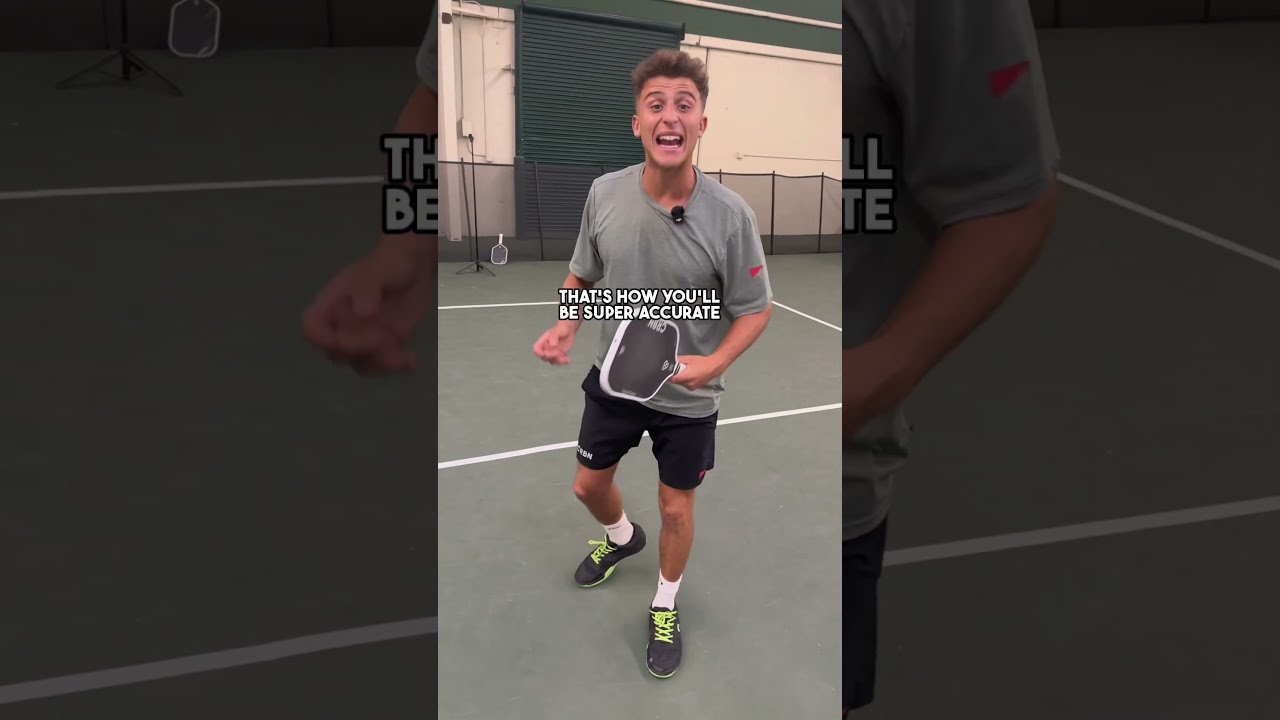
This breakdown comes from Connor Garnett Pickleball on YouTube, pulled from a long conversation about the ideas that changed his game most over seven years of playing and coaching.
We are focusing on three big ideas here: tempo, the mechanics that actually matter, and the three layers of awareness that decide how you diagnose every mistake.
Love pickleball? Then you'll love our free newsletter. We send the latest news, tips, and highlights for free each week.
What Is Pickleball Tempo?
Pickleball tempo is the rhythm of the ball coming to your paddle, from your first movement to the moment of contact.
It is the flow of the shot, not the speed of your swing. Think of it like music. A good dink has a wait, then a go, with a small natural pause built in.
A rushed shot is staccato. You sprint to the ball, jam on the brakes, and try to swing smoothly from a body that is still in fast mode.
That is why so many misses on drops and drives come from pickleball tempo errors rather than technique errors.
The mechanics were fine. The timing was not.
Should You Move Fast or Slow to the Ball?
Move as fast as you need to, but only as fast as lets you keep your mechanics intact.
The goal is to arrive in a slow, controlled state, not to arrive out of breath and then try to calm down.
Here is the key insight: the more you ramp up before the shot, the harder it is to settle back into a smooth swing.
Your pickleball tempo collapses because your mindset has to change gears mid-movement, and most players cannot do that cleanly.
Elite players often look like they are moving slowly to the ball.
Ben Johns is a great example in singles, where he hits shot after shot with a smooth, unhurried feel while still getting everywhere he needs to be.
On a short ball that pulls you forward, the same rule applies.
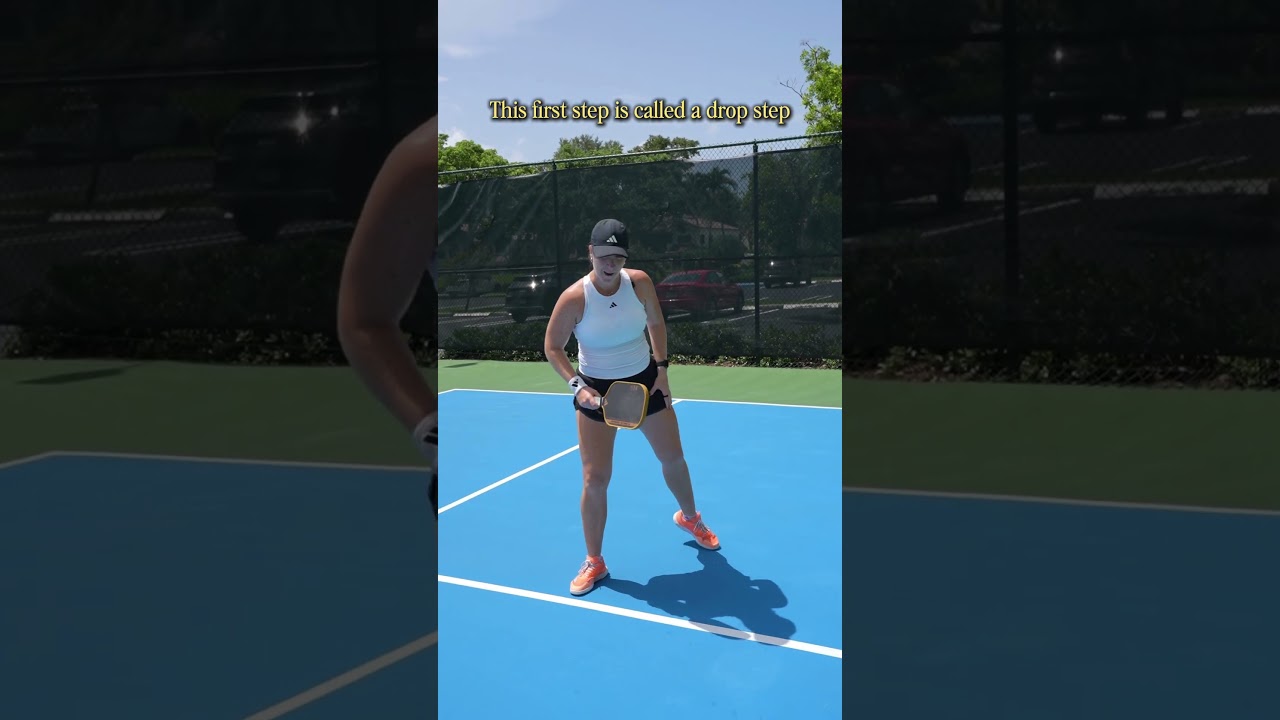
Get there quickly, but arrive turned and in your own balanced bubble, not lunging with your shoulders square to the net.
If you struggle with this on the third shot, our guide on why you keep missing your third shot drop pairs well with this idea.
Three ways to build better tempo
- Pause before you go. Add a half second of patience in the setup so the shot has a beginning, middle, and end.
- Stay in one state. Choose a slow, smooth rhythm and try to hold it from first step through contact.
- Preserve your mechanics on the move. Get to the ball fast enough to arrive in time, slow enough that your turn and contact point do not fall apart.
A lot of this connects to patience under pressure. If you want more on staying calm, check out how to play better pickleball by thinking less.
What Mechanics Actually Matter in a Pickleball Swing?
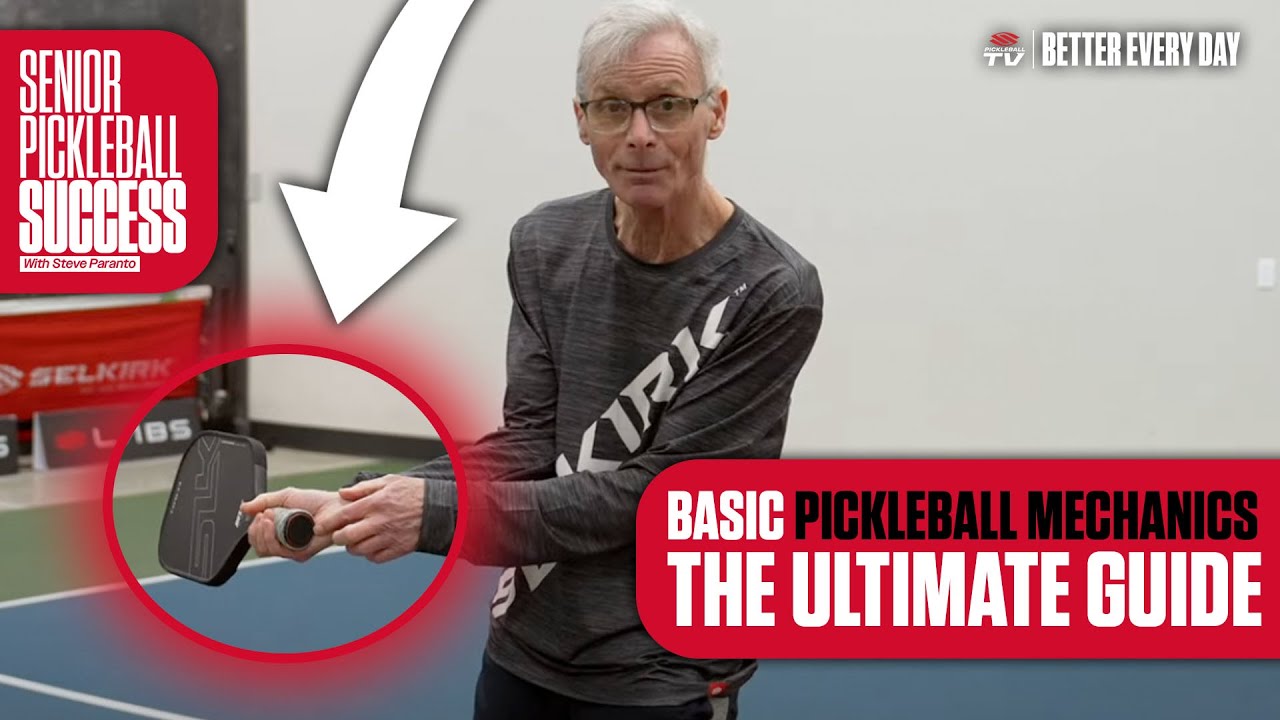
Only two things matter on almost every shot: your contact point and your shoulder turn. Everything else is decoration.
Connor illustrates this with a simple demo.
He takes the ugliest backswing in the world, then a clean one, and hits the same shot both times as long as his shoulders are turned and his contact point is consistent.
Think of the backswing as the magician's sleight of hand. It can be funky, loopy, or deceptive, but the window right around contact is where the real shot happens.
That is why overcomplicated coaching often fails. There are too many ways to play, and a seven step swing checklist ignores how different great players actually look.
If your contact point is giving you trouble, our piece on five ways to hit cleaner pickleball shots goes deeper on this.
 The Dink Media Team
How much does paddle position matter?
It depends on the shot.
On a drive, especially with a heavier ball like a Life Time ball, deception and shape matter less, so simply being marginally under the ball is enough.
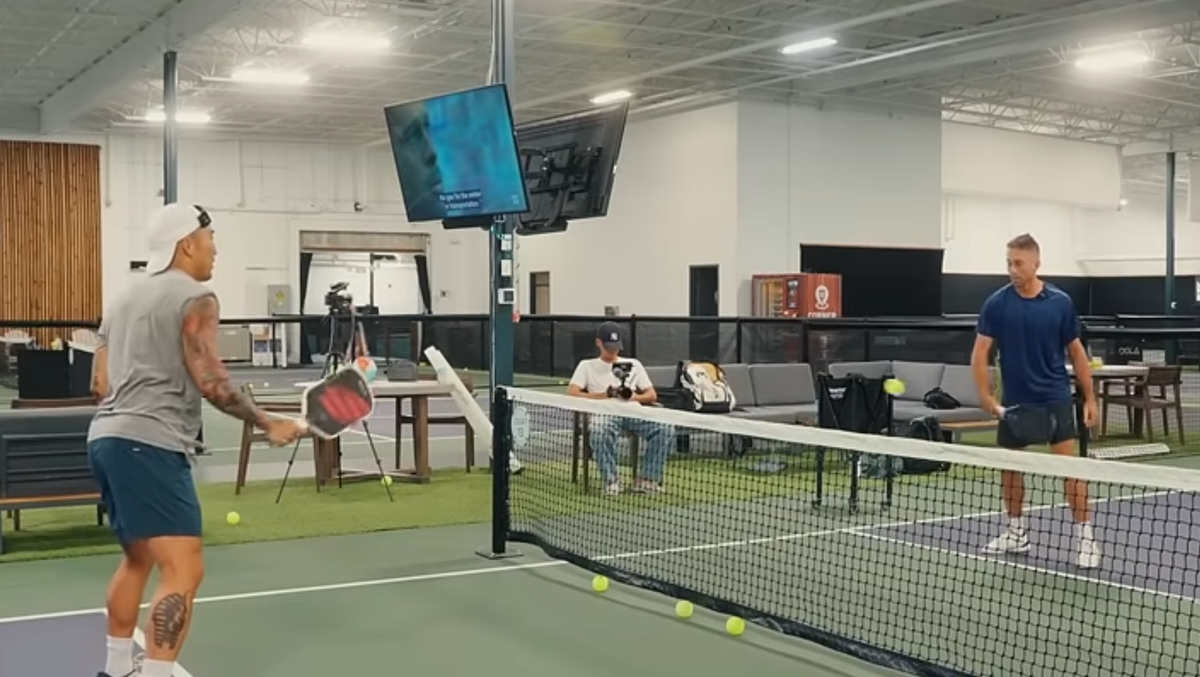
At the kitchen line, dropping your paddle down fully is one of the easiest ways to disguise a speed up.
Opponents cannot tell whether you are about to dink or attack until it is too late.
This is the kind of move you see pros like Rob Nunnery use on the forehand, and it works because your contact point and your pickleball tempo still look identical.
We cover the patterns behind these attacks in seven forehand speed up patterns for right side players.
 The Dink Media Team
Is Every Pickleball Mistake an Awareness Problem or a Skill Problem?
Yes, nearly every mistake falls into one of those two buckets, and diagnosing which one it was tells you exactly what to work on.
Awareness means you did not see the situation correctly, skill means you saw it and could not execute.
For example, you might think you need a better third shot drive.
In reality, your court position, or your read of which shot was highest percentage in that moment, may be what is actually broken.
Players who come from tennis often have high skill and lower awareness.
Players newer to racquet sports often have the opposite, and they have to build skill to match what they already understand.
This is the same trap behind the 4.0 pickleball trap, where good players stall because they are practicing the wrong thing.
 The Dink Media Team
The three phases of every rally
Every point moves through disadvantage, neutral, and advantage.
Disadvantage means you are off balance, stretched, or out of position, neutral means no one has the edge, and advantage means your opponent is the one in trouble.
Your job changes in each phase.
- In disadvantage: hit shots that neutralize or at least do not make things worse.
- In neutral: be patient and hit shots that can build an advantage.
- In advantage: do not just win, extend the advantage so the point does not slip away.
Elite players can skip steps. They go from defense straight to neutral, or from neutral straight to offense, because their skill lets them circumvent a phase.
For a practical look at when to flip the switch, see when to switch from defense to offense in pickleball.
 The Dink Media Team
What Are the Three Awareness Layers in Pickleball?
The three layers are awareness of self, awareness of situation, and awareness of opponent. Most players only work on the first one.
- Awareness of self is knowing your strengths, your weaknesses, and whether a shot is actually working for you. If a shot is winning points, keep hitting it, and if it is not, either improve it or retire it.
- Awareness of situation is knowing your court position, your balance, and what phase of the rally you are in. This is where most unforced errors begin, and it is where broken pickleball tempo shows up first.
- Awareness of opponent is often the hardest because you naturally think about yourself first. It means reading their hands, their weak side, and the limits of their counterattack.
That last point is a hidden reason players misread their own success.
You might win a point from a defensive position only because your opponent lacked the skill to punish you, which is not the same as making a good decision.
If you want to sharpen that reading skill, start with three ways to start reading your opponent’s weak side.
When should you speed up?
Speed up when you are on balance and your opponent is not, when they are off the kitchen line, or when your hands are simply better than theirs.
That third reason is the one that makes pickleball hard to teach.
A speed up that wins at 3.5 may get crushed at 4.5. The shot did not change, but the opponent's counterattack did.
This is why Connor’s advice is to play to your strengths and add layers to them as you climb.
His own backhand speed up off the bounce got criticized by commentators in a big match, yet it helped him earn a silver medal with Derek Shear.
The takeaway is simple: do not abandon a strength just because someone says you should.
Add a finish, add a variation, add a counter, and keep the shot alive at every level.
 The Dink Media Team
How Do You Put This Into Practice?
Start with one rep at a time and treat each as a tempo check, not a power check. Ask yourself whether the shot felt rhythmic or rushed before you ask whether it went in.
Then run through a quick diagnosis after every miss.
- Was my tempo smooth, or did I sprint and stab?
- Did I keep my shoulder turn and contact point consistent?
- Did I misread the situation or the opponent, or did I simply lack the skill?
If you are looking for structured work on this, our five pickleball practice drills for any skill level give you a place to start.
Players often make this leap when they stop chasing a perfect swing and start building a reliable one.
That mindset is explored in three fastest ways to get better at pickleball.
Finally, remember that pickleball is the same thing over and over, with just enough nuance to keep it hard.
The more you slow your tempo and sharpen your awareness, the more of that nuance you can actually use.
Frequently Asked Questions
What does tempo mean in pickleball?
Tempo is the rhythm and flow of the ball coming to your paddle, from your first move to contact. A good tempo feels smooth and unhurried, with a small natural pause before the swing.
Why do I rush my pickleball shots?
Most players rush because their mind speeds up faster than the ball does, or because they sprint to the ball and cannot settle back into a smooth swing. Arriving in a slow, controlled state instead of ramping up beforehand fixes most of it.
What matters most in a pickleball swing?
Your contact point and your shoulder turn matter more than anything else. Backswing shape and extra movement can vary widely between players as long as those two things stay consistent.
How do I know if a mistake was awareness or skill?
If you misjudged your position, shot choice, or opponent, it was an awareness problem. If you read everything correctly and still missed the shot, it was a skill problem.
When should I speed up the ball in pickleball?
Speed up when you are on balance and your opponent is off balance or off the kitchen line, or when your hands are clearly better. Always weigh your opponent's counterattack ability, since a speed up that works at one level may fail at the next.


Love Pickleball? Join 100k+ readers for free weekly tips, news & gear deals.
Subscribe to The Dink